
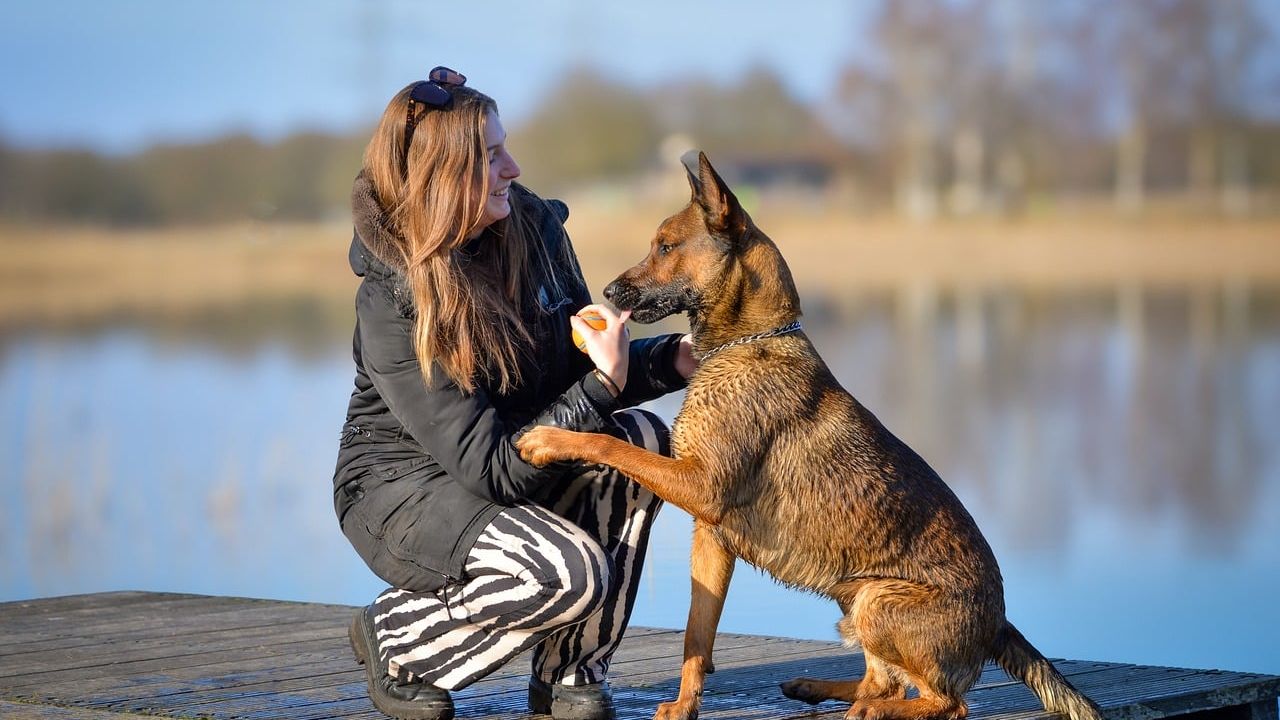
There’s a moment most dog owners know well. You’re sitting on the couch, maybe reading or scrolling your phone, and suddenly a warm weight presses against your leg. No barking, no nudging with a nose. Just a single, deliberate paw. Your dog is saying something, and they’re waiting to see if you get it.
Dogs are remarkably sophisticated communicators. They have a vast and flexible repertoire of visual, acoustic, and olfactory signals that allow expressive and finely tuned communication both with other dogs and with humans. Their paws are a central part of that toolkit. Beyond familiar body language, barking, and wagging tails, dogs use their paws as a subtle yet powerful way to express their feelings and needs. This “paw language” isn’t a formal sign language, but a series of clear signals combined with body posture and facial expression that every owner can learn to recognize.
Once you start paying attention to what those paws are really doing, you’ll find your dog has been holding full conversations with you all along.
The Gentle Tap: “Hey, I’m Right Here”
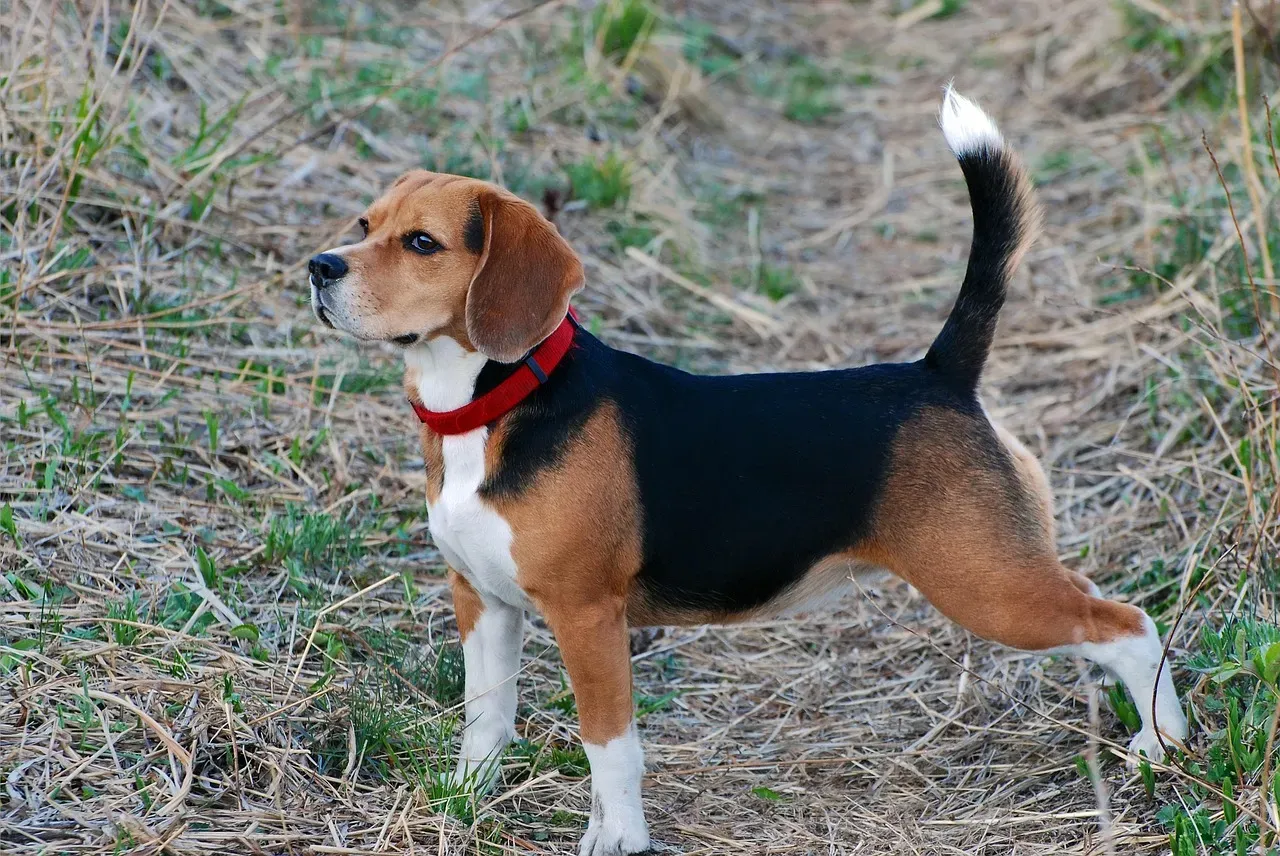
The most common reason dogs paw at their owners is simple: they want your attention. It might be the most successful strategy in a dog’s entire communication toolkit. Think of it as a shoulder tap from a friend who doesn’t want to be rude about it.
A lot of times dogs will sit at our feet and gently start using their paws to poke you. This is usually a plea for attention. They are ready for some playtime, cuddles, or simply want in on whatever you are doing. The scenario is endearing and extremely relatable. You’re busy at your desk, and your dog has decided that whatever you’re doing is far less important than they are.
A soft, single paw placement usually means your dog wants gentle attention or is checking in with you. Repeated pawing with more pressure often signals urgency, like needing to go outside or wanting their dinner. So the intensity of the tap matters. Learn to read the difference between a polite nudge and an insistent drumbeat on your knee.
The Paw on Your Lap: “I Love You”
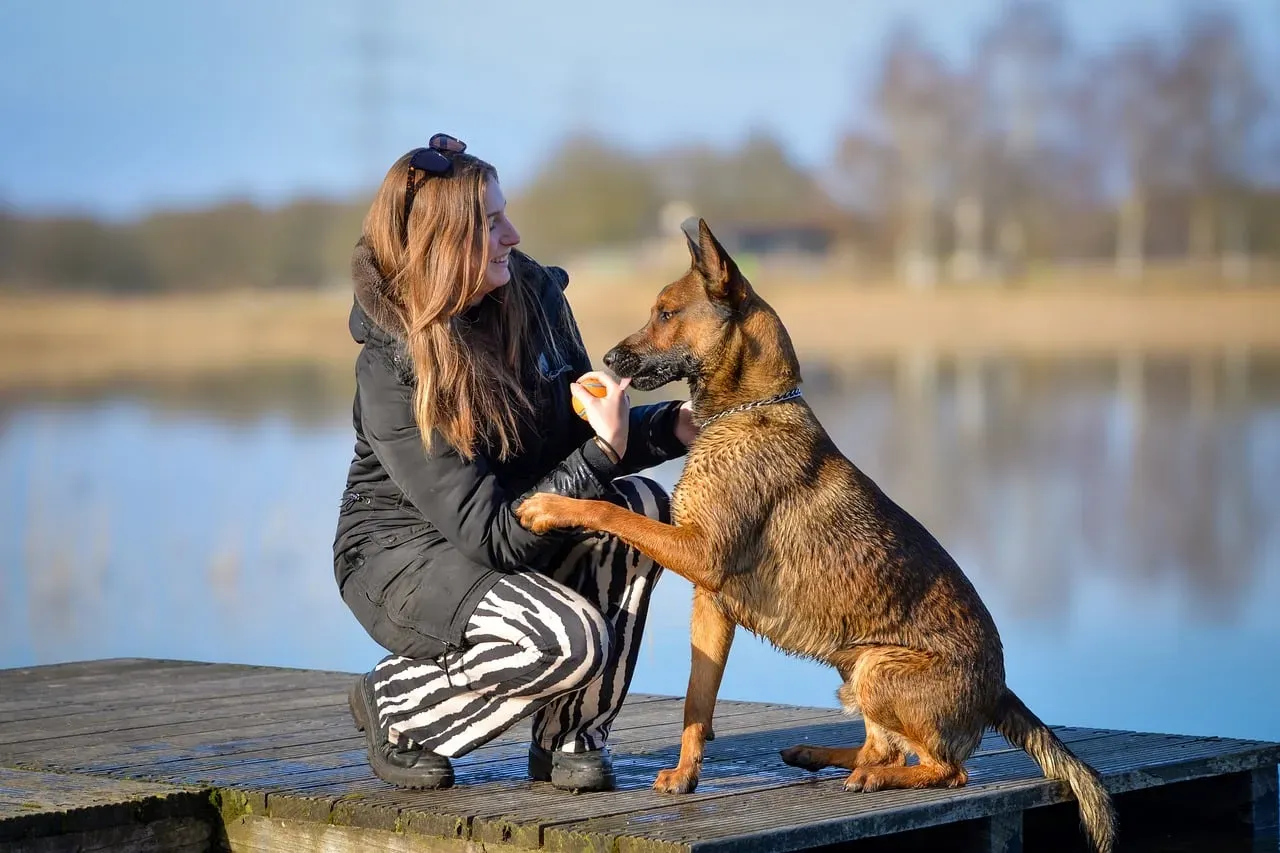
Dogs often use a paw to communicate affection and reassurance. When a dog gently places a paw on you during quiet times, it can mean “I love you” or “I’m here for you.” This tender touch is part of how dogs bond closely with their humans.
Because dogs possess serotonin, oxytocin, and dopamine, they can experience love and often show it through pawing, such as if they rest a paw on your arm while you’re petting them. That small gesture during a quiet evening isn’t random. It’s your dog reaching out in the only way they physically can.
Pawing you gently or setting a paw on you is one way to touch and feel connected. If you’ve ever been upset and noticed your dog becoming extremely attentive, the touch of a paw can be as calming as your gentle hands are on them. Sometimes the most comforting presence in a difficult moment is a paw that asks nothing in return.
The Playful Paw Slap: “Come On, Let’s Go!”
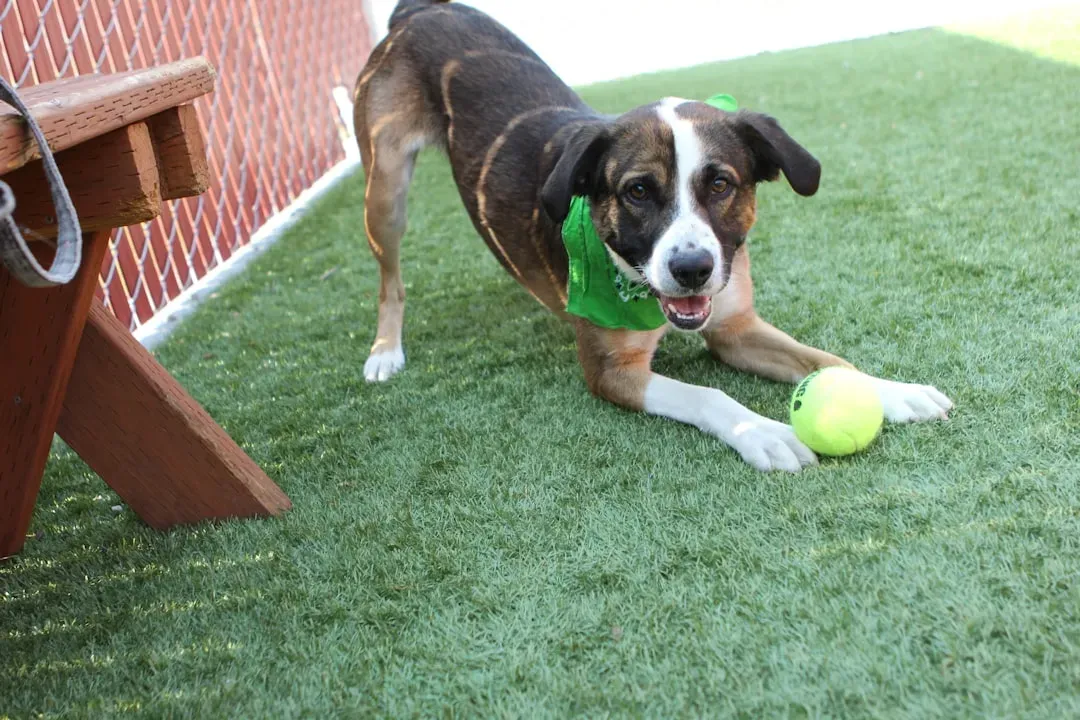
When your dog wants to play, they’ll often use a characteristic posture that includes their front paws. A common signal is the “play bow,” where your dog lowers their chest to the ground, raises their rear end in the air, and extends their front paws forward in an open, inviting manner. You might also notice enthusiastic tail wagging, excited bouncing, or barking to get your attention.
To initiate play, a puppy may paw other dogs or paw the ground in front of them to let others know it’s time to play. If the other dog paws back, they have agreed that play is on. This is ancient dog social language at work, and it translates just as clearly to human interactions.
During playtime, dogs may use their paws to engage with other dogs or humans. This pawing is usually light and playful, often seen with crouching or bouncing around excitedly. Look for other signs of playfulness, such as wagging tails and play bows. When in doubt, the whole body will confirm what the paws are saying.
The Paw at the Door: “I Need to Go Outside”
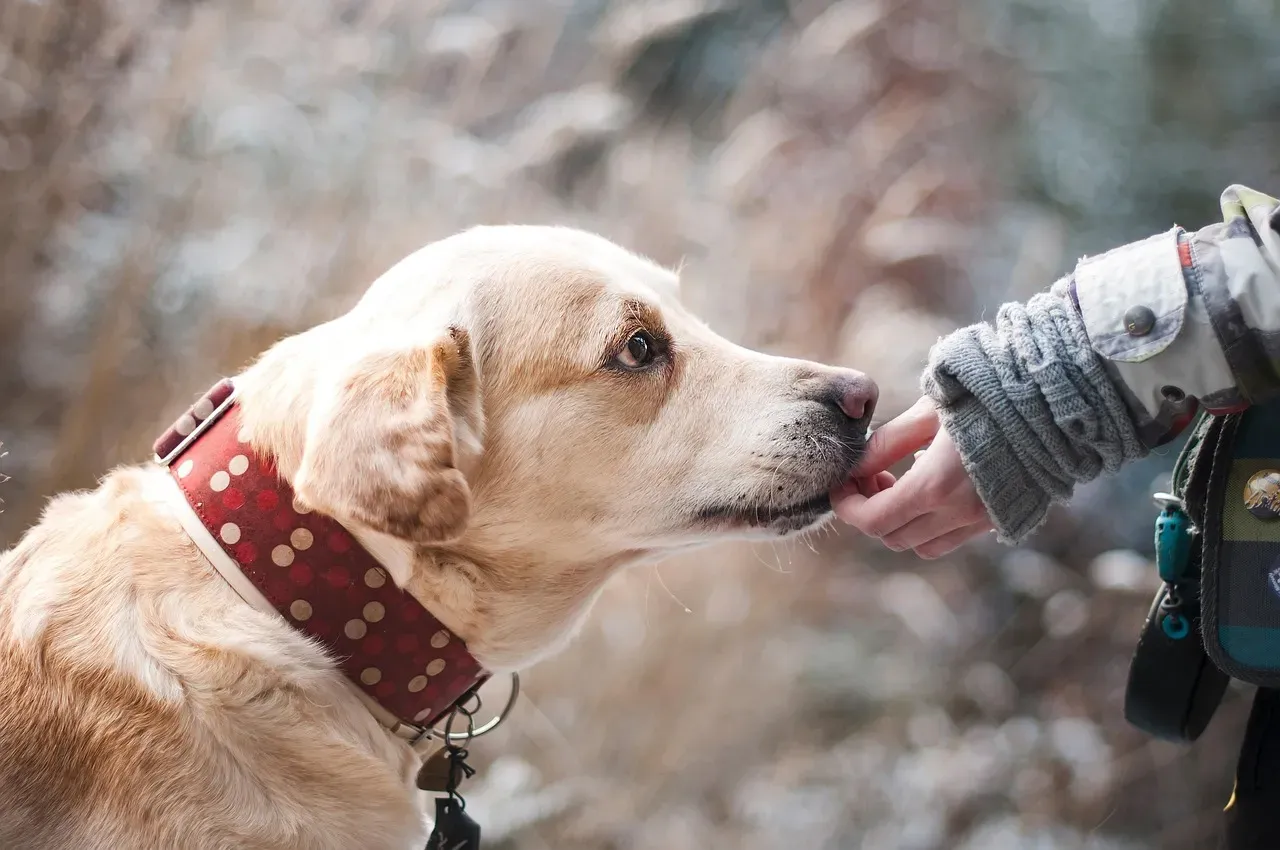
If a door is closed between your dog and the outdoors, they may paw or scratch at the door to signal their desire to be let out. It’s one of the clearest, most practical paw messages a dog can send, and most owners learn it fast.
From puppyhood on, most dogs are conditioned to go to the bathroom outdoors. As the human, you’re the one who can open the door for them. While some dogs will sit by the door or scratch at it when they need to go, others will happily go directly to their humans and paw at them. It’s worth paying close attention to your dog’s preferred signal style, since not every dog broadcasts their need the same way.
Some dogs become very precise with this communication. They might paw you, then walk to their water bowl if it’s empty, or paw you and look toward the leash when they want a walk. The combination of the paw tap followed by a meaningful glance is one of the more impressive displays of canine problem-solving you’ll encounter.
The Food-Begging Paw: “Don’t Forget About Me”
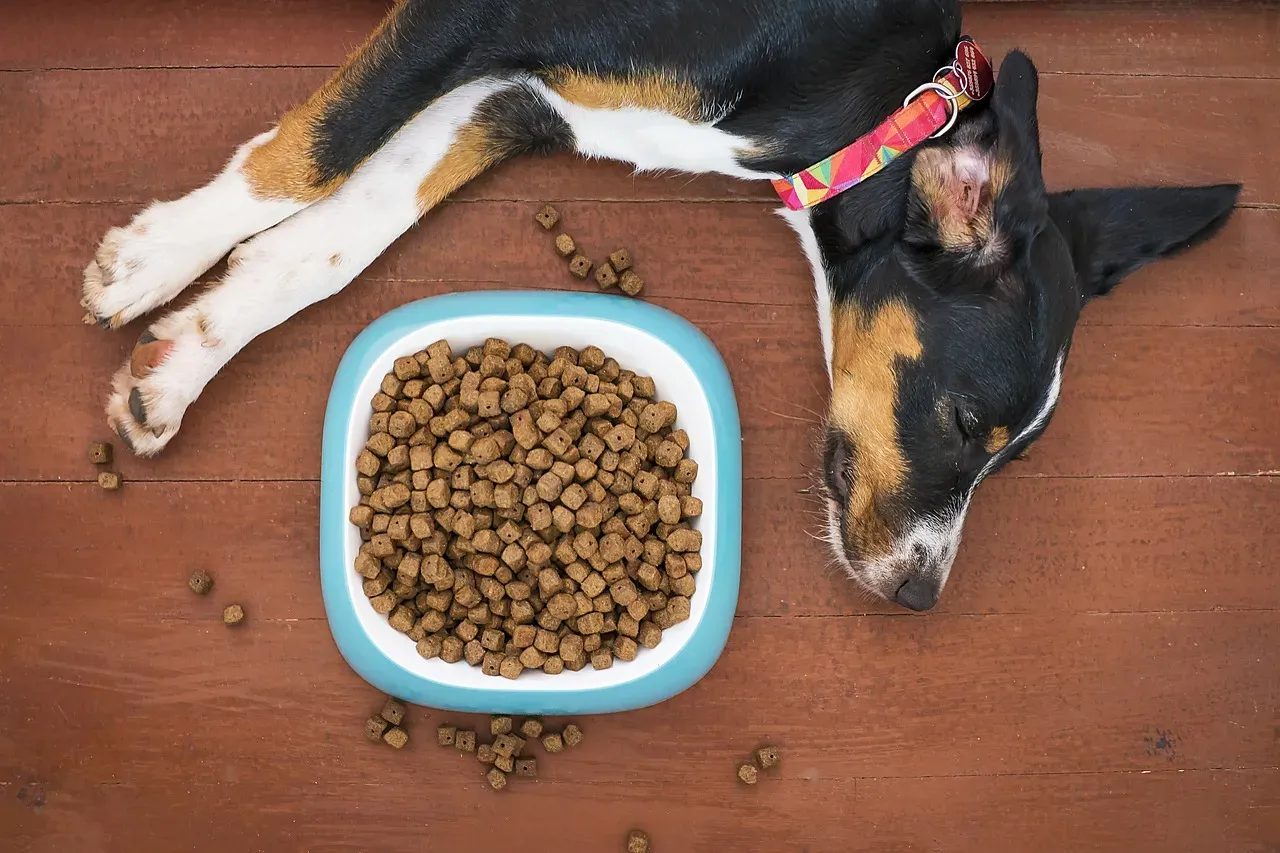
One of the most direct ways dogs use their paws to communicate is when they’re asking for food or a tasty treat. If you’re holding a snack or preparing their meal, your dog might paw at you as if to say, “Hey, don’t forget about me!” Many dogs quickly learn that this gesture can speed up the process, especially if it’s rewarded with a treat.
Because pawing is a natural behavior from birth (pups will paw at their mothers for milk), dogs use this communication tool when in need. The habit starts from the very first days of life and simply gets redirected toward whoever controls the food bowl as they grow up.
Still, there’s a gentle caution here. If owners don’t know why their dog is pawing them excessively, giving a tasty treat is an easy and quick fix. However, by doing this you may unintentionally cause the undesired behavior of frequent paw taps. Consistency and clear boundaries around mealtimes matter more than most owners realize.
The Stress Paw: “I’m Scared, Stay Close”
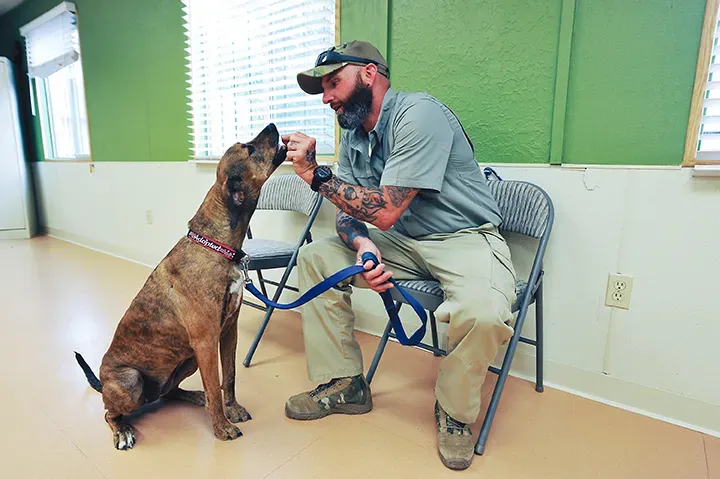
When dogs feel worried, scared, or stressed, they often seek reassurance from their trusted person through pawing. During thunderstorms, fireworks, or vet visits, your dog might repeatedly paw at you looking for comfort. This behavior says “I’m scared and need you close” in the clearest way they can express it.
Anxious pawing usually comes with other stress signals like panting, trembling, or trying to climb into your lap. The pawing might be more insistent and urgent than typical attention-seeking behavior. Reading the full picture is key. A dog pawing frantically with pinned ears looks very different from a dog gently asking for belly rubs.
If a dog lifts their paw without touching anything, this might be a sign of stress. Touching someone can also be a stress response, especially if they’re trying to push you away with their paw. If your dog is showing stressful pawing, remove them from the situation. Recognizing the distinction between “I love you” pawing and “I’m overwhelmed” pawing is one of the more important skills a dog owner can develop.
The Raised Paw: “I’m Not Sure About This”
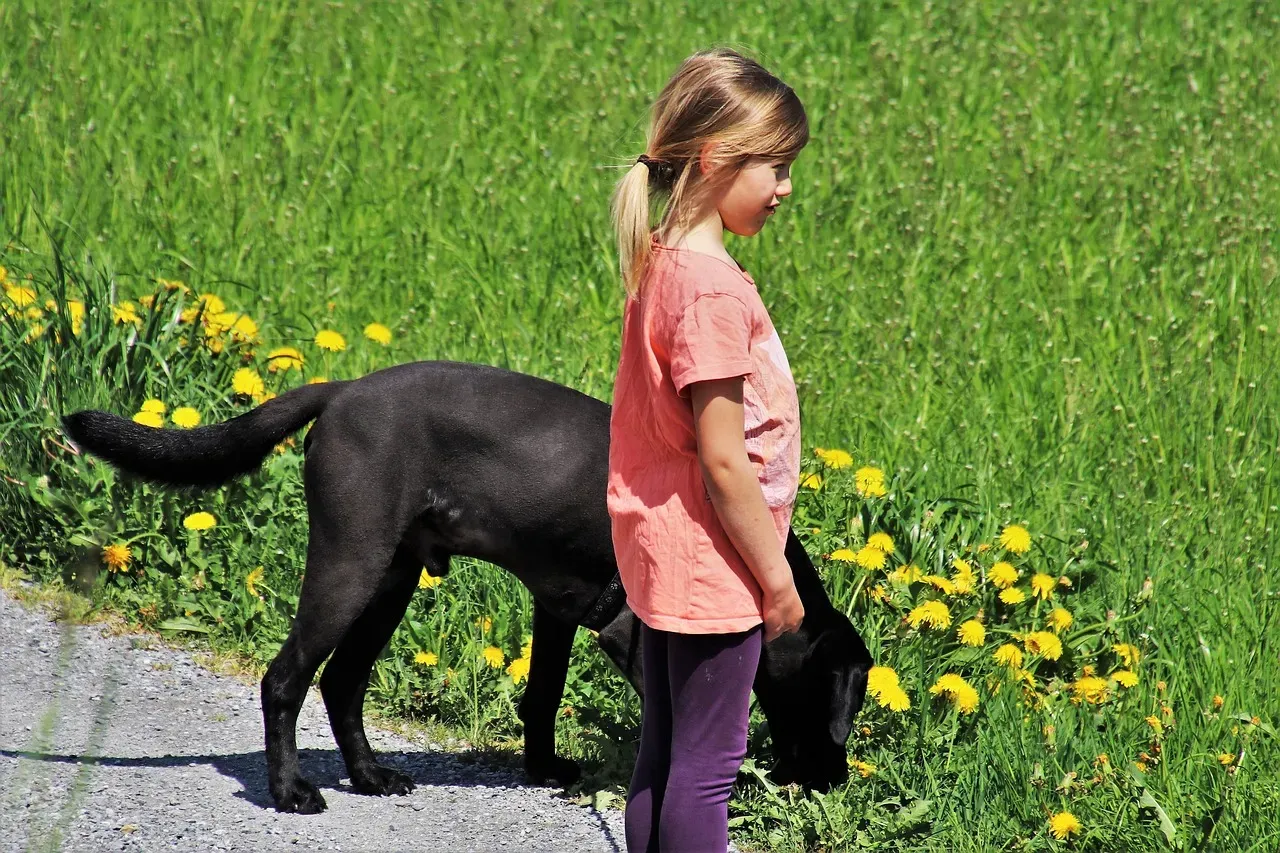
A less easily understood signal is the paw raise. In pointing breeds like the English Setter, the paw raise is part of pointing behavior, where the dog indicates nearby prey. Outside of this context, a raised paw often indicates that a dog is uncertain about a situation or perhaps feels a bit insecure.
Along with postural and facial displays, dogs can exhibit other behaviors to signal their inner state. For example, they lift their forefoot paw to indicate uncertainty, or they lick their lips to communicate appeasement intentions. This is one of those quieter signals that gets missed all the time. A dog hovering a paw in mid-air isn’t being cute. They’re actually communicating genuine hesitation.
A dog sitting with one front paw slightly raised signals stress, social fear, and insecurity. It is also recognized as a calming signal. If you see this in a new environment or during a greeting with a stranger, give your dog space and time to settle before asking anything more of them.
The Territorial Ground Scratch: “I Was Here”
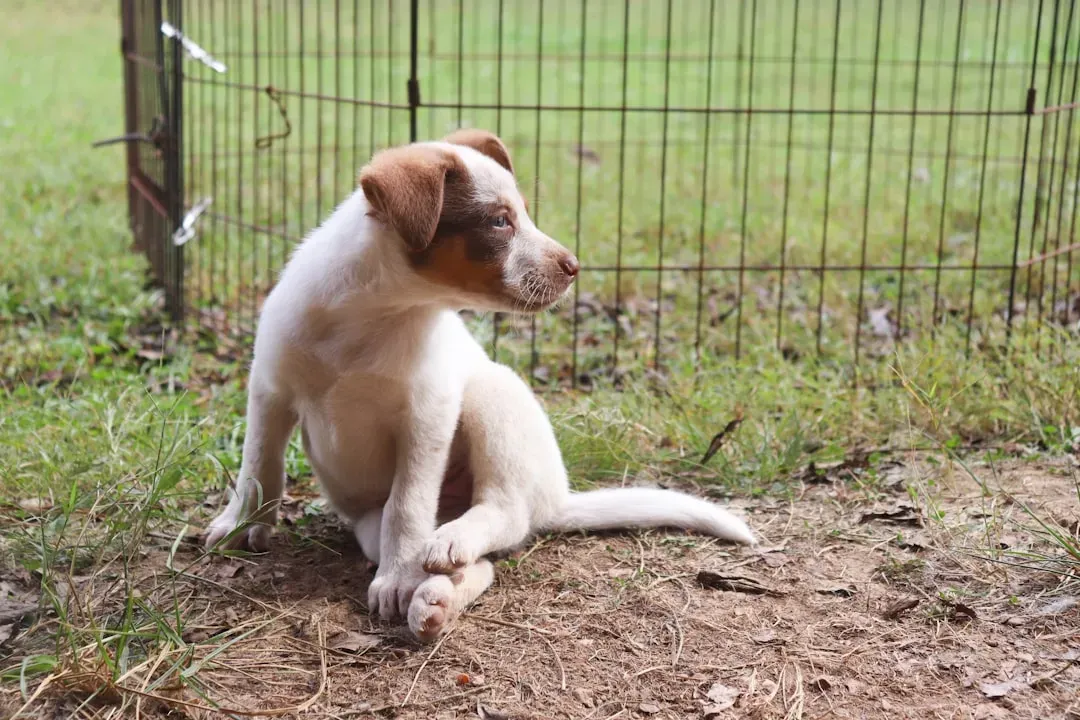
If you notice your dog scraping frantically at the ground or kicking debris behind them, it’s usually an act of marking their territory. Their bodies are busy producing an important chemical reaction that allows them to communicate with other canines. Dogs have glands in their paws that release pheromones that trigger social interaction with other dogs. These pheromones from dogs’ feet last longer than the scent of urine or feces, making them a more effective communication tool.
Ground-scratching has been referred to as a composite signal that involves chemical and visual components of communication. The kicking motion is a visual display for other dogs and may help spread the scent of urine. Your dog isn’t just making a mess. They’re posting a message on a community board that only other dogs can fully read.
Researchers have found that ground-scratching occurred more often along territorial boundaries in free-ranging dogs. For dogs that belong to someone, pet parents may notice ground-scratching is more likely to occur in their yard, in front of the house, or on grounds near their house. It’s ancient instinct playing out on your front lawn every single morning.
Pawing at Their Own Body: When It’s a Health Signal
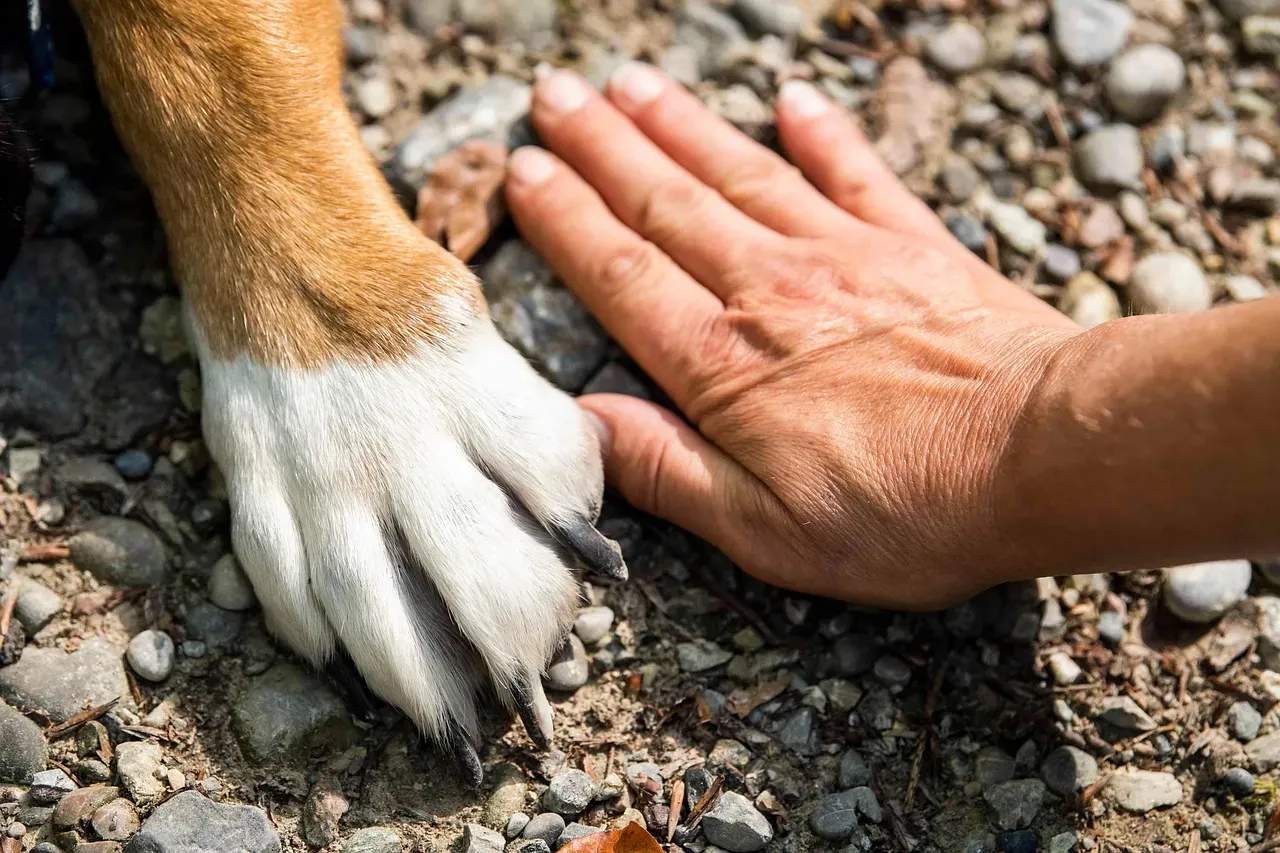
Persistent pawing or scratching at specific body parts may indicate discomfort or pain. Your companion cannot verbally communicate their discomfort, so they use their paws to draw your attention to the problem area. This is the category of paw behavior that demands the most vigilance from owners, because it can look like ordinary scratching right up until it isn’t.
Allergies, including atopic dermatitis, contact allergies, and food allergies, are the most common cause of pododermatitis in dogs. Allergies in dogs often cause them to have itchy paws, which leads to pododermatitis. Environmental allergies are the most common cause of excessive paw licking. Dogs absorb allergens through their skin and paws, unlike humans who typically react through inhalation. Seasonal pollen, grass, dust mites, and mold spores often trigger these reactions.
Contact your vet if your dog is limping or obsessively licking and chewing at a paw, or if the paw is red, painful, warm, irritated, odd smelling, or swollen. Persistent face rubbing can also be a sign of a health issue such as eye irritations, ear infections, or even neurological issues. When paw behavior shifts from occasional to compulsive, it’s time to get a professional involved. Your dog is telling you something is wrong, and they’re counting on you to listen.
Conclusion: Paws Are a Language Worth Learning
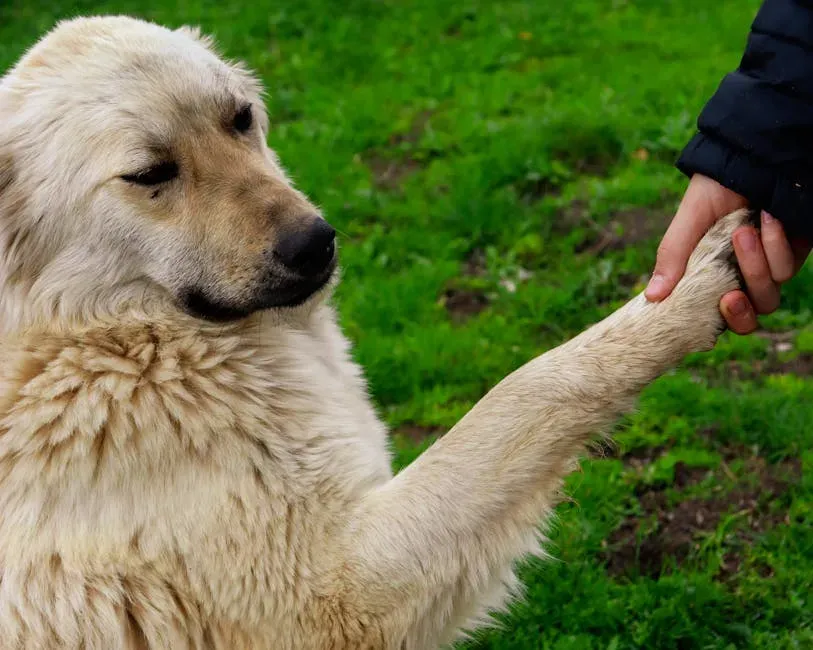
Every paw tap, scrape, lift, and gentle placement carries something your dog is trying to share. Your dog is “talking” to you all the time. If you learn what your dog is saying, you will develop a deeper bond of trust and respect. Your newfound understanding of your dog’s emotional state can also help you predict their behavior and prevent problems before they arise.
Single behaviors need to be considered and observed in the context of all the other signals displayed at that time, as well as the general body language, in order to correctly interpret the individual’s emotional state. Context is everything. The same paw on your knee means something completely different depending on whether your dog’s tail is wagging softly or their ears are pinned back with worry.
The real reward of learning paw language isn’t just solving the mystery of what your dog wants in any given moment. It’s the steady realization that your dog has been fluent in you all along, and now you’re finally becoming fluent in them. That’s a conversation worth having.


