
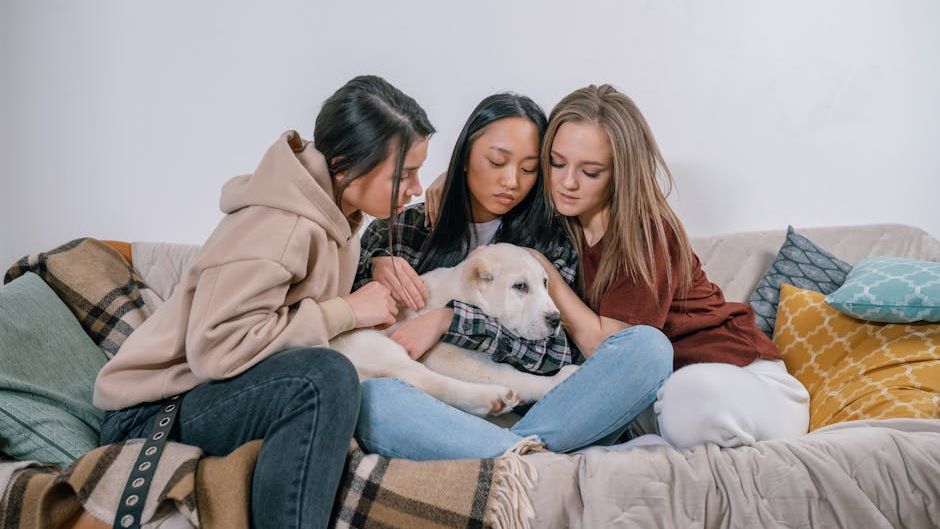
Your dog has been watching over you all day. While you were scrolling through your phone, watching TV, or just quietly reading a book, there’s a good chance your dog was doing something far more purposeful than simply napping. Dogs carry thousands of years of protective instinct in their DNA, and that instinct doesn’t take a day off.
Most people picture protection as dramatic: barking, growling, standing tall. The truth is quieter and far more interesting. We often misinterpret protective behaviors as clinginess or random bursts of energy, but understanding these subtle cues can deepen your bond and help you appreciate the complex job your dog performs every single day. Once you start recognizing these behaviors for what they really are, you’ll never look at your dog the same way again.
1. Positioning Themselves Between You and Others
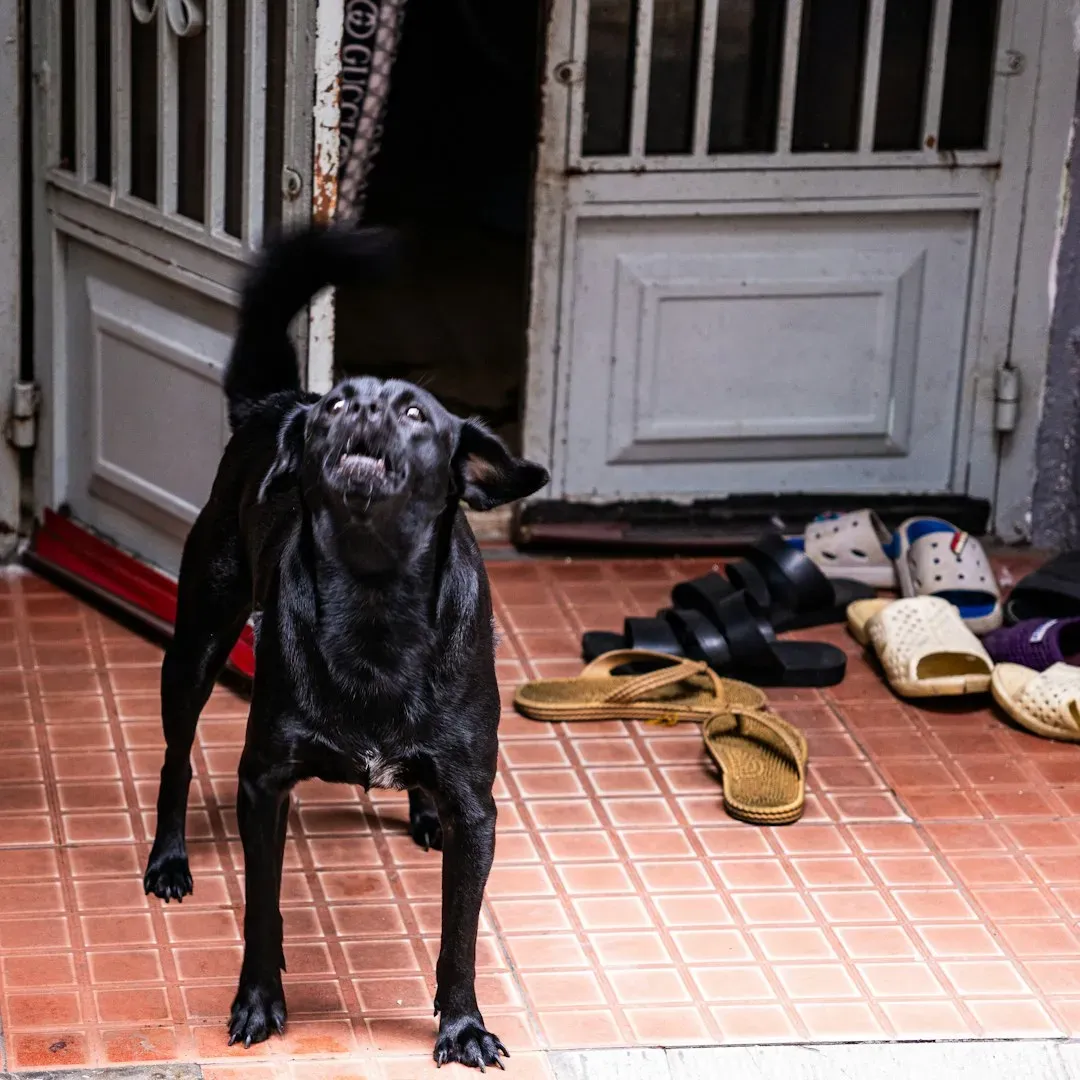
One of the clearest signs your dog is in protective mode is where they choose to stand. A protective dog often positions themselves between you and what they perceive as a danger. You might see this at the front door when a visitor arrives, or on a walk when a stranger passes a little too close for your dog’s comfort.
When your dog stands between you and an approaching person or situation, they’re displaying a protective gesture. Even if the threat isn’t immediately obvious, dogs instinctively feel the need to shield their owners. It’s a protective stance that showcases their deep bond with you and their natural instinct to look out for your safety. Think of it less as aggression and more as your dog quietly saying, “I’m here, and I’ve got this.”
2. Sleeping at Your Feet or Facing the Door
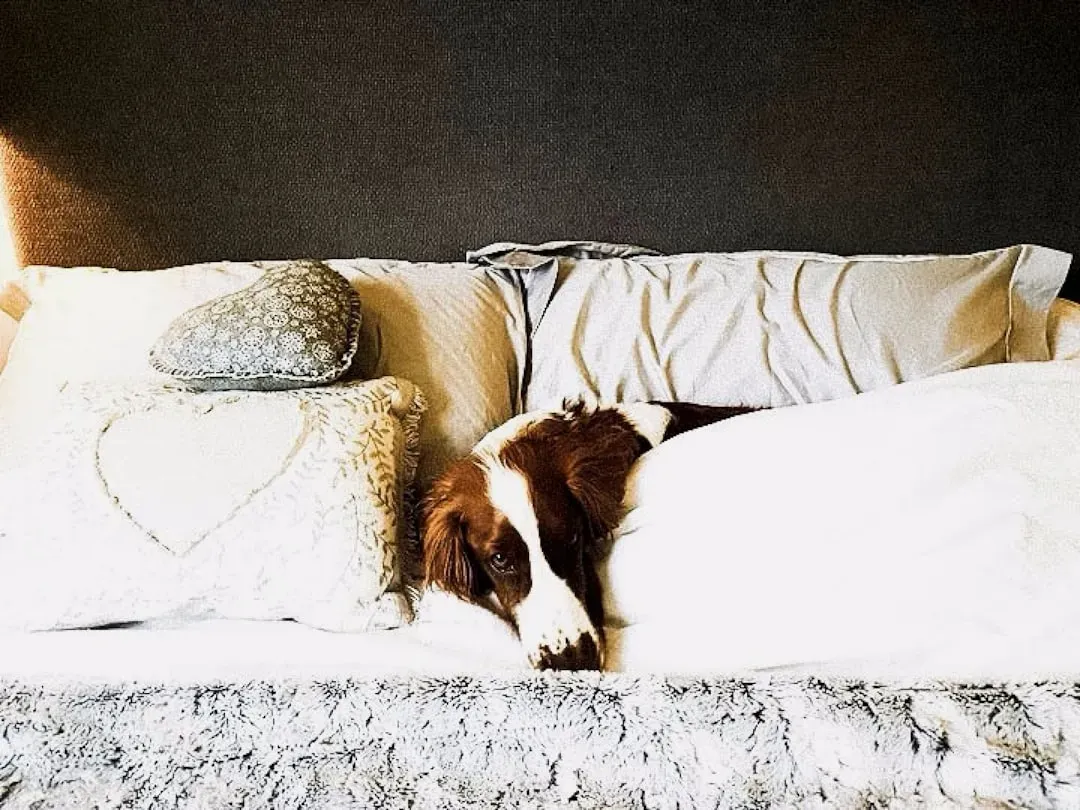
Sleeping in close proximity is an ancient pack behavior designed to provide security during the pack’s most vulnerable hours. By pressing against you, dogs can instantly alert you to any unusual sounds or movements in the night. That warm weight on your feet at bedtime isn’t just your dog being cozy. It’s deliberate.
When your dog chooses to sleep with their body facing the entrance to a room, it isn’t just about airflow or a preferred nap spot. Dogs will often position themselves this way to monitor potential intruders or disturbances. By placing themselves between you and the exit, they’re in a prime position to spring into action if anything seems off. Quietly on guard, even while resting.
3. Hypervigilance and Scanning the Room
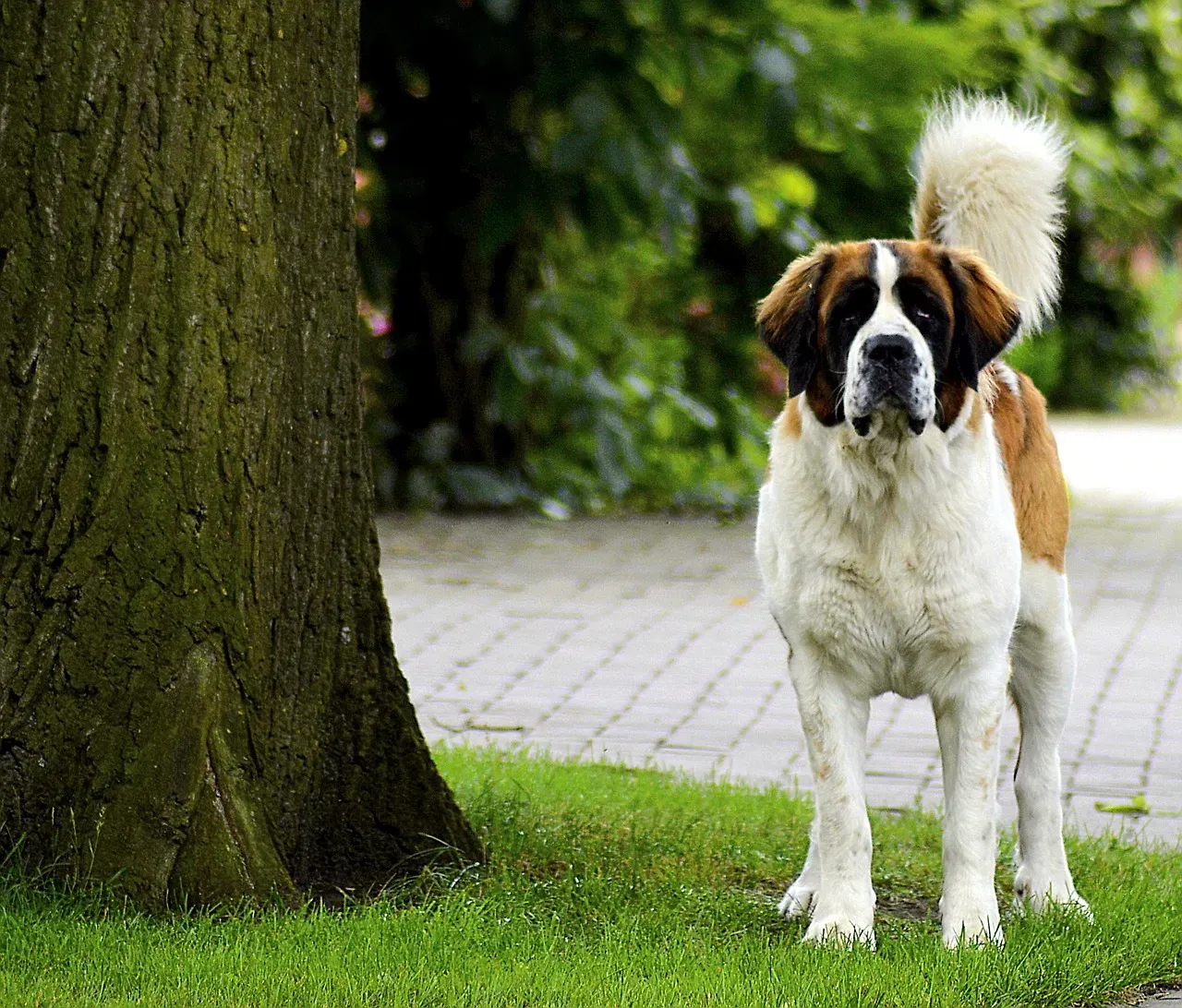
A protective dog remains hyper-aware of their surroundings. They may scan the environment frequently and react quickly to sudden noises or movements. If your dog seems to be doing a slow sweep of every corner when you enter a new space, that’s not distraction. That’s reconnaissance.
Some dogs will intently stare at you like a hawk as a way to interpret your feelings and detect warning signs of danger as early as possible. In addition to observing you, they may constantly maintain a visual and emotional “radar” on windows and doors if anything suspicious occurs. This kind of quiet vigilance is easy to miss, but once you see it for what it is, it’s genuinely impressive.
4. Following You from Room to Room
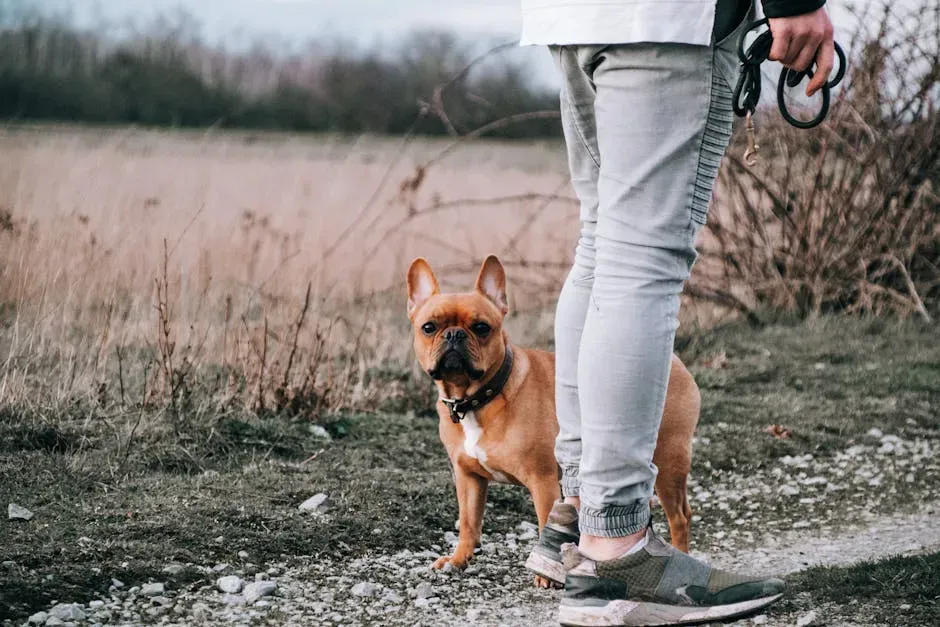
One of the most telling signs that your dog is keeping watch is their tendency to follow you everywhere. Whether you’re moving from room to room, stepping into the kitchen, or even using the bathroom, your dog is likely right behind you. This behavior goes beyond simple curiosity; it’s an instinctual drive to stay close and protect you. It’s their way of ensuring you’re safe, even if you don’t realize it.
Dogs that are protective of their owners tend to stick by their side, especially in unfamiliar environments. They want to ensure your safety and be ready to intervene if needed. So, the next time your dog follows you into the laundry room at 10 p.m., know that it’s not neediness. It’s loyalty on two-hour patrol.
5. Making Direct and Sustained Eye Contact With You
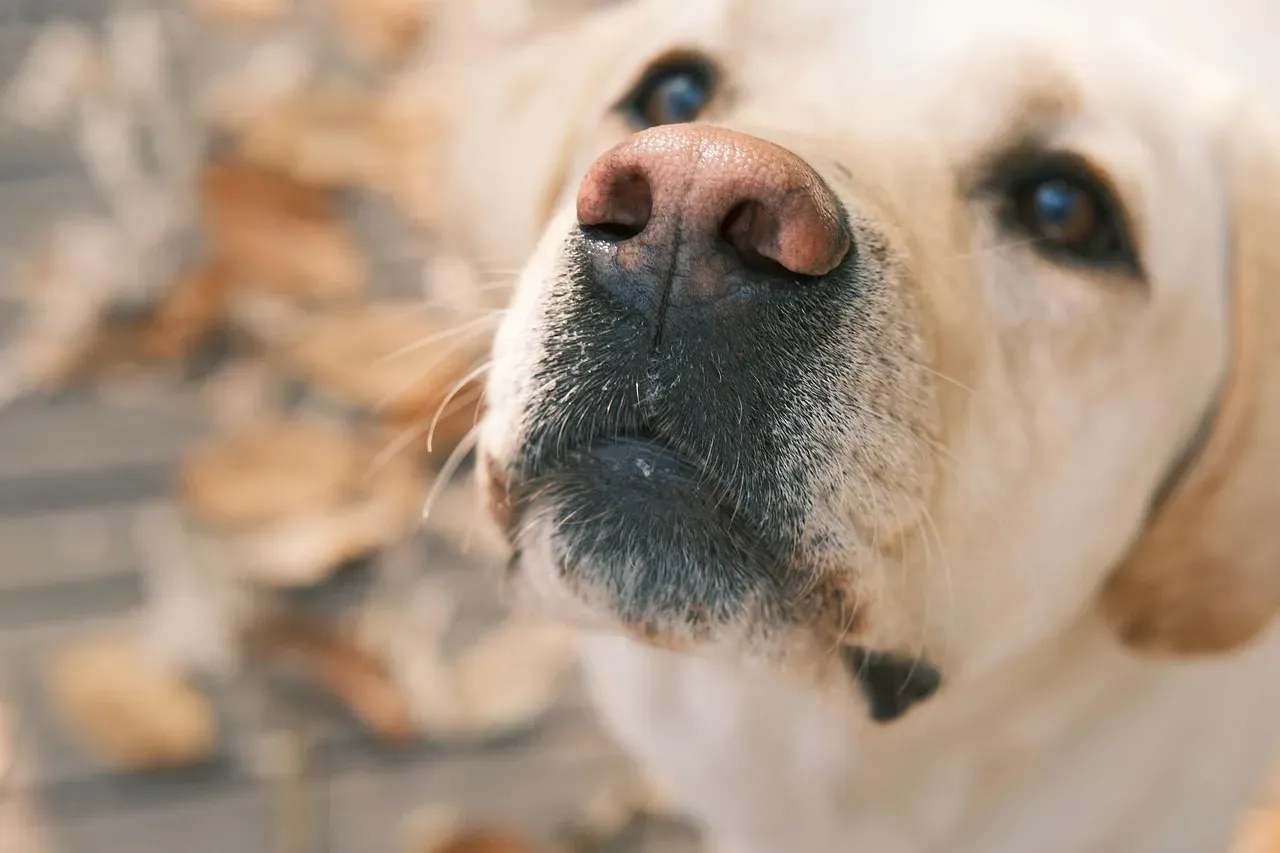
Dogs are often checking in to read your body language and assess whether you are comfortable in your current situation. This visual check-in allows them to synchronize their mood with yours and react instantly if you show signs of fear. That long, steady gaze your dog gives you from across the room isn’t just longing. It’s active monitoring.
Scientific research shows that sustained eye contact triggers the release of oxytocin, the “love hormone,” which reinforces their desire to protect and care for you. They are watching you to make sure you are okay and looking for cues on how to act. The bond behind that gaze is both chemical and deeply intentional.
6. Alert Barking at Unusual Sounds
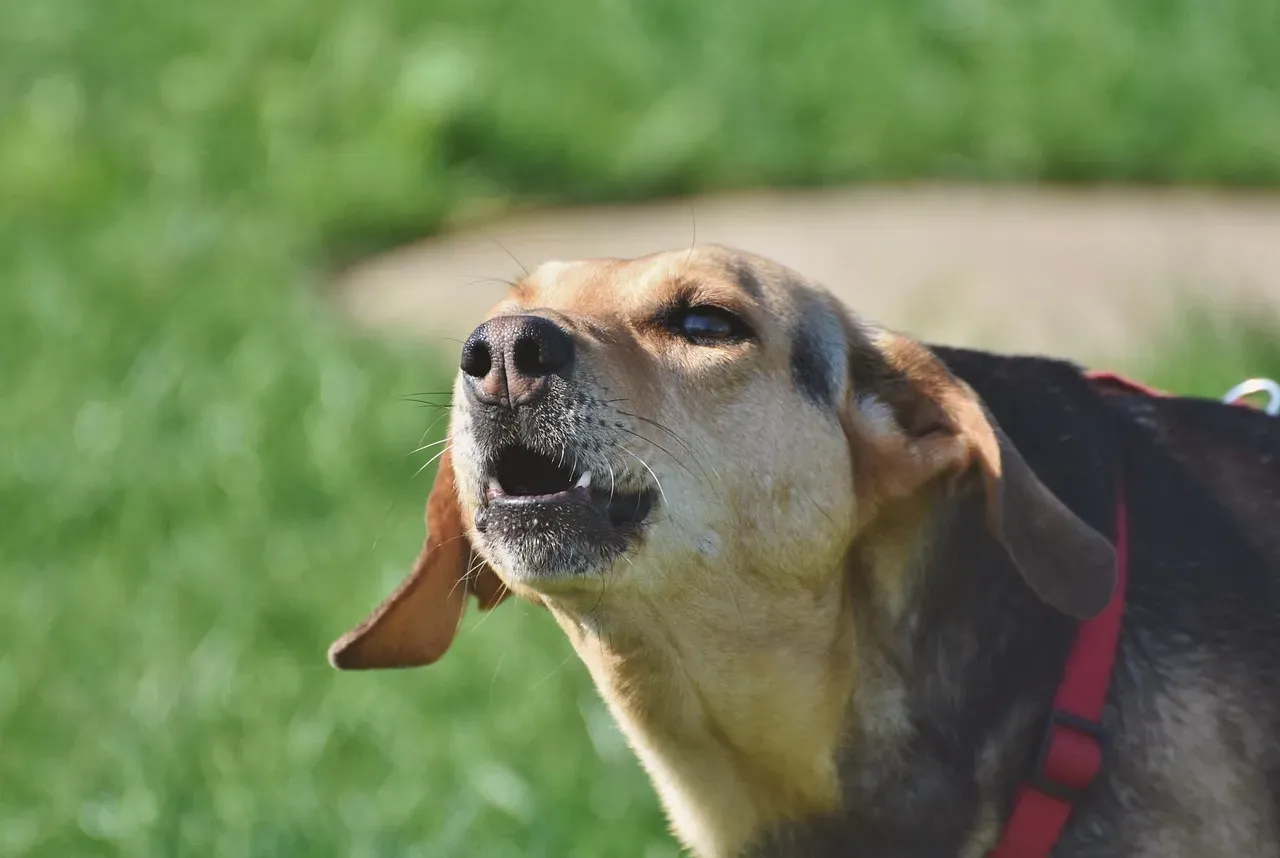
With their extraordinary sense of hearing and smell, dogs can detect potential threats long before you notice them. When a dog growls or barks at someone approaching your home, it’s a clear sign that they are alerting you to something amiss. Their heightened senses make them excellent guardians, capable of detecting danger in ways that humans can’t.
Dogs are filtering out background noise to isolate anything out of the ordinary. Dogs can hear sounds four times farther away than humans can, giving them a significant advantage in early threat detection. When those ears perk up, they are listening to something you likely cannot hear yet. That sudden head tilt followed by a low bark? Your dog caught something you completely missed.
7. Stiff Posture and Raised Hackles
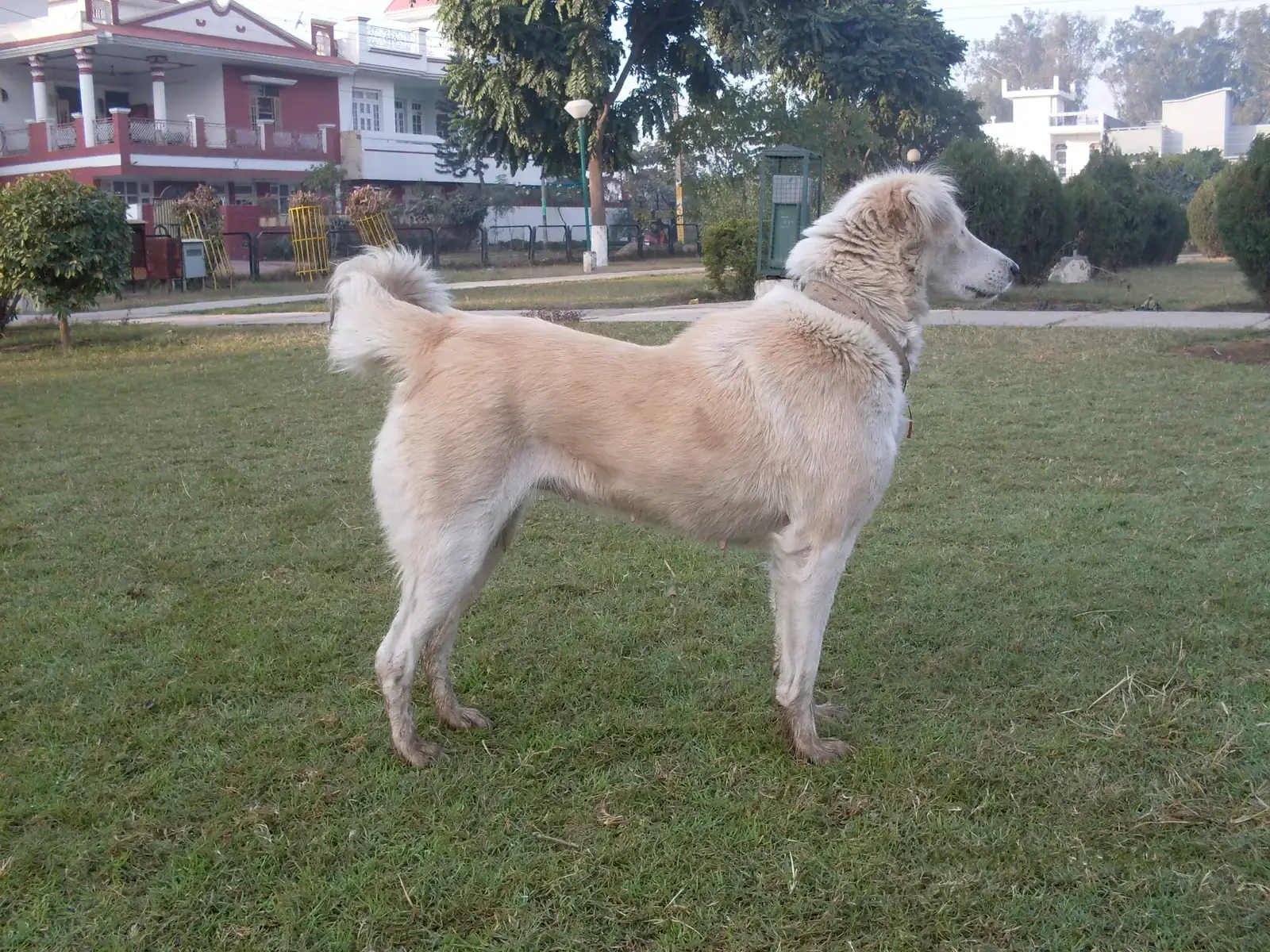
Protective dogs often exhibit rigid posture when assessing a situation. Look for signs like a raised tail, perked ears, and an intense gaze. This is your dog running a full threat assessment, and they’re doing it for you. The stillness can feel eerie, but it’s actually a sign of focused, purposeful awareness.
Your dog may suddenly become stock-still, eyes locked on a perceived threat. The dog’s body becomes rigid, often with hackles raised. True protective behavior is calm, controlled, and situational. Look for strategic positioning, focused alertness, and responsive behavior rather than constant anxiety or aggression. Protective dogs assess situations rationally, respond to commands, and maintain composure.
8. Nighttime Check-Ins While You Sleep

Dogs don’t just sleep through the night without a care in the world. Many dogs will wake up throughout the night to check on their humans, ensuring everything is as it should be. If your dog moves around, listens for sounds, or even gently nudges you while you’re sleeping, they are doing a security check to ensure you’re safe.
This behavior is particularly common in breeds that are known to be protective or those that have a strong attachment to their owners. Your dog feels comforted by your presence and knows that you’re at your most vulnerable while sleeping, so they naturally take on the role of your nighttime protector. It’s a quiet kind of devotion that most owners never even notice.
9. Sensing Emotional Distress and Staying Close
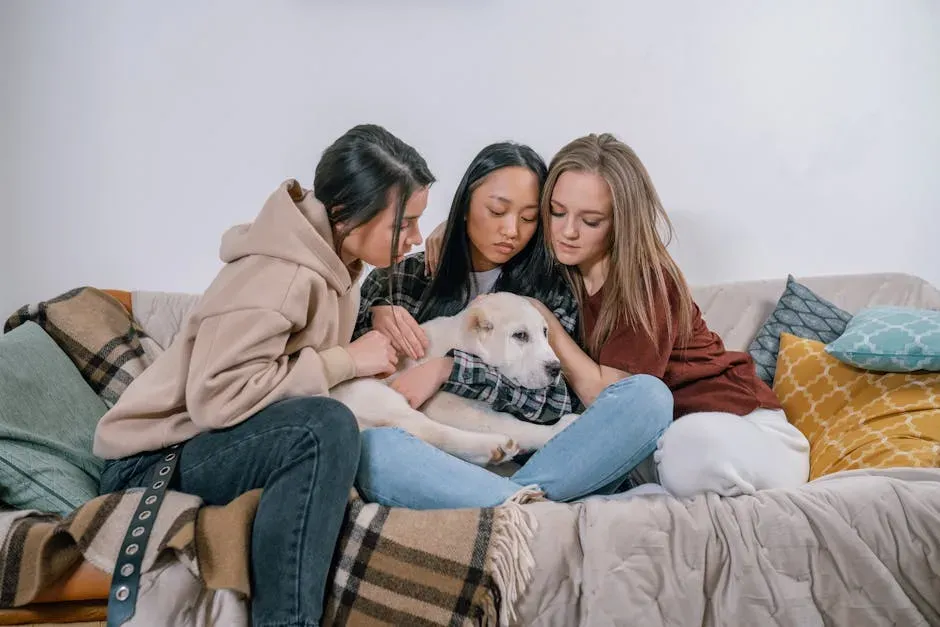
Dogs have an uncanny ability to sense when their owners are feeling down or upset. Whether it’s through changes in body language, tone of voice, or even the energy in the room, your dog will immediately take notice if something is wrong. They often respond by staying close, offering physical affection, or simply sitting by your side. Their instincts tell them that you need comfort, and they instinctively take on the role of an emotional caretaker.
A dog’s sense of smell is amazing, allowing them to detect changes in people’s scent that might signal fear or stress. Dogs also watch our body language very closely. They notice when we tense up, move differently, or seem worried. Sometimes, your dog might react to a situation before you even realize something is wrong. Emotional protection is still protection.
10. Body Blocking Strangers or New People
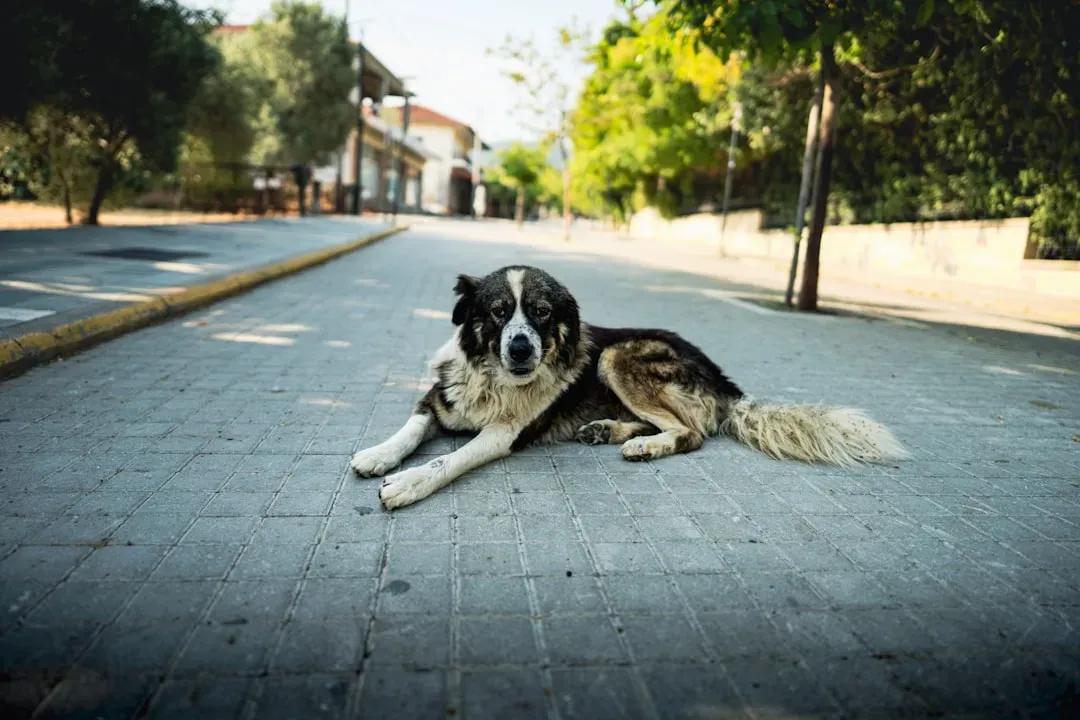
Dogs don’t need a training manual to know when someone feels off. If your dog wedges between you and a stranger, it sends a subtle but firm message: “You have to go through me first.” This body-blocking behavior shows they’re ready to protect you from anything or anyone they’re unsure about. Even if they’re not growling or barking, this quiet positioning is often their way of standing guard.
Dogs can read body language, scent, and energy, and they often pick up on things that humans don’t. If your usually friendly pup seems wary of someone, trust their instincts. Their protective nature kicks in when they feel that someone is suspicious, and they’ll make sure to keep their guard up until they’re sure you’re safe. Your dog might know something worth paying attention to.
11. Herding You Away from Perceived Danger
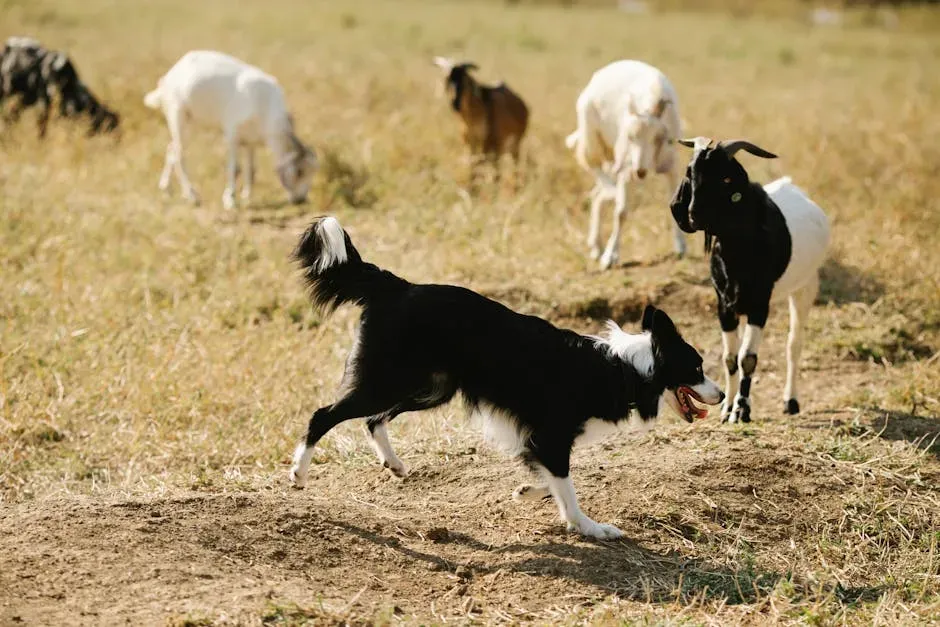
If you have a collie or shepherd mix, you might find them nipping at your heels or nudging you in a certain direction. This herding instinct is their way of keeping the pack together, allowing them to easily protect everyone at once. If family members are scattered, the dog cannot effectively guarantee everyone’s safety. They get anxious when the “flock” is spread out too thin.
When your dog stands in front of you, nudges you to move a certain way, or gently pushes you from behind, they might be trying to steer you from perceived danger. Herding breeds do this naturally, but even non-herders may step into this role when they sense a threat. If a stranger approaches or you’re heading toward something they think is risky, they may guide or block you like a polite but determined traffic cone. It’s not bossiness – it’s protection in motion.
12. Leaning Against You in Unfamiliar Situations
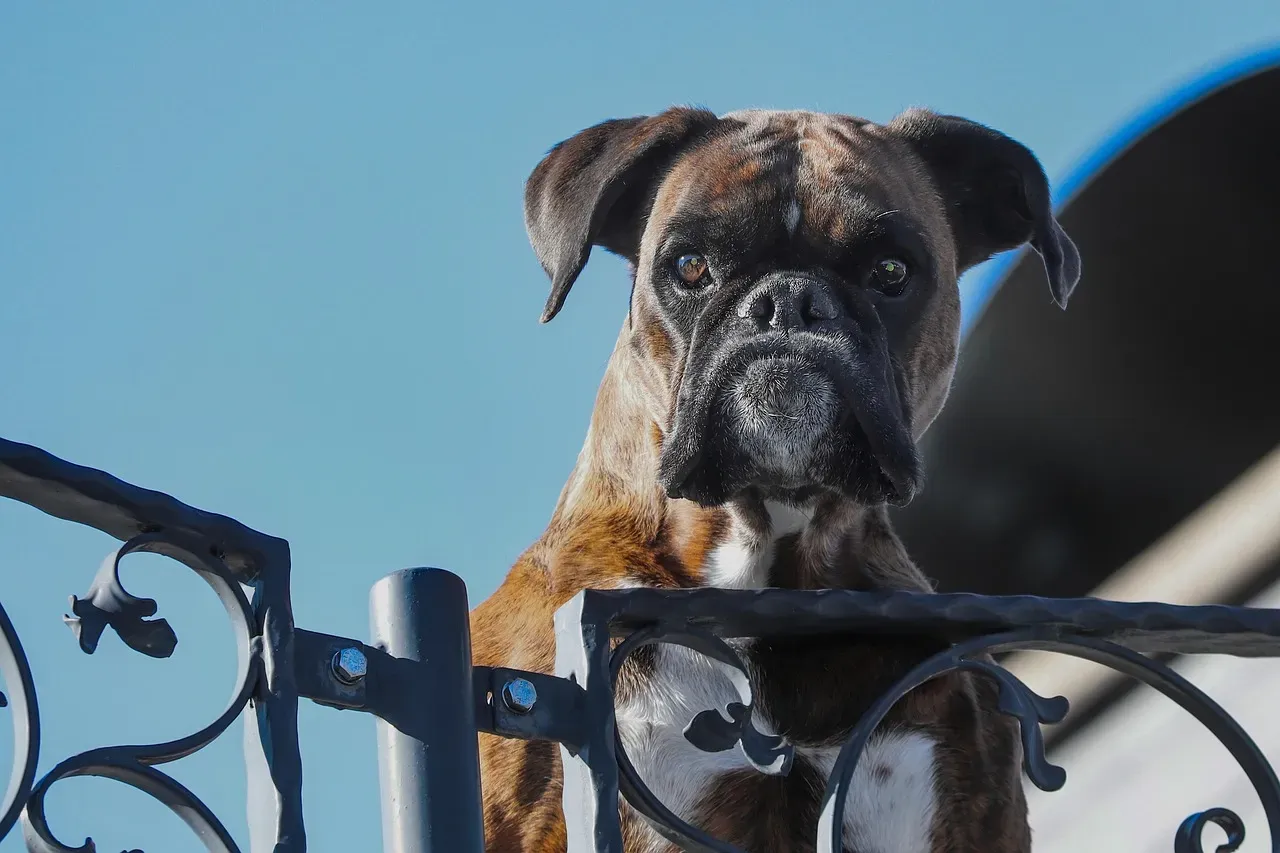
If a dog is guarding a human, they may lean against that person, usually while staring at the threat. Or they may position themselves between the threat and the resource. That full-body press you feel when you’re at the vet, in a crowd, or around new guests isn’t clinginess. It’s your dog making a calculated decision to stay in physical contact so they can respond instantly if something goes wrong.
Dogs become socially attached to the humans they live with. A dog’s bond with humans is actually stronger than the bond with other dogs, which is known as a supernormal attachment. Guarding behavior can be seen when a dog perceives a potential threat to their human and responds accordingly. That lean is both a physical shield and an emotional anchor, given freely and without condition.
When Protection Becomes a Problem Worth Addressing
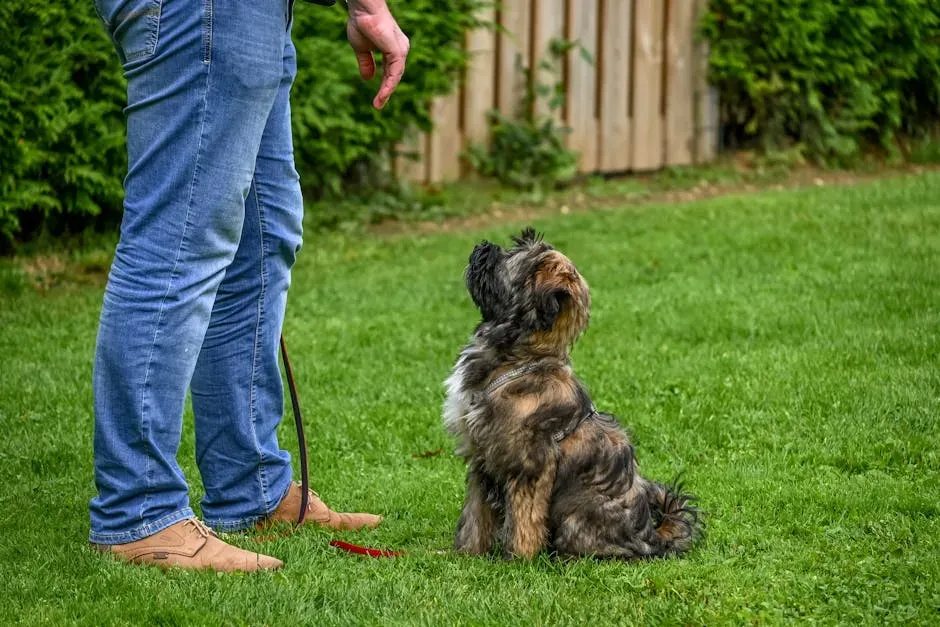
Protectiveness is surveying a situation and reacting appropriately; overprotective behavior is the immediate aggressive response to stimuli. There’s a meaningful difference between the two, and it’s worth knowing. A dog who calmly steps in front of you is very different from one who lunges at a neighbor walking their dog.
Early socialization and consistent training are key to managing protective instincts. Focus on positive reinforcement and impulse control exercises. If protective behaviors turn severe, especially if biting occurs, it’s time to consult a certified trainer or behaviorist. Early intervention makes all the difference in preventing escalation. The goal is a dog who is confident and calm, not one living in constant high alert.
Conclusion: The Guardian You Already Have
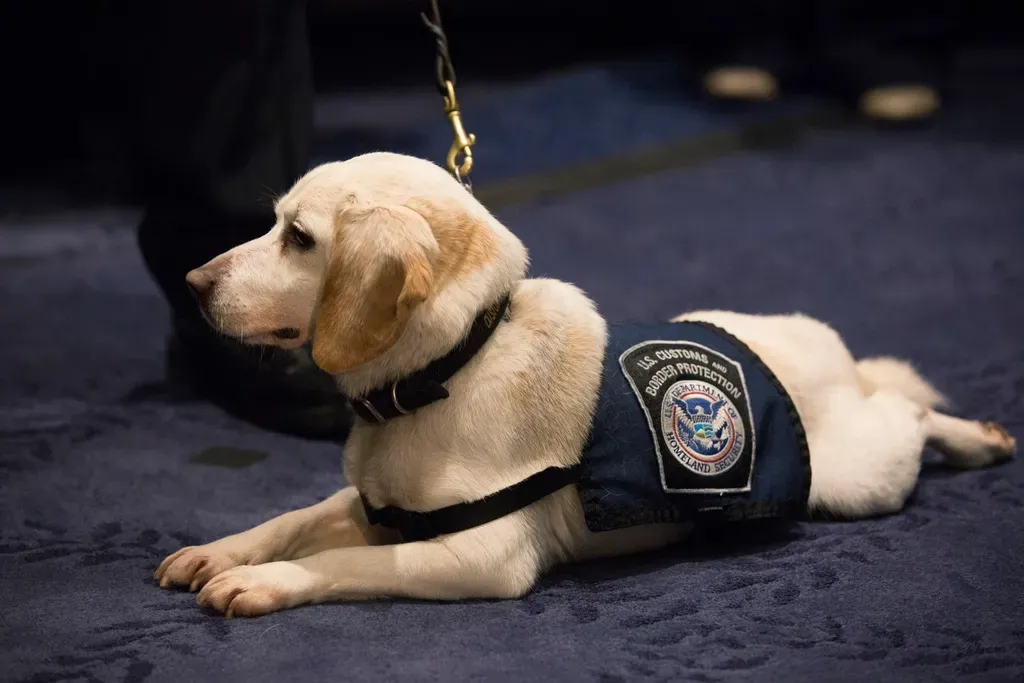
There’s something genuinely moving about realizing how much your dog thinks about your safety. Not because they’ve been trained to, not because they’re performing. They do it because of who they are, and who you are to them.
The behaviors described here aren’t dramatic or loud. Most of them happen in quiet moments: a glance toward the door, a warm weight against your leg, a subtle shift in posture when someone new walks in. Dogs are known for their unwavering loyalty, but not all protective behaviors are created equal. Understanding the nuanced ways your furry companion shows protective instincts can help you distinguish between genuine protection and other behavioral responses.
The more you understand your dog’s protective language, the better you can respond to it, support it when it’s healthy, and redirect it when it needs guidance. That attentiveness goes both ways. Your dog has been watching over you, often without you even noticing. Maybe it’s time you noticed back.


