
There’s something quietly remarkable about the way a dog tracks your every move. You shift in your chair, and two amber eyes snap open. You walk to the kitchen, and you hear the soft patter of paws behind you before you’ve even rounded the corner. Most dog owners have lived this, and most have felt a complicated mix of flattery and mild guilt in equal measure.
Dogs may show strong signs of distress when left alone when they have not learned, gradually and consistently, that being alone is safe. For dog breeds with strong attachment tendencies, separation can feel especially difficult because dogs are social by nature and often rely on routines and companionship. That said, not every dog falls apart when you step out. Some barely look up from the sofa.
Any dog can develop separation anxiety, but some breeds may be more likely to struggle with being alone due to inherited temperament traits, original breeding roles, and natural instincts. This list explores 16 breeds ranked from those who cope relatively well all the way to those for whom your absence genuinely changes everything. It’s a guide to understanding, not judging. Let’s get into it.
#1 Basset Hound: The Relaxed Homebody
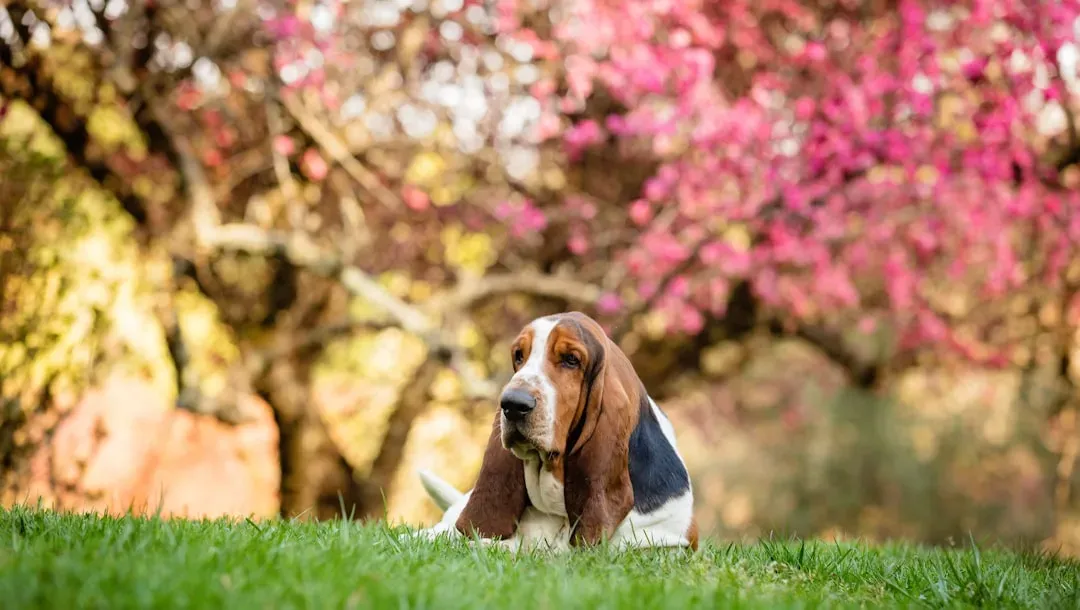
The Basset Hound operates at his own pace, and that pace is usually slow. He’s built for scent-trailing, not shadow-work, and his temperament reflects a kind of easygoing independence that makes him one of the calmer breeds when left alone for reasonable periods. While he genuinely enjoys company, he won’t typically spiral when his favourite person steps out for an hour.
If you’re looking for dog breeds with lower separation anxiety, the Basset Hound is among those less likely to suffer from distress when you have to leave them alone. While there are no dogs completely without separation anxiety, these breeds handle alone time more comfortably. A well-exercised Basset with a cosy corner and a good chew can settle into solo time with surprising ease. Prevention tip: give him a mental challenge like a snuffle mat before you go, so boredom doesn’t become the issue.
#2 Greyhound: The Gentle Adapter
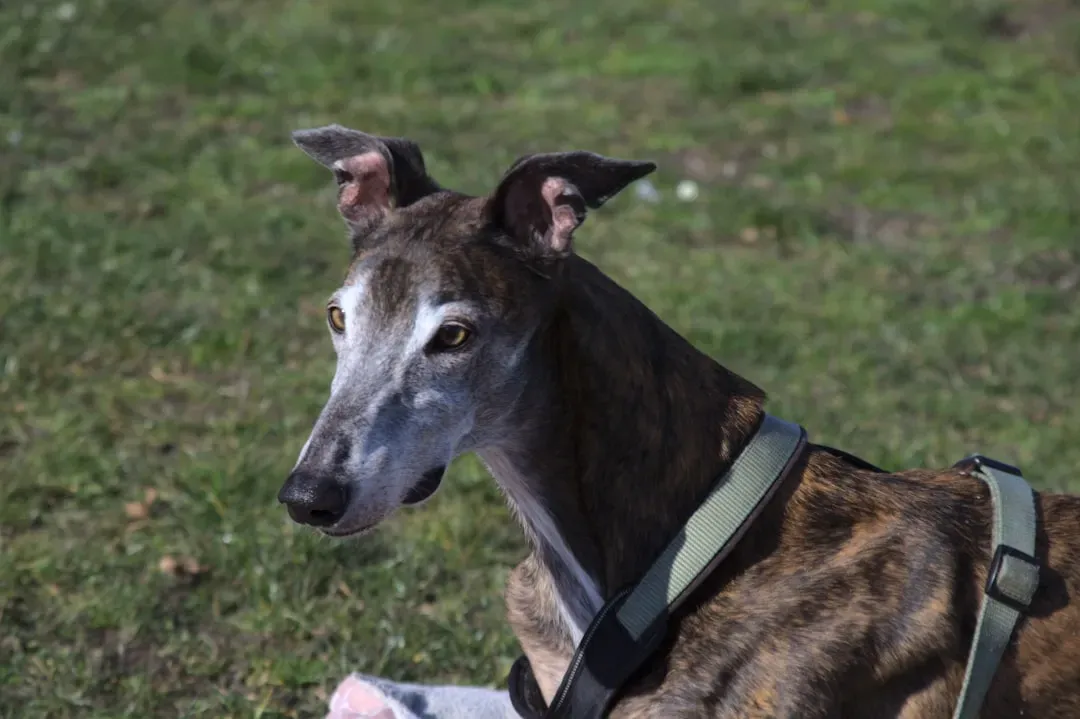
Greyhounds are sensitive and respond well to the mood and behaviour of their preferred human, making them great companions for those seeking a loyal and dedicated pet. Their calm demeanour makes them excellent pets for a single owner seeking a peaceful and loyal companion. That emotional attunement is real, but the Greyhound carries it lightly. Most retired racing Greyhounds are accustomed to structured environments, which gives them a surprising capacity to rest independently.
Greyhounds are often new to being alone after adoption and need a slow transition and steady routine. That patience at the beginning pays enormous dividends. Once a Greyhound trusts that you’ll return, they settle into a routine gracefully. Think of them as emotionally intelligent introverts. They feel the connection deeply but don’t need to perform it constantly.
#3 Chow Chow: The Dignified Devotee
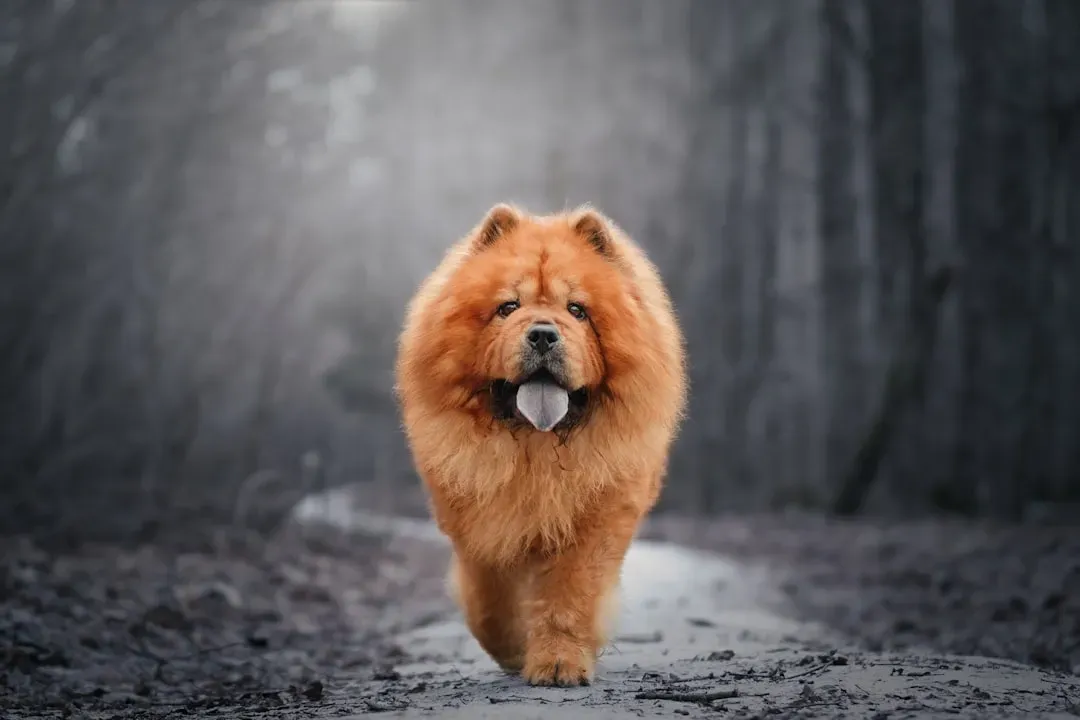
Though independent, Chow Chows are loyal to their family and typically bond deeply to one person. Given their thick coat, Chow Chows may appreciate daily brushing sessions as a form of meaningful interaction. That selectivity actually works in their favour when it comes to alone time. They’re not especially needy in the way smaller companion breeds can be, and their cat-like dignity means they won’t typically destroy the sofa to express their feelings.
That said, the Chow Chow’s deep attachment to one specific person means that when that person leaves, there’s a noticeable internal shift. They may follow you to the door with quiet watchfulness or settle somewhere near your usual spot. It’s not dramatic, but it’s deliberate. Early independence training helps considerably here, along with making sure the Chow Chow has positive associations with other household members.
#4 Shetland Sheepdog: The Watchful Worrier
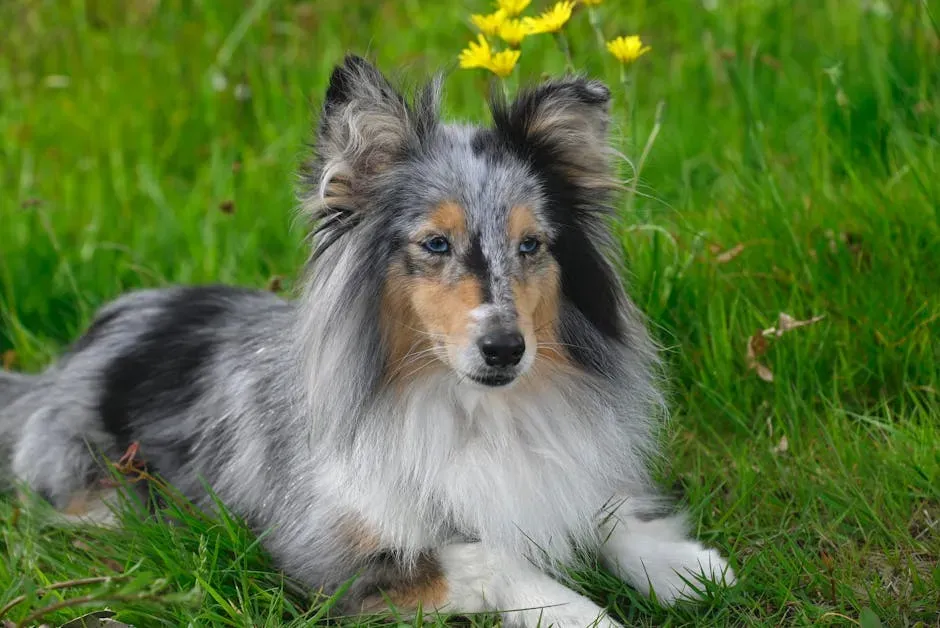
Shetland Sheepdogs, also known as Shelties, are intelligent dogs with strong herding instincts. Their attentive and protective natures make them responsive and affectionate pets that do well as family dogs. They often form close bonds with their families and have a reputation for being especially good with children. They can be hesitant with newcomers, but rarely to the point of fear or aggression.
The Sheltie is alert and sensitive and needs alone time training introduced early in life. This is a dog who notices everything, which is both their charm and their challenge. They track your habits, your moods, and your departure cues with almost unsettling accuracy. The upside is that they’re highly responsive to desensitisation training. Gradually reshaping those pre-departure triggers, like picking up keys or reaching for your coat, can make a meaningful difference in how calmly they handle your exit.
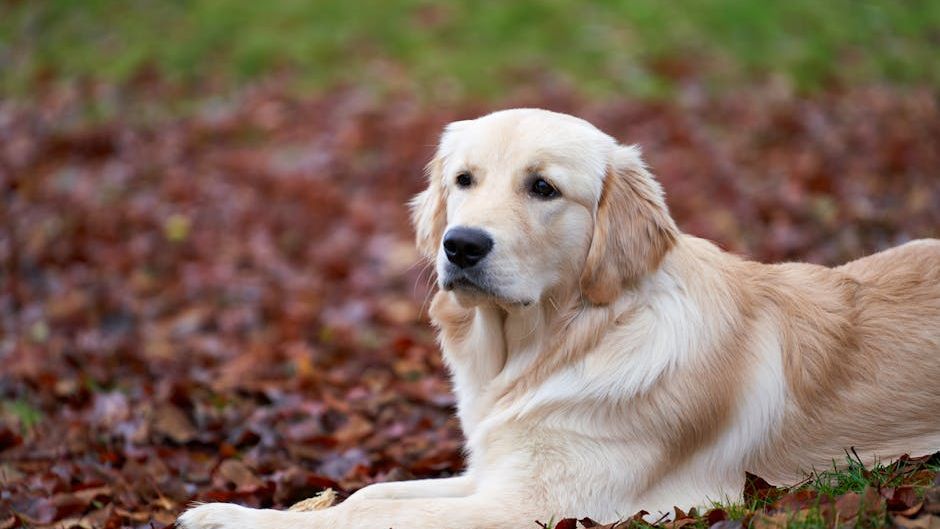
#5 Golden Retriever: The Loyal Optimist
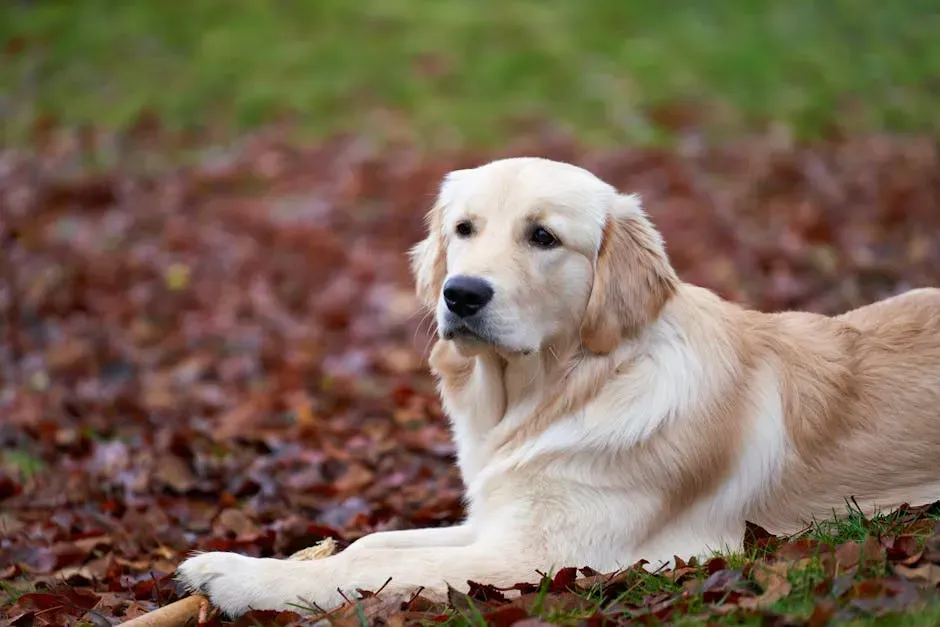
Golden Retrievers are naturally affectionate and loyal and form strong bonds with their owners. This means that some Golden Retrievers can struggle if they are left alone for long periods, as they wonder where their “other half” has gone. There’s something almost touching about how thoroughly they invest in you. The Golden doesn’t love guardedly. They love with their whole chest, which means your absence registers clearly.
Golden Retrievers are incredibly loyal and affectionate dogs who are bred to be part of the family. This makes them more prone to separation anxiety than most large dog breeds. Ensuring they have plenty of mental and physical stimulation can help, as can gradually increasing the time spent alone. A well-exercised Golden is a significantly calmer Golden. A long morning walk before you leave isn’t just kindness. It’s genuinely practical prevention.
#6 Labrador Retriever: The Social Soul Who Misses You
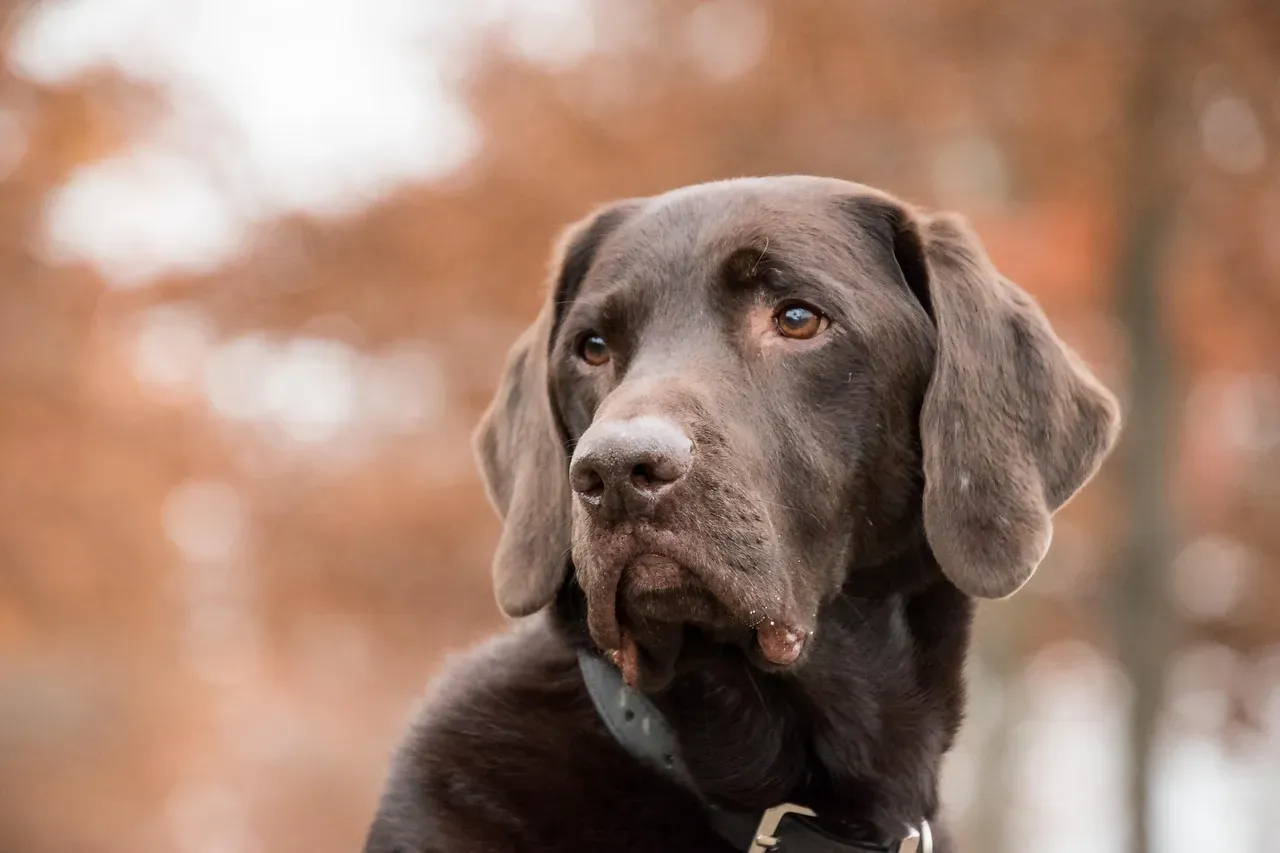
The Labrador Retriever is a popular breed known for their friendly and outgoing nature. Labs are super social and love being around people. However, this results in the breed struggling to be left alone for long periods of time. Their deep commitment to their families makes them more likely to miss them when they are away. It shows up in restlessness, in chewing, in a certain hollow-eyed look when you reach for your jacket.
This breed’s strong attachment to family members can lead to distress when separated, manifesting as destructive chewing, excessive barking, or even soiling the house when left alone. Labradors require at least an hour of active exercise every day as well as mental stimulation like puzzles, toys, or training routines. Without stimulation and physical exercise, this high-energy dog can develop anxiety and its associated behaviours. Puzzle feeders and interactive toys are genuinely useful here, not just nice extras.
#7 Dachshund: The Small Dog with a Big Attachment
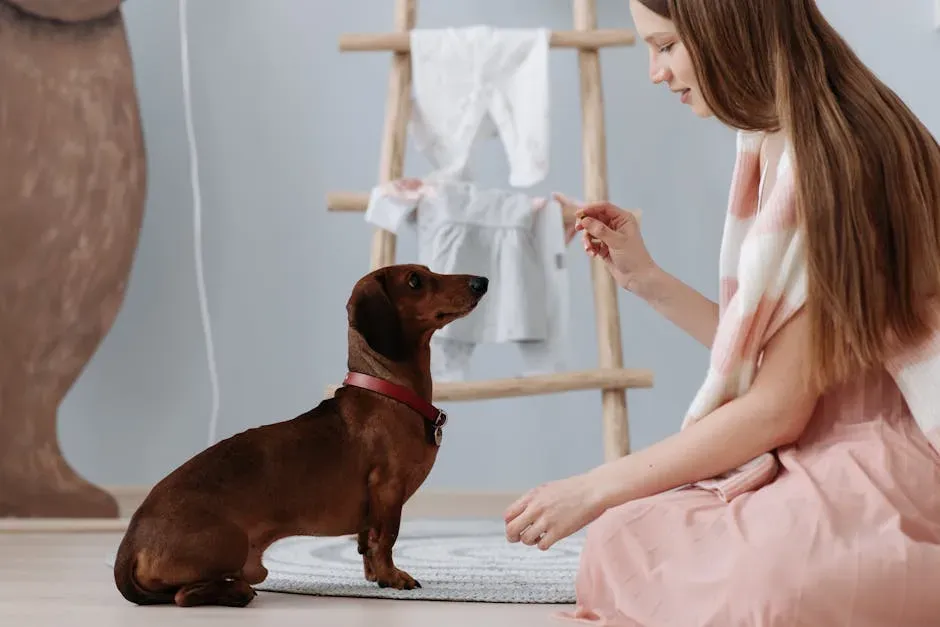
Dachshunds are known for their loyalty and affection, which they often attach to one person in the household. In fact, many Dachshunds follow their favourite person around from room to room and want to do everything together. While they thrive on close companionship, they can be a bit aloof with strangers. That one-person focus is distinctive and deeply wired into the breed’s character.
Dachshunds imprint strongly and can protest change with barking or stubbornness. When their favourite person leaves, house routines may wobble and potty timing can slide. They thrive with playful structure and confident guidance. Dachshunds tend to resort to their big-dog bark when anxious about being left alone, particularly in those who have become over-attached to their owners or had a lack of socialization. Rotating who feeds and cues basic behaviours helps prevent that over-fixation from hardening into a real problem.
#8 Pomeranian: The Alert Little Shadow
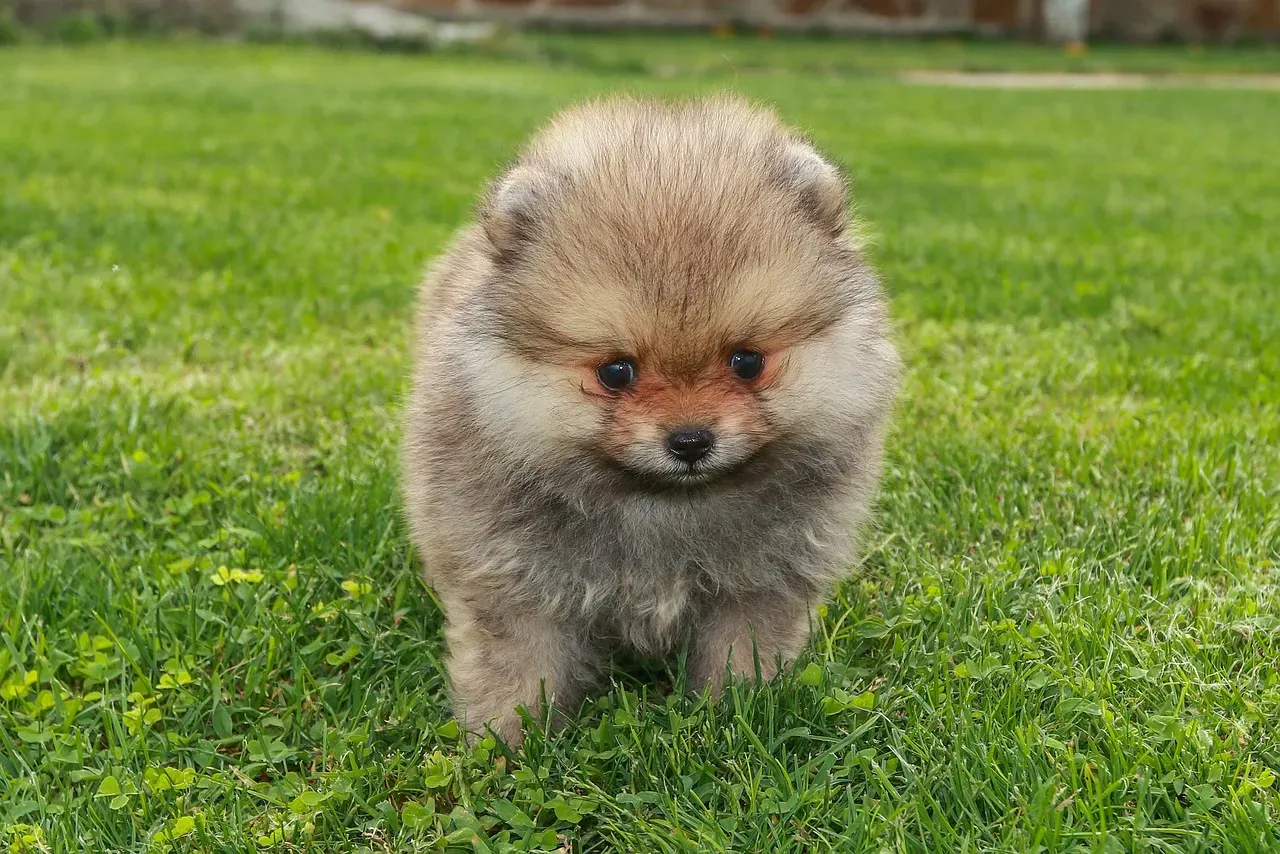
Pomeranians are excellent family companions, but they bond particularly strongly to one person in the family. They are alert and vocal watchdogs for their families, and they love lap time cuddles and will follow their favourite human around the house. What they carry beneath that fluffy exterior is the heart of a guardian breed, which means their attachment comes with some intensity.
Pomeranians were bred to be companion dogs, which makes them more likely to suffer from separation anxiety than some other breeds, as they relish human company. Despite their fluffy teddy bear appearance, these tiny titans pack enormous personalities. Their compact size makes them perfect lap warmers, but it also means they expect to be included in every aspect of your life. Early socialisation with multiple people and a calm, consistent goodbye routine go a long way with these expressive little dogs.
#9 French Bulldog: The People-Dependent Charmer
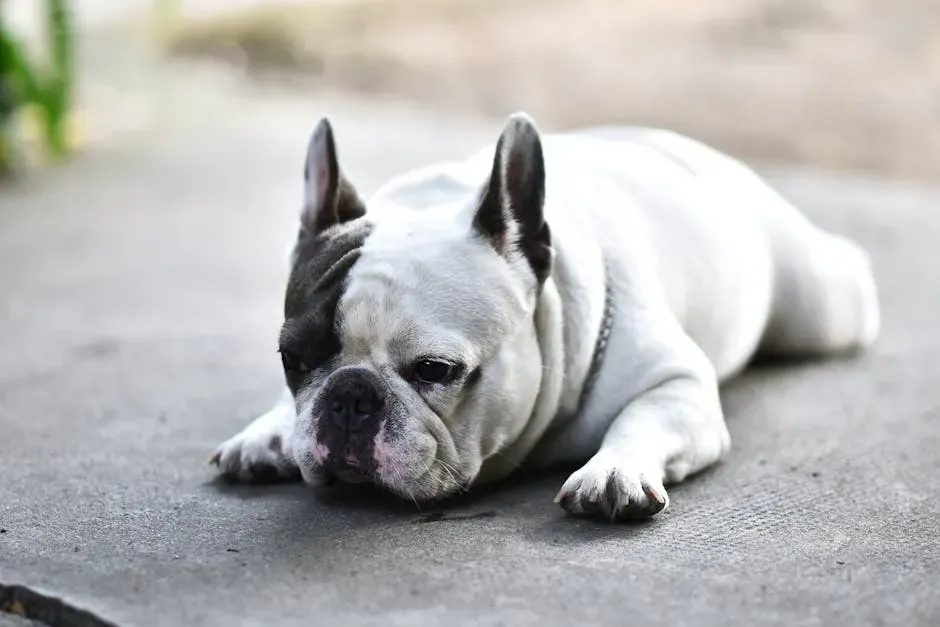
The French Bulldog is one of the most common apartment dogs. They’re happiest in the company of their humans and don’t like or require a lot of exercise. French Bulldogs demand attention from their owners or other humans. They can suffer from severe separation anxiety when left alone. Their whole personality is built around togetherness, which makes solitude feel genuinely foreign to them.
French Bulldogs are so devoted to their owners. They’re excited for you to return home and greet you with loving enthusiasm, but what happens when you are out? Because Frenchies are such “people-dogs”, it is inevitable that they don’t handle long absences too well. If you have a Frenchie, keeping departures low-key and building up alone time incrementally from puppyhood is the most effective preventive measure. A tired French Bulldog who has had mental stimulation before you leave handles solo time considerably better.
#10 Cocker Spaniel: The Devoted Family Dog
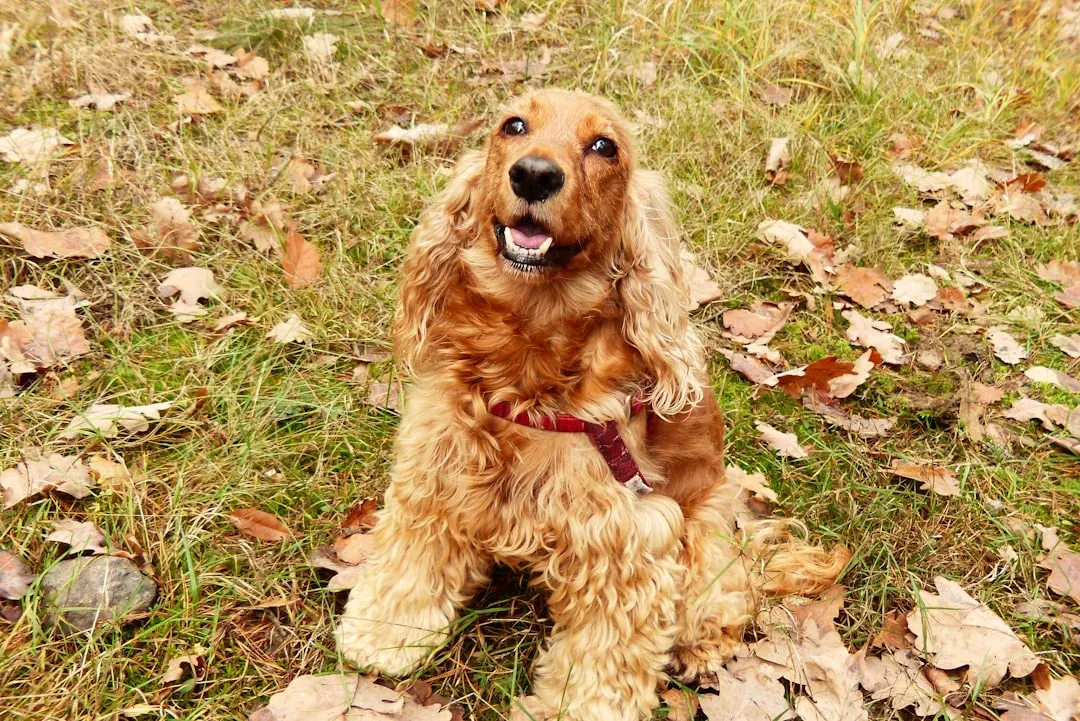
The Cocker Spaniel makes a loving family pet but they are particularly prone to separation anxiety if all the members of their family leave the home at the same time. Because they are naturally such a friendly, rewarding dog in response to people’s attention, Cocker Spaniels seem to feel aggrieved when they don’t get enough of it. That emotional attunement is part of what makes them so wonderful to live with, and also part of what makes your absence so noticeable to them.
It all goes back to why they were bred. They were bred to be working dogs, which means they are extremely devoted. This results in an intense attachment to their owners. Even for short periods away from their person, separation anxiety is common among this breed. Luckily, the more exercise you provide them with, the better they can cope with this anxiety while you are away. Scent-based games and reward-based training provide a genuine emotional outlet for Cockers when they’re managing alone time.
#11 Shih Tzu: The Imperial Lap Dog with a Full Heart
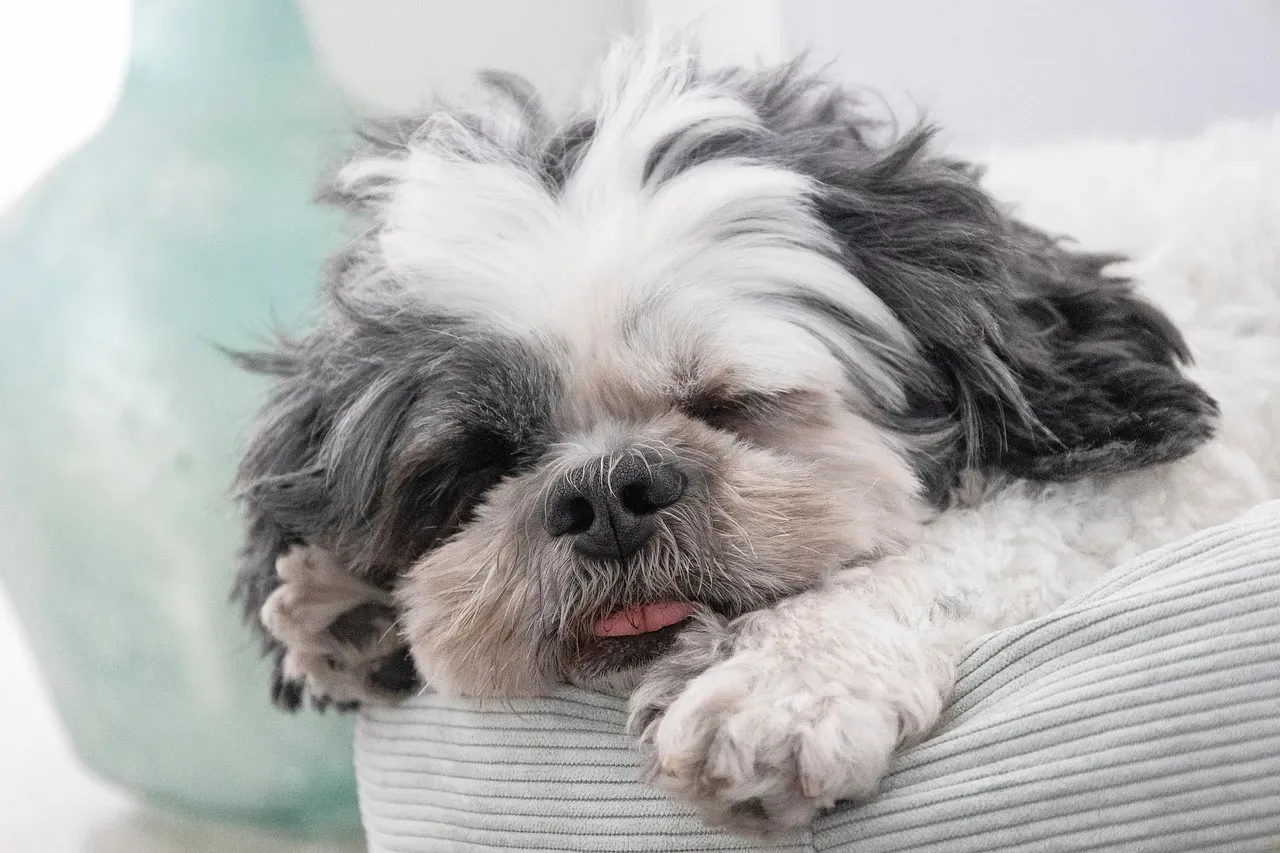
Shih Tzus are companion dogs that thrive on being close to their humans. This makes them more susceptible to hyper-attachment and separation anxiety, especially if they are suddenly left alone for long periods. Their history doesn’t help here. Bred for centuries as palace companions, closeness with a chosen human isn’t just preference for this breed. It’s practically encoded in their DNA.
Like the Cavalier, Shih Tzus were bred specifically for companionship. They were a key part of Chinese royalty, serving as a lap dog and pet for emperors and empresses. For millennia, these adorable pups have been pampered and favoured by everyone from royalty to modern families. That heritage matters for understanding their emotional needs. Positive exposure to short alone periods from puppyhood, combined with consistent calm departures, helps these dogs build resilience without losing their sunny character.
#12 Bichon Frise: The Velcro Cloud
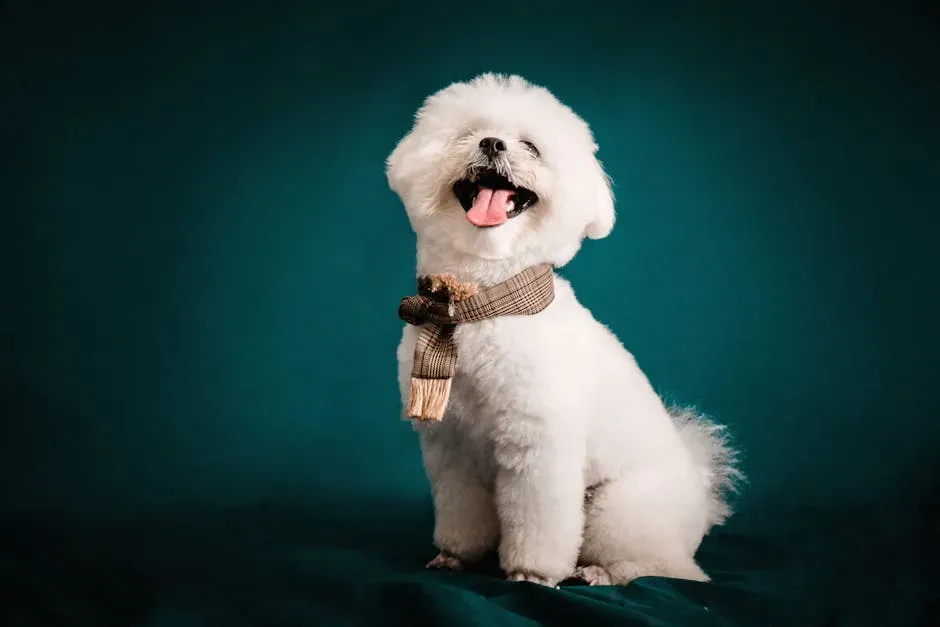
The Bichon Frise is known to have separation anxiety. They are companions and lap dogs who do not like to be away from their families. A Bichon Frise is the type of dog that will follow you around all day. They are prone to stress and depression if kept away from their family for long periods of time, and many will vocally protest their owner’s departure.
Anxious behaviour usually starts when you prepare to leave home. Suppose actions like the sound of car keys or the garage door opening trigger a behaviour change. In that case, separation anxiety is almost certainly the cause. Puzzle toys, treat-dispensers, and safe chews give your Bichon something purposeful to focus on. Practising “mini departures,” picking up keys or putting on shoes without leaving, then rewarding calmness, can help. Over time, those cues stop feeling like a warning sign.
#13 Australian Shepherd: The Herder Who Needs Their Person
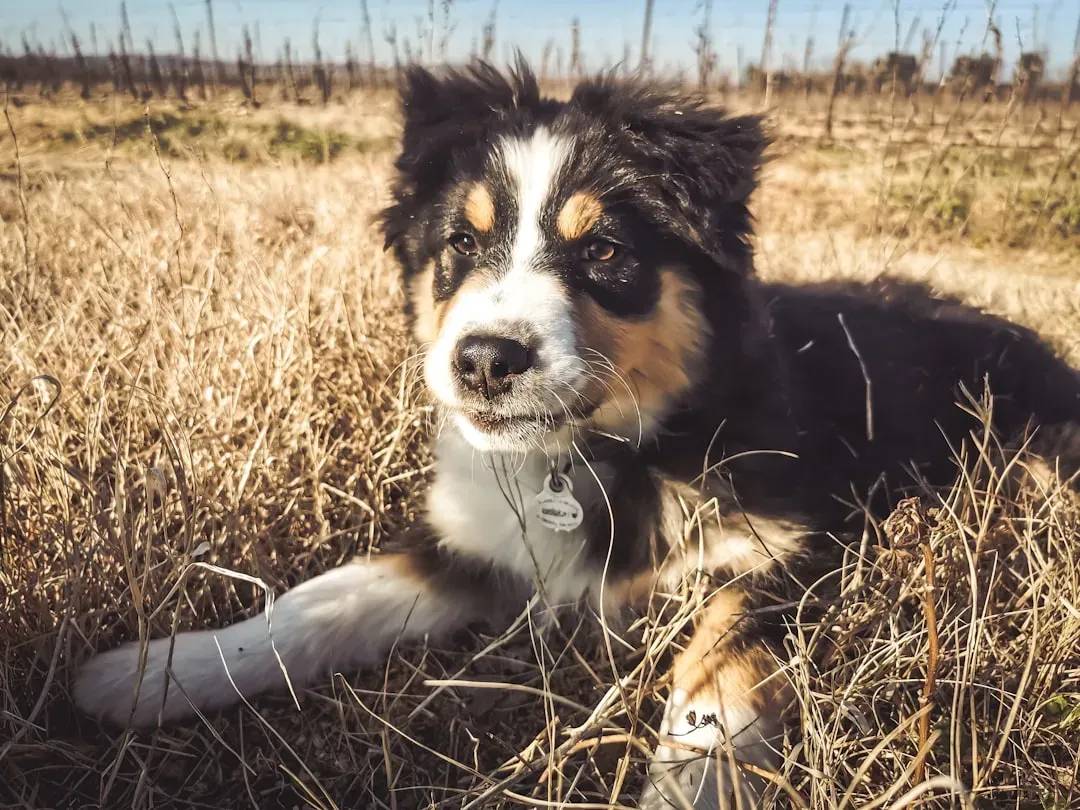
Like many herding breeds, the Australian Shepherd was bred to work alongside a master. Wherever their master goes, they go. Wherever their master is, there they are. When kept as pets, most Australian Shepherds tend to exhibit this behaviour. They will follow you even if it’s just a quick trip to the bathroom. That instinct is ancient, and it runs very deep.
The Australian Shepherd is a very active dog that does best when at work. They are social and do poorly when left alone with nothing to do. Time without physical activity and without their people can lead to distress and anxiety. For Aussie owners, the message is clear: a mentally under-stimulated Australian Shepherd and an empty house are a recipe for chaos. Daily structure, a real job like agility or obedience work, and gradual alone time training are all essential.
#14 German Shepherd: The Loyal Guardian Who Watches the Door
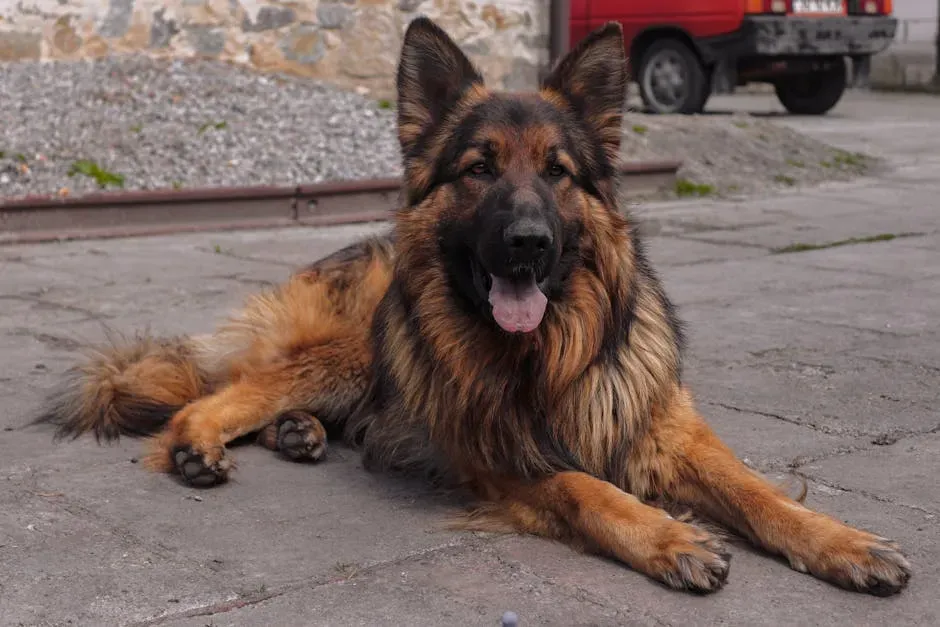
The German Shepherd is a working dog renowned for its loyalty and strong protective instincts. Developed originally for herding and guarding sheep, German Shepherds often form a very strong bond with a single owner. German Shepherds are naturally loyal, strongly attached to, and fiercely protective of their person. They love to please their owners, and while they are slightly aloof compared to some other breeds, they will definitely be happiest when in your presence. Their combination of intelligence and emotional attunement makes them one of the most versatile one-person dogs in the world.
German Shepherds tend to form deep bonds with their owners. While beneficial for companionship and working roles, this trait can make them distressed and anxious when left alone. This breed may engage in destructive behaviours like chewing on furniture or excessive vocalisation like barking or whining when separated from their family. German Shepherds were bred for their strong work ethic and need for a purpose. As working dogs, they thrive on having a job. Without a clear role or sufficient mental stimulation, this breed may develop anxiety-related behaviours.
#15 Vizsla: The Velcro Dog Who Genuinely Cannot Bear It
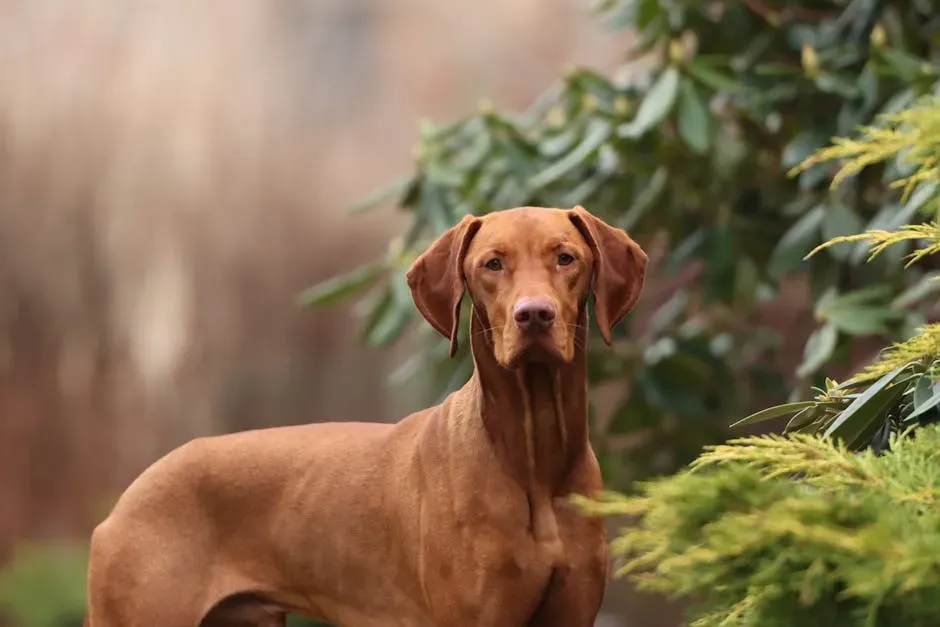
Vizslas are beautiful, loving dogs that make great companions for active people. Whether you’re taking your Vizsla hunting or hiking, they’ll happily join you on an adventure. Because of their high energy and desire for human companionship, it’s not uncommon for Vizslas to develop separation anxiety. The Vizsla is known as the ultimate in “velcro dogs” as they stick so closely to their owner’s side. They hate being left alone for even a short while.
Separation anxiety often develops in high-energy breeds that aren’t provided with enough exercise and enrichment, breeds that rely strongly on their bond with humans for a sense of safety, and dogs that have never experienced being left alone. A routine can be a wonderful tool for helping manage separation anxiety in your Vizsla. Your dog can become comfortable knowing that they’ll receive meals and exercise at the same times every day and that you’ll leave but also return at the same times every day. Vizslas need both physical exhaustion and emotional reassurance to manage alone time well.
#16 Cavalier King Charles Spaniel: The Breed That Lives for Their Person
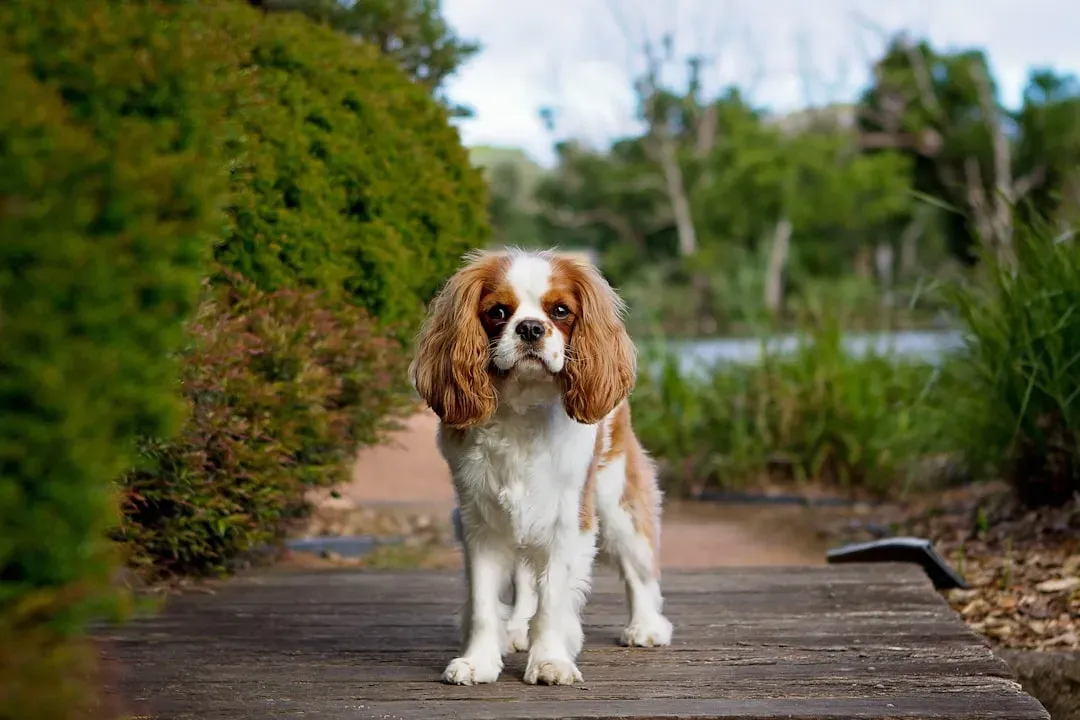
Bred to be a companion dog and spend most of its time with humans means that Cavaliers typically don’t react well to being left alone for long periods. The Cavalier King Charles is also one of the more naturally anxious breeds, so can be prone to barking and other nervous habits. Their sensitivity is not a flaw. It’s the very thing that makes them such extraordinary companions. They read you like a book, which means they feel your absence before you’ve even reached the front gate.
The defining trait of the Cavalier King Charles Spaniel is their affectionate and people-oriented temperament. These dogs thrive on companionship and are known to bond strongly with their humans. Cavaliers are devoted companions, tuned to your heartbeat and schedule. For owners of this breed, building independence gradually and never reinforcing anxious behaviour with fuss at departures or arrivals makes a real difference. If distress is severe, a consultation with a veterinary behaviourist is well worth pursuing.
What Every Dog on This List Needs from You
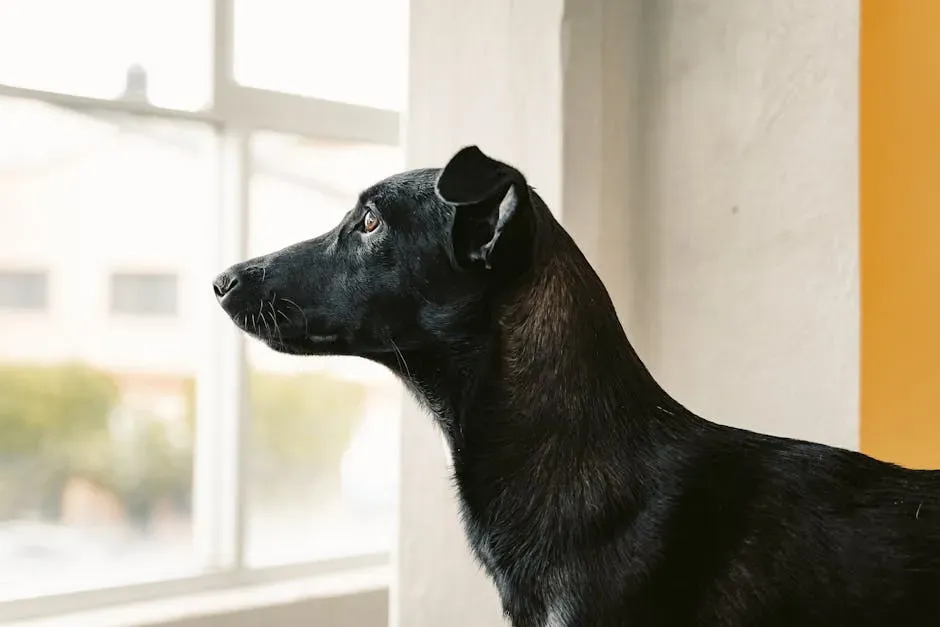
Good training, socialisation, and providing mental and physical stimulation can help prevent or reduce separation anxiety in dogs. Individual temperament, early experiences, and the owner’s lifestyle play significant roles in a dog’s behaviour. That’s worth sitting with. A breed’s tendency toward attachment is not a sentence. It’s a starting point.
Getting to the root of the problem means understanding the cause. Some dogs are simply lonely or have general problems with fear and anxiety, others are overly attached to their owners, many struggle without adequate exercise and mental stimulation, while others have problems with previous traumatic backgrounds. Knowing which category your dog falls into helps you respond with precision rather than frustration.
In severe cases, getting a knowledgeable and sympathetic professional to help evaluate your dog and address the issue is the best way to solve it. There’s no badge of honour in struggling through severe separation anxiety alone. A good veterinary behaviourist or certified trainer can shift the picture remarkably quickly.
Conclusion: The Door Isn’t Goodbye
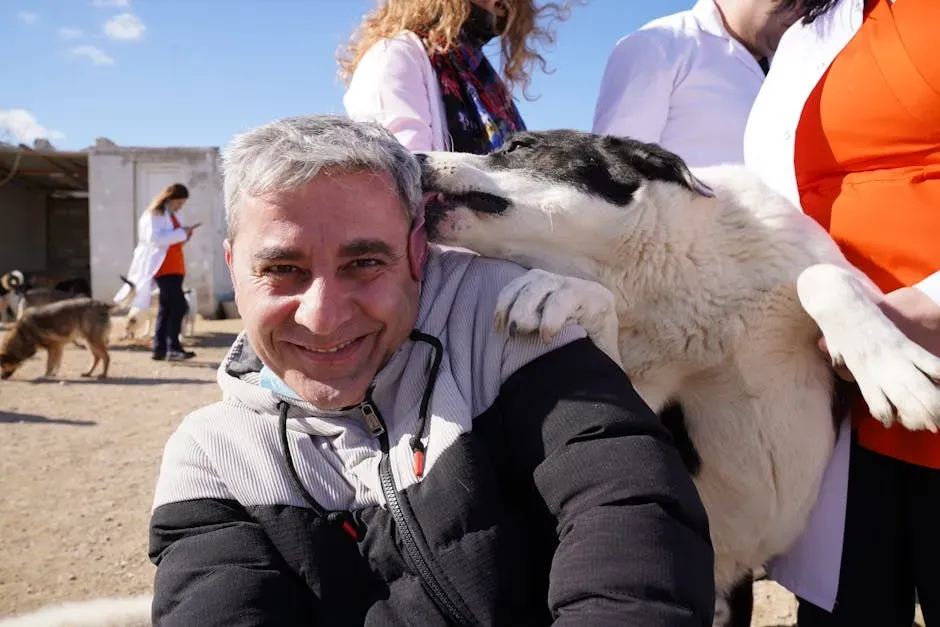
Every dog on this list, from the mellow Basset Hound to the heart-on-its-sleeve Cavalier, is doing the same fundamental thing. They’re loving you, and they’re trying to make sense of your temporary disappearance with the emotional toolkit their breed has given them. Some manage it with quiet dignity. Others make their feelings rather loudly known.
Understanding where your dog sits on this spectrum isn’t about labelling them as difficult or easy. It’s about meeting them where they are. The breeds that feel your absence most deeply are often also the ones who greet you most joyfully, who press closest when you’re sad, and who fill the quiet corners of a home with something irreplaceable.
The room you leave is never truly empty to them. That’s the bargain you make when you bring one of these dogs home, and for most owners, it’s one of the best deals they’ve ever made.


