
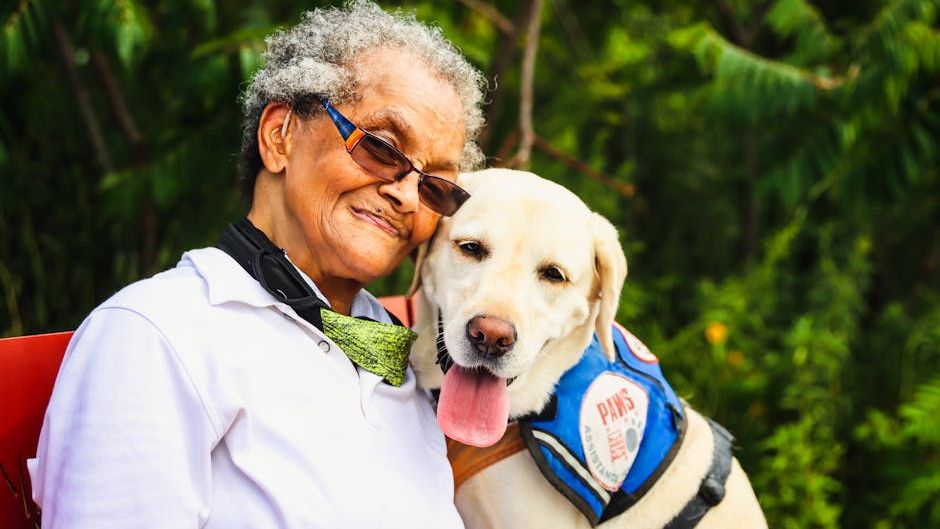
There’s something that happens when you sit on the floor, back against the couch, and your dog presses their warm body against your leg. You haven’t said a word. They just know. No explanation required, no apology for being upset, no need to compose yourself before showing how you really feel.
It’s a relationship unlike any other humans share with another species, and researchers are now beginning to understand just how profound it really is. The science behind why dogs make us feel heard, safe, and less alone is compelling – and for millions of people navigating hard times, it confirms what they’ve quietly known for years.
The Ancient Roots of a Bond Built on Trust

The communication between humans and dogs has evolved over 30,000 years, with dogs being the first domesticated by humans. That’s not a casual timeline. It means this relationship predates agriculture, written language, and most of what we consider modern civilization. The bond we feel today isn’t accidental – it was shaped across thousands of generations of shared living.
Dogs have evolved to read, understand, and respond to a wide range of human emotional states and communicative signals through behaviors, facial expressions, and even vocal tones, offering an extraordinary level of active companionship that is not often seen in other domesticated or companion animals. That depth of attunement didn’t happen by chance. It is the product of millennia of mutual dependency, of dogs learning to stay close to human emotions rather than just human hands.
Psychologists believe that the relationship between human and canine is a bidirectional attachment bond, which resembles that of the typical human caretaker/infant relationship, and shows all of the usual hallmarks of a typical bond. The human-canine bond is rooted in the domestication of the dog, which began occurring through their long-term association with hunter-gatherers more than 30,000 to 40,000 years ago. In that light, your dog’s habit of following you from room to room isn’t clinginess. It’s history.
They Can Actually Feel What You’re Going Through

Dogs have exceptionally developed sensory systems and abilities to recognize human signals and emotional states. This goes well beyond reading your body language. Research shows they can smell human emotions. The biochemical changes that accompany fear, sadness, or anxiety aren’t invisible to a dog – they’re detectable, and dogs respond to them instinctively.
Canines are capable of distinguishing between positive and negative human facial expressions and will react accordingly. So when your dog nudges you with their nose after a long, quiet cry, they’re not guessing. They’re responding to something real they’ve picked up on, in the way only they can. It’s a form of emotional attunement that even close human friends sometimes miss.
Research demonstrates that companion animals contribute positively in various ways, including reducing depression, anxiety, stress, and fostering positive emotions in humans. Recent studies have revealed significant changes in the activity levels of human emotion-related cortical areas and neurotransmitter secretion due to interaction with companion animals. This isn’t just a feel-good statement – it’s brain chemistry responding in real time to canine presence.
The Science of Calm: What Happens in Your Body
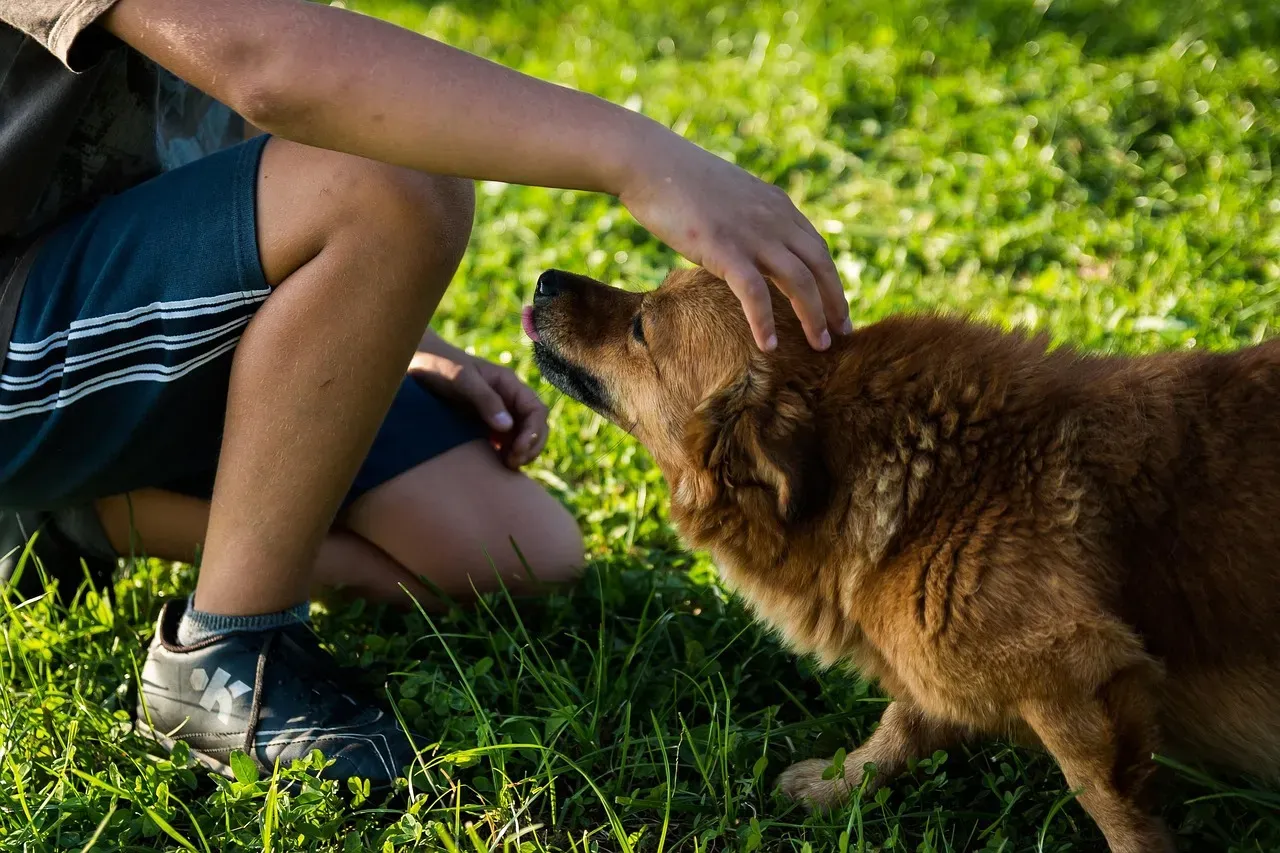
Studies have shown that interacting with dogs can lower cortisol levels, the stress hormone, while increasing oxytocin, the “love hormone” associated with bonding and relaxation. The simple act of petting a dog has been found to decrease blood pressure and heart rate, promoting a sense of calm and well-being. These aren’t small effects. They’re measurable, physiological shifts happening in the span of a few minutes.
A mounting body of research has found that when dog-owners are faced with stressful situations, their bodies tend to be less physiologically reactive when their pets are present. The unconditional support people get from their pups has a psychological impact and a physiological basis. One study found that when people were placed in situations where they were asked to perform mental arithmetic or endure a “cold pressor” test in which their hand is submerged in ice water, those who had their dog present had smaller increases in their blood pressure and heart rate than those who had a spouse or friend present.
That last finding is worth sitting with. Not a stranger – a spouse or a friend. Spending quality time with dogs reduces stress and increases the power of brain waves associated with relaxation and concentration. The numbers are consistent across study after study. Dogs don’t just comfort us emotionally. They physically change our nervous systems.
No Judgment, No Conditions, No Pretending

Pets can offer a unique form of unconditional and non-judgmental support and acceptance, which may serve as a protective buffer against diminished well-being. For people who have experienced rejection, criticism, or the exhausting social dance of managing how others perceive them, that kind of presence isn’t small. It can be genuinely healing.
Therapy animals provide unconditional positive regard, offering a source of comfort and acceptance for the patient without the fear of judgment or rejection. This can be particularly beneficial for people with low self-esteem, social anxiety or those who have experienced trauma. The freedom to be completely unguarded in front of another living being is rarer than people realize. Dogs offer it naturally, without effort.
Loneliness can be a major factor in anxiety, and pets fill this gap by offering unconditional love and presence. Their non-judgmental nature allows people to express emotions freely without fear of criticism. There’s a reason people talk to their dogs, tell them about their day, and confide things they haven’t told anyone else. The absence of judgment is a genuinely safe environment – and safety is what makes honest emotional expression possible.
From Therapy Rooms to Hospital Wards: Dogs at Work
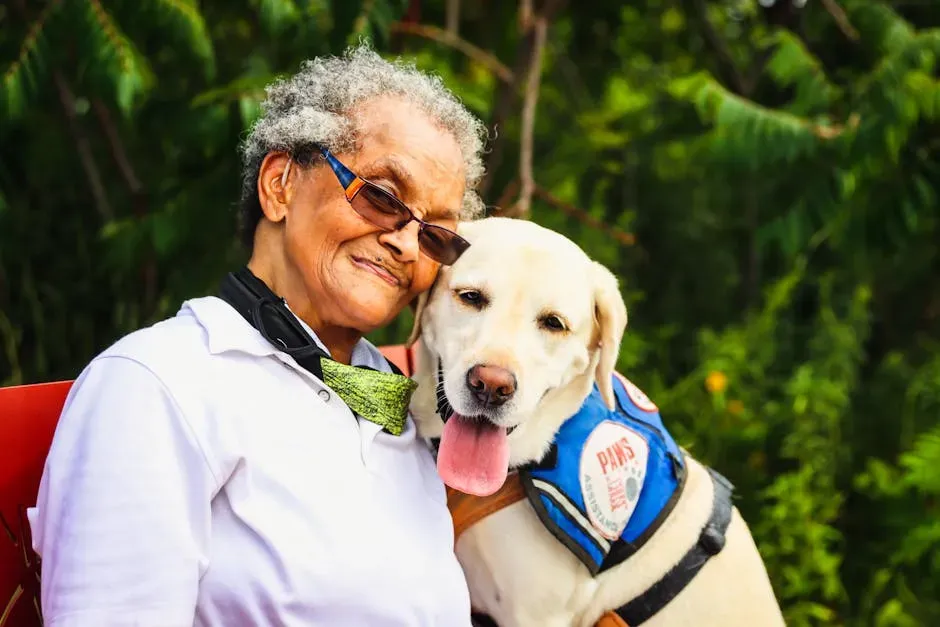
Animal-assisted interventions, like canine therapy, are widely used in hospitals, schools, and beyond to help reduce anxiety, relieve stress, and foster feelings of trust. What began as informal observations about comfort animals has grown into a recognized therapeutic discipline backed by rigorous clinical research. Dogs are now regular fixtures in contexts that once seemed unlikely.
A randomized clinical trial indicates the presence of a therapy dog contributes to greater immediate improvement in loneliness for psychiatric inpatients than visits from another person, or standard care alone. Loneliness was found to decrease significantly more in the group that received an animal-assisted intervention than in the other groups. Patients who were dog owners in the group also experienced more lasting reductions in loneliness, suggesting that dog visitation, not just human visitation, is especially helpful for this population.
Psychiatric service dogs have been shown to be beneficial for veterans with post-traumatic stress disorder. These specially trained companions provide environmental awareness, emotional calming, and intervention during panic attacks or nightmares. Studies show that veterans paired with service dogs experience improved sleep, stronger family connections, smoother reintegration into communities, and even higher employment rates. The evidence, at this point, is not subtle.
The Loneliness Antidote No One Expected
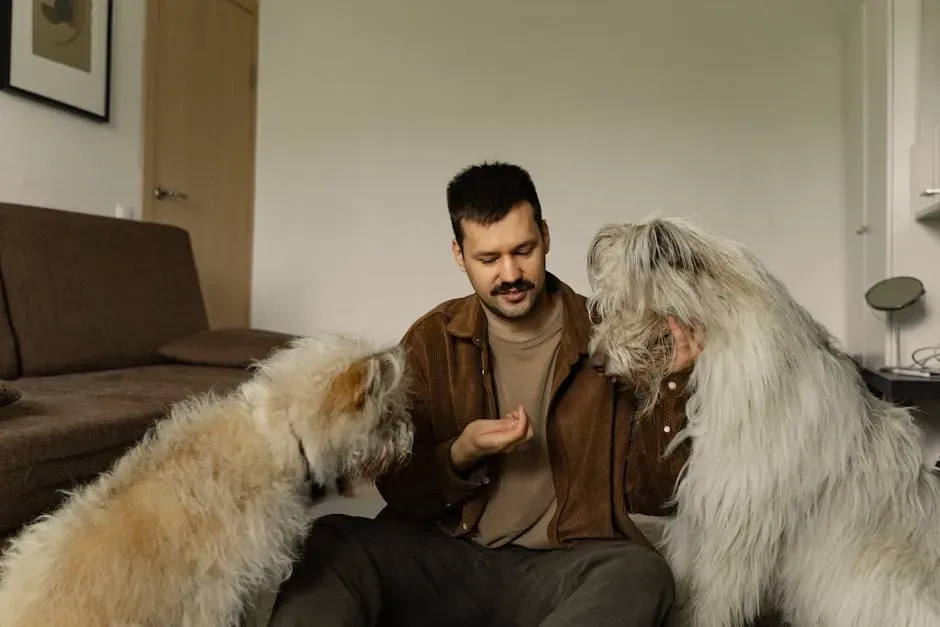
Loneliness was a social epidemic even before recent years, and it continues to be – roughly one in five Americans say they feel a lack of deep connection and understanding among others. When asked what they do when they feel lonely, the vast majority of pet owners say they turn to their pets for comfort. That’s not a gap that social media, apps, or even well-meaning friends consistently manage to fill.
Interactions with companion animals encourage physical activity, foster emotional bonding, and provide companionship, thereby contributing to the management of depressive symptoms. Engaging in caregiving activities such as walking or grooming pets not only increases physical activity but also boosts self-efficacy and fosters a sense of purpose. Companion animals act as sources of comfort and joy, helping to alleviate feelings of loneliness and isolation.
Being a dog owner promotes physical activity and reduces loneliness. You’re more likely to get outdoors and exercise with your dog, which also increases your chances of social interactions in the neighborhood or at the park. Your dog depends on you, which gives you a sense of purpose. All of these things contribute to maintaining a healthy mind and body. Sometimes the benefits of dog ownership are less about what the dog does directly and more about the entire shape of life a dog creates around you.
A Reflection Worth Sitting With

The case for dogs as the world’s best listeners isn’t built on sentiment alone. It’s built on decades of research across psychology, neuroscience, behavioral biology, and clinical medicine. They read our faces, smell our fear, lower our cortisol, and ask nothing in return except food, walks, and the occasional belly rub.
In a world that often feels exhausting to navigate – where saying the wrong thing carries real consequences, and being vulnerable takes calculation – a dog offers something quietly radical: total presence without an agenda.
Perhaps what makes dogs such exceptional listeners isn’t just that they don’t speak. It’s that they truly don’t need to.


