
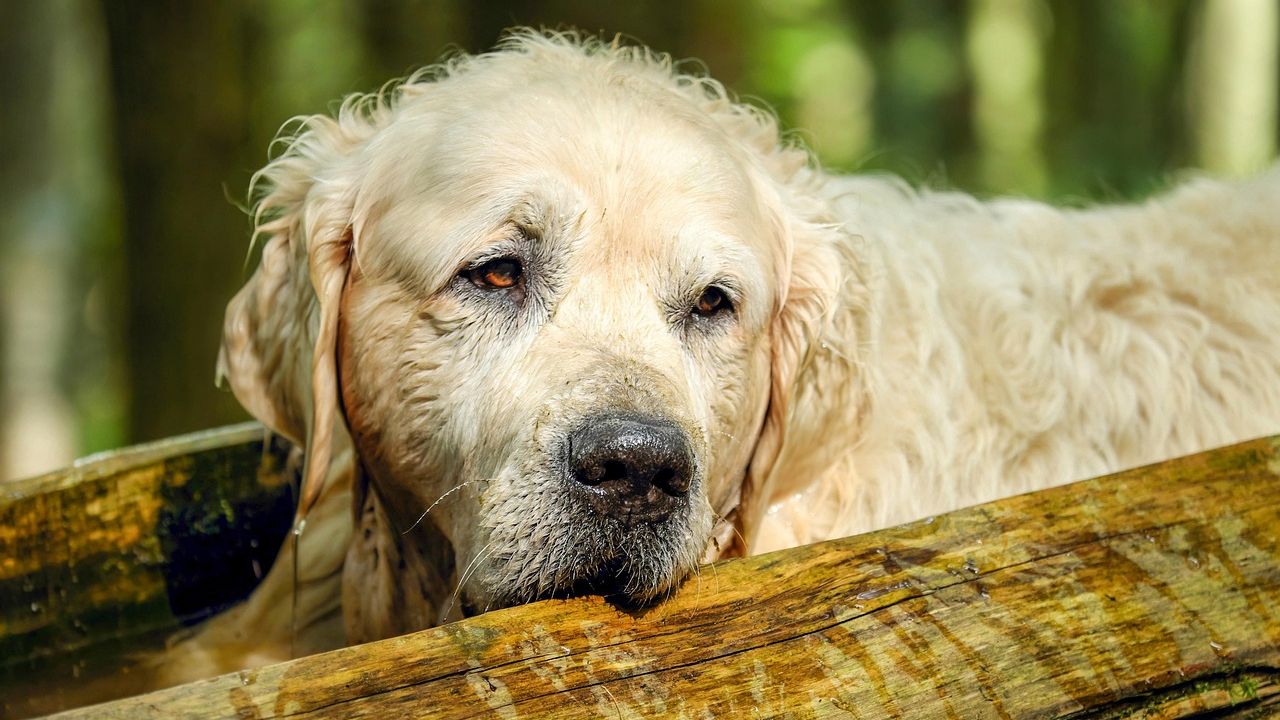
There’s a reason the story of Hachiko still moves people to tears nearly a century later. The Akita who waited at Shibuya Station in Tokyo every single day for almost a decade after his owner’s death didn’t know the word “gone.” He only knew loyalty. And he gave it, quietly and completely, until his last breath.
It’s not unusual for dogs to grieve the loss of a person they’ve bonded with. While dogs might not understand the full extent of human absence, they do understand the feeling of missing a human who’s no longer a part of their daily lives. What makes this so heartbreaking, and so beautiful, is that every breed carries that grief differently. Some search. Some wait. Some simply refuse to leave. This list explores 14 breeds known for the depth and duration of their loyalty when an owner passes, drawing on breed temperament, documented behavior, and what science tells us about the canine heart.
#1 Akita: The Keeper of Eternal Vigils
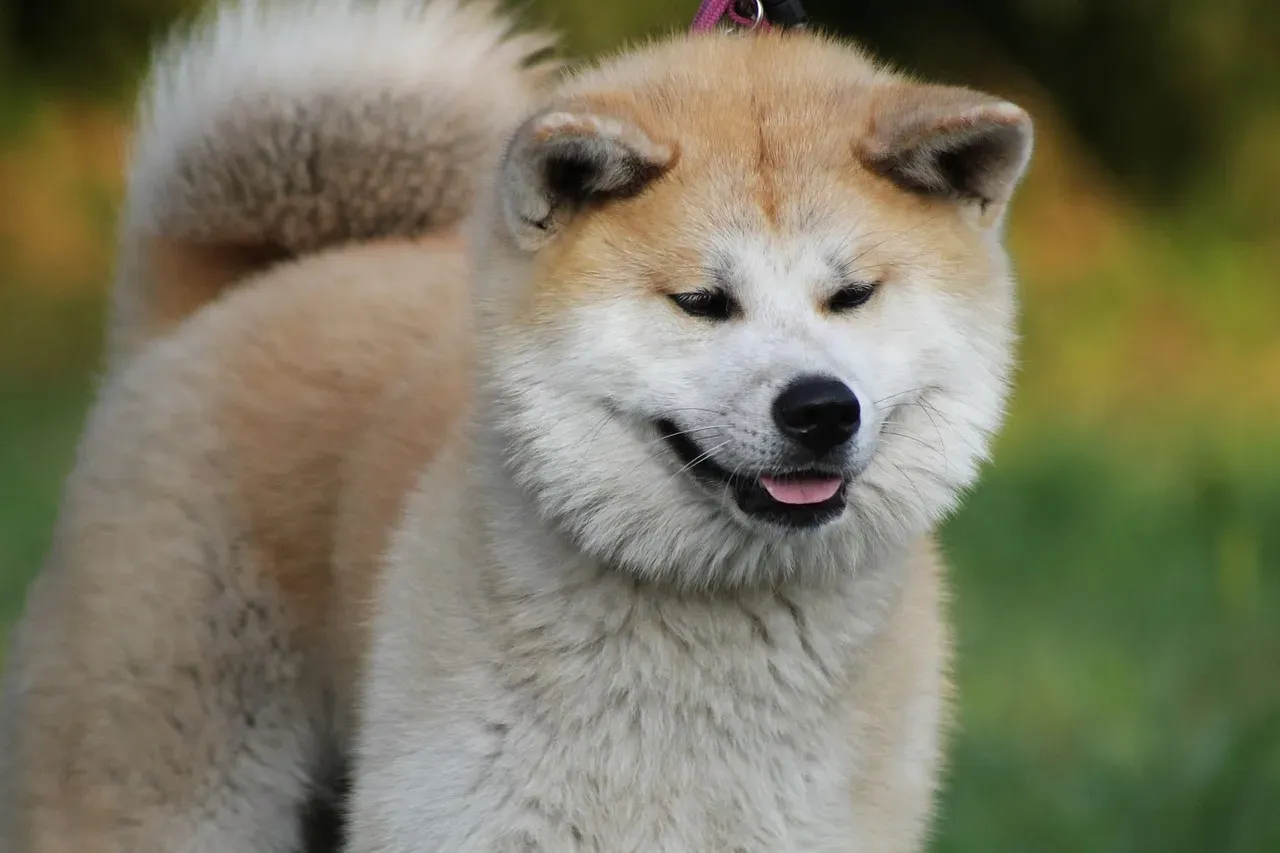
Perhaps the most touching example of this breed’s devotion is the story of Hachiko, an Akita who waited at Tokyo’s Shibuya Train Station every day for his owner, even after the owner passed away. For over nine years, Hachiko’s loyalty never wavered. His story became a worldwide symbol of faithfulness and love, forever sealing the Akita’s place as one of the most loyal dog breeds in history.
The loyalty of the Akita is not just anecdotal. It’s rooted in breed characteristics. Akitas form deep bonds with their human companions, and once they trust someone, their devotion is unmatched. Originally bred as guard dogs, Akitas are naturally protective, often standing between their family and perceived threats. While affectionate with family, they are reserved or aloof with strangers, often requiring time to warm up to new people. This selective bonding is exactly what makes their grief so intense. When they lose the one person they’ve chosen, the absence can feel total.
#2 German Shepherd: The Guardian Who Never Forgets
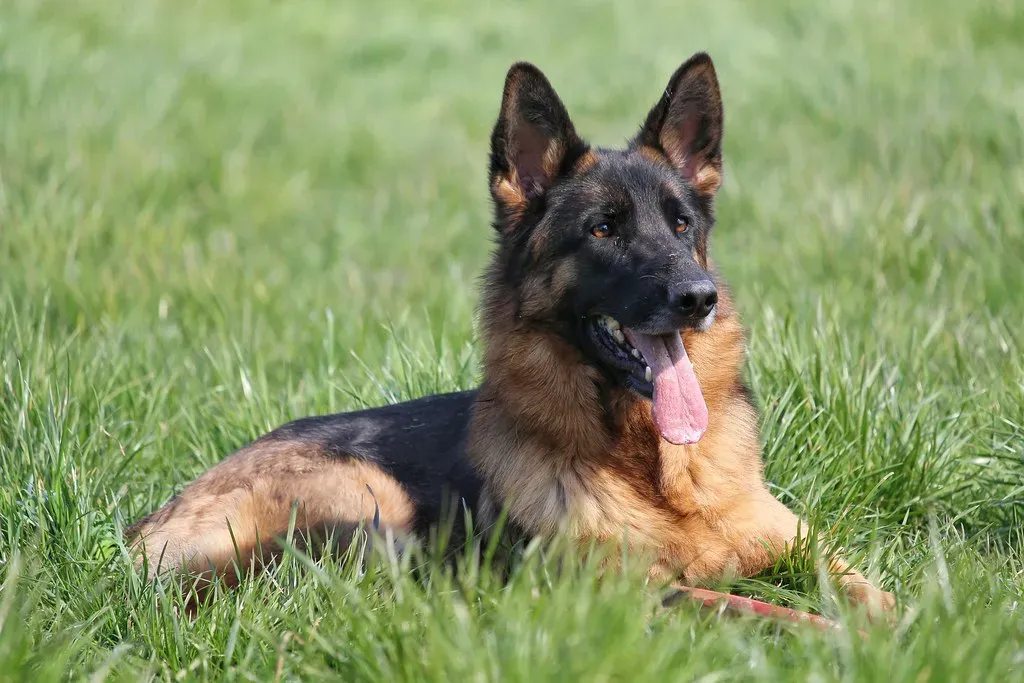
The German Shepherd is one of the most loyal and intelligent dog breeds in the world. Originally bred as herding dogs, they quickly became known for their courage, devotion, and sharp minds. Today, they’re trusted companions in homes and heroes in uniforms, often serving as police, military, and service dogs. That same fierce commitment doesn’t switch off when a uniform comes off.
Ciccio, a 12-year-old German Shepherd, proved how faithful he was on a daily basis, heading to his nearby church in Italy when the bells began to ring each afternoon, just as he had done with his owner when she was alive. These dogs are famous for their strong bond with their owners. They’re not just loyal. They’re protective and willing to put themselves in danger to keep their loved ones safe. German Shepherds can show extended behavioral changes after a loss, sometimes for months, often quietly, with watchful eyes on the door their person will never walk through again.
#3 Labrador Retriever: The Warmest Kind of Devotion
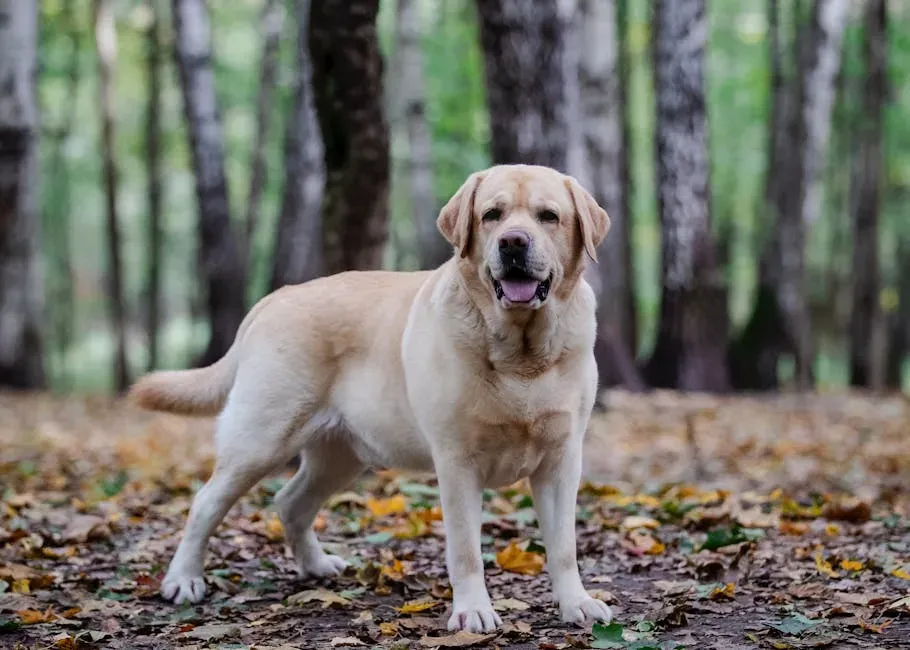
Labradors are known for their strong bond with humans. They are gentle, affectionate, and always eager to please. These dogs love children and get along wonderfully with other pets, making them the perfect family dog. Their loyalty runs deep, and they thrive on being close to the people they love.
A Labrador Retriever named Endal became world-famous for his loyalty. As a service dog of a Gulf War veteran, when his disabled owner collapsed after a hit and run, Endal put him in the recovery position, fetched his phone, covered him with a blanket, and even barked for help. This “super dog” became a national hero in the UK and a bright example of canine devotion. After an owner passes, Labs often express grief by becoming extra clingy with surviving family members, seeking the emotional warmth that their person once provided.
#4 Border Collie: The Steadfast Sentinel
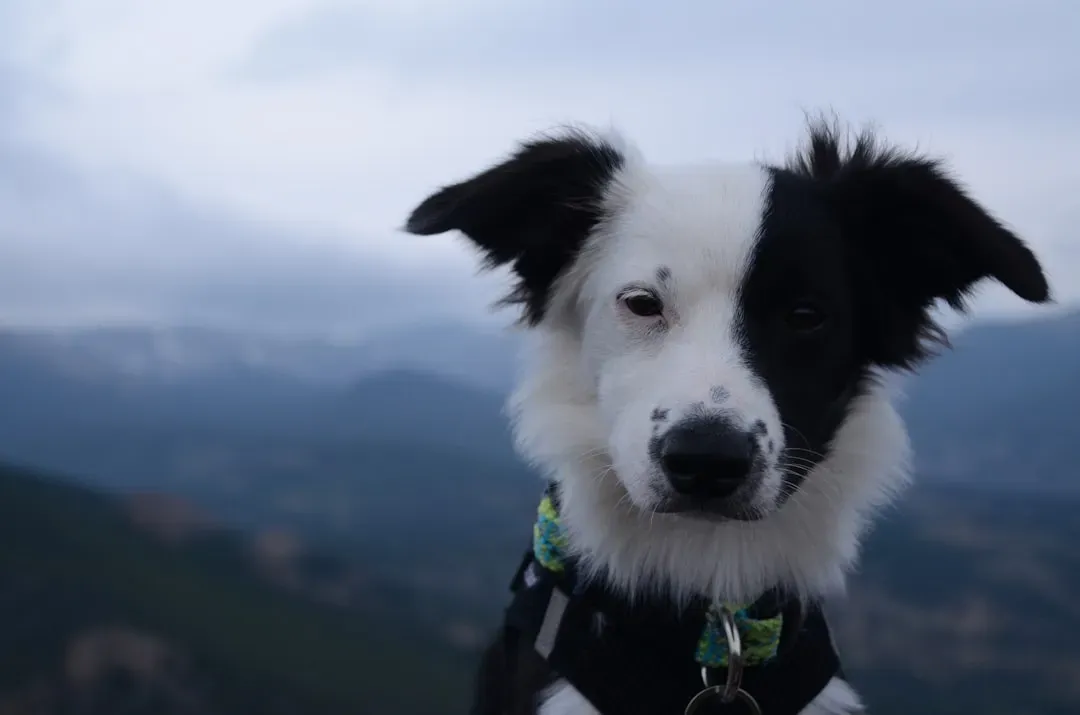
Ruswarp was a 14-year-old Border Collie who spent his days hiking and traveling the mountainside of Wales with his owner. In January of 1990, neighbors noticed that the owner hadn’t returned from one of his hikes. A search party swept the area for a week to no avail. Eleven weeks later, another hiker found the owner’s body near a mountain stream. Ruswarp had stood guard over his human’s body through the winter chill.
Border Collies are highly intelligent as well as dedicated to their families and their jobs. They show their dedication through obedience and attentiveness and an intense drive to work. These dogs tend to form close attachments to one person or family and bond very closely with them. Their loyalty makes them excellent working companions and family pets. When that bond is severed by death, a Border Collie’s intelligence can actually deepen their grief, as they’re acutely aware that something is fundamentally wrong with the world.
#5 Golden Retriever: The Gentle Heart That Lingers
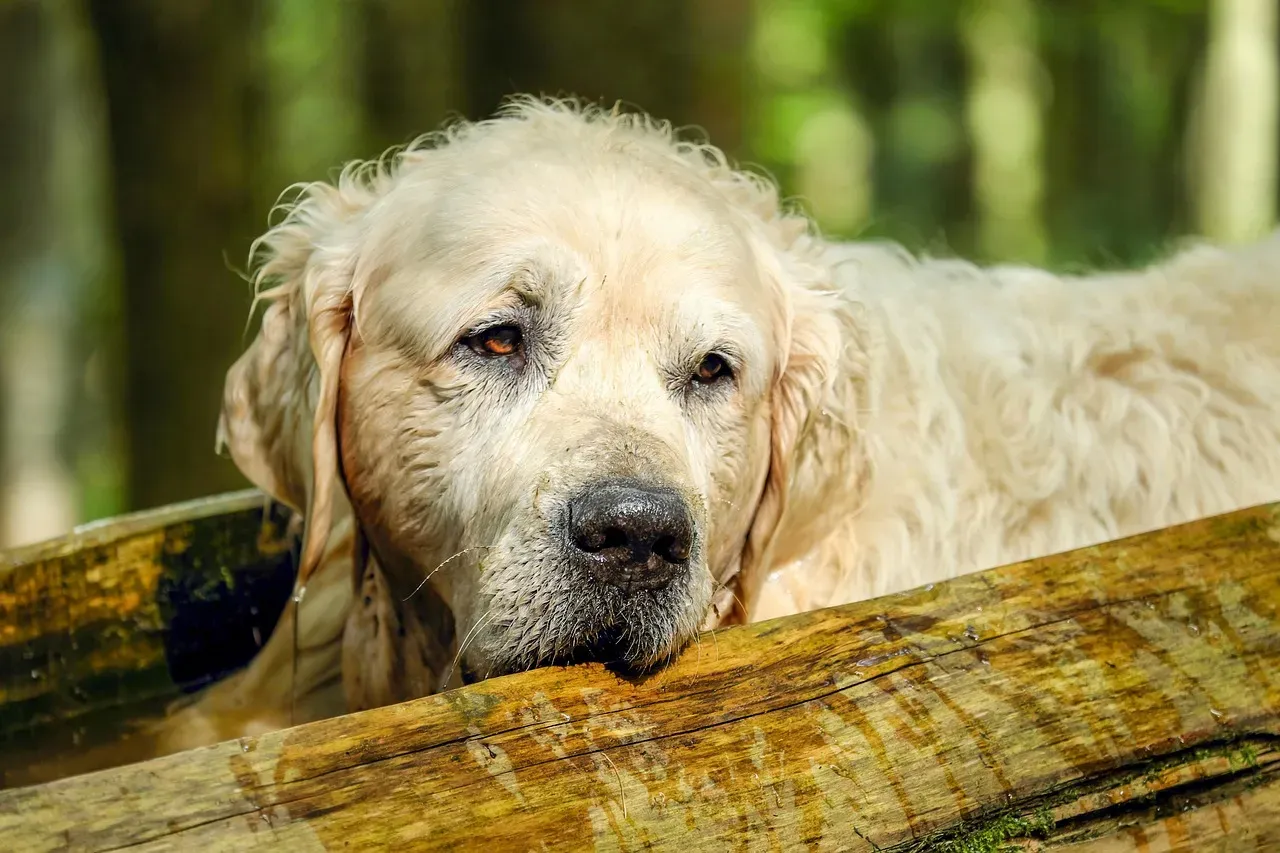
A Golden Retriever’s loyalty comes from their deep desire to make their people happy. They form strong emotional bonds and are known to stay close to their owners through every moment, happy or sad. Their patience and sweet temperament make them wonderful with young kids and other pets alike.
Goldens have that rare mix of gentleness and devotion that makes them ideal family members. They will greet you like it’s been years, even if you have only been gone for five minutes. They will stay by your side during sickness, sadness, or just lazy Sunday afternoons. After a loss, Golden Retrievers tend to search for their person in familiar places, sleep in their owner’s clothing, and remain unusually subdued. Their grief is warm and visible, and it can last for many months if left unaddressed.
#6 Rottweiler: The Quiet Protector Who Mourns Deeply
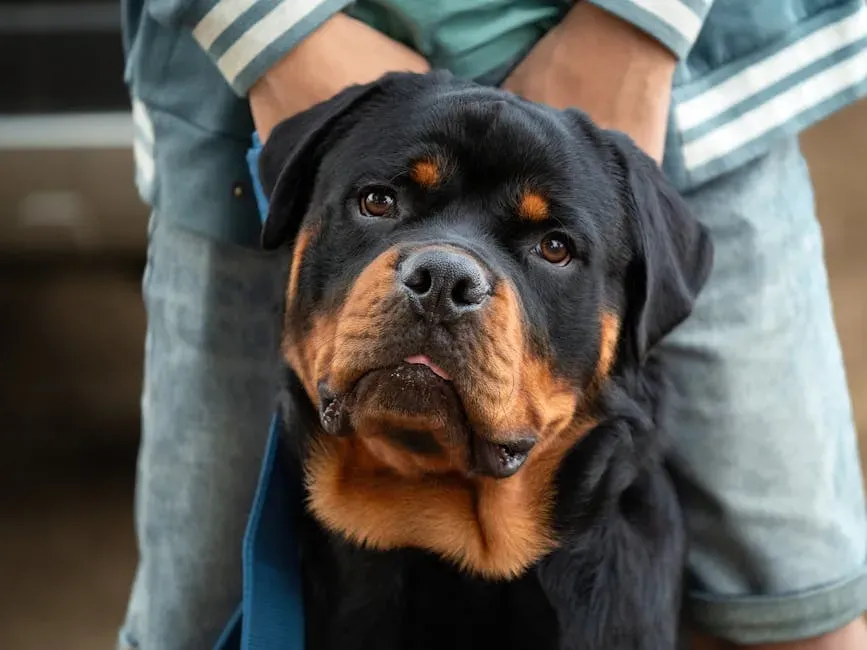
Rottweilers have a long history as working dogs, particularly guard dogs, and they’re deeply loyal and protective. They’re known to form close attachments to their families, which makes them great home guardians. While they often have some wariness around strangers, this trait can be managed with early training and socialization. Rottweilers often choose a “favorite person” in the household but remain loyal and protective toward all family members.
That intense single-person bond is what makes the Rottweiler’s grief so profound. Studies have found that a significant number of dogs display grief-like behaviors after a loss, such as reduced appetite, increased lethargy, and seeking comfort from other family members. Some dogs even exhibit signs of depression, including withdrawal from social interactions and a lack of interest in previously enjoyed activities. Rottweilers, stoic by nature, tend to internalize this grief, which means their caregivers need to watch closely for subtle behavioral changes rather than waiting for obvious distress signals.
#7 Rough Collie: The Loyal One Who Watches for Shadows
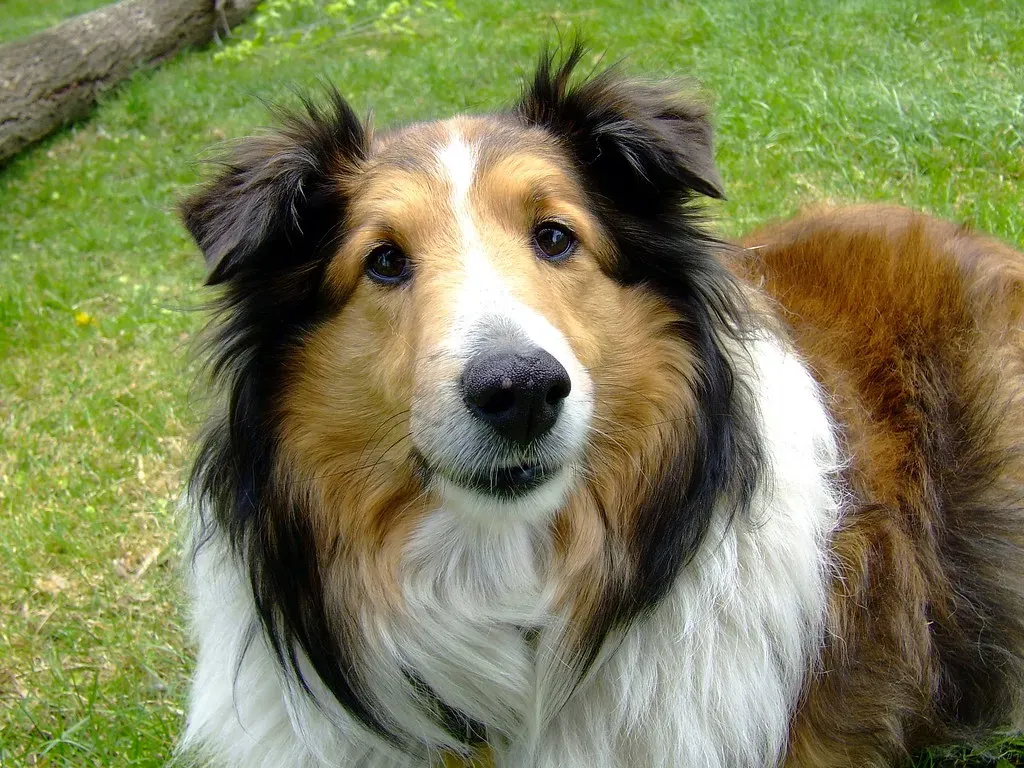
Collies, especially Rough Collies, are famous for their loyalty, as illustrated by the fictional dog Lassie. This breed tends to be loyal to the entire family rather than just one person, and they form strong bonds with their people. Their herding instincts make them naturally protective. They’re also particularly gentle with children, making them excellent family dogs.
What makes the Collie’s loyalty especially touching after a bereavement is how they redirect care. Instead of withdrawing, many Collies instinctively begin watching over the remaining family members, as if stepping into the void left by the person who is gone. A tell-tale sign that a pet is grieving is constant searching, presumably for the person they miss. Many animals spend time right after a tragic loss looking for their companion in their favorite places, sleeping in areas that smell like them, waiting by the door, and attaching to meaningful objects.
#8 Doberman Pinscher: The Shadow That Refuses to Fade
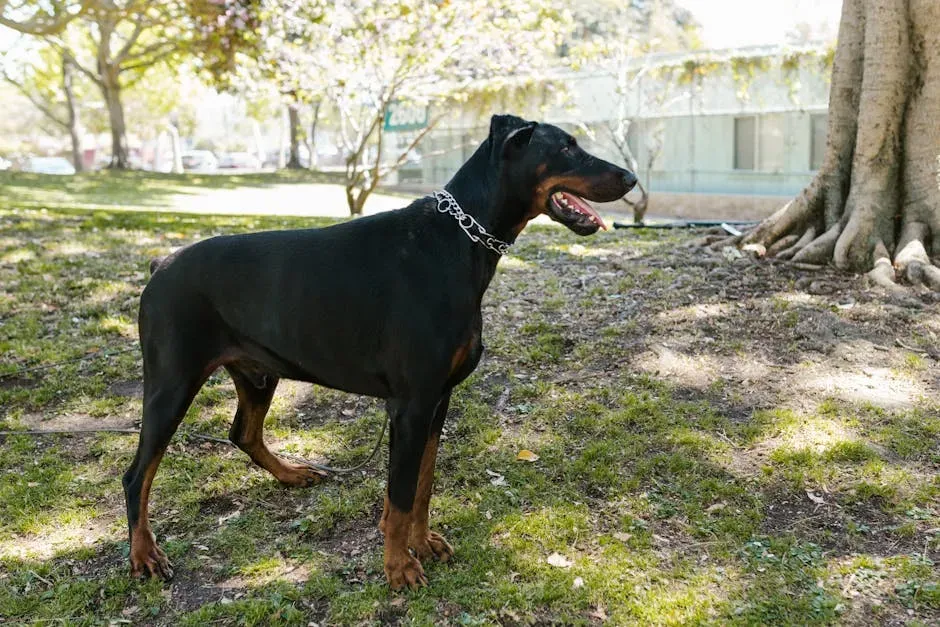
Dobermans are highly intelligent dogs with a protective and attentive nature, traits that help explain their long history as guard dogs. Their loyalty makes them excellent guard dogs and family companions, and they usually form close relationships with their people. In fact, they’re often referred to as “velcro dogs,” since they want to stay close. Many Dobermans are more reserved and wary around strangers.
When a Doberman loses their person, that velcro attachment has nowhere to go. While dogs might not understand the full extent of human absence, they do understand the feeling of missing a human. Because we can’t explain to dogs exactly what loss means, certain indicators, such as a change in routine or the absence of their owner’s sensations of sight, sound, or smell, indicate to them that something is different. For a Doberman, losing that familiar scent and presence can trigger sustained searching behavior, restlessness, and a deep reluctance to bond with anyone new.
#9 Beagle: The Pack Loyalist Who Feels the Gap

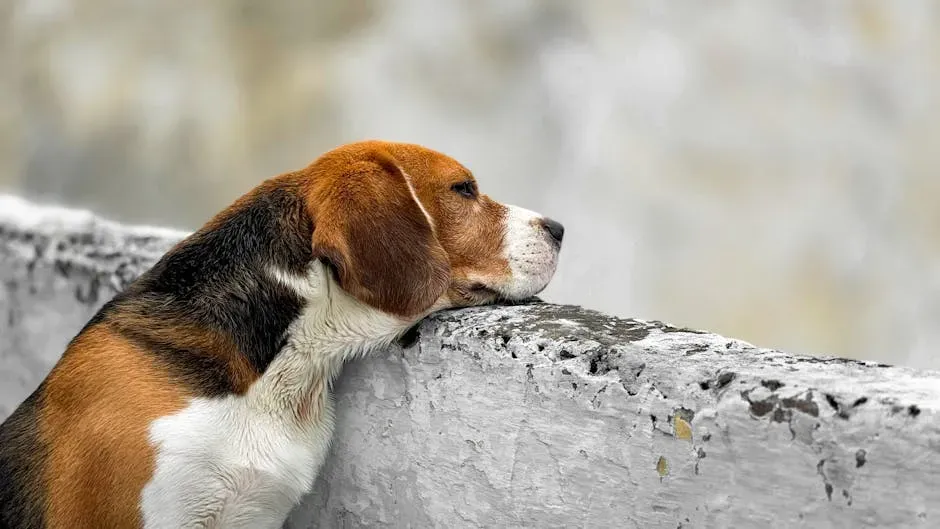
The Beagle is another dog breed known for loyalty. Bred to hunt in packs, these sweet-faced dogs can be loyal to their people and to their instinct. They use their powerful noses for sniffing prey, which can cause some training challenges. That powerful nose, the same one that tracks scents across hillsides, also means a Beagle will smell their owner’s absence in a way most humans can’t fully imagine.
A dog’s primary sense is smell. When a companion is gone, the scent changes dramatically. If the surviving dog is allowed to access familiar scent cues, many appear calmer. This isn’t closure in a human sense, but it likely helps the dog recognize that something is different. Beagles grieve through scent, spending hours sniffing their owner’s belongings, bed, and favorite chair. This behavior can persist for weeks and is often the last to fade, even long after other grief signs have settled.
#10 Boxer: The Joyful Dog With a Tender Wound
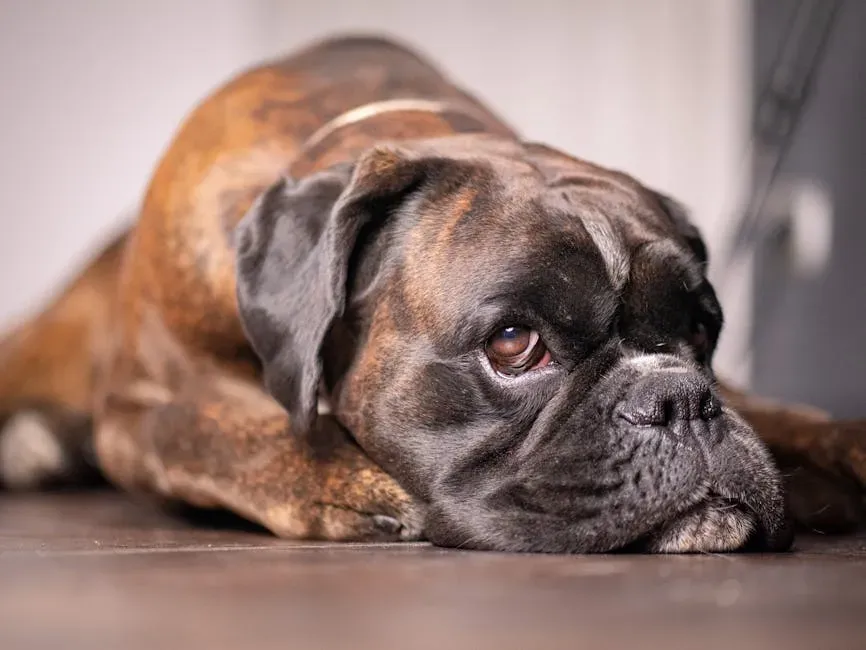
Boxers are energetic, loyal, and protective dogs that bond closely with their families. They have a reputation for their playful personalities and strong attachments to people. Boxers tend to be both protective and affectionate, and these traits make them excellent companions and loyal family dogs. Their loyalty can sometimes mean they have a strong preference for their families over strangers.
The Boxer’s zest for life can mask their grief to newcomers, but those who know the breed understand that beneath the bounding energy is a deeply emotional dog. One of the most alarming yet common signs of grief in pets is a dramatic change in appetite. Grieving pets may not have any motivation to eat, sometimes going days without food. This symptom should be closely monitored and addressed by a vet if prolonged. A Boxer who suddenly goes quiet and refuses their food after a loss is communicating something real. Take it seriously.
#11 Dachshund: The Small Dog With the Longest Memory

Dachshunds are known for their loyalty and affection, which they often attach to one person in the household. In fact, many Dachshunds follow their favorite person around from room to room and want to do everything together. While they thrive on close companionship with their family members, they can be a bit aloof with strangers.
Don’t let the small size fool you. A Dachshund who has attached to one person will feel that loss like a rupture in their entire world. The duration of a dog’s grief varies depending on a range of factors, like their temperament and the nature of their bond with their loved one. Dachshunds, with their single-minded devotion, can show grief behaviors for months, particularly the habit of circling the last known spots their person occupied. Some owners of bereaved Dachshunds report that the dog slept on the deceased owner’s pillow for years.
#12 Cavalier King Charles Spaniel: The Empath in a Silky Coat

Cavalier King Charles Spaniels are small, affectionate dogs who are happiest when snuggling with their favorite humans. They are one of the most emotionally attuned breeds in existence, bred for centuries specifically to offer comfort and companionship. That history matters enormously when we talk about loss.
Dogs grieve the death of human and animal companions, displaying reduced appetite and clinginess. In the Cavalier, this clinginess transforms into something almost tender. They seek out the surviving family members, pressing close, offering warmth, and at the same time clearly searching for the familiar arms that are gone. About roughly two thirds of dogs exhibit changes in vocal patterns, with some vocalizing more while others grow quieter than they were before. Surviving dogs are often more affectionate with their caregivers and become clingy. For the Cavalier, this is their way of grieving out loud.
#13 Chihuahua: The Fiercest Little Heart
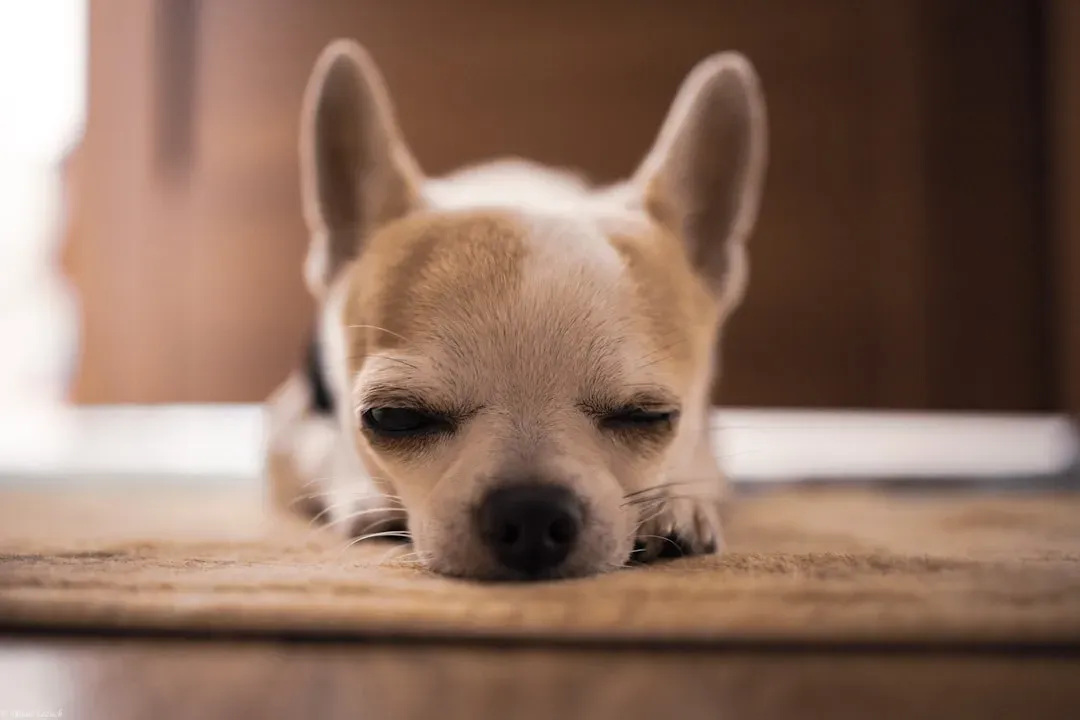
Certain dog breeds, including Chihuahuas, are known to form especially strong bonds with a single person. What Chihuahuas lack in size they absolutely make up for in devotion. Their world is often built around one human, and when that human disappears, the Chihuahua’s world collapses with them.
Since a dog may not understand death as something permanent, sometimes they will wait patiently, believing that the deceased will return. This is especially vivid in Chihuahuas, who are known to sit at front doors and windows for extended periods, watching. There is no finite period for grief, as every animal responds differently to a loss. Many experts suggest that grief in dogs will run its course in weeks to months, but studies of other species recognized grief-like behavior in closely bonded communities that lasted for months. Some Chihuahuas, with their one-person attachment, fall firmly on the longer end of that scale.
#14 Mixed-Breed Dogs: Loyalty Without a Pedigree
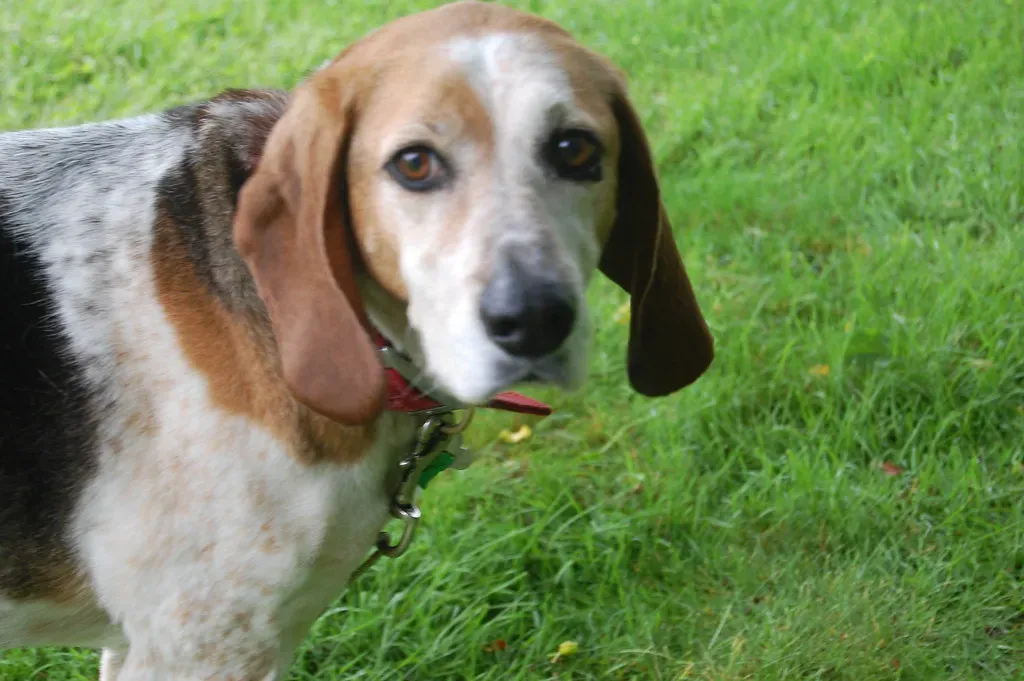
No list about canine loyalty is complete without a word for the dogs without papers. One of the most gut-wrenching images to emerge from the 2011 Brazilian floods showed a mixed-breed dog, Leao, lying patiently by the fresh grave of his owner. No specific breed. No famous lineage. Just love, pressed into the earth.
No two dogs are alike. So the way that each dog grieves and for how long can differ. Mixed-breed dogs inherit traits from multiple lines, which often results in emotional complexity that mirrors the richest purebreds. Dogs do feel grief when they lose a human or animal companion. Like humans, dogs mourn the loss of the individual and their bond with that person. The depth of that grief has nothing to do with breed certificates. It has everything to do with love, and in that, mixed-breed dogs are as pedigreed as any.
How to Support a Dog Who Is Grieving Their Owner
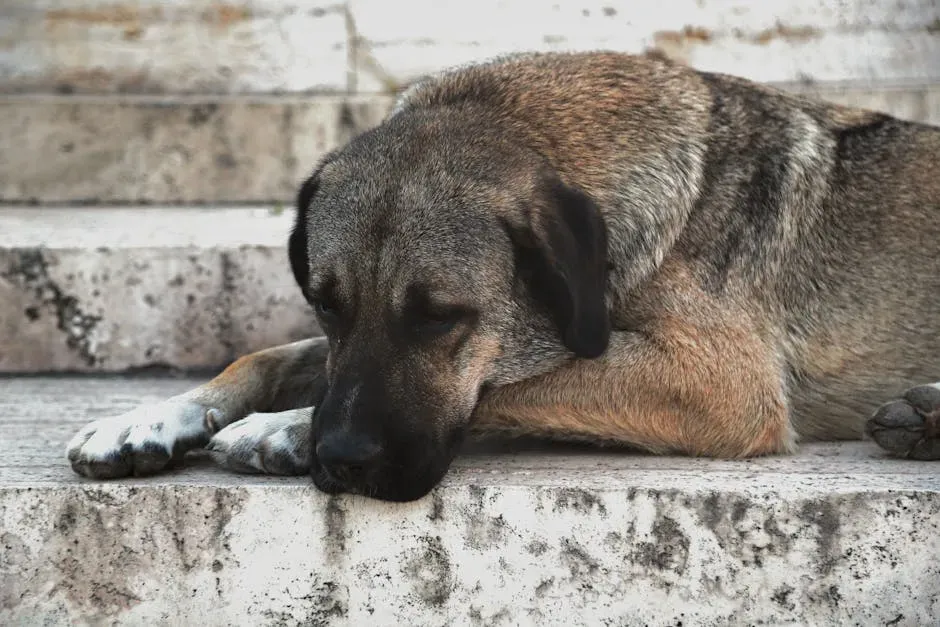
Dogs process loss differently from humans. They live in the present. They don’t ruminate. They adapt quickly when stability returns. Understanding this helps us support them properly instead of confusing them emotionally. The single most helpful thing a new caregiver can do is maintain routine. Walk at the same times. Feed at the same times. Keep the furniture where it is.
Grief is a normal part of losing a human or animal family member, so give your dog time to grieve and mourn the loss. In the meantime, you can help your dog cope by keeping their routine as normal as possible and avoiding any additional disruption that could cause stress. If your dog has prolonged difficulty following a loss, ask your veterinarian about the use of a behavior modification approach. There are several options that can serve as adjunct support and may enhance your efforts at resolving behavior issues associated with mourning. Patience, presence, and consistency are the three most powerful things you can offer a grieving dog.
Conclusion
What these 14 breeds reveal, each in their own way, is that loyalty in dogs isn’t simply a trained behavior. It’s a form of love that doesn’t switch off at death. They offer love, loyalty, and companionship, and anyone who has ever formed a deep bond with a dog can attest to the special relationship between humans and canines. That bond doesn’t dissolve when one side of it is no longer here.
Time will contribute to the healing process for both pet and caregiver. Loss will become easier to bear, and fond memories will replace sorrow. The relationship between the survivors, canine and human, may evolve into something even more beautiful as a new way of life is established following a loss. Whether your dog is an Akita waiting at a metaphorical train station or a scruffy mutt sleeping on a borrowed pillow, their grief is real, and so is the love behind it. Honor it gently. That’s the least we can do for the ones who never stop waiting for us to come home.


