
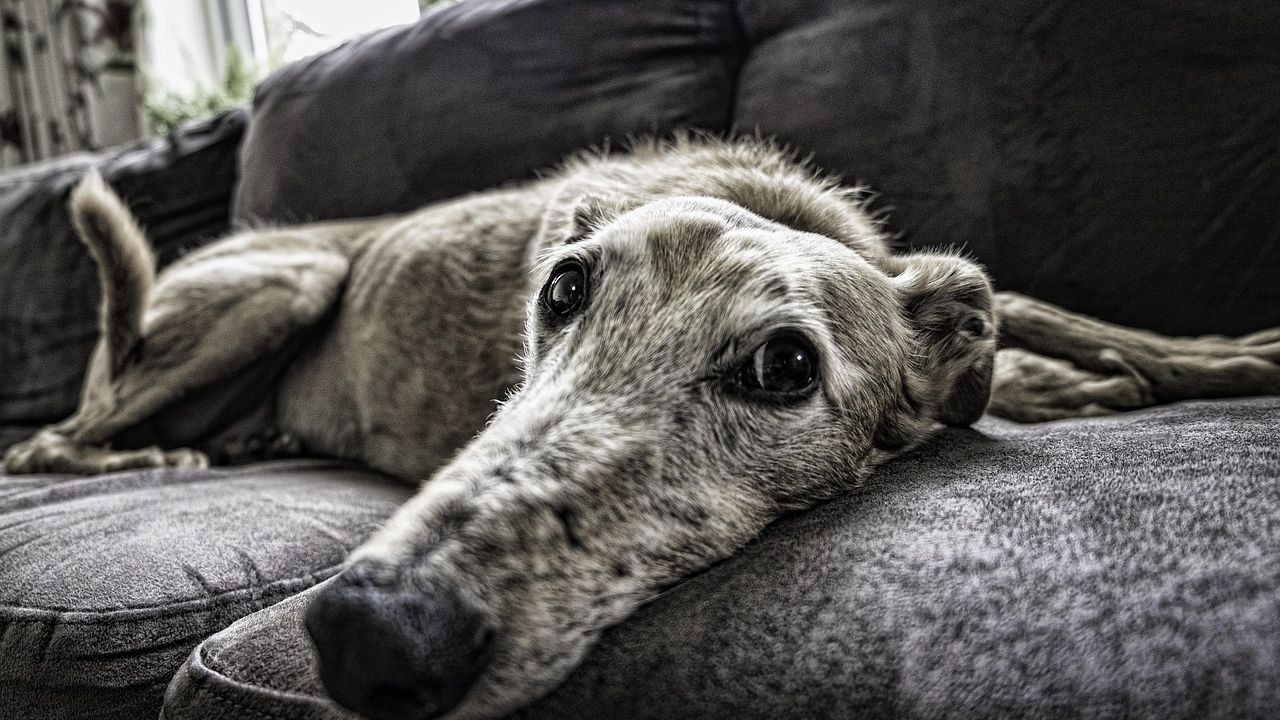
There’s a particular kind of quiet that fills a home after a dog loses a companion. The water bowl that once got nudged by two noses. The spot on the couch that only one dog now claims. If you’ve ever watched a surviving dog pace the hallway, sniff the empty bed, or simply sit and stare, you already know the answer to a question science has been trying to catch up with for years: dogs do grieve.
Dogs form emotional bonds that include companion animals in their household, and removing that companion can be expected to cause behavioral changes that certainly overlap those behaviors we normally interpret as grief and mourning. In a major study using the Mourning Dog Questionnaire, the vast majority of dogs studied showed signs associated with grief, a finding that surprised even some researchers. What’s harder to pin down is how long that mourning lasts, and crucially, which breeds seem to carry it deepest. The duration of a dog’s grief varies depending on a range of factors, like their temperament and the nature of their bond with their loved one. What follows is a look at 15 breeds, ranked from shortest to most prolonged grief, based on known breed temperament, emotional sensitivity, and attachment patterns.
#1 Basenji – The Quiet Processor
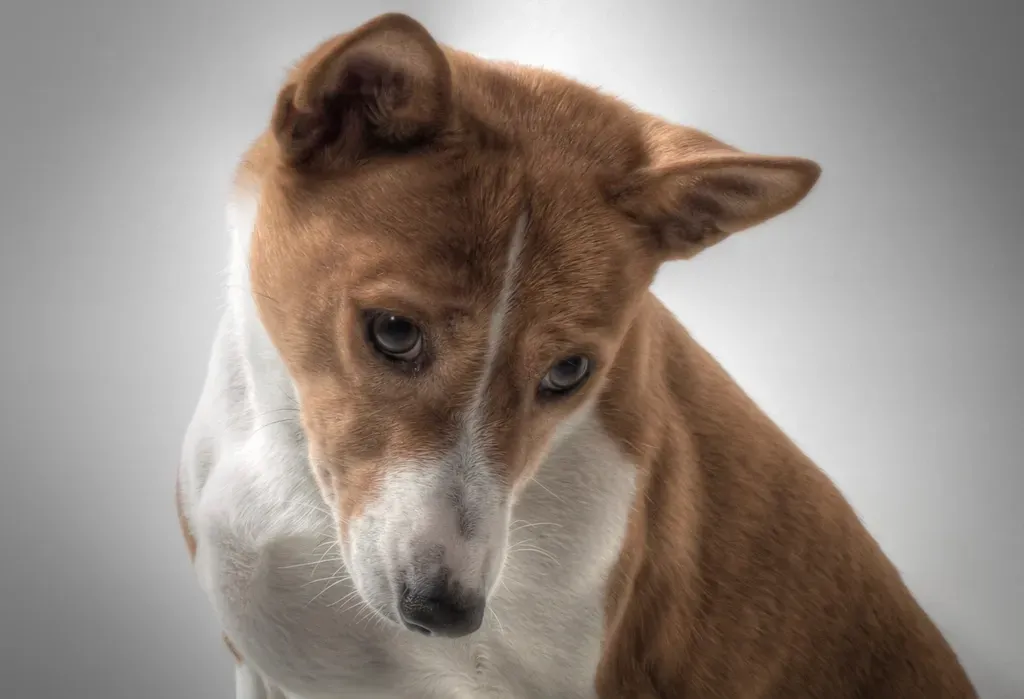
The Basenji is often described as cat-like in its independence, and that self-reliance tends to shape how it handles loss. These dogs form bonds on their own terms, and while they do notice the absence of a companion, they’re less likely to visibly collapse into sustained mourning. Their grief tends to be brief and internalized rather than outwardly dramatic.
That said, “brief” doesn’t mean painless. A Basenji may spend a few days exploring the home with unusual alertness or seeming slightly flat in energy. While it’s unlikely that pets fully grasp the concept of a companion being gone forever, they do show some level of understanding of loss, often through behavioral changes in response to missing the company of their companion and the change in their shared daily routine. Keeping routines intact is especially useful with this breed during the adjustment window.
#2 Shiba Inu – Independent but Aware
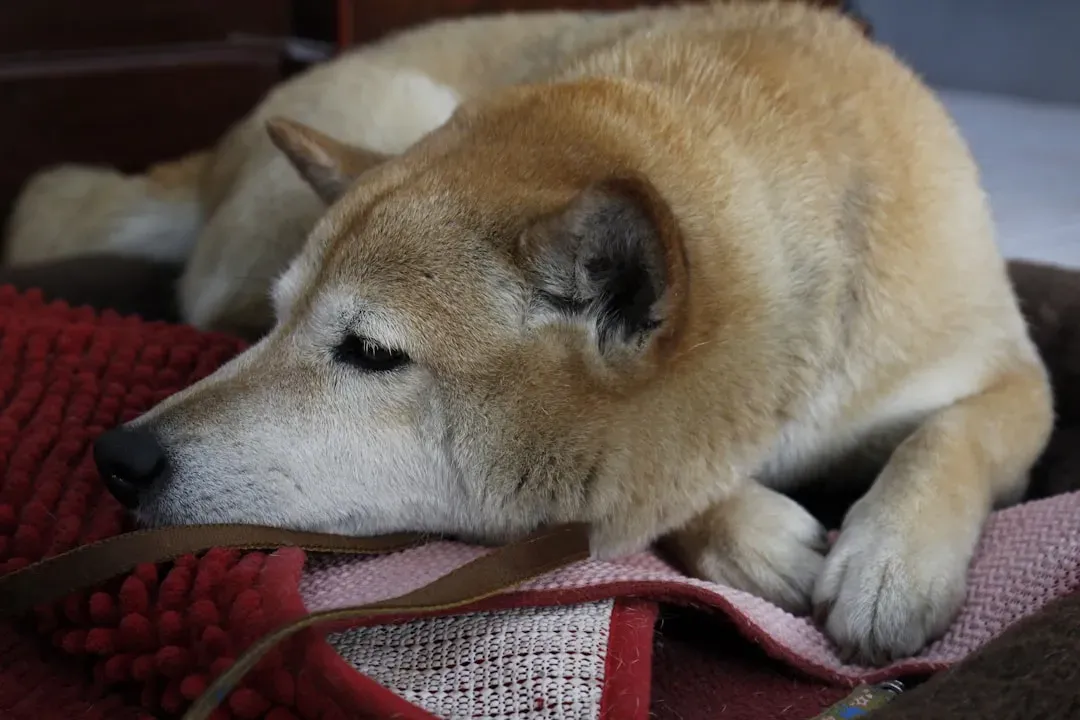
Shiba Inus are famously spirited and self-contained. Their stoic nature means their grief rarely looks like grief to the untrained eye. You might notice a brief period of aloofness or a subtle decrease in play drive, but their resilient temperament helps them recalibrate relatively quickly compared to more clingy breeds.
The key with a grieving Shiba is not to mistake composure for indifference. They process differently, not less. Maintaining consistent walk schedules and keeping environmental changes minimal will help them settle. The first thing to do with a grieving dog is to keep a consistent schedule. Stick to regular feeding times, daily walk schedules, and usual bedtime routines, as consistency can provide a sense of security and create familiarity amidst loss.
#3 Greyhound – Gentle but Adaptable
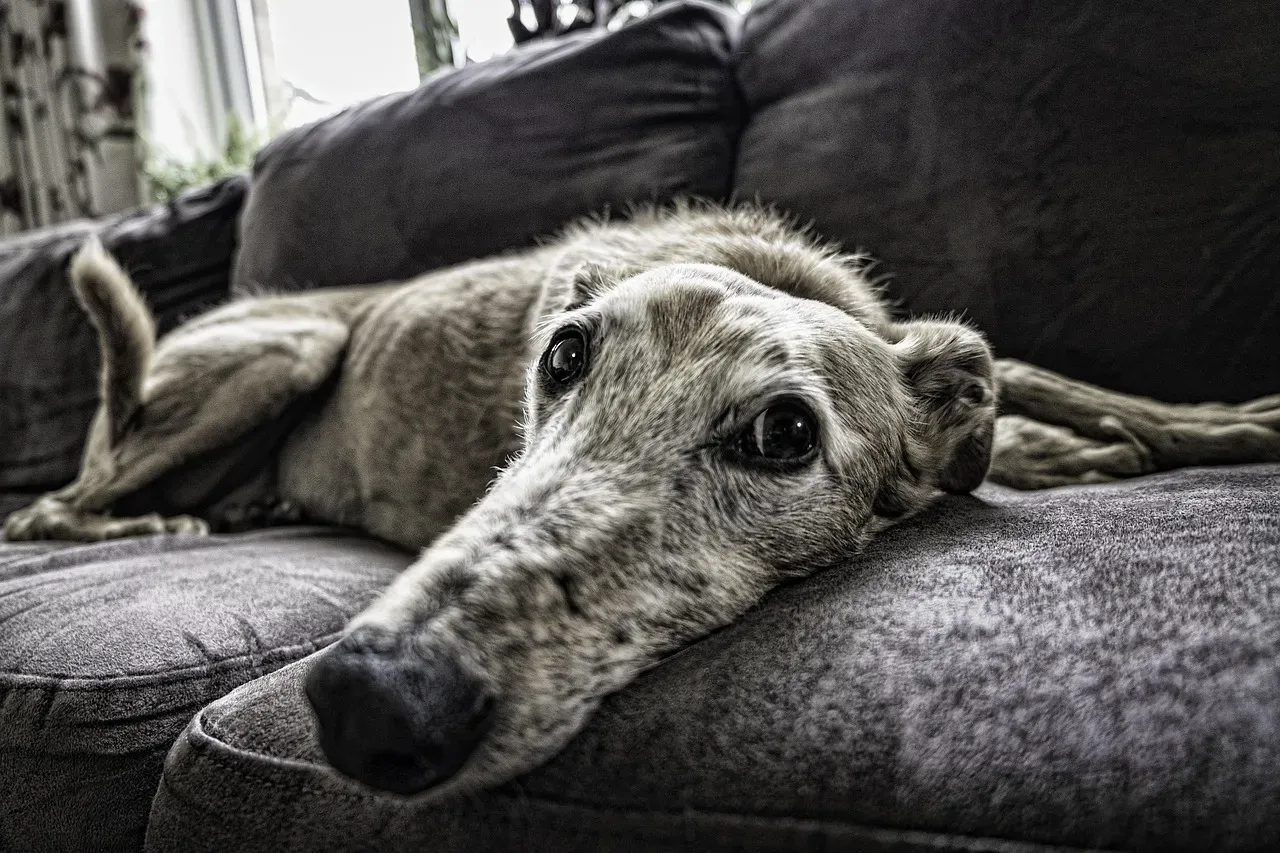
Greyhounds have a calm, somewhat detached elegance about them. They enjoy companionship but don’t tend to spiral into anxious distress the way more high-strung breeds do. After losing a companion, most Greyhounds show a period of restlessness or altered sleep, then gradually re-anchor to their routine. They may sleep more than usual and move more slowly, sulking around.
Greyhounds are often new to being alone and need a slow transition and a steady routine. This is especially true for retired racing Greyhounds who have lived in packs their whole lives. Introducing gentle social interaction with other calm dogs or people during the mourning window can help these serene dogs find their footing again.
#4 Chow Chow – Reserved Grievers
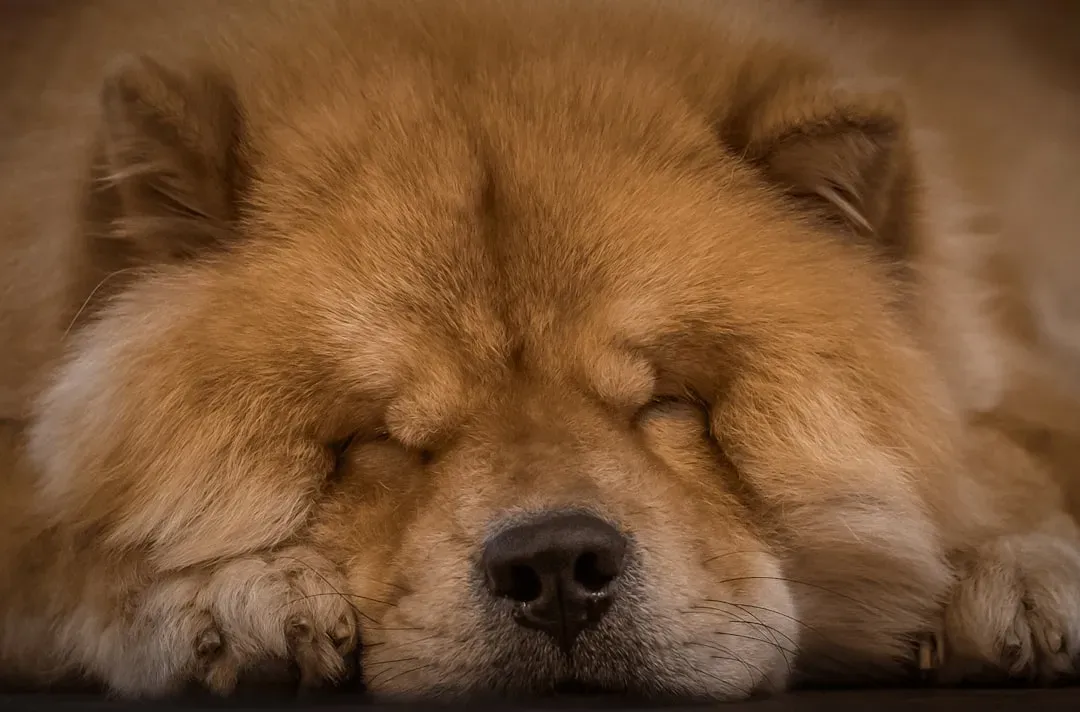
Chow Chows are fiercely loyal to their inner circle but carry that loyalty quietly. They don’t tend to perform their emotions for an audience. After a companion loss, a Chow might withdraw slightly or spend more time resting in a favored spot. It looks like indifference, but it’s really a breed-typical way of holding something heavy.
Their mourning period is generally moderate in length. Grief behaviors vary depending on the dog, but they generally return to normal within two to six months. For a Chow Chow, the lower end of that range is more typical, provided their daily structure remains intact. Avoid forcing interaction or loud disruptions during this time. Give them space, and they’ll find their way back.
#5 Labrador Retriever – Social, Resilient, Bounces Back
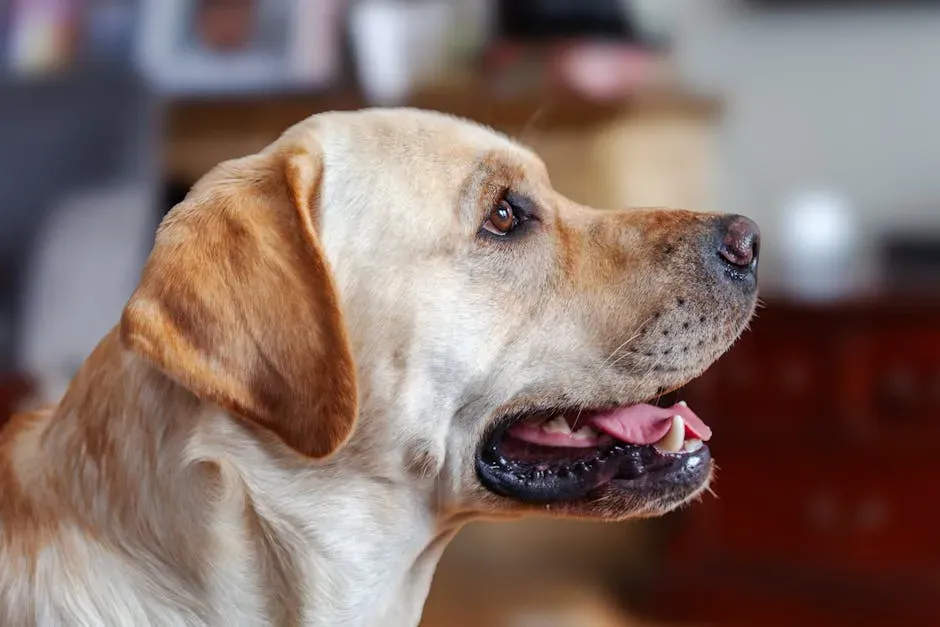
Labs are among the most emotionally attuned dogs on the planet, which means they absolutely feel the loss of a companion. Like the Golden Retriever, Labrador Retrievers are caring dogs that are great at reading human emotions. They’re one of the most popular dog breeds, but also one of the most sensitive and emotional breeds. That said, their fundamentally social and resilient nature gives them a useful edge in recovery.
A Lab in grief may go off their food for a few days, become clingier than usual, or lose enthusiasm for play. They are prone to developing separation anxiety if left to themselves for most of the day. The good news is that their love of people and activity makes them responsive to extra engagement. More walks, more interactive play, and more human contact can meaningfully shorten the mourning window for this breed.
#6 Boxer – Emotionally Open, Faster to Rebound
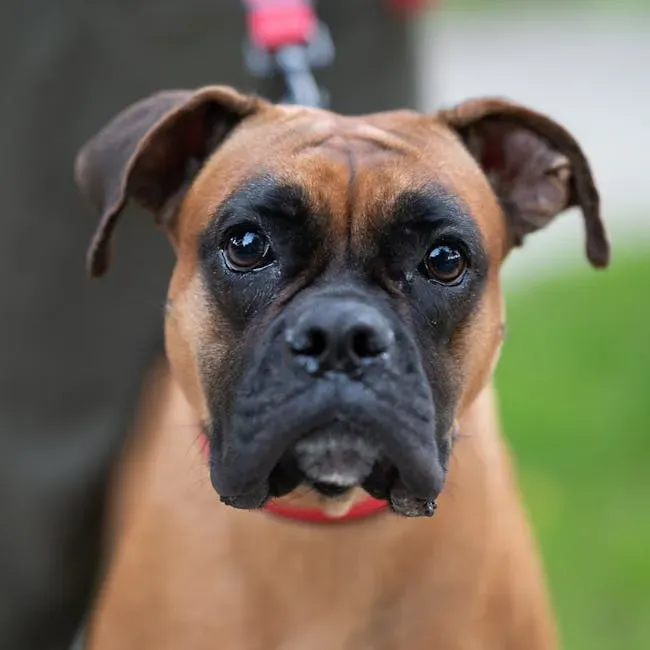
Boxers wear their hearts on their sleeves. They’re playful, people-focused, and quick to redirect their energy. When they lose a companion, they tend to exhibit very visible signs of grief, including decreased appetite, increased vocalization, and shadowing their owners closely. Surviving dogs are often more affectionate with their owners and become clingy.
Despite the intensity of the initial reaction, Boxers tend to rebound relatively well with human engagement. Their natural enthusiasm for life works in their favor. Spending extra time with your dog and diverting their attention by engaging in their favorite pastimes works particularly well with a Boxer because they are so activity-driven. A consistent stream of positive stimulation can significantly ease their transition.
#7 Golden Retriever – Deep Feelings, Steady Hearts
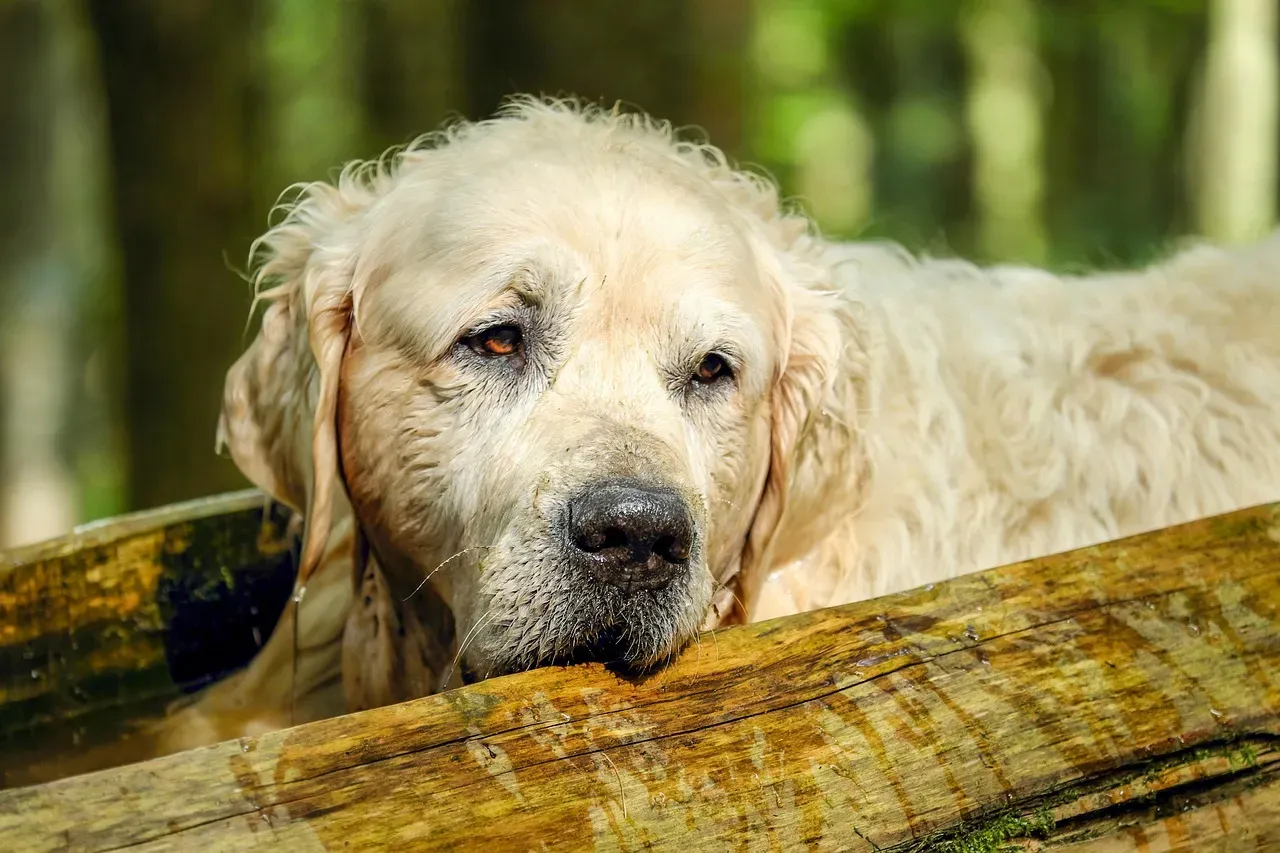
Golden Retrievers are emotionally generous dogs. They love broadly and bond deeply, which means the loss of a companion genuinely hurts them. Golden Retrievers are the emotional support department of the dog world, always open, always ready to help. These gentle dogs are so emotionally intuitive, it’s like they’re tuned into a frequency only they and their humans understand. That emotional depth cuts both ways when grief arrives.
As one of the best breeds for a therapy dog or emotional support dog, Golden Retrievers are also one of the most sensitive breeds. They’re great at picking up on human emotions and know exactly how to cheer you up. During mourning, watch for reduced interest in play, changes in sleep patterns, and restless searching behavior. Their grief often runs a moderate course, somewhere between a few weeks and a few months, and responds well to routine, affection, and gradual reintroduction of activity.
#8 German Shepherd – Loyal to the Core, Mourns Accordingly
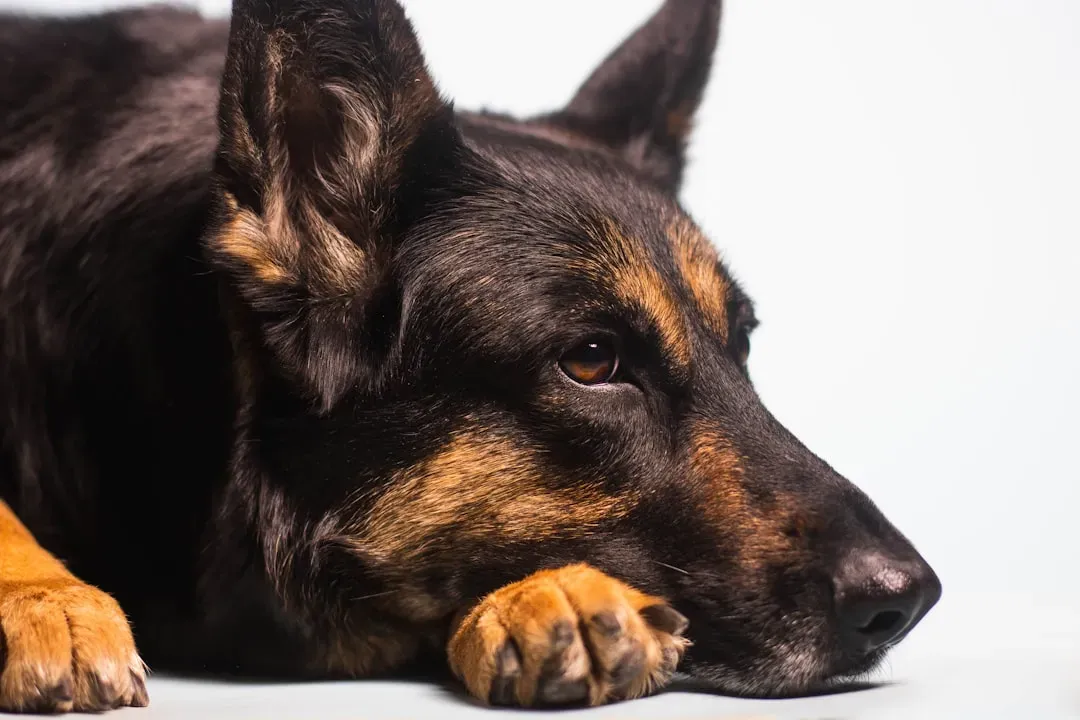
German Shepherds are not only known for their intelligence but also for their emotional sensitivity. These dogs are incredibly devoted to their owners’ emotions, often offering protection and comfort when needed. That same depth of feeling means they take companion loss seriously. A German Shepherd who loses a bonded dog or human may become hypervigilant, guarding the space where their companion used to be, or following their owner with unusual intensity.
German Shepherds are extremely loyal and can form deep attachments to their owners. Separation anxiety is very common in them due to their deep bond with their family, and they can also become distressed when their routine changes. Their mourning can stretch across several months if the bond was particularly strong. To stay balanced, German Shepherds need both mental challenges and physical exercise, requiring plenty of stimulation to avoid anxiety or boredom.
#9 Australian Shepherd – High Sensitivity, High Need
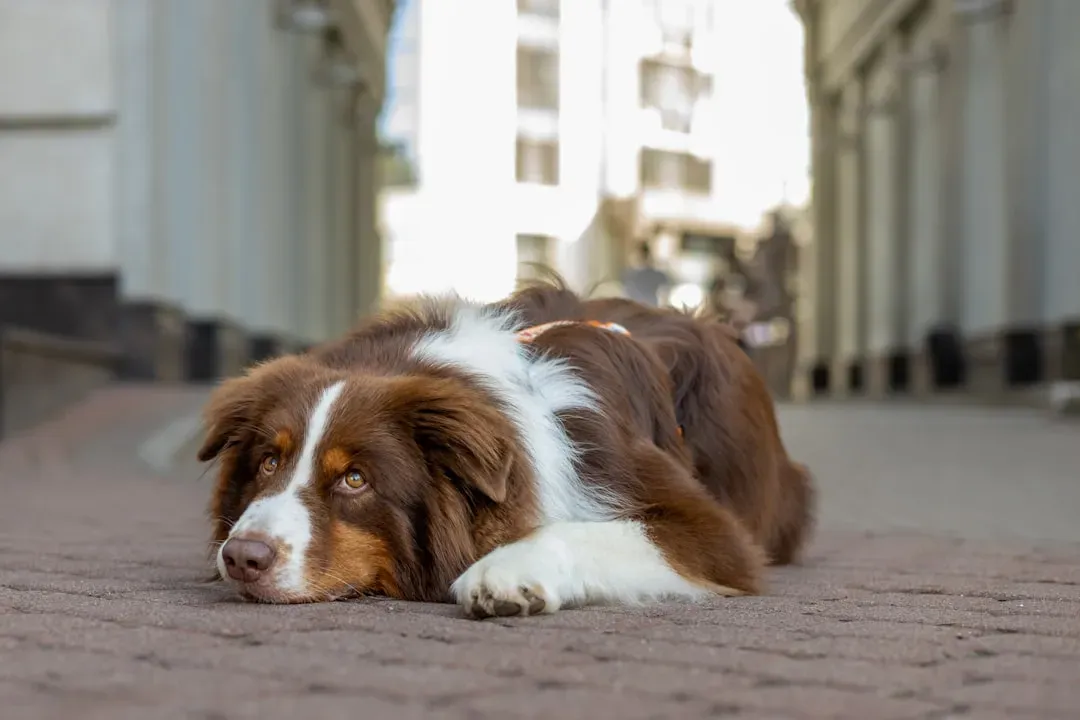
Australian Shepherds were bred to work in close partnership with humans, and that history lives on in their emotional wiring. Australian Shepherds are smart dogs who were bred to work closely with their owners. They’re deeply attuned to the emotional climate of their household, which makes a companion’s absence hit them hard and quickly. You’ll often see restlessness, compulsive behaviors, or excessive herding attempts directed at family members.
Herding breeds tend to have a propensity toward separation anxiety, and the Australian Shepherd is no exception. If they’re not busy, they’re bored, which leads to problematic habits when left alone doing nothing. These athletic companions need jobs to do. During grief, channeling their energy into structured tasks or enrichment activities is one of the most effective ways to support them through the mourning period.
#10 Cocker Spaniel – Tender and Long-Feeling
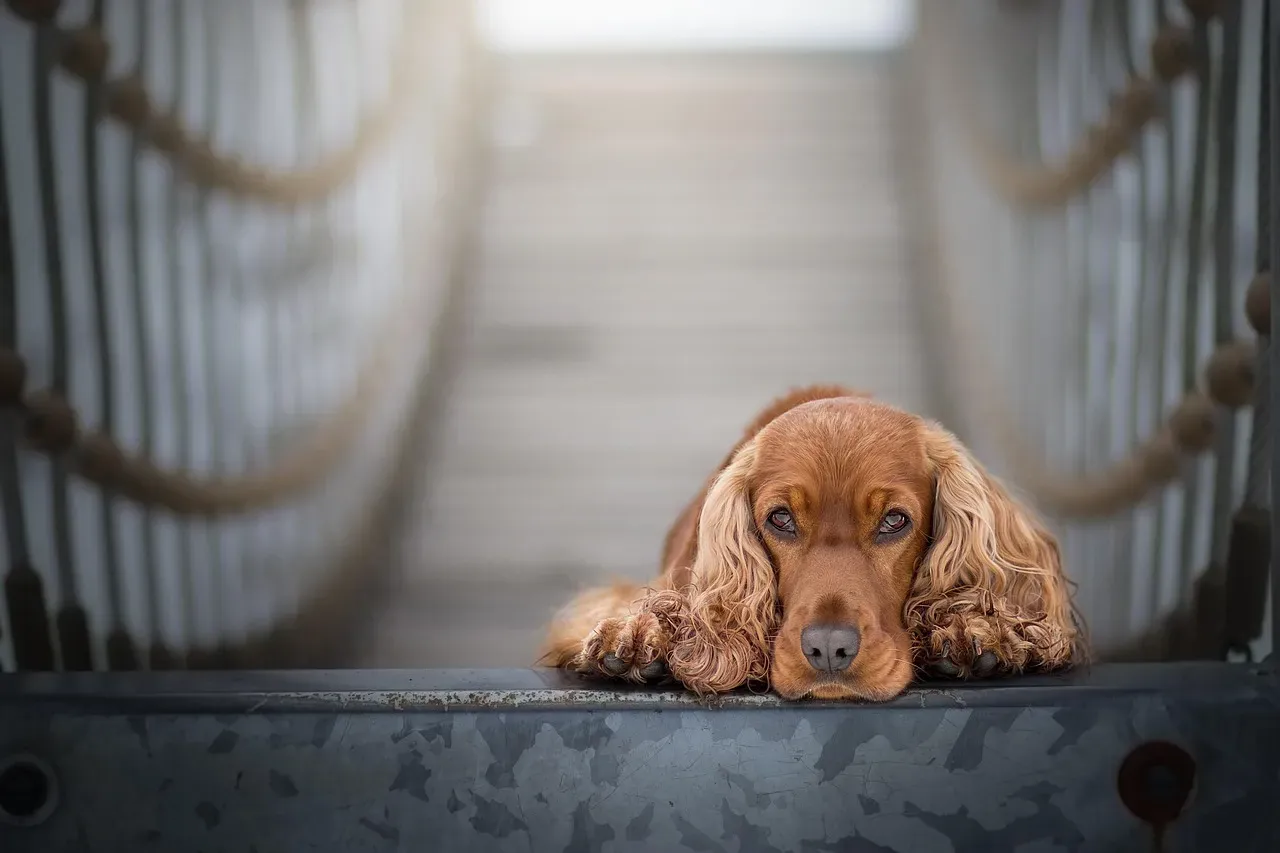
Cocker Spaniels form really strong attachments to their families. Their emotional sensitivity makes them quite prone to both separation anxiety and noise phobias. This sensitivity extends fully to companion loss. A Cocker who loses a bonded dog may refuse food, seek constant physical contact with their owner, or vocalize in a mournful, sustained way that can be genuinely heartbreaking to witness.
Cocker Spaniels are renowned for their sensitive temperaments and strong attachment to family members. Originally bred as hunting companions who worked closely with their handlers, modern Cockers have been increasingly selected for companionship qualities, enhancing their tendency toward dependency. This breed’s emotional sensitivity means they not only form strong attachments but also react strongly to environmental stressors and changes in routine. Their mourning can settle in for months without consistent, gentle support from their owner.
#11 Shetland Sheepdog (Sheltie) – Sensitive Souls With Long Memories
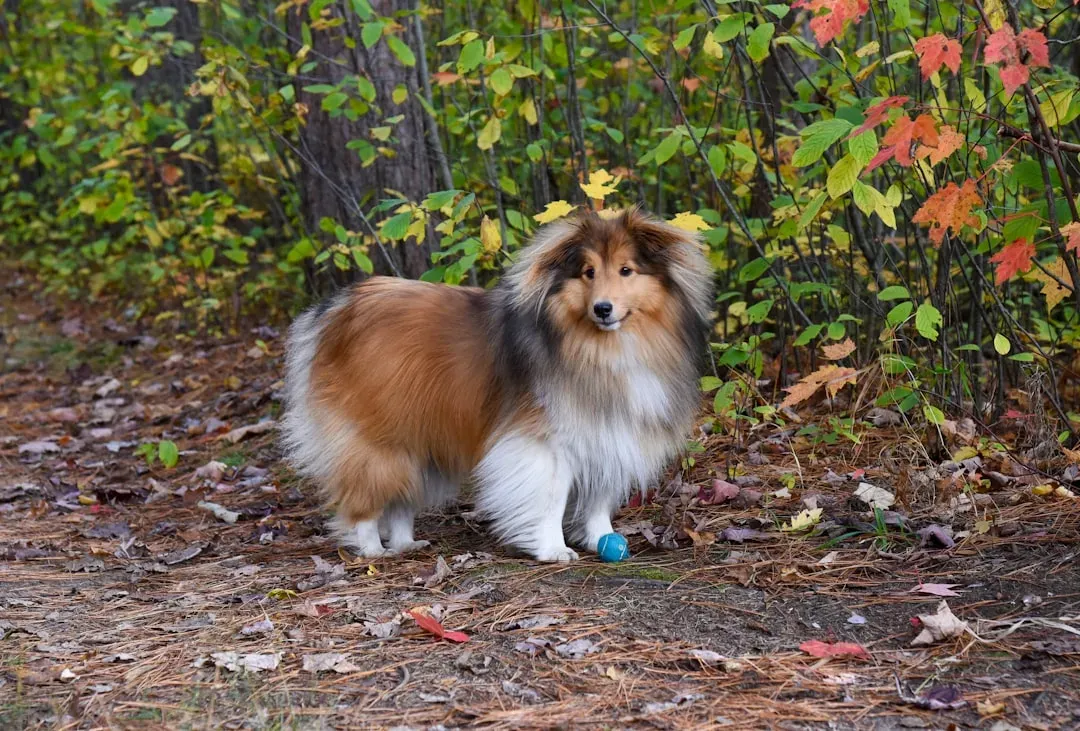
Shelties are extraordinarily alert and emotionally perceptive. Shetland Sheepdogs are alert and sensitive, and they need alone-time training early. Their attunement to their environment means they register a companion’s absence almost immediately, and they don’t simply “snap out of it.” You may notice a Sheltie standing at a door, listening, or circling familiar spots with quiet persistence.
These dogs are finely in tune with their surroundings and pick up on even the subtlest cues. A slight change in their human’s emotions, tone, or posture is enough for them to sense that something is off. This means a grieving owner unintentionally feeds a grieving Sheltie’s distress. Being calm and present, rather than sorrowful and hovering, can meaningfully reduce how deeply and how long the mourning settles in this breed.
#12 Border Collie – Intensely Bonded, Intensely Bereaved
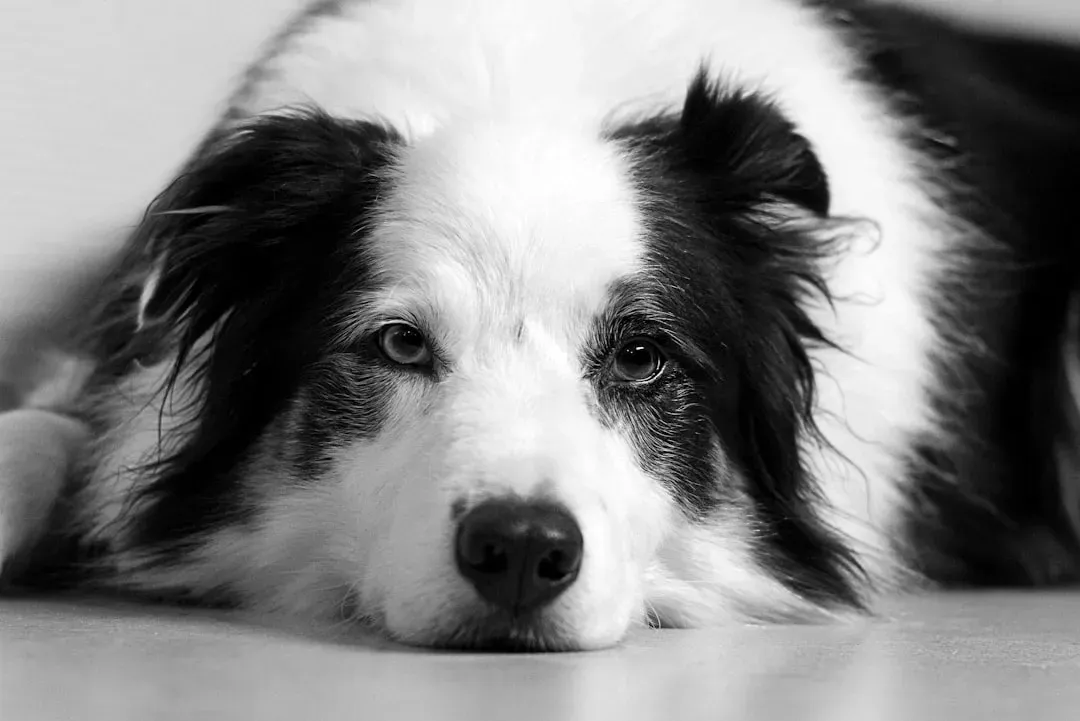
Border Collies are widely regarded as the most intelligent dog breed, but their emotional sensitivity is just as remarkable. These dogs are incredibly in tune with their owners’ emotions, often reacting to subtle changes in mood. When they lose a companion, the effect is layered. They’re not just missing company; they’re missing a working partner, a playmate, and a constant in their social world.
Harsh treatment in training or raised voices can genuinely hurt their feelings, often causing them to withdraw. Grief does the same. A Border Collie in deep mourning may become obsessive, fixating on the empty bed or toy of the lost companion. Familiar scents can bring comfort to a grieving dog. Keeping a blanket or toy that carries the scent of their lost companion may help ease their sense of loss and provide some reassurance.
#13 Cavalier King Charles Spaniel – Born to Bond, Built to Feel

Originally bred to be lapdogs for nobility, Cavaliers have been selected for generations specifically for their attachment to humans and desire for constant companionship. This breeding history has created a modern dog that often struggles significantly with any separation from their family. Losing a companion animal is, for a Cavalier, a seismic event. These are dogs who physically lean into their loved ones. When one disappears, they often look lost in the truest sense.
Cavaliers are highly sensitive to the home environment as well as the treatment they receive. Noisy households and homes where they are left alone for long hours can make them emotionally distressed. If the household lacks structure or affection, they may refuse to eat, hide, or whimper quietly. Their mourning can run long and deep. Keeping their world small, warm, and predictable during this time is essential to helping them heal.
#14 Vizsla – The Velcro Dog With a Fragile Heart

Cheerful and energetic Vizslas love spending time with loved ones. They’re often called “Velcro dogs” because of how closely attached they are to the people they love. Because of this, separation anxiety is a common problem for Vizslas. Transfer that attachment to another dog in the household, and you have the recipe for prolonged grief when that dog is gone. A Vizsla without their companion can become almost inconsolable in the short term.
The mourning arc for a Vizsla tends to be emotionally intense and potentially extended. For many dogs studied, behavior changes were of significant duration, with a notable portion lasting between two and six months and a quarter reporting changes lasting longer than six months. Vizslas sit toward the deeper end of this spectrum. They need to be involved, active, and emotionally reconnected with their human through daily closeness, exercise, and purpose.
#15 Bichon Frise – Small Dog, Enormous Grief

Bichon Frises were historically bred as companion animals for European nobility, creating a genetic predisposition toward extreme attachment to their human companions. Modern Bichons are often described as “velcro dogs” due to their tendency to follow their owners from room to room, rarely letting them out of sight. That attachment transfers fully to other pets in the household. When a bonded companion disappears, a Bichon can descend into genuine, lasting mourning.
Bichon Frises are social dogs that enjoy being around people and other pets, but they can suffer from separation anxiety if left alone for long periods. Their grief often includes sustained vocalization, appetite changes, and clinging behavior directed at surviving family members. Many experts suggest that grief in dogs will run its course in weeks to months. For Bichons, the upper end of that timeline is very real. Extra company, familiar routines, and steady affection are not optional for this breed during recovery; they’re essential.
How to Support Any Grieving Dog, Regardless of Breed

Dogs do form emotional bonds which include companion animals in their household, and removing that companion can be expected to cause behavioral changes which certainly overlap those behaviors that we normally interpret as grief and mourning. Knowing your breed’s emotional baseline gives you a head start, but the fundamentals of support are universal. Maintain their usual routine for meals, walks, and bedtime to give them a sense of security, and offer gentle affection and quiet time together, allowing them space if they seem withdrawn.
Some experts suggest that allowing pets to witness the euthanasia process or to see and smell their companion after they have passed will allow them to understand the finality of the situation. This can sometimes ease the searching behavior that many dogs display. If your dog’s grief is due to the loss of a canine companion, don’t rush to find a replacement. Give your dog time to grieve and adjust to the loss, as introduction of a new dog may add more stress to an already stressful situation. And if your dog stops eating for more than a day or shows signs of serious physical decline, a vet visit is always the right call. At the first sign of decline in physical or emotional health, consult a veterinarian to make sure the symptoms of grief aren’t masking symptoms of another illness.
Conclusion
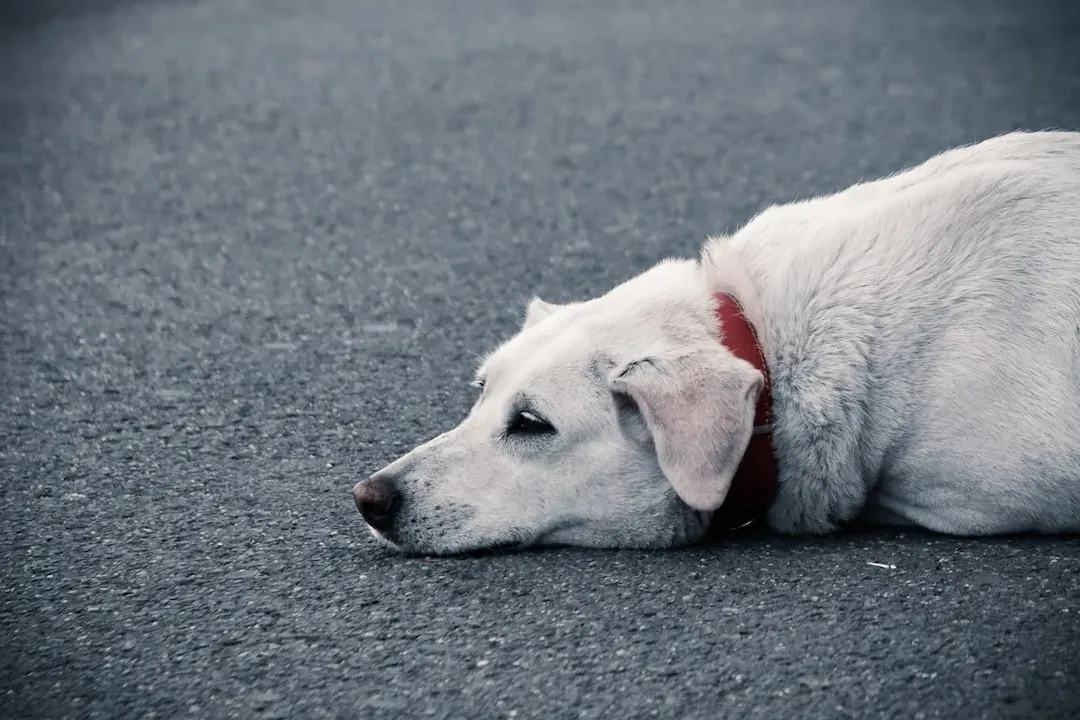
What the research keeps confirming, and what any devoted dog owner already knows, is that our dogs feel loss in ways that are real and worth taking seriously. There’s no definitive scientific proof yet, but mounting evidence and countless real-world observations suggest dogs do experience grief in their own way. Behavioral changes, lethargy, and loss of interest after a companion dies are strong indicators of emotional pain. Dogs may not understand death the way we do, but they unmistakably feel loss, confusion, and loneliness.
Whether your dog mourns for two weeks or six months, the thing that matters most is simple and unchanging: they need you there. Steady, present, and patient. The surviving dog changes both in terms of activities and emotions as a function of the quality of the relationship between the two animals. That quality of bond is something you helped build. And it’s that same bond, between you and your surviving dog, that will ultimately carry them through. Grief, in any species, eventually finds its way toward something that resembles peace.


