
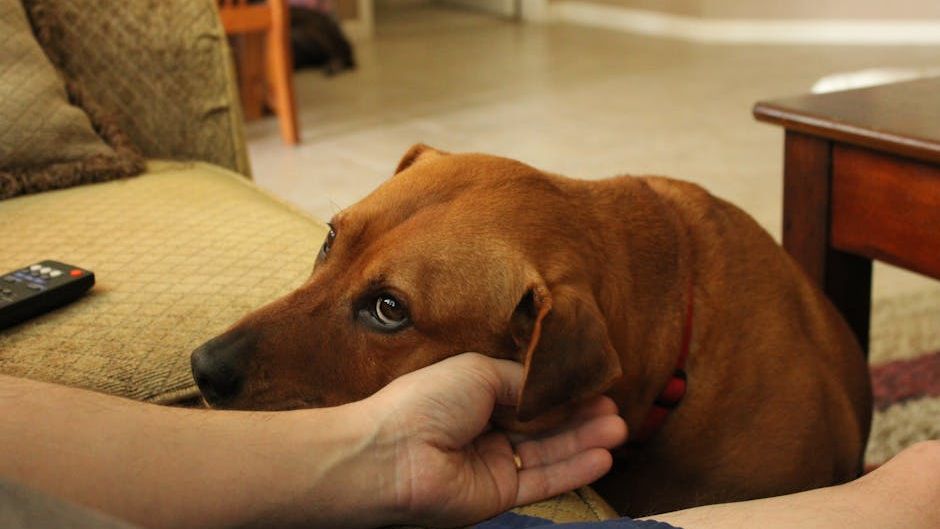
There’s a particular kind of quiet that settles over a house when a dog starts getting old. It creeps in gradually – a slower walk to the door, a hesitation before jumping onto the couch, eyes that seem to be searching for something just slightly out of reach. Most owners notice it but struggle to name exactly what’s happening. It doesn’t feel like sickness. It feels like something else entirely.
The truth is, the final chapter of a dog’s life is often marked not just by physical decline but by real, observable shifts in who they are. Their personality changes. Their preferences change. The way they relate to you changes. These aren’t random or meaningless. They’re signals – sometimes urgent ones, sometimes tender ones – and understanding them can make an enormous difference in the quality of care you give and the quality of life your dog experiences. Here’s what those changes actually look like, and what they’re genuinely telling you.
#1: They Slow Down in Ways That Go Deeper Than Tired Legs
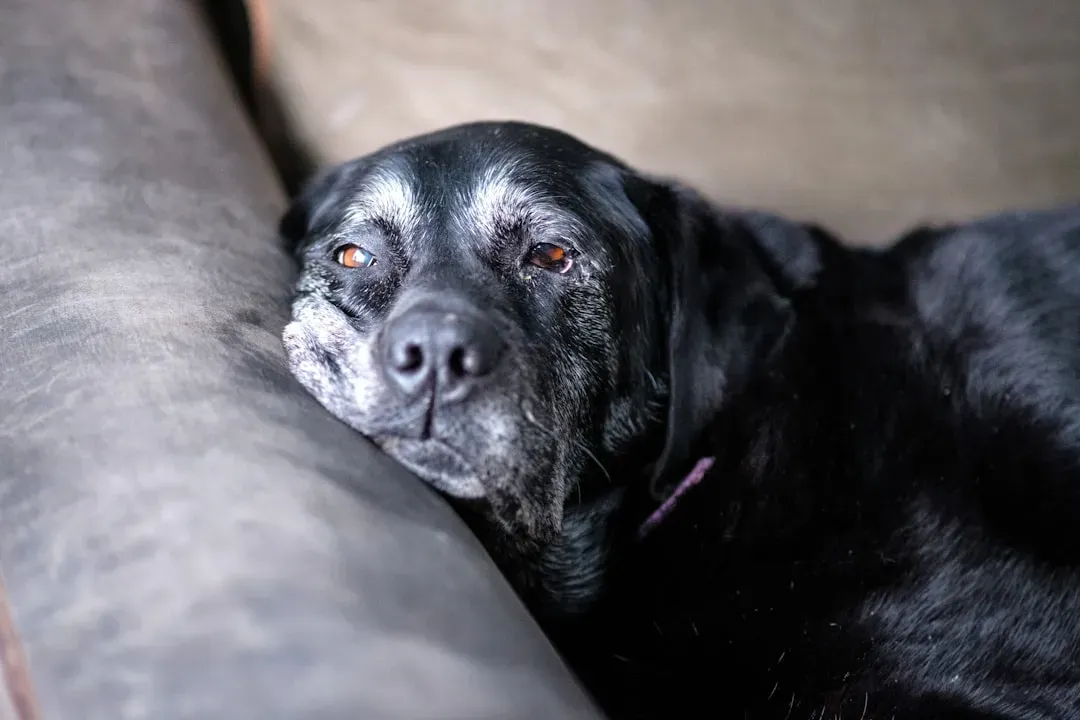
In general, senior dogs prefer more relaxed activities than they did as younger, more energetic adults, and they’ll likely spend more time resting and sleeping. This is almost always the first shift owners notice – the dog that once dragged you to the park now lingers on the porch, content to simply watch the world go by.
What’s important to recognize here is that this slowing down isn’t laziness. Although energy naturally declines, a sudden or pronounced disinterest in activities may indicate discomfort, arthritis, or emotional changes. The difference between natural winding down and pain-driven withdrawal matters enormously, and it’s worth paying close attention to the texture of that slowness.
#2: They Become More Irritable or Snappy Without Obvious Cause

Behavioral changes may be one of the first signs of aging owners notice. Dogs may become more irritable or reluctant to engage in their old favorite activities if they’re struggling with pain or discomfort due to arthritis or another condition. A dog that was once patient with children or other pets may suddenly growl at a touch or snap when they haven’t before.
As senior dogs decline in their physical ability, they can feel much more vulnerable and on edge. Kids playing roughly nearby, a young dog knocking into them, or strangers petting them in an area they are now sore in can all result in aggressive displays that may seem out of character but are actually just a lowering of tolerance due to age, ailments, and a feeling of vulnerability. It’s not a personality flaw. It’s a pain response wearing a behavior mask.
#3: They Get Confused in Familiar Places

You may see your dog staring at the wall, forgetting where their food and water bowls are, or wandering aimlessly. Cognitive dysfunction is a common culprit. It can be unsettling the first time it happens – a dog that has lived in the same house for a decade suddenly standing in the middle of a hallway looking lost.
Older dogs can develop canine cognitive dysfunction (CCD), sometimes called “doggie dementia.” CCD is linked to age-related changes in the brain, including the loss of nerve cells, reduced blood flow, and changes in how the brain functions overall. Dogs living with CCD may seem confused in familiar places or forget routines they once knew well. Some senior dogs may wander without a clear purpose, appear disoriented, or have trouble settling down and sleeping through the night.
#4: They Become Clingier – or Strangely Distant
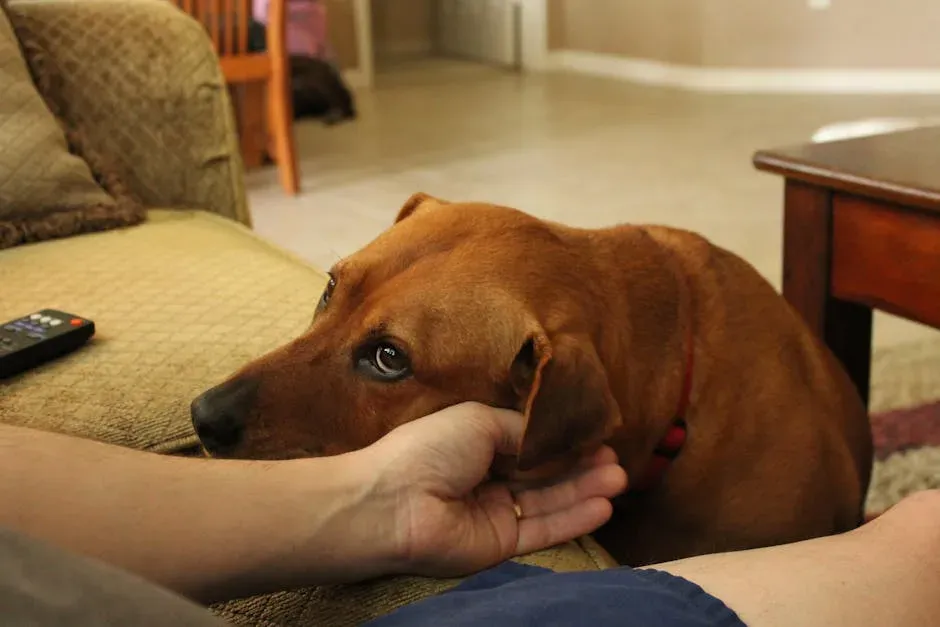
Some dogs may become clingier, seeking constant reassurance, while others may withdraw from interactions. Both responses often reflect uncertainty or reduced confidence caused by sensory or cognitive changes. It might seem contradictory, but both extremes come from the same place: a dog trying to make sense of a world that no longer feels as safe or predictable as it once did.
Behavior changes can be dramatic. Dogs might withdraw from their people, act restless or agitated, or even be excessively clingy. If your dog is suddenly glued to your side at all hours, or retreating to corners of the house they’d never previously favored, both deserve the same level of gentle attention and a conversation with your vet.
#5: Their Anxiety Spikes, Even Around Things That Never Bothered Them Before
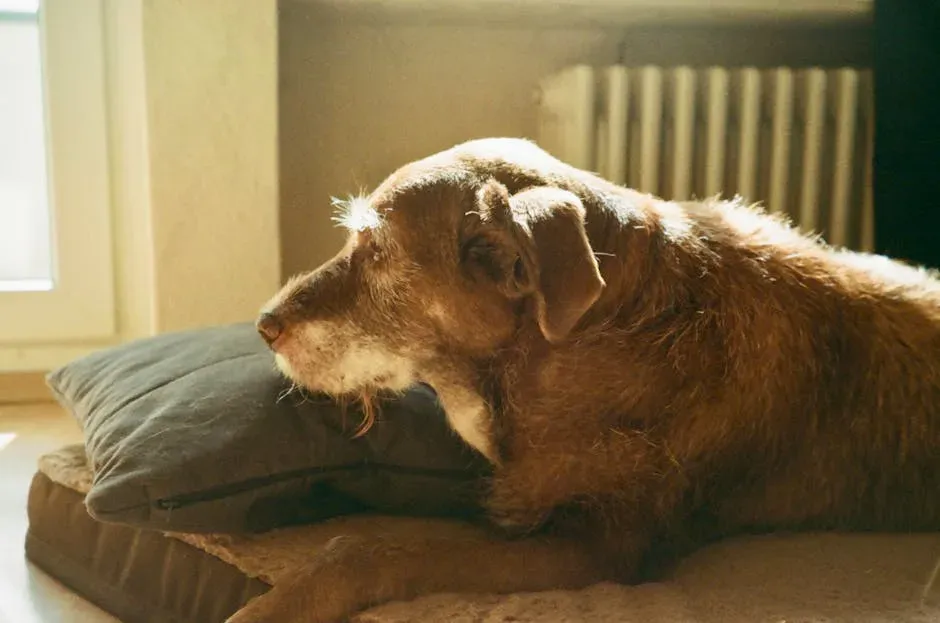
Sensory decline, cognitive dysfunction, and anxiety can all contribute to fears and phobias. The first step in treatment is to control underlying medical problems and cognitive dysfunction. Older dogs can suffer from fears and phobias of noise and thunderstorms and, less commonly, of going outdoors, entering certain rooms, or walking on certain types of surfaces. A dog that once slept through thunderstorms may now pace frantically at the sound of distant rain.
One of the common signs of old age in dogs is a spike in anxiety, and there are certain factors that determine whether a dog will experience it. Physical discomfort caused by age-related conditions, such as arthritis, or a decline in sensory awareness, such as vision or hearing loss, can result in elevated anxiety levels. Changes in their environment, routine, or family dynamics can also trigger anxiety in older dogs. Cognitive decline and neurological changes may also spike the nervousness of senior dog behavior.
#6: They Start Vocalizing More – Especially at Night
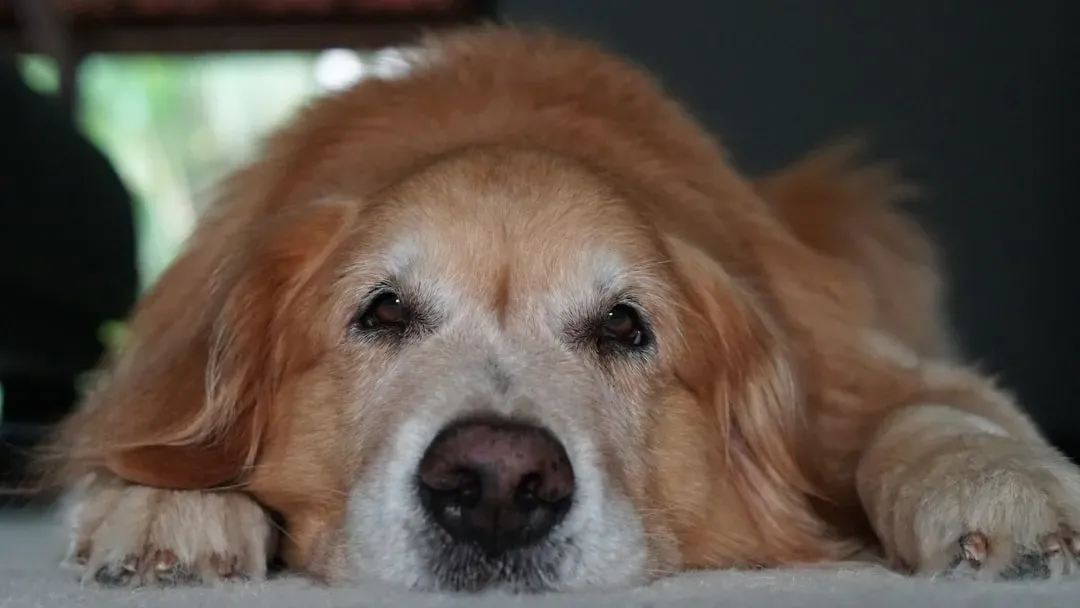
Excessive vocalizing as a dog ages doesn’t mean they’re becoming more conversational, but it could indicate that they’re disoriented due to cognitive dysfunction, becoming deaf, or in pain, perhaps from arthritis. The whining and howling that starts at two in the morning is one of the more heartbreaking shifts for many owners to witness.
Loss of hearing, cognitive dysfunction, central nervous system disorders, and medical conditions can all contribute to excessive vocalization. A dog might whine or howl if they feel the urge to eliminate more, if they’re in pain, or if they’ve become more fearful and anxious. They might begin vocalizing at things that scare or stress them, like noises or visitors. Nighttime crying, in particular, often points toward the early stages of cognitive dysfunction or unmanaged pain – both of which a vet can help address.
#7: They Lose Interest in Play, Toys, and Things They Once Loved
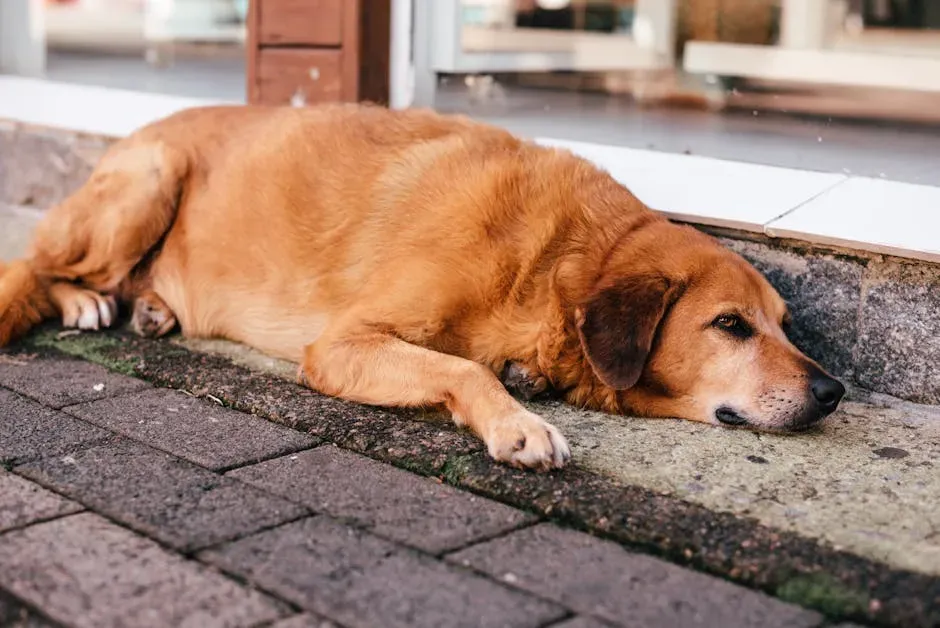
Senior dogs may become more irritable or withdrawn. They might show less interest in activities they once loved, such as playing fetch or going for walks. These changes can be subtle at first but tend to become more pronounced over time. The toy that used to send them spinning with joy now sits untouched in the corner for days at a time.
Senior dog behavior changes are often caused by aging-related physical, metabolic, cognitive, or sensory decline – not “just old age.” Pain, arthritis, and chronic medical conditions commonly drive behavior changes and may be subtle or hidden. In other words, a dog that seems to have lost their spark may simply be masking discomfort that hasn’t yet been properly diagnosed or treated. It’s always worth investigating rather than accepting it as inevitable.
#8: Their Sleep Patterns Completely Shift
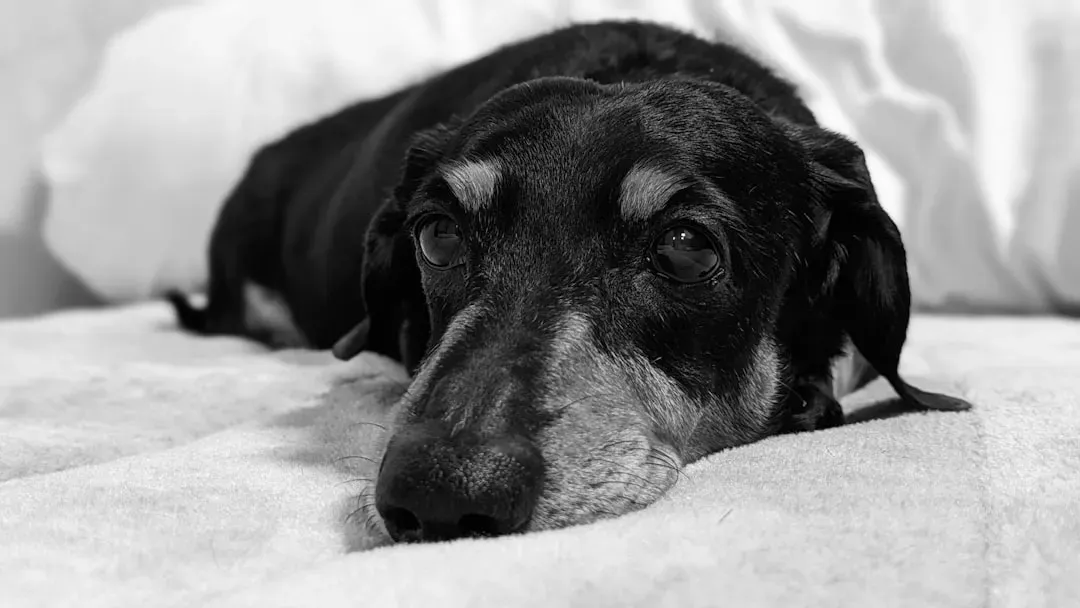
One sign of age-related behavioral health problems may be changes in a senior dog’s sleep-wake cycle. These changes may also indicate various physical problems or cognitive decline. It’s essential to monitor these changes and contact your veterinarian when you suspect your dog isn’t sleeping as they used to. Some dogs sleep far more than usual. Others – and this is the more worrying pattern – barely sleep at all, especially at night.
Senior dogs can suffer from cognitive decline or senility, known as canine cognitive dysfunction (CCD). Often symptoms are first noticed as confusion, agitation, restlessness, and vocalization during the evening hours, known as “Sundowners Syndrome.” This nighttime restlessness is a real phenomenon with a real name, and it’s one of the clearest behavioral indicators that cognitive changes are underway.
#9: They Become Easily Startled or More Cautious About Their Surroundings
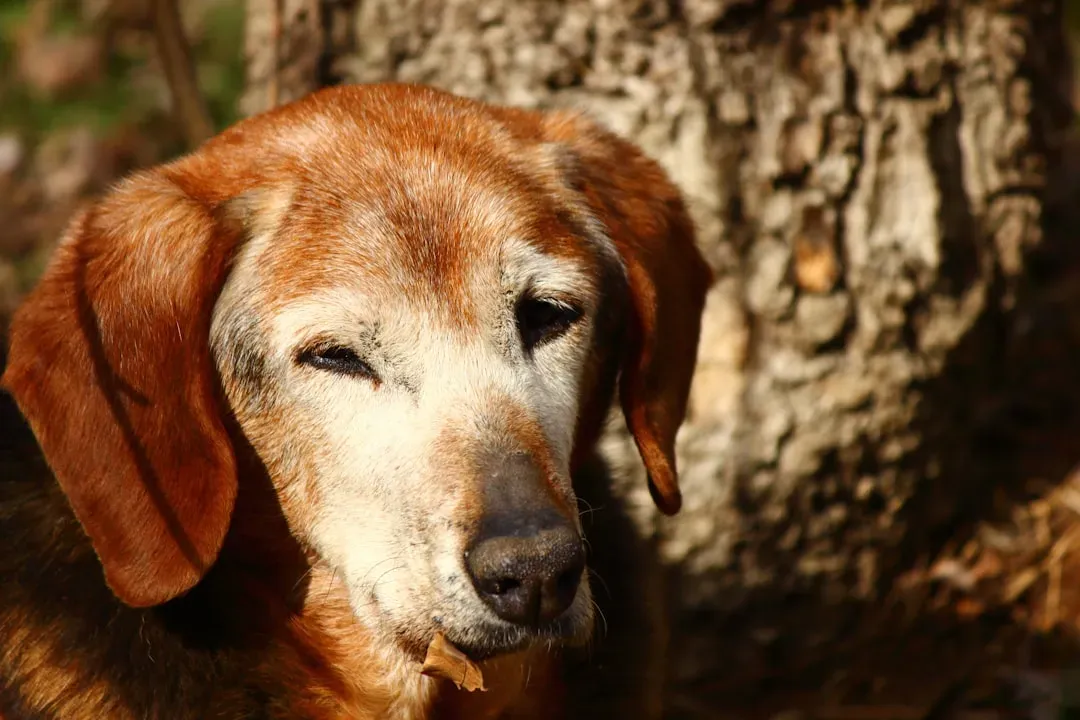
With reduced senses of hearing, vision, and smell, an aging dog is less able to sense people or things coming into their personal space and can become startled more easily than in their younger days. A dog that used to hear you coming from the other side of the house may now jump when you simply walk into the room.
As hearing and vision decline, dogs may become more cautious or easily startled. Cognitive changes – often compared to dementia in humans – may influence memory, spatial awareness, and emotional responses. The environment they’ve always known stops giving them the same confident feedback it once did, and that gap between expectation and reality registers as stress. Predictability, routines, and a stable home setup become genuinely important at this stage.
#10: They Start Showing New Fears or Phobias Out of Nowhere
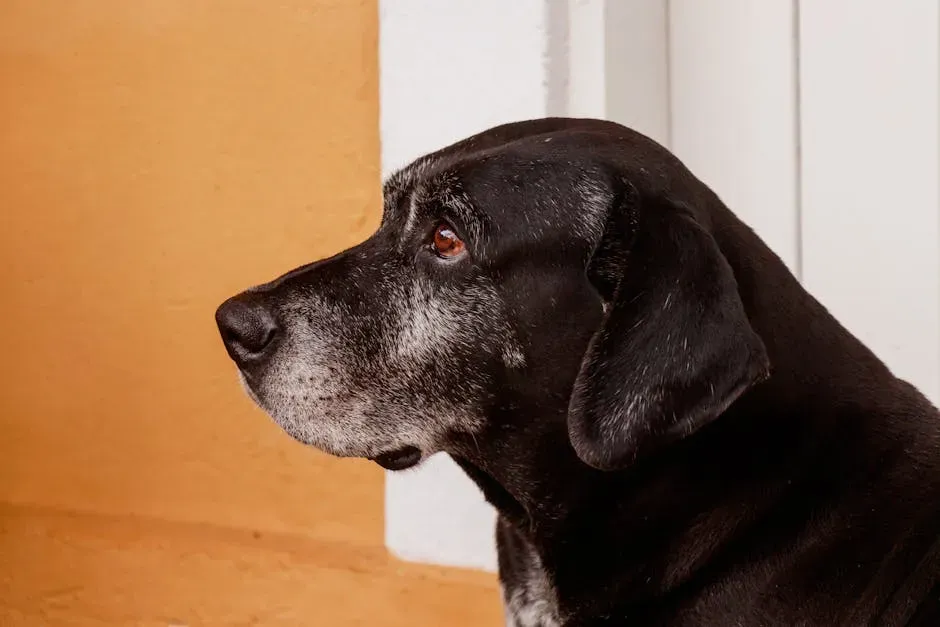
Senior dogs often have a harder time handling stress. Things that weren’t issues before may become so, such as separation anxiety, even to the point of being anxious at night because you’re asleep and not alert to them, visitors entering the home, interacting with new dogs, or new noise phobias. Owners are often blindsided by this, because the dog that spent their whole life unbothered by fireworks or strangers suddenly becomes fearful of both.
Increased aggression toward unfamiliar people and animals can arise from a dog’s increasing anxiety and sensitivity as they age. These new phobias aren’t a quirk of personality – they’re a direct consequence of the nervous system responding differently to stimuli it can no longer process as efficiently. Patience, consistency, and reduced exposure to overwhelming triggers can help significantly.
#11: They May Lose Their House Training
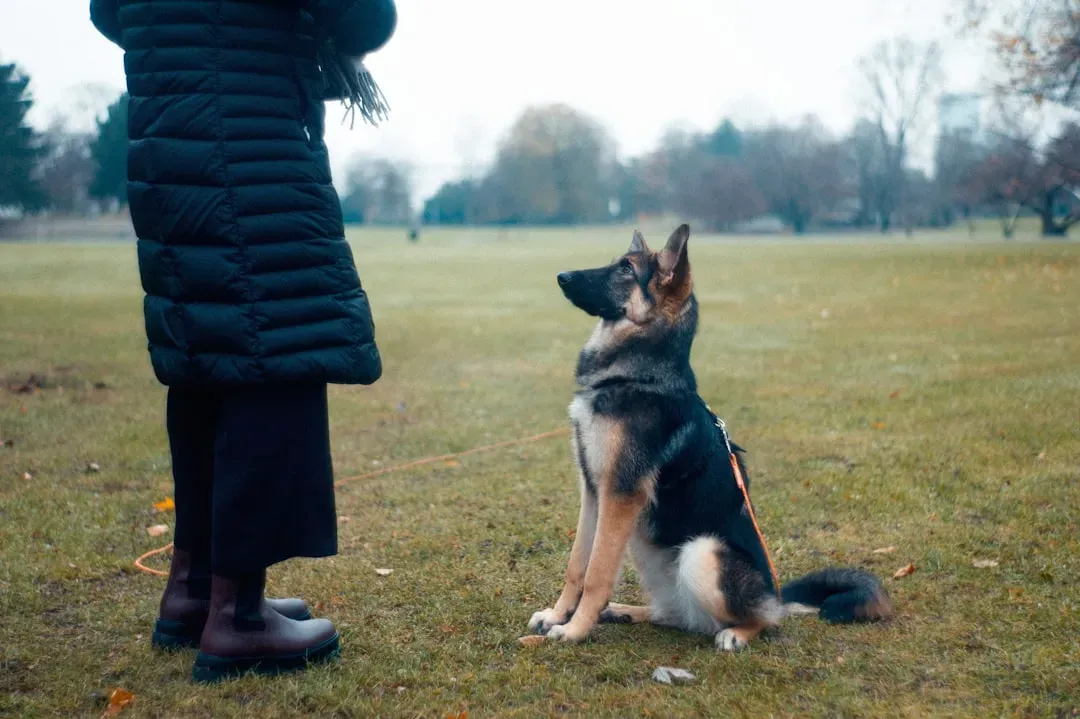
House soiling, including urinary and fecal incontinence, can occur. This could be due to difficulty finding the door or trouble remembering their potty training from cognitive dysfunction, trouble with physically getting up or walking outside due to arthritis, age-related incontinence – especially in females – or a health problem such as a UTI or kidney disease. For many owners, this is one of the most confusing and emotionally difficult changes to navigate.
Loss of housetraining can occur due to cognitive dysfunction, reduced bladder control, or confusion. A dog may appear to forget routines or enter rooms and seem unsure of why they are there. It’s worth noting that a dog having accidents is almost never doing so deliberately. Frustration directed at the dog only adds anxiety to an already overwhelming situation for them. Compassion and practical solutions – more frequent bathroom trips, accessible outdoor access – go a long way.
#12: They Seek More Physical Closeness and Comfort
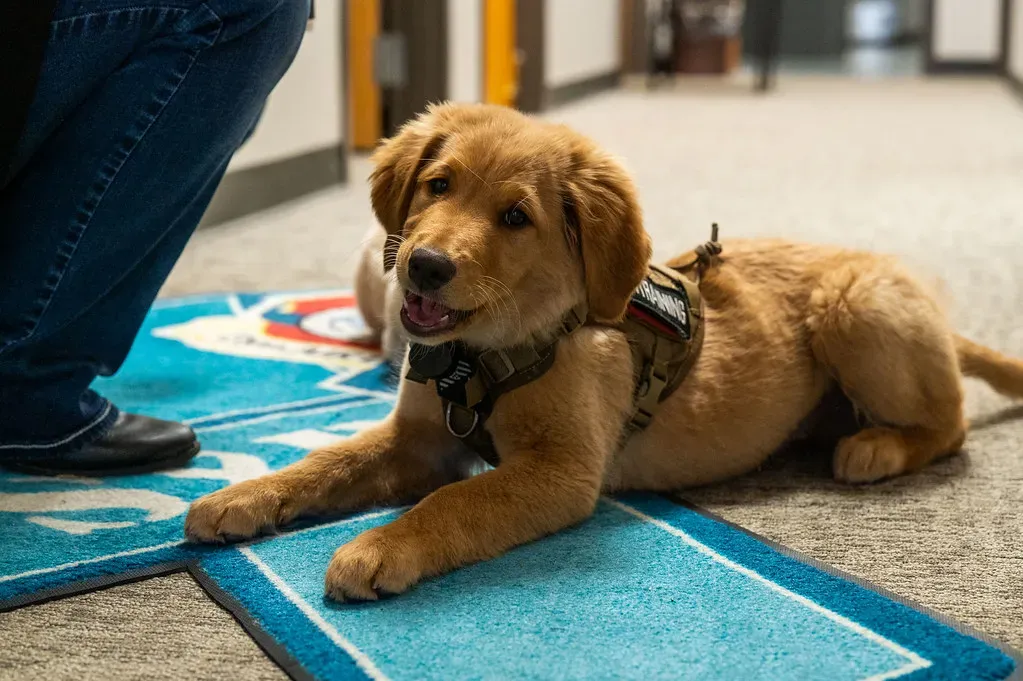
Quality time becomes especially valuable as dogs enter their senior years. Slow walks, gentle brushing, or simply sitting together can reassure an aging pet. Emotional security plays a major role in reducing behavioral stress. Many owners describe a dog in their final year as becoming more openly affectionate than at any earlier point in their life – wanting to be near, wanting contact, wanting warmth.
There’s something deeply meaningful in this, and it shouldn’t be dismissed as clinginess. Spending quality time with your dog, offering affection and reassurance, provides both you and your pet with a sense of peace and comfort. A dog leaning against your leg or resting their head in your lap during their final months isn’t just seeking warmth. They’re communicating something real, and it deserves to be met with equal presence.
#13: They Show Signs of Memory Loss and Routine Disruption

As they age, dogs often suffer a decline in functioning. Their memory, their ability to learn, their awareness, and their senses of sight and hearing can all deteriorate. This can look like a dog that forgets the usual mealtime spot, stares blankly at a door they’ve gone through thousands of times, or loses track of where they’ve placed themselves in the room.
A dog acting confused may manifest in forgetfulness or disorientation, while an old dog’s habits or routine might suddenly switch gears, due to declining sensory perception or health issues. Keeping their daily routine as stable and predictable as possible is one of the most genuinely effective things an owner can do. Familiarity becomes a comfort rather than a given at this stage, and small disruptions can cause disproportionate distress.
#14: They Seem to Withdraw – As Though They’re Already Saying Goodbye
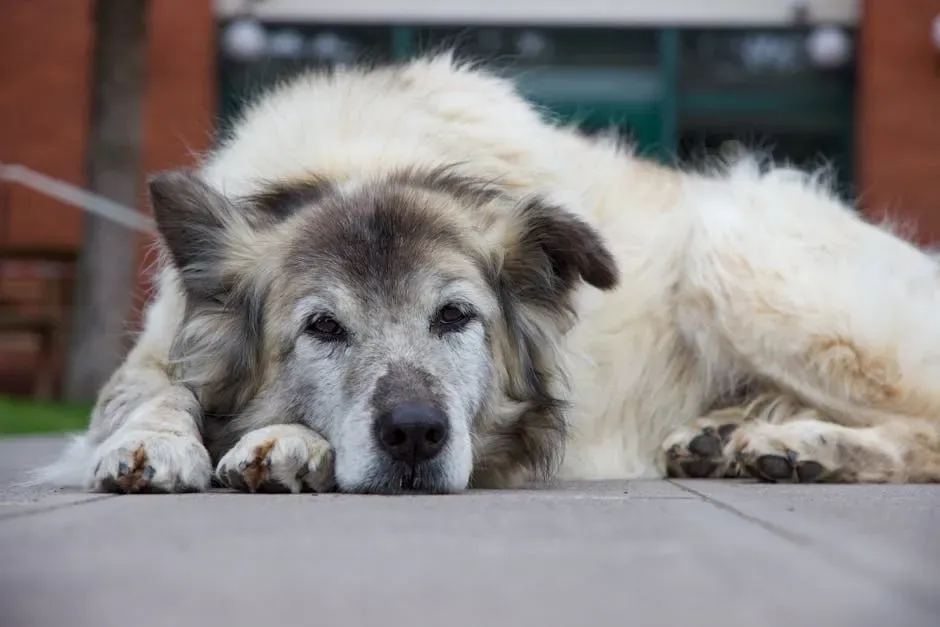
Dogs might withdraw from their people, act restless or agitated, or even be excessively clingy. Some show increased aggression, anxious circling or pacing, or drastic alteration in sleep patterns. Reduced interest in toys and people or in going for walks are additional signs. There is, in the final weeks of a dog’s life, a kind of quiet retreat that many experienced owners and veterinarians have observed – a gentle pulling inward.
Behavioral changes offer valuable insights into a dog’s comfort, health, and emotional needs. When owners recognize these shifts early and respond thoughtfully, a senior dog’s life can remain warm, stable, and joyful. The withdrawal doesn’t mean your dog loves you less. Most evidence, and most experienced vets, would suggest the opposite – that a dog in decline is still profoundly oriented toward its people, even when it has less energy to show it.
What These Changes Are Really Telling You
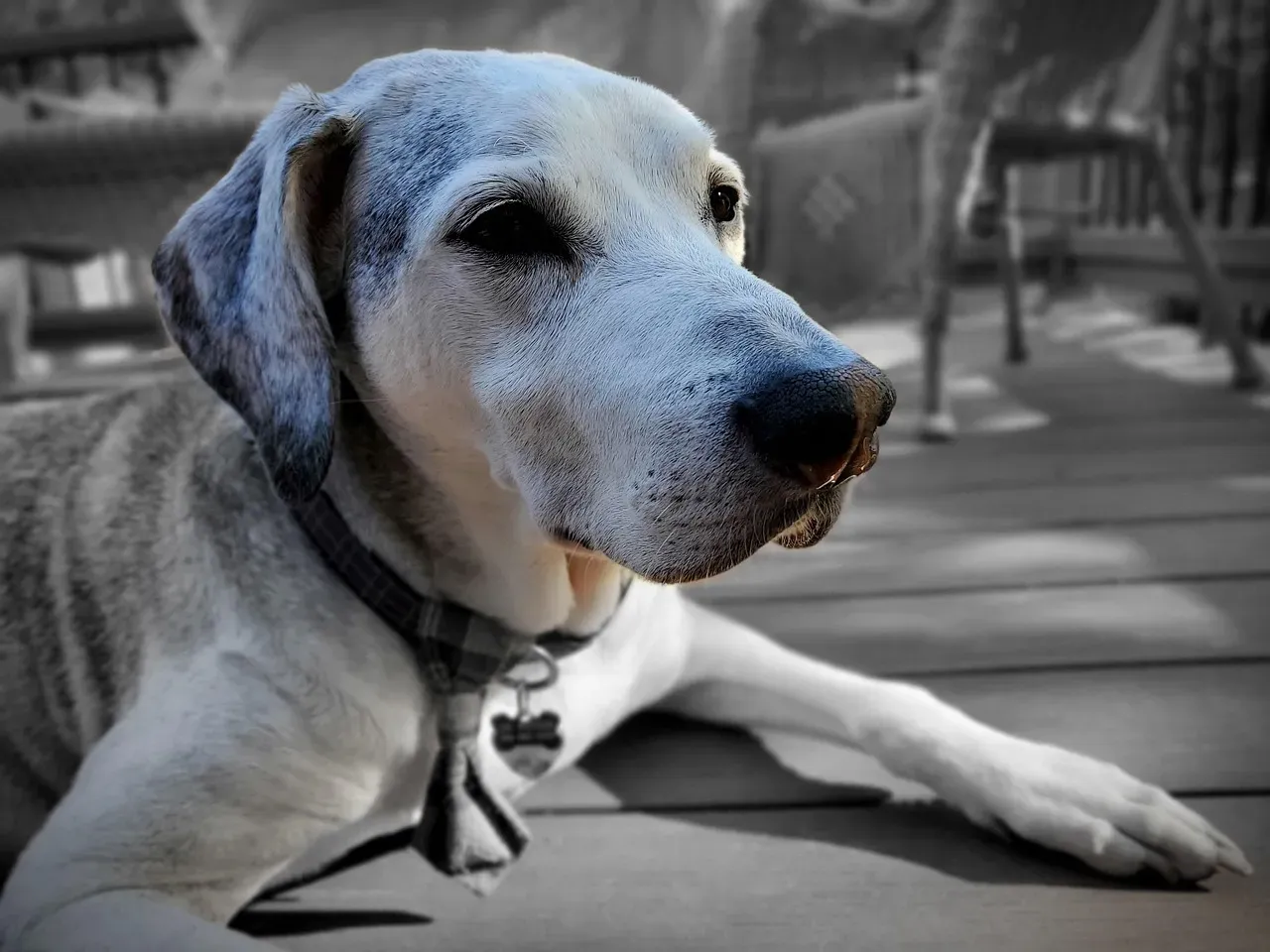
The hardest thing about watching a dog age is resisting the urge to explain everything away. “She’s just getting old.” “He’s always been like that.” The problem is that many of these changes – confusion, anxiety spikes, sleep disruption, withdrawal – are not just the neutral texture of aging. Behavior changes should never be ignored and always warrant a veterinary exam to rule out treatable medical causes.
As veterinarians often say, “Old age isn’t a disease.” There are many things that can be done to manage medical conditions, eliminate or reduce pain, and help senior pets enjoy a great quality of life. The tricky thing is that sometimes natural aging changes and serious diseases have similar symptoms. So, always talk to your veterinarian or schedule a checkup to address any new symptoms or behavioral changes.
Ultimately, the personality shifts a senior dog moves through in their final year are not a closing door – they’re a conversation. They’re your dog telling you, in the only language available to them, what they need. The owners who listen closely, adjust willingly, and stay present through the uncomfortable parts are the ones who give their dogs something genuinely irreplaceable: a final year defined not by what was lost, but by how well they were loved through it.


