
There’s something quietly remarkable about the way a dog settles into the rhythms of an older person’s life. Not with fanfare or training tricks, but simply by being there. A warm weight on the lap. A steady heartbeat next to yours on the couch. A reason to step outside when you might not have bothered.
Research has shown that the physical contact and companionship dogs provide can lower blood pressure and increase hormones that promote mood stabilization and happiness, including dopamine and serotonin. Senior dog owners walk an average of 22 more minutes per day compared to seniors who don’t own dogs, and seniors who own pets are significantly less likely to report feeling lonely than their non-pet-owning peers. The connection isn’t accidental. It’s biological, emotional, and deeply human. The question isn’t whether a dog can help a senior stay calm and grounded. It’s which breed fits best.
#1. Cavalier King Charles Spaniel
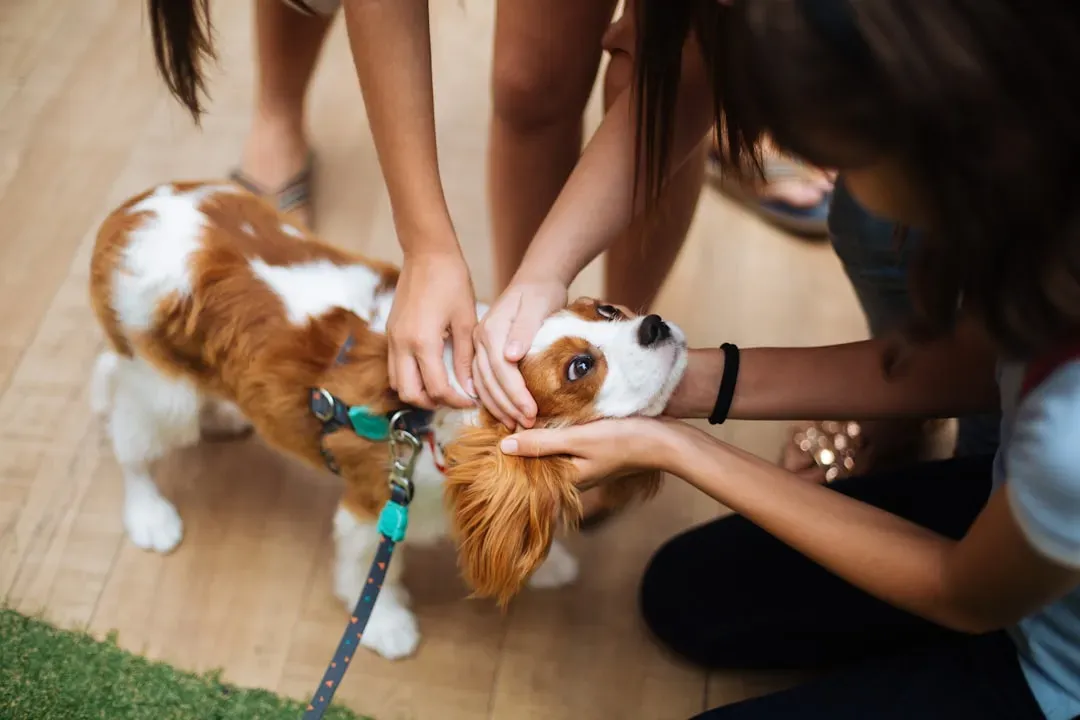
The Cavalier King Charles Spaniel consistently ranks among the top recommendations for older adults. This breed is naturally calm, deeply affectionate, and happiest when curled up beside their person. They adapt well to both houses and apartments, require only moderate daily walks, and are gentle enough for seniors with limited mobility. There’s a softness to this breed that’s hard to describe until you’ve experienced it firsthand.
The Cavalier is a natural fit for seniors and calm households, thanks to its gentle demeanor and deeply affectionate nature. This breed thrives on human companionship, forming strong emotional bonds and showing a constant eagerness to please. Friendly with strangers, children, and other pets, the Cavalier brings a peaceful, welcoming energy into any home. For seniors who crave steady, uncomplicated companionship, few breeds come close.
#2. Golden Retriever
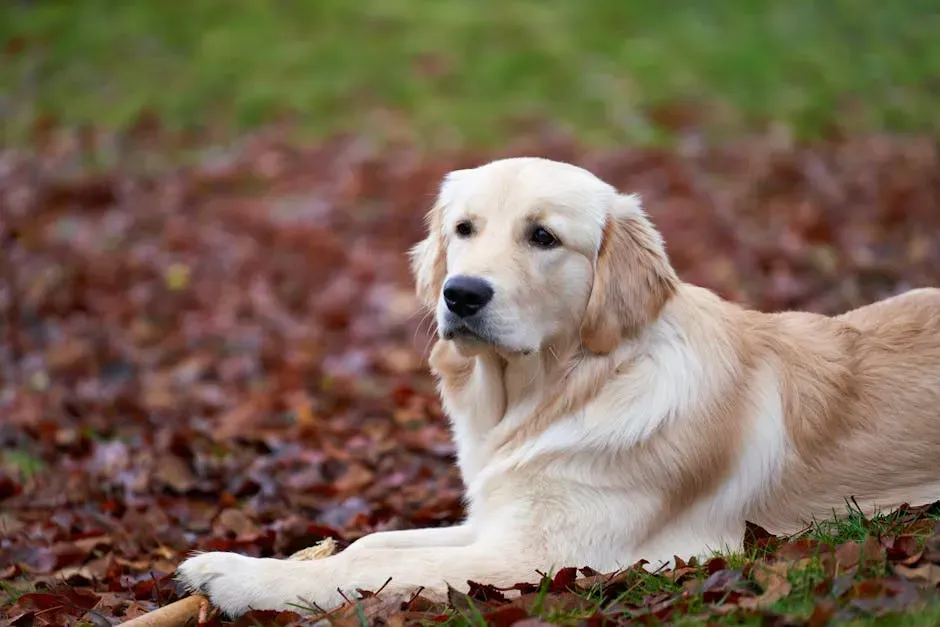
The Golden Retriever is one of the most beloved dog breeds in the world, and their gentle, patient, and empathetic nature makes them outstanding companions for older adults dealing with loneliness, grief, or the emotional challenges of aging. Adopting an adult or senior Golden Retriever is the most practical route for most seniors. Older Goldens are calmer, easier to manage on walks, and often deeply appreciative of a quiet, loving home.
Golden Retrievers are commonly seen working as service and support dogs due to their temperament, size, and intelligence. These dogs love people and love to be involved in their owner’s day. You can expect a Golden Retriever to be playful, affectionate, and silly, all things that can greatly help manage the symptoms of anxiety and depression. That ability to tune into a person’s emotional state is something Golden Retriever owners notice almost immediately.
#3. Poodle (Toy or Miniature)
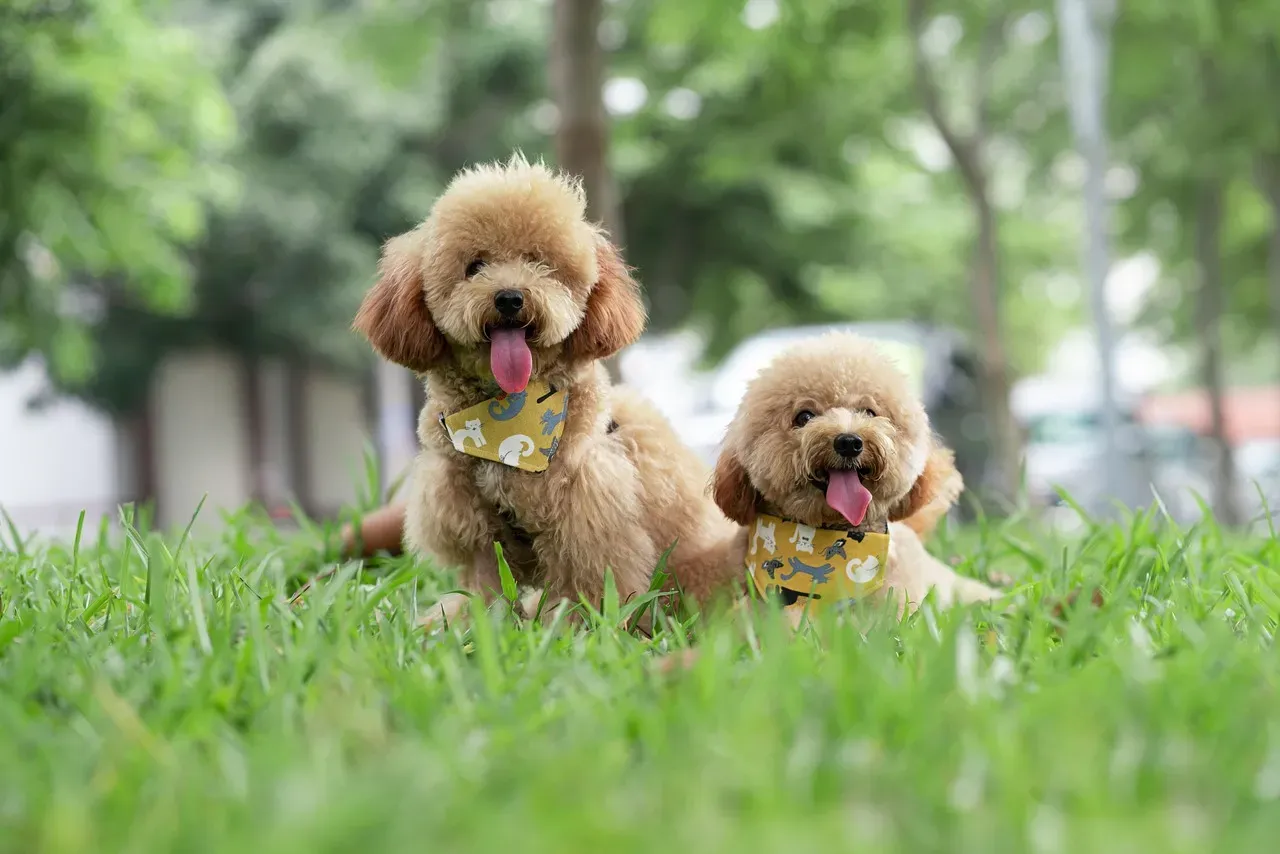
Poodles are highly intelligent and have a calm and composed demeanor. They are not only hypoallergenic but also adaptable, making them a great choice for those with allergies. Poodles come in various sizes, from standard to miniature, allowing individuals to choose a size that fits their living situation. Their keen intelligence enables them to provide both emotional support and assist with various tasks.
Poodles, especially Miniature and Toy sizes, deliver brainy charm with a soothing, polite temperament. Their hypoallergenic curls reduce shedding, and a regular trim keeps maintenance predictable. They enjoy short, purposeful walks and quick training games that challenge the mind without tiring the body. Because they are people-oriented, they stay close and learn household rhythms quickly. That predictability is a comfort in itself.
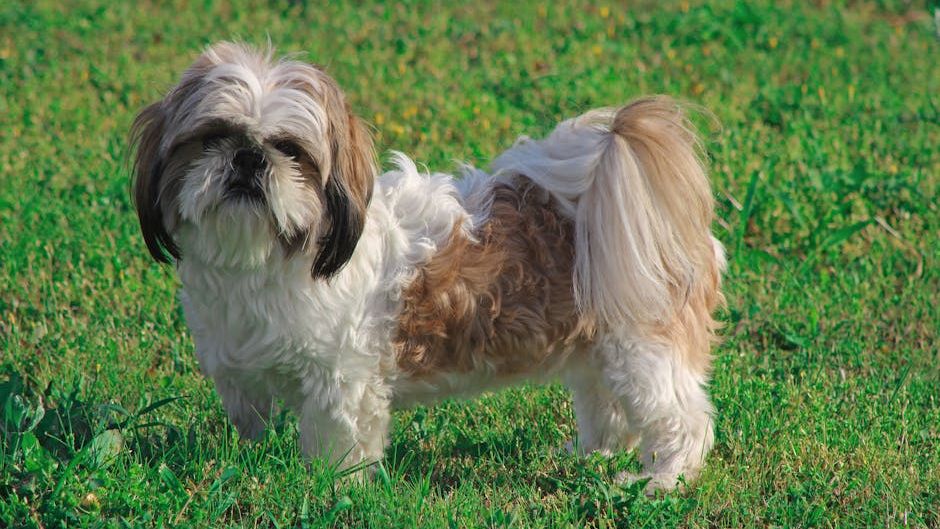
#4. Shih Tzu
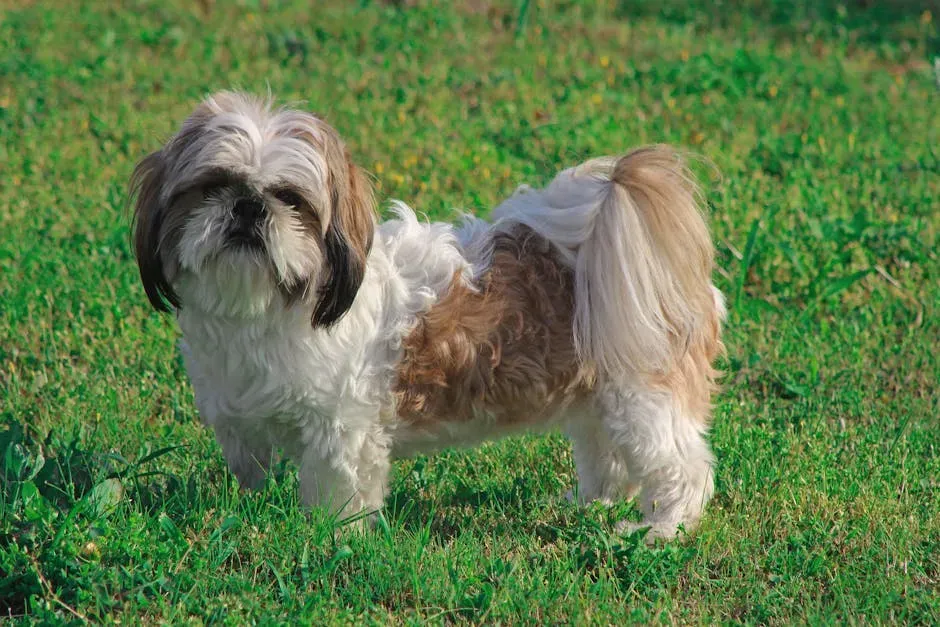
Shih Tzus are especially well-suited for individuals seeking an emotionally supportive, low-maintenance companion in a small space. Their gentle, affectionate nature is a blessing for first-time owners, seniors, or those with limited mobility. Their intuitive emotional sensitivity makes them outstanding partners for individuals dealing with anxiety or depression. With proper training and consistency, they adapt quickly, forming deep, comforting bonds with their caregivers.
They are highly attuned to emotions like sadness or stress, even detecting these through scent. The Shih Tzu seems to always understand your feelings and is wonderful with respectful children who visit your home. Whether relaxing indoors or taking a short, leisurely walk, the Shih Tzu adapts easily to a slower-paced lifestyle. With its sweet temperament and loyal personality, this breed offers steady companionship without demanding high levels of activity.
#5. Bichon Frise
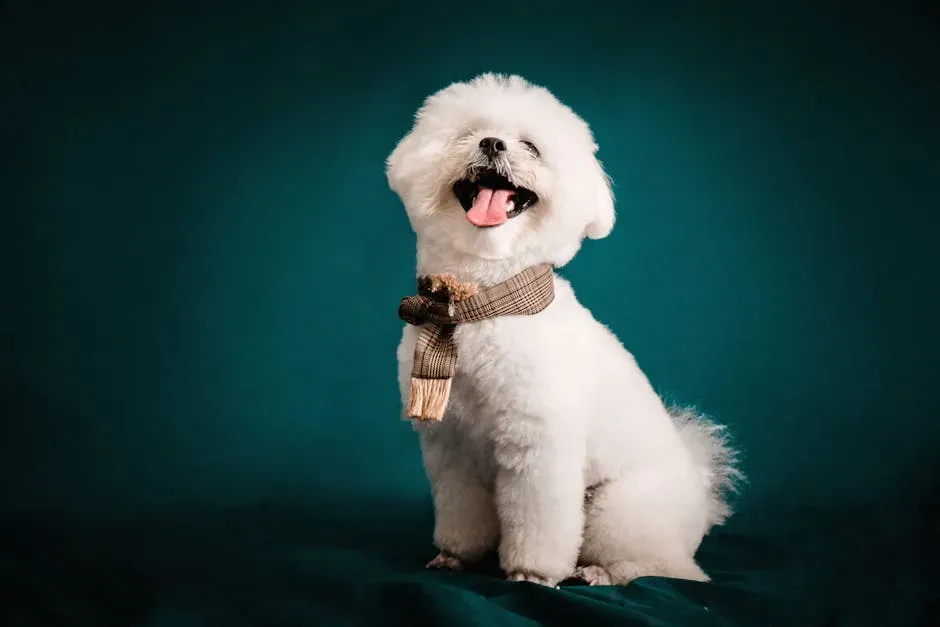
The Bichon Frise is a perfect match for individuals who require emotional support in structured environments such as assisted living centers, schools, or therapy clinics. They thrive with handlers who appreciate a low-shedding, affectionate breed and are able to commit to basic grooming and training. Their manageable size and adaptable nature also make them suitable for apartment dwellers or those with limited mobility.
Bichon Frise dogs are cheerful companions with a gentle spirit and a love of people. Their hypoallergenic coat can be kept in a manageable trim, which many seniors appreciate. They enjoy playful moments and brisk but short walks, then settle happily for cuddles and quiet time. It’s a balanced temperament that suits both active mornings and slow afternoons with equal ease.
#6. French Bulldog
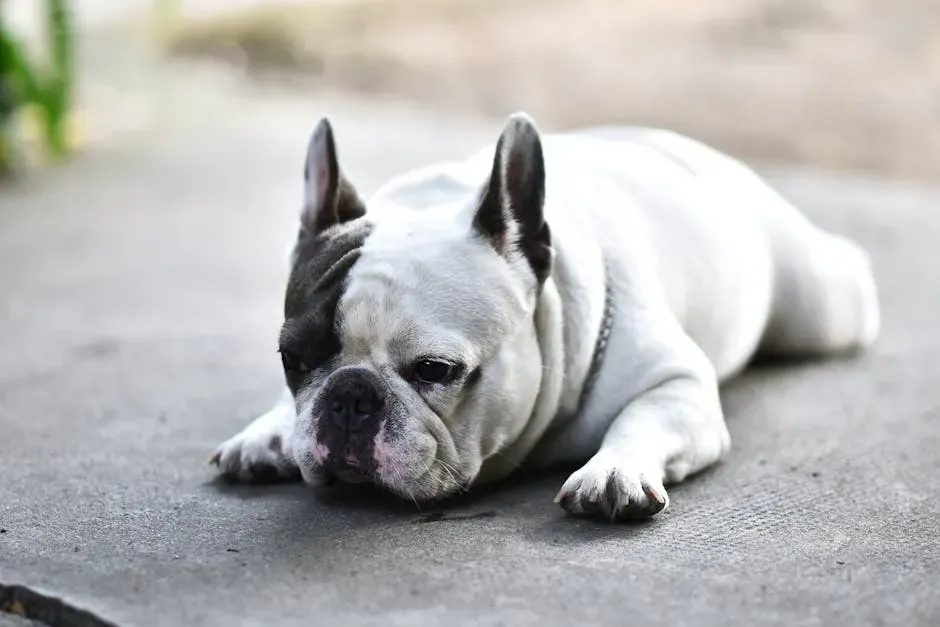
The French Bulldog is one of the best dog breeds for seniors and calm, relaxed households, thanks to its gentle, adaptable nature and love for companionship. This breed is naturally laid-back and enjoys a slower pace of life, making it ideal for those who prefer quiet routines. Short daily walks and indoor relaxation are usually enough to keep them happy and healthy.
French bulldogs’ small size and the fact that they are not big barkers or yappers make them one of the best apartment dogs. As an additional bonus, they are excellent cuddlers and incredibly loyal. If you want an anchored presence who naps beside you while you read or knit, a Frenchie fits perfectly. Their quiet confidence and silly grins make everyday routines feel lighter.
#7. Maltese
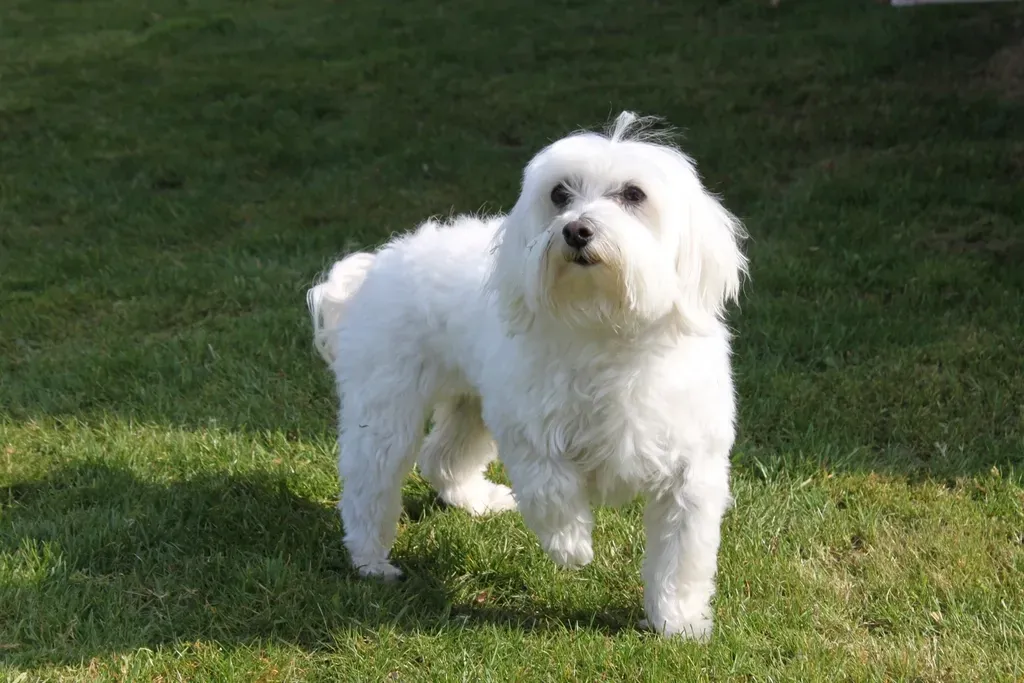
The Maltese breed is one of the most ancient companion breeds. It’s been offering calm company as a lap dog to seniors for centuries. Malteses aren’t just amazing pets for apartment living; they’re wonderful companions for seniors who can’t put up with super-energetic dogs. That long history of human companionship has shaped their temperament into something genuinely gentle.
The Maltese brings big affection in a tiny package, ideal if you like calm company and light daily care. They are playful but rarely pushy, content with short strolls and indoor games. A Maltese will happily follow you from room to room, then nap by your feet while you read. Their sunny personality helps ease loneliness and invites conversation during neighborhood walks. They bond closely, yet they do not demand constant action, which makes days feel balanced.
#8. Greyhound
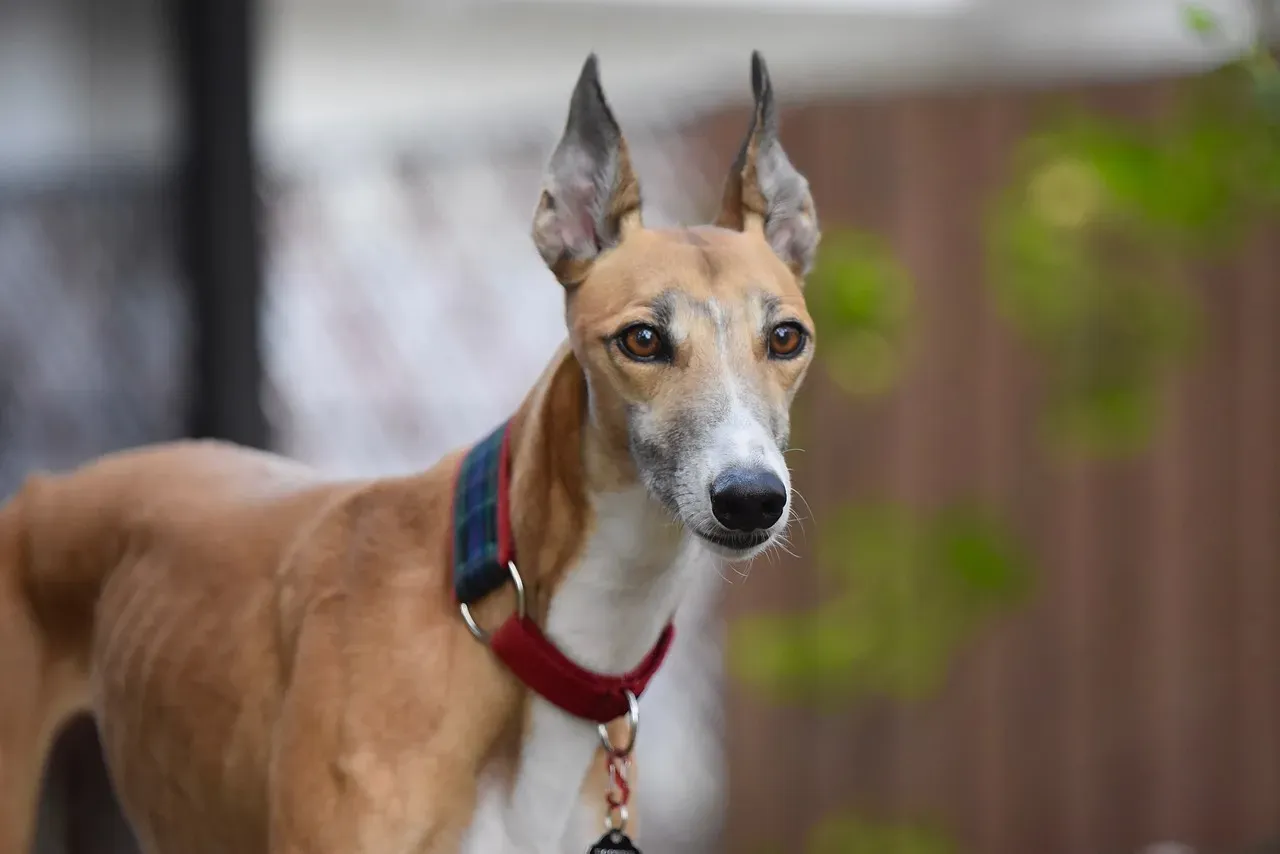
Surprisingly, Greyhounds are among the most low-maintenance large breeds. Known as “couch potatoes,” they enjoy lounging indoors but appreciate a daily walk. Their calm nature makes them wonderful for retirees seeking a peaceful companion. Most people expect a breed this athletic to be exhausting to keep up with. The opposite turns out to be true.
With their lean bodies, flexible spines, and long legs, Greyhounds are known for their athletic ability and for being the fastest dog breed. What is not as well-known is that their gentle and sensitive temperament and minimal grooming needs make them one of the best dogs for seniors. Greyhounds are generally calm, affectionate with others, and can do well with one daily walk. Relatively easy to care for, the Greyhound is a great choice for a furry companion.
#9. Havanese
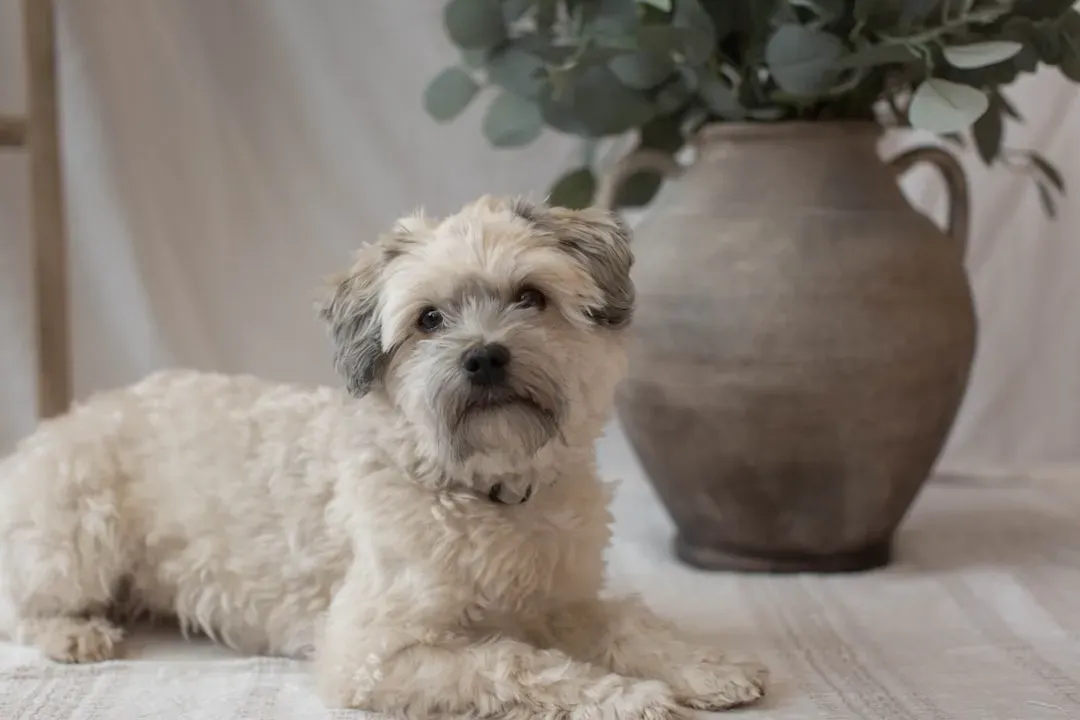
The Havanese is a clownish pup that will make its elderly owner laugh. Its cute size ranges between 8.5 to 11.5 inches and 7 to 13 pounds, which makes them just the right fit for their owners’ lap. With a fluffy coat and cheerful face, this Cuban breed gets along amazingly with seniors. As intelligent dogs, they learn to follow commands and understand cues wonderfully, so they won’t frustrate their senior owners.
Adding a little dog that’s calm yet very watchful to a senior’s home has its perks. Havanese tick all these boxes; despite being awesome watchdogs, they’re not excessive barkers, giving you the best of both worlds. Known for their long lifespan of 14 to 16 years, these dogs offer years of devoted companionship. Their intelligence and eagerness to please also make them excellent for training and therapeutic roles. Longevity matters when a dog becomes part of your daily life.
#10. Miniature Schnauzer
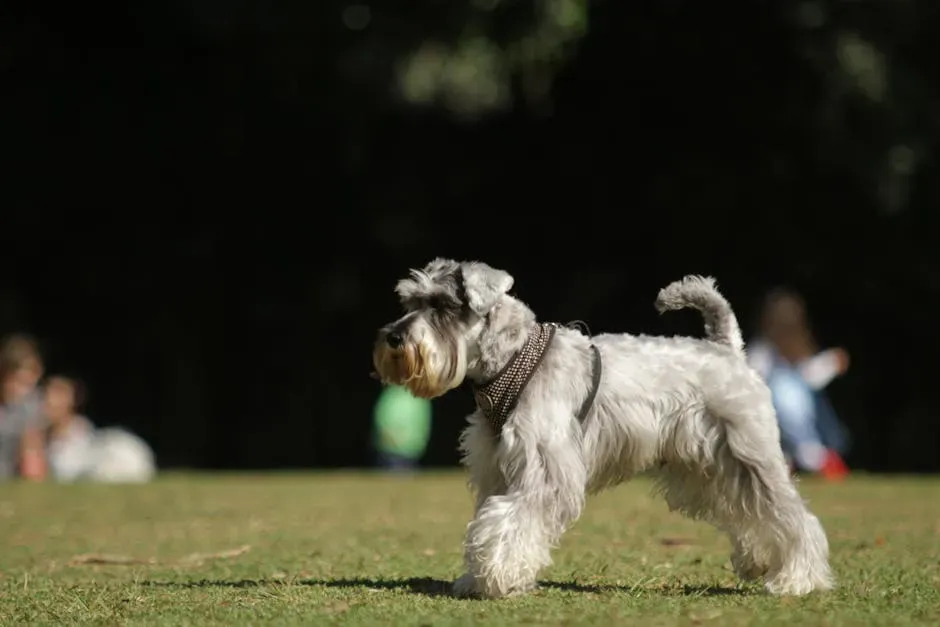
Miniature Schnauzers are one of the most adaptable breeds of dogs. Originally bred as a farm dog in Germany, Miniature Schnauzers are just as content living in an assisted living facility as they are roaming outdoors. Small, sturdy, hypoallergenic, and affectionate, Miniature Schnauzers are great with rambunctious grandchildren. Their calmness and attunement to the moods of humans make them excellent therapy animals.
Miniature Schnauzers both play hard and relax hard. They need a moderate amount of daily exercise but are also good at simply lounging around while their owners watch TV or make dinner. They are smart communicators, responding well to calm guidance and clear expectations. Many appreciate their confident presence and minimal shedding. If you want a breed that blends pep with politeness, the Miniature Schnauzer fits beautifully. They stand by your side for chores, chats, and quiet evenings, adding gentle security and dependable affection.
Finding the Right Match Matters More Than the Breed Name
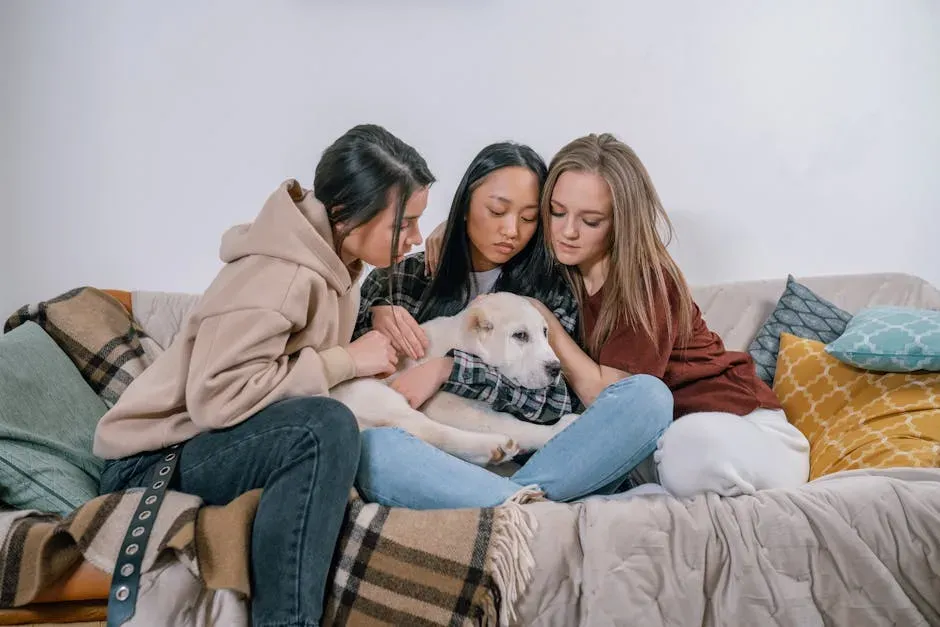
The most important things to look for in an emotional support dog are a calm and gentle temperament, moderate exercise needs depending on your preference and physical abilities, and grooming needs. In general, a lower maintenance dog is better for certain individuals who do not have the ability to undertake a huge amount of exercise daily. No list, however carefully assembled, replaces honest self-assessment.
Choosing the best dog breeds for elderly adults is ultimately about fit, safety, and honest self-assessment, not about what breed is most popular or most photogenic. The right dog for a retired individual living in a city apartment will be very different from the right dog for an active older couple with a fenced yard. What matters most is finding a companion that suits your real daily life, including your energy level, your living situation, your budget, and your need for routine and emotional connection.
Dogs also help prevent anxiety by encouraging their owners to keep a regular daily routine, get regular physical movement, and connect with other people. Caring for them can also give you a feeling of purpose bigger than yourself. That sense of purpose is something no prescription can fully replicate. A good dog doesn’t just keep you calm. It keeps you present, and in the later years of life, presence is everything.


