
Wisconsin is a state with wide open spaces, long winters, busy lakeshores, and families who really love their dogs. You can see it in every neighborhood from Madison to Green Bay – leashes in hand, dogs bounding through the snow or splashing through summer creeks. It says something about a place when you can look at which breeds people choose and immediately understand how they live.
The lineup of most popular breeds here isn’t random. It reflects hunting culture, active outdoor lifestyles, strong family values, and even a bit of that quiet Midwestern loyalty. Some of the choices might not surprise you at all. One of them, though, might catch you completely off guard.
#1. Labrador Retriever – Wisconsin’s Undisputed Top Dog
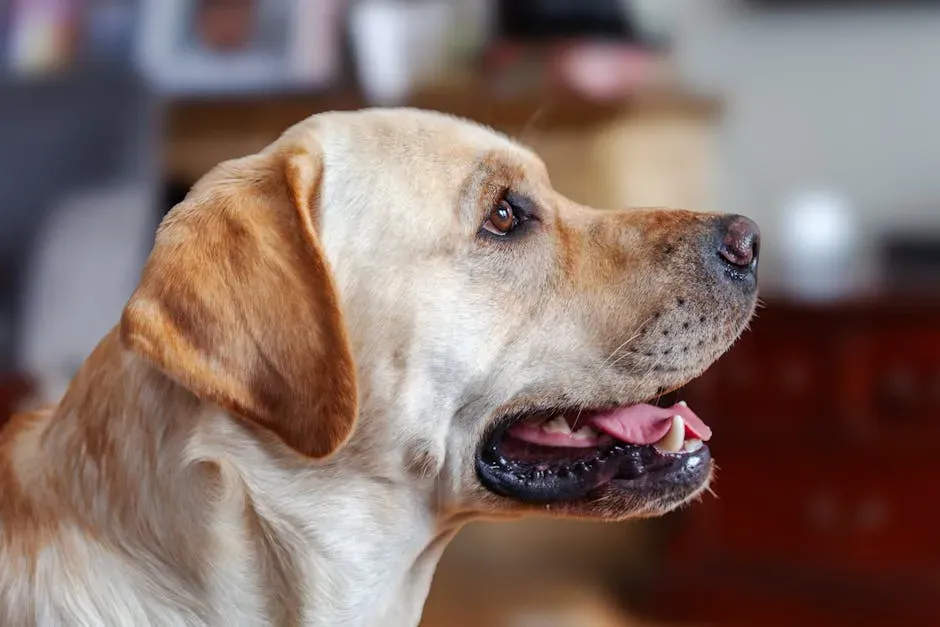
Wisconsin is Labrador Retriever country, according to data from the American Pet Products Association’s National Pet Owners Survey, which was used by U.S. News & World Report to determine the most popular dog breeds in each state. The Lab’s grip on Wisconsin households is about as firm as it gets, and there’s a very clear reason for that. This state rewards dogs who can work hard, handle cold weather, and still cuddle up on a Tuesday night.
Unlike some breeds that can be reserved or territorial, the Labrador Retriever tends to be social and will even make strangers their friends, with an eager-to-please, friendly, playful nature that makes them ideal for gentle and sweet family members of all ages. Many Labs also love water because they were originally bred to retrieve fowl and fishnets – a trait that fits perfectly with Wisconsin’s lake-heavy landscape. Whether it’s ice fishing season or summer at the cottage, a Lab is always game.
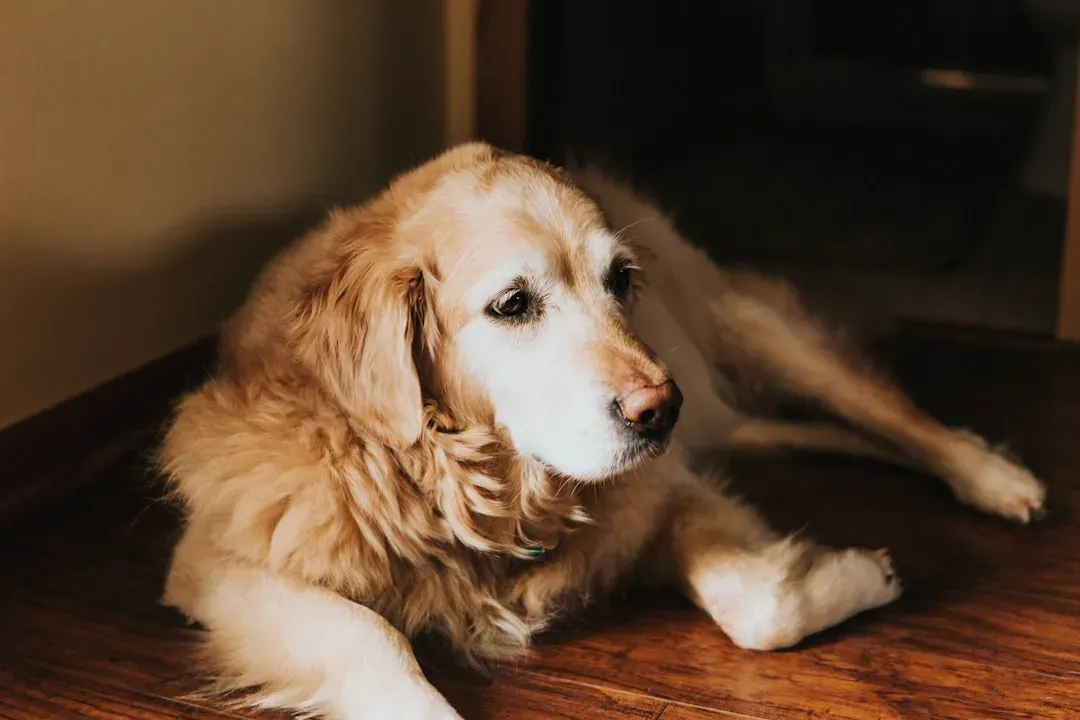
#2. Golden Retriever – The Family Favorite With a Heart of Gold
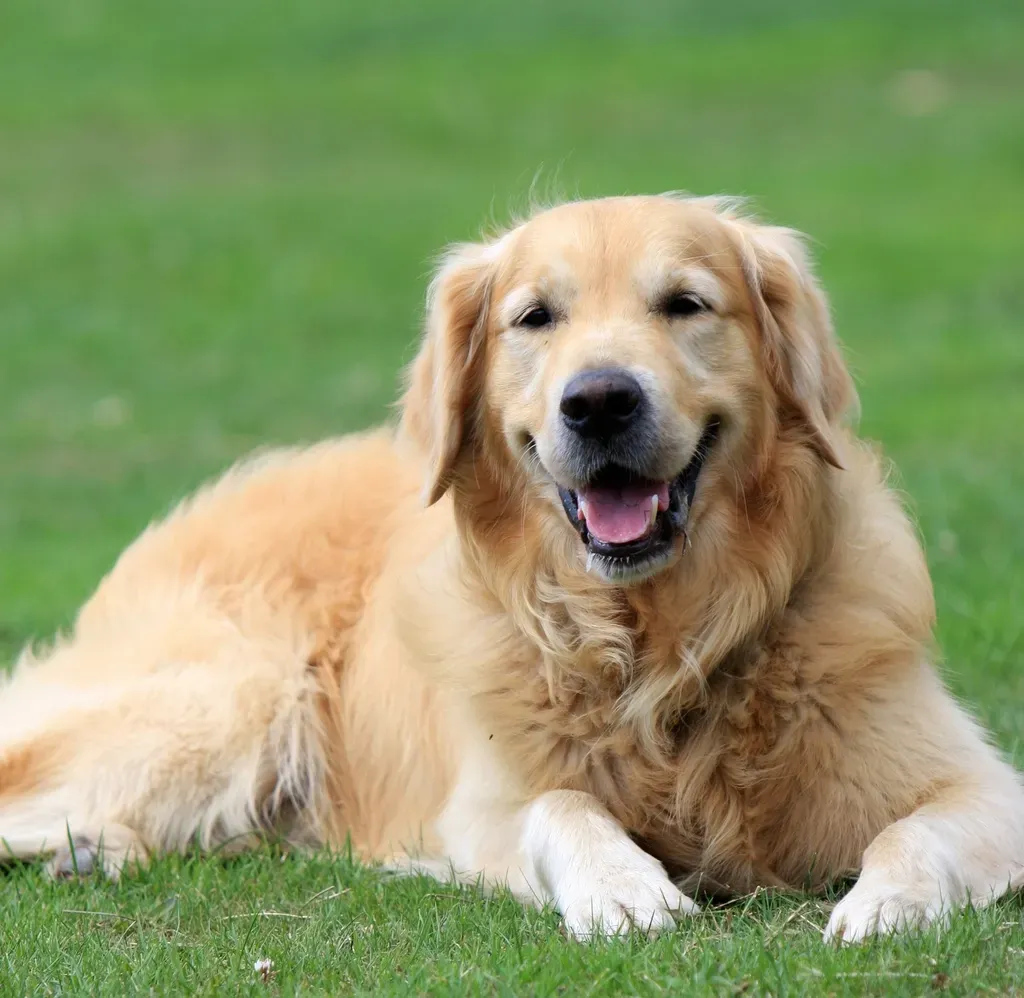
In Iowa, New Hampshire, and Wisconsin, the top three most popular breeds are the Labrador Retriever, Golden Retriever, and German Shepherd – a trio that makes complete sense for a state where families, outdoor recreation, and working-dog culture all overlap. The Golden Retriever has earned its place among Wisconsin’s most loved breeds through sheer warmth and reliability. There’s a reason so many Wisconsin family photos have a Golden somewhere in the frame.
Labrador Retrievers and Golden Retrievers make the AKC’s list of the best family dogs, known for their affectionate nature and receptivity to training. Goldens thrive in the kind of large-yard, kid-filled households that are common across Wisconsin suburbs and rural communities alike. They’re patient, they’re gentle, and they have a seemingly limitless capacity to enjoy life – which honestly sounds like the ideal housemate in any season.
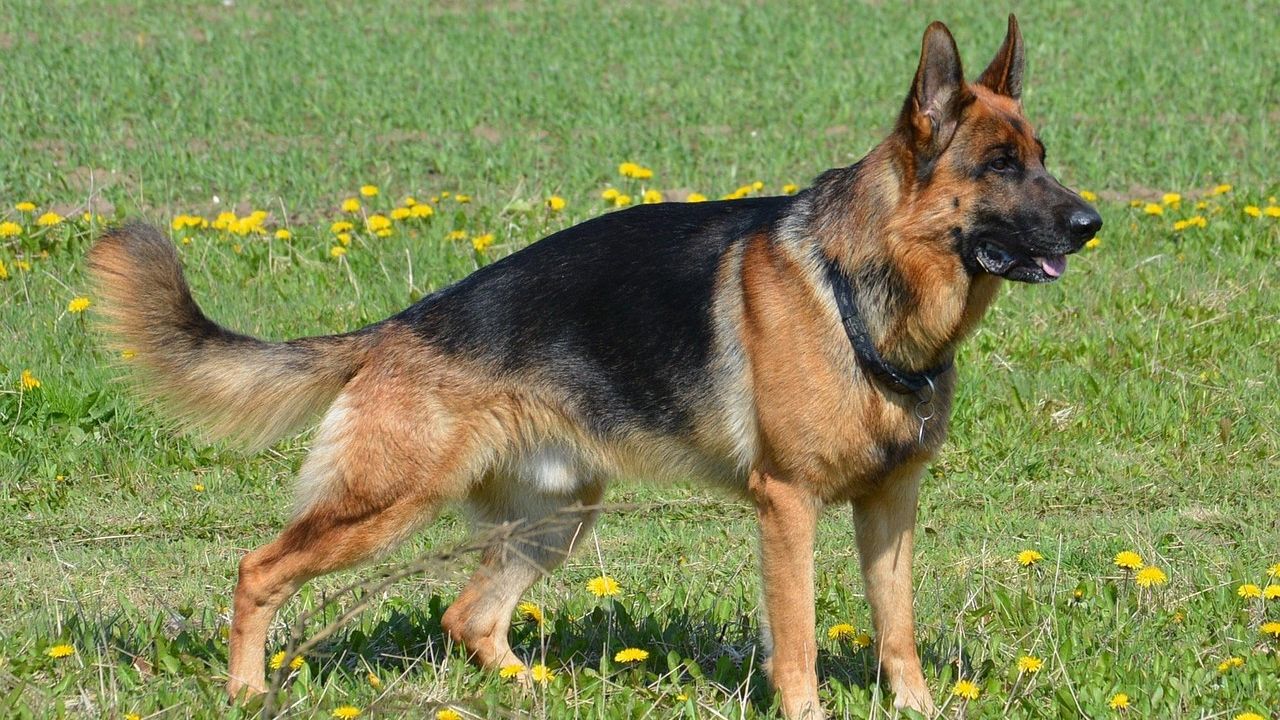
#3. German Shepherd – Loyalty, Intelligence, and Serious Work Ethic
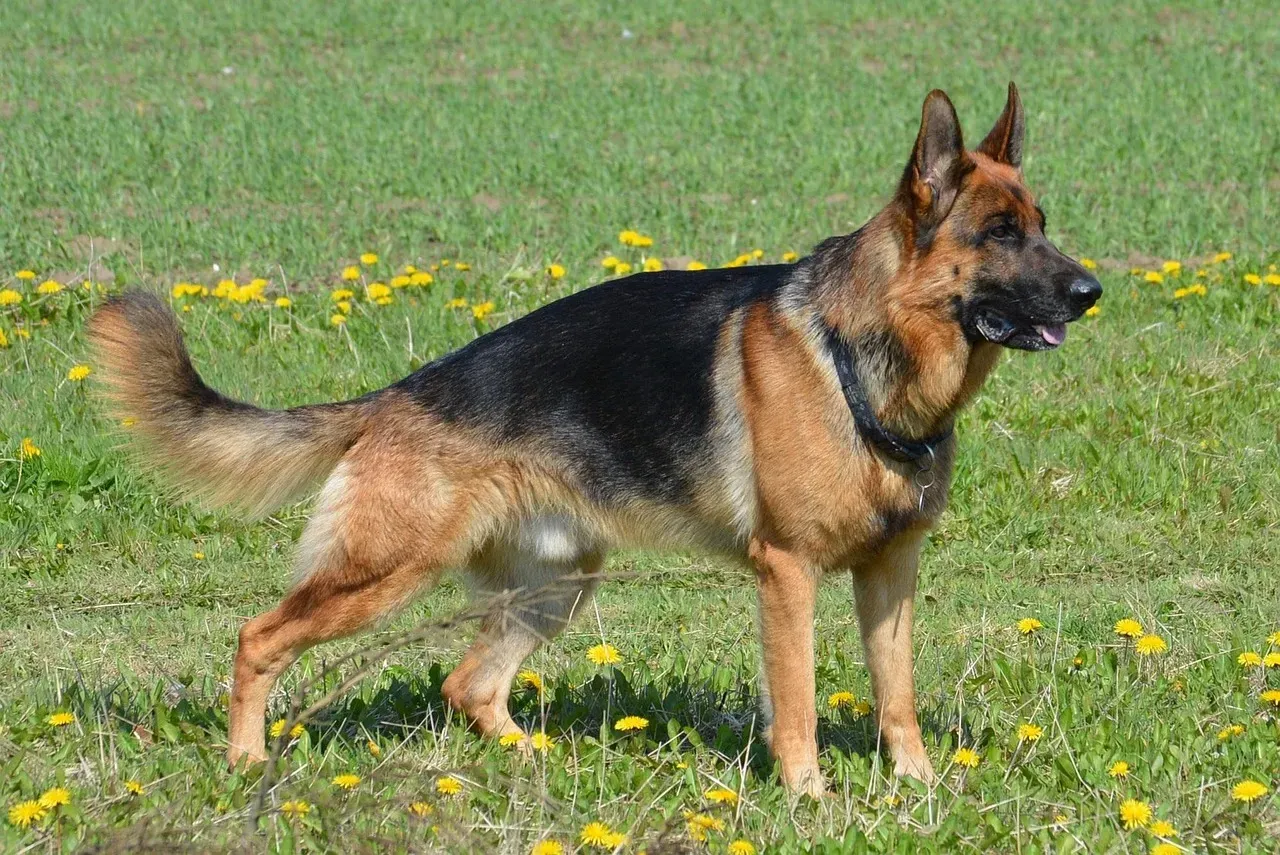
Originally bred for herding, the German Shepherd is loyal, intelligent, confident, and has a protective nature, and they are widely used in police work and military jobs, and as service dogs. It’s not difficult to understand why this breed ranks so consistently high in Wisconsin. From farms that need a sharp-eyed guardian to families who want a capable protector, the German Shepherd delivers in every environment.
Both German Shepherds and Labrador Retrievers are highly trainable animals thanks to their curious instincts and high intelligence, and the German Shepherd is a willing and capable partner, often chosen as a service, guard, or police dog, with a devotion to their master that is unmatched by any other breed. They do require consistent training and socialization, and they’re not a dog for passive owners. But for those willing to put in the time, a well-raised German Shepherd is one of the most rewarding companions a person can have.
#4. French Bulldog – The Compact Newcomer Taking Over Wisconsin Cities
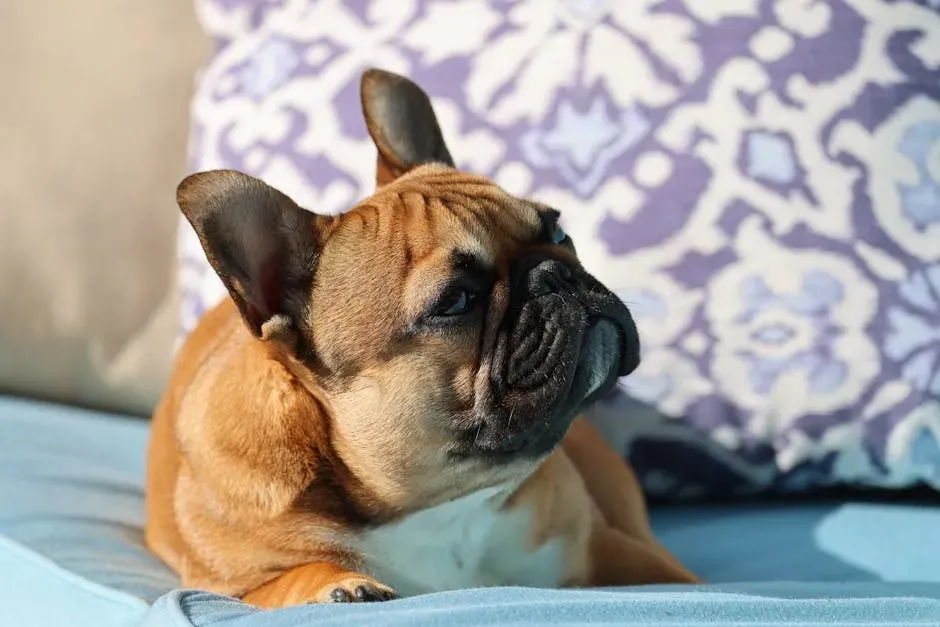
The French Bulldog takes the number one spot nationally for 2025, marking the fourth year in a row the breed has remained in the top position. While the Frenchie doesn’t top Wisconsin’s state-level list the way it dominates national rankings, its presence across the state’s cities and suburbs has grown considerably in recent years. Madison and Milwaukee apartment dwellers in particular have taken a real liking to this compact, expressive breed.
There are practical reasons behind the breed’s rise – French Bulldogs are compact, adaptable, and generally well suited for apartment living or homes with limited space, and their size appeals to urban owners, while their personality has helped them become highly visible on social media and in popular culture. They don’t demand hours of outdoor exercise, they travel well, and they have a personality that’s genuinely hard to ignore. In a state where winters can keep you indoors for months, that adaptability counts for a lot.
#5. Great Dane – Wisconsin’s Surprisingly Passionate Pick
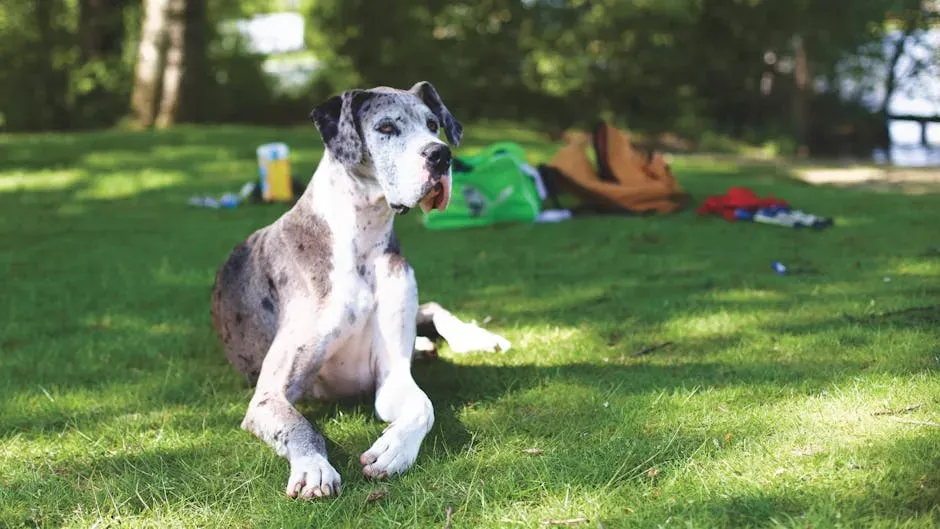
Of all 50 states, Wisconsin was the only one to favor the Great Dane dog breed over any other dog when Google Trends data was analyzed for breed-related searches – which suggests that Badger State dog lovers have a particularly soft spot for these gentle giants that goes beyond what simple ownership numbers might show. The Great Dane has a long, proud history in Wisconsin households and draws admirers unlike almost any other breed.
The Great Dane ranks among the world’s largest dog breeds, with males typically standing at a minimum of thirty inches at the shoulder and often reaching thirty-two inches or more. Despite their imposing size, Great Danes are famously gentle and patient, earning the nickname “gentle giants” among dog owners everywhere. They tend to be calm indoors, deeply devoted to their families, and surprisingly content in a Wisconsin home – as long as they have room to stretch those extraordinary legs.
#6. American Water Spaniel – Wisconsin’s Own Breed
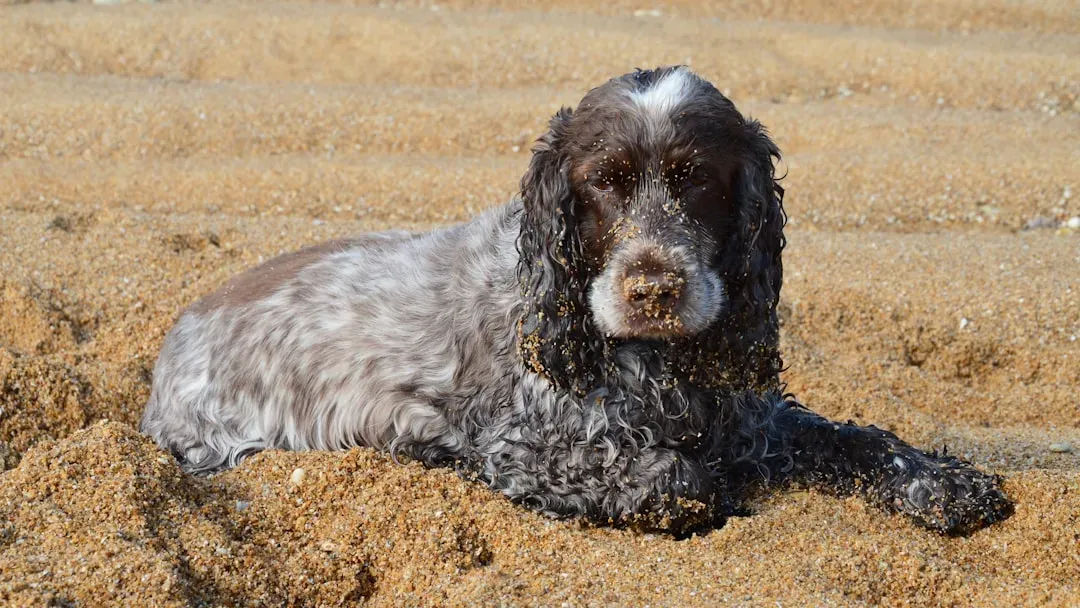
Wisconsin’s heart belongs to the American Water Spaniel, the official state dog and the only dog breed native to Wisconsin. It was developed in the state of Wisconsin during the 19th century from a number of other breeds, including the Irish and English Water Spaniels. Few states can claim a breed as their own, but Wisconsin genuinely can – and that makes this one worth knowing about, even if it doesn’t show up in the top three by registration numbers.
The breed originated in the areas along the Fox River and its tributary the Wolf River during the early 19th century, where hunters needed a dog that could work on both land and water, a versatile hunter skilled at bringing in a variety of game, and compact enough to be transported in a small skiff while able to withstand Wisconsin’s cold water temperatures. The breed was made the state dog of Wisconsin in 1985. It is, in every meaningful sense, a Wisconsin creation – built for this land, this water, and this weather.
What Wisconsin’s Dog Preferences Say About the State
Look at this list as a whole and a clear picture emerges. Wisconsin chooses dogs that work, dogs that love families, and dogs that can handle cold mornings without complaint. Three of the top breeds share the same top-three ranking in Wisconsin as they do in neighboring Iowa and in New England states with similar outdoor cultures. That consistency isn’t a coincidence.
The rise of the French Bulldog in urban Wisconsin also reflects something real – a generational shift, with younger residents in cities choosing breeds that suit smaller spaces and busier schedules. Meanwhile, the persistent love for the Great Dane and the deep pride surrounding the American Water Spaniel show that Wisconsin dog owners haven’t lost their affection for big personalities and local heritage.
Ultimately, the dogs Wisconsin chooses mirror the people who choose them: practical, loyal, a little outdoorsy, and genuinely warm. That’s not a bad way to be described, whether you’re a person or a dog.
In my opinion, what makes Wisconsin’s dog culture particularly compelling isn’t just which breeds top the charts – it’s the fact that a state with this much outdoor character still carves out space for the gentle giant Great Dane and the compact French Bulldog right alongside its beloved retrievers. That range tells you Wisconsin dog owners don’t follow a single mold. They pick what fits their life. And honestly, that’s exactly the right approach to choosing a dog.


