

You’ve made the decision. A Labrador Retriever is joining the family. The only problem? You’re standing at a crossroads that stumps even the most seasoned dog lovers: do you go with a male or a female? It’s one of those questions that sparks surprisingly passionate debate among Lab owners, breeders, and enthusiasts alike.
The honest truth is there’s no universally “correct” answer. What there is, though, is a real and meaningful set of differences between the two sexes – differences in size, personality, trainability, health, and how they bond with people. Understanding those differences could genuinely change the way your life with a Lab unfolds.
#1. Size and Physical Differences: Bigger Isn’t Always Better

One of the most noticeable differences between male and female Labradors is their size and weight. Male Labradors typically weigh between 65 to 80 pounds and stand 22.5 to 24.5 inches tall at the shoulder. Female Labs weigh in at 55 to 70 pounds, making them noticeably lighter and generally a bit more compact in frame.
Female Labradors tend to have narrower heads and smaller chests. Their noses are often longer and slimmer, too. These differences are subtle but very noticeable when you take a closer look at female and male Labs standing side by side. For families in smaller homes or apartments, this size distinction can actually matter a fair amount in day-to-day life.
It’s worth noting that genetics play a big role in determining a Labrador’s size. You can find Labradors of all shapes and sizes, regardless of their sex – some females can even be larger than males, so it’s not a hard and fast rule. Still, on average, the male tends to carry more bulk, which influences everything from how much he eats to how much couch space he claims.
Male Labs are often preferred in fieldwork or as working dogs due to their strength, while females might be favored in agility sports or therapy work where finesse and gentleness matter more. So if you have a specific purpose in mind beyond companion, the physical differences could point you in one direction more clearly than the other.
#2. Temperament and Personality: The “Love You” vs. “Love Me” Dog

Both male and female Labs have huge personalities, and an overly aggressive or dominant attitude is not among their traits. Males are more easily distracted, but they can be more playful and social. Males are also high-energy and are said to retain some of their puppy-like qualities longer than females. If you want a dog who acts like a puppy well into adulthood, you’ll probably get that with a male.
Females tend to be more focused and are generally calmer than males. Females mature faster, so they typically show more independence earlier than males. Females also have a nurturing, protective side and may bond more closely with children. That instinctive gentleness around little ones is something many Lab-owning parents genuinely notice and appreciate.
Both male and female Labradors are affectionate, but they show it in different ways. Male Labradors tend to be more demanding of attention and affection, often seeking it out from their owners. They’ll happily lie down at your feet, waiting for pats and rubs. In contrast, females take more time to exhibit this behavior, often requiring their owners to initiate affection. There’s a personality dynamic here that’s worth sitting with before making your choice.
There’s a saying about male and female Labs and the differences in their personalities: while males approach and say “love you,” females will approach and say “love me.” That subtle but real distinction captures something deeply true about what it’s actually like to live with each sex day after day.
#3. Training and Obedience: Who’s the Star Student?

Females mature faster than males, so female Labs are usually easier to train in the puppy stage. They’re also faster to house train and less likely to have setbacks, like accidents. This is due, in part, to the female’s sensitivity and attentiveness to the owner’s voice, which allows them to listen and retain the information more effectively. For first-time dog owners, this can make a genuine difference in those critical early months.
With proper training, male dogs can still demonstrate remarkable learning capabilities and obedience. Regardless of whether you choose a male or female dog, the key to training any Labrador lies in consistency, positive reinforcement, and understanding the subtle differences in their learning style and motivation. Males aren’t lost causes by any stretch – they just need a bit more patience and shorter, more engaging sessions.
Because they’re usually less sensitive to corrections than females, males often respond better to a direct and assertive way of training. This doesn’t mean harshness, but rather a clear, firm guidance when in need of correction, to align well with their nature. Understanding this distinction can save you a lot of frustration in the first year of ownership.
Male Labradors are also more likely to be food-motivated, which can be a great asset in training. However, this can also lead to overeating and obesity if not managed properly. Used strategically, that food drive is actually a powerful training tool – just keep an eye on the treat jar.
#4. Health Considerations: What Each Sex Brings to the Vet’s Table
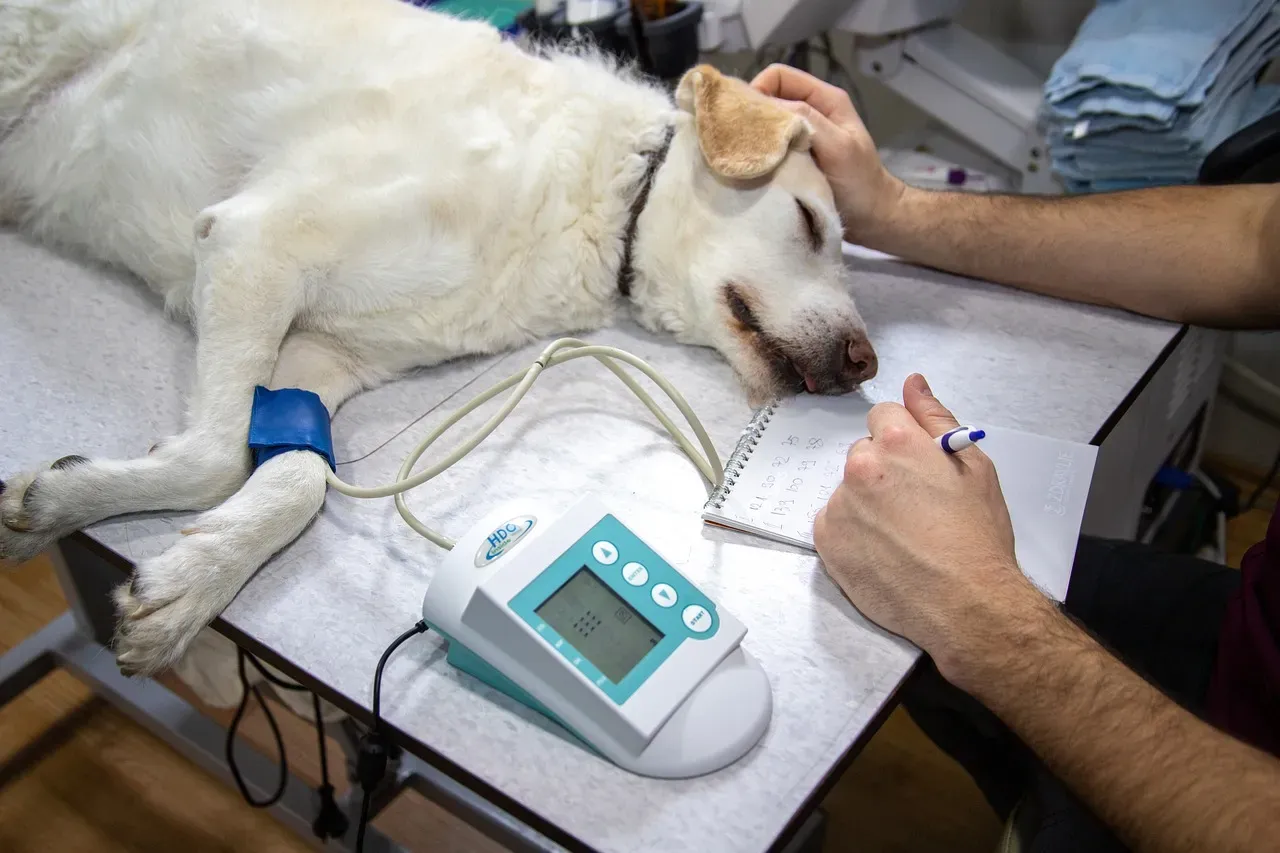
There is no major difference between the two sexes in terms of lifespan. Both females and males tend to live between 10 and 12 years. Both males and females are susceptible to hip and elbow dysplasia, obesity, hypothyroidism, cancer, gastric issues, and eye problems. These shared vulnerabilities mean that proactive health care matters regardless of which sex you choose.
Unneutered male Labradors are susceptible to testicular cancer and prostate issues, while unspayed female Labradors have a higher risk of urinary tract infections, mammary tumors, and reproductive cancers. These are real risks that can largely be reduced through timely spaying or neutering, something every responsible Lab owner should discuss with their vet early on.
Mammary tumors are common in unspayed females, especially if not spayed before their first heat cycle. Pyometra, a serious uterine infection, can be life-threatening without prompt treatment. Heat cycles typically occur every six months, leading to temporary behavioral changes and hygiene concerns if the dog isn’t spayed. Managing an unspayed female requires genuine commitment and awareness.
Female Labs are also prone to urinary tract infections due to the way they position themselves to urinate. Most females squat low to the ground, introducing bacteria into the urethra. Neutering male dogs, on the other hand, can reduce unwanted behaviors such as roaming in search of a mate, and health issues like testicular cancer and benign prostatic hyperplasia. Both sexes carry their own health footnotes, so neither is a “worry-free” choice.
#5. Which Sex Fits Your Lifestyle Best?

If you’re looking for a lower-maintenance companion, consider a female Labrador. They can thrive in smaller spaces as long as they receive regular walks and exercise. Females are particularly well-suited for guardianship responsibilities and single people. Their quieter, more self-sufficient nature makes them a surprisingly good fit for calmer households or owners who work longer hours.
While male and female Labradors are generally friendly and outgoing, male Labradors tend to be more sociable and enjoy meeting new people, making them the perfect family dog. Their warm demeanor and eagerness to interact with people create a welcoming atmosphere. If your home is buzzing with kids, guests, and activity, a male Lab will likely thrive in the middle of it all.
Male Labradors tend to be more curious and adventurous than their female counterparts. This can sometimes make them distracted during training or while out for a walk. These dogs are prone to boredom and separation anxiety. If you don’t give them proper training and exercise, it may result in destructive behavior. That energy needs an outlet – and a committed owner to channel it well.
The characteristics of each dog can differ greatly due to a variety of factors, including upbringing, training, and individual personality. When choosing a Labrador, the best thing to do is focus on the match between the dog’s temperament and your lifestyle. At the end of the day, the gender conversation only gets you so far – the individual dog matters enormously, and a good breeder or shelter staff member can help you find the right match far better than any general rule.
Conclusion: So, Which One Really is Better?

Here’s an opinion worth having: neither sex is objectively better, but one sex is almost certainly better for you specifically. Male Labradors are exuberant, lovable, emotionally open, and endlessly entertaining companions who wear their hearts on their paws. Female Labradors are sharper, calmer, quicker to mature, and tend to bond with an almost quiet depth that can feel remarkably profound.
If you’re a first-time dog owner, a family with young children, or someone who values a quicker training curve, a female Lab is genuinely worth considering first. If you want a boisterous, loyal shadow who will never stop acting like a puppy is a selling point rather than a dealbreaker, the male Lab might be your perfect match.
What this debate really comes down to isn’t gender at all. It’s knowing yourself honestly as an owner. Labradors are excellent family dogs regardless of sex, and it’s much harder to distinguish between males and females where temperament is truly concerned. The Lab who fits your energy, your home, and your heart will always be the right one – male or female.


