
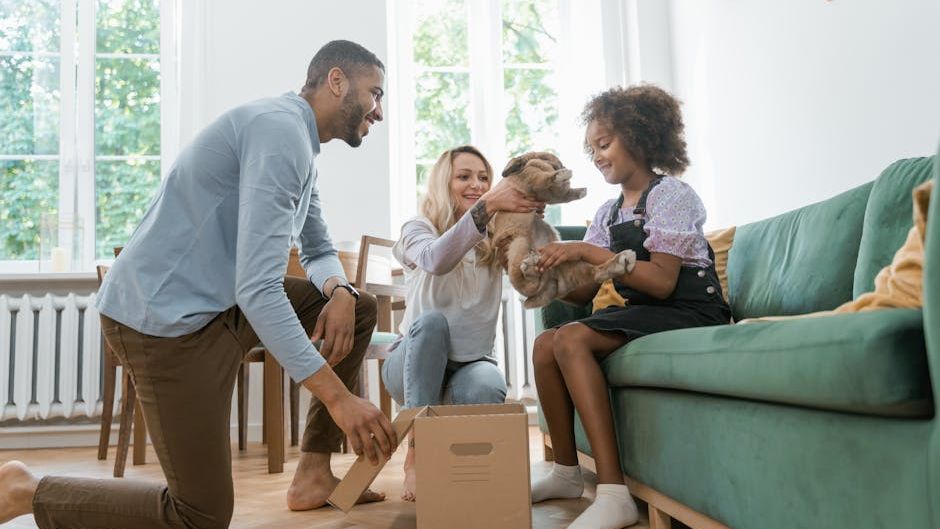
Most dog owners would say their relationship with their dog is one of the best things in their life. You bring them home, you care for them, you love them with everything you have. So it can be quietly devastating when your dog starts pulling away, avoiding closeness, or just seems less interested in being near you.
Here’s the thing that surprises people: in many cases, it isn’t the big, obvious mistakes that cause a dog to become distant. It’s the small, everyday habits that seem totally harmless, or even loving, on the surface. Dogs feel and communicate differently than we do, and what reads as warmth to us can register as pressure, confusion, or even stress to them. Understanding the gap between our intentions and their experience is the first step to closing it.
#1 Forcing Hugs and Prolonged Physical Restraint

It feels completely natural to wrap your arms around your dog. Hugging is one of the most instinctive ways humans show love. The problem is that dogs don’t share that instinct. Experts in dog behavior generally agree that dogs do not like being embraced. For them, being physically restrained triggers a very different response than it does for us.
When you hug a dog, they don’t understand what you’re trying to say. In fact, you’re essentially trapping them, meaning they can’t get away from anything that scares them or makes them uncomfortable while in your arms. Research has backed this up significantly. A researcher who examined 250 random online photos of people hugging their dogs found that roughly 82 percent of the dogs were visibly uncomfortable, and only a small fraction looked truly at ease.
Dogs are what’s known as cursorial animals, meaning they’re built to run. When they’re anxious or scared, flight is their first instinct. So when we hold them in place with a hug, we take away that option, which can heighten stress and even provoke a defensive bite. Over time, repeated unwanted physical restraint teaches a dog to keep their distance, not because they don’t love you, but because closeness has come to feel like a trap.
#2 Using Harsh or Punishment-Based Training Methods
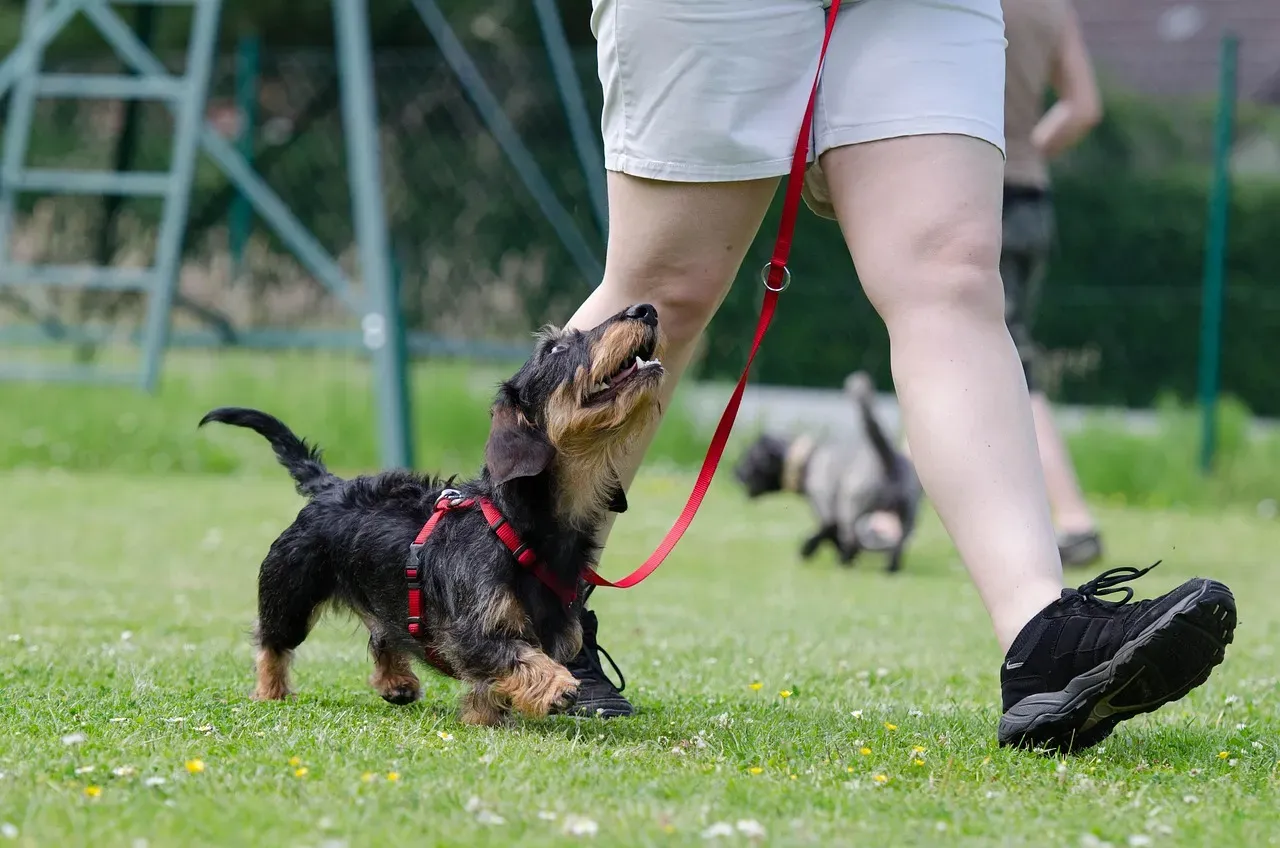
Training your dog is part of the deal, and it’s a genuinely important one. But the method you choose matters far more than most people realize, not just for obedience, but for the emotional bond between you and your dog. Punishment may bring temporary relief to a frustrated dog owner, but it damages the human-animal bond and creates mistrust, pain, fear, agitation, and increasing anger as the dog develops a strong negative association.
Dogs trained with punishments tend to avoid their owners and be less attentive to them than dogs trained with positive reinforcement. That’s not a minor side effect. It’s a direct erosion of affection. When people use aversive methods to train dogs, it is associated with risks to the dog’s welfare, including fear, stress, and aggression, and research suggests it also affects the dog’s relationship with their owner.
Dogs taught with positive methods show fewer stress signals, show a better bond with their owner, and tend to respond more quickly to cues or commands. Yelling, physical corrections, or even a consistently harsh tone can make your dog see you less as a safe person and more as an unpredictable threat. Using aversive techniques can damage the trust and bond between you and your dog, and if your dog associates you with fear or discomfort, they may become less willing to interact with you.
#3 Ignoring Their Calming Signals and Body Language
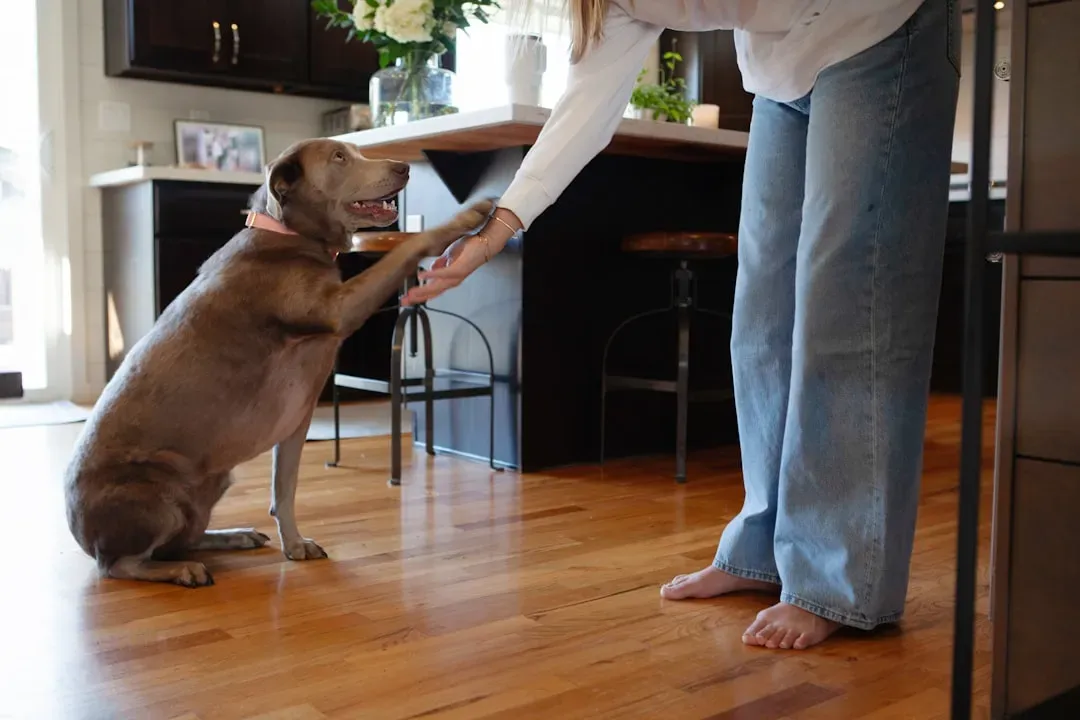
Dogs communicate constantly. The issue is that most of us aren’t listening closely enough. The dislike of certain touch often manifests in ways that are easy to overlook, like a series of behaviors called “calming signals” that are subtle and happen quickly. When those signals are ignored, dogs learn that communication with their owner is essentially pointless.
For example, if your dog leans away and licks her lips when you pet her, it’s possible she’s not enjoying it. She might also avoid looking at you or take a few steps away so that you’re not able to touch her with the same intensity. These aren’t random behaviors. They’re requests.
Pet parents who take the time to understand what their dog is telling them will know when a petting session is appreciated and when it actually makes their furry best friend uncomfortable. Dogs who feel consistently unheard will stop seeking closeness. Affection becomes something that happens to them rather than something they actively invite. Over time, that shift creates real distance in the relationship.
#4 Leaving Them Alone for Too Long, Too Often

Life gets busy. That’s just the reality for most dog owners. But there’s a meaningful threshold between a reasonable amount of alone time and isolation that genuinely affects a dog’s emotional wellbeing. Dogs that feel neglected often don’t feel like being social. They may withdraw from family members and other pets and stop doing the things they used to enjoy, such as going out on long walks or playing with other dogs at the dog park.
When dogs feel like they’re not getting enough attention, their anxiety may increase, and that in turn may result in more frequent urination and defecation. Chronic loneliness doesn’t just make dogs bored. It changes their emotional baseline, and a dog that operates from a place of low-level anxiety and understimulation is less able to show warmth and connection.
Dogs are creatures of habit. A consistent schedule for meals, walks, playtime, and bedtime can help your dog feel secure and reduce stress. When they know what to expect, they’re less likely to act out. Predictability and presence aren’t just nice-to-haves. For a dog, they’re the foundation of trust, and trust is where all affection begins.
#5 Petting Them in Ways They Don’t Enjoy
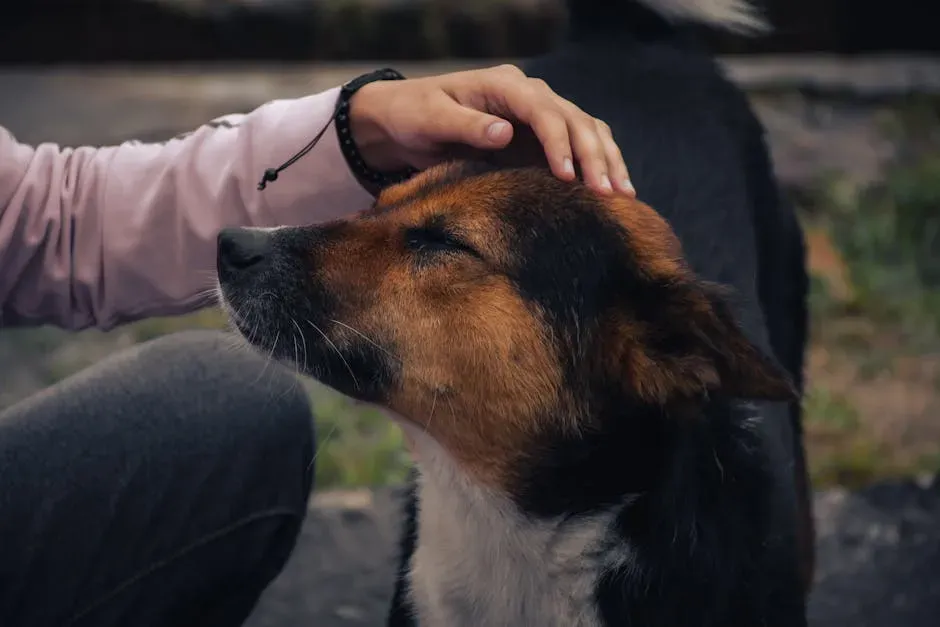
Most of us assume our dogs love being petted wherever and however we choose. The reality is more nuanced. Dogs don’t like head pats any more than they like hugs. The top of the head and the muzzle are areas many dogs find uncomfortable or threatening, yet these are among the most common spots people reach for, especially with dogs they don’t know well.
Some dogs even lick the person who’s petting them, which is easy to misread as affectionate kissing; however, because many people don’t like slobbery licks, these dogs use the strategy to get people to stop touching them. That’s a dog doing everything it can to communicate discomfort while its owner interprets it as love.
The more you push those boundaries, the less a dog will feel comfortable coming in close. This doesn’t mean your dog doesn’t want connection. It means they want connection on terms that feel safe to them. Learning the difference between a gentle chest scratch that your dog melts into and an overhead pat that makes them flinch is one of the most genuinely useful things you can do for your relationship.
#6 Responding Inconsistently to Their Behavior
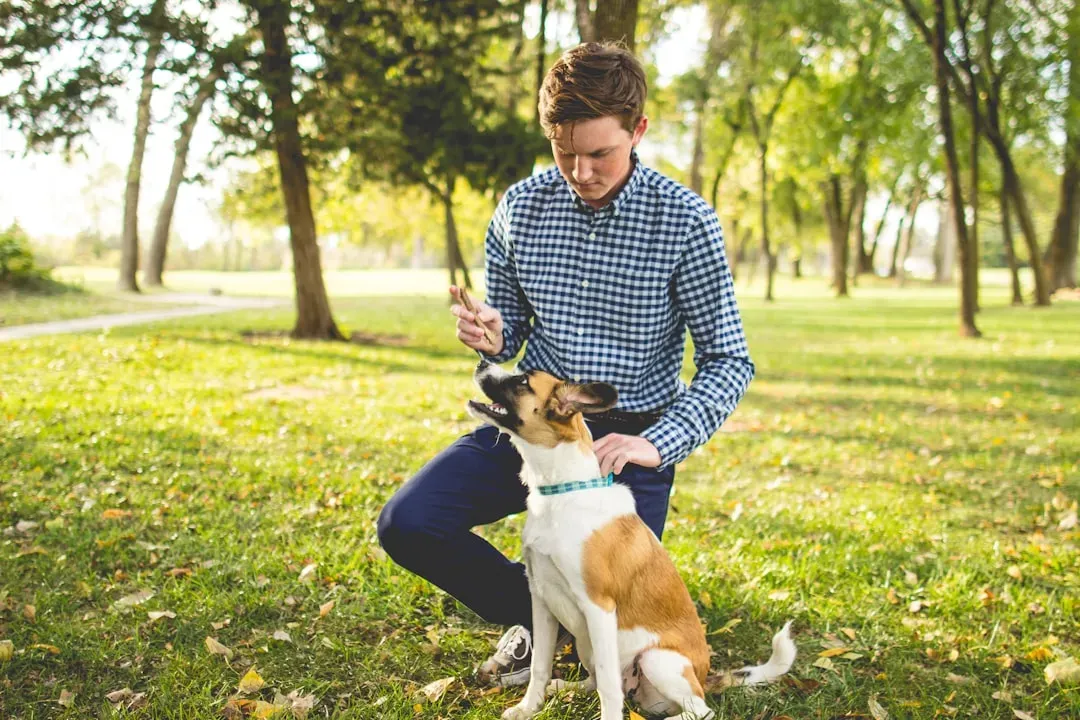
Dogs are remarkably attuned to patterns. They read us far more carefully than we typically read them. When an owner is unpredictable, allowing certain behaviors one day and reacting with frustration the next, it creates an undercurrent of anxiety that makes genuine closeness difficult. From the dog’s view, the owner is inconsistent and unpredictably forceful or coercive. These characteristics can hinder the pet-human bond.
A dog that never quite knows what to expect from you will be cautious around you. They may still respond to commands, still eat their food, still sleep in the same room. Developing a clear routine so they understand how they fit into your life and home is one of the key things that helps a dog become more secure and trusting.
Inconsistency is particularly damaging during training. The phrase “you get what you pet” reminds owners that our dogs are always learning and that training doesn’t only happen in structured sessions, meaning we influence their behavior in small ways we might not even realize. When the rules are clear and consistent, dogs relax into the relationship. When they’re murky, dogs stay on guard.
#7 Introducing a New Pet Without Managing the Transition
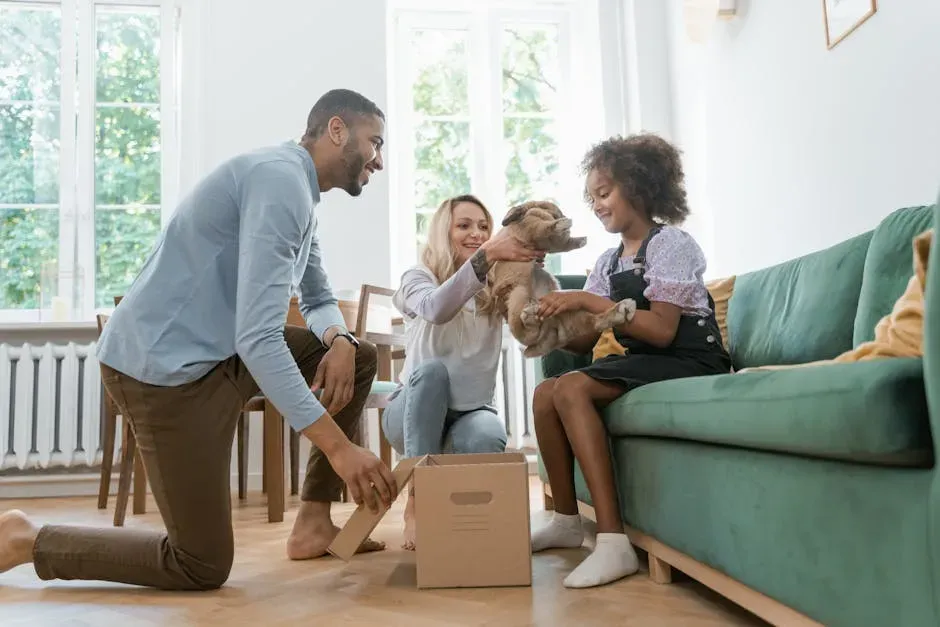
Bringing a new animal into the home is exciting for the humans involved. For your existing dog, it can feel like a disruption to everything they’ve counted on. It’s not uncommon for an older dog to behave differently after a new pet joins the household. This can be part of the normal adjustment process, but it’s important to monitor behavior for signs of distress. Adjustments can take time, and some dogs may feel uncertain about changes in their environment.
Your older dog might still be figuring out his new social dynamics with the new dog. Ensuring each pet gets individual attention is essential to prevent jealousy or anxiety. When a dog suddenly has to compete for space, attention, and affection, many will pull back rather than fight for it. That withdrawal can look like the dog becoming less loving, when really they’re just feeling unsettled and a little lost.
The fix isn’t complicated, but it requires attention. Individual one-on-one time, separate feeding routines, and patience during the adjustment window can make a substantial difference. Adjustment periods can vary, but most dogs start to settle within a few weeks. Providing consistent routines and positive reinforcement can help speed up the process.
#8 Unintentionally Reinforcing Anxious or Clingy Behavior With Affection
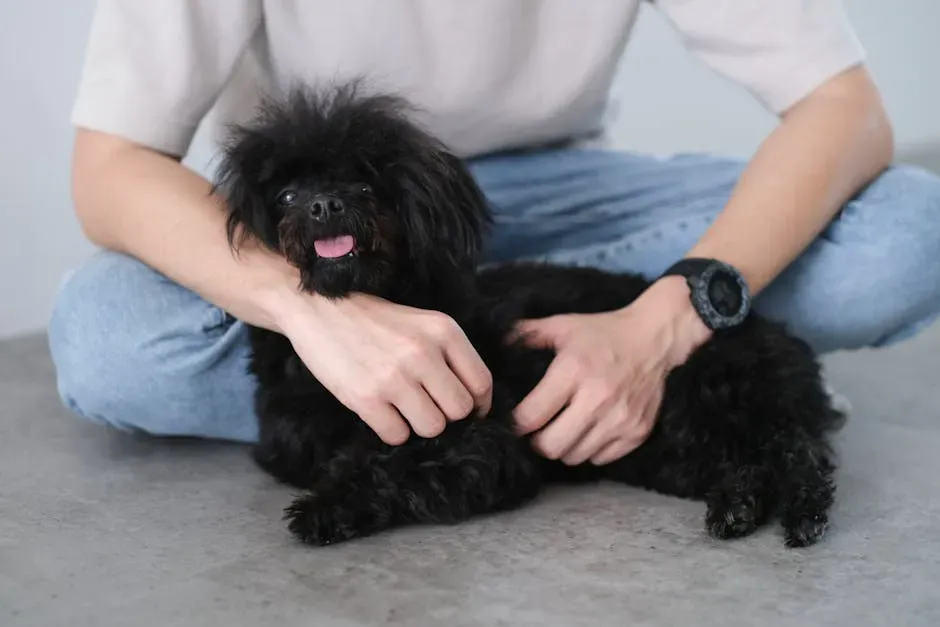
This one tends to surprise people because the intention behind it is purely kind. When a dog is whining, trembling, or acting fearful, it’s instinctive to cuddle them, speak softly, and soothe them. The problem is that dogs don’t process reassurance the way humans do. Dogs are not humans, and cuddling, petting, and kissing them doesn’t mean the same thing to them that it means to us. Dogs usually exhibit anxious behaviors when they are feeling uncertain or insecure, and positive reinforcement like petting and cuddling can actually tell the dog that what they are feeling is good and to keep feeling that way.
Over time, this creates a feedback loop. The dog learns that distressed behavior brings closeness, which reinforces both the anxiety and a form of affection that’s tangled up with stress rather than genuine calm bonding. By giving dogs clear structure and telling them what to do, you can greatly reduce their anxiety. Dogs naturally look for leaders in the home.
The goal is for a dog to seek out affection from a place of comfort, not from a place of fear. A dog that approaches you calmly for connection is building a genuinely close relationship. A dog that clings out of anxiety isn’t experiencing love so much as it’s managing stress. The distinction matters both for the dog’s wellbeing and for the quality of the bond.
#9 Not Spending Enough Quality One-on-One Time
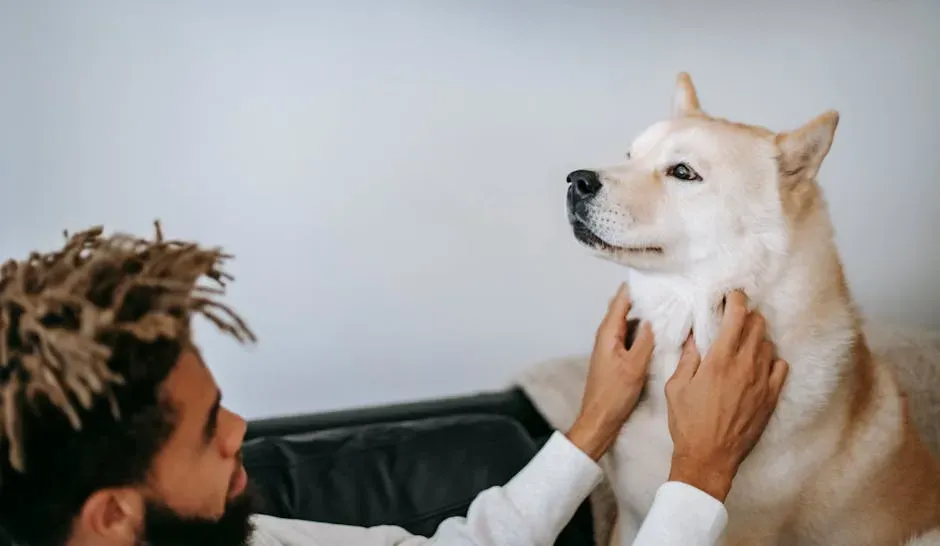
There’s a difference between being around your dog and actually being present with them. You can spend a full day in the same house and still have your dog feel like you’re barely there. Sometimes life gets busy and dogs don’t get as much attention as they deserve. Reconnecting can be as simple as going for a walk, playing their favorite game, or just sitting together. The key is to be fully present and engaged.
Boredom can lead a dog to act distant or be disinterested in you, as they’ve had to seek their fun elsewhere. If you’re not being any fun to be around, it’s not surprising that their mood might switch off. That’s a fairly direct assessment, and an honest one. Dogs don’t maintain affection in a vacuum. They build it through shared experience.
When a dog considers you its family or pack leader, it is in their nature to try to please you. Even if you’re not speaking the same love language, you will come to notice the things they do for you, like bringing gifts, walking by your side, or lying in the same room as you while you’re relaxing at home. Regular play, training, and calm companionship are what keep that connection alive. Without them, it gradually fades.
#10 Missing the Signs That Something Is Physically Wrong
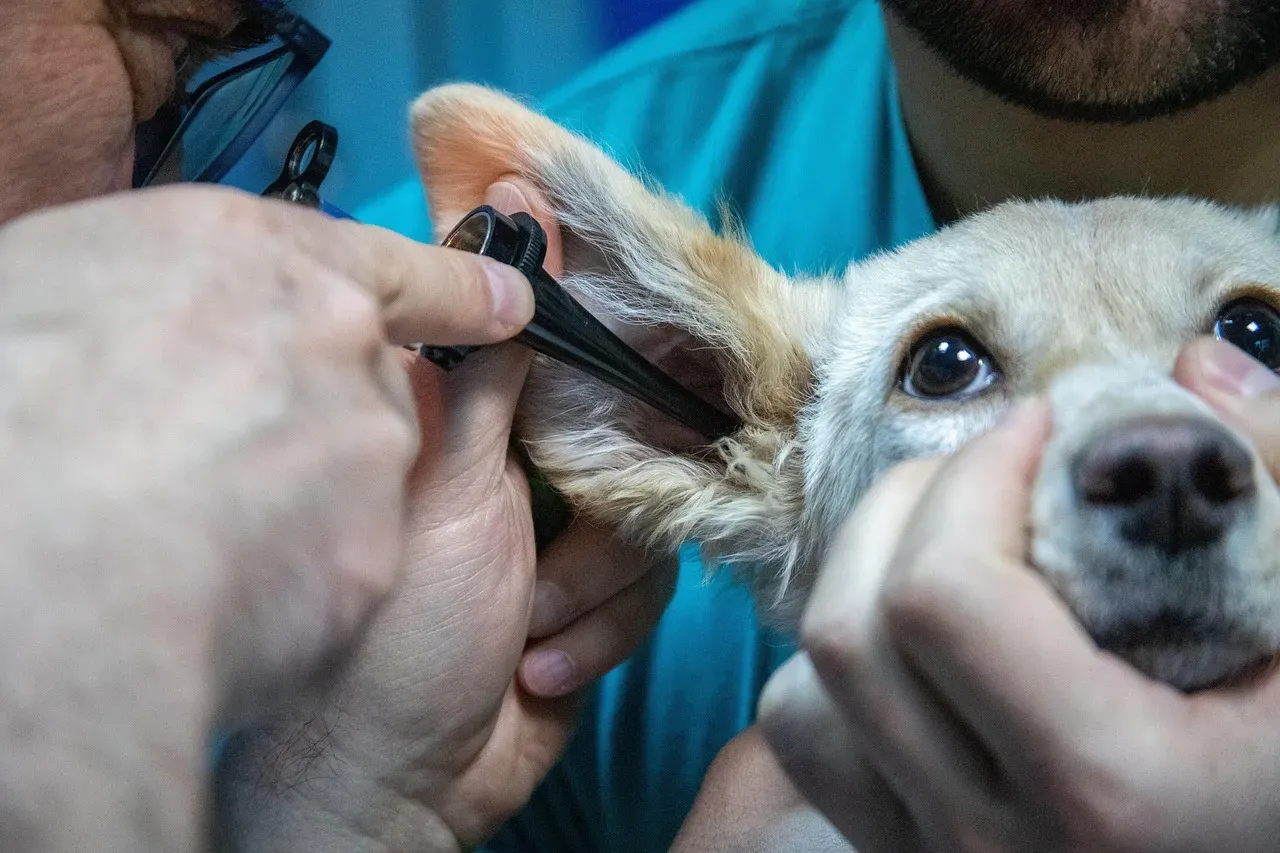
Sometimes a dog pulling away from affection has nothing to do with the relationship at all. It has to do with pain. When your dog is in discomfort, uncomfortable, or ill, they may appear distant. It is not always clear when a dog is in pain, but a high proportion of behavior problems or unwillingness to engage can simply be because the dog just doesn’t feel great. Owners often interpret this as an emotional shift when it’s actually a physical one.
If your dog once was cuddly and suddenly isn’t, consider this a sign that something could be wrong. Any major changes in your dog’s behavior or activities may warrant a trip to the veterinarian to make sure there are no other issues, such as an illness or injury. Common health issues that could cause a dog to appear distant include joint pain from conditions like arthritis or hip dysplasia, which can cause chronic discomfort and reluctance to engage in physical activities or interact with their owners.
If your dog’s behavior has suddenly changed, the first step is to visit your vet. Pain or illness could be the root cause of their actions, and addressing it can bring back their cheerful, affectionate self. Too many owners search for emotional explanations when the answer is sitting with their vet. A dog that has been treated for the right physical condition often becomes visibly warmer and more cuddly within weeks. Always rule out physical pain before assuming behavioral causes.
The Bond Is Yours to Build or Break
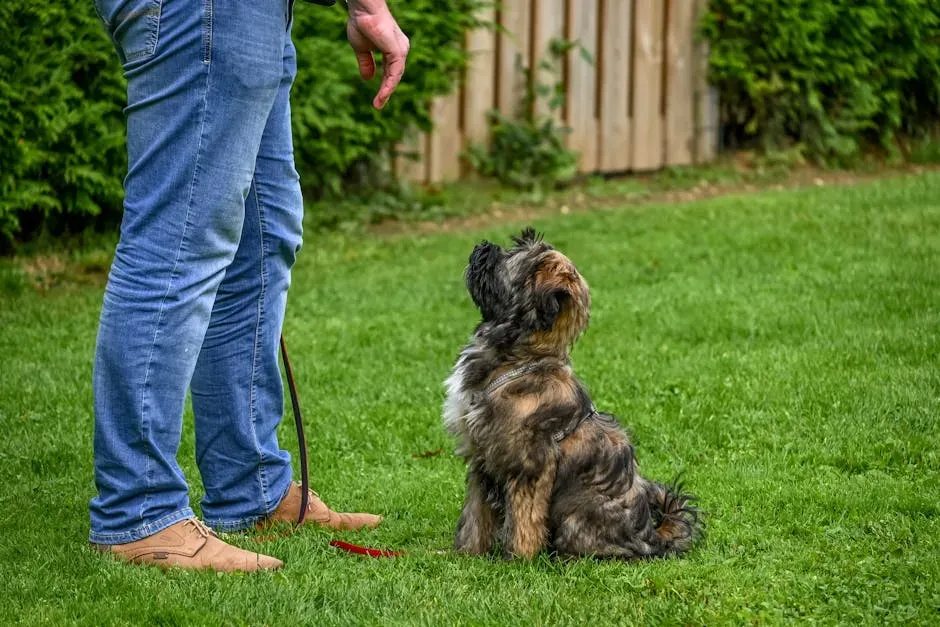
Here’s what this list really comes down to: dogs are remarkably forgiving, but they’re not infinitely patient. They adjust to what we consistently show them. If we consistently show them unpredictability, restraint, or inattention, they learn to keep their guard up. If we show them clarity, presence, and respect for how they communicate, they open up.
With patience and encouragement, you can almost always get your dog to grow more fond of you. As long as you are kind and respectful to your dog, they will learn that you’re a safe person to be around and should eventually begin showing you signs of affection in their own way. None of this requires perfection. It requires attention.
The dogs that are most openly affectionate aren’t necessarily the ones who were born that way. They’re the ones whose owners learned to listen. Every small adjustment you make based on what your dog is actually telling you is a deposit into an account that pays back in loyalty, warmth, and the kind of companionship that’s genuinely hard to find anywhere else.


