
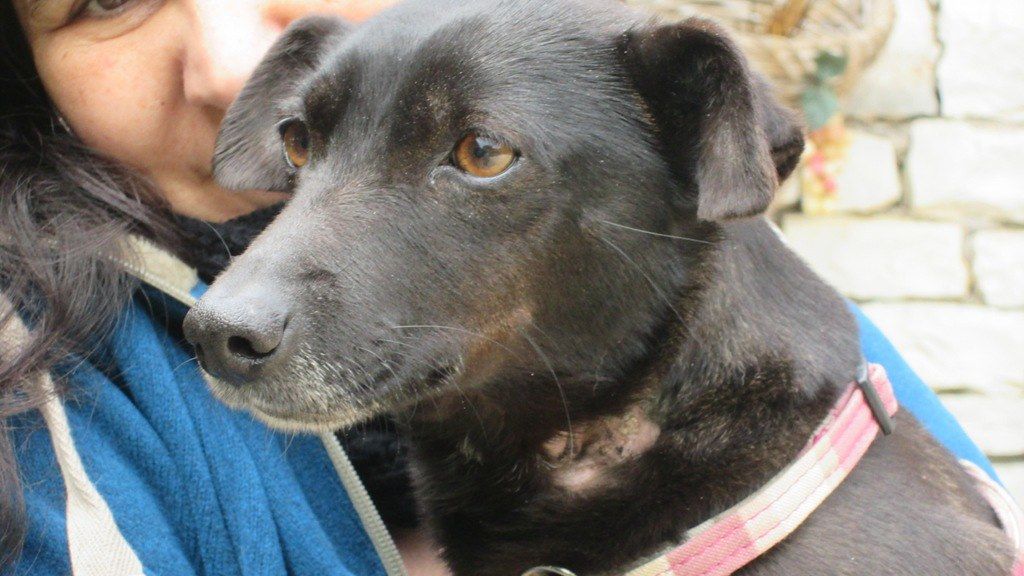
There’s a specific kind of heartbreak that only dog owners know. It doesn’t arrive all at once. It creeps in quietly on an ordinary Tuesday, when your dog doesn’t rush to the food bowl the way they used to, or when they just stare at their leash instead of spinning with excitement. You start to wonder whether what you’re seeing is just aging, or something more.
Death is a highly individual experience for all living beings, but there are some common signs people can look for when their dog is old or ill. The hardest part is that our dogs can’t speak to us in words. They communicate entirely in body language, behavior, and the quiet subtleties that only someone who truly knows them can read. This article is for every pet parent who suspects their beloved companion may be approaching that invisible threshold, and who wants to understand what those signs actually look like.
#1: They’ve Lost Interest in Food and Water
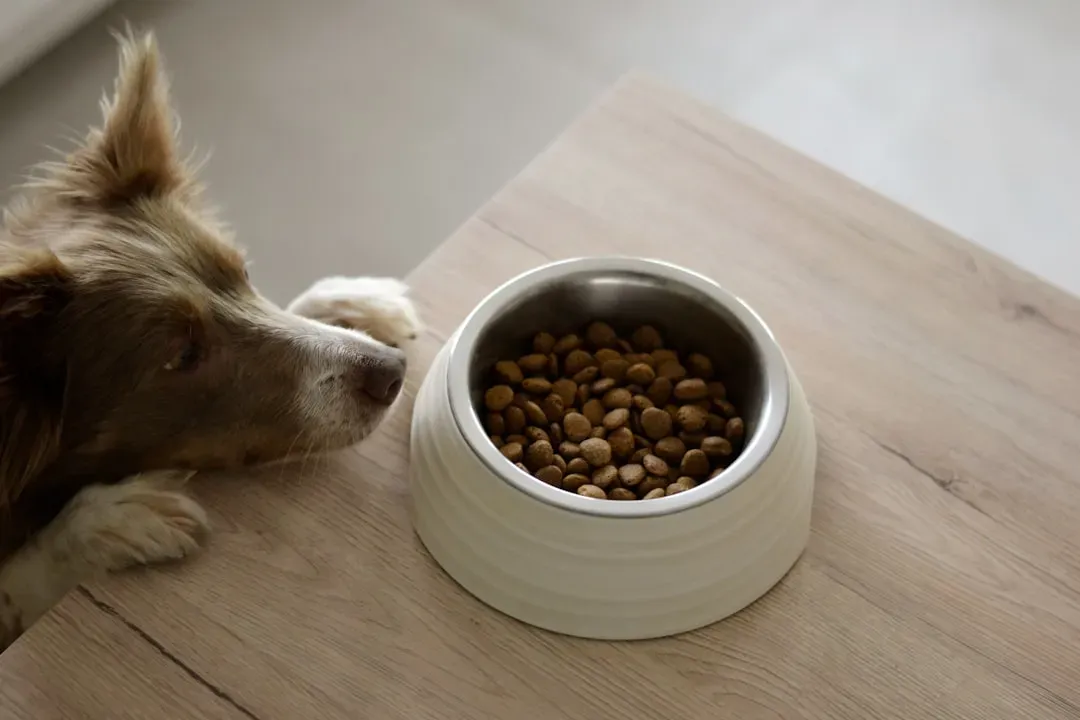
A loss of interest in food and water is one of the most noticeable signs your dog is approaching the rainbow bridge. It’s not just finicky eating or skipping a meal here and there. This is a sustained, deep disinterest in things that used to bring pure joy, like treats tossed across the floor or the sound of a bowl being filled.
Dogs stop eating and drinking as their organs begin shutting down, so there’s no longer a sensation of hunger or thirst. Extreme weight loss can occur from not eating or changes in metabolism, and dogs in pain are less likely to want to eat, which only compounds the weight loss further. When the appetite fades and doesn’t return, your vet’s guidance becomes more essential than ever.
#2: Extreme Lethargy and Sleeping Far More Than Usual

Dogs nearing the end of their life often become extremely lethargic, spending most of their time sleeping or lying down and showing little interest in activities they once enjoyed. The dog who used to bound to the door at the jingle of your keys may now barely lift their head when you walk in. That shift, quiet and gradual, is worth paying close attention to.
Your dog will be very tired and weak, sleeping more than usual. You may also notice altered sleep patterns, with sleeping more during the day and becoming restless at night being one of the most common end-of-life signs in dogs. If this change feels sudden or pronounced, a veterinary visit can help you understand whether it signals something treatable or something deeper.
#3: Withdrawal and Seeking Solitude
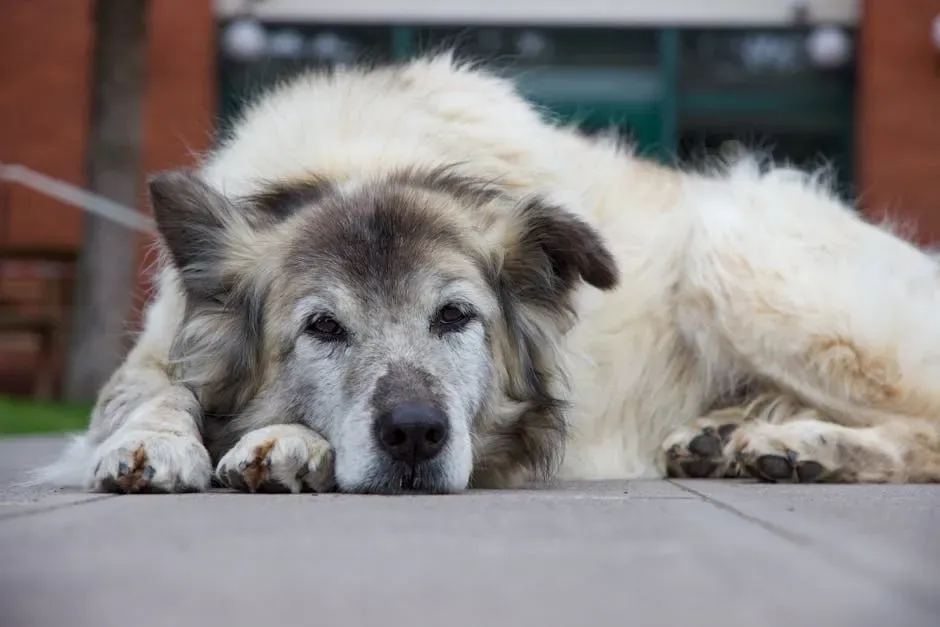
There is a common belief that many animals know when their time is coming to an end and will increasingly seek solitude, hiding or withdrawing from family members and seeking quiet, undisturbed places. It’s an instinct as old as the species itself. Your dog, who used to follow you from room to room, may now choose a corner of the house you rarely visit.
This may be due to an instinctual behavior passed down from their ancestors, or some pet parents like to believe it is their pet’s way of sparing them the sadness of what is about to happen. Dogs look for solitude because they do not want you to feel their pain. Whether it’s instinct or something more, it deserves to be recognized for what it often is: a gentle, wordless goodbye.
#4: Labored or Irregular Breathing

As the body slowly shuts down, it is common to observe changes in breathing patterns, and this can begin weeks or days before the dog dies. Breathing may be labored and shallow, or light and irregular with long pauses between breaths. If you’re sitting next to your dog and find yourself counting the seconds between each inhale, trust that instinct to seek guidance.
Breathing slows progressively, and the pause between breaths becomes longer. Near the end, breaths may come minutes apart after the dog loses consciousness. Some of the most worrisome signs are the inability to breathe normally and eat or drink. Any notable change in your dog’s breathing pattern should prompt a conversation with your veterinarian without delay.
#5: Loss of Mobility and Difficulty Moving

Loss of mobility is often one of the most heartbreaking signs of a pet’s decline. Simple tasks like getting up and lying down become a major struggle, and you may see your pet pace for long periods, trying to summon the courage to lie down, knowing the pain they will experience. The dog who used to leap onto the couch now struggles to rise from the floor.
Falls become more frequent and can be violent, especially as a pet loses muscle mass, and while mobility aids and pain medications can provide temporary relief, a pet’s inability to ambulate independently seriously compromises their quality of life. Particularly in a dog’s golden years, walking may become difficult due to stiffening or arthritic joints. This loss of physical independence, more than almost anything else, reshapes a dog’s day-to-day dignity.
#6: Incontinence and Loss of Bodily Control
At some point during the dying process, a dog will often become completely incontinent, sometimes relieving themselves while unconscious and having no awareness of it at all. This is not a behavioral issue, nor is it something your dog can control. It’s a physiological reality of the body shutting down, and it should be met with patience and compassion rather than frustration.
A dying dog progressively loses control over bodily functions and might even have accidents where they sleep and lie. Good nursing is crucial at this point so that your dog does not develop sores secondary to urine or feces that come in contact with their skin. Keeping your dog clean and dry during this time is one of the most direct ways you can offer comfort and preserve their dignity.
#7: Visible Confusion, Disorientation, and Restlessness

Restlessness is a common sign that the body is preparing to pass on. It presents as an inability to settle down and the appearance of being uncomfortable. A dog may pace around or spin in circles, and this stage is sometimes thought of as a conflict between the mind and the body, one being ready to go but the other clinging to life. It’s disorienting to watch, and deeply difficult not to try to fix.
A dog may become less responsive to their name or loud noises, indicating a decline in auditory perception, and may bump into objects or have difficulty navigating familiar surroundings, suggesting a decline in eyesight. You may also observe behavioral changes like confusion, clinginess, or self-isolation alongside signs of depression or anxiety. When your dog seems lost in the very home they’ve known for years, it’s a signal that something significant has shifted.
#8: More Bad Days Than Good Days
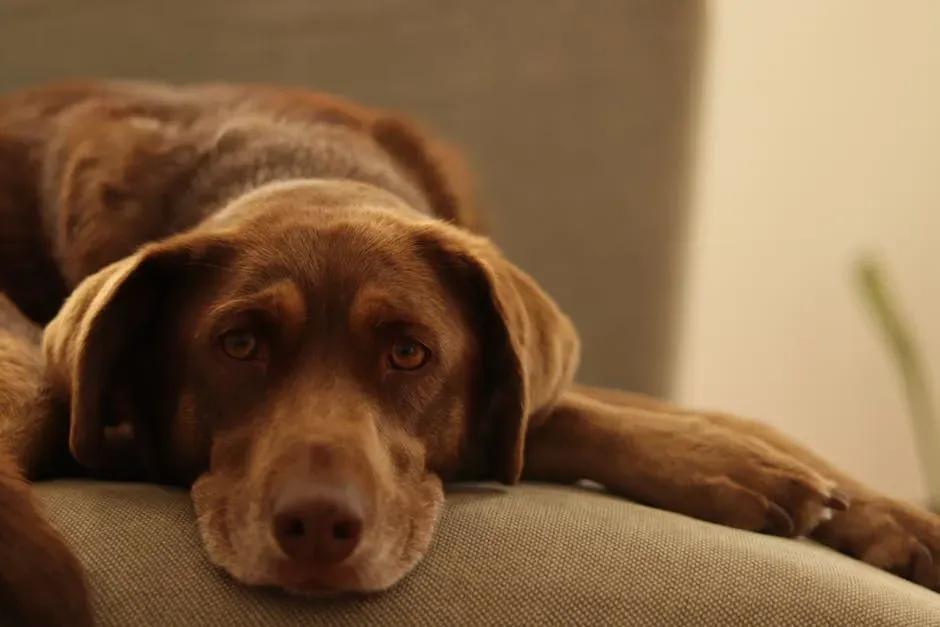
Veterinarians suggest counting the good and bad days. If your dog has more bad days than good, it might be time. This is perhaps the most honest and human framework for one of the hardest decisions a pet owner will ever face. It doesn’t require medical expertise, just honest, loving observation of the dog you know better than anyone.
Consider whether your dog is experiencing more difficult days than good ones and evaluate whether they can still enjoy basic pleasures and maintain dignity. If multiple indicators suggest declining quality of life despite appropriate care, it may be time to consider this final act of love. Euthanasia may be considered when a pet is experiencing a chronic serious illness, injury, or a significantly diminished quality of life, with the goal of preventing further pain and unnecessary suffering. No one can make that call for you, but you don’t have to make it alone.
A Final Thought
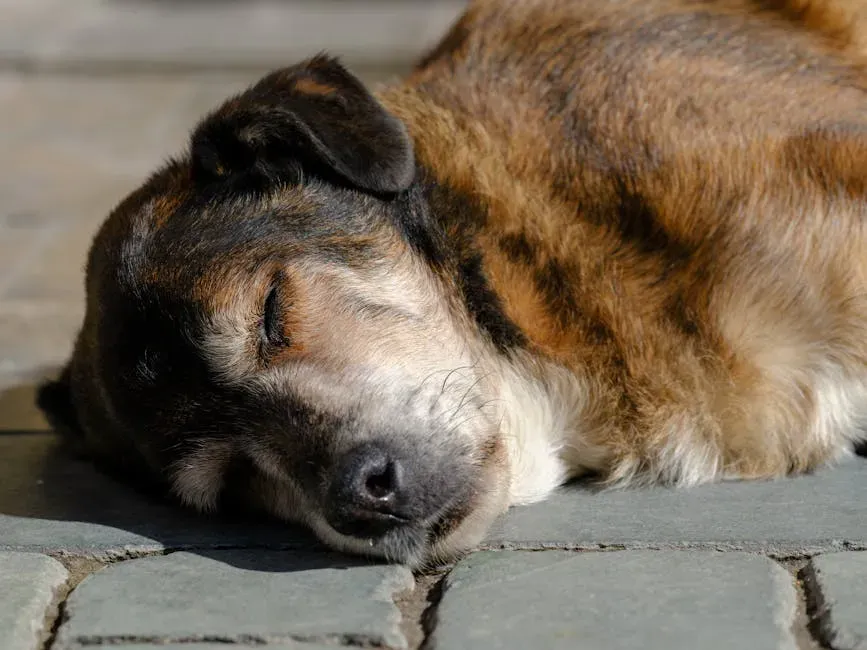
Grief that comes before a loss is real, and it’s among the most quietly brutal experiences a person can carry. There’s no perfect timeline, no single sign that definitively answers the question every dog owner eventually asks. The decision about euthanasia timing is deeply personal and should be made based on your dog’s individual circumstances, your family’s values, and professional veterinary guidance. There’s rarely a single right moment, but rather a window of time when it becomes the most loving choice available.
Choosing euthanasia is never about giving up. It is about protecting a cherished pet from suffering when medicine can no longer restore comfort or dignity. It is one final act of love, placing their peace and comfort above your own heartbreak.
Your dog has spent every year of their life asking nothing of you except presence and love. Giving them a peaceful, dignified ending, whenever that moment comes, is simply the last way you get to give that back. They crossed into your life without hesitation. Helping them cross the Rainbow Bridge, if and when the time comes, is a gift only you can give.


