
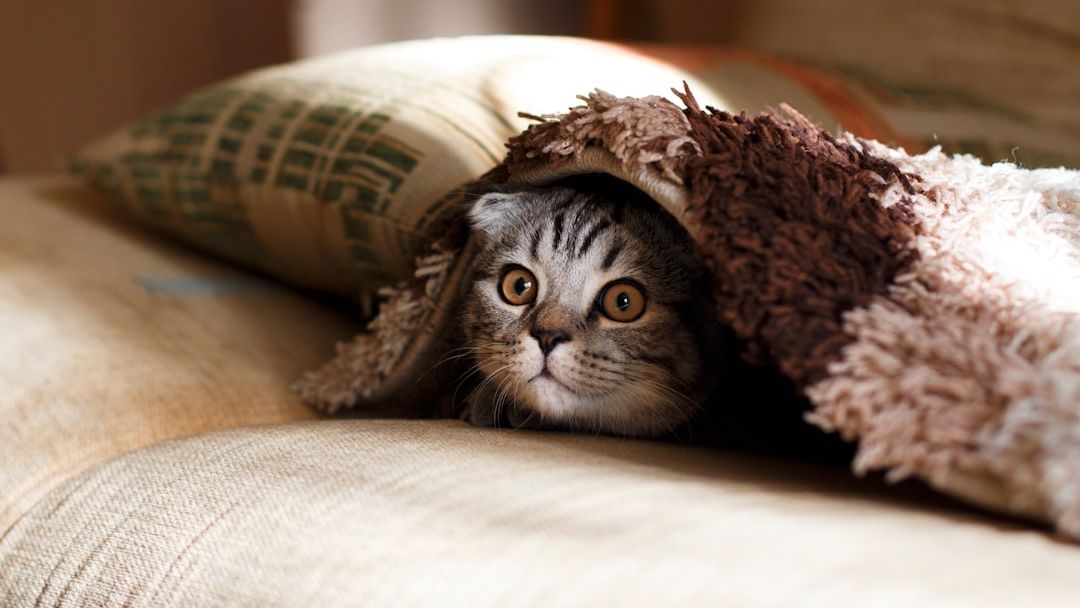
Cats are, by nature, extraordinarily good at keeping secrets. That perfect poker face, those slow deliberate movements, the way they settle into a sunbeam and look utterly unbothered, it’s all part of a very old survival strategy. In the wild, showing weakness invited danger. So even after thousands of years of domestication, cats still carry that instinct deep in their DNA. They do not ask for help. They just quietly endure.
Cats are naturally skilled at masking discomfort, a survival instinct passed down from their wild ancestors. This makes recognizing pain in senior cats especially challenging, and by the time symptoms are noticeable, your cat may have been uncomfortable for months. If you share your home with an older cat, that reality is worth sitting with. The signs are there. You just have to know where to look.
#1: A Sudden Decline in Grooming or Obsessive Licking in One Spot
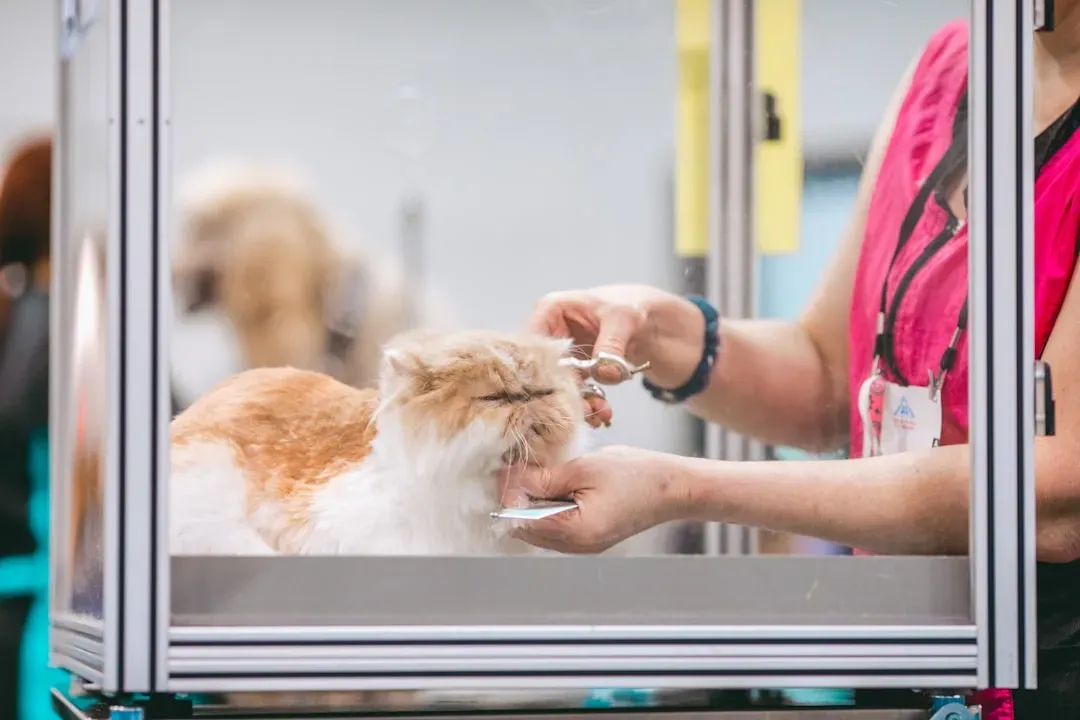
One of the most common pain-associated behavior changes seen in aging cats is a decrease in grooming and self-care. Cats are, by nature, extremely finicky about keeping themselves clean. So when a normally meticulous cat starts looking a little rough around the edges, that’s not just vanity slipping. It’s a signal worth taking seriously.
Osteoarthritis is one of the most common chronically painful conditions in cats, affecting more than ninety percent of cats ten years of age and older. Spinal arthritis makes it uncomfortable to twist and turn, so grooming the body, especially the hind end, becomes difficult. Osteoarthritis in the lower spine and hips can make the area over the pelvis and upper rear legs tender. When grooming those areas becomes painful, the cat simply stops taking care of its coat. The areas that go ungroomed become matted, and the cat develops an overall unkempt appearance.
Conversely, an increase in excessive licking or grooming of a specific area could indicate localized pain, irritation, or even an attempt to soothe themselves. Sometimes cats with chronic bladder issues will start to groom their belly, or cats with arthritis will begin to groom their rump or not want to be touched on their rump. Both extremes, too little grooming and too much in one spot, deserve attention from a vet.
#2: Changes in Litter Box Behavior
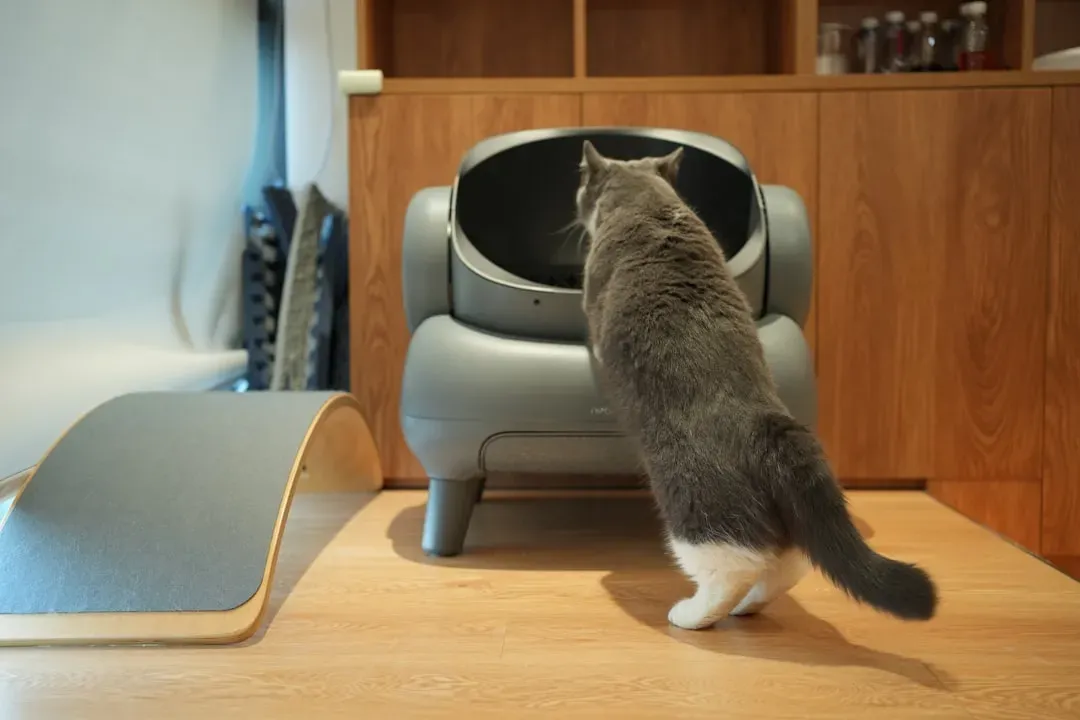
Cats are famously clean and tidy, and that usually includes their litter box habits. They like having a discreet place to eliminate, and most cat litter makes the litter box an attractive destination. If your cat has consistently used the litter box appropriately and suddenly begins missing the box or eliminating in other areas of the house, pain should be considered as a potential explanation.
When cats have lower back or hip pain, climbing into and out of a litter box can be a terrible experience. Even worse are covered litter boxes, where the top of the opening can come into contact with the cat’s back. In this situation, a cat will often go to the litter box but refuse to go into it. The cat may choose instead to eliminate near the litter box or in the same room. It’s easy to misread this as a behavioral or hygiene issue, but in senior cats it’s far more likely to be physical pain making the whole process miserable.
Senior cats are prone to urinary and gastrointestinal issues that can manifest as changes in litter box habits. Spending extra time in the box, straining, or even having accidents outside of it can signal pain or discomfort. Increased litter box visits are also worth noting, as these may indicate conditions like internal organ dysfunction, cystitis, constipation, or a urinary tract infection. When in doubt, a vet check is the only way to know for certain what’s driving the change.
#3: Reduced Mobility and Reluctance to Jump
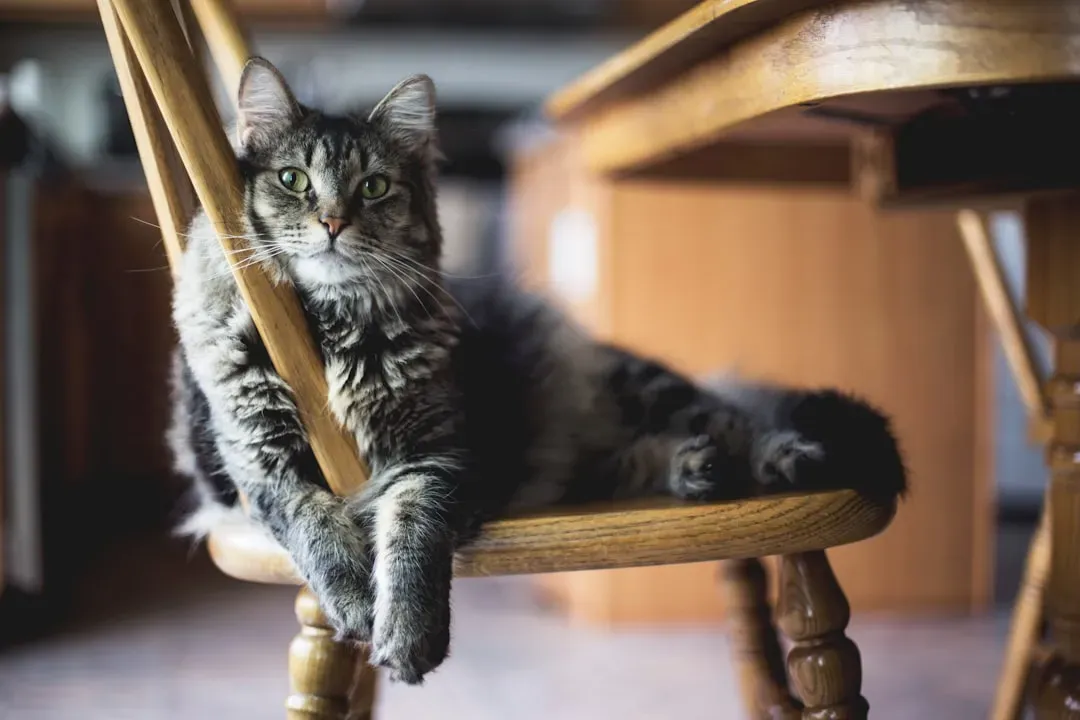
While it’s normal for older cats to be less playful, a sudden drop in activity or reluctance to jump or climb could be due to arthritis or another pain-related condition. Watch for signs of stiffness, limping, or hesitancy with steps and elevated surfaces, as these changes often indicate discomfort. The key word here is “sudden.” A gradual slowdown over years is one thing. A cat who used to leap effortlessly to the windowsill and now won’t even try is telling you something specific.
Cats that once jumped up on furniture, counters, and windowsills, but now either do not jump or ask to be lifted, may be in pain and need closer evaluation. One of the measures of a successful pain management protocol in senior cats is, in fact, the return of jumping behavior. That’s a surprisingly useful benchmark to keep in mind.
A significant decrease in overall activity, reluctance to jump onto furniture they once easily accessed, or difficulty navigating stairs can all point to musculoskeletal pain, common in arthritic joints. Conversely, a sudden burst of frantic activity like pacing or restlessness can also indicate discomfort. Cats with arthritis may move slowly, avoid stairs, or show stiffness after resting, and you may also notice difficulty grooming and hesitant behavior during play.
#4: Personality Shifts, Increased Hiding, or Unusual Vocalizations
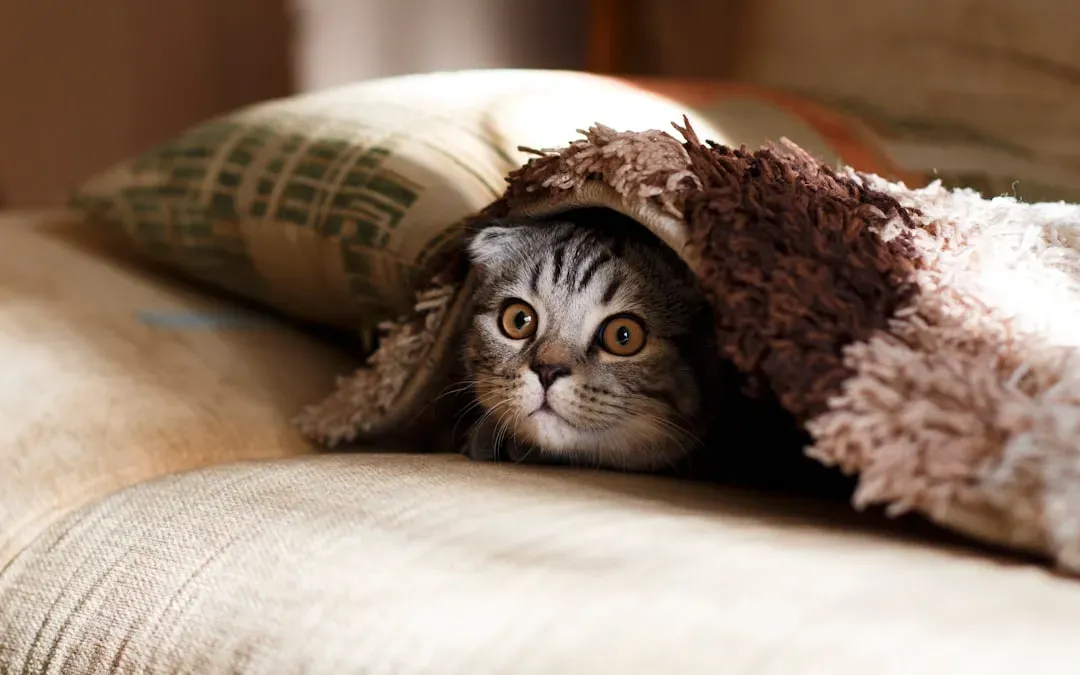
Many times pain will be manifested more subtly. You’re not often going to find a cat yowling or crying in pain. Most of the time, what you’ll find is that they’re not as interactive, and they tend to hide more. For a cat who used to greet you at the door or curl up beside you on the couch, this withdrawal can be genuinely heartbreaking to witness. It can also be very easy to chalk up to “just getting old.”
Senior cats experiencing pain, discomfort, or confusion may become more vocal or even irritable. They may withdraw from interaction, showing signs of depression or disinterest in their usual routines. Any medical or degenerative illness that causes pain, discomfort, or decreased mobility, such as arthritis, dental disease, thyroid dysfunction, cancer, impaired sight or hearing, or urinary tract disease, can lead to increased sensitivity and irritability, increased anxiety about being touched or approached, and increased aggression.
While most cats are generally quiet, persistent purring can sometimes be a sign of self-soothing in pain, not contentment. Other vocalizations like low moans, hissing when touched, or unusual, prolonged meows can also indicate discomfort. Older cats may vocalize excessively for a number of reasons, including disorientation, loss of hearing, and pain due to one or more medical conditions. If your cat’s vocal patterns shift noticeably, that change deserves a conversation with your vet.
#5: Changes in Appetite, Weight, or Posture
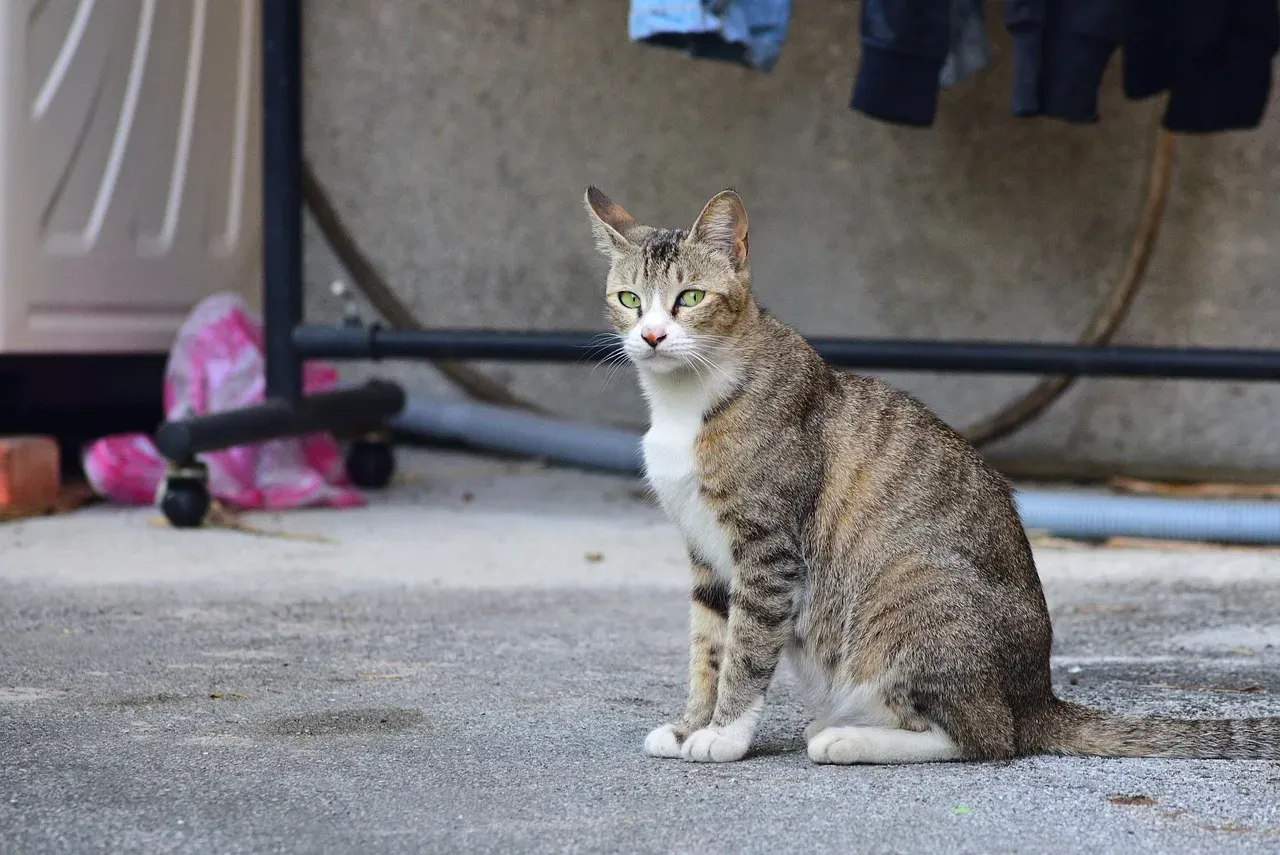
A sudden decrease in appetite or reluctance to eat, especially hard kibble, could signal dental pain or nausea related to kidney disease or other internal issues. Increased thirst can be a sign of kidney disease or diabetes, both of which can cause discomfort. Dental disease is extremely common in older cats and can hinder eating and cause significant pain. It’s a condition that often goes unnoticed because cats still try to eat through it for as long as they can.
A cat with abdominal pain may have a hunched back, tucking in their abdomen in a protective posture. You may also notice a cat being protective of a certain area of their body, not wanting to be touched or scratched, and they may also limp or hesitate to put weight on a sore limb. A stiff or unusual gait, a head held lower than usual, or a reluctance to stretch out fully can all be signs of discomfort.
In older cats, particularly those with chronic pain and reduced activity, you might notice a loss of muscle mass, especially over their hindquarters or along their spine. A cat in pain might frequently shift positions, struggle to settle down, or seem unable to find a comfortable resting spot. These physical signs are often the body’s quiet way of communicating what your cat simply cannot say out loud.
What You Should Do Next
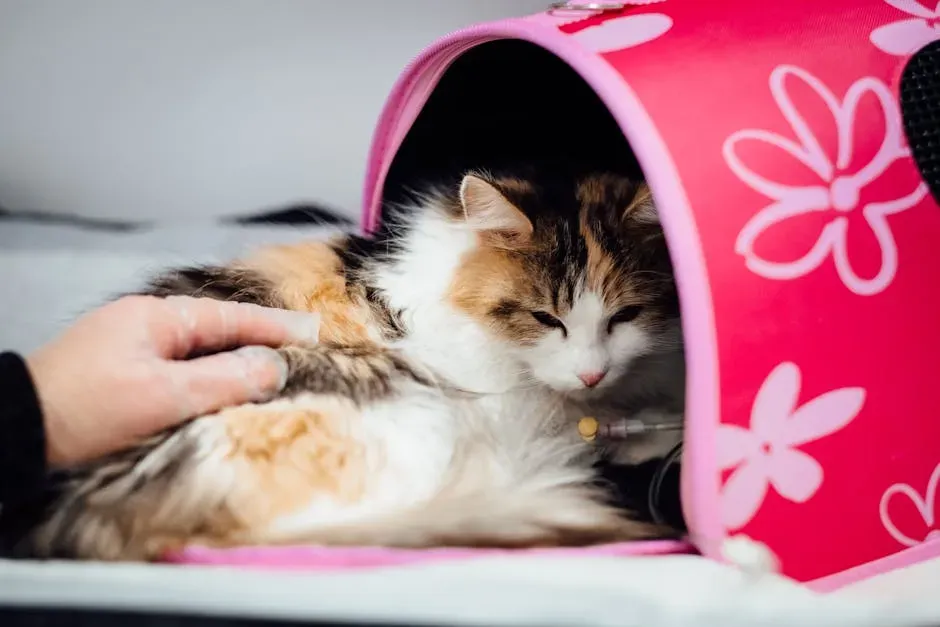
Don’t assume that your cat is “just getting old” and that nothing can be done to help her. Many changes in behavior are signs of treatable medical disorders, and there are a variety of therapies that can comfort your cat and ease her symptoms, including any pain she might be experiencing. That’s an important point. Pain management for senior cats has genuinely advanced, and a diagnosis is not the end of the road.
Early detection of pain in senior cats can significantly improve their quality of life. Regular veterinary check-ups can catch issues before they become more serious, making treatment more effective. Your vet can offer solutions for pain management, which may include medications, dietary changes, or lifestyle modifications to ensure your cat’s comfort and well-being. Only veterinarian-approved medications and supplements are safe. Human pain relievers like ibuprofen or acetaminophen are toxic to cats and should never be used.
Be prepared to provide a detailed account of the changes you’ve noticed, no matter how subtle they seem. Consider keeping a log of behaviors or changes in your cat’s movement or posture, as your cat may mask their symptoms during the vet visit. Your veterinarian will conduct a thorough physical examination, potentially including blood work, urinalysis, X-rays, or other diagnostics to identify the underlying cause of the pain.
The truth is that your senior cat trusts you completely, even while hiding everything. That quiet, composed exterior isn’t strength. It’s an ancient reflex. Your awareness, your willingness to notice the small things, is the one advantage your cat has over that instinct. Catching pain early isn’t just good veterinary practice. For a creature who can’t ask for help, it’s the closest thing to an act of love.


