
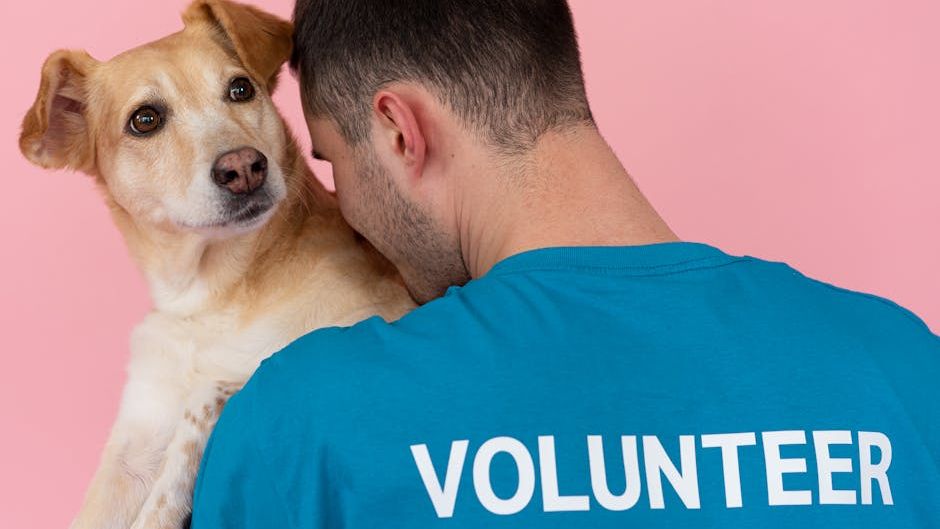
There’s something quietly extraordinary about watching a rescue dog take its first real breath of safety. Not the physical kind, but the emotional exhale that comes when a frightened, uncertain animal finally begins to believe that the world might be okay after all. People often wonder how much a dog actually carries from its past. The answer, it turns out, is more than most of us expect.
Rescue dogs don’t remember their past the way humans recall memories, but that doesn’t mean their experiences disappear. Instead, those experiences shape how they respond to the present, influencing trust, comfort, and behavior in subtle ways that unfold over time. That process of unfolding is where something remarkable happens. It’s where kindness gets written into a dog’s brain in ways that last for life.
#1 The First Gentle Voice They Ever Heard
Sound is one of the first things a dog processes when it enters a new space, and the emotional weight of a voice goes far deeper than most people realize. When a person speaks, their pitch, rhythm, accent, and emotional tone become part of a dog’s multisensory memory. Over time, they even recognize familiar words, and the more they hear a familiar voice, the stronger the neural pathways for recognition.
For a dog that’s spent time in chaos or silence, a calm voice is transformative. Long after visual details fade, a dog can recall how safe, excited, or uneasy someone made them feel. That first soft greeting from a kind human doesn’t just comfort in the moment. It gets encoded as a reference point, something the dog returns to emotionally again and again.
#2 The Safety of a Predictable Routine
Dogs, especially those from unstable backgrounds, thrive on routine. Consistent feeding, walking, and training schedules provide a sense of security and predictability, helping to reduce anxiety. For a rescue dog that spent months never knowing what came next, a predictable structure isn’t just comfortable. It’s genuinely healing.
Routine gives rescue dogs a sense of control. When meals, walks, and rest happen in a reliable rhythm, the brain relaxes and stops scanning for danger. Over time, the dog begins to associate your home with safety rather than survival. That shift, from survival mode to relaxed presence, is one of the most profound things kindness can offer a rescued animal.
#3 The Human Who Didn’t Rush Them
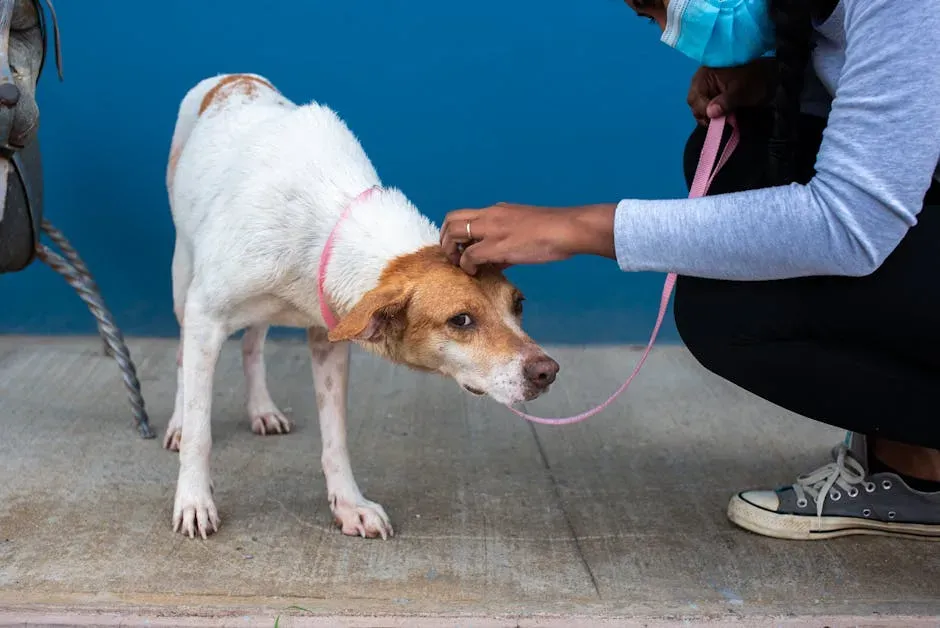
Patience isn’t passive. For a rescue dog with a complicated past, someone who waits without pressure communicates something powerful: you don’t have to perform to be safe here. Bonding with a rescue dog takes patience, compassion, and consistency. By creating a stable environment, using positive reinforcement, and offering gentle guidance, you help your rescue dog feel secure and loved.
Every rescue dog carries a different emotional timeline. Some settle in within weeks, while others take months to fully exhale. There is no right pace, only progress built on patience and consistency. The human who understands this and respects it earns a kind of trust that simply can’t be rushed into existence.
#4 The First Touch That Felt Safe
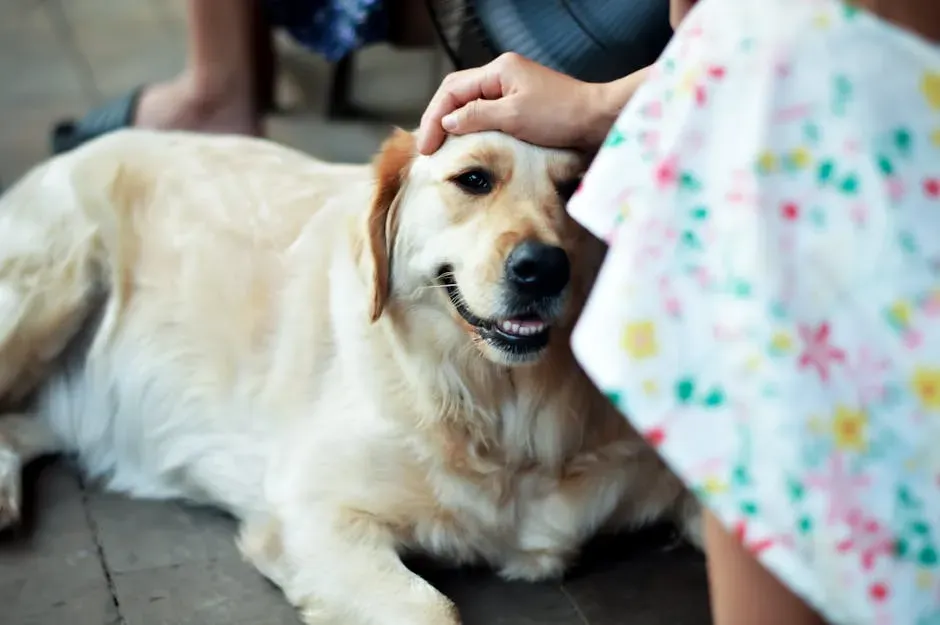
Touch is deeply loaded for a dog that’s experienced unpredictability or harm. Most rescue dogs retain fragments of their past in the form of emotional patterns. They may remember whether humans were predictable or unpredictable, whether meals arrived regularly, or whether touch was comforting or overwhelming. So when a gentle hand finally reaches out without threat, it registers on a neurological level that goes beyond the moment.
Animals have the capacity for neuroplasticity, meaning their brains can form new connections based on positive experiences. Each act of kindness, every gentle pat, calm word, and patient moment, helps rewrite their neural map, reducing fear and increasing oxytocin, the hormone of love and bonding. It is in these small, consistent acts that trust begins to grow.
#5 The Smell of a Person Who Made Them Feel Safe
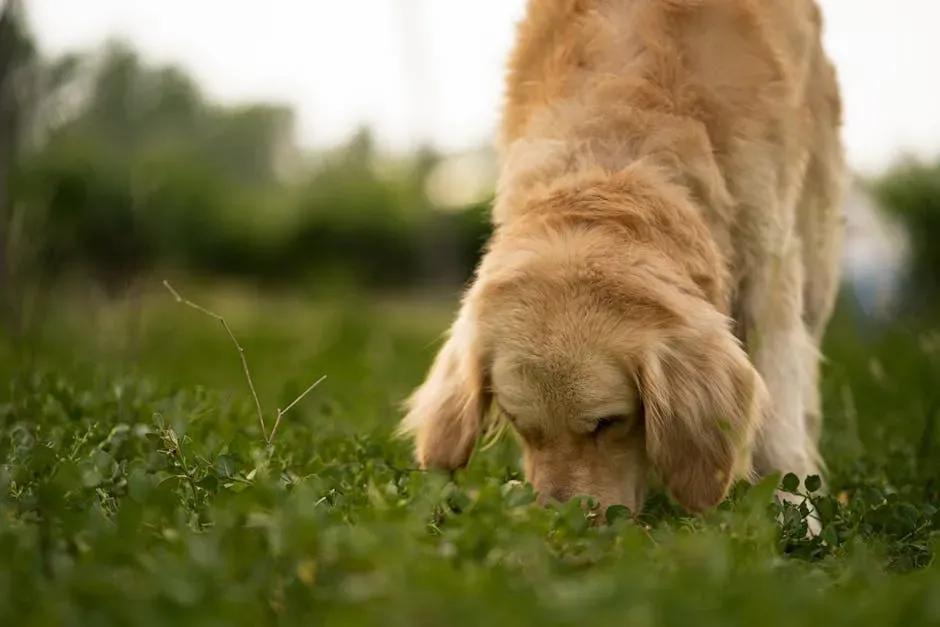
A dog’s nose carries an almost incomprehensible amount of emotional information. A dog’s sense of smell is estimated to be 10,000 to 100,000 times more powerful than a human’s. The average dog has 100 million scent receptors compared to five to six million in the average person and a much larger part of the brain dedicated to smell. This isn’t just a navigational tool. It’s how they know who to trust.
Smell also plays a huge role. A familiar scent can spark recognition even when visual memory fades. This is why some rescue dogs seem instantly soothed by certain environments or unexpectedly uneasy in others. The scent of a kind person, of a safe home, of a favorite blanket gets stored not just as a neutral memory but as an emotional anchor.
#6 The Moment Someone Chose Them

There’s something a rescued dog seems to carry about the moment someone chose them from among all the others. When you adopt a stray dog, you gain unconditional love. Unlike pets from breeders, rescued dogs often form incredibly strong bonds. Because they remember the hard times, they value the good even more.
Many rescue dogs have experienced trauma or neglect, and adopting them can be a deeply rewarding experience. By giving these dogs a second chance at a loving home, adopters often find themselves feeling a profound sense of fulfillment and connection. The act of rescuing and rehabilitating a dog can also foster a strong, mutually beneficial bond, as both the dog and the adopter experience growth and healing together. Being chosen, it turns out, is something a dog’s whole being seems to remember.
#7 The Kindness of Strangers Along the Way
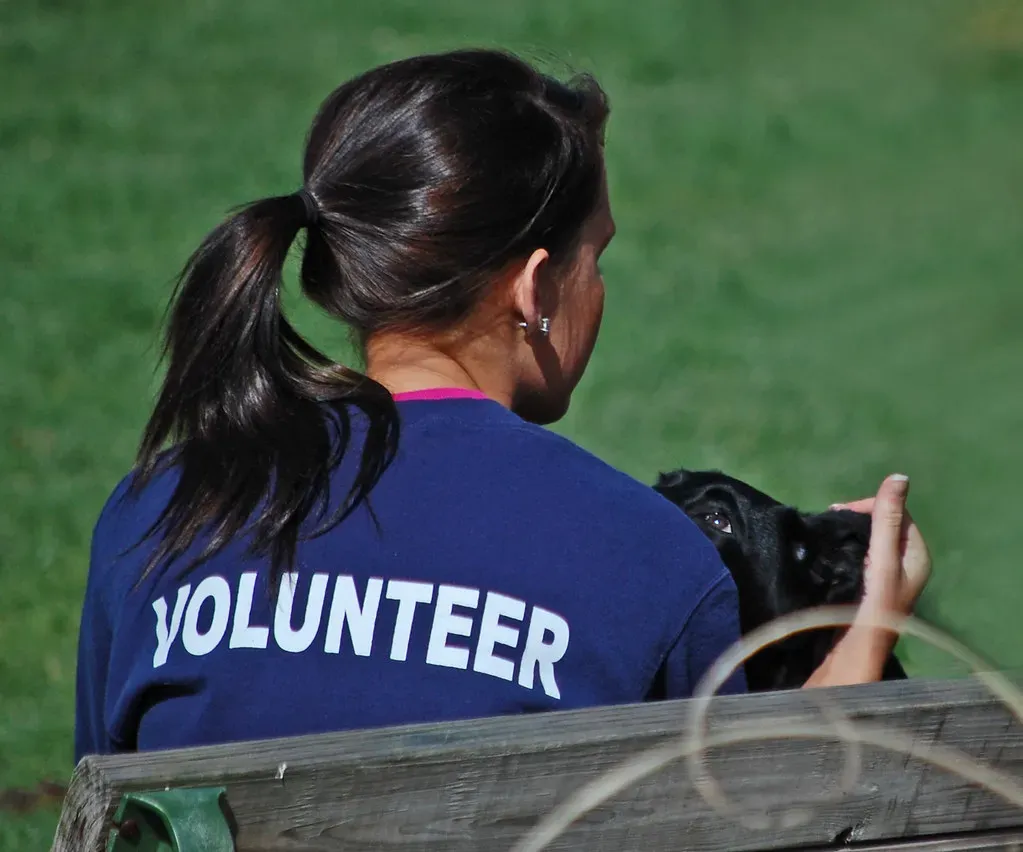
Not every act of kindness in a rescue dog’s story comes from a forever family. Shelter volunteers, foster caregivers, and veterinary staff often leave impressions that carry forward. Even brief interactions can leave a lasting impression if they’re emotionally meaningful, while strong bonds may be remembered for life. A few moments of calm handling from a shelter worker can lay the groundwork for the trust a new owner builds on later.
It doesn’t take long for animals to settle in and learn the routine when their needs are met. When they are provided with regular, consistent, predictable positive interactions and pleasant activities, they know what to expect and can adapt to the routine. They feel good, and when they do, it helps the animals around them feel good, too. Every kind stranger is part of the story, even if they never know it.
#8 Being Allowed to Set the Pace
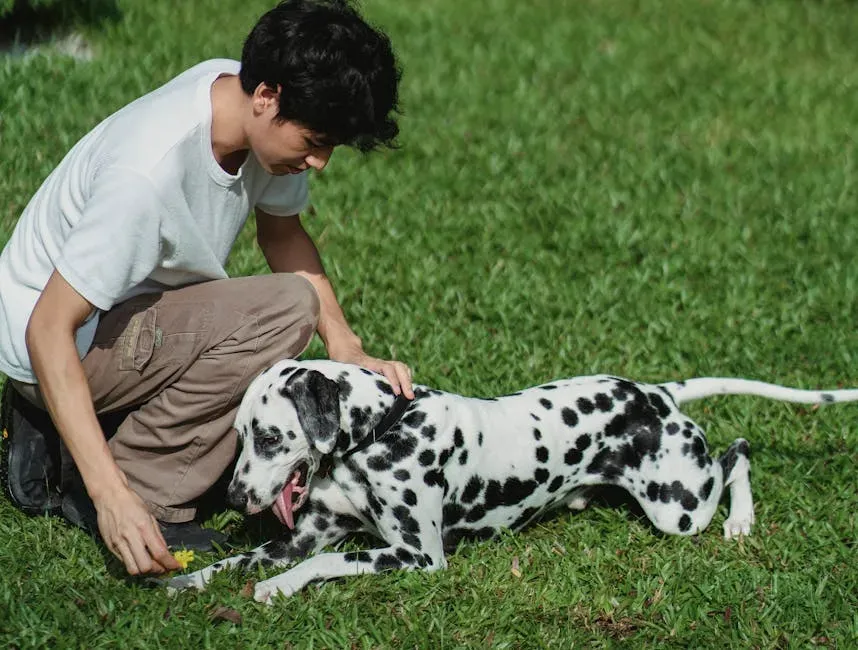
One of the most overlooked acts of kindness is letting a frightened dog decide when to approach. Body language can speak volumes. Avoid sudden movements or leaning over your dog, as this may feel threatening. Kneeling or sitting down to their level creates a sense of comfort and approachability. For a dog accustomed to feeling cornered, being given space to choose is quietly revolutionary.
When a rescue dog chooses to investigate rather than retreat, it means their brain is no longer dominated by past associations. That choice, the move toward rather than away, is a milestone built entirely on the accumulated kindness of people who respected the dog’s need to come at its own speed. It’s not a small thing.
#9 Positive Reinforcement Over Punishment
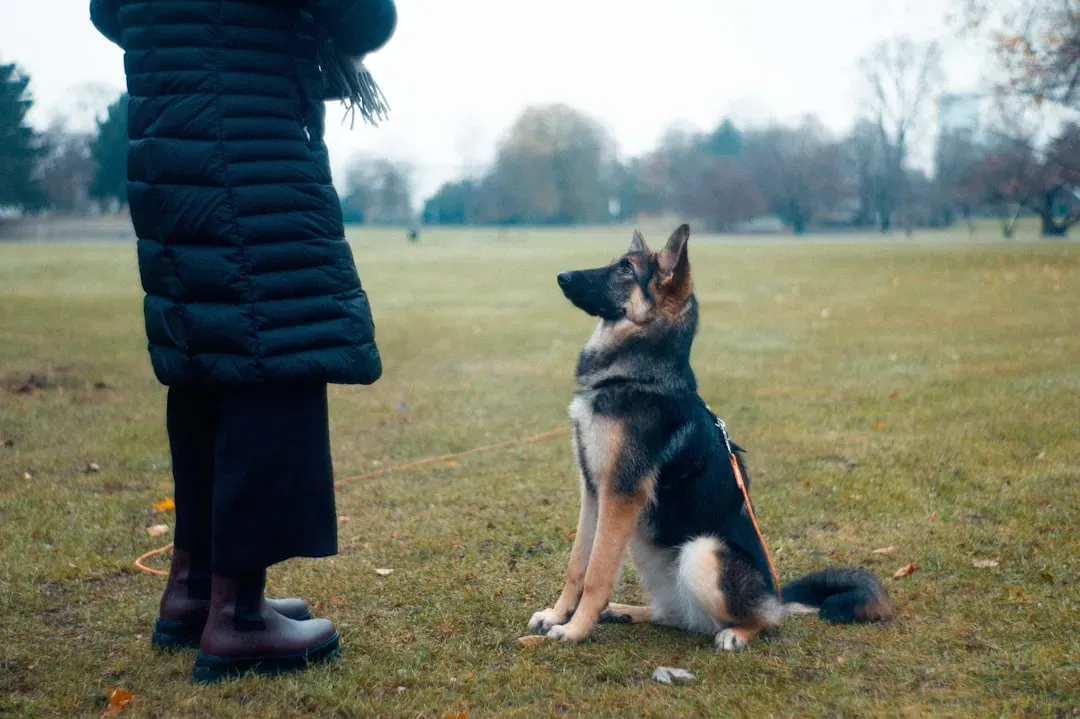
Positive reinforcement is especially important for rescue dogs who may be sensitive to negative stimuli. Rewarding good behavior with treats, praise, or gentle petting helps build a foundation of trust and encourages the dog to repeat positive actions. Negative reactions can damage the bond and increase fear. Redirecting unwanted behavior and rewarding positive actions is the more effective path.
Rewarding small steps, such as approaching voluntarily, eating from a hand, or tolerating gentle touch, helps the dog form new, positive associations. This technique, called counter-conditioning, retrains the animal’s brain to link formerly frightening stimuli with safety and pleasure. A rescue dog terrified of leashes may initially freeze or growl, but through patient exposure using treats and praise, the dog eventually learns that the leash predicts something joyful. That rewiring is a direct result of human kindness in practice.
#10 The Warmth of Being Seen
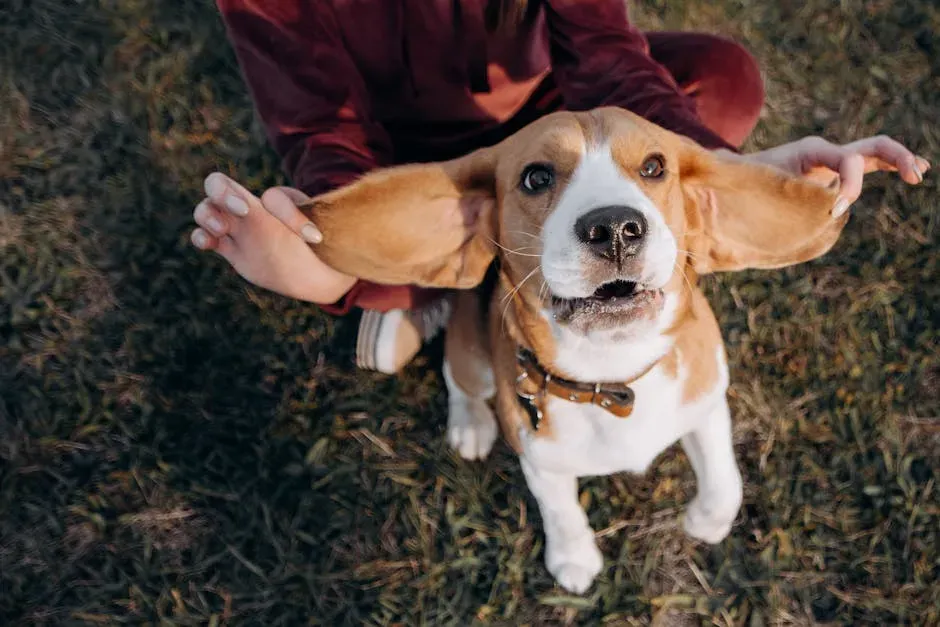
It’s one thing to provide food and shelter. It’s another to actually see a dog, to notice what makes it nervous, what brings its tail up, what it needs on a particular morning. Dogs remember people primarily through a mix of emotions and sensory cues. How a dog feels after meeting you determines how they’ll remember you. The person who truly pays attention creates a memory that outlasts any single interaction.
Reading subtle animal cues helps build emotional intelligence and intimacy on both sides. Perceiving needs in another being kindles compassion and listening. We shed armored isolation. Learning an animal’s unique gestures of hunger, joy, fear, or curiosity builds skills for relating authentically. Being seen is its own form of love, and dogs don’t forget it.
#11 A Safe Space That Was Truly Theirs

Having a designated safe space, such as a crate or a quiet room, allows the dog to retreat and relax when they feel overwhelmed. For a dog that’s lived in environments where no space was reliably safe, having a corner of the world that belongs to them carries enormous emotional weight. It’s not just furniture. It’s a message.
The journey toward healing begins with creating a sense of safety, for without safety, no creature can heal. Consistent routines, gentle tones, predictable feeding schedules, and quiet environments all communicate security. Over time, this structure teaches the pet that life is no longer unpredictable or dangerous. A dog that has its own safe retreat learns to regulate itself, which is the foundation of a genuinely settled life.
#12 The Consistency of Someone Who Showed Up Every Day
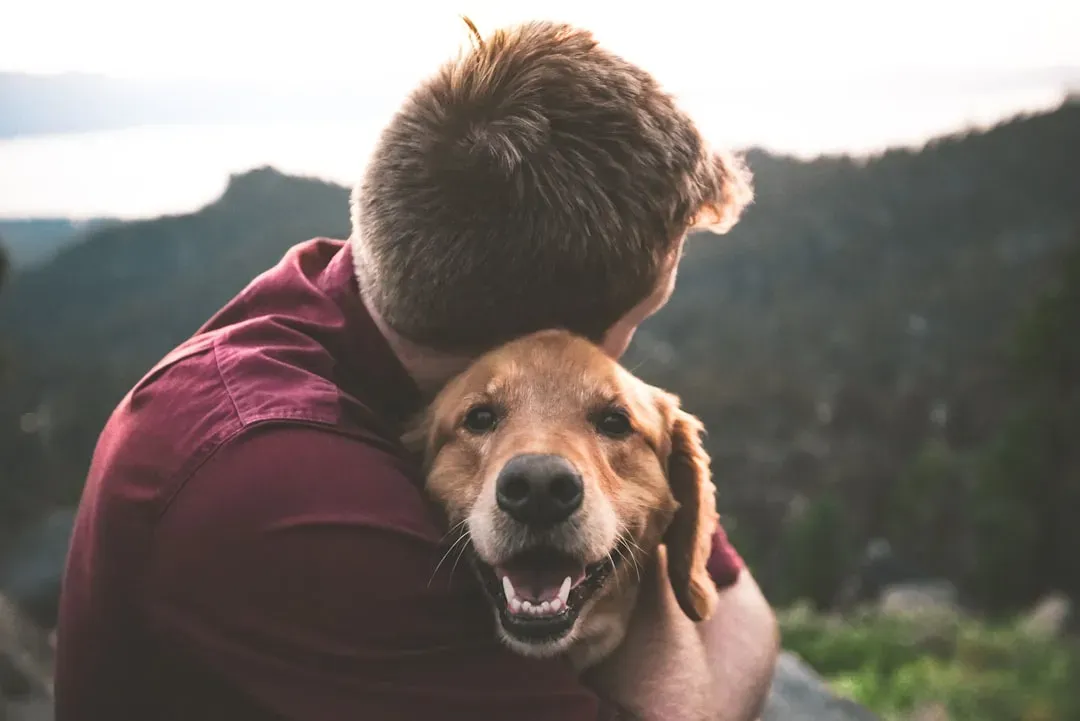
Strong emotional bonds based in scent, voice, routine, and repeated positive experiences last a lifetime. The person who shows up every single day, who feeds, walks, plays, and simply sits nearby, builds something deep. Not through grand gestures, but through the quiet arithmetic of repeated presence that a dog’s brain translates into permanence.
A rescue dog who once lived in chaos may arrive guarded, but consistent routines and gentle handling slowly teach them that the present is different from the past. Positive reinforcement accelerates this process. Day by day, the weight of the old life lightens. As emotional memories fade, the dog may start sleeping more deeply, exploring new rooms, or initiating play. These are signs that the nervous system is settling and the present feels safe.
#13 Healing Through Play
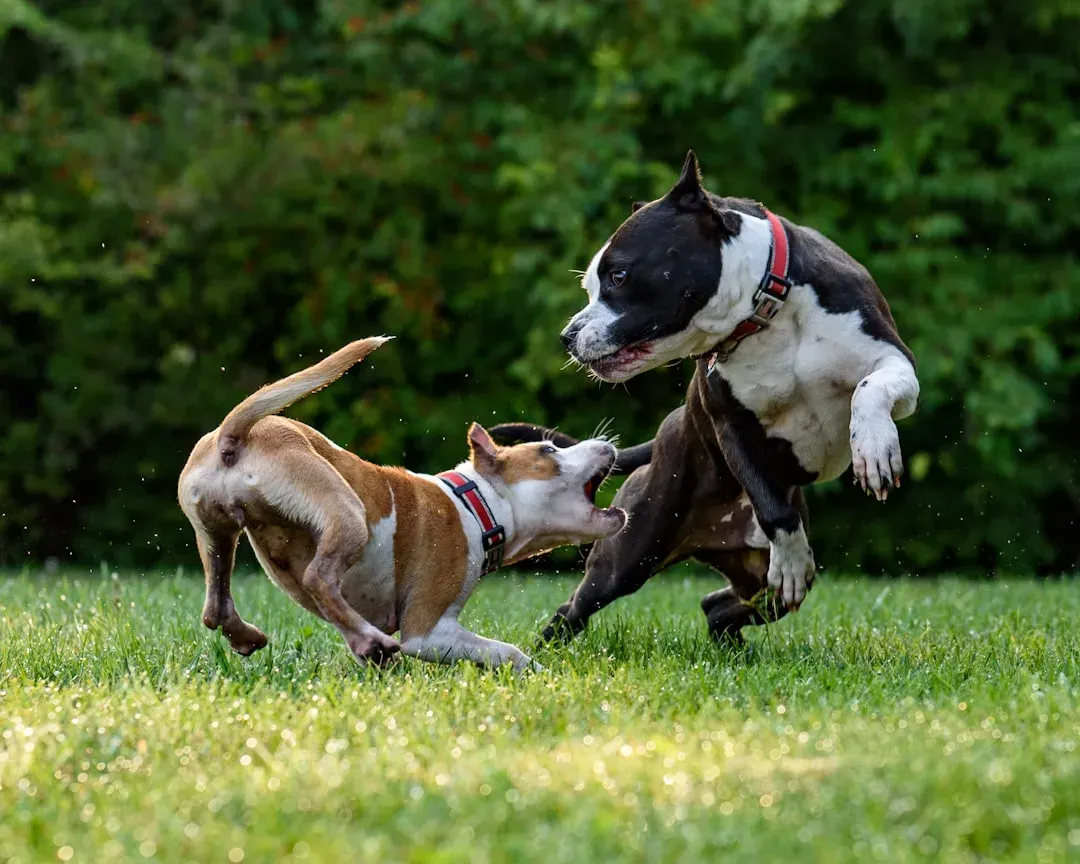
Play might seem trivial in the context of trauma recovery, but for a rescue dog, it signals something profound. It signals that safety is real enough to let go for a moment, to be silly, to chase something without fear. Interactive play with toys like tug ropes, puzzle toys, and fetch games engages a dog’s mind and body. Simple agility exercises can help build trust as they navigate new challenges with support.
For dogs, emotional needs typically include the ability to engage in species-typical behaviors such as chewing, regular opportunities to play, exercise, and engage in mentally stimulating activities. When a rescue dog finally plays freely without hesitation, that’s not just a behavioral milestone. These are emotional breakthroughs. The transformation of a traumatized pet into a confident, loving companion is a testament to resilience and trust.
#14 The Bond That Changed Them Both

Many people say that rescuing a dog saved them in return. That’s because the emotional impact of dog rescue goes both ways. You fill a need in each other’s lives. While the dog gains security, you gain purpose. You feel needed, valued, and emotionally fulfilled. The bond that forms between a human and a rescue dog isn’t one-sided. It’s a genuine two-way transformation.
Research in psychology and mental health shows that dogs can help with trauma recovery, provide steady grief support, and create a sense of safety that makes it easier to manage overwhelming emotion. The healing bond between humans and dogs works on every level, emotional, biological, and neurological, proving that dogs are true partners in human psychology and recovery. A dog remembers the person who changed its life. Quietly, it’s very likely they changed yours too.
#15 That the World Can Be a Kind Place After All
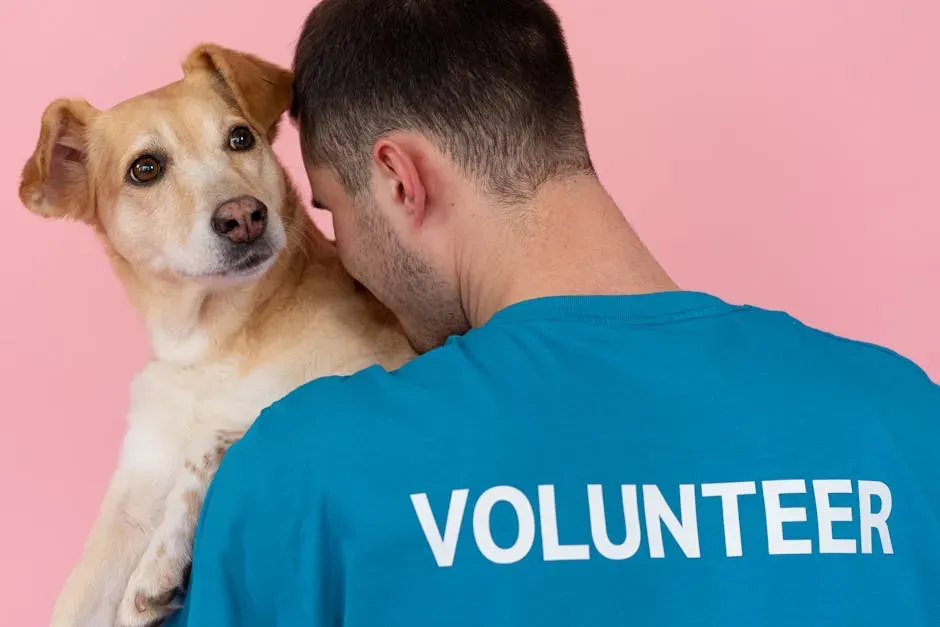
The beautiful truth is that dogs live very much in the present. While the past may influence them, it does not trap them. Every act of kindness a rescue dog experiences is essentially a vote cast in favor of the present over the past. Enough of those votes, cast consistently and gently, eventually tip the scale.
Trauma may shape behavior, but it does not define destiny. Every rescue pet carries within it a capacity for renewal. It only needs the right environment to bloom. For dog lovers, the takeaway is simple and reassuring: kindness, consistency, and positive energy matter. When a rescue dog finally stops bracing for the worst and simply lives, that’s the memory of every kind human who helped get them there.
A Final Thought Worth Sitting With
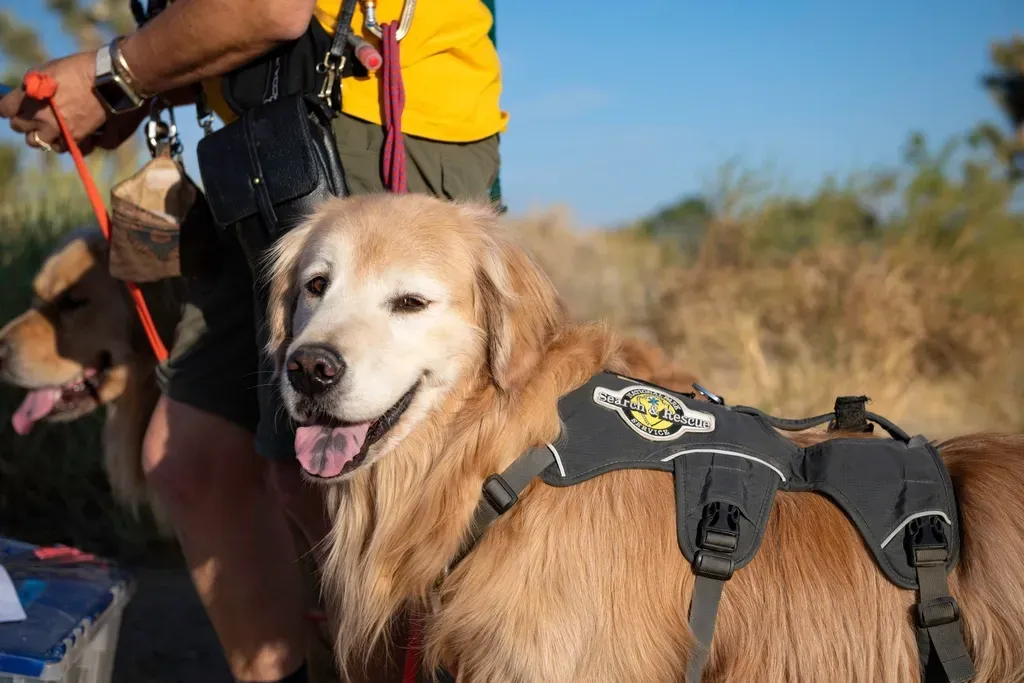
We often talk about rescue dogs as if they’re the fortunate ones, the lucky animals that made it out. That framing isn’t wrong, but it misses something. These are animals that survived the absence of kindness and still chose, cautiously and courageously, to trust again. That’s not a small thing. That’s one of the bravest acts in the natural world.
The science is clear and so is lived experience: repeated positive emotional experiences that form the basis of emotional bonds make the memory indelible. When a person or people consistently makes a dog feel safe and loved, the dog’s brain releases oxytocin, which strengthens the neural pathways that make a dog remember. In the end, kindness isn’t just remembered by rescue dogs. It’s the thing that rebuilds them.
If you’ve ever loved a rescue dog, or been loved back by one, you already know this at a level no article could fully capture. Some truths are better felt than explained.


