
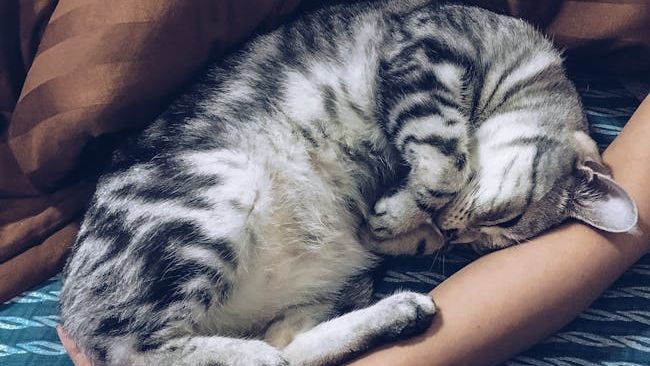
Most people assume that if a cat tolerates you, that’s about as good as it gets. Those people have never earned the full trust of a cat. There’s a surprising world of difference between a cat that merely puts up with your presence and one that is genuinely, deeply at ease around you. The shift is real, observable, and quietly remarkable.
Cats are wired for caution. Trust is crucial in animal-human relationships, and since cats communicate differently than people do, figuring out how your feline actually feels can be tricky. Cats tend to be more wary and cautious, which leaves many owners wondering whether their cat truly loves them or feels safe around them. The good news is that when emotional safety does take root, cats don’t hide it. They express it through a collection of consistent, observable behaviors that have been documented and studied across feline behavior research.
What follows are ten of the most telling genuinely safe. Some of them will surprise you.
#1. The Slow Blink That Says “I Trust You”
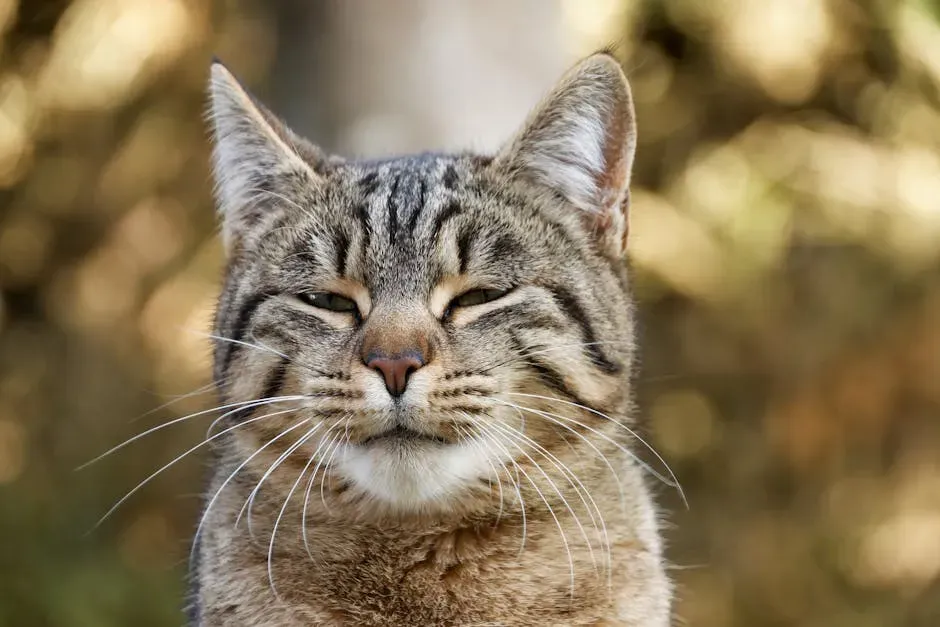
Few gestures in the animal world are as quietly intimate as a cat holding eye contact with you and then slowly, deliberately, closing their eyes. Often called the “love blink,” a cat’s slow blink is a calm, deliberate closing and opening of the eyes that signals trust and safety. It’s one of the clearest subtle signs your cat trusts you, showing that your presence feels predictable and nonthreatening. When your cat softens their gaze, narrows the eyes, and lingers in that half-closed moment, they’re telling you they feel secure.
Predators avoid limiting their vision around threats, yet your cat willingly does exactly that around you, showing genuine confidence in your presence. You’ll often see relaxed whiskers, an easy posture, and a quiet tail alongside the blink, all reinforcing the same message. The best part? You can blink back. International Cat Care explains that cats use the slow blink as a friendship signal, showing they feel calm and safe. Try it. The response you get might just be one of the most satisfying moments in cat ownership.
#2. Sleeping Out in the Open
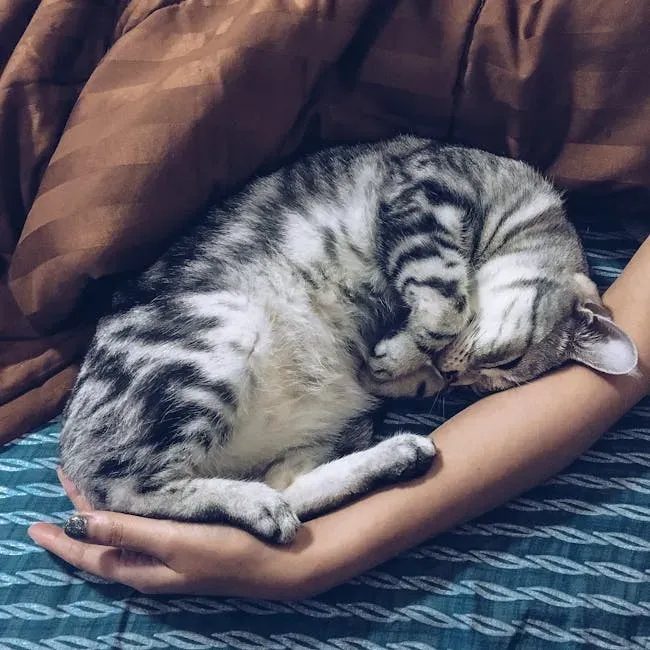
Cats are most vulnerable when they sleep, so their chosen nap spots reveal a great deal about their trust in you. If your cat dozes peacefully in open areas like the middle of the couch, your bed, or even the sunny spot in the hallway, it’s a strong sign . A cat that hides to sleep is a cat that’s still on guard.
Not all cats like to sleep around their humans. Sleep is a vulnerable state, so if a cat chooses to sleep on or pressed against you, it is one of the deepest signs your cat trusts you and feels comfort. Those kitty cuddles carry a much deeper meaning as they show emotional security. Cats are experts at finding secluded napping spots, but when they feel completely safe, they’ll often sleep right out in the open on the couch, the bed, or even the middle of the floor. That sprawled-out nap in the most inconvenient location? Pure trust.
#3. Kneading, Also Known as “Making Biscuits”
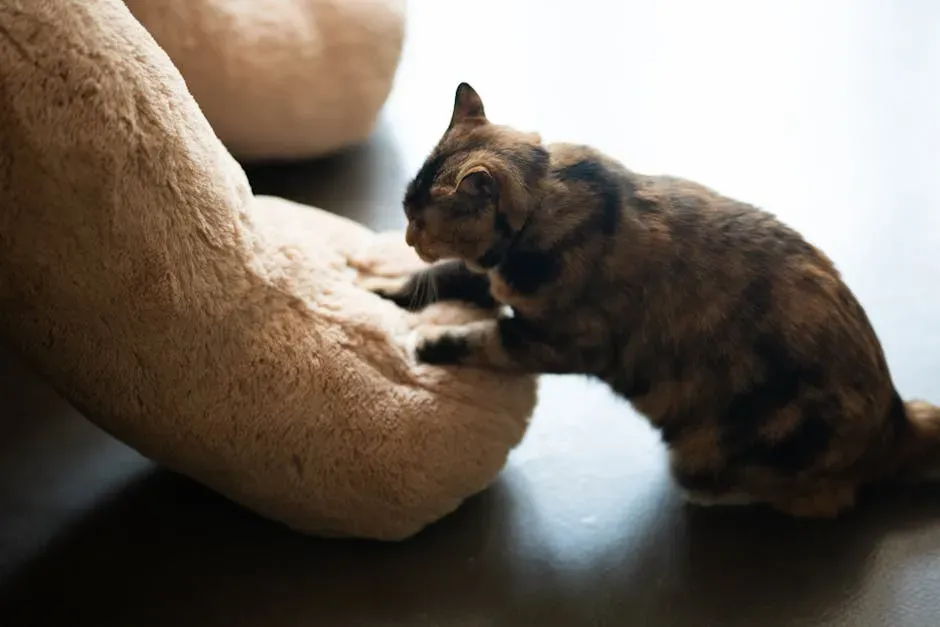
That rhythmic motion of pressing paws into soft surfaces, often called “making biscuits,” is a leftover behavior from kittenhood. Cats knead their mothers to stimulate milk flow, but adult cats only do this when they feel extremely safe and content. If your cat kneads your lap, a cozy blanket, or even your stomach, it’s a sign that they associate you with comfort and warmth.
One theory is rooted in instinct: as nursing kittens, the kneading motions stimulated milk production and release from the mother cat, resulting in the kittens feeling nourished, satisfied, and secure. As they age, cats repeat this behavior when they’re feeling content and happy, often while sitting on your lap, on blankets, or in other safe areas. Some cats even purr or drool while kneading, letting you know just how happy and secure they feel. It doesn’t get much more wholehearted than that.
#4. Purring in Your Presence
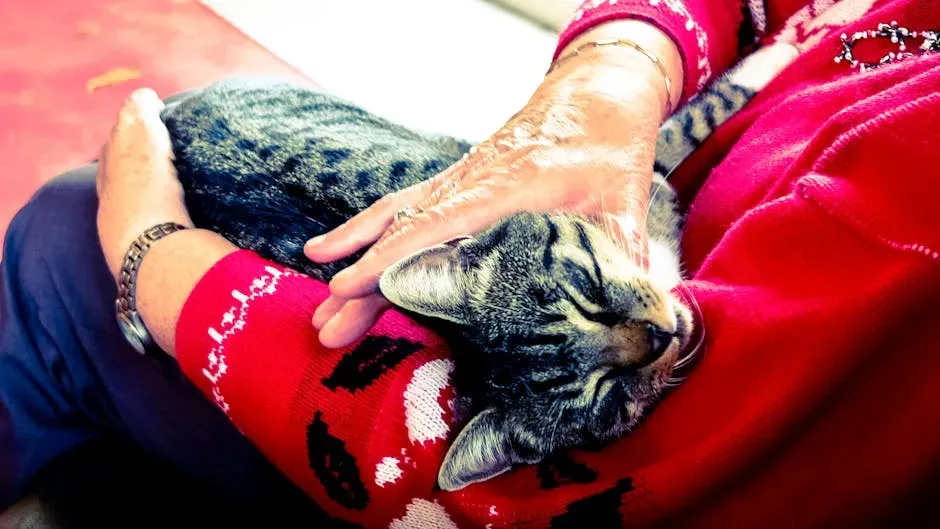
One of the most heartwarming sounds a cat makes is purring. In an emotionally safe environment, cats tend to purr more frequently and for longer periods. Purring is not just a sign of happiness; it’s a way for cats to communicate comfort and contentment. When a cat feels secure, it will often purr while being petted or even when simply resting near its owner.
Purring is created by rapid, rhythmic contractions of muscles in a cat’s larynx. These movements cause the vocal cords to vibrate as the cat breathes in and out. Unlike many animal sounds, purring occurs during both inhalation and exhalation, creating that smooth, continuous rumble. Many cats purr when they feel safe, relaxed, and happy. In these moments, purring is a clear sign your cat is comfortable in their environment and enjoying the interaction. It’s one of those sounds that has a way of making the whole room feel calmer.
#5. Headbutting and Bunting
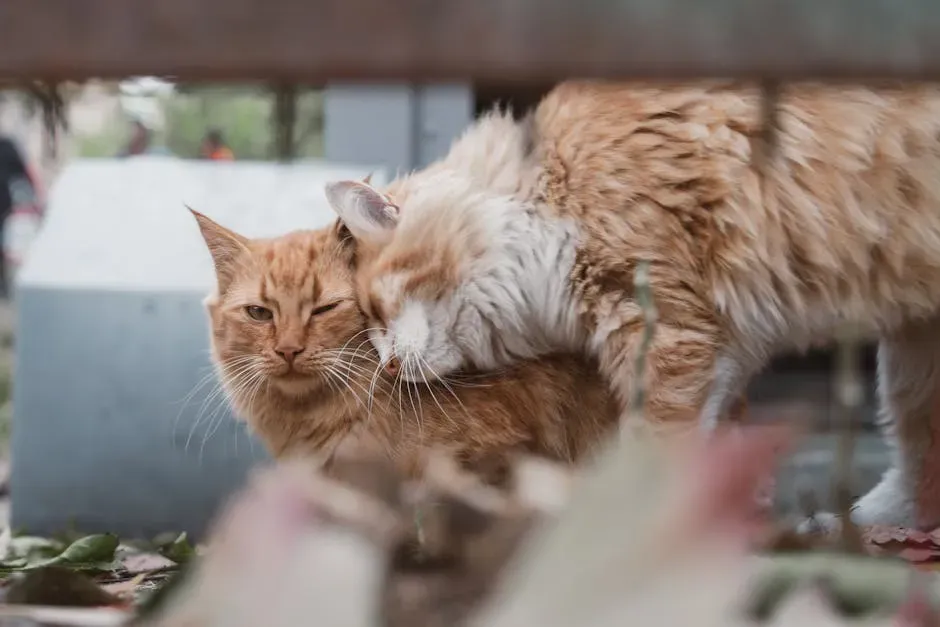
Scent glands are located on a cat’s cheeks, forehead, and chin, and when they bump heads with you, they release pheromones they use to mark territory, express trust, and more. Headbutting is a comforting, trusting behavior. It means they feel safe and relaxed with you, and even emotionally connected. It’s a gesture that carries far more weight than it might initially seem.
This behavior, known as “bunting,” is how cats mark their territory and you as safe and loved. By rubbing their face or head against your hand, leg, or face, they’re leaving behind scent markers that signal comfort and ownership. This behavior means your cat feels emotionally secure enough to claim you as part of their world. It’s a powerful, nonverbal way of saying, “You belong to me, and I belong here.” When you understand what it means, it’s impossible not to be touched by it.
#6. Grooming You Like Family
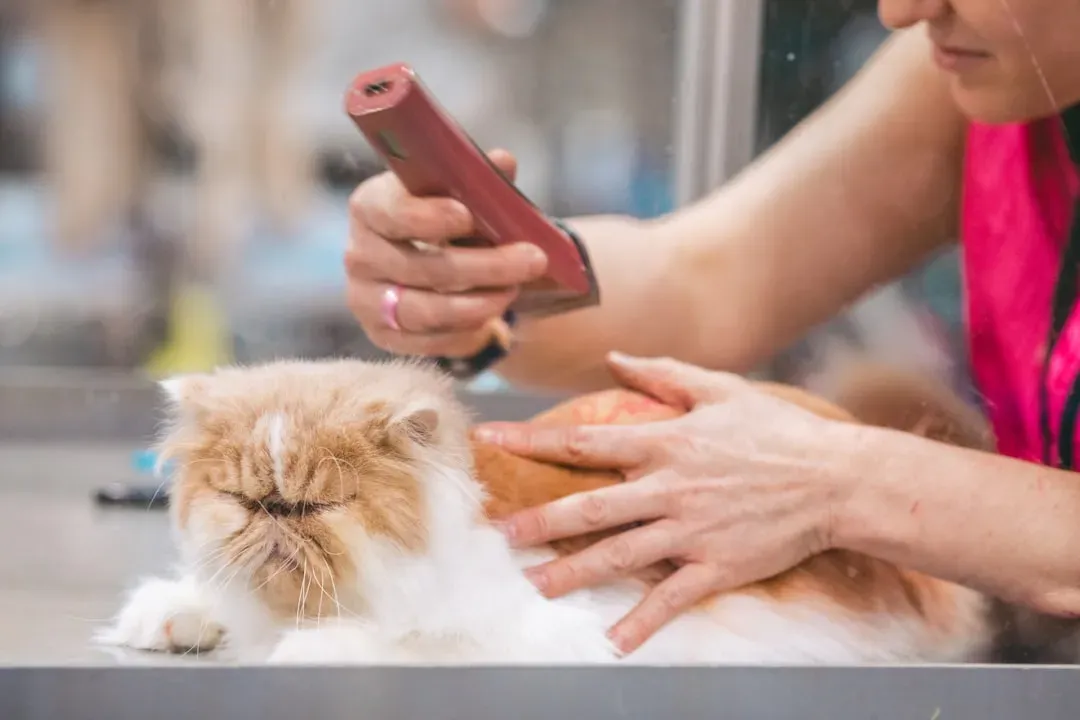
Grooming is one of the most obvious signs of cat bonding. In multi-cat households, cats groom each other to establish social bonds and share scent. If your cat licks your hand or even your hair, it is a sign of including you in their social circle. They’re not critiquing your hygiene. They’re welcoming you into their family.
Allogrooming occurs only between bonded cats. Licking a human’s skin or hair mirrors social grooming behaviors found in feline groups. The act communicates acceptance rather than hygiene. Cats do not groom individuals they view as unpredictable or threatening. If your cat licks your hair or skin, they are treating you as part of their family. A mother cat grooms her kittens meticulously, and this behavior gets imprinted into the minds of cats and stays as they grow up, leading them to automatically try to “groom” you as a leftover imprint from those early bonds.
#7. Following You From Room to Room
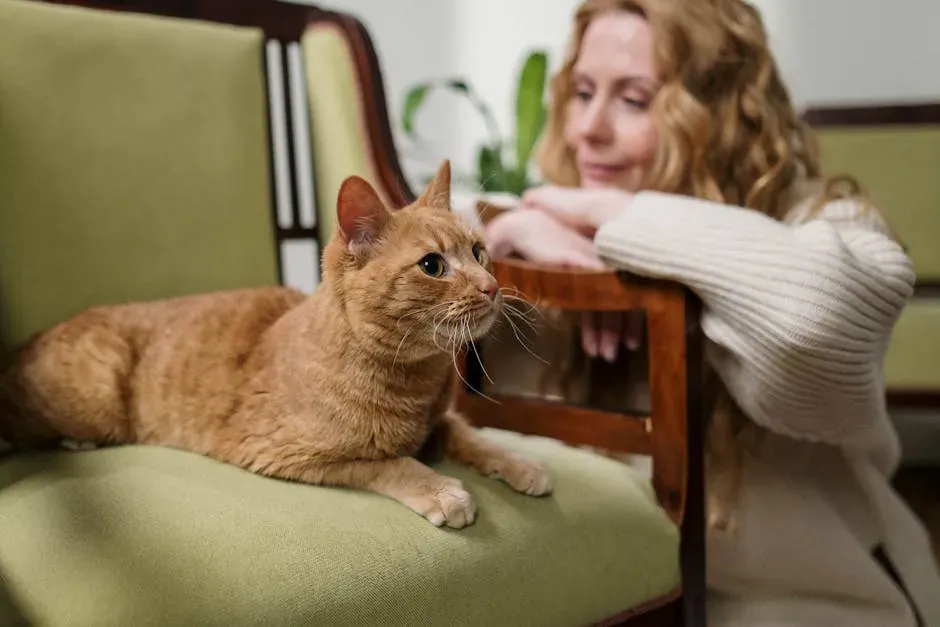
Cats are often perceived as independent creatures, but in emotionally safe environments, they may surprise you by becoming your shadow. When a cat follows you from room to room, it’s an indication of their curiosity and affection. Much like how a child follows a parent, cats enjoy being near those they trust. This behavior shows that they feel secure enough to explore alongside you, wanting to be part of your daily activities and routines.
When you notice your cat following you around, you’re seeing one of the clearest signs your cat feels safe. They’re choosing your company, monitoring your movement, and staying within a comfortable distance because you’re a predictable, trusted part of their world. Watch the details: a gently upright tail with a soft curl, slow blinks, relaxed ears, and unhurried steps. Your cat may weave around your legs, chirp, or pause at doorways to check where you’re headed. They’re not just seeking food; they’re syncing their routine with yours.
#8. Showing You Their Belly
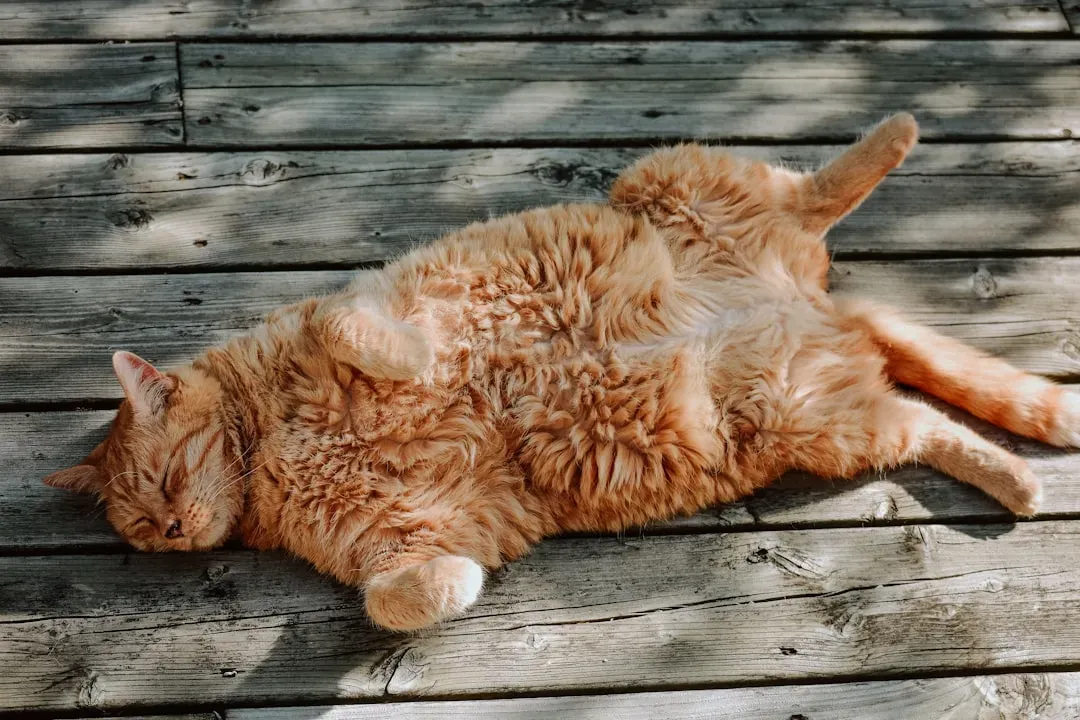
A cat’s belly is the ultimate vulnerable spot. When they flop onto their back and show it off, it’s a sign that they feel safe, relaxed, and completely at ease in your presence. Not every cat wants belly rubs, but the very act of exposing this delicate area means your cat doesn’t feel threatened. It’s one of the most physically unguarded positions a cat can take.
Contrary to popular belief, when cats show you their belly, it is not always an invitation to pet it. It can, however, be an indication that they trust you enough to expose one of their most vulnerable parts to you. This interpretation is both context and cat dependent. Cats who lay on their backs, all in a position of vulnerability, are demonstrating that they are happy, comfortable, and feel safe being around you. Appreciate the gesture, even if your hand sometimes gets a surprise.
#9. Vocalizing Freely and Confidently
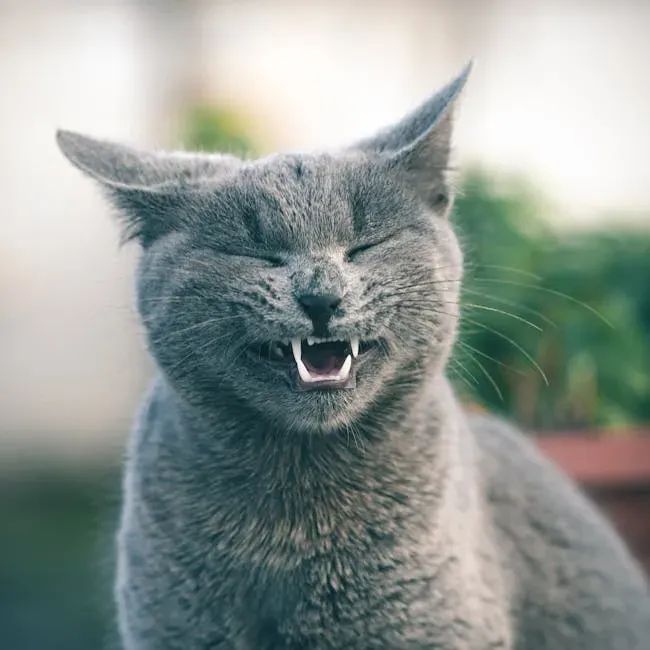
While cats often vocalize when they’re hungry or bored, gentle and soft vocalizations, like low talking or chirping sounds similar to purring, can be a sign your cat feels safe and relaxed. There’s a noticeably different quality to the voice of a cat that feels fully at home. It’s unhurried, conversational, almost casual.
Meows, chirps, purrs, and more are a form of social interaction, though cats don’t do that with everyone. If your cat consistently “talks” to you, it is a sign that the cat feels comfortable enough to interact with you and expects a response. When a cat feels emotionally secure, they’re much more likely to “talk” to their humans. You might notice your cat greeting you at the door with a happy meow, or carrying on a whole conversation as you cook dinner. It’s their version of small talk, and it means you’ve made the inner circle.
#10. Engaging in Energetic, Uninhibited Play
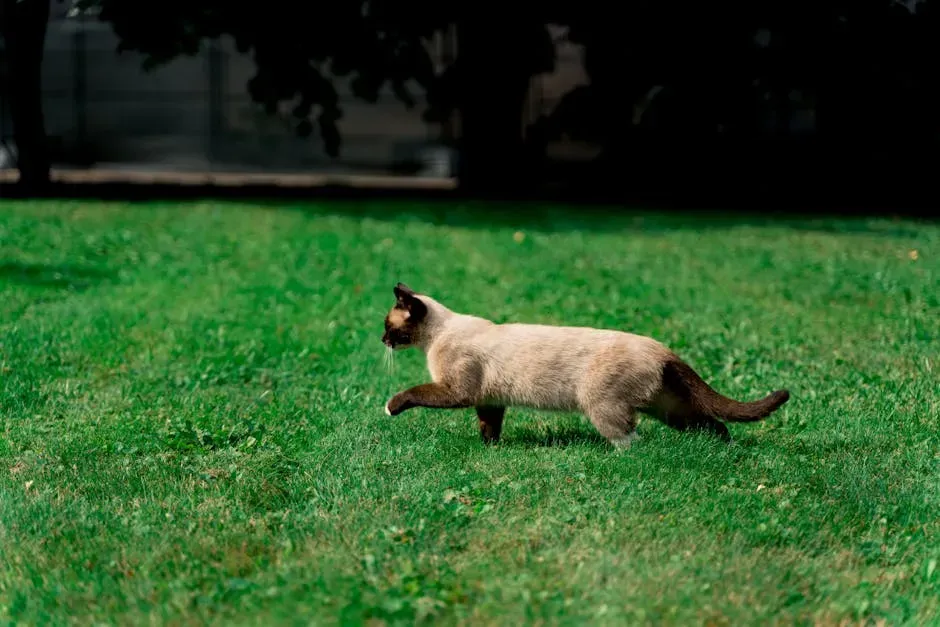
In emotionally safe environments, cats often exhibit more energetic play. They will chase toys, pounce on imaginary prey, and engage in playful antics with enthusiasm. This behavior indicates that they feel secure enough to express their natural instincts without fear. A cat that holds back is a cat that still feels uncertain. Uninhibited play is freedom, and freedom signals trust.
Play is a big deal for cats, especially when they feel truly safe. In a secure home, you might see your cat darting around in sudden bursts of energy, chasing imaginary prey, or pouncing on toys with wild enthusiasm. These “zoomies” are more than just funny to watch. They’re a sign your cat feels free to let loose. Play is not just entertainment; it reinforces a cat’s sense of control and competence. Successful “hunting” play has been shown to boost their self-assurance. A cat mid-zoomie is, in its own chaotic way, a cat that feels completely at home.
What It Really Means When a Cat Feels Safe With You
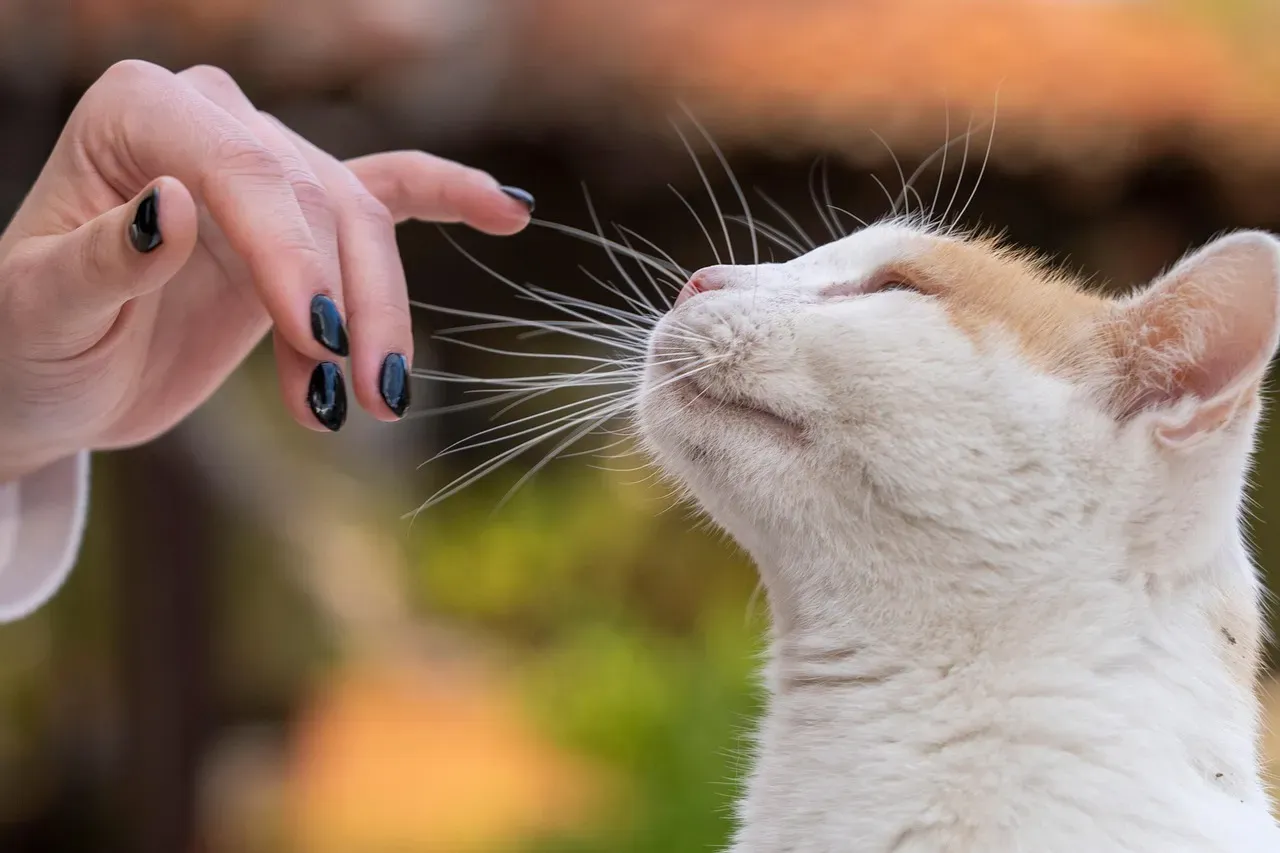
Trust is at the heart of every strong human-cat bond. When your cat trusts you, they feel less stressed, engage more freely, and exhibit more affectionate behaviors. This mutual understanding leads to a healthier and more rewarding relationship for both parties. That’s not a small thing. Cats give trust slowly and carefully, and when they give it, it’s genuine.
Every cat is unique, so not every one will show all of these trust behaviors. The good news is many will display one or more of these comfort behaviors when they feel safe around a person. Paying attention to these cues can help you strengthen your bond. You don’t need your cat to check every box. A few consistent signals matter far more than a complete catalogue.
Here’s the opinion worth landing on: we spend so much time trying to decode cats that we sometimes forget to simply be steady, calm, and predictable presences for them. Confidence in cats doesn’t mean boldness or dominance. It means calm security, steady exploration, and relaxed presence. That kind of security is something you build over time, quietly and without fanfare. And when a cat finally slow-blinks at you from across the room, kneads your lap without apology, or follows you to the bathroom for the third time that day, you’ll know you’ve earned something genuinely rare. A cat’s full, freely given trust is one of the most understated gifts in the world of pets.


