
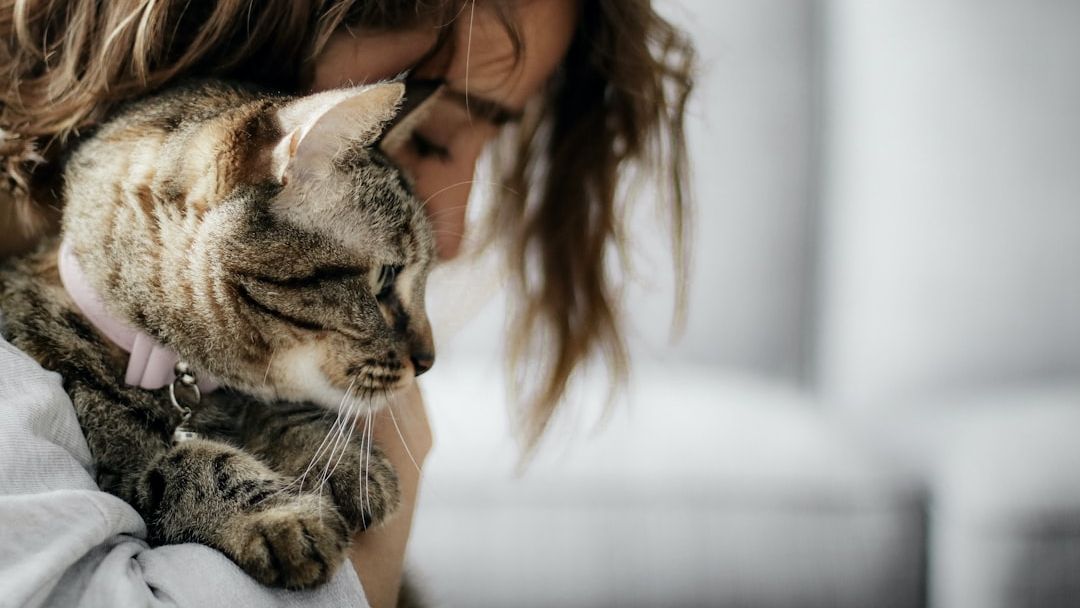
There’s a certain kind of comfort that doesn’t come with words. It arrives quietly, often uninvited, in the form of a warm weight settling onto your chest, or a soft vibration humming against your ribcage while the world around you feels like it’s falling apart. Cat owners know this feeling intimately, even if they struggle to explain it to anyone who doesn’t own a cat.
While dogs are widely celebrated for their empathetic abilities, cats have sometimes been unfairly portrayed as indifferent to their owners’ feelings. Yet numerous studies have revealed that these enigmatic creatures possess a remarkable capacity to recognize and respond to human emotions, including sadness. The way they do it, though, is rarely loud or dramatic. It’s subtle. It’s instinctive. It’s worth paying attention to.
#1. Settling In Close Without Being Asked
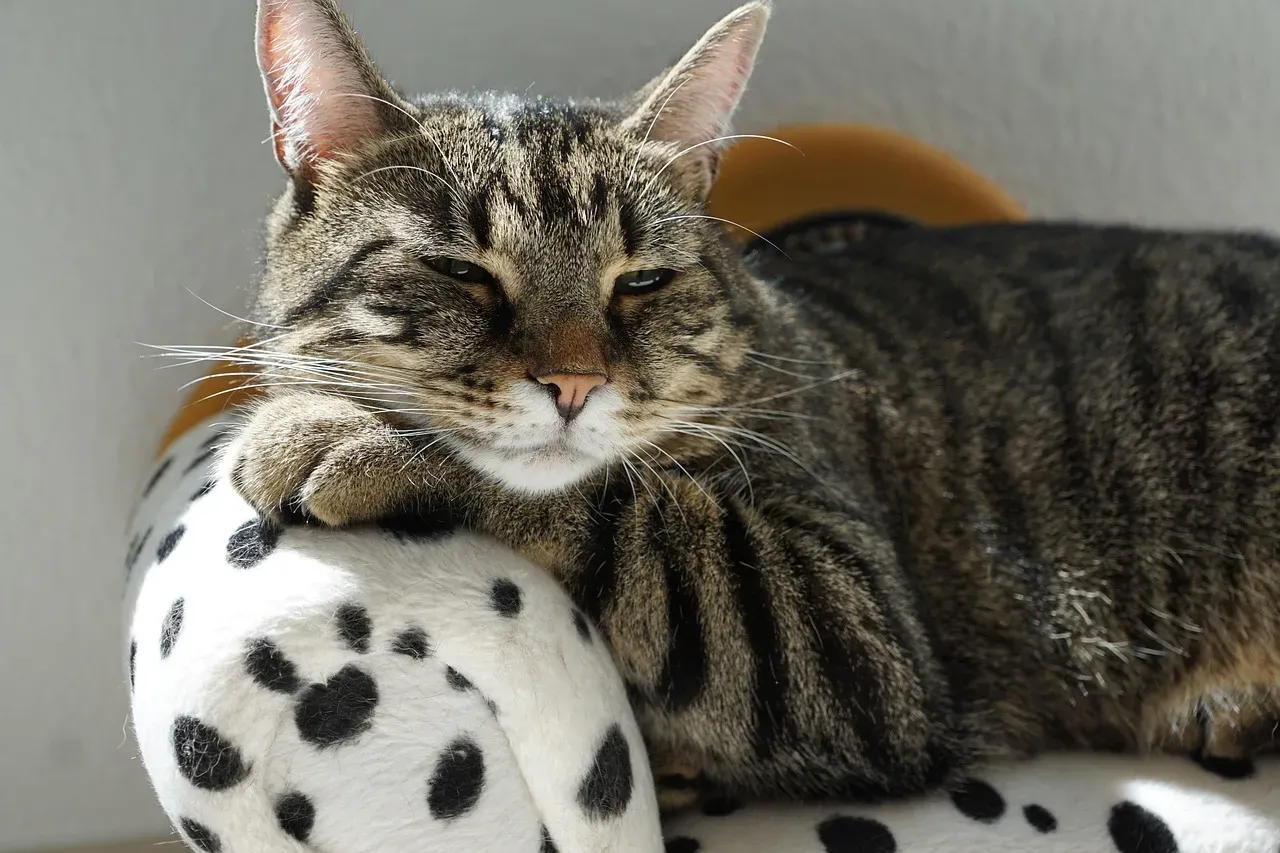
One of the most consistent things a cat does when something is wrong is simply show up. Some cats simply stay close, offering a silent, comforting presence, sitting beside their owner and providing a sense of companionship and support. There’s no fuss, no performance. They just appear, like they already knew.
This doesn’t mean they’re clingy; they’re just more present. As well as being a way to show affection, this is also their way of reassuring you and being on hand if you need a cuddle or want to make a fuss of them. The distinction matters. A cat choosing to stay nearby isn’t demanding anything. It’s offering itself as a steady, living anchor when everything else feels unmoored.
#2. Purring at a Frequency That Actually Helps
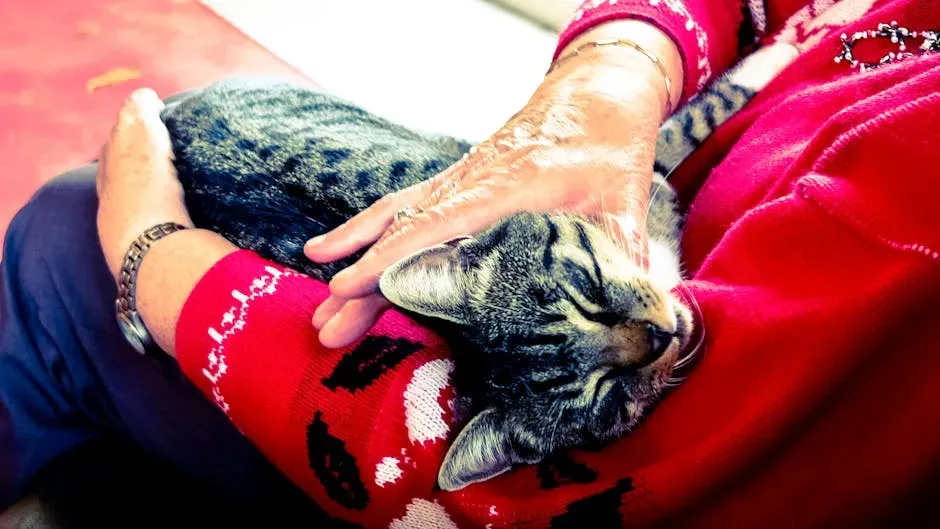
The purr is probably the most recognized thing cats do, but most people don’t realize there’s real science behind why it feels so good to hear. Most cats purr at a frequency between 25 and 150 Hertz, which is the same frequency range known to promote healing and reduce pain in humans and animals. That’s not a coincidence worth dismissing lightly.
Humans have a basic need for contact and companionship, and a cat’s touch can help alleviate sadness. The low-frequency vibrations from a cat’s purr have been shown to reduce stress, anxiety, and even blood pressure in humans. When your cat curls up and starts purring during one of your harder moments, it’s not just background noise. It’s something closer to therapy delivered on four paws.
#3. Reading Your Body Language Before You Say a Word
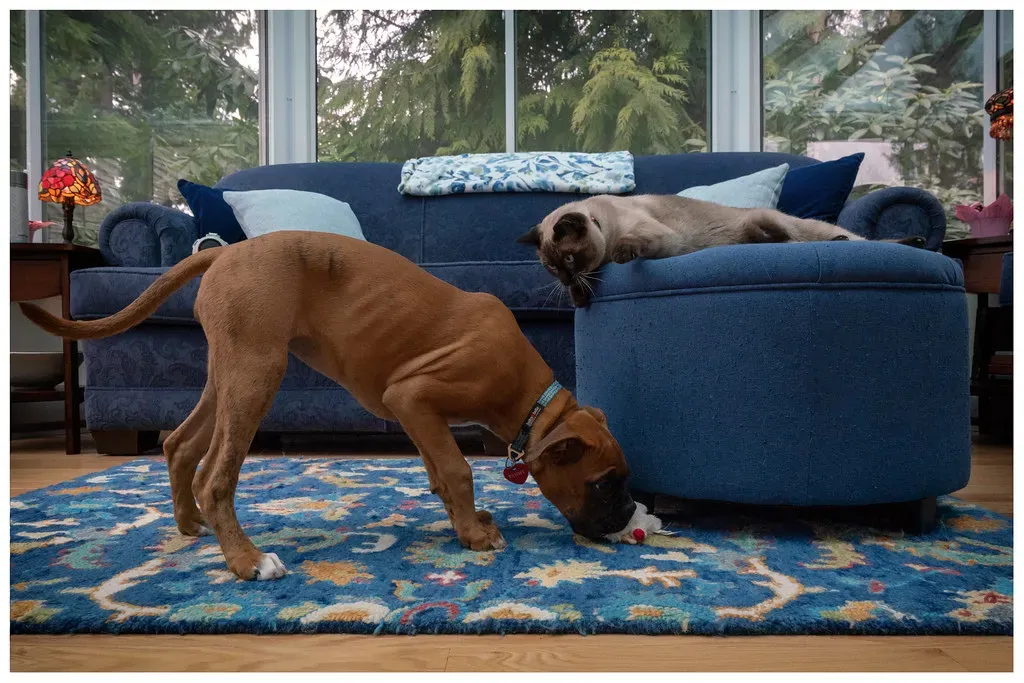
Cats, often perceived as aloof, are remarkably attuned to human emotions, particularly through their keen observation of behavioral cues. They don’t rely on verbal communication but instead decode distress by scrutinizing body language, tone of voice, and facial expressions. A slumped posture, tense movements, or a trembling voice can signal anxiety or sadness, prompting a cat to approach with caution or offer silent companionship.
Cats are masters of observation. Like dogs, they can pick up on subtle changes in body language, voice tone, and facial expression. Just the way you move around the house can let them know when you’re not yourself. Long before a single tear falls, your cat has likely already registered that something is off. The approach that follows isn’t random. It’s a response.
#4. The Head Rub and the Gentle Butt
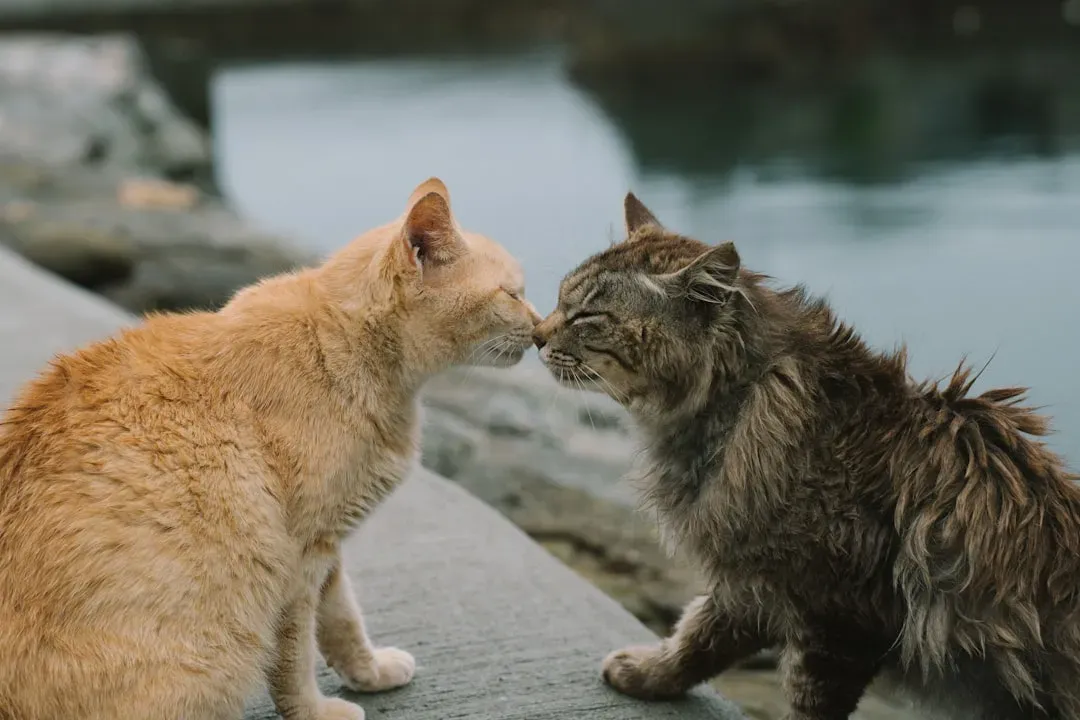
When you’re feeling sad, your cat may try to comfort you through physical exchanges like head-butting, kneading, and sitting on your lap. The head-butt, known technically as “bunting,” is one of the more direct forms of feline affection. It’s deliberate and initiated entirely on the cat’s terms, which makes it feel even more meaningful when it happens during a moment of grief.
A cat may approach a crying person with gentle head-butts or purring, behaviors that not only comfort the human but also reinforce the cat’s role as a valued companion. There’s also a territorial warmth to it: when a cat presses its face against you, it’s leaving its scent, quietly claiming you as someone worth marking as safe and loved. During sadness, that tiny gesture can carry a surprising amount of weight.
#5. Kneading as a Transfer of Calm
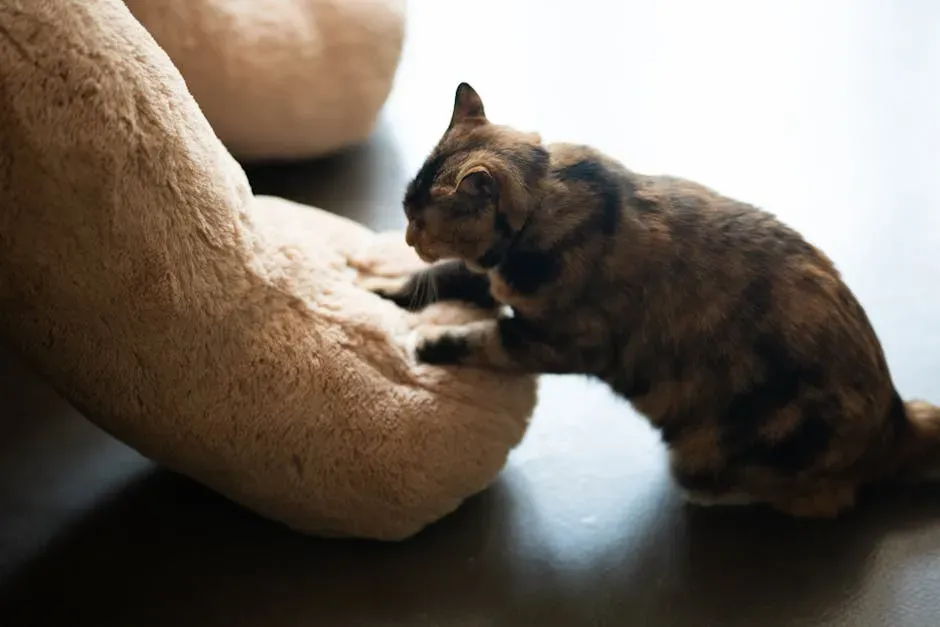
While kneading is often a sign of happiness, it can also be a form of communication or comfort. When a cat begins to knead on your lap or beside you during a difficult moment, it’s tapping into something deeply instinctive. Kneading behavior typically starts in kittenhood, when nursing kittens knead their mother’s belly to stimulate milk flow, and the comforting feeling often carries into adulthood. Even adult cats may knead when they’re especially content or sleepy, because it reminds them of safety and warmth.
Many veterinarians interpret kneading as a social behavior that strengthens a cat’s bond with their owner. Cats also mark their trusted humans with scent when they knead. So when your cat climbs into your lap during a cry and starts making biscuits, they’re not ignoring your pain. In their language, they’re saying you’re home base, the safest place they know.
#6. Mirroring Your Energy and Slowing Down with You
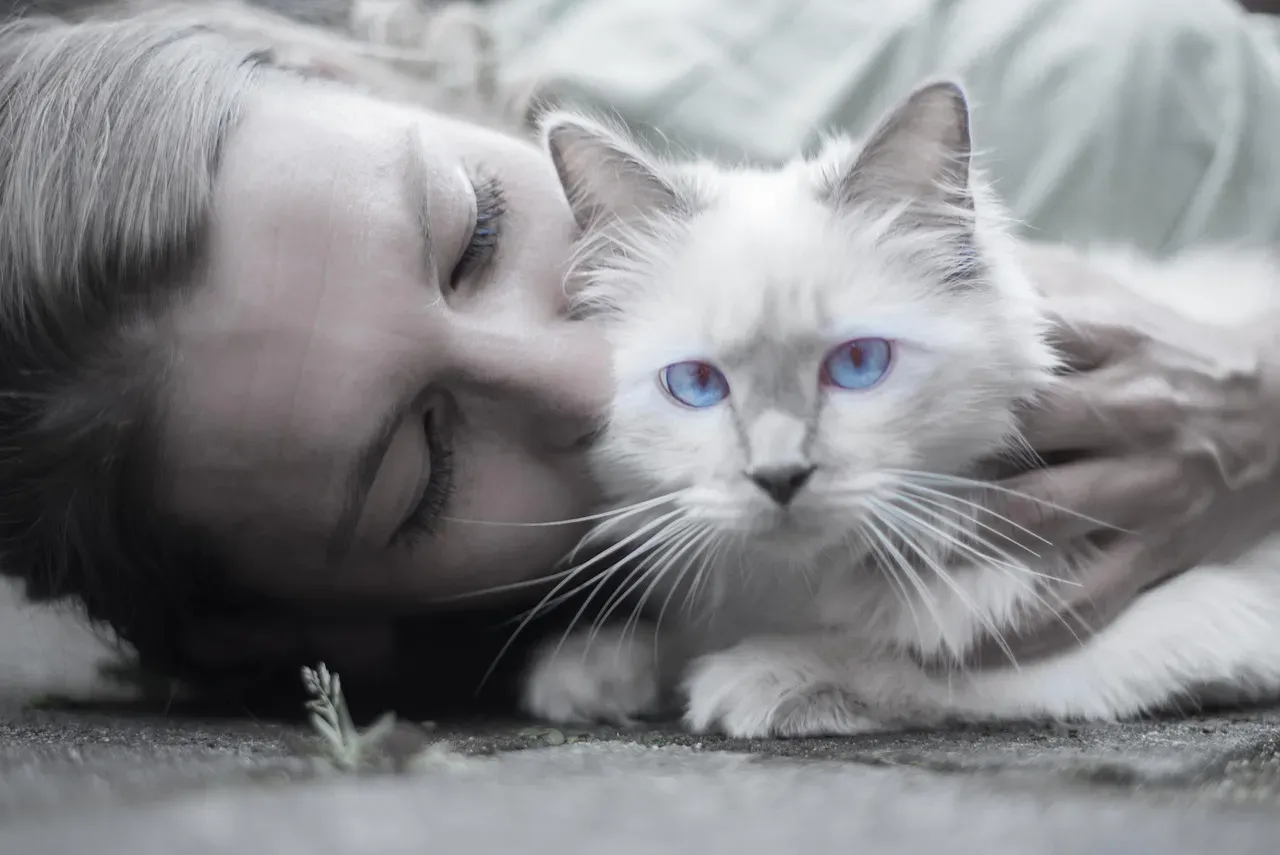
Some cats may even mirror their owner’s sadness, exhibiting signs of low energy, decreased appetite, or withdrawn behavior. This empathetic mirroring could be a manifestation of the strong emotional bond between cat and owner, with the cat experiencing a form of shared distress. It sounds almost too human to be true, but the observation comes up repeatedly among cat owners and researchers alike.
If you spend more time sleeping or lounging on the sofa, your feline friend is sure to join you for a comforting cuddle. Cats don’t push you to get up, snap out of it, or put on a brave face. They meet you where you are. In a world that often rushes grief along, there’s something genuinely therapeutic about a creature willing to simply slow down alongside you without judgment.
#7. Adjusting Their Vocalizations to Match the Mood
A study published in Animal Cognition found that cats often produce softer, more frequent purring when their owners are crying or visibly upset, a sound that not only calms the cat but may also have a therapeutic effect on the human. The shift is subtle, but owners who pay close attention often notice it. The purr becomes quieter, more consistent, almost like it’s being calibrated to soothe.
Some cats might vocalize more or less than usual, depending on their individual personality and the situation. A cat that normally chatters and chirps through the morning might go unusually quiet when you’re struggling. Others might offer a series of soft, low meows that feel more like checking in than demanding anything. Either way, vocal cues play a significant role in this interspecies emotional exchange, with cats known to alter their meows, purrs, and even chirps in response to human emotional states.
#8. Detecting Emotional Changes Through Scent
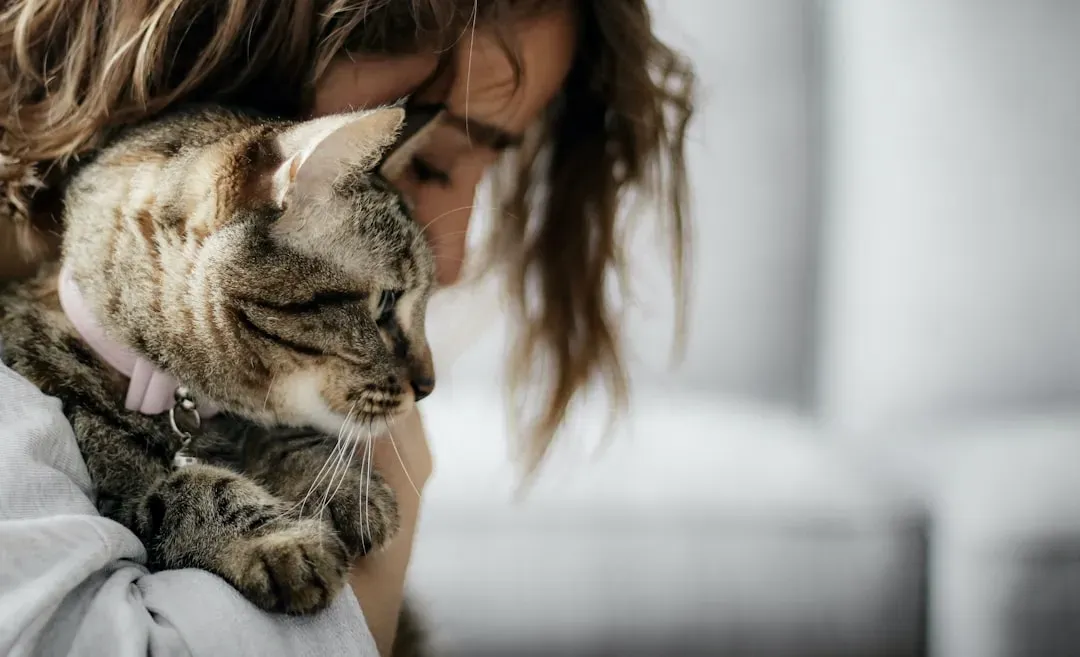
One fascinating aspect of the cat-human connection lies in the role of pheromones, chemical signals that may enable cats to detect and react to human sadness. Pheromones, such as those released in sweat or tears, carry emotional information that cats, with their highly sensitive olfactory systems, can potentially interpret. Studies suggest that humans release specific stress-related pheromones when feeling anxious or sad, which cats may detect through their vomeronasal organ, a specialized structure for processing chemical cues.
A cat’s sense of smell is estimated to be 14 times more sensitive than ours, with approximately 200 million scent receptors compared to the human five million. This acute sense of smell isn’t just for hunting; it plays a crucial role in their social interactions and environmental awareness. When it comes to detecting emotional distress, their noses become powerful tools, potentially picking up on subtle chemical cues that completely elude us. In a very literal sense, they can smell that something is wrong.
#9. The Slow Blink as a Silent “I’ve Got You”
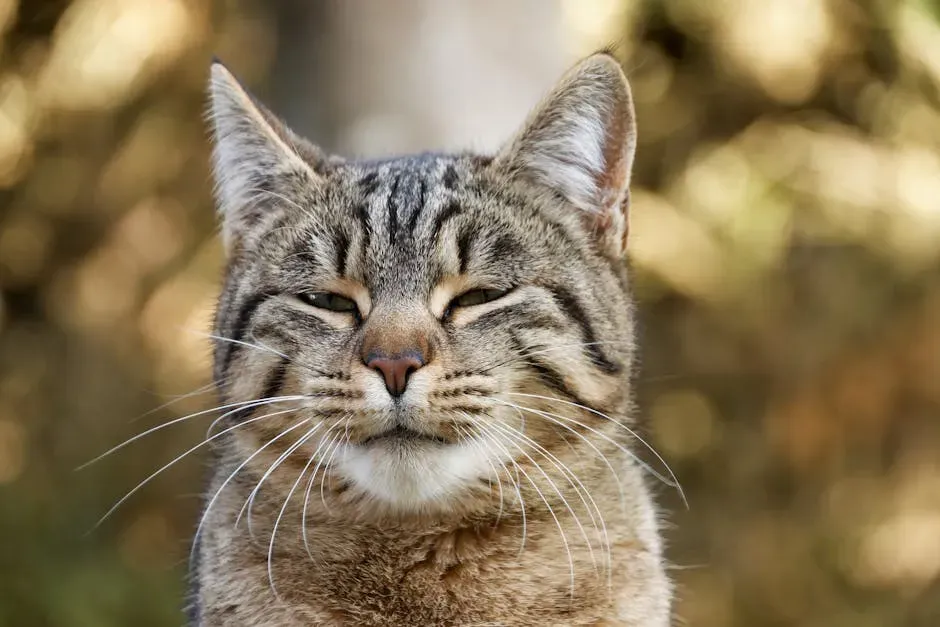
Dilated pupils can indicate excitement or fear, while slow blinking signals trust and affection. The famous “cat kiss,” a slow blink directed at you, is a sign of deep trust. When a cat slow-blinks at you while you’re sad, it’s not just a casual glance. It’s one of the most vulnerable, intentional things a cat can do.
Closing their eyes, even for a second, is a vulnerable act for cats in the wild. Some cats even sleep with their eyes open so they can quickly flee from predators. So it’s a big deal when your cat blinks or closes their eyes around you. It means they fully trust and love you. During a moment of sadness, receiving that wordless gesture carries a particular kind of quiet reassurance. It’s your cat’s way of saying: I see you, I’m not afraid of your pain, and I’m not going anywhere.
#10. Simply Showing Up More Than Usual
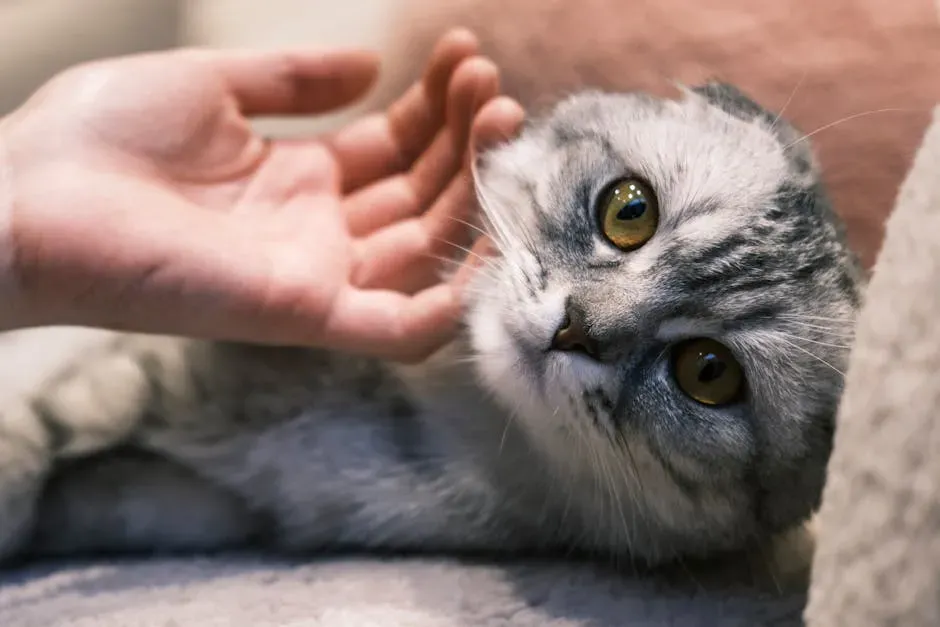
Studies have shown that cats can recognize human emotions, and they are able to alter their behavior depending on the emotions that they perceive. One of the most consistent ways this shows up is through increased proximity. Cats that are normally independent, territorial, or selective about contact will sometimes abandon those habits entirely when their owner is going through something hard.
When pet parents are depressed, cats rub against them more often. It’s likely your cat is responding to your emotional state by trying to comfort you or draw your attention. Over time, cats may respond to human sadness by adjusting their behavior based on visual and vocal cues, and cats and their owners can mirror each other’s emotional well-being and behavior. The relationship is bidirectional, and the more time you’ve spent together, the more attuned your cat becomes to even the subtlest shifts in your mood.
A Final Thought: They Know More Than We Give Them Credit For
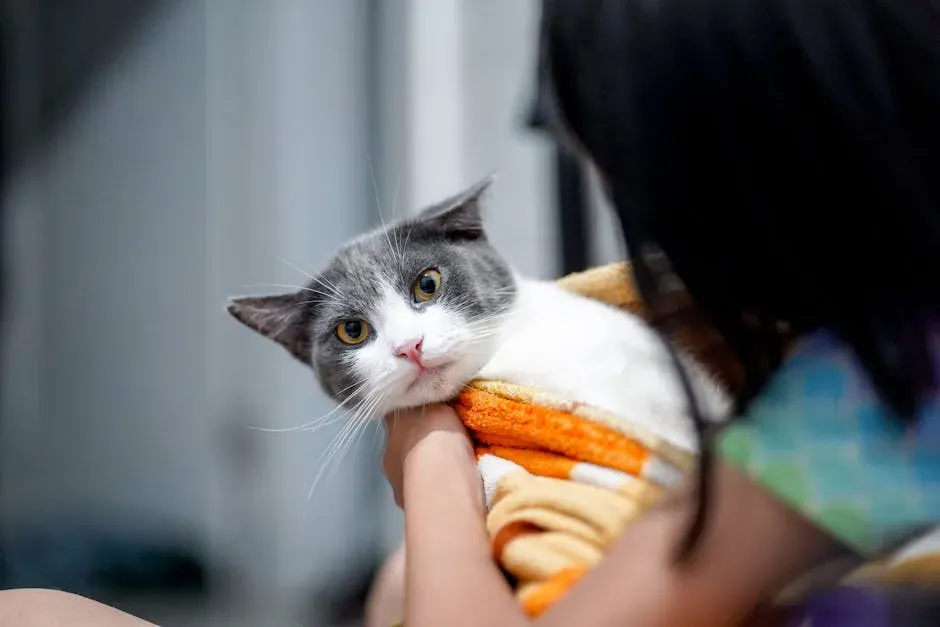
Cats have spent centuries earning a reputation for indifference that, frankly, they don’t deserve. The science is steadily catching up to what many cat owners have known intuitively for years. Through scientific exploration and personal experience, it has become evident that cats possess a remarkable ability to comprehend and respond to human emotions, including sadness. This emotional intelligence is rooted in their cognitive abilities, evolutionary adaptations, and finely tuned senses.
In my opinion, the most meaningful thing about feline comfort is precisely its silence. Cats don’t try to fix you. They don’t offer solutions, unsolicited advice, or time limits on how long you’re allowed to feel bad. They just stay. Owning a cat keeps you to a routine and gives you purpose, which we can lose when feeling low. That steady, unpretentious presence turns out to be one of the most powerful forms of emotional support there is. You don’t always need someone to say the right thing. Sometimes you just need a warm, purring body that chooses to stay beside you anyway.


