
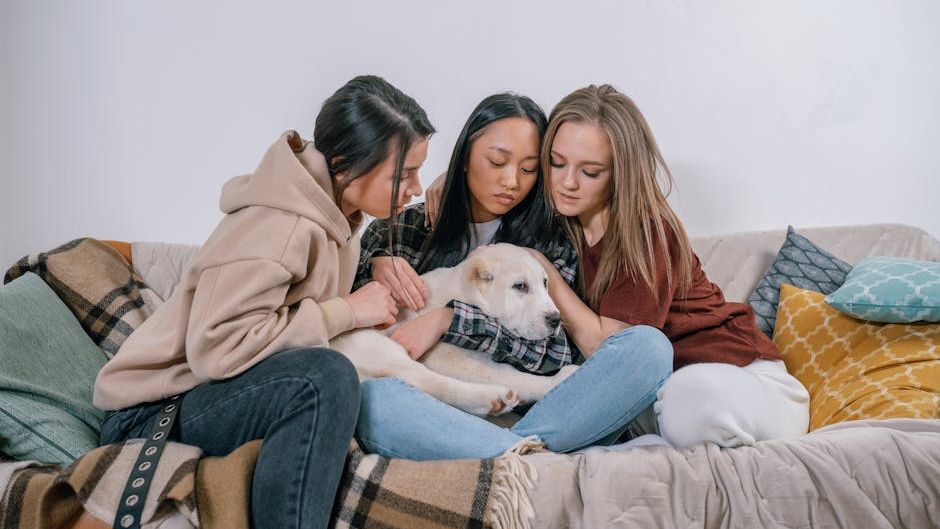
There’s a moment that animal shelter workers know well. A dog arrives, thin and frightened, carrying the obvious marks of neglect or worse. Within days, sometimes hours, that same dog is leaning softly against a stranger’s leg, tail moving in a cautious but unmistakable arc. It doesn’t make logical sense. It breaks your heart a little.
Dogs are, by almost any measure, the most forgiving creatures sharing our lives. What’s remarkable isn’t just that they forgive. It’s the specific, quietly astonishing ways they keep offering love even when the humans in their lives have given them very little reason to. The science behind this is genuinely fascinating, and the behavior itself is both humbling and, depending on how you look at it, one of the most thought-provoking things in the natural world.
#1. They Keep Coming Back, Even When They Don’t Have To
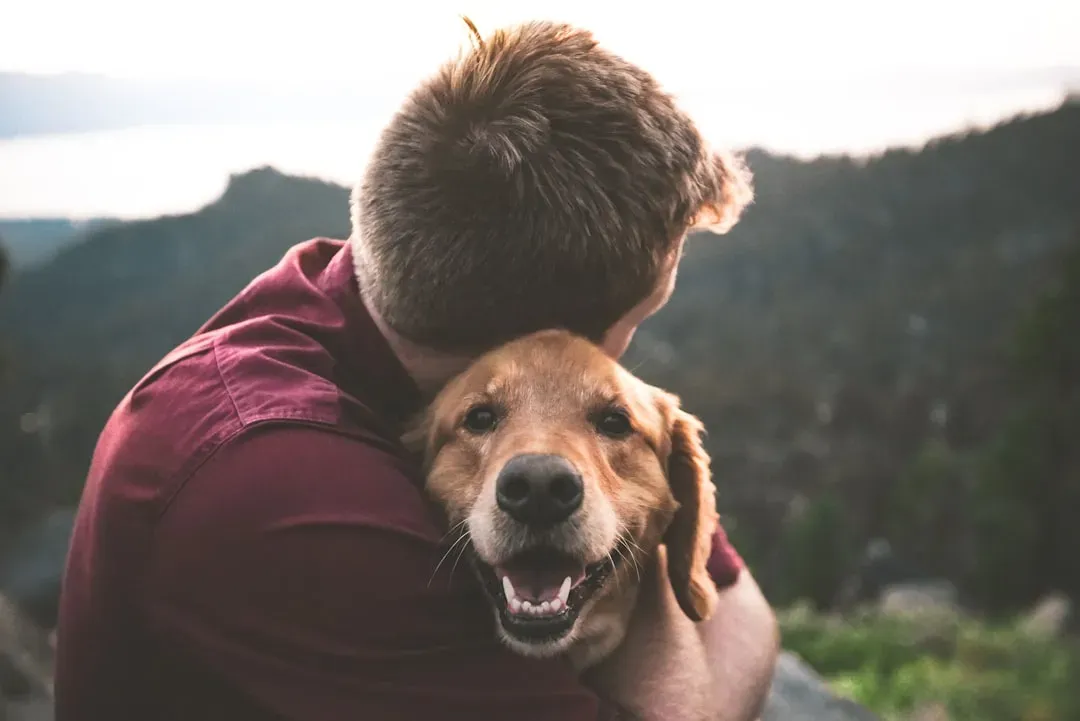
One of the most well-documented and quietly heartbreaking behaviors in dogs is their instinct to return to the person who has failed them. Dogs are incredibly resilient creatures with the ability to form strong emotional bonds with their owners. When an owner displays even occasional acts of kindness toward a dog, it reinforces a belief that loyalty will be rewarded, creating a pattern of hope that keeps the dog devoted even in the face of mistreatment. It’s not naivety. It’s biology and attachment operating at a very deep level.
Dogs can show attachment and continued proximity to an owner who has treated them poorly, and this behavior reflects social bonding, learned dependence, and conditioned responses. Attachment systems in dogs can persist even when the caregiver is inconsistent or harsh. The dog isn’t confused about what’s happening. It’s anchored to a relationship it cannot easily let go of, and that anchoring itself is a form of love.
#2. They Offer the Soft Eyes and the Slow Tail Wag
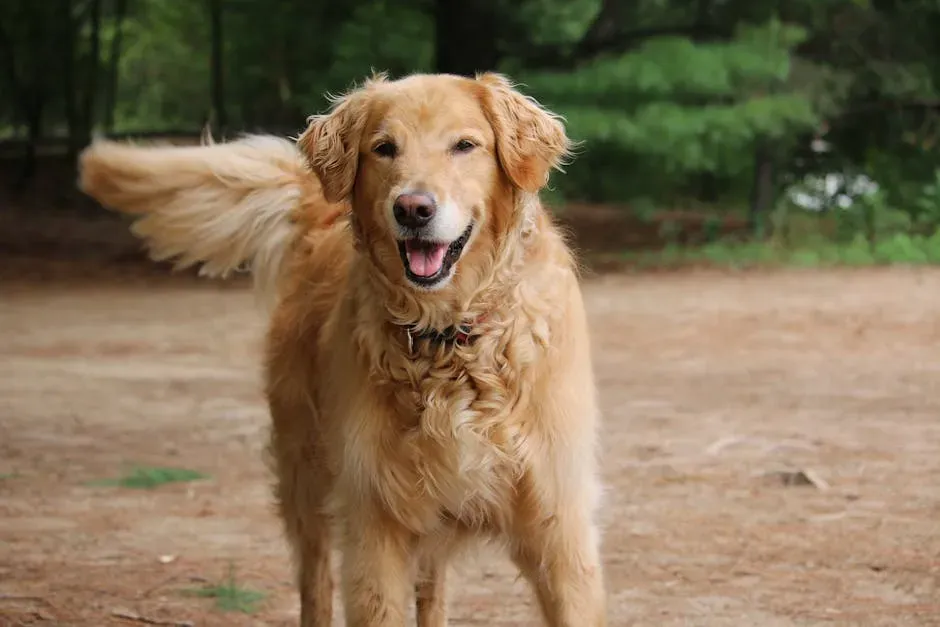
Research has shown that tail wagging is associated with a dog’s inner state and conveys sophisticated information during social interactions. It is a context-specific behavior reflecting friendliness, confidence, anxiety, and the dog’s emotional stance toward those around it. Even dogs who have been mistreated will, with a hesitant wag, signal their openness. It’s one of the quieter, more achingly honest things they do.
Research has shown that dogs tend to wag their tails to the right when experiencing positive emotions and to the left when feeling negative or uncertain. A dog approaching a person who has hurt it, tail moving in that tentative rightward sweep, is offering something real. Tail wagging functions as the equivalent of a human smile, a greeting or acknowledgment of recognition, and dogs tend not to wag their tails unless there is another animal or human nearby to interact with. That wag, however small, is being directed at you. That means something.
#3. They Lock Eyes and Trigger a Chemical Bond
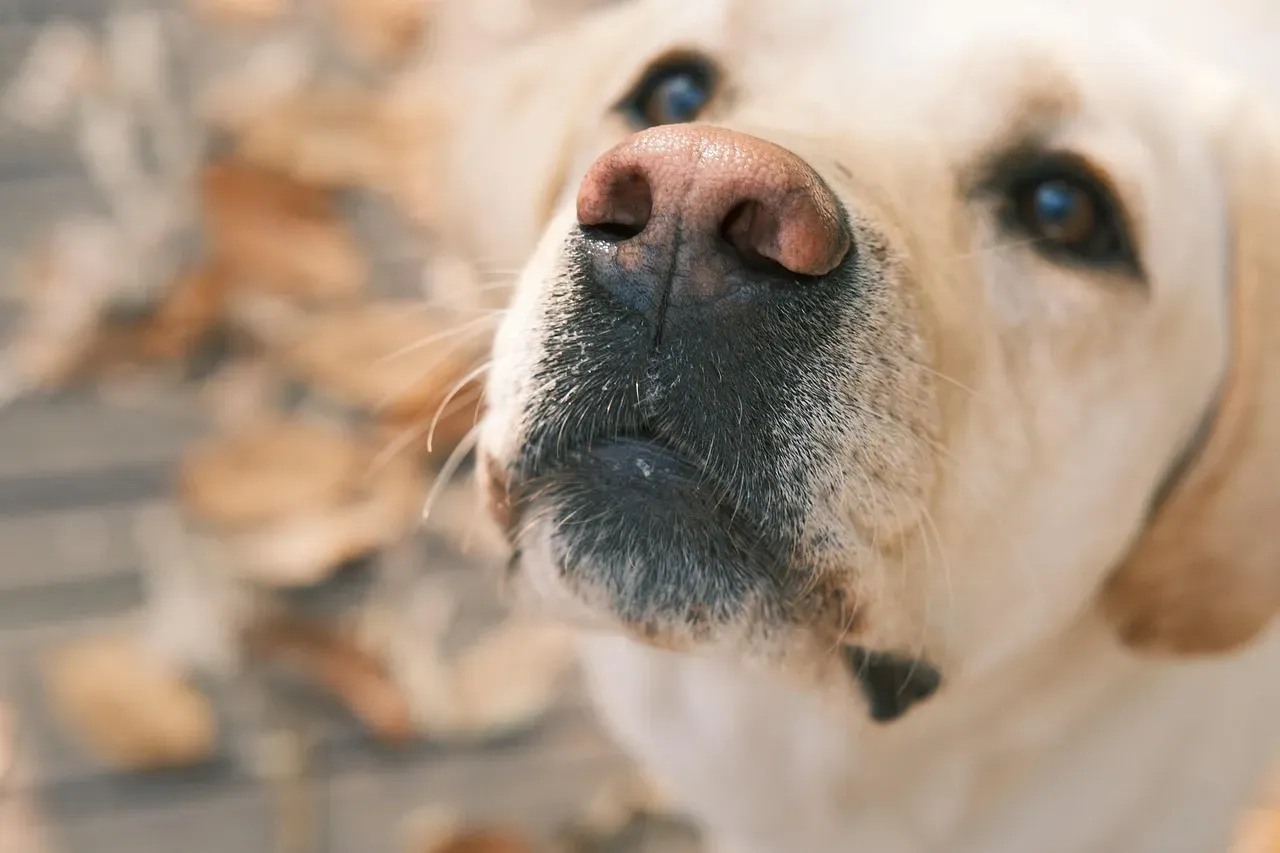
Research suggests that humans may feel affection for their companion dogs similar to that felt toward human family members, and that dog-associated visual stimuli, such as eye-gaze contact, activates oxytocin systems in their owners. What’s extraordinary is that this works even in relationships that have been damaged. The dog’s gaze doesn’t come with conditions attached.
Mutual gazing increases oxytocin levels, and sniffing oxytocin increases gazing in dogs, an effect that transferred to their owners. People and dogs look into each other’s eyes while interacting, a sign of understanding and affection that dogs’ closest relatives, wolves, interpret as hostility. A dog choosing to hold your gaze is choosing to connect, choosing vulnerability, and doing so even after being let down. It’s one of the most biologically significant gestures in the animal kingdom.
#4. They Cry Real Tears When You Come Back

Research has demonstrated that dogs secrete tears when reuniting with their owners, and this tear secretion is mediated by oxytocin. It is the first report on positive emotion stimulating tear secretion in a non-human animal. The fact that a dog’s eyes well up upon seeing the person who may have neglected or hurt them is almost too much to sit with quietly.
Dogs have evolved or been domesticated through communication with humans and have gained high-level communication abilities using eye contact. Their tears may play a role in eliciting protective or nurturing behavior from their owners, resulting in the deepening of mutual relationships and further leading to interspecies bonding. A dog who cries at the sight of someone who failed them is not performing. That response is driven by a hormonal system shaped over thousands of years to create connection. It still fires, regardless of how the human has behaved.
#5. They Stay Close, Even When Staying Close Is Scary
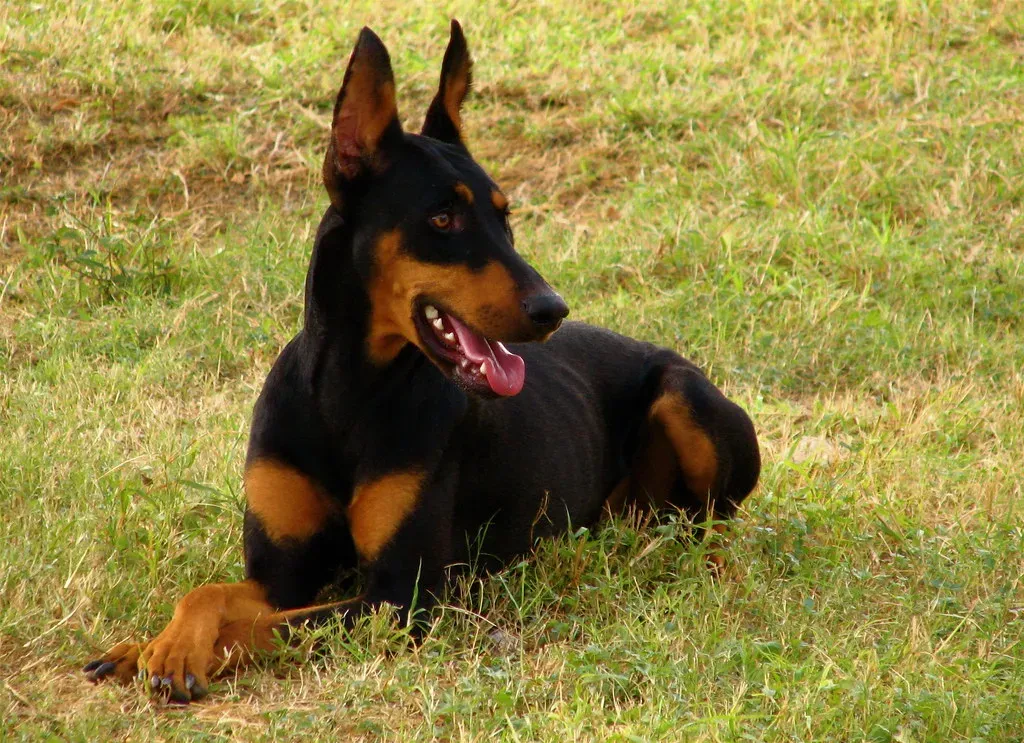
Loyalty in dogs is often characterized by how attentive a dog is to their primary caretaker. Some dogs will even follow their favorite person around the house from room to room, demonstrating a strong attachment to their primary caretaker. This behavior doesn’t just disappear because the relationship has been painful. If anything, dogs in troubled homes may follow even more closely.
A dog may sense when its owner is in a volatile or unpredictable state, causing it to feel on edge and constantly on guard. This heightened state of awareness can further reinforce proximity, as the dog believes it needs to stay close to anticipate any potential threats. It sounds almost paradoxical, but closeness becomes the strategy for safety. The dog remains present, watchful, and ready to offer comfort, even while managing its own fear.
#6. They Read Your Emotions and Try to Soothe Them

Dogs are remarkably attuned to human emotions. They can sense when you’re happy, sad, stressed, or relaxed, and often adjust their behavior accordingly. This sensitivity is a result of their keen observational skills and desire to maintain harmony within their social group. By responding to your emotional states, dogs demonstrate empathy, further strengthening the bond of loyalty. What’s remarkable is that this emotional attunement doesn’t switch off when the human has been harmful.
Dogs are incredibly intuitive and can read human emotions with great accuracy. They can sense when their owners are happy, sad, or anxious and will often respond accordingly. This ability to read human emotions is one of the reasons why dogs are such great companions for people with mental health issues. A dog nudging the hand of someone who has hurt them, sensing distress and trying to alleviate it, is performing one of the most quietly stunning acts of unconditional care you’ll ever witness.
#7. They Forgive Fast, Even When Forgiveness Isn’t Earned
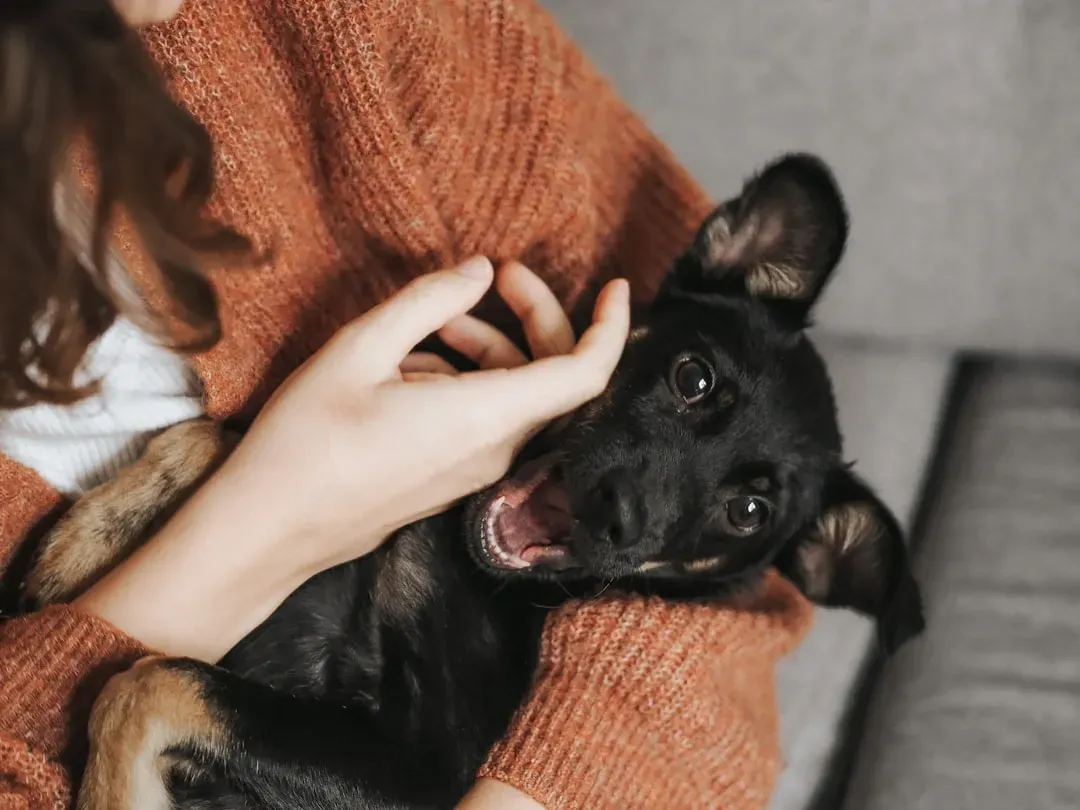
Dogs who arrive at shelters bleeding and terrified can become calm within days, enjoying sitting with people and forgiving completely. No one ever came looking for some of these dogs, and yet they have forgiven and are ready to love someone with all their heart. The speed of that forgiveness is not indifference. It’s a fundamental aspect of how dogs are wired to relate to the world.
The special thing about these dogs is their ability to love. If you adopt a dog that has never known love and you show them kindness, you will receive the most amazing gift ever. Forgiveness in a dog doesn’t seem to require lengthy processing time or the kind of reflection humans need. It appears as a return to openness, almost immediate, driven by the presence of even modest kindness and safety.
#8. They Seek Physical Comfort Despite Past Harm
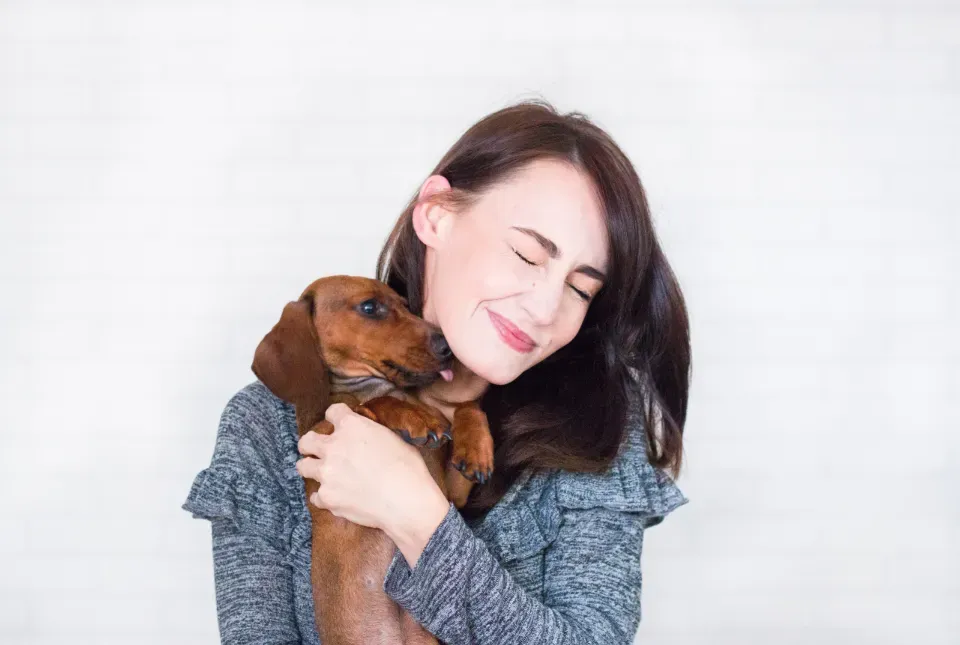
Physical touch is incredibly important to dogs. They crave affection and feel safe when they are close to their human. Positive physical interactions can release endorphins and strengthen the bond between dog and owner. A dog pressing against the leg of someone who once hurt it is not a mistake or confusion. It’s a need so deep and so hardwired that it persists despite every logical reason to hold back.
A dog’s past experiences can significantly affect how it perceives affection. Dogs who have experienced trauma or neglect may be more hesitant to trust humans and may require more time and patience to build a strong bond, but that bond is still pursued. The reaching toward touch, even from an uncertain or fearful dog, is still a reaching. The desire for connection isn’t erased by pain. It bends, it slows, but it doesn’t stop.
#9. They Remain Loyal to the Pack, No Matter What
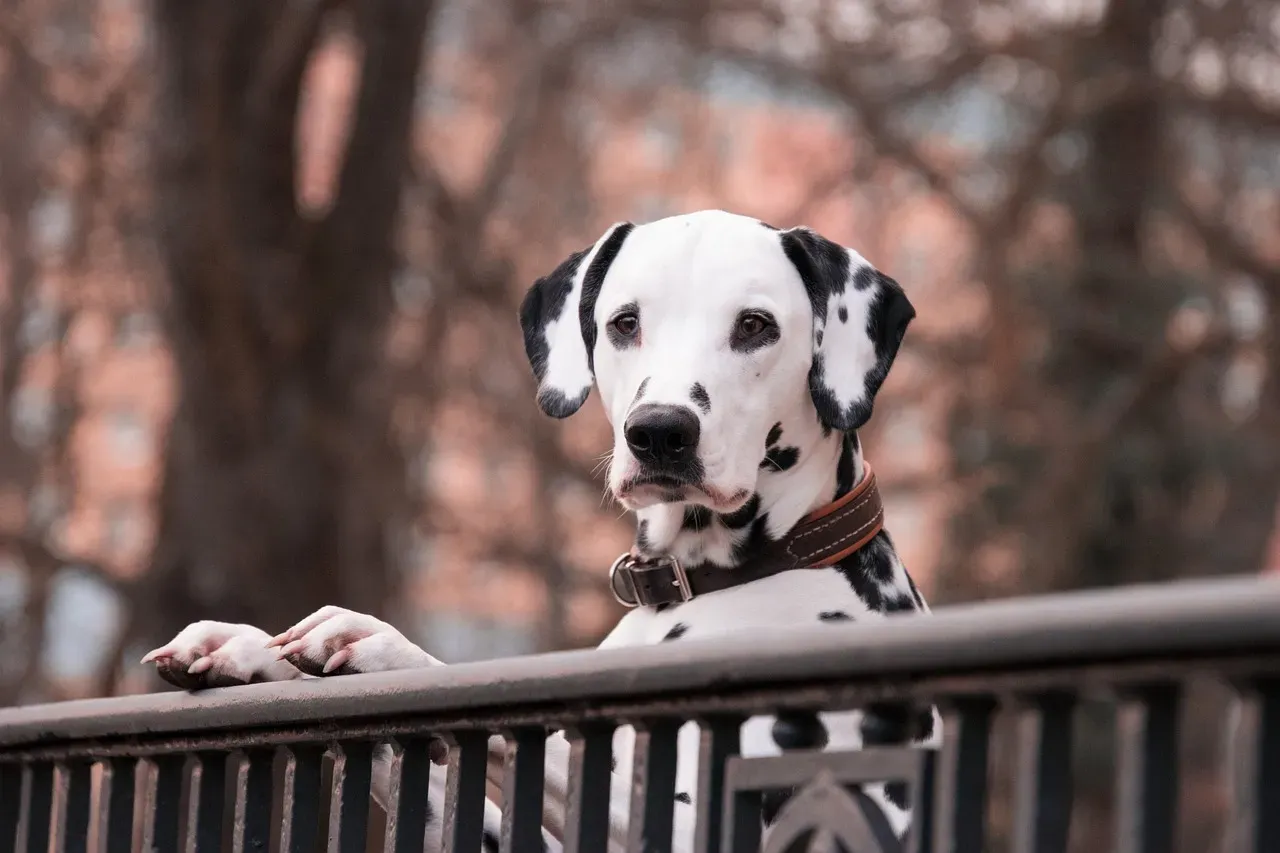
Domestic dogs have retained the pack mentality, viewing their human families as their pack. They look to their owners for guidance, protection, and leadership. This intrinsic need to be part of a social group drives dogs to be loyal and attentive to their human companions, always seeking to please and stay close. This isn’t blind devotion. It’s a deeply ancient operating system that prioritizes the group above everything, including personal safety.
The domestication of dogs has further enhanced their loyalty. Over thousands of years, humans have selectively bred dogs for traits that include loyalty and companionship, reinforcing their natural social tendencies, as those who were more cooperative and bonded well with humans were more likely to be cared for and survive. The loyalty wasn’t accidental. It was shaped across millennia. Now it runs so deep that even being failed by the pack can’t fully override it.
#10. They Keep Trying to Please, Even When Confused and Hurt
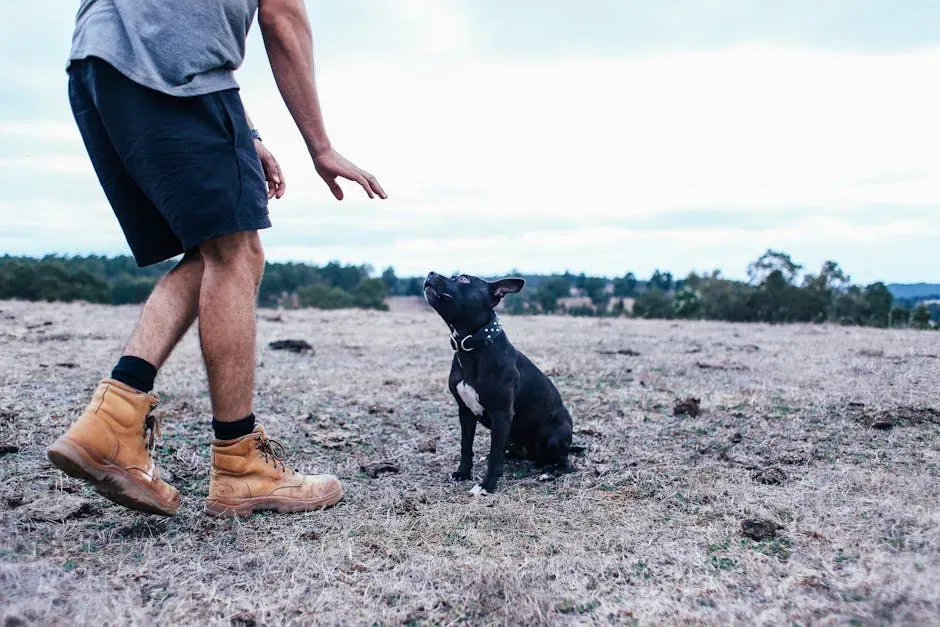
It can be challenging to understand why dogs still demonstrate loyalty to owners who don’t treat them well. While we can never know exactly what a dog is thinking in these situations, a dog may continue to demonstrate loyalty out of fear and a deep desire to please. That desire to please isn’t weakness. It’s one of the most defining characteristics of the human-dog relationship, something selected and shaped over generations.
Positive reinforcement training focuses on rewarding desired behaviors rather than punishing unwanted ones, and this approach is especially effective for dogs who have been hurt because it helps them build confidence and associate positive emotions with interaction. Even without that framework, dogs keep trying. They adjust, they watch, they attempt again. The only thing our dogs have is us, and we should do our best to give them the best lives possible. That truth, offered plainly, cuts right to the center of what dogs represent in our lives.
A Closing Reflection Worth Sitting With
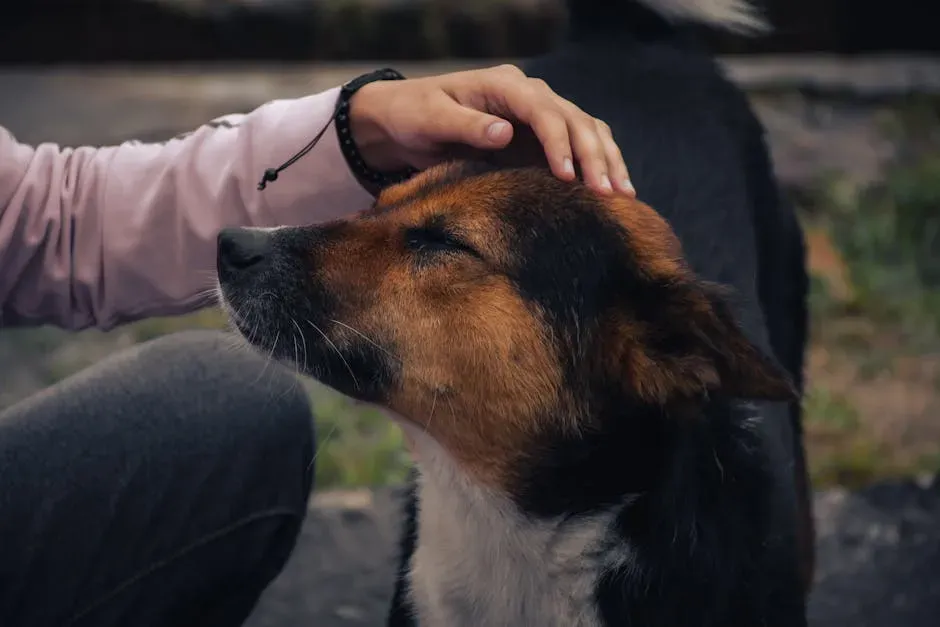
There is no clean, comfortable conclusion to draw from all of this. Dogs loving people who have failed them isn’t something to romanticize. It’s a reminder of how extraordinary and morally weighty the relationship between humans and dogs truly is. Their love persists not because they don’t feel pain, but because connection is their most fundamental need and their most instinctive response to the world.
What dogs ask for is genuinely modest: presence, consistency, basic kindness. What they offer in return, including loyalty, emotional attunement, physical affection, and forgiveness that outpaces anything most humans can manage, is staggering by comparison. The fact that they keep offering it even after being let down doesn’t make us look particularly good as a species. It does, however, say something extraordinary about them.
If a dog is still trying to reach you after everything, that might be the most honest reflection of what love actually looks like when it isn’t conditional on being deserved.


