
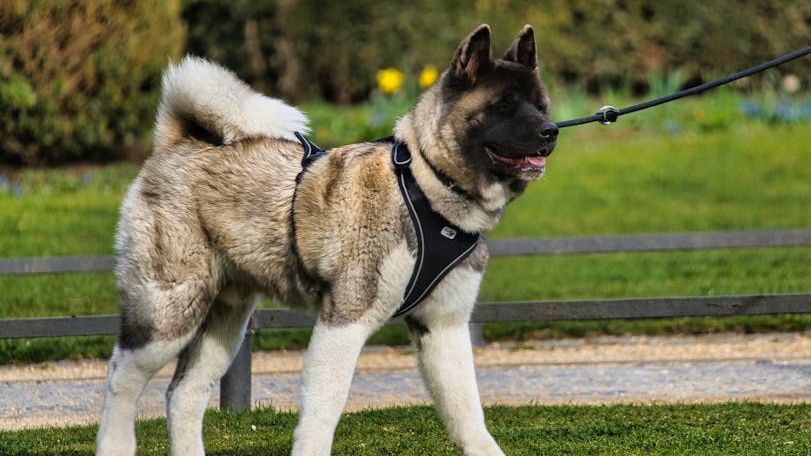
There’s something unsettling about walking through a crowded city park and suddenly realizing you have no idea what kind of dog is straining at the leash in front of you. Cities are dense, unpredictable spaces. Narrow sidewalks, noisy intersections, unfamiliar strangers at every turn – it’s an environment that can push even a well-trained dog to its behavioral limits. Some breeds handle that pressure gracefully. Others, frankly, were never built for it.
While every dog’s temperament is shaped by its environment, training, and upbringing, specific breeds carry physical and genetic traits that – in the wrong hands – make them genuinely dangerous. From jaw-crushing bite forces to territorial aggression, certain breeds are recognized by animal behavior experts, insurance risk assessors, and bite-incident databases worldwide as presenting elevated risk. The urban setting magnifies that risk considerably. Here are 15 breeds that deserve serious consideration before anyone brings them into a city environment.
#1 – American Pit Bull Terrier
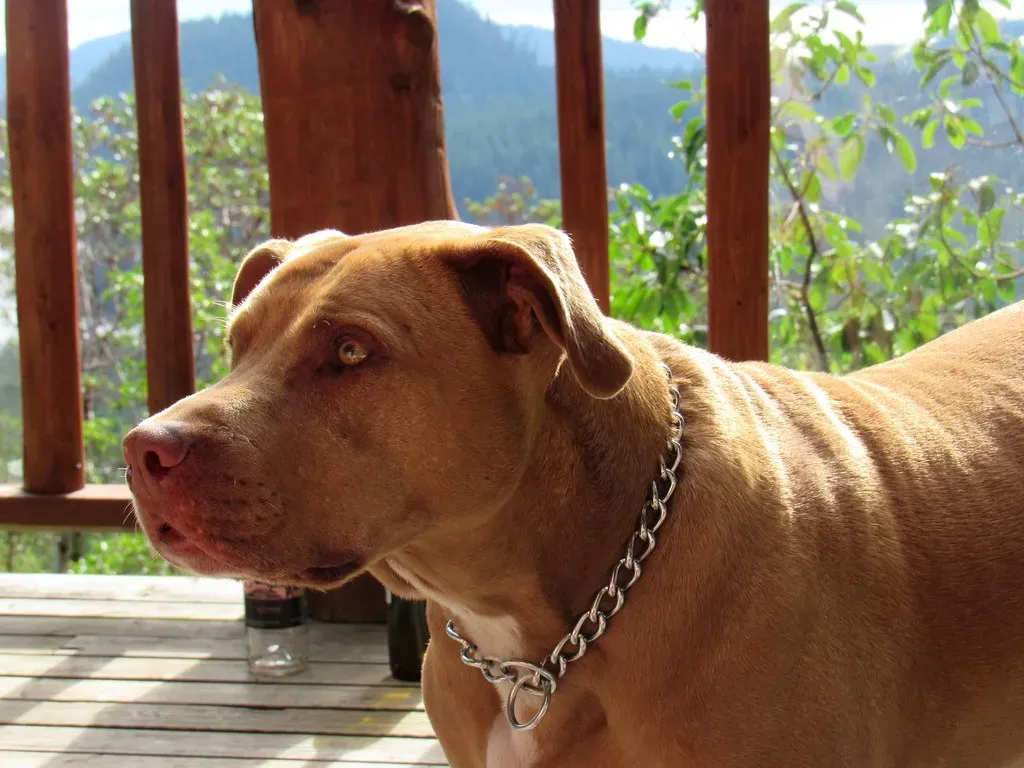
With a bite force exceeding 240 PSI and a documented history of fatal attacks, pit bulls account for a disproportionately large share of severe mauling incidents globally. Insurance data from major carriers continues to flag pit bulls as the highest-risk breed category. In urban settings specifically, the density of strangers, other dogs, and unpredictable noise creates constant triggers for a breed that was selectively developed for tenacity and pain tolerance.
Pit bulls were responsible for approximately two thirds of fatal dog attacks in 2023, and historically they have accounted for a similarly overwhelming proportion of recorded deaths between 2005 and 2019. Many insurance companies won’t cover pit bull owners, and some apartments ban them completely. The data doesn’t make a pit bull automatically vicious, but it does make them a breed that demands exceptional owner commitment – something urban living doesn’t always allow.
#2 – Rottweiler

Rottweilers rank second globally in terms of danger due to their powerful build, high protective instinct, and documented aggression toward unfamiliar people and animals. They have one of the strongest bites of any domestic dog, measured at roughly 328 PSI. In recent incident reports across Europe and the US, Rottweilers were involved in a significant number of fatal or disfiguring attacks, often when kept without adequate behavioral training.
Together, pit bulls and Rottweilers were involved in approximately three quarters of all fatal dog attacks, with Rottweilers alone responsible for 51 recorded deaths. A Rottweiler will rarely attack an owner, but may perceive a friendly gesture as a threat and cause sincere damage to a person in an effort to protect their family. They are powerful and quick when trying to eliminate any perceived danger, and restraining a Rottweiler once it catches its stride is nearly impossible. In a city, where strangers approach constantly, that protective switch can flip without warning.
#3 – German Shepherd
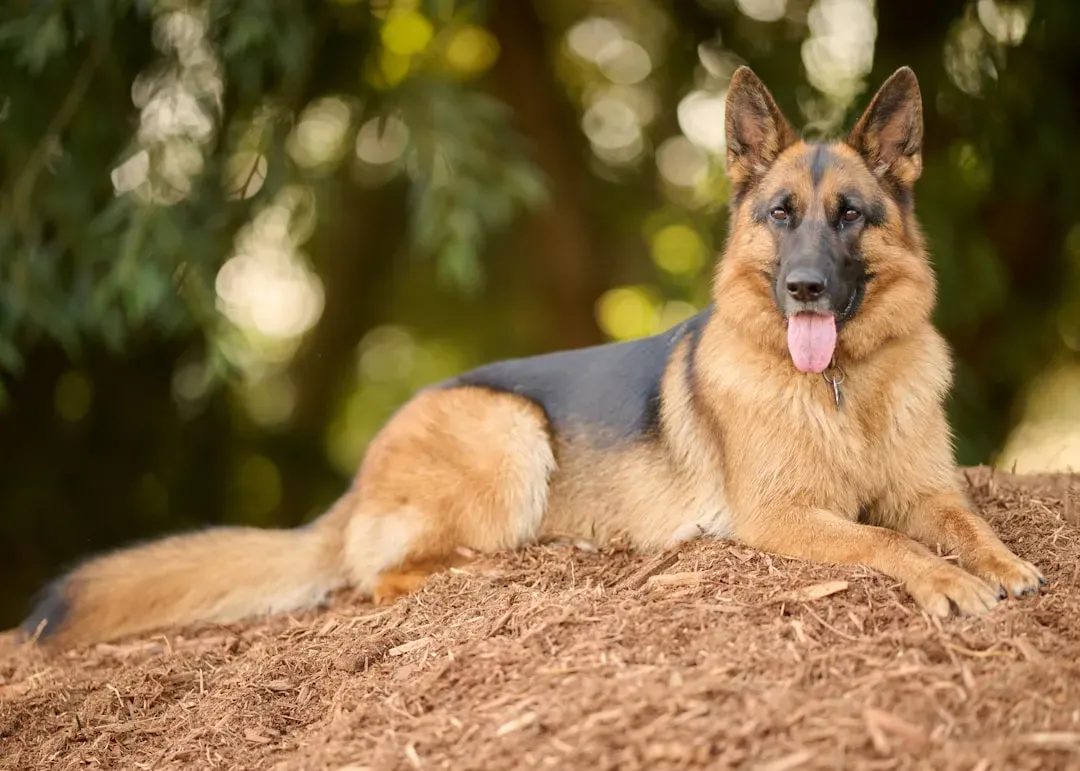
Multiple studies, including a 2025 review from the Journal of Veterinary Behavior, identified German Shepherds in the top three breeds by bite incidence globally. They are brilliant, driven working dogs, but that intelligence cuts both ways. In a confined urban apartment without sufficient daily stimulation, that drive turns inward – and the results can be dangerous.
There’s an excellent reason German Shepherds are one of the top breeds working in military and law enforcement. They are intelligent, loyal, and protective, alert to danger in whatever form it displays. They are hard-working dogs that won’t waver from their job – with a bite force of 238 PSI to back it up. Statistics consistently show that German Shepherds appear among the breeds with the highest fatality rates alongside pit bulls and Rottweilers. For city dwellers without significant dog-handling experience, this is a breed that deserves careful thought.
#4 – Cane Corso
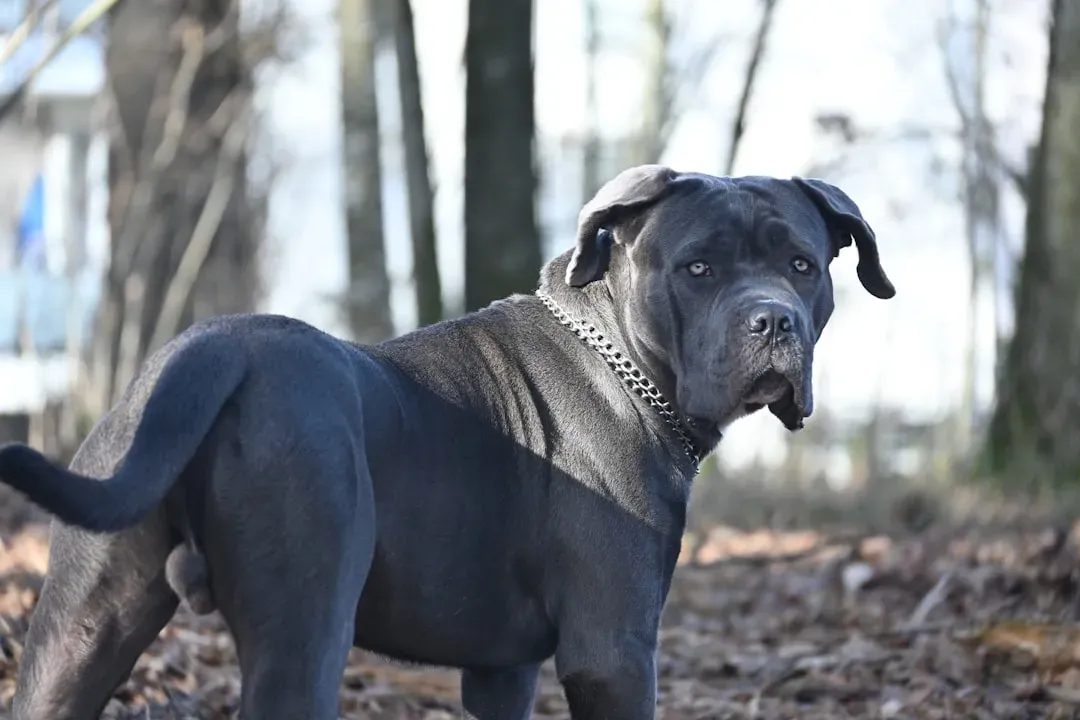
The Cane Corso is a massive Italian Mastiff breed originally used for hunting big game and as war dogs. Their sheer size, sometimes reaching 110 pounds, combined with a strong territorial instinct, makes them genuinely dangerous when not managed by experienced handlers. Incidents involving Cane Corsos have increased across North America since 2023.
For those living in urban settings, extra precautions are necessary. Cane Corsos need space to move and exercise, and keeping them in small apartments without enough activity can lead to frustration and behavioral issues. Providing regular walks, training, and proper containment measures are essential to safely keeping a Cane Corso in a city environment. In countries like Germany, Australia, Romania, and Switzerland, the Cane Corso is banned due to its powerful physique and potential for aggression. That international legal consensus says something meaningful.
#5 – Wolf Hybrid

A wolf hybrid is a cross between a domestic dog and a wild wolf. While they may look like cute, cuddly dogs, they can also be dangerous. What makes the wolf hybrid particularly harmful is that it’s a challenge to train and control, making it dangerous around people, especially children. Moreover, if they escape from their property, they can be difficult to catch because of their partly wild nature.
Wolf-dog hybrids fall into a special class due to their mixture of being partly undomesticated. The regulation of wolf-dog hybrids often occurs at the state level for this reason. States like Alaska, Michigan, Massachusetts, and Maryland prohibit their ownership. A city is perhaps the single worst environment imaginable for an animal with a wild wolf’s instincts. The noise, the crowds, and the proximity to strangers create a near-constant state of stress for an animal that was never meant to live this way.
#6 – Doberman Pinscher
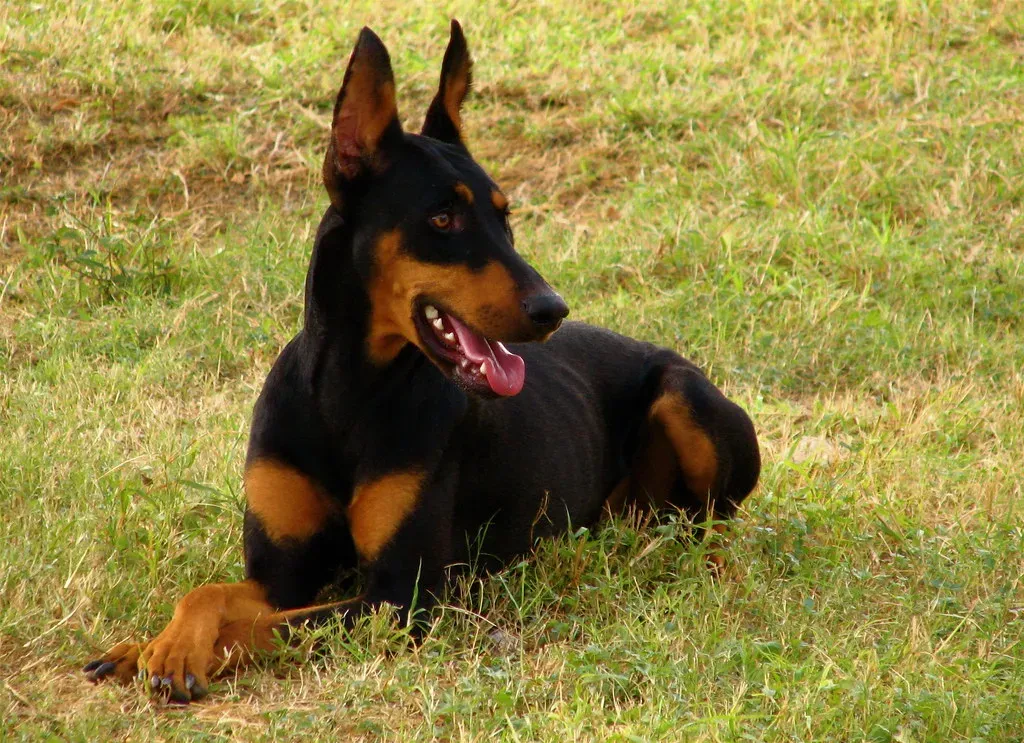
Fast, sleek, and fiercely loyal, Dobermans are exceptional guard dogs that can become serious threats without proper training and leadership. Their speed – reaching up to 32 mph – combined with a high-drive personality makes them formidable. Dobermans are among the most frequently cited breeds in guard-dog attack cases.
The Doberman Pinscher gets their credibility from their original job accompanying a taxman on his route. This breed is often listed in the statistics of breeds involved in fatal dog attacks, with a strong bite to back up the bark at an estimated 245 PSI. They are affectionate with their family but have a confident, protective nature, and are wary of strangers, which contributes to their aggression risk. In the constant foot traffic of a city street, a Doberman’s hair-trigger protective response can become genuinely unpredictable.
#7 – Alaskan Malamute
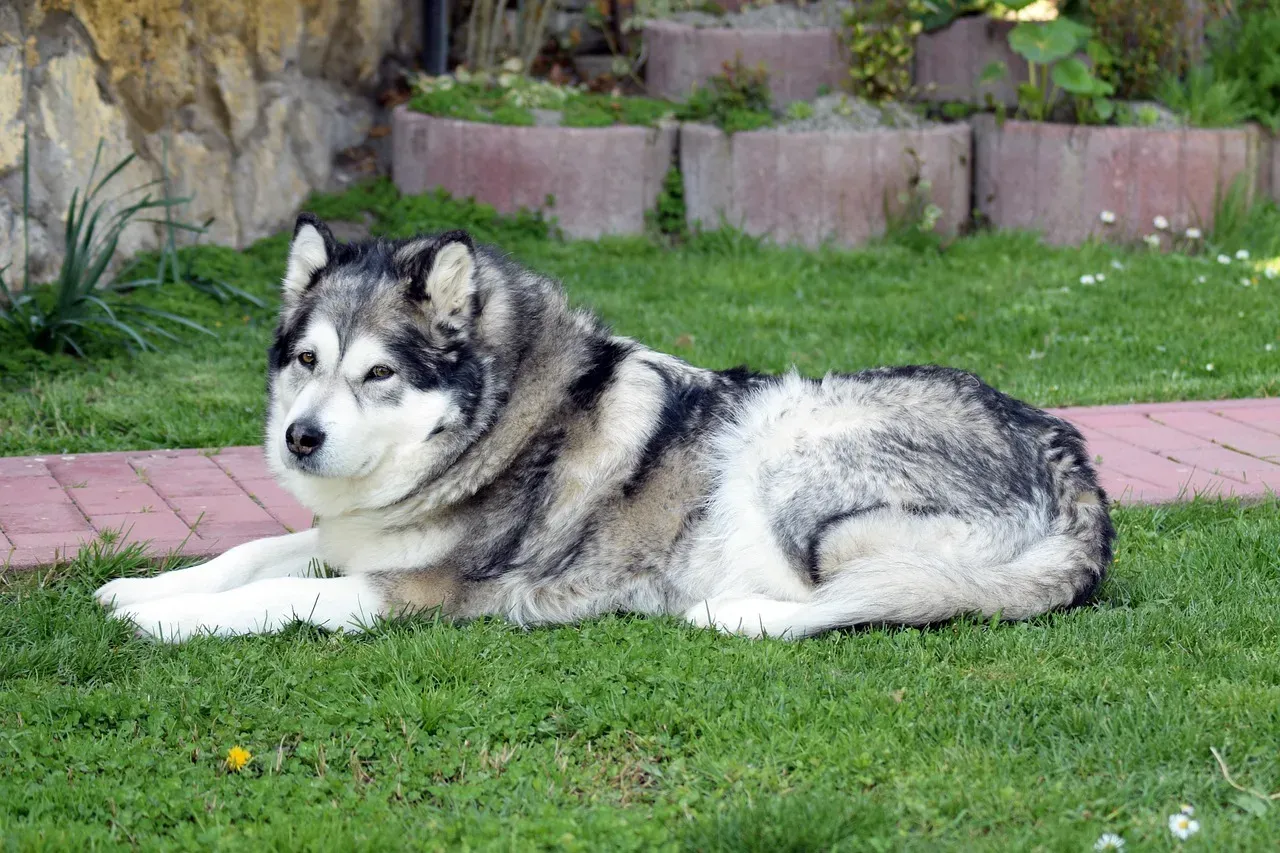
Alaskan Malamutes have occasionally been included in breed-specific legislation. Their strong-willed nature and large size can make them challenging for inexperienced dog owners, leading to occasional bans and restrictions in certain areas. Malamutes were originally bred as sled dogs, meaning they have high energy levels and require regular exercise. A city environment rarely provides the space or activity level this breed physically needs.
These large, powerful, and energetic dogs resemble Siberian Huskies in appearance, but are significantly larger, often weighing up to 95 pounds. While these dogs can be loving and loyal companions, they also possess a strong independent streak and a tendency to disregard commands. That independence, combined with raw physical strength, makes an Alaskan Malamute in a dense urban neighborhood a management challenge most people genuinely underestimate before bringing one home.
#8 – Siberian Husky
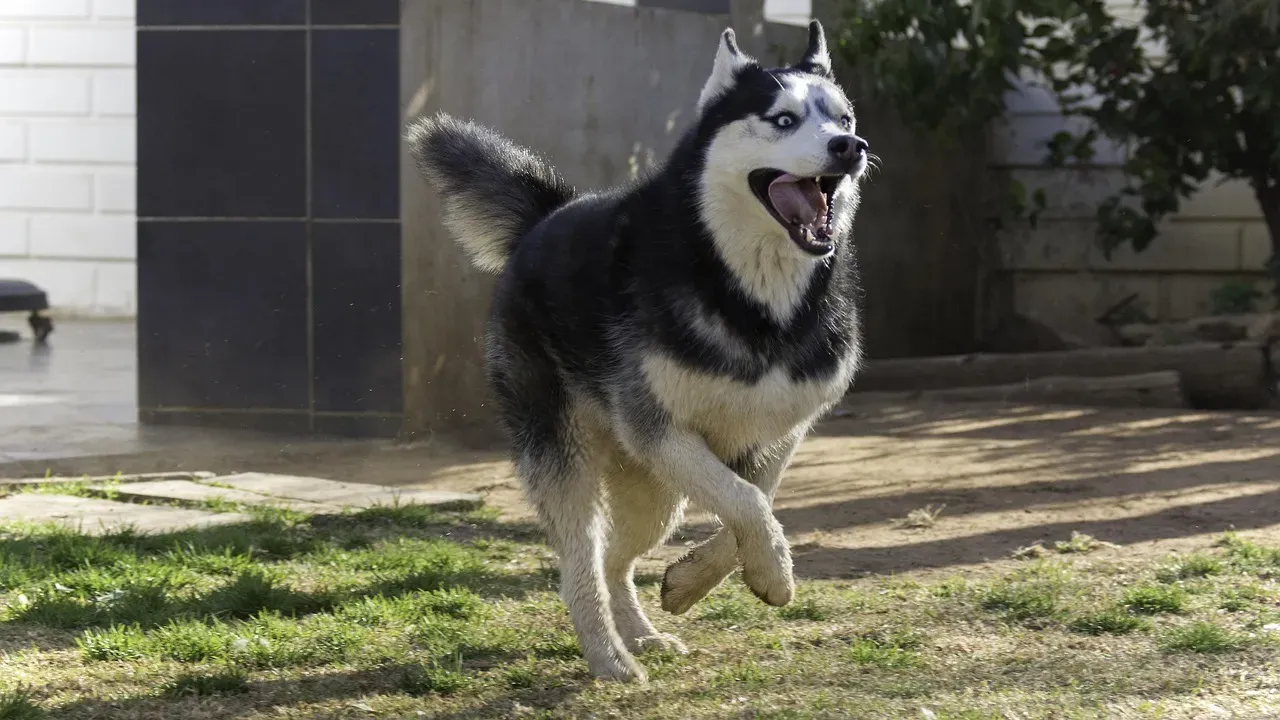
With their striking resemblance to wolves, Siberian Huskies are often admired for their beauty and athleticism. Their wild instincts can sometimes lead to dangerous behavior. Initially bred for endurance and ability to withstand harsh conditions, Huskies are strong and independent, possessing a high prey drive. This can manifest in aggressive behavior when they feel threatened or provoked.
Most Huskies will get along fine with families and kids, given that they have a calm, relaxed environment and a lot of time to play, train, and expend their energy. However, they are a handful even for veteran owners, and new owners should look to less demanding breeds. Huskies were third in recorded fatal dog bites in one major study period, behind pit bulls and Rottweilers. The urban apartment is simply not the habitat this breed was shaped for over centuries of breeding.
#9 – Chow Chow

Often underestimated due to their teddy-bear appearance, Chow Chows are fiercely independent and notoriously aloof toward strangers. They bond deeply with one or two family members but can react aggressively to others. Several US insurance companies explicitly list Chow Chows as a breed they will not cover. That’s a notable signal from an industry whose business is risk assessment.
The Chow Chow was responsible for over 238 attacks between 1979 and 1998. Of those incidents, 40 of the attacks led to fatalities, and 37 of the victims were children. Originating from China, the breed is considered a high-risk pet. Given that it can weigh up to 70 pounds, it can be extremely dangerous if it feels provoked, scared, or threatened. In city environments where strangers constantly approach, a Chow Chow’s distrust of unfamiliar people is a daily liability.
#10 – Presa Canario
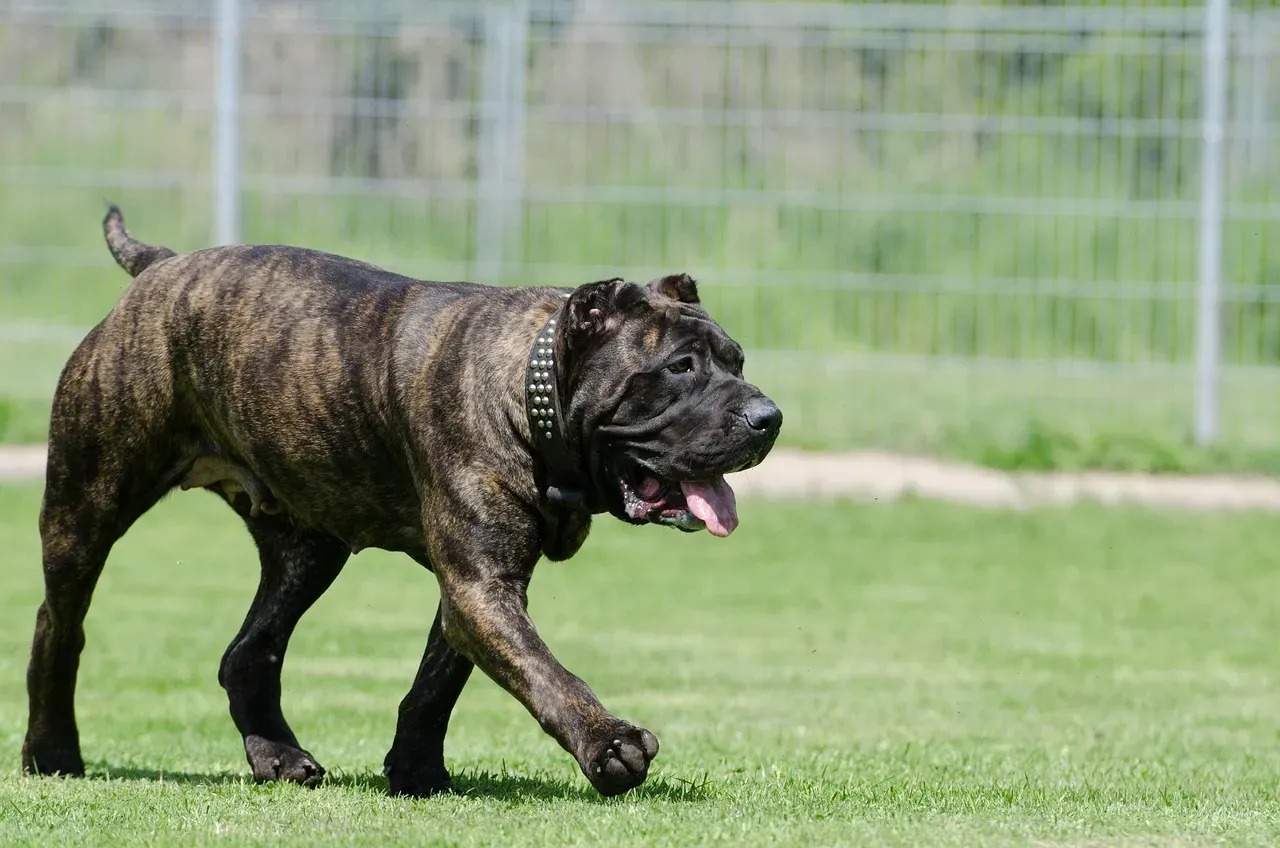
The Presa Canario is one of the most dangerous breeds due to its size, strength, and dominant personality. Bred as livestock guardians, they are highly territorial and can be aggressive if they feel their family or property is threatened. Weighing up to 150 pounds, their muscular build can cause devastating injuries, and their confidence and independence make them challenging to train, especially for inexperienced owners. The combination of strength, territorial instincts, and a powerful bite force makes this breed particularly high-risk in untrained or neglected situations.
Back in 2001, a woman was killed by a pair of Presa Canarios that had been trained to fight and then kept in an apartment. The attorneys who had decided to keep the dogs ended up going to prison. That case became a landmark moment in the public conversation around dangerous dogs in urban settings. Incidents involving Presas have contributed to their reputation as aggressive dogs, leading to restrictions in places like Australia and New Zealand. While these dogs can be affectionate with their families, they require experienced owners who can provide firm training and socialization.
#11 – Akita
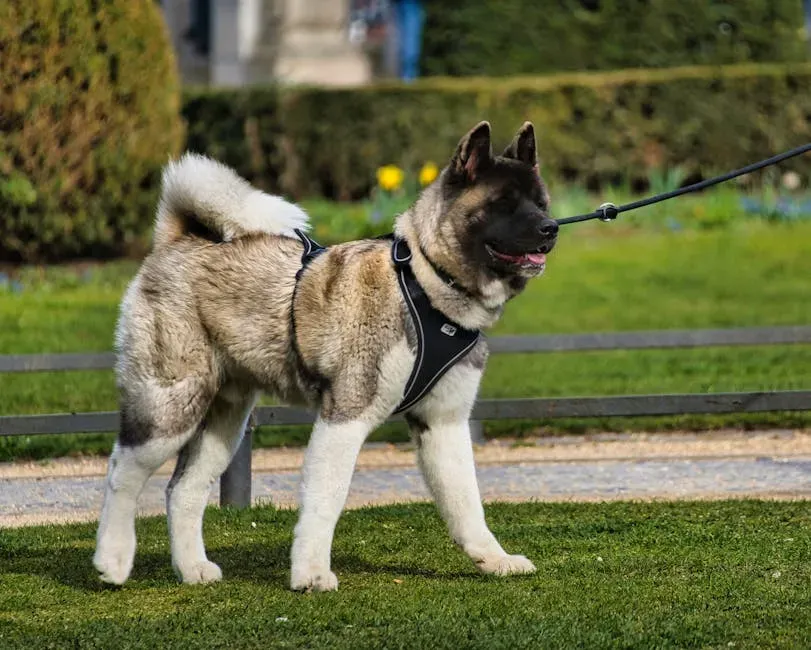
Native to the mountainous regions of Japan, the Akita is celebrated for its loyalty and bravery. Nevertheless, its strong territorial instincts and defensive nature can manifest in aggression towards strangers or nearby animals. Raising an Akita requires caution and adherence to proper training methods. Cities offer the exact opposite of the quiet, controlled environment this breed genuinely thrives in.
The Akita belongs to the spitz-type dog group and was selectively bred as a guardian and big-game hunter. Consequently, they have a strong prey drive, which accounts for their high risk profile. They are loyal and hard-working animals with an unmistakable independent streak. One study specifically noted the breed’s increased aggression and territoriality. While they are standoffish with strangers and often other animals, they are affectionate with their favorite people. They must be socialized early on for success as a family pet. In a city, that window for early socialization is everything.
#12 – Dogo Argentino

The Dogo Argentino, a muscular breed developed in Argentina for big-game hunting, has faced bans and restrictions in various parts of the world. Known for its strength and determination, the Dogo Argentino has been banned in places like the UK, Australia, and New Zealand due to concerns about its potential for aggression. Countries don’t ban breeds without documented cause.
The Dogo Argentino was bred for big game hunting and dog fighting in Argentina. They have a white coat and muscular build, weighing 80 to 100 pounds. Dogos are known to be persistent in their pursuit of prey and have a strong bite force due to their powerful jaws. Placing a breed with that level of prey drive in an environment full of joggers, cyclists, small dogs, and children is a recipe that requires extraordinary owner discipline. Most city lifestyles don’t realistically support that level of commitment.
#13 – Bullmastiff
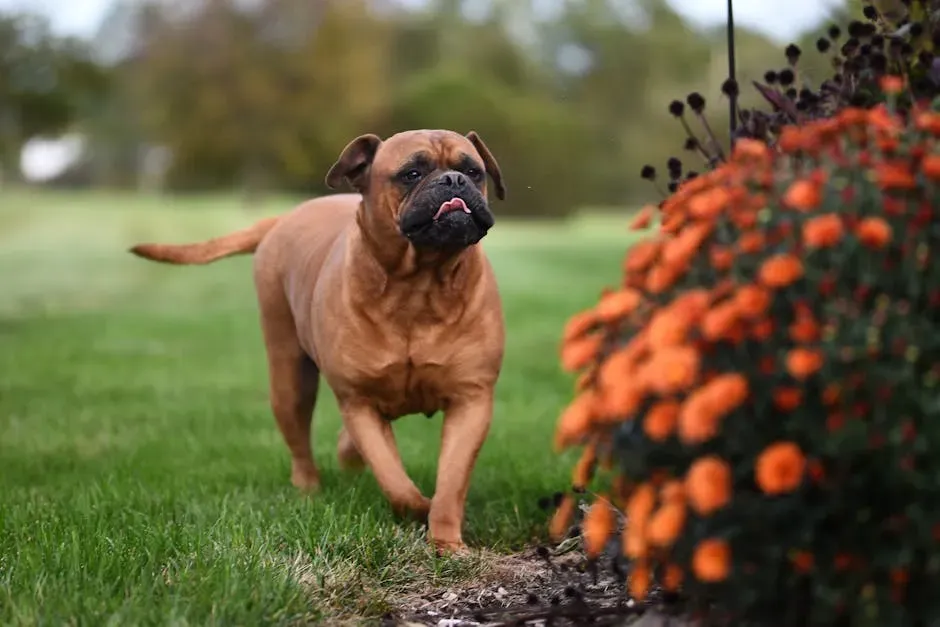
Bullmastiffs are often described as gentle giants and are known for their loyalty and protective nature. However, their massive size and powerful bite can make them dangerous if not properly trained and socialized. The Bullmastiff boasts a massive build and immense power. In locations like Australia, Canada, and New Zealand, the Bullmastiff is classified as a dangerous breed requiring stringent supervision and training.
The Bullmastiff’s temperament is heavily influenced by the environment and owner behavior. That’s the crux of the urban problem. City environments are loud, chaotic, and full of unpredictable variables that stress even calm breeds. Like the Cane Corso, the Bullmastiff occupies a similar niche as a deterrent guardian, bred for controlled protection work. It can be prone to orthopedic issues and heat sensitivity, requiring firm, consistent training and moderated exercise. A cramped apartment and a single daily walk simply doesn’t meet the needs of an animal this powerful.
#14 – Japanese Tosa
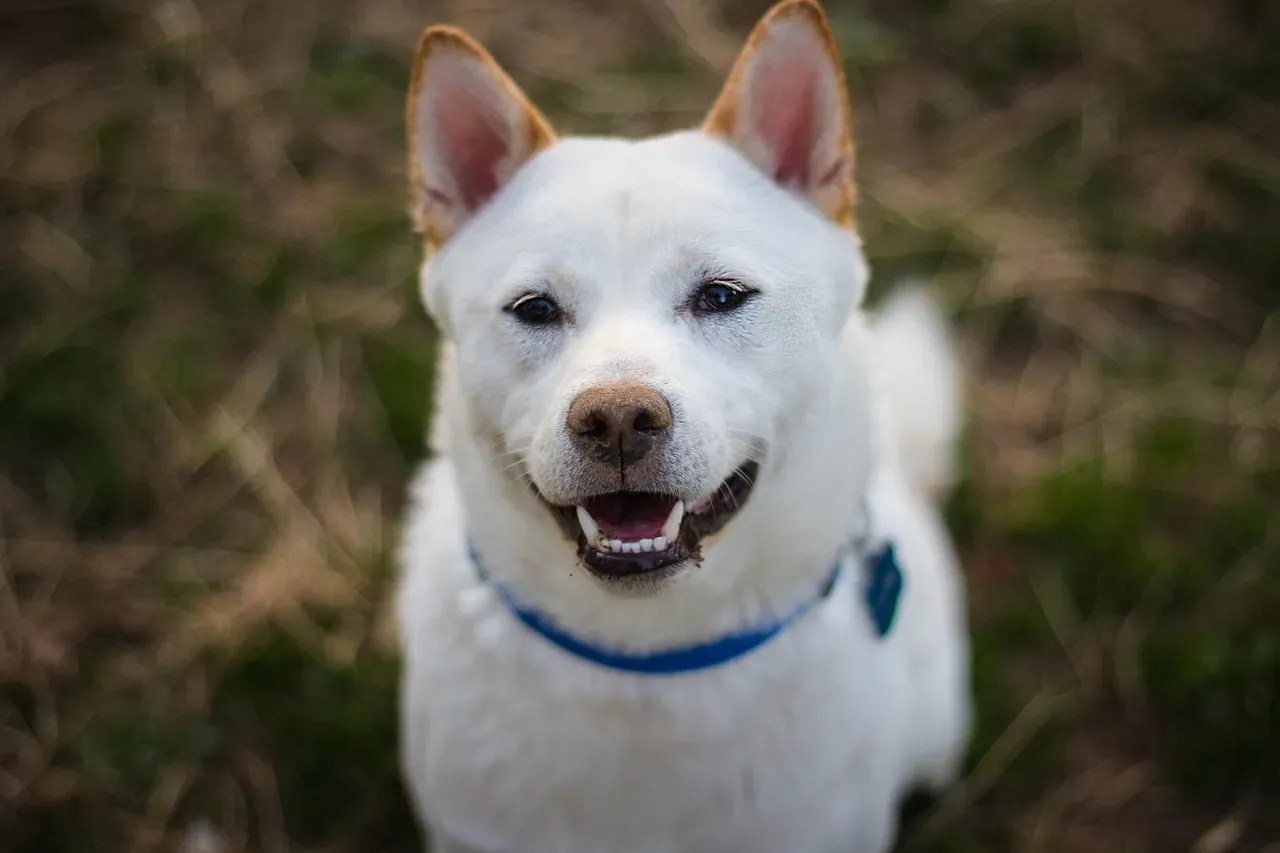
The Japanese Tosa, also known as the Tosa Inu, is a rare breed developed for dog fighting in Japan. Due to this background, the Tosa has been banned or restricted in several countries, including the UK, Denmark, and Norway. These dogs are large, powerful, and have a reputation for being aggressive, which has led to stringent restrictions worldwide.
The Tosa originates from Japan, where it was historically used in dog fighting. Tosas are enormous, often weighing 80 to 135 pounds as adults. They are a sensitive and quiet breed, but when they do bark, it is impressive. They are excellent guard dogs due to their size and appearance – muscular, courageous dogs who are very loyal to their handler. Unfortunately, they are also powerful and capable of destruction. In the UK, the Tosa is considered a dangerous dog and cannot be owned without special permission. They are also banned across multiple European nations, Malaysia, New Zealand, and Australia.
#15 – Great Dane

The colossal size of the Great Dane makes it dangerous if it is scared or threatened. Otherwise, the dog is considered a large and gentle canine friend. That distinction matters enormously in a city. Great Danes are not naturally aggressive in the way fighting breeds are, but the sheer physics of a dog that can weigh 175 pounds and stand eye-to-eye with a grown adult means that even a startled, fearful response can send a person to the emergency room.
Any poorly trained dog is a risk, regardless of breed. However, a larger animal often has more strength, mass, and an advantage over a small victim – such as a child – when compared to a smaller animal. The size, power, and bite force of large dogs significantly impact the potential danger during an attack. A Great Dane that hasn’t been rigorously socialized and trained to navigate crowds, traffic noise, and the countless surprises of urban life is an accident waiting to happen – not out of malice, but out of sheer, overwhelming mass.
A Final Word Worth Taking Seriously
This list isn’t an argument for banning breeds or demonizing individual dogs. Most of the animals described here are genuinely loyal, loving companions in the right hands and the right environment. The honest opinion here, though, is that “the right environment” is almost never a small city apartment, a crowded dog park, or a busy downtown sidewalk – at least not without years of committed training and socialization that most busy urban dwellers simply can’t realistically provide.
US insurers paid $1.57 billion in 2024 for dog-bite and other dog-related injury claims. That staggering figure reflects real suffering behind real statistics. Responsible ownership, proper socialization, and training remain the most powerful factors in a dog’s behavior. However, understanding risk is essential for public safety, policy decisions, and informed ownership choices. The city doesn’t ask much of its people – but it does demand that we’re honest about what we’re bringing into it. Choosing a dog that fits your actual lifestyle isn’t a compromise. It’s the most responsible thing a dog owner can do.


