
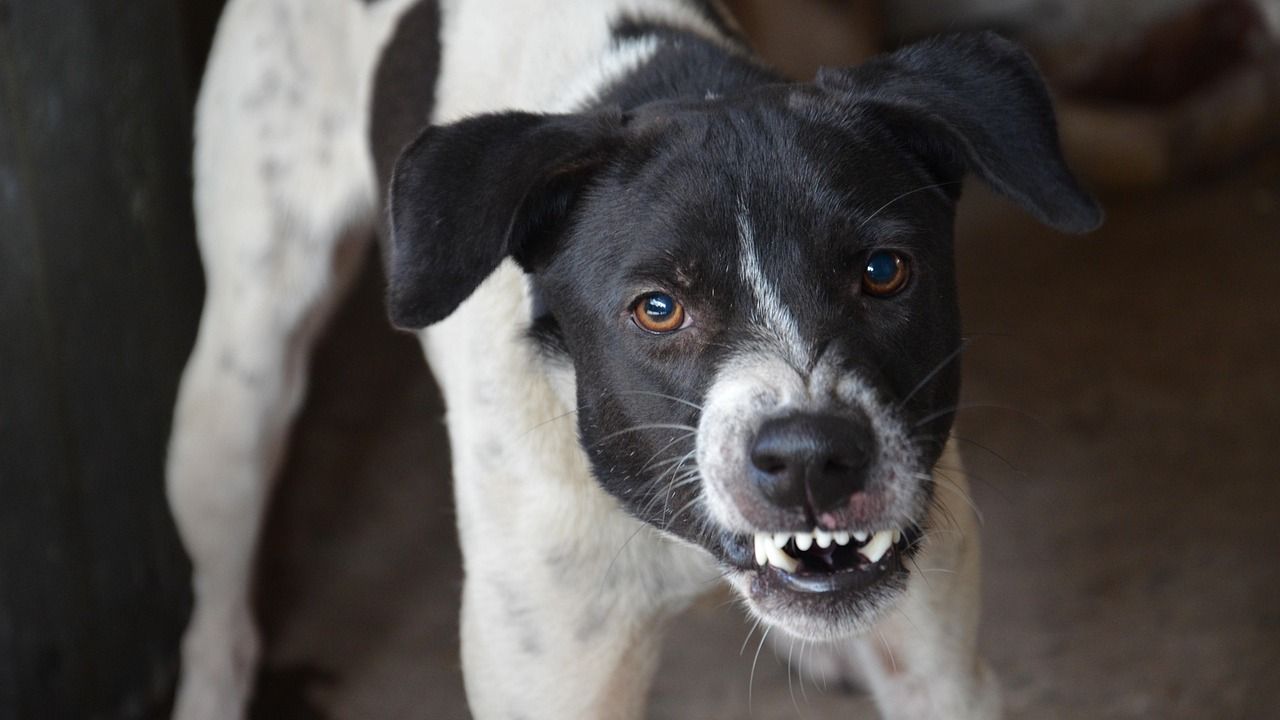
Most people who’ve been bitten by a dog say the same thing afterward: they never saw it coming. The truth is, they almost certainly did – they just didn’t know what they were looking at. Dogs are remarkably communicative animals, and the vast majority of attacks are preceded by a sequence of signals that, once you know them, are hard to miss.
Many people don’t recognize the warning signs before a bite, so they perceive their dogs as suddenly flying off the handle. That’s rarely the case. It can be just milliseconds between a warning and a bite, but dogs rarely bite without giving some type of warning beforehand. The problem isn’t that dogs are silent – it’s that we’re not listening in the right language.
#1: Raised Hackles Along the Back and Neck
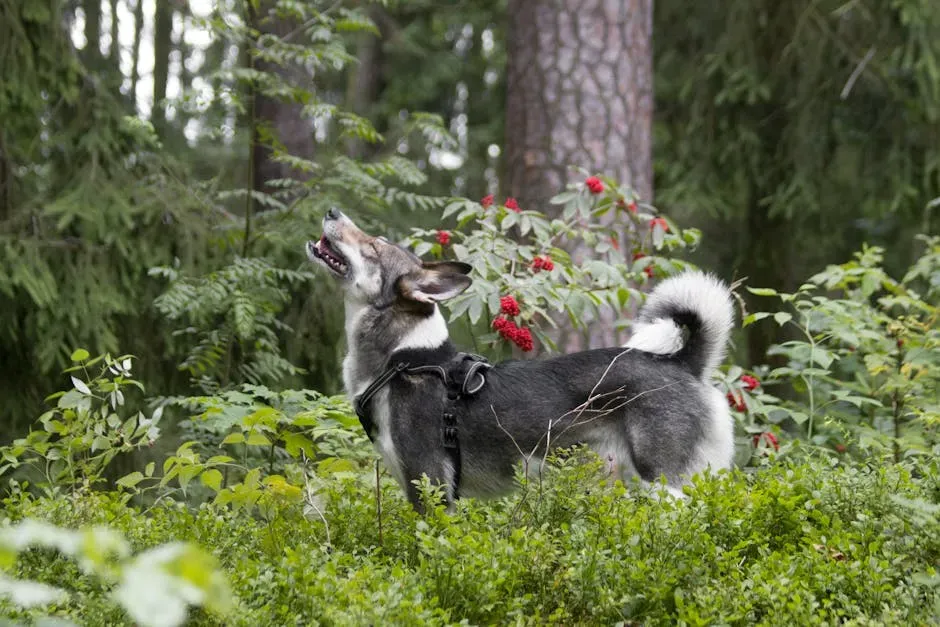
One of the first things to watch for is the hair along a dog’s spine standing on end. The hair along a dog’s back, known as hackles, may stand up when the dog is aroused, frightened, or angry. This physical reaction is an involuntary response to stress and serves to make the dog appear larger and more intimidating. It’s essentially the canine equivalent of puffing up.
When the hair on the back of a dog’s neck is raised, that means it’s alert and potentially fearful or aggressive. Importantly, hackles rising isn’t always a sign of outright aggression – it can indicate high arousal of any kind. Still, in an unfamiliar or tense situation, it’s a signal that deserves your full attention and a respectful amount of space.
#2: A Stiff, Frozen Body Posture
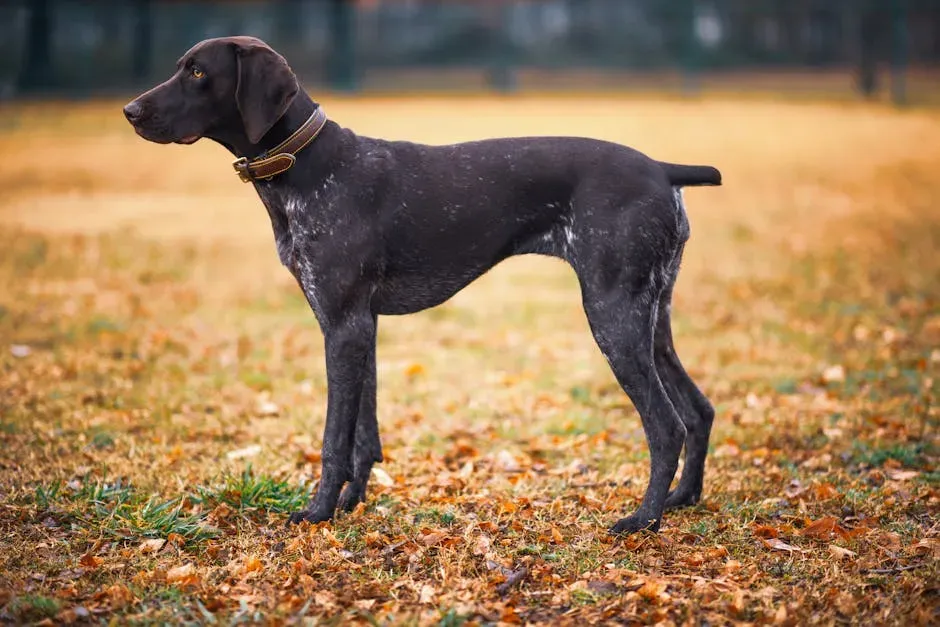
A relaxed dog will usually have a loose, waggy posture. A stiff, frozen stance, however, often means the dog is uncomfortable or ready to act defensively. Rigidity is a clear red flag. When a dog goes very still – not resting, but frozen mid-motion – something has shifted in its internal state.
If a dog stiffens its body posture and becomes still, it may sense a threat or feel uncomfortable. This behavior may be the prelude to a sudden lunge or bite. Think of it as a system pause before a very fast reaction. The stillness itself is the warning, and moving toward a dog in that state is one of the riskiest things you can do.
#3: Intense, Unwavering Eye Contact
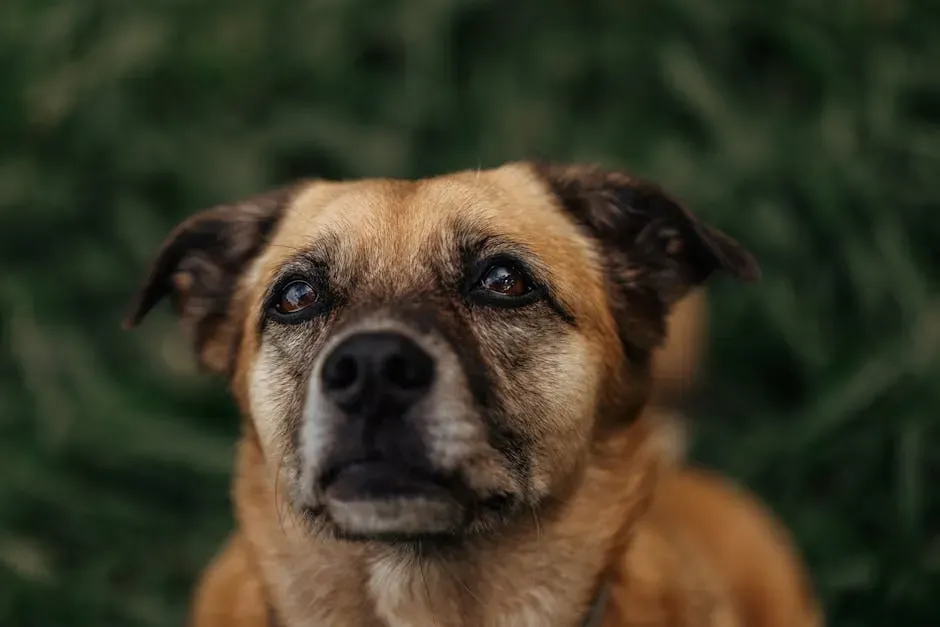
Dogs may exhibit intense staring as a warning sign of aggression. Direct eye contact can be perceived as a challenge or threat, especially in confrontational situations. Among dogs, a prolonged, unblinking stare functions less like curiosity and more like a formal declaration of intent.
Intense, unwavering stare can mean the dog sees you as a threat. Further interaction may cause the dog further stress, potentially leading to an attack. The eyes in this state are sometimes described as “lifeless.” If you notice a dog locking eyes with you and holding that gaze without blinking, don’t stare back. Avert your eyes and give the animal space – that alone can de-escalate many situations before they worsen.
#4: Growling, Snarling, or a Deep Change in Vocalization
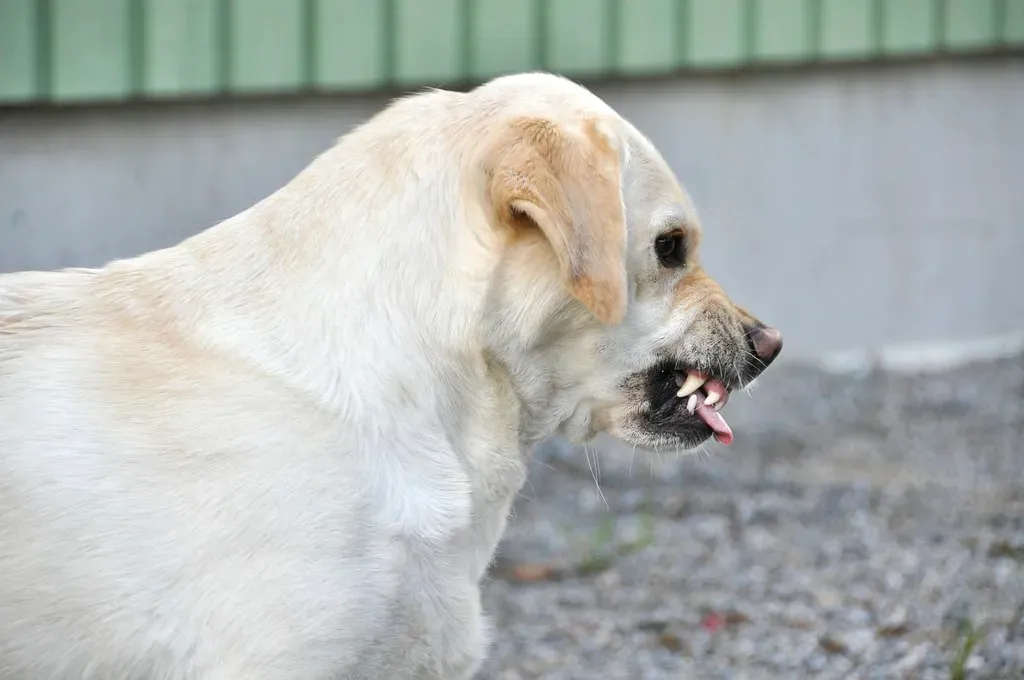
A dog about to attack often gives verbal warnings. These can range from low growls to loud, repeated barks. You might notice a distinct change in the tone of the dog’s bark, becoming more guttural and aggressive. A growl is not the dog being dramatic – it’s communicating something specific and serious.
It is important that you do not reprimand a growl – if you do, they have a higher chance of skipping this step next time and going straight to a snap or bite. This is worth remembering whether you own the dog or not. Dogs may display aggression through snarling, which involves lifting the lips to reveal teeth and emitting a low growl. This expression signifies readiness to attack and is often accompanied by intense eye contact. When the growl deepens and teeth appear at the same time, the escalation ladder is being climbed quickly.
#5: Baring Teeth
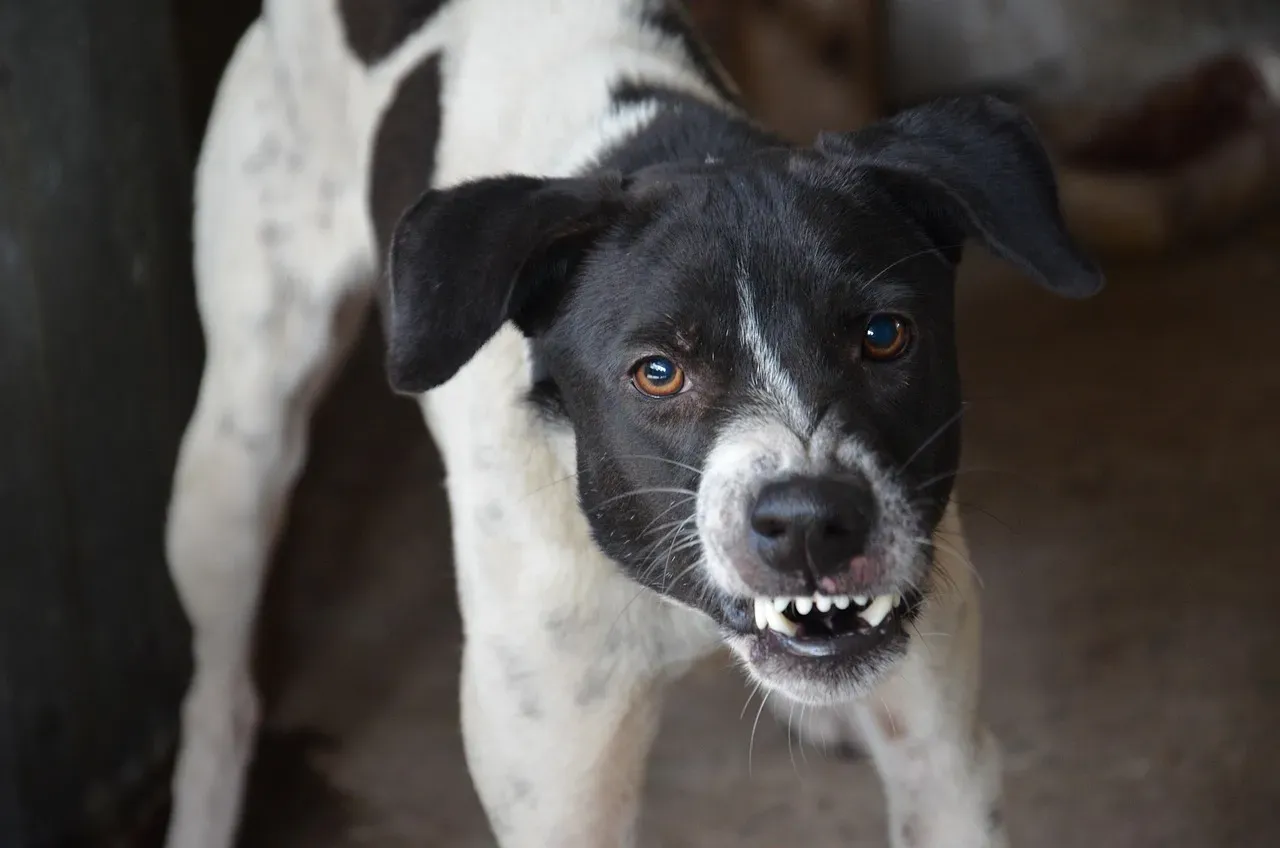
When a dog shows its teeth, it signals aggression and warns others to keep their distance. This visual threat display can lead to biting if the perceived threat does not retreat. Bared teeth are among the clearest signals a dog can offer, and they should never be mistaken for a “smile.”
Baring teeth is a clear indication of aggression and is often accompanied by growling or snarling. Dogs may bare their teeth when feeling threatened or when displaying dominance. At this stage, the dog has already moved well past subtle signals. It’s offering you one of its most visible warnings, which means it’s feeling genuinely threatened and the window for safe intervention is narrowing fast.
#6: Tail Position That Tells a Different Story
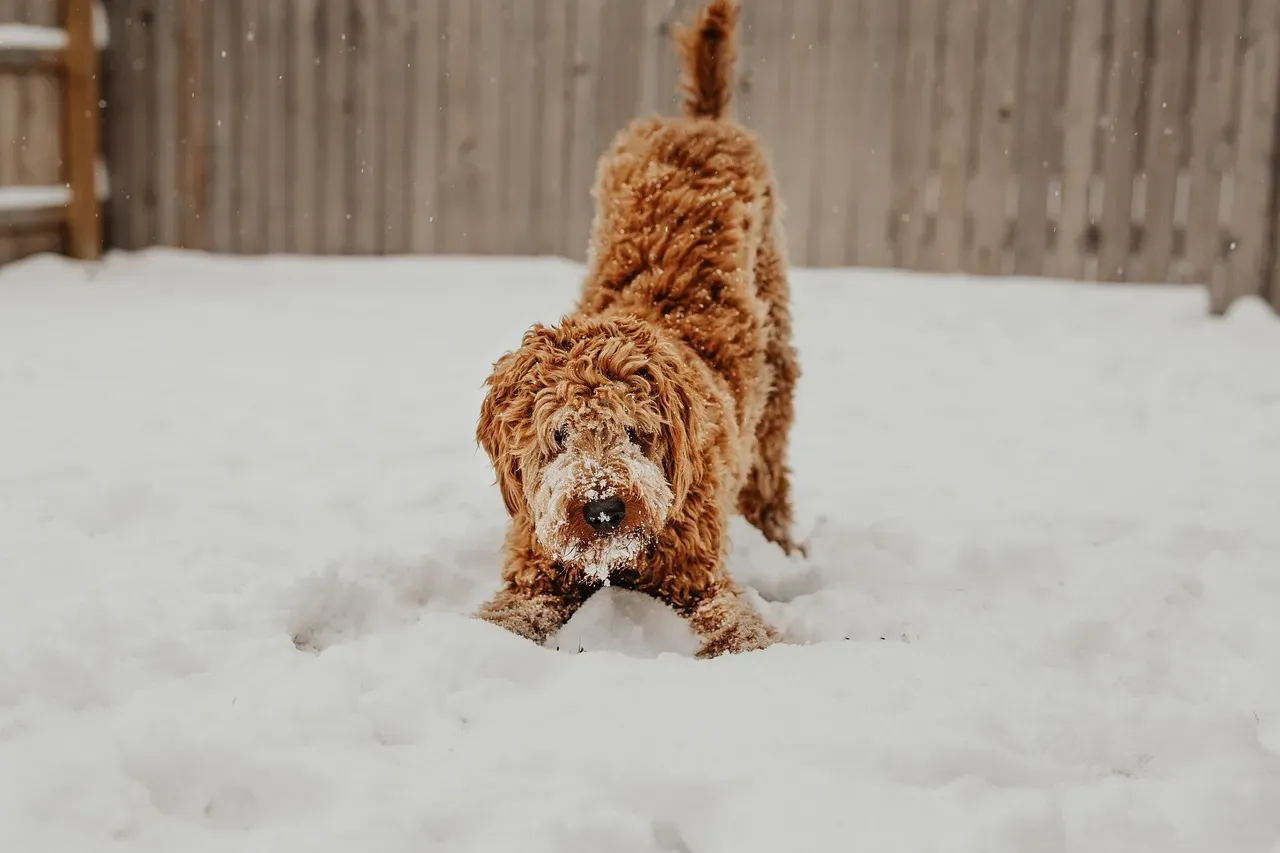
Most people think a wagging tail means a happy dog. That assumption can get you hurt. A wagging tail can mean lots of things, including “I am about to bite.” Context is everything, and reading the tail in isolation without considering the rest of the body is a common mistake.
A dog communicates a lot about how it’s feeling through its tail. Low or tucked tails can indicate fear, while stiff, raised tails indicate alertness. Both of these may lead to an attack. A stiff and straight tail or one placed high over the dog’s back is a warning signal. Short, staccato wags, or wagging at just the tip, can be a threat gesture. The tail’s position combined with overall body tension is far more telling than the wag itself.
#7: Cowering, Avoidance, or Attempting to Hide
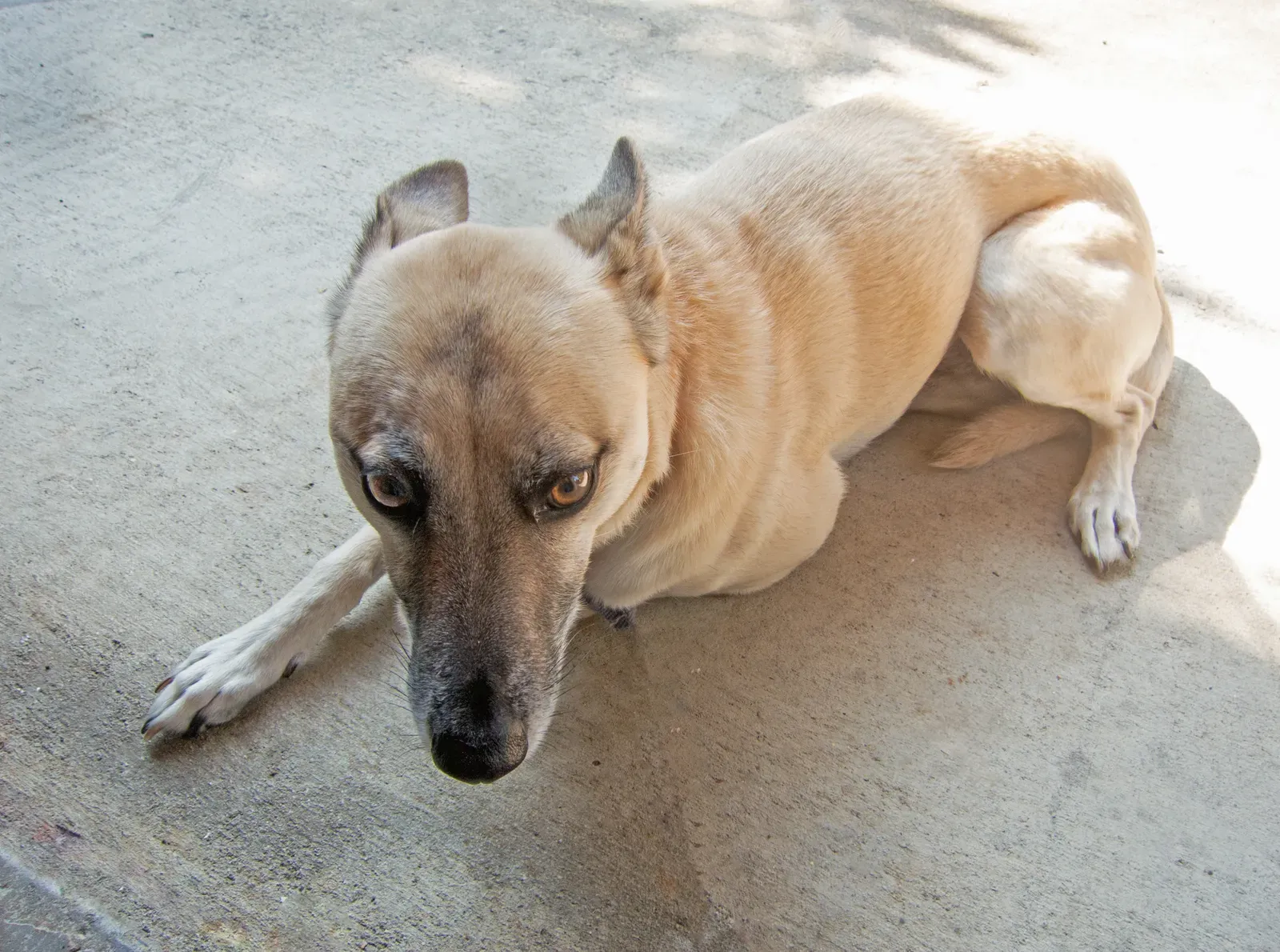
It might seem counterintuitive, but a cowering dog can be just as dangerous as one standing tall and growling. Lowering the body and tucking the tail between the legs indicates fear and submission. However, a cowering dog can still be dangerous, as fear can quickly turn into defensive aggression if the dog feels cornered.
Sometimes, dogs try to move away or hide when uncomfortable. If they feel cornered, that initial avoidance can quickly turn into an aggressive response. Fear is the most common reason for dog aggression. When a dog’s only escape route seems blocked – whether physically or psychologically – it may choose to fight its way out. Giving a visibly stressed or retreating dog room to move away is one of the most effective preventive actions you can take.
#8: Snapping at the Air or a Forward Lunge
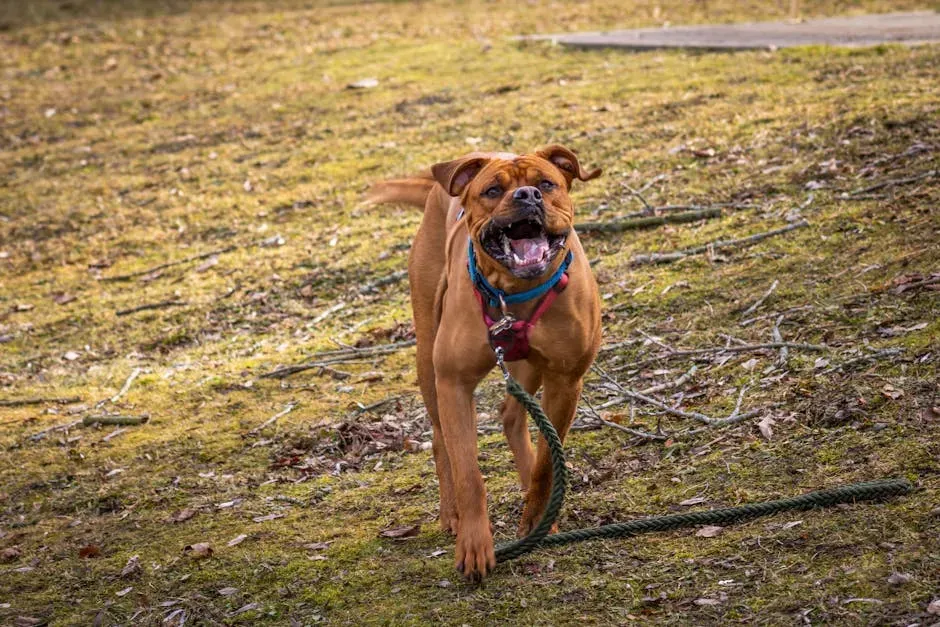
The most obvious signal will be a snap at the air in front of you, which is not a “miss” but a warning that the next one will make contact. Many people interpret an air snap as a failed bite, but that misreads the communication entirely. The dog chose not to connect – it’s a final, deliberate warning.
If a dog lunges toward you, whether it connects or not, it’s a clear sign of aggressive intent. Even if they don’t bite, this behavior shouldn’t be ignored. When early warning signs are ignored, or the level of threat intensifies, dogs escalate their behavior. They do this to stop the situation, and if these early signs are ignored, they move to more obvious signals, ending with growling, snapping, and biting. This escalation can occur very quickly, or over a period when the appeasement behavior is continually ignored. A lunge or air snap at this stage means you’ve likely missed several earlier signals. This is the last exit before a bite.
What This All Means – and Why It Matters
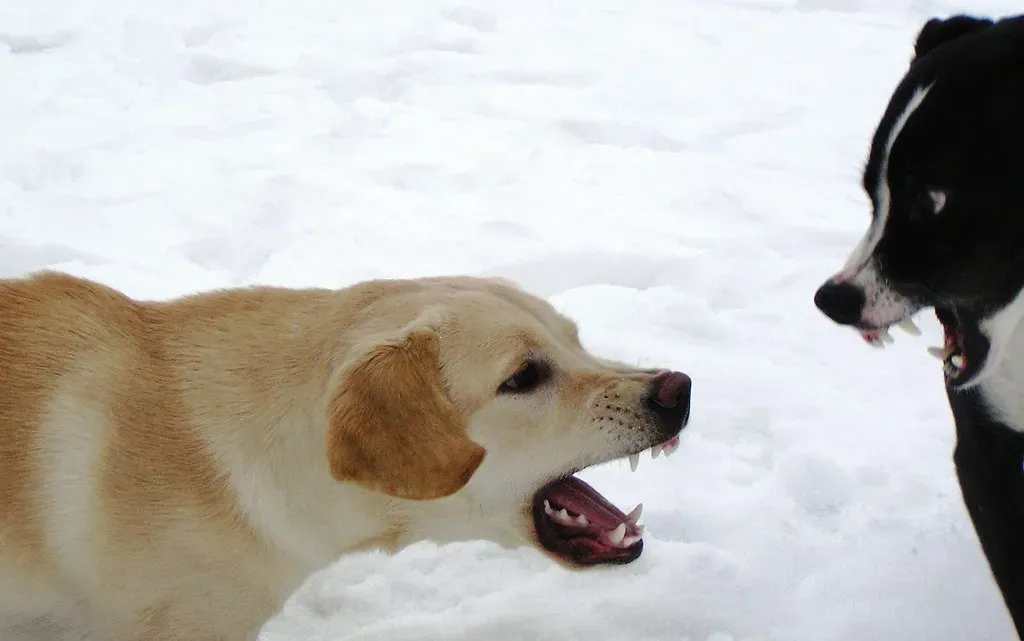
Dogs are not randomly violent animals. When a dog displays aggression, there is usually a reason for it. Dogs typically give warning signs before biting or attacking. They do this because they don’t want to hurt people. The dog’s goal is to make the threat go away. Understanding this reframes the whole situation – dogs aren’t being vicious, they’re communicating the only way they know how.
Calling a reaction “sudden” aggression might not be taking more subtle warning signals into account. We often don’t pick up on early indicators of canine stress and discomfort, forcing dogs to escalate to more obvious behaviors to make their intention clear. The responsibility falls on us, not the dog, to learn the language.
In the end, recognizing these eight signs isn’t about being afraid of dogs – it’s about respecting them. A dog that growls, stiffens, or snaps is doing exactly what nature designed it to do: communicate. The best thing we can do is listen. Dogs deserve that much, and so do the people around them.


