
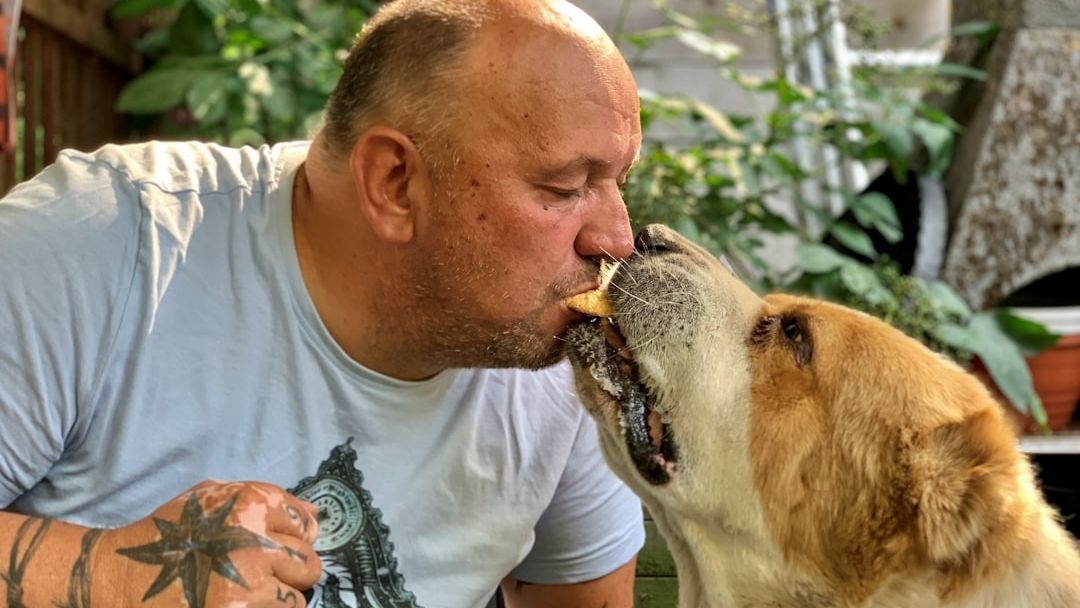
Out on Wyoming’s high plains and mountain allotments, the threat isn’t hypothetical. Ranchers across western Wyoming have been grappling with the reintroduction of gray wolves and expanding grizzly bear populations for years. Wolves now push deep into grazing land, and the stakes for livestock operators couldn’t be higher. In Wyoming alone, confirmed economic losses from wolves and bears exceeded $786,000 in a single year.
Not every dog can answer that call. The gap between a breed that holds its ground against a 130-pound wolf and one that simply cannot is enormous. Some dogs were built, across centuries of brutal selective pressure, to do exactly this job. Others, no matter how smart or loyal, were bred for entirely different purposes and have no business being the last line of defense between a flock and a hungry pack. Here’s the real breakdown, backed by rancher experience and research conducted on Wyoming’s own rangelands.
#1. Turkish Kangal
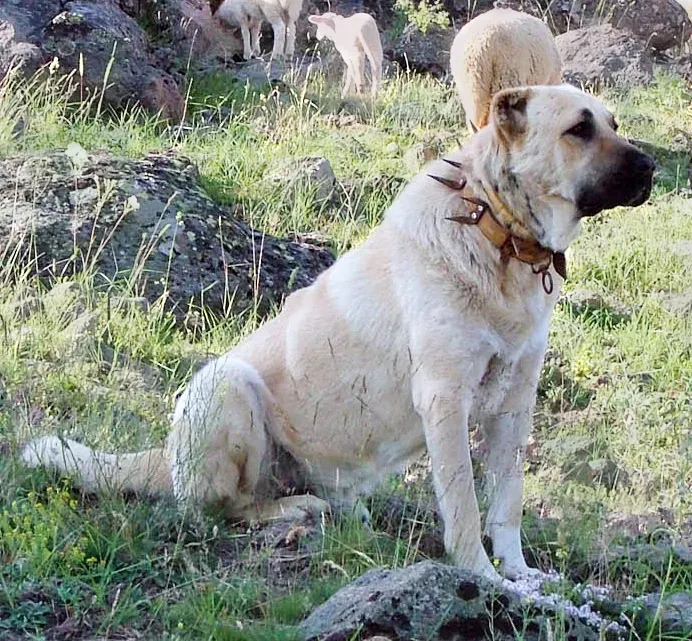
The Kangal is, by almost every measure, the gold standard for wolf deterrence in Wyoming and the broader mountain West. Originating from Turkey, the Kangal is famous for its immense power and calm confidence, boasting one of the strongest bite forces among dog breeds at reportedly around 700 PSI. Most adult wolves carry a bite force around 400 PSI. The Kangal reportedly matches or exceeds that.
Research documents that the Turkish Kangal is one of three breeds currently underutilized in the U.S. that may protect livestock more effectively than other breeds, as confirmed by a USDA Wildlife Services and Utah State University study. Ranchers in Wyoming’s Sublette County and beyond have turned to Kangals specifically because wolves had begun outmatching their existing dogs. Even with a breed as large and fierce as the Kangal, a single dog is more likely to be killed, so the dogs work best in teams and can be utterly merciless when dealing with wolves.
#2. Bulgarian Karakachan
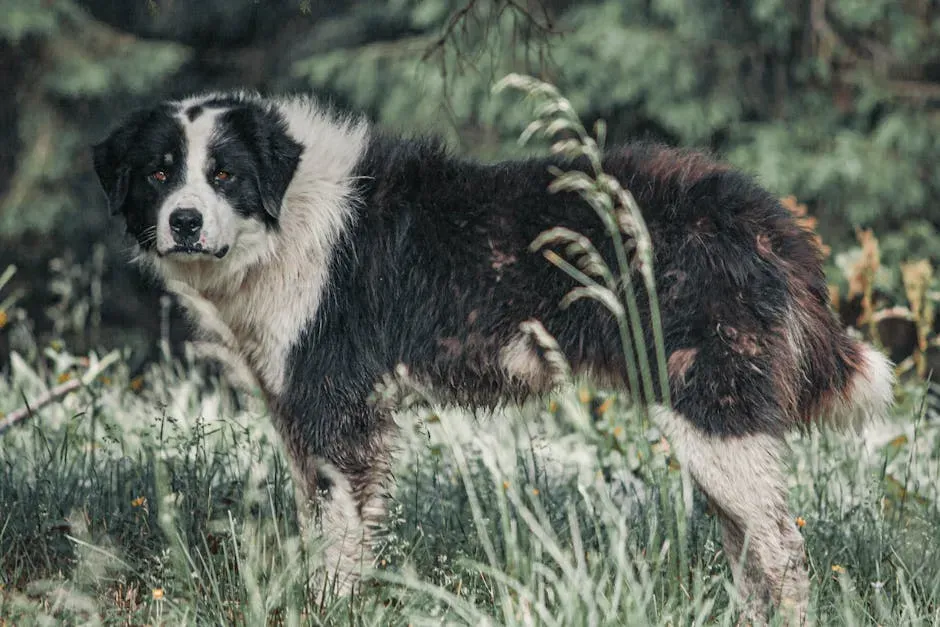
The Karakachan was used as a livestock guardian prized for its intelligence and fearless nature, and is known in Bulgaria as the “wolf killer.” That reputation is earned. In central Europe, Wyoming ranchers learned that Karakachan dogs have been known to chase wolves away from flocks for nearly a mile and a half.
The Karakachan dogs were observed moving about the flock more than other breeds and preferred guarding at a distance, with research showing they want to herd the sheep away from the threat before they confront it. That strategic instinct makes them uniquely effective. The Karakachan dog is a typical livestock guardian created for guarding its owner’s flock and property and does not hesitate to fight wolves or bears, with its ancestors forming as early as the third millennium BC.
#3. Portuguese Cão de Gado Transmontano
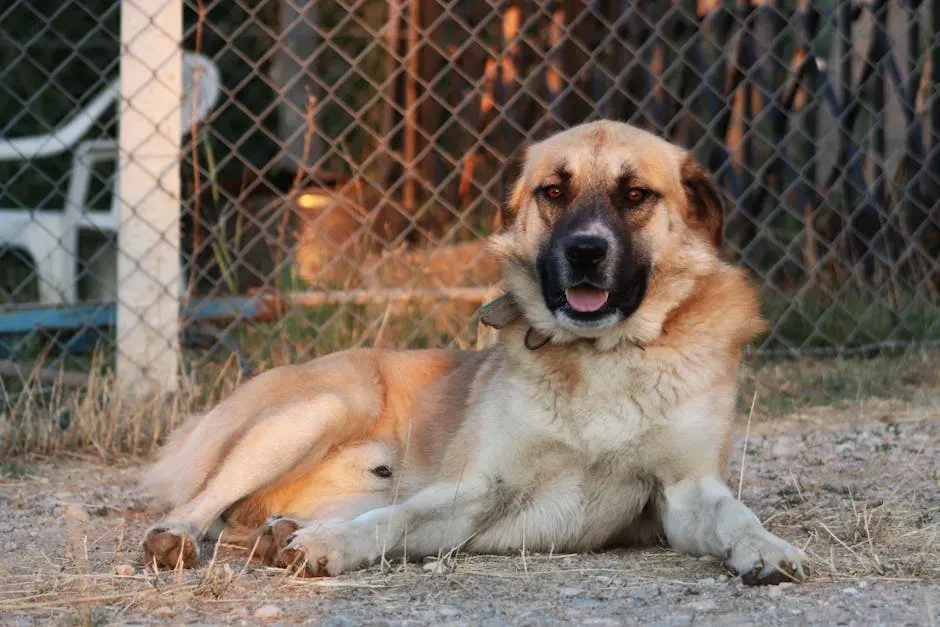
The Cão de Gado Transmontano is a breed of livestock guardian dog from Portugal, originating in the historical province of Trás-os-Montes e Alto Douro in north-eastern Portugal. It’s a rare breed, but one that researchers found outstanding when placed in the field. The breed is used to improve pastoralism as a livestock guardian dog, particularly against Iberian wolf attacks, and has evolved over time with improved genetics through selective breeding for the conditions of pastoral farming.
Developed as a mastiff bred to deter wolves in the mountains of northern Portugal, the Transmontano was one of three breeds explored in a Wildlife Services study alongside the Karakachan and the Kangal, with the thinking being that larger, bolder breeds will fend off wolves more effectively. These breeds have a more assertive behavior, and if attacked, continue to guard. That quality, continuing to guard even after being hurt, is something that separates genuinely wolf-capable dogs from dogs that simply look the part.
#4. Anatolian Shepherd
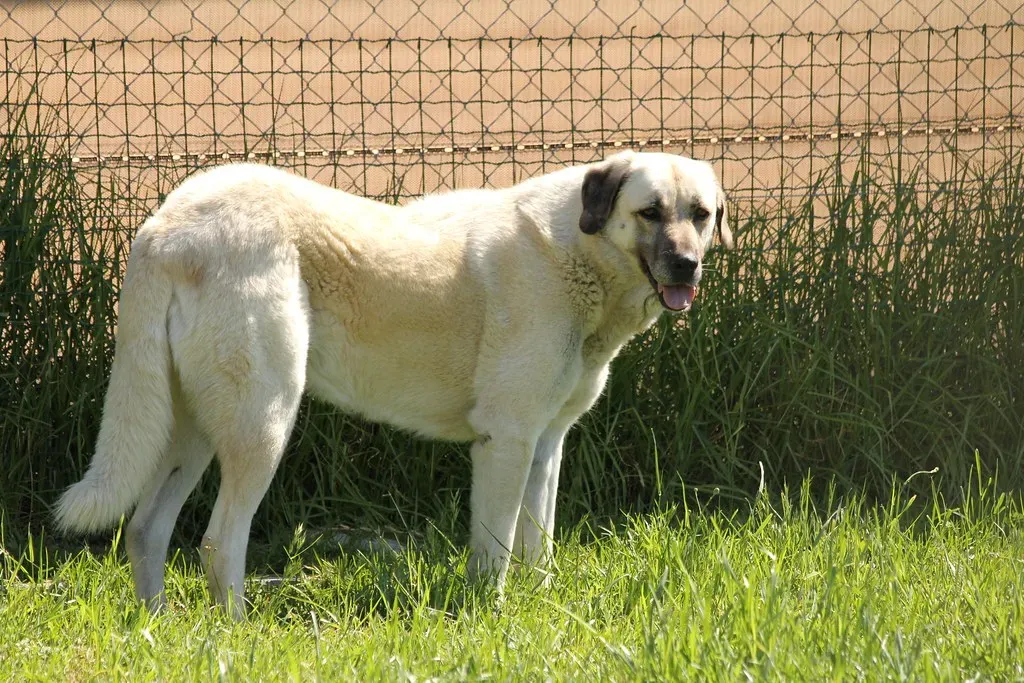
Anatolian Shepherds are large livestock guard dogs with the gumption and ability to successfully take on wolves and grizzlies. They originate from Turkey, where the combination of mountain terrain and wolf pressure shaped them into one of the toughest working dogs alive. They average about 125 pounds, but can reach 150 to 160 pounds, and have one of the highest bite forces of any dog breed.
Recognizable by their curly tail, short-haired yellowish-brown coat, and black face mask, Anatolians are used in the U.S. to guard cattle on large swaths of pasture or open ranges. They can have a strong prey drive making them incredibly territorial and aggressive towards intruders. Wyoming ranchers who shift their dogs from older, lighter breeds to Anatolians often report an immediate difference in how their animals handle confrontation rather than retreat.
#5. Akbash
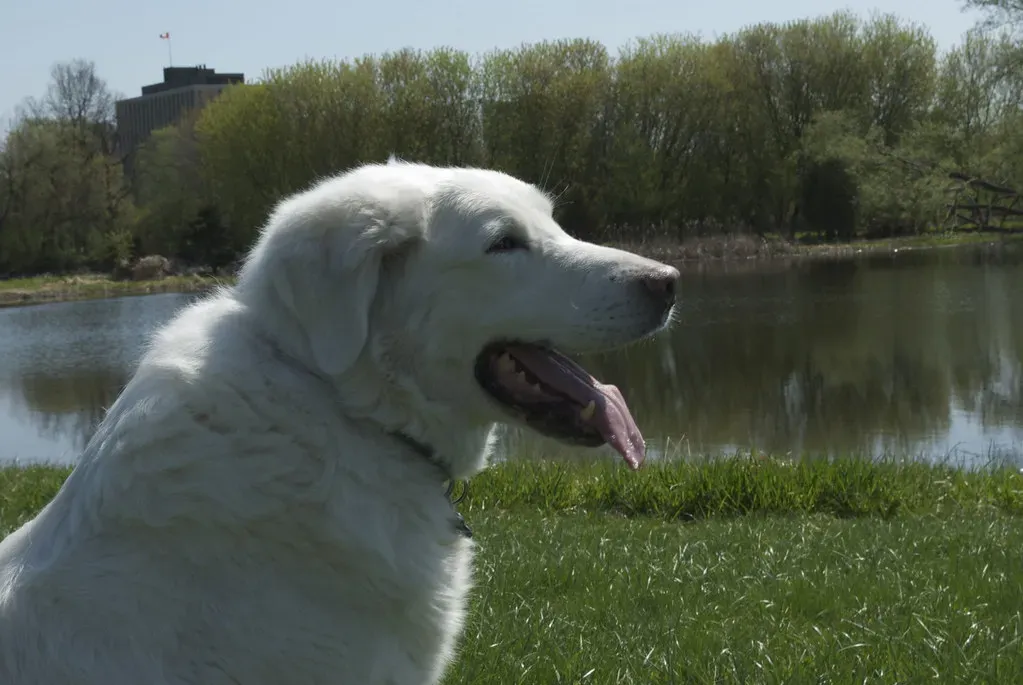
Lean, fast, and fiercely loyal, the Akbash is a guardian dog breed from Turkey, developed specifically for protecting livestock against wolves, bears, and even human threats, with sharp instincts that make them excellent livestock guardians. They’ve been used extensively on Wyoming’s rangelands for decades. The Akbash is one of the most popular working-dog breeds because they have a guardian instinct, according to Colorado State University Professor Bill Andelt.
Unlike bulkier livestock guardian breeds, the Akbash is agile and fast, capable of covering vast terrain effortlessly, with a long coat that is relatively low-maintenance, and these independent thinkers rely on their judgment rather than human commands. That independence is a feature on remote Wyoming allotments where no human is watching. Akbash dogs spend much of the day napping because they work at night, scaring away predators like coyotes and wolves with their throaty bark.
#6. Spanish Mastiff
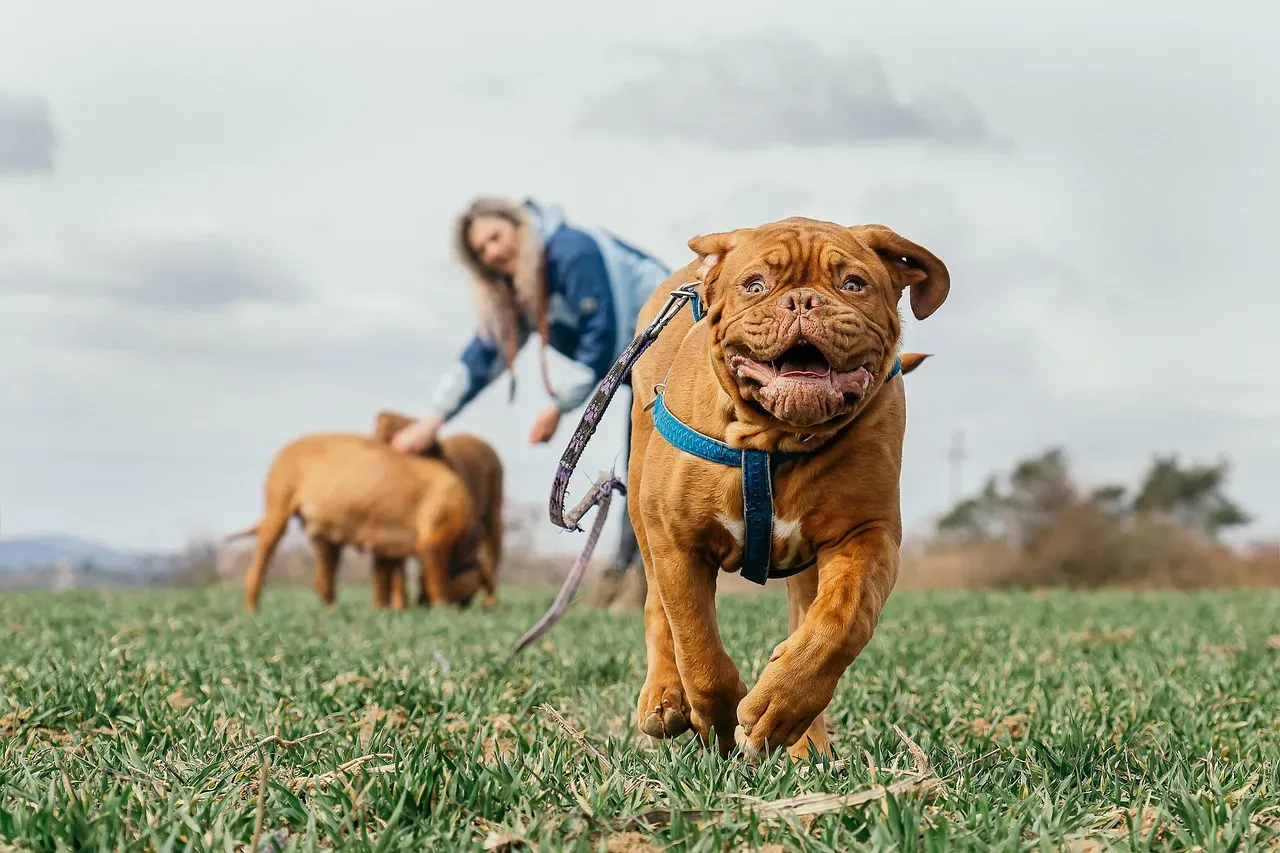
Traditionally used to protect sheep from wolves in Spain, the Spanish Mastiff is both strong and gentle with its flock, with an imposing size making them highly effective at deterring predators. In Wyoming’s wolf country, their reputation precedes them. A male Spanish Mastiff examined by Wyoming rancher Cat Urbigkit was known to have killed a wolf in a fight. That’s not a claim most breeds can make.
The Spanish Mastiff carries enormous mass, and in wolf encounters that mass matters. Their bark alone can push back a cautious wolf, and when it doesn’t, their physical presence creates a credible threat. Protection is more reliable when a herd is guarded by dogs of different breeds, for example powerful mastiffs who prefer to lie close to livestock, in cooperation with more mobile breeds who control the perimeter of the pasture. Pairing a Spanish Mastiff with a faster, more mobile breed creates the kind of team coverage Wyoming’s rough terrain demands.
#7. Great Pyrenees
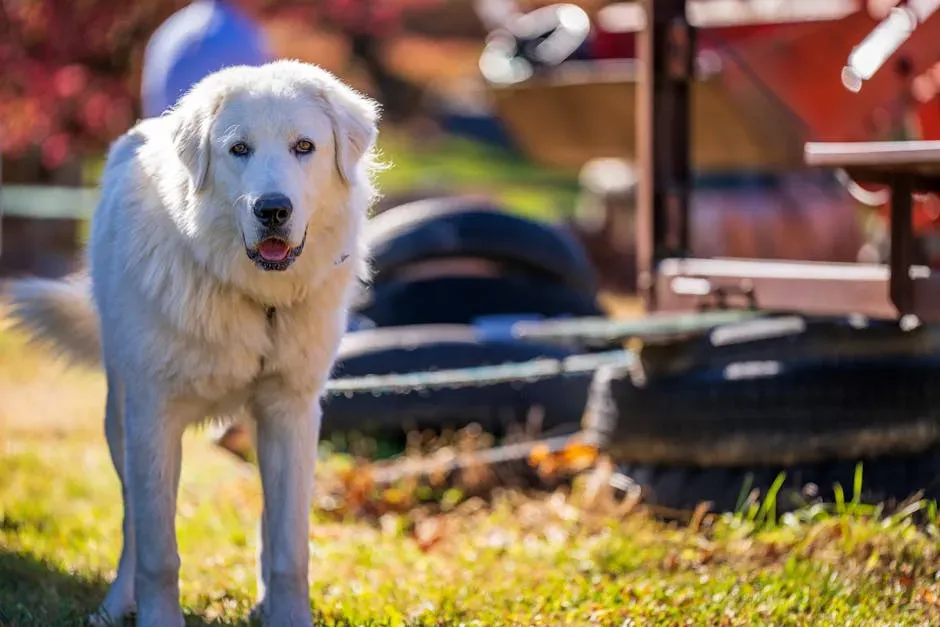
Some breeds of protection dogs, like the Great Pyrenees from the mountains of France and Spain, are most comfortable sitting within the flock. While they can weigh from 80 to 120 pounds, their primary defense is a low and intimidating bark that carries. Big and loud, they will get between the herd and danger, but they’re not likely to give chase or get into a scrap.
The Great Pyrenees works best as part of a team rather than as a solo wolf deterrent. Guard dog breeds like the Great Pyrenees, so stalwart against coyotes, suddenly appeared outweighed and outmatched when wolves returned to the landscape. Still, families using Great Pyrenees and Akbash dogs for twenty years have found that, though the animals haven’t thwarted every threat, they’ve reduced the losses significantly. In mixed packs with more aggressive breeds, the Pyrenees earns its place.
#8. Central Asian Ovcharka (Alabai)
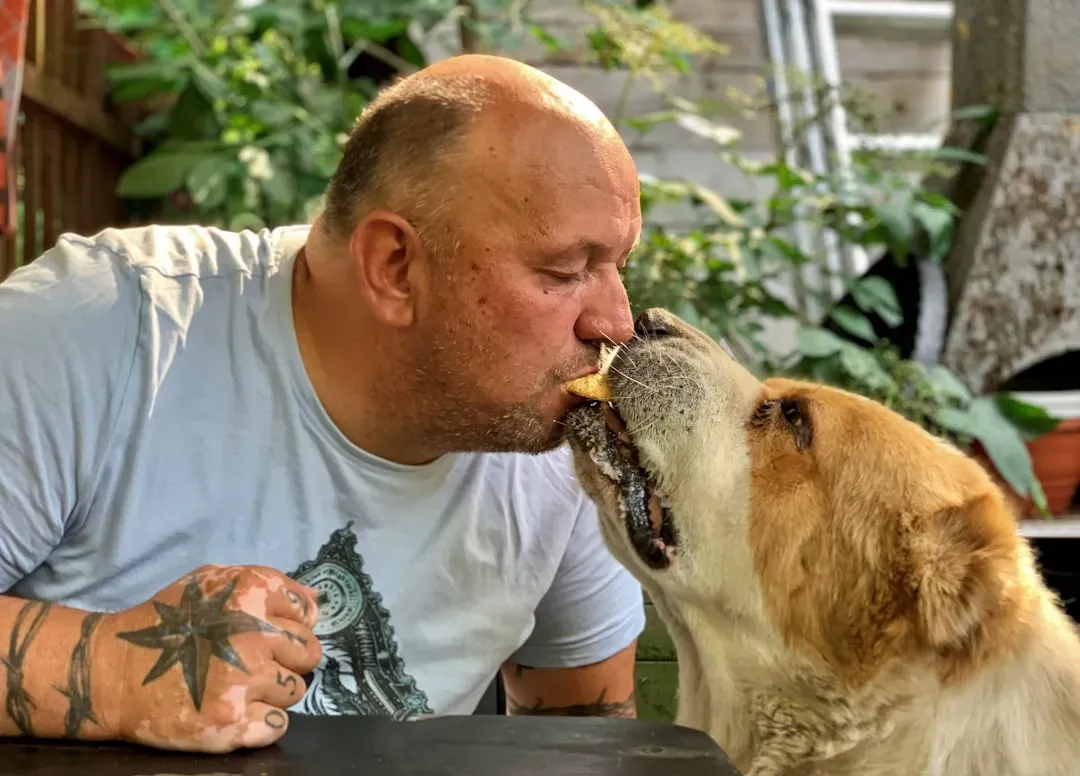
The strongest, most muscular, and athletic dogs, like the Central Asian Ovcharka, are important to have in summer as flocks push high into the wolf- and bear-occupied tree lines at higher elevation to get the rich green grass that has thrived under the late season snowmelt. This is precisely the terrain Wyoming ranchers navigate every year. The breed has been shaped by thousands of years of extreme predator pressure across Central Asia.
The Central Asian Shepherd is an ancient breed of sheep guardians from Central Asia, with their sheer size a defining trait in confrontations with large predators. The three qualities most sought after in livestock guardian dogs are trustworthiness, attentiveness, and protectiveness: trustworthy in that they do not roam off and are not aggressive with livestock, attentive in that they are situationally aware of threats, and protective in that they attempt to drive off predators. The Central Asian Ovcharka delivers all three, with the physical firepower to back it up.
#9. Caucasian Ovcharka (Caucasian Shepherd)
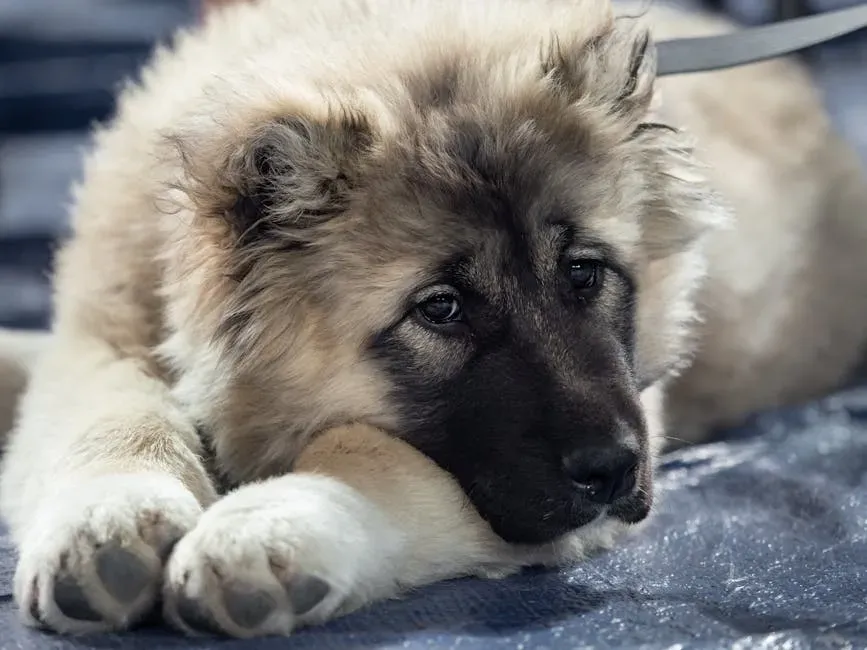
Bred in the mountainous regions of the Caucasus, the Caucasian Shepherd was specifically developed to protect sheep from wolves, with its thick coat and solid build allowing it to withstand harsh weather and deliver powerful defense. Wyoming winters are punishing, and a dog that can sleep outdoors in sub-zero temperatures without suffering is a genuine operational advantage.
Their coat is not just insulation. It provides meaningful protection during physical contact with wolves, cushioning bites to the neck and body. All livestock guardian dogs have a dense water-repellent coat, strong build, and independent disposition, but the Caucasian Ovcharka takes these traits to an extreme that makes them particularly formidable in cold-climate wolf confrontations. Few ranchers in Wyoming have used them widely yet, which makes them something of an underutilized asset.
#10. Komondor
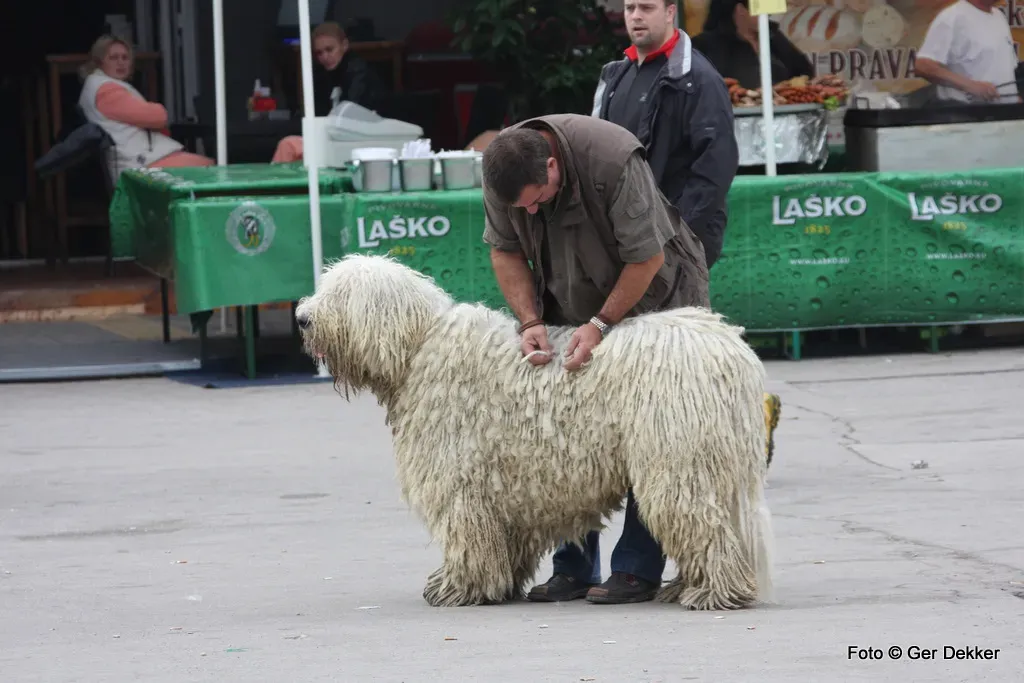
The Komondor’s distinctive mop-like coat isn’t just unusual to look at. It’s a suit of natural armor, thick enough to absorb a wolf bite without reaching skin. European dog breeds like the Akbash, Komondor, and Great Pyrenees were among the first to patrol America’s rangelands in defense of livestock. The Komondor was part of that original wave, and its protective instincts run deep.
The Komondor excels as a livestock guardian dog due to its genetic makeup, which comprises endurance to work long hours, ability to withstand cold weather, and to confront predators boldly and courageously. With proper care of their distinctive mop-like coats, muscular bodies, and consistent training, Komondor makes a fiercely loyal guard dog. Their intimidating size and low, growling warning tend to make wolves think carefully before committing to an attack.
#11. Border Collie – Does NOT Stand Guard Against Wolves
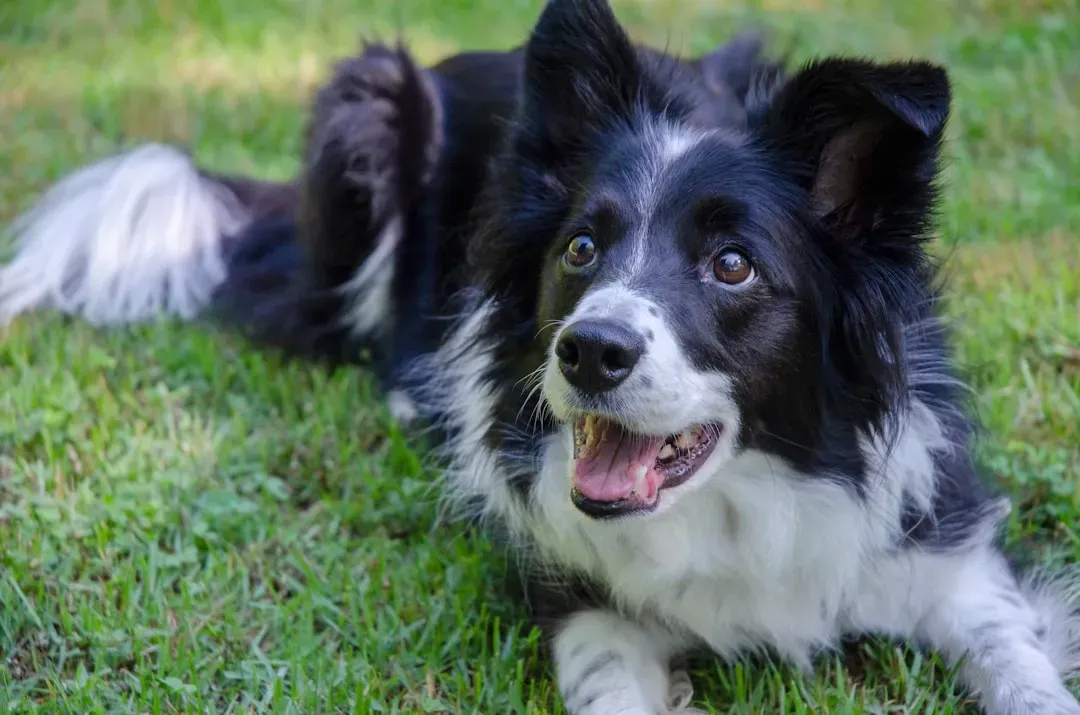
The Border Collie is widely recognized for its exceptional intelligence, sharp instincts, and strong herding ability, making it one of the most effective dogs for managing livestock safely. Border Collies excel in structured herding tasks, where their instincts, alertness, and responsiveness help ensure livestock are guided calmly, efficiently, and with precision. That’s exactly the problem. Moving sheep is not guarding sheep.
A dog cannot be a good livestock guardian and a good herding dog at the same time. They cannot see the sheep as their family and their food at the same time, and the sheep can’t see them as family or foe at the same time, either. Border Collies are not physically equipped for wolf confrontation, typically weighing between 30 and 45 pounds. Sending one up against even a lone wolf is not a fair fight, and against a pack it’s not a fight at all.
#12. German Shepherd – Does NOT Stand Guard Against Wolves
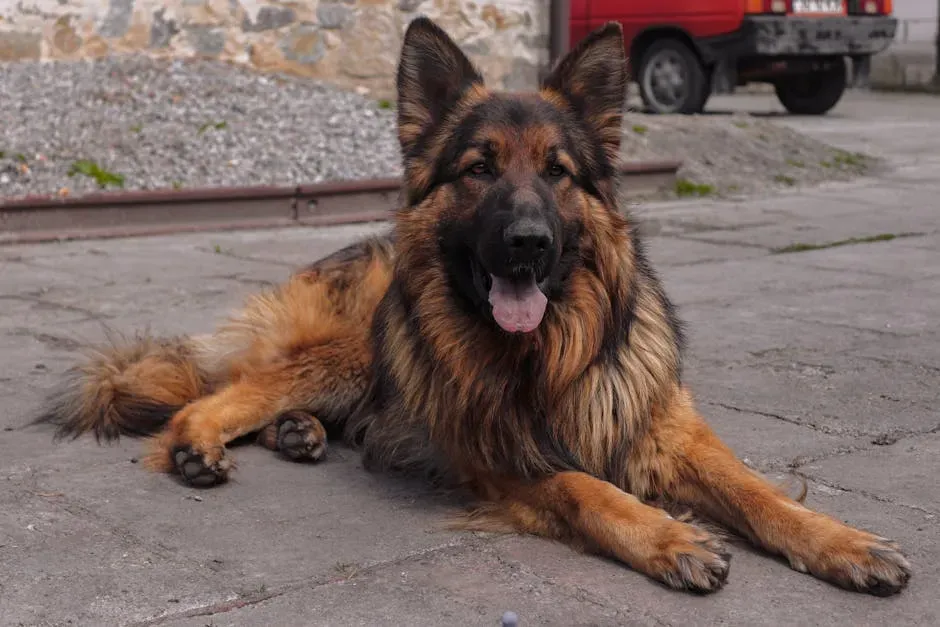
Some protection breeds are bred primarily for military or police work, such as certain German, Dutch, and Belgian shepherds. They often require active handling rather than being trusted or adapted to freely roam a rural property. A German Shepherd stationed on a Wyoming range without a handler nearby is operating well outside its design parameters.
German Shepherds are courageous and highly capable dogs, but their instincts are tuned toward human cooperation and obedience, not independent predator deterrence around the clock. Some guarding breeds used in the United States were selected decades ago to protect livestock from coyote predation and may not be as successful at protecting livestock from wolves. A German Shepherd protecting a suburban home is doing what it was bred to do. Alone on a high Wyoming allotment facing a wolf pack, it simply wasn’t built for this.
#13. Labrador Retriever – Does NOT Stand Guard Against Wolves
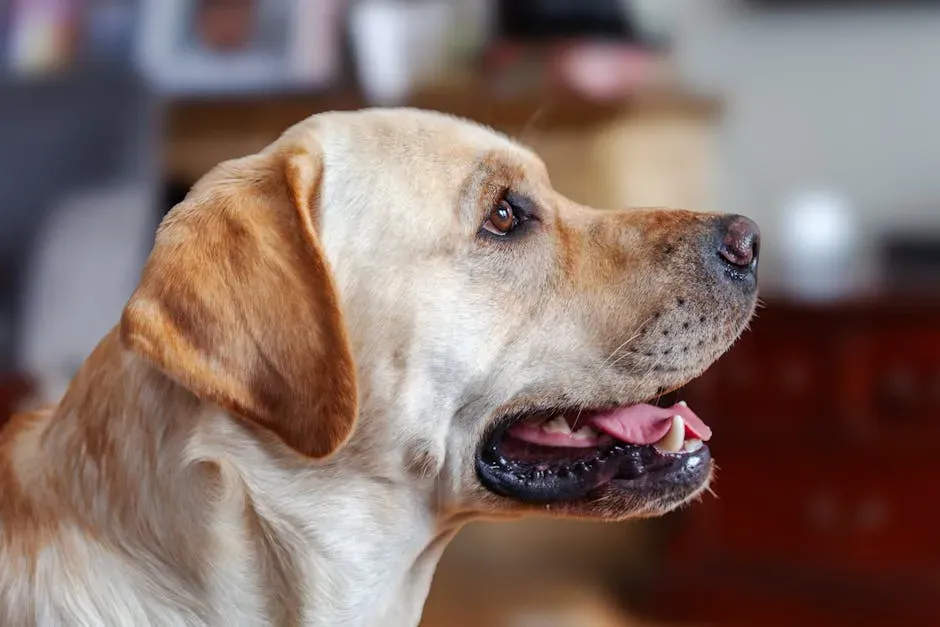
Golden Retrievers and Labrador Retrievers consistently rank as the easiest breeds to train for first-time dog owners. Both breeds have strong eagerness to please, gentle temperaments, and high food motivation, making positive reinforcement training highly effective. They’re forgiving of handler mistakes and remain enthusiastic throughout the learning process. These are wonderful qualities. None of them help against a wolf.
The Labrador was developed as a retrieval dog, bred to be soft-mouthed, friendly, and cooperative. Being a livestock guardian dog is not a job you can train any other breed to perform. Developed over centuries by working shepherds, livestock guard dog breeds possess a specific set of qualities and behaviors that retrievers simply do not have. A Labrador is genuinely one of the best family dogs alive. It has no business being asked to face a wolf.
#14. Australian Shepherd – Does NOT Stand Guard Against Wolves
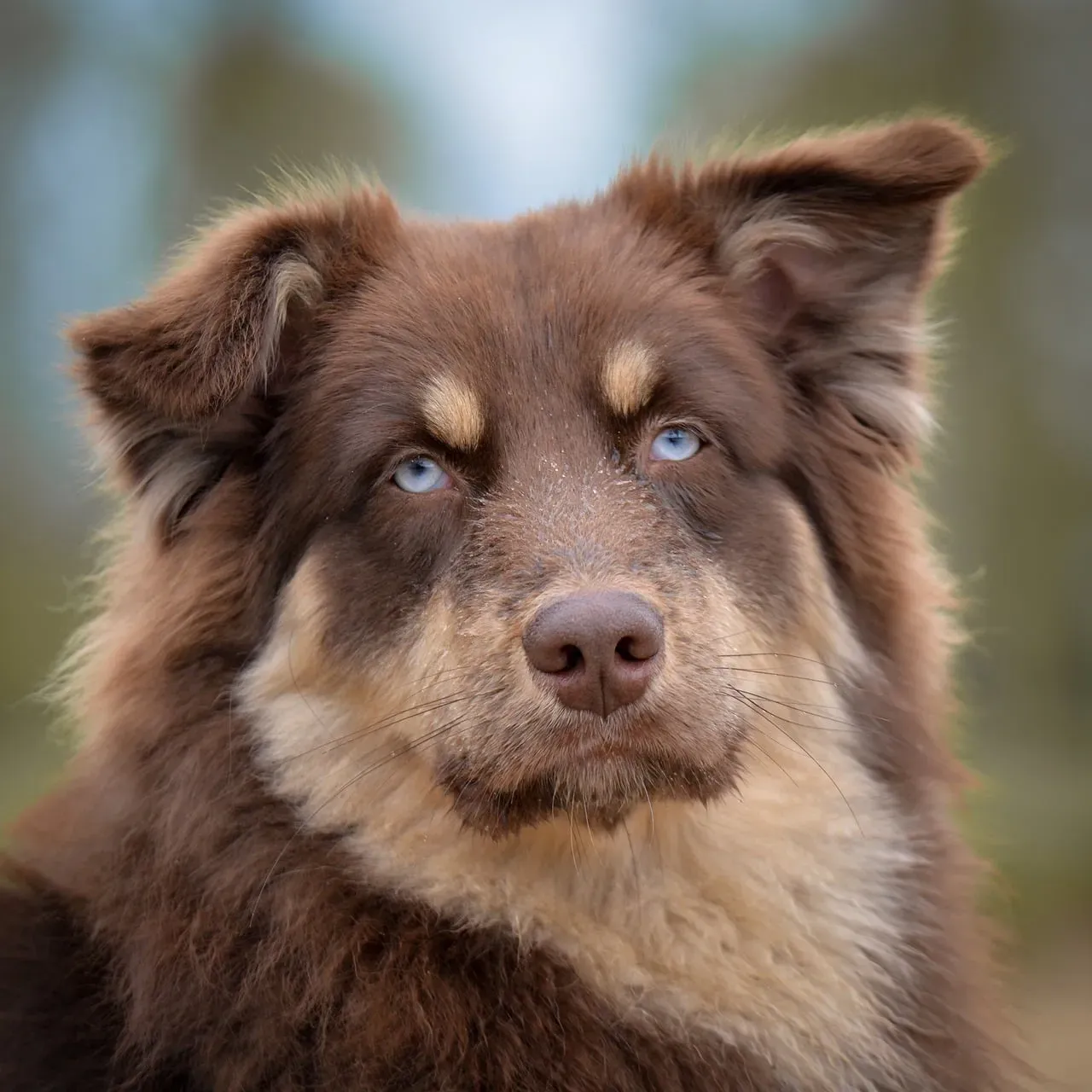
The Australian Shepherd remains a standout choice for safely managing livestock across varied environments. This medium-sized working dog breed is known for its sharp intelligence, steady temperament, and strong desire to work closely with handlers. Their natural herding instinct allows them to herd sheep and other livestock with control rather than force. That handler-dependent nature is both its greatest strength and its key limitation in wolf country.
Australian Shepherds are herders, not guardians. They rely on direction from a human and lack both the mass and the innate predator-confronting instinct that true livestock guardian dogs carry in their DNA. Herding dogs are not trained to move or gather livestock and have a less threatening appearance in comparison to livestock guardian dogs, who have been bred to stay calm around livestock. Wait, that’s reversed. The point stands: herding dogs lack the confrontational presence that wolves actually respect.
#15. Maremma Sheepdog – A Complicated Middle Case
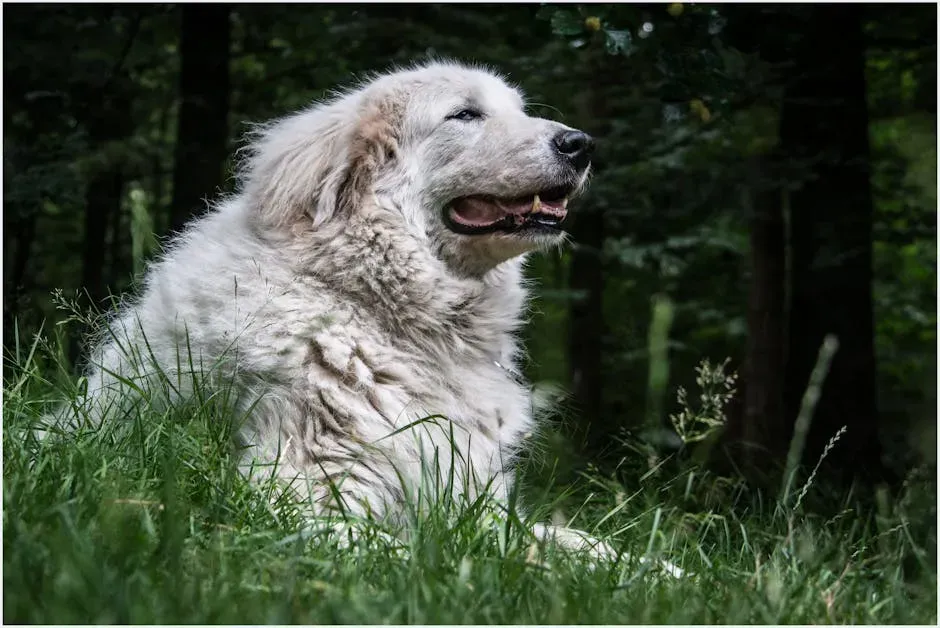
The Maremma is an Italian sheepdog used for centuries to ward off wolves. It has a legitimate history of predator deterrence in its native Apennine Mountains, and Wyoming ranchers have used them for years. However, overall the dogs did well protecting flocks, but performed less well than study breeds like the Kangal, Karakachan, and Transmontano when compared specifically against large carnivores like wolves.
The Maremma earns its keep against coyotes and bears and can contribute meaningfully in a team. Against wolves specifically, particularly a determined pack, research suggests they fall short of the top tier. In the USDA study, all three imported breeds were found to guard sheep in a manner that exceeds the commonly crossbred white dogs. The white dogs absolutely work, but not as well as the study’s focus breeds. The Maremma belongs in the “not sufficient on its own” category for Wyoming’s most wolf-pressured ranches, though it’s far from useless when paired with heavier breeds.
#16. Belgian Malinois – Does NOT Stand Guard Against Wolves
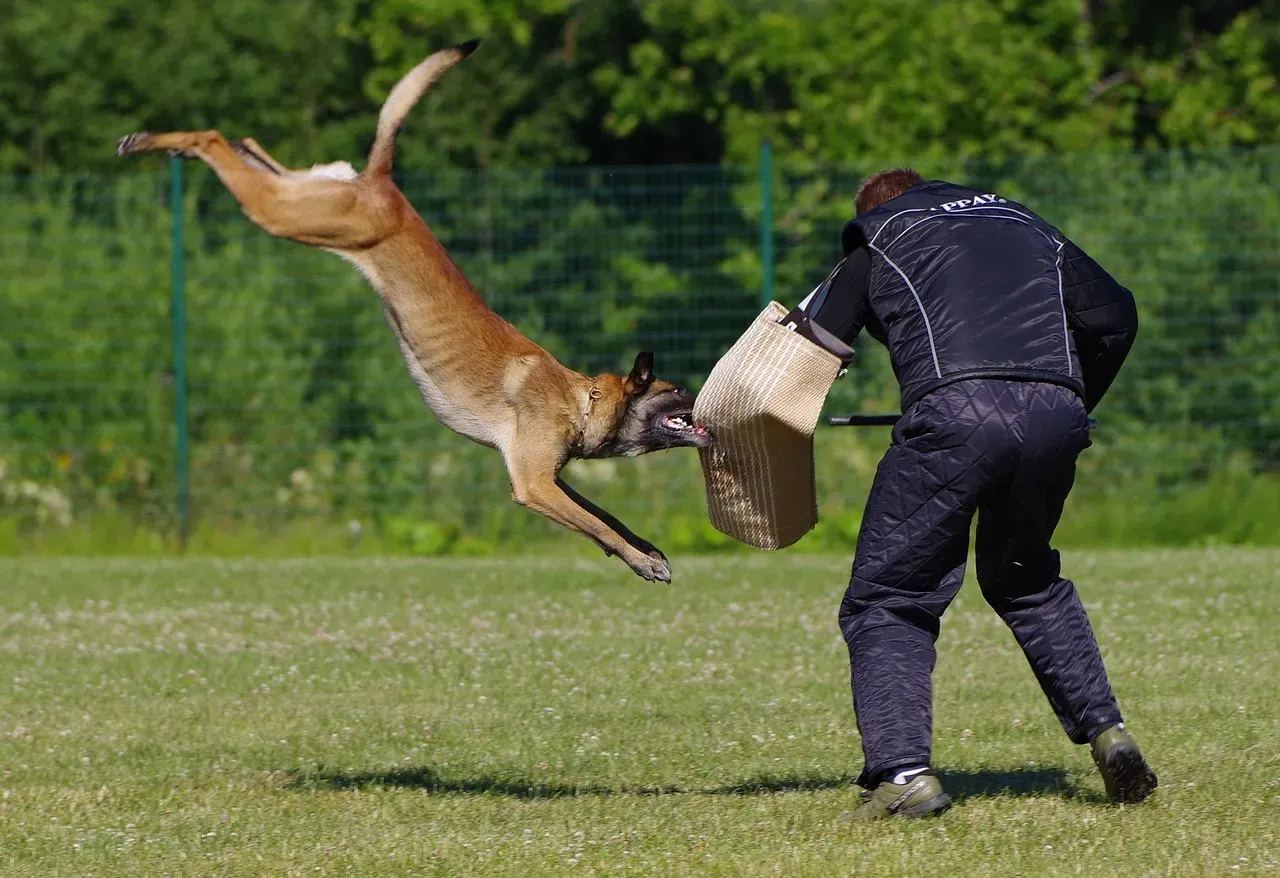
Some protection breeds are bred primarily for military or police work, such as the Malinois and some German, Dutch, and Belgian shepherds. They often require active handling rather than being trusted or adapted to freely roam a rural property. The Malinois is arguably the most capable military and police dog in the world. That’s genuinely not the same as being suited to guarding a flock of sheep on a 50,000-acre Forest Service allotment in Wyoming.
One key challenge with livestock guardian dogs is that they are most effective on the home ranch, but conflicts with wolves can happen on the summer pasture too. Instead of a 1,000-acre ranch, summer pastures may be on a 50,000-acre Forest Service allotment or other public land, where the cattle or sheep are often more dispersed and the dogs may not know the territory as well. The Malinois needs a handler and a command structure. Out on Wyoming’s open range without either, its considerable talents are aimed in entirely the wrong direction.
#17. The Bigger Picture: What Wyoming Ranchers Actually Need
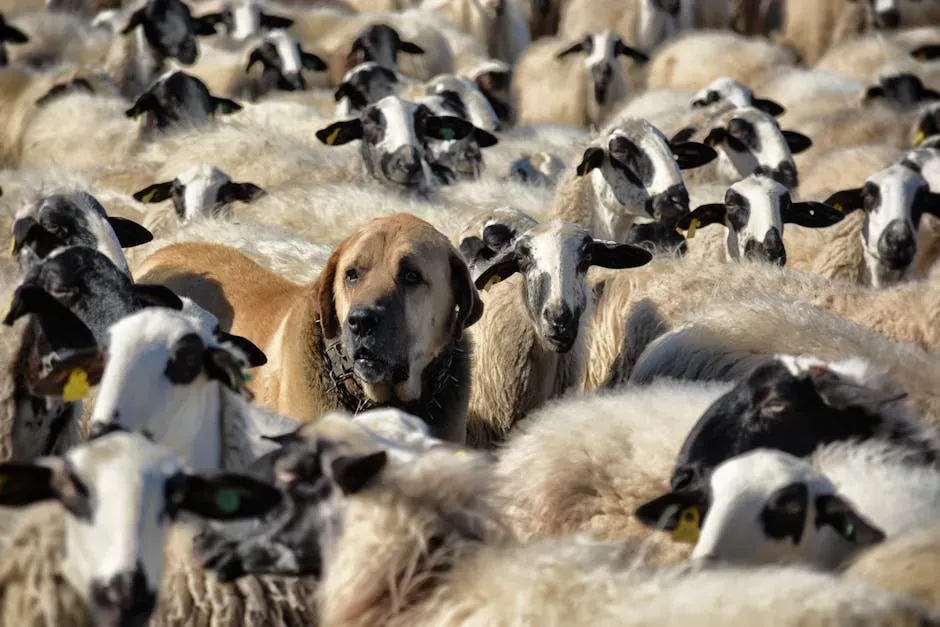
Multiple trained adult dogs are recommended, with between five and seven being a typical suggestion, though the number necessary to be effective depends on the level of wolf activity in the area, how well the sheep are bunched, and the behavioral characteristics of the dogs. No single dog, regardless of breed, is a complete solution on Wyoming’s challenging terrain. The research confirms it, and the ranchers working these lands know it instinctively.
The best livestock protection dog breeds identified by researchers are those that are canine-aggressive so that the dogs are inclined to actively challenge wolves, and not human-aggressive, as many herds graze on public lands in the West. That combination, willing to fight a wolf but calm around strangers passing through, is harder to find than it sounds. The real magic happens when you match the right qualities of a pair of dogs so they work together as a team, match that pair with the personality of a producer, and have a producer as committed to the training and success of their dogs as the dogs are committed to protecting the herd.
Conclusion
The honest truth is this: Wyoming’s wolf country doesn’t forgive a bad decision in the dog kennel. Choosing a breed based on loyalty or looks instead of documented capability can mean dead livestock, dead dogs, and a ranching operation pushed to its financial edge. The data from researchers, the lived experience of Wyoming’s own ranchers, and centuries of Old World livestock guardian tradition all point to the same answer: breeds matter enormously, and not every dog was made for this fight.
The breeds that work, the Kangal, the Karakachan, the Transmontano, the Anatolian, have been refined across generations specifically to stand between a predator and a herd and not flinch. Unlike trapping and poisoning, livestock guardian dogs seldom kill predators. Instead, their aggressive behaviors tend to condition predators to seek unguarded prey. In Italy’s Gran Sasso and Monti della Laga National Park, where these dogs and wolves have coexisted for centuries, older, more experienced wolves seem to simply leave guarded flocks alone. That’s not magic. That’s what the right dog, in the right place, doing the job it was born to do, looks like in practice. Wyoming’s ranchers deserve that kind of reliability, and so do the animals in their care.


