

Most dog owners assume they’d know if something was wrong with their pet. A tucked tail, some shaking, a fearful yelp – those are easy to read. The trickier signals, though? Those are the ones that quietly go unnoticed for weeks or even months while a dog suffers in ways that look, on the surface, like ordinary behavior. A casual yawn. A brief look away. A sudden obsession with licking a paw. These are not quirks. Often, they’re distress calls.
Just like humans, dogs experience stress, but they show it in many different ways. Stress is not only bad for your pet but also poses a danger to humans if they fail to recognize it. Since dogs communicate through their body language and behavior, it’s important to recognize the telltale signs and know how to alleviate it when needed. The good news is that once you learn the language, it becomes much easier to spot and respond to. Here are twelve behaviors that mean your dog is stressed, and what you can actually do about each one.
#1: Excessive Panting Without Physical Exertion
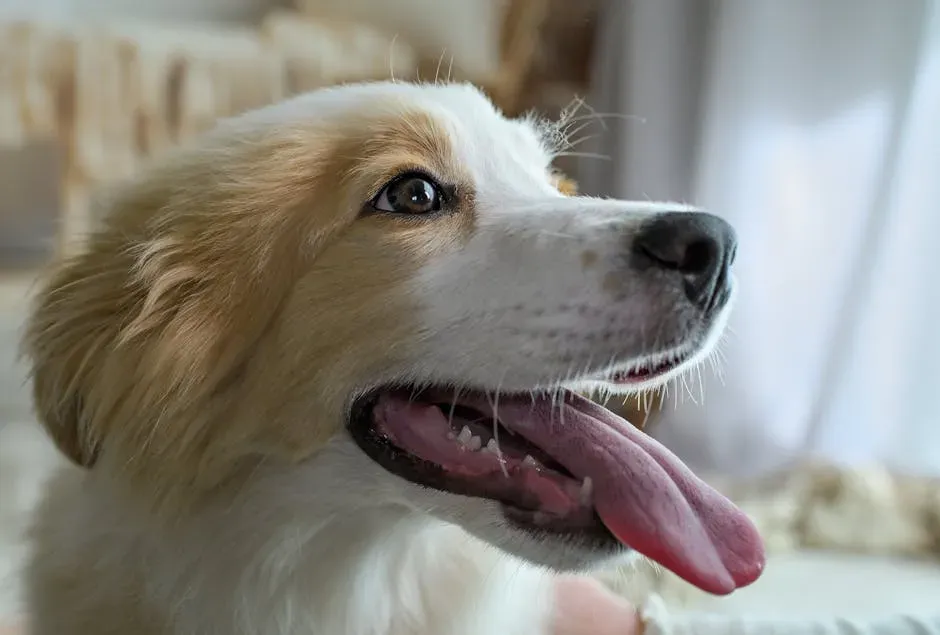
Dogs pant to cool down. That’s just standard biology. The problem is when panting kicks in for no obvious physical reason – no run in the park, no summer heat, no reason at all that you can see.
While panting is normal for dogs to regulate body temperature, excessive panting without apparent cause could indicate stress or anxiety. Excessive drooling can also be a sign of stress, a response to perceived threats, fear-inducing stimuli, or unfamiliar situations. When dogs feel anxious or stressed, their bodies may release stress hormones such as cortisol, which can trigger physiological changes, including increased respiratory rate and salivation.
To help, remove your dog from whatever triggered the episode and move them somewhere cool and calm. It is important to provide your dog with a safe place in the home where they can escape stimuli that trigger a stress response. Everybody enjoys a calm place to retreat. If the panting is persistent and happens regularly, a vet visit is the right move to rule out medical causes first.
#2: Trembling or Shaking
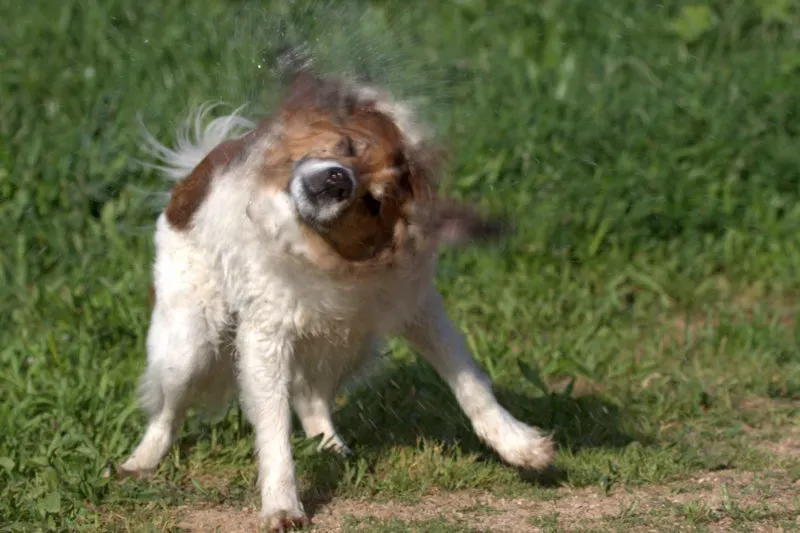
If your dog starts shivering even when it’s not cold, or begins trembling during what seems like a perfectly normal evening at home, that physical response deserves attention. Trembling isn’t always dramatic; sometimes it’s barely noticeable, almost like a slight shudder that comes and goes.
Dogs may shake or tremble when they’re stressed or anxious. This can be due to fear, nervousness, or discomfort. Dogs may tremble or shake involuntarily, especially in situations that trigger fear or anxiety. Just like humans who are anxious or nervous shake, so do dogs – it’s a natural response to anxious behavior.
Consider what changed in the environment right before the shaking started. Triggers can be environmental, social, or physical. Examples of dog stress triggers are a chaotic household, moving apartments, fireworks, thunderstorms, nail trimmings, the presence of a cat, physical pain, and more. Narrow down the cause and work from there. Calming wraps, a quiet space, or gentle massage can help in the moment.
#3: Excessive Yawning, Lip Licking, or Drooling
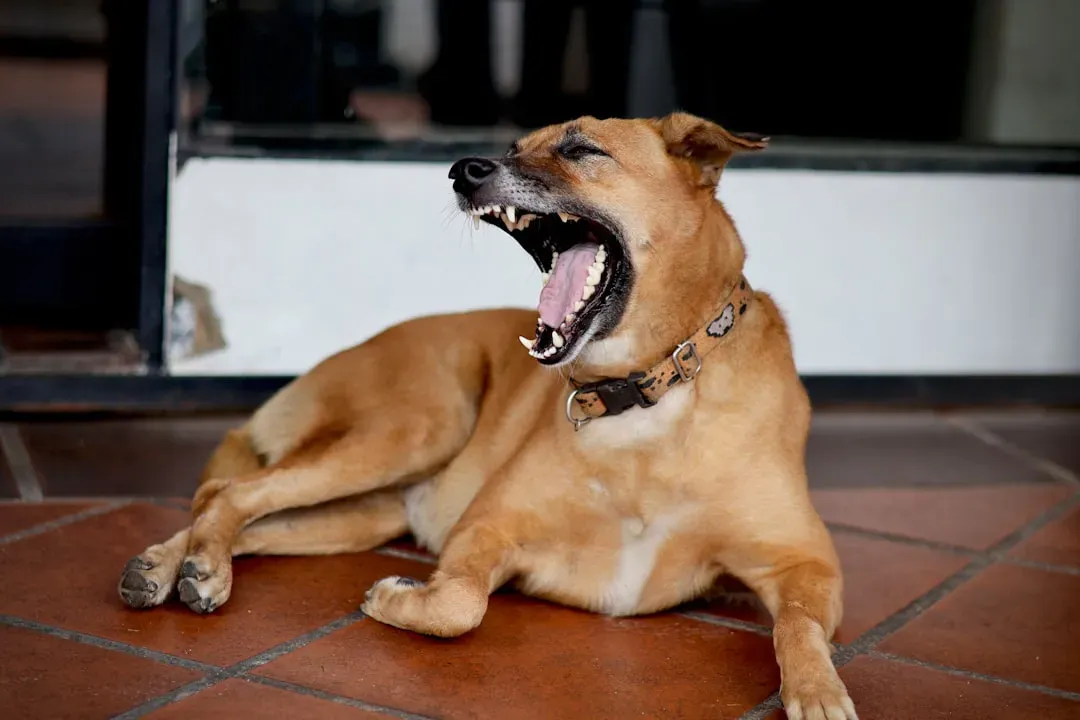
These three behaviors cluster together so naturally that most owners dismiss them entirely. A yawn? Tired dog. Lip licking? Maybe they smelled the chicken you’re cooking. Drooling? That’s just what some dogs do. Except sometimes, it isn’t.
When dogs are tired or bored, they yawn just like humans do – but they also yawn when stressed. A stress yawn is more prolonged and intense than a yawn associated with sleepiness. You might also see them drooling or lip licking to indicate they are nervous. The context is everything. If these behaviors appear together, in a situation your dog finds uncomfortable, they’re almost certainly stress signals rather than coincidence.
To differentiate stress signs from normal behavior, you must be familiar with your dog’s regular demeanor and pay attention to the context. That way, you can tell if they are licking their lips because they are anxious or because they want a treat. Keep a mental note of when and where these behaviors show up. Patterns usually reveal the trigger faster than guesswork.
#4: Whale Eye and Dilated Pupils

The term “whale eye” might sound unusual, but once you know what to look for, you can’t unsee it. It’s the visible white crescent that appears around a dog’s iris when they turn their head away but keep their eyes fixed forward, and it’s one of the clearest distress signals in canine body language.
Stressed dogs, just like stressed people, experience physiological changes when stressed in preparation for fighting or fleeing from the source of their anxiety. Their eyes dilate, they blink rapidly, and they may open their eyes more widely, which will show more of the whites of their eyes, also called “whale eye.”
If your dog shows the whites of their eyes more frequently, or if their pupils are constantly dilated, these could be indicators of stress or fear. When you see this expression, the priority is de-escalation. Don’t force the dog into the situation causing discomfort. Step back, speak calmly, and give them room to breathe. Pressure in these moments tends to backfire.
#5: Tucked Tail and Pinned Ears

The tail and ears together form one of the most readable emotional displays in dogs. Most people recognize a wagging tail, but far fewer notice the slow, low tuck that signals genuine fear or stress – or the way a dog’s ears press flat and back against the skull when something feels threatening.
One of the biggest signs of stress in dogs is when the tail is tucked between their legs. This is a common behavior in dogs experiencing fear, which could be triggered by loud noises, or unfamiliar people, animals, and environments. Pinned back ears may also indicate a sense of discomfort or anxiety.
These physical cues are often the body’s way of making the dog look smaller and less threatening – an instinctive de-escalation from the dog’s side. It’s important to intervene quickly in the moment. Don’t let your dog’s emotions ramp up past the point of no return. Learn to read dog body language so you can spot the first signs of stress, then whether it’s walking in another direction or distracting your dog, you can act quickly to change the situation and relieve your dog’s discomfort.
#6: Pacing and Restlessness

A dog that can’t settle is a dog that’s trying to outrun something internal. Pacing – that back-and-forth loop through the house, the repeated circling of a room – isn’t boredom. It’s an outward expression of a nervous system that can’t find an off switch.
When dogs are pacing back and forth, it’s a sign they can’t settle down because something is stressing them. If this happens during mealtimes or for short periods, it might not be a big deal. Noticing when your dog engages in this behavior can give you clues as to what’s triggering their anxiety.
Constant movement or circling can signal an anxious state. One of the most effective responses is structured physical exercise. Exercise and physical activity are effective stress reducers. Going for a long walk, playing fetch, or bringing your dog to a fenced-in park to run and play ball will help release tension, and it’s good for their physical health too. A tired dog, as any seasoned owner knows, is a much calmer dog.
#7: Destructive Chewing or Digging
Chewed baseboards. Shredded couch cushions. A garden that looks like a crime scene. These aren’t signs of a “bad” dog – they’re signs of a stressed one. Destructive behavior tends to spike when dogs are left alone for long stretches, or when something in their environment feels persistently threatening or unstable.
Stress can lead to destructive actions like chewing, digging, or scratching inappropriately. These behaviors are often a sign of underlying stress or anxiety. If they are suddenly destroying chew toys, shoes, or pillows they normally would not, something is likely causing them stress. Destructive behavior is to dogs as stress eating might be to a human – they just don’t think about what they are doing.
Dogs suffering from separation anxiety, a very common source of stress, may eat your couch or destroy other household items to communicate their feelings of distress. Puzzle feeders, treat-dispensing toys, and interactive games help redirect anxious energy and give the dog’s mind something constructive to focus on – which can make a real difference, especially during the hours you’re away.
#8: Avoidance and Hiding
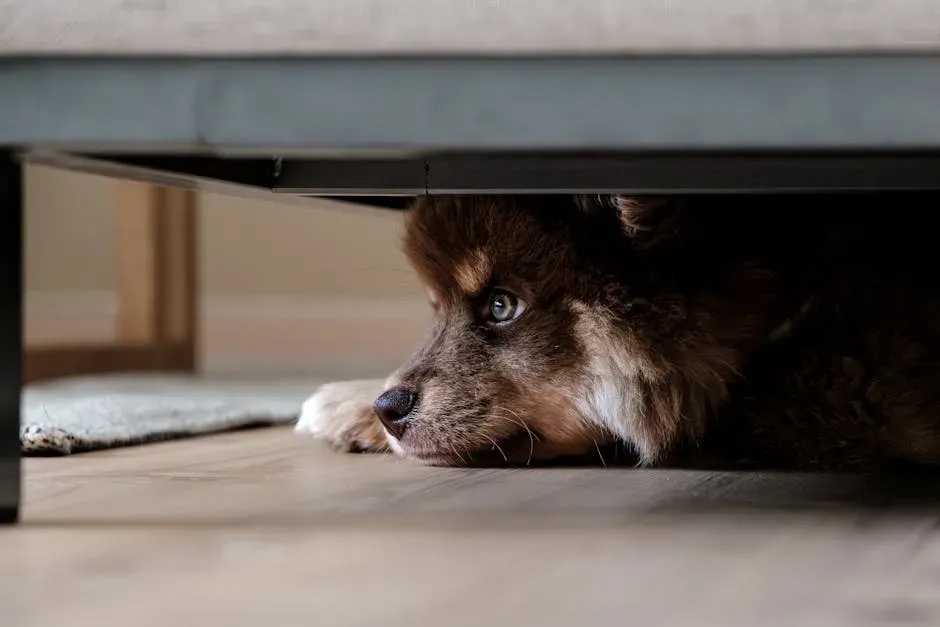
When a dog suddenly retreats to a corner, hides under the bed, or refuses to engage with the people they usually love, it can feel like rejection. It’s not. It’s a coping mechanism, and it often surfaces in dogs who’ve been pushed past their comfort threshold repeatedly without relief.
Some tense dogs move behind a trusted person or behind a nearby object as an extension of avoidance. They may even nudge or jump on their person to prompt them to move along. If they have the choice, many dogs with anxiety will try to avoid what they see as potential danger rather than confront it head on. Avoidance behaviors can be subtle – your dog may look away from what is making them nervous or avoid making eye contact when they’re anxious.
If your dog avoids interaction with other dogs or people, do not force the issue. Respect their choice. A safe den-like space – a covered crate, a quiet corner with their bed – gives them somewhere to go when the world feels like too much. Anxious dogs benefit from a safe place that they associate with positive things, like treats, toys, or undisturbed rest. A dog bed or mat is perfect because it’s portable, meaning you can take that safety on the road.
#9: Excessive Barking, Whining, or Howling
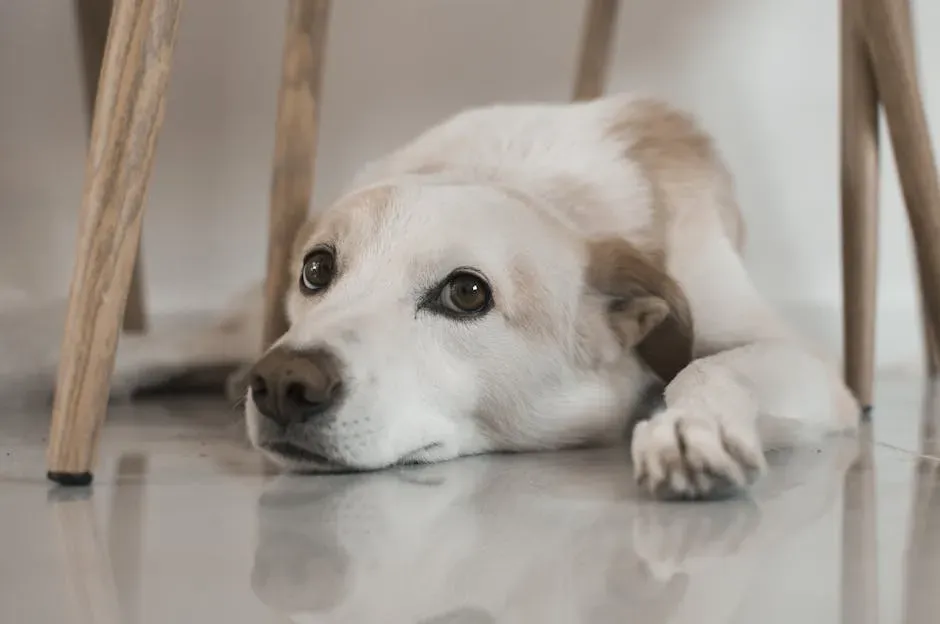
Vocal dogs are vocal. That’s fine. The flag goes up when the volume, frequency, or tone shifts noticeably from a dog’s norm – when the barking becomes relentless, or the whining takes on a panicked quality that’s different from their usual communication.
Whining or barking may become downright panicked in stressful situations. Dogs may be trying to get your attention, or they are attempting to self-soothe. Many dogs cannot control their whining when they feel stressed, as it’s more of an automatic response. However, it’s a clue for humans that something in the environment is causing anxiety.
When dogs experience anxiety, music or white noise can help calm them down, providing a soothing environment and naturally reducing their stress levels. White noise or music can also drown out the unpredictable noises from thunderstorms or fireworks that trigger anxiety. For persistent barking tied to separation anxiety, working with a certified trainer on gradual desensitization often yields the best long-term results.
#10: Changes in Appetite or Digestion
Food refusal in a dog that normally inhales its meals is a meaningful signal. So is the opposite – a dog that stress-eats, or one that develops sudden digestive issues including loose stools or vomiting in response to routine changes or emotional upset.
Stress-induced colitis is a bout of acute diarrhea seen in dogs experiencing high stress and anxiety levels. In the moment, dogs experiencing stress colitis may have a loss of appetite or be unwilling to drink water. Changes in appetite, whether overeating or refusing food, can be a sign that something is wrong.
If you suspect your dog may be suffering from stress colitis, consult your veterinarian to discuss management strategies. After an episode, a bland meal like boiled chicken and rice can encourage your dog to eat without upsetting their stomach further. Digestive symptoms that come and go in sync with stressful events deserve a vet conversation – they’re unlikely to resolve on their own without addressing the underlying anxiety.
#11: Compulsive or Repetitive Behaviors
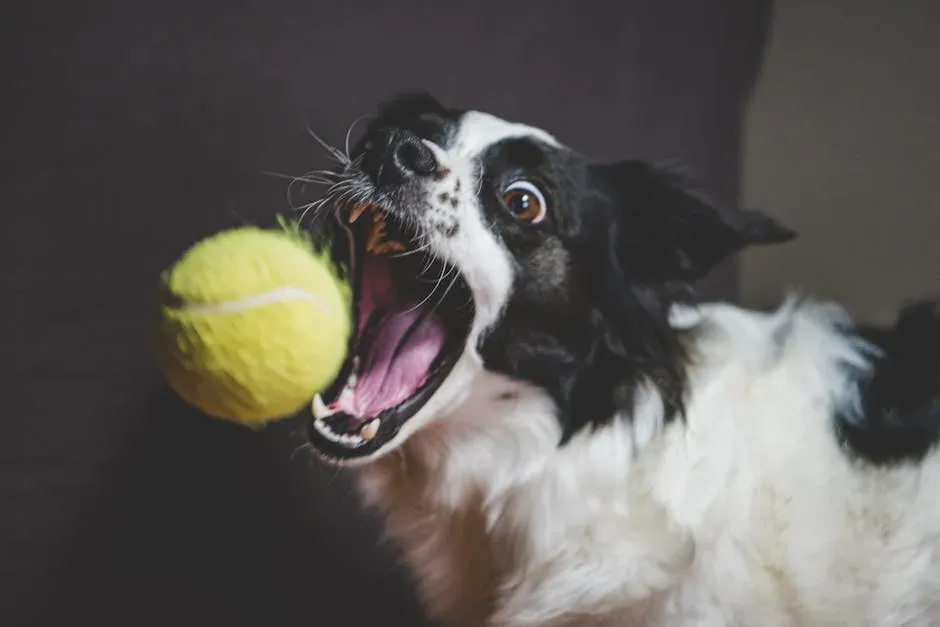
Tail chasing once in a while can be playful. But a dog that chases its tail obsessively, or licks the same patch of fur until it’s raw, or spins compulsively in a corner – that dog is using repetition to manage an internal state it can’t otherwise regulate.
Repetitive behaviors can have a calming effect because they help dogs self-soothe by releasing nervous energy in response to stress. Unfortunately, the positive effect of these behaviors is mild and temporary, and not always without adverse consequences – excessive licking can lead to hair loss and injury to the skin.
Tail chasing, licking, or biting paws excessively may indicate compulsive anxiety behaviors. If these patterns have taken hold, professional support from a veterinary behaviorist is worth considering. Counter-conditioning and desensitization help your pet respond differently to triggers. For example, if your dog is afraid of the vacuum, you can gradually build positive associations with it. These approaches take time, but they address the root of the behavior rather than just suppressing it.
#12: Sudden Aggression or Reactivity

A dog that growls, snaps, or lunges in situations where they were previously calm hasn’t simply “turned.” Something has pushed them past their limit. Sudden aggression is almost never unprovoked – it’s usually the culmination of stress signals that went unread, ignored, or suppressed.
Aggressive behaviors in dogs are usually a “last resort,” and dogs rarely become aggressive without warning. However, mild signs of stress can be subtle and easy to miss. Learning these early warning signs can prevent dog stress from escalating to aggression. Growling is an obvious way to tell if your dog is uncomfortable. It could mean that someone is in their space, they feel threatened, or that something hurts. It’s not usually meant to be aggressive – it’s rather often a warning that your dog feels uncomfortable.
Many people try to discourage their dogs from growling. Instead, respect their space or figure out a different way to get what you want from them. For example, if a dog is growling over food, give them space when they eat in peace. If they’re growling over a bone and you need to put it away, trade them for a smaller treat so you can take the bone away safely. When reactivity becomes a pattern, working with a certified trainer or veterinary behaviorist isn’t optional – it’s necessary.
What You Can Do: A Final Word

Stress in dogs is manageable in the vast majority of cases. The catch is that it requires attention, consistency, and sometimes professional guidance. Anxious dogs are truly suffering, so if you suspect your pet is stressed, it’s important to seek help from your veterinary team. The benefits of early treatment can’t be overstated, because anxiety symptoms tend to get worse over time, and dogs may become fearful under an increasing number of circumstances.
Dogs thrive on routine, so try to maintain a consistent schedule for feeding, exercise, and playtime. By employing positive reinforcement techniques, such as rewarding good behavior with treats or praise, you can help build your dog’s confidence and strengthen your bond. Training not only aids in reducing anxiety but also improves communication between you and your pet, ensuring a more harmonious relationship.
Here’s the honest bottom line: dogs don’t act out, they act up. Every behavior in this list is a form of communication from an animal that has no other way to tell you something feels wrong. The most powerful thing an owner can do isn’t find the perfect product or the magic fix – it’s simply to start paying closer attention. Your dog has been trying to tell you. Now you know how to listen.


