
12 Facts About Wolf Howls and What They Mean
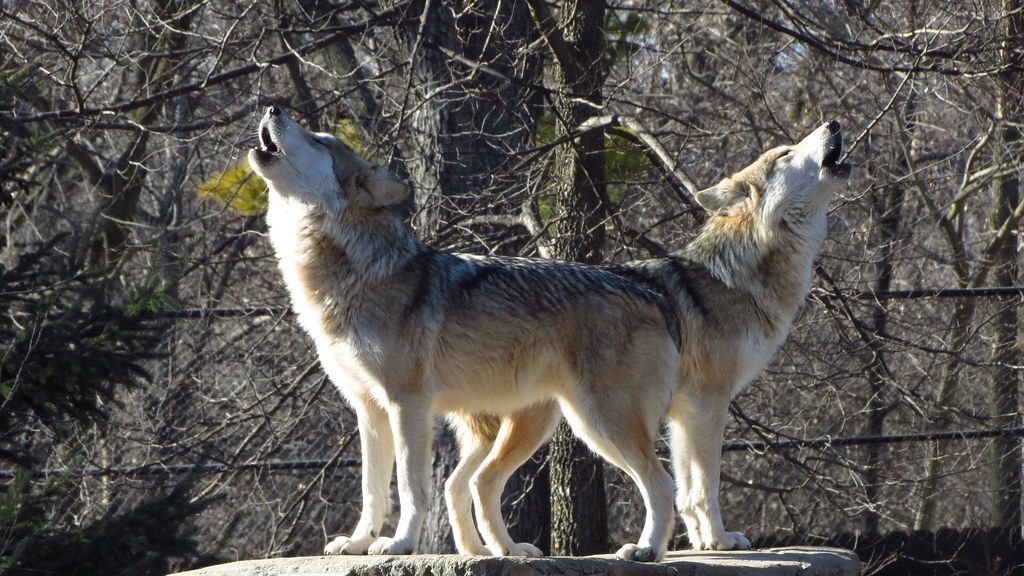
There’s something about a wolf howl that stops people cold. It rises out of the dark, rolls across open land, and carries a kind of weight that’s hard to put into words. It’s one of the most recognizable sounds in the natural world, and yet most people know surprisingly little about what’s actually being said.
Wolves are highly intelligent, socially complex animals, and their howls are far more than background noise for a wilderness scene. Each vocalization serves a specific purpose, and researchers are still peeling back the layers of meaning embedded in them. What you’re about to read might permanently change how you hear that sound.
#1: A Howl Is a Precision Communication Tool, Not a Random Sound
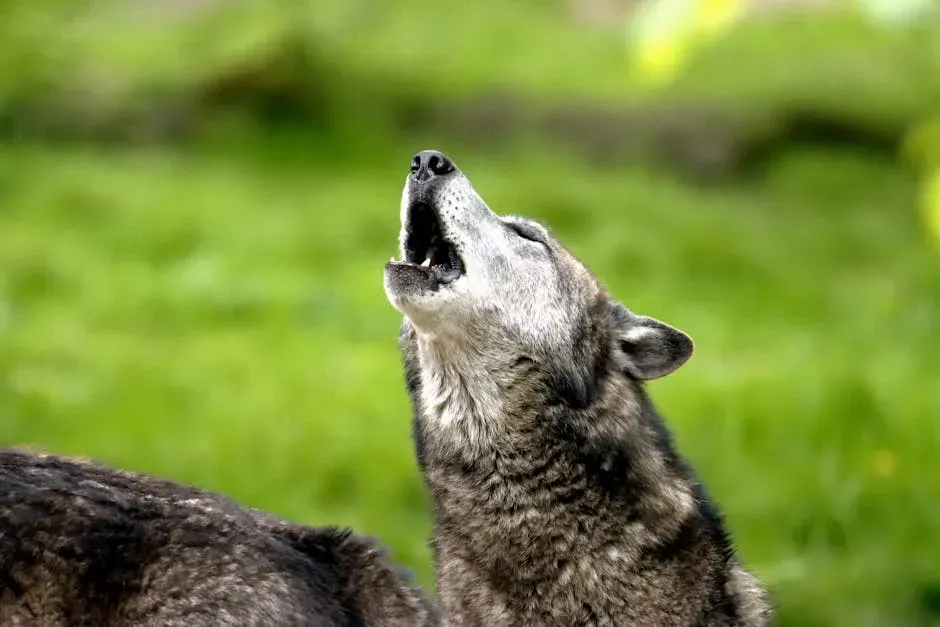
Wolf howls belong to a complex vocal communication system. Wolves also use growls, barks, whines, and yips to convey different messages. The howl, however, is the one that travels. It’s the long-range message in a toolkit built for a world without cell towers or clear lines of sight.
Wolves make other sounds, including barks, growls, and yips, but howls are the only ones that travel long distances. They are designed to be heard up to six miles away in forested land, so they have to convey information without relying on body language. That’s a remarkable acoustic achievement, and it explains why the howl evolved so differently from other wolf vocalizations.
#2: The Range of a Howl Is Genuinely Staggering
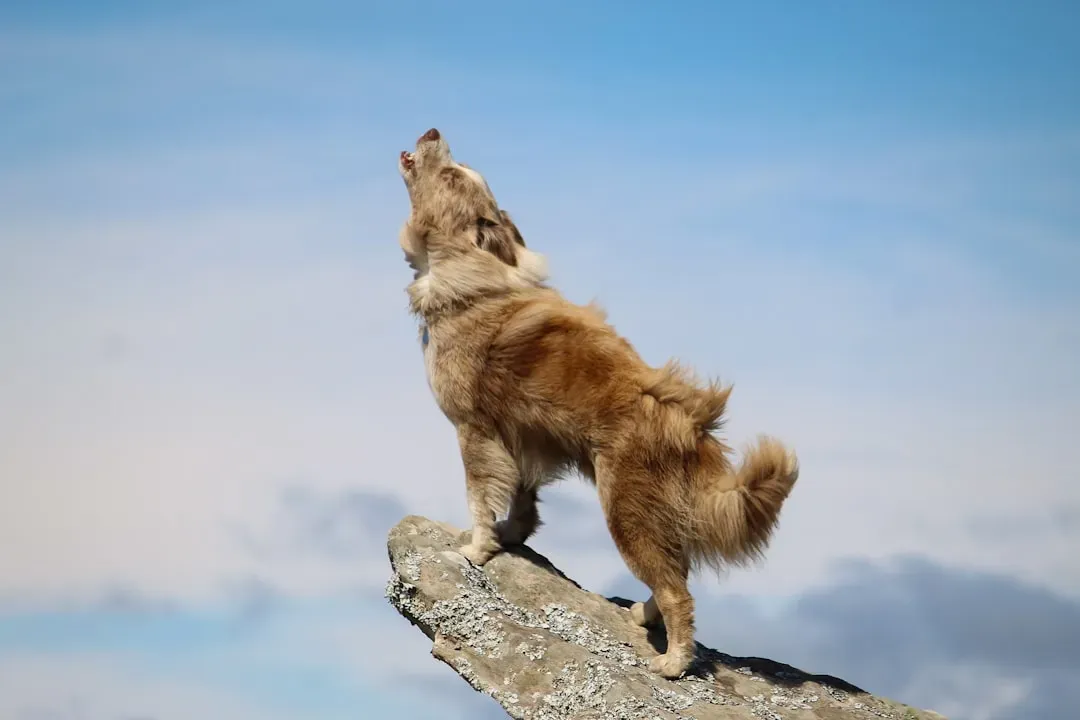
Wolves can call to one another over great distances by howling. A howl’s low pitch and long duration is well suited for transmission across the wild landscape, and a wolf’s howl can be heard up to ten miles away in open terrain. In forested areas, the range is shorter but still impressive by any measure.
Flat, open terrain allows sound to travel farther with minimal obstruction. Dense forests and mountainous regions tend to absorb and scatter sound waves, reducing the effective range. Temperature inversions, where warmer air sits above cooler air, can create a sound channel that traps and carries sound waves over even longer distances. Weather, in other words, is part of a wolf’s broadcast strategy.
#3: Every Wolf Has a Unique Howl
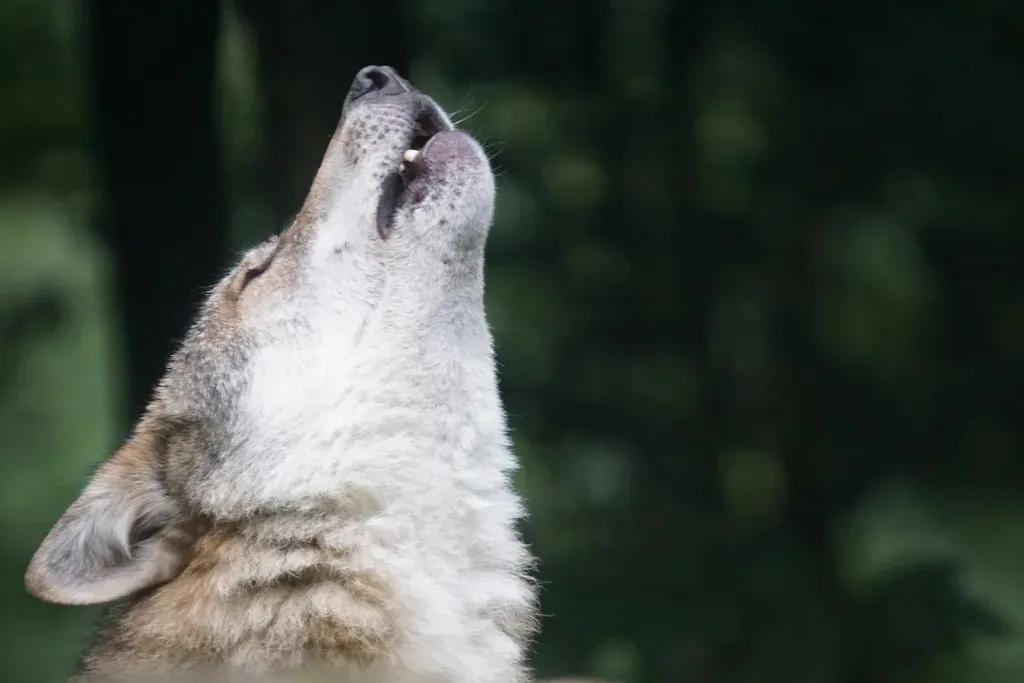
Just like humans, each wolf has a unique voice, and the distinctive features of each individual’s howl allow wolves to identify one another. This isn’t just a charming fact. It has real functional consequences for how packs stay organized across vast territories.
Researchers reconfirmed evidence that individual wolves produce acoustically distinct howls, which may help with identification between distant pack members. Individual differences in howls are primarily associated with differences in frequency, which are likely attributable to anatomical differences in body size and vocal tract length. Essentially, the wolf’s body is the instrument, and no two instruments are quite alike.
#4: Howls Serve Two Core Functions Above All Others
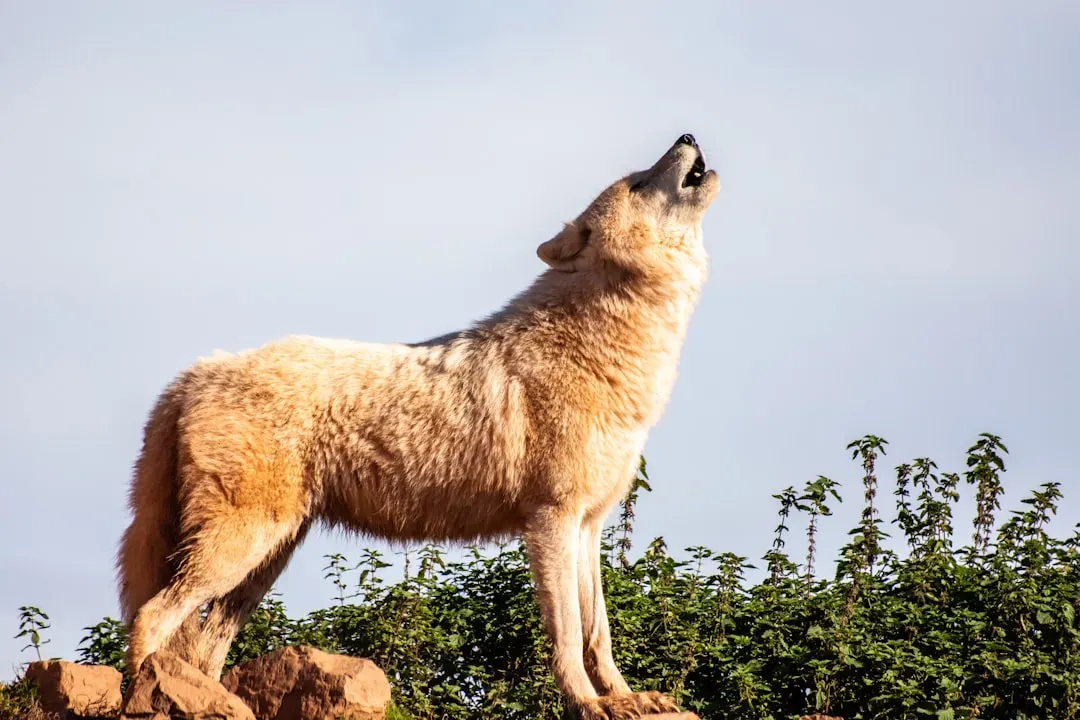
The two primary functions of howls are to indicate the boundaries of a wolf’s territory to rivals and to keep track of family members. These two purposes cover a huge amount of daily wolf life, from managing borders to keeping the family unit intact during hunts and travels.
Howling alone can carry a variety of meanings, including a greeting, a rallying call to gather the pack before a hunt, an advertisement of presence to warn other wolves away from territory, or a spontaneous expression of play and bonding. The same action, depending on context, can carry entirely different weight. That kind of communicative flexibility is something researchers find genuinely fascinating.
#5: There Are at Least 21 Distinct Howl Types
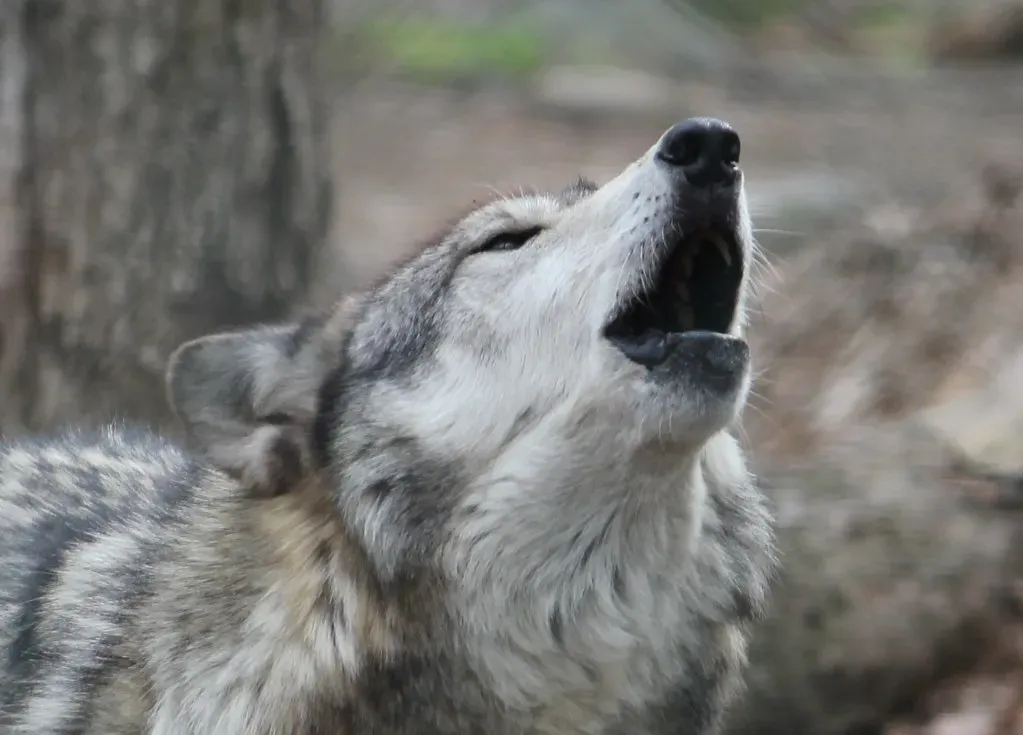
Researchers used computer algorithms for the first time to analyze howling, distilling over 2,000 different howls into 21 howl types based on pitch and fluctuation, and then matching up patterns of howling. This was the largest quantitative study of wolf howling ever conducted, and it opened up entirely new questions about what wolves are actually communicating.
Once the twenty-one different howl types were established, researchers looked at the way those howl types were used by different populations. Some species and subspecies made a lot of use of certain howl types while neglecting others. Some species made wide use of all the different howl types and had very varied repertoires. The picture that emerged was less like noise and more like dialect.
#6: Different Wolf Species Have Their Own Howling Dialects
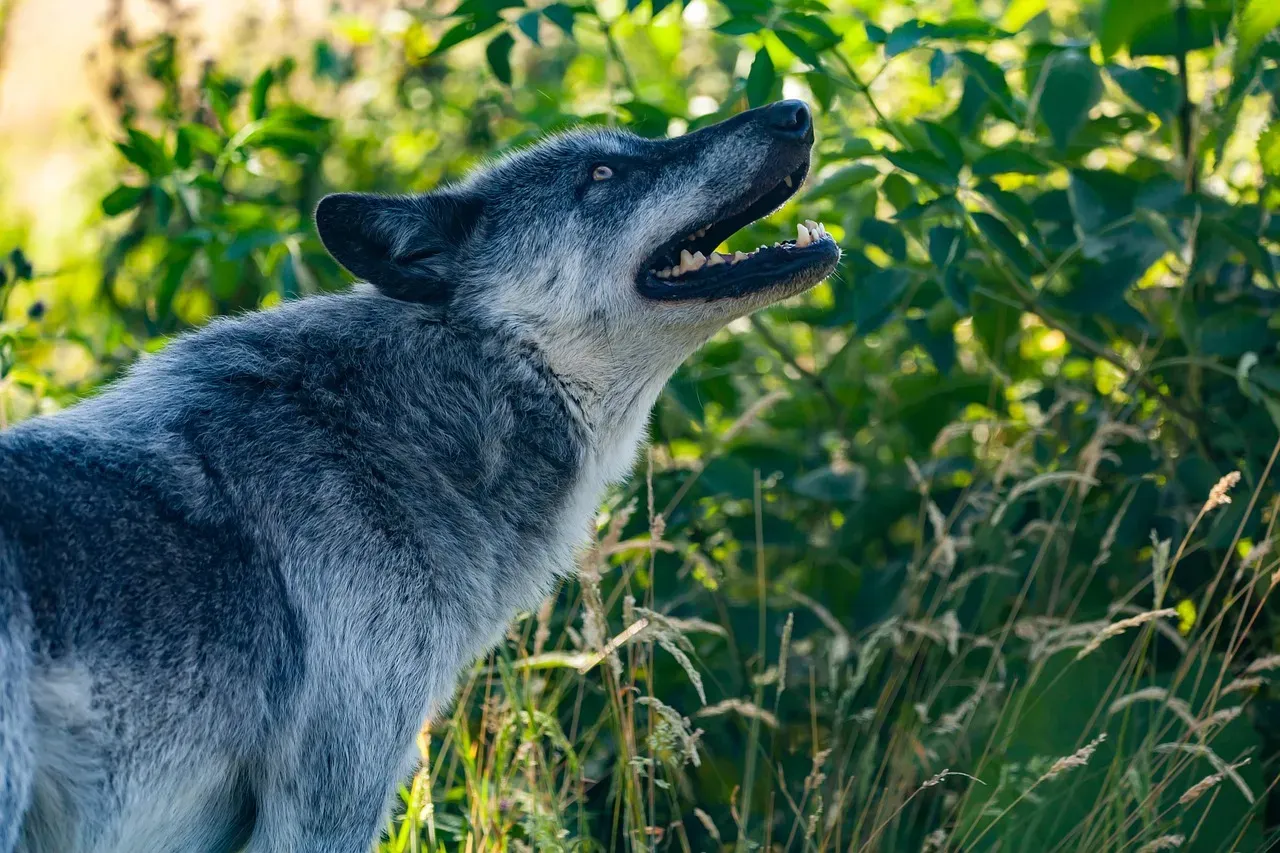
Wolf species have “howling dialects,” according to a study from the University of Cambridge. Different species have their own vocal fingerprints, using specific types of howls with varying regularity. For example, a timber wolf howl is low and flat, while a red wolf howl often features a high, looping vocal. These aren’t just subtle variations. They’re consistent enough to be detected and catalogued by machine learning algorithms.
Wolves from different geographic locations may also howl in different fashions. According to researcher Erik Zimen, the howls of European wolves are more protracted and melodious than those of North American wolves, whose howls are louder and carry a stronger emphasis on the first syllable. Regional differences in howling appear to run surprisingly deep, shaped by both biology and environment over generations.
#7: Howls Are Tied to Hunting Rhythms
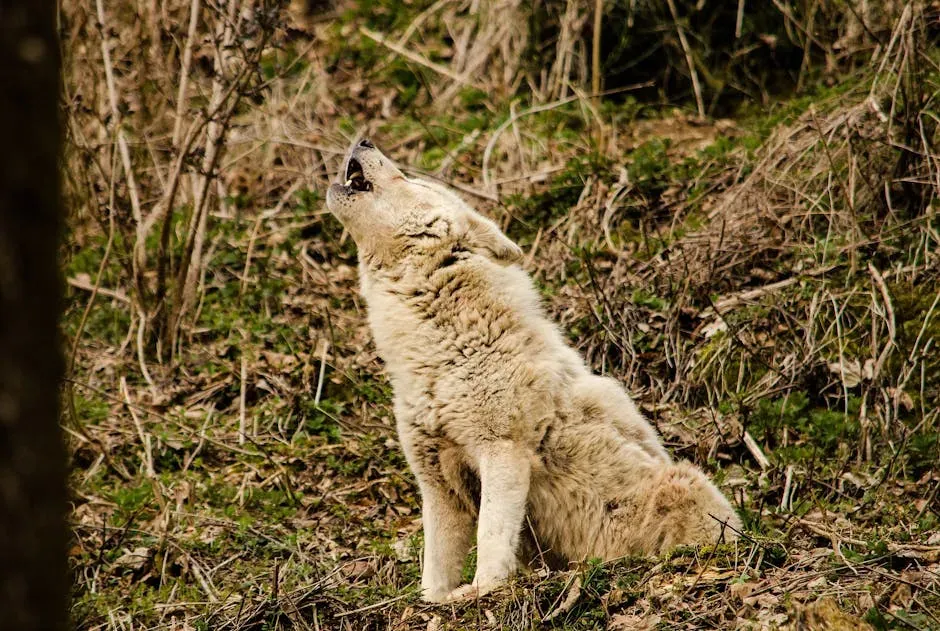
Gray wolves howl to assemble the pack, usually before and after hunts, to pass on an alarm, particularly at a den site, to locate each other during a storm or while crossing unfamiliar territory, and to communicate across great distances. The howl, in this sense, is a logistical tool as much as anything else. It’s coordination made audible.
The assembly howl is usually shorter and more urgent than a territorial howl. It is used to gather the pack quickly, often before or after a hunt. During activities like hunting, pack members can become separated, so howling enables them to communicate their positions. It’s the wolf equivalent of checking in with your team before and after a mission.
#8: Chorus Howls Are Deliberately Misleading
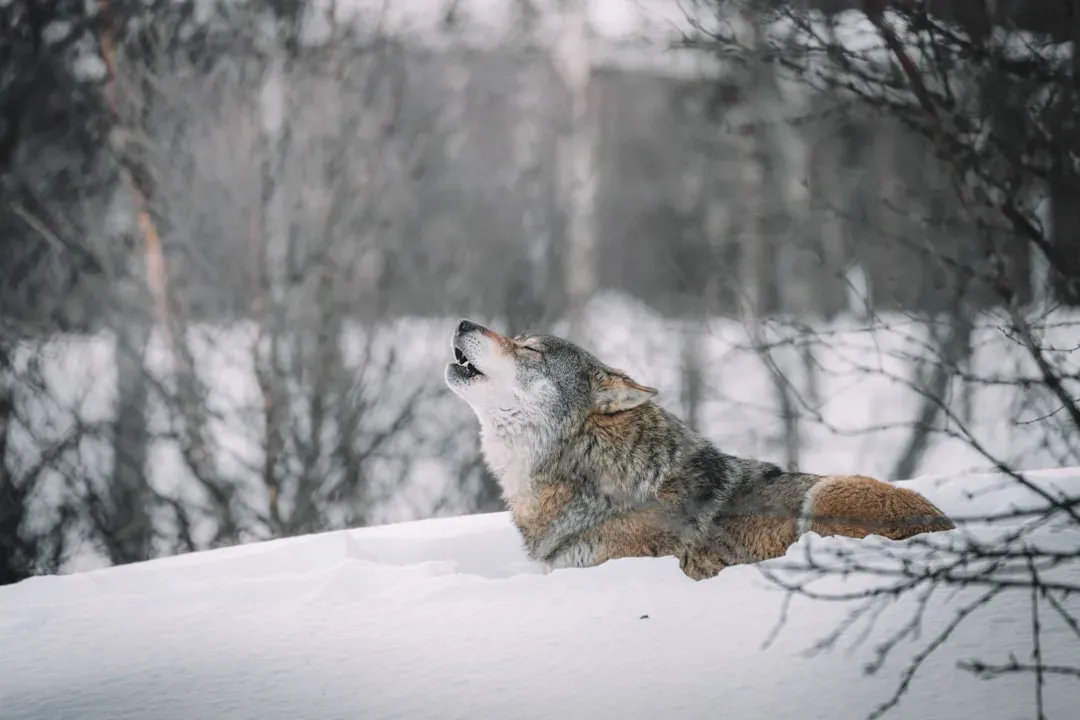
When every member of the pack joins the chorus, the singular howls and their harmonies give the listener the impression that the pack is larger than it actually is. This is not accidental. It’s a strategic amplification of perceived threat, achieved through acoustics alone.
A chorus howl is when multiple wolves within a pack howl together. This collective howling significantly amplifies the sound, allowing it to travel even further and creating a more powerful territorial statement. A small pack can sound like a formidable one. In a world where territory means survival, that kind of acoustic deception is genuinely useful.
#9: Wolves Howl Out of Affection, Not Just Necessity
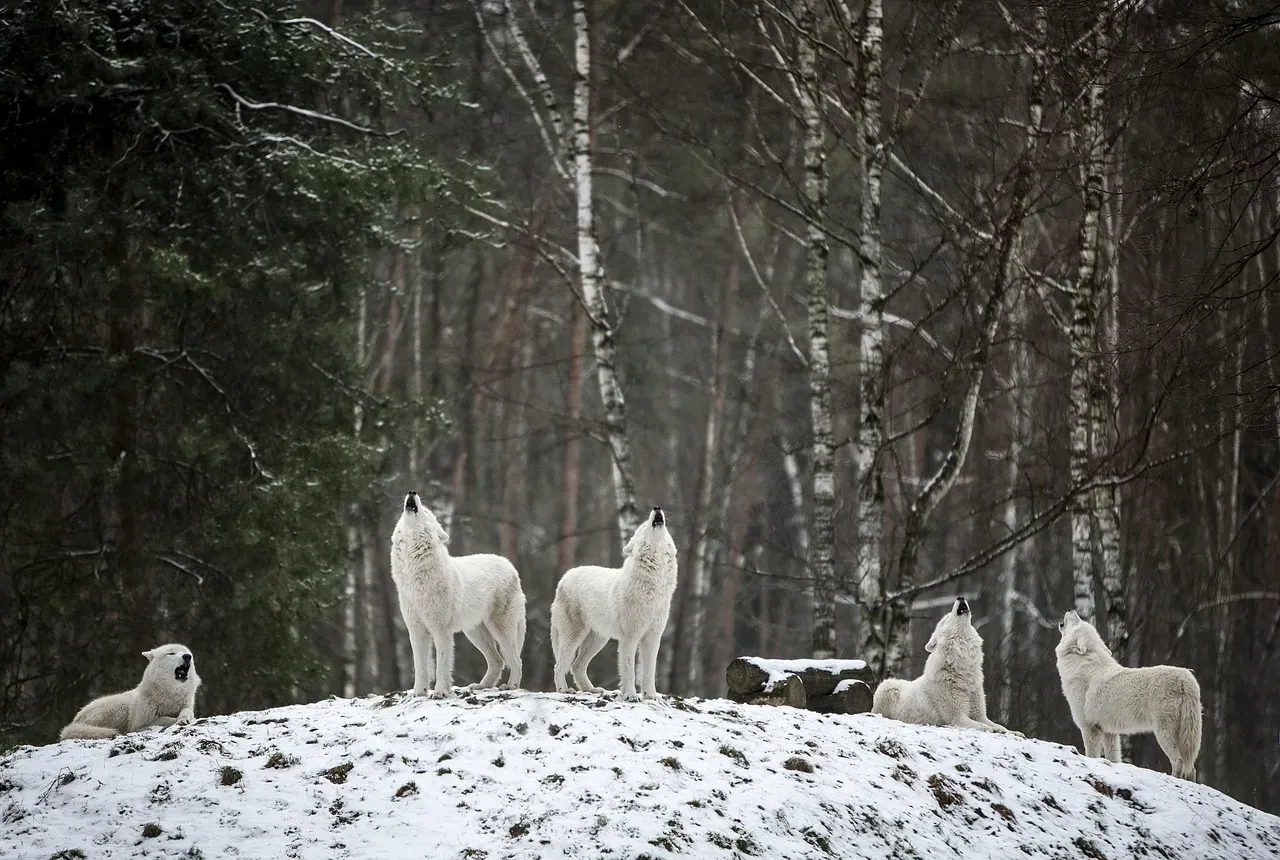
Wolves howl to communicate their location to other pack members and to ward off rival packs from their territory. It has also been found that wolves will howl to their own pack members out of affection, as opposed to anxiety. That distinction matters. It shifts the howl from purely functional to something closer to emotional expression.
A study from 2013 suggests that when separated, wolves will howl out of loneliness or affection for other wolves. The scientists conducting the study concluded that a wolf howls more or less depending on the strength of its relationship with the missing wolf. The stronger the social bond, the more urgently and frequently they call. It’s hard not to find something moving in that.
#10: The Moon Has Nothing to Do With It
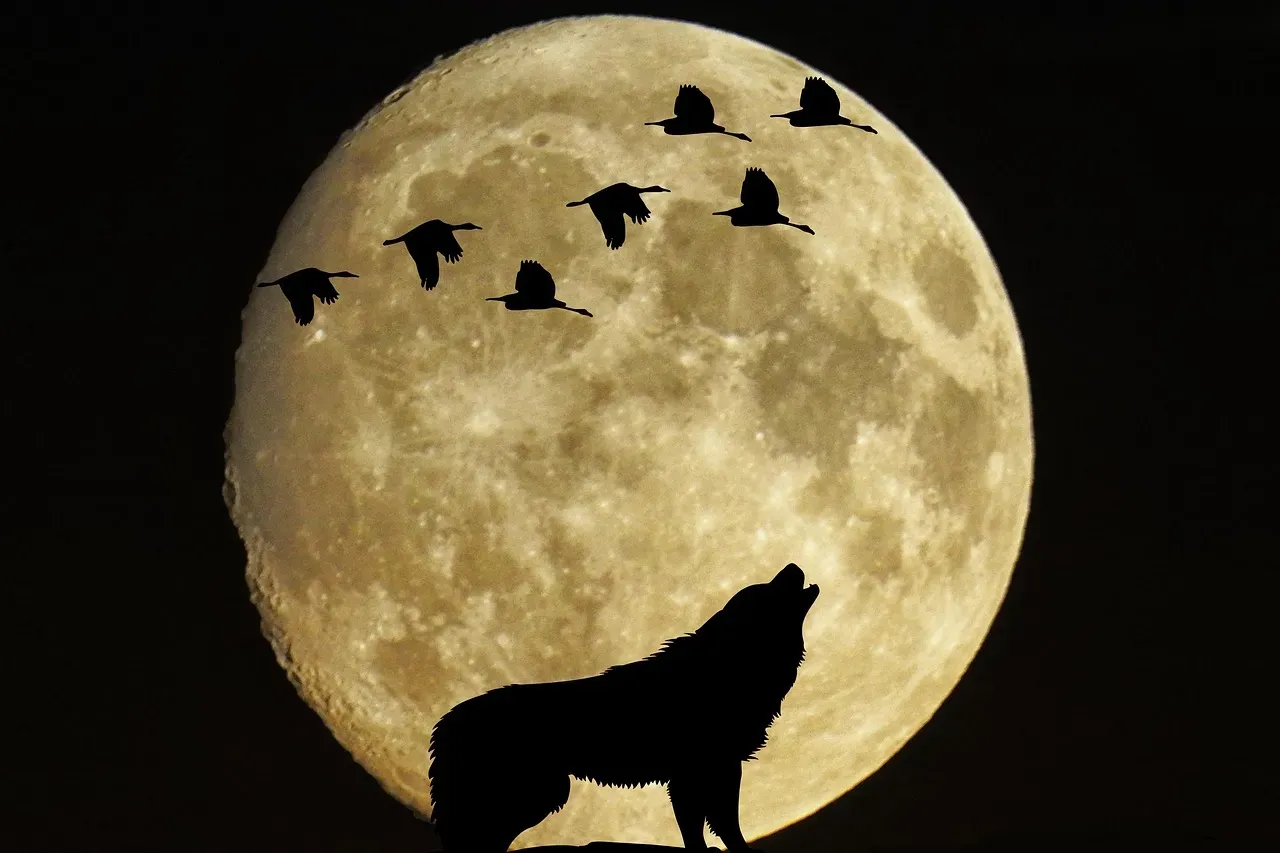
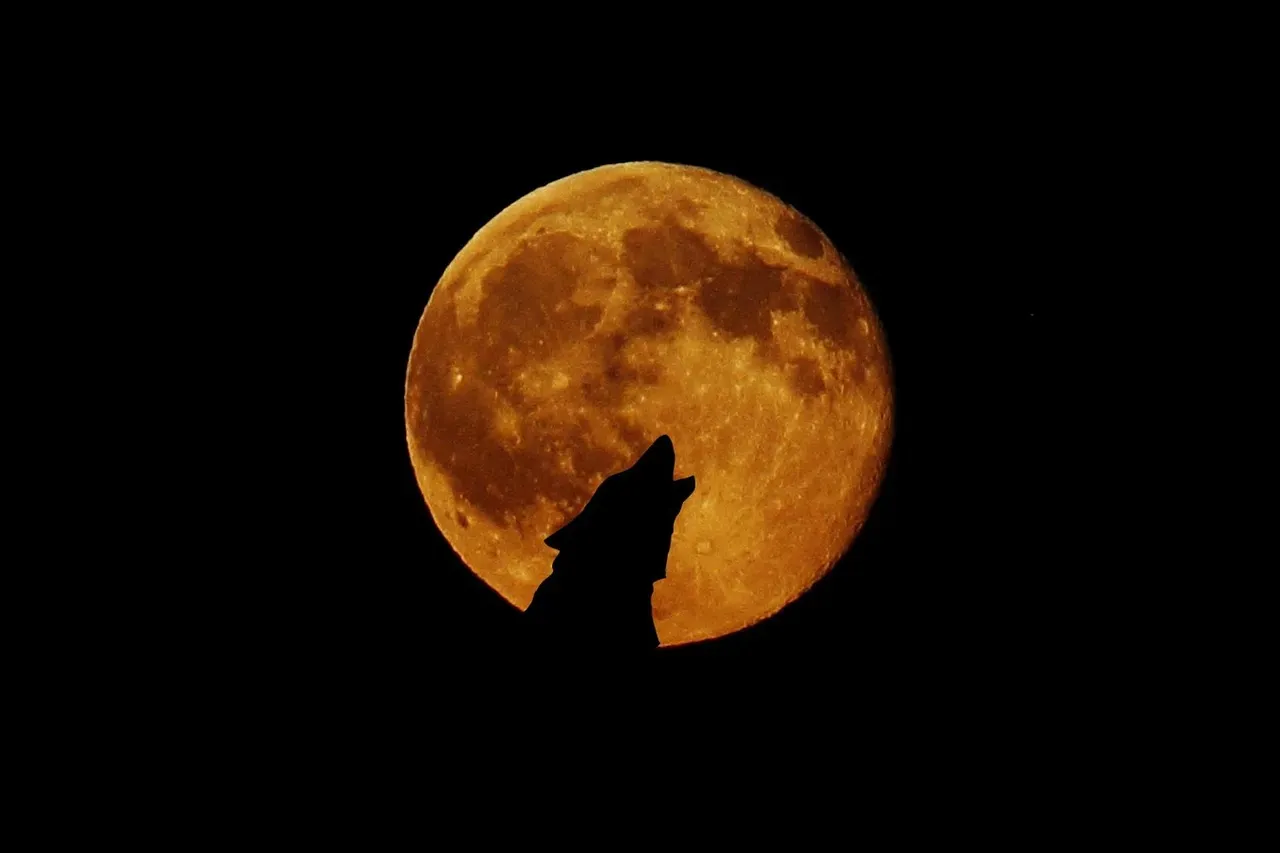
Despite popular belief, wolves do not howl at the moon. Lunar phases have no effect on wolf vocalization. The image of a lone wolf silhouetted against a full moon is one of the most persistent myths in popular culture, but it simply doesn’t hold up to scrutiny.
No scientific study has established a link between howling and Earth’s satellite. The origin of the imagery is murky, but it may stem from the simple fact that wolves are more visible in the light of a full moon. Wolves are naturally more active at night, and a full moon just made them more visible to the humans who recorded their behavior. The association stuck, but the science doesn’t support it.
#11: Howling Peaks During Specific Seasons and Times of Day
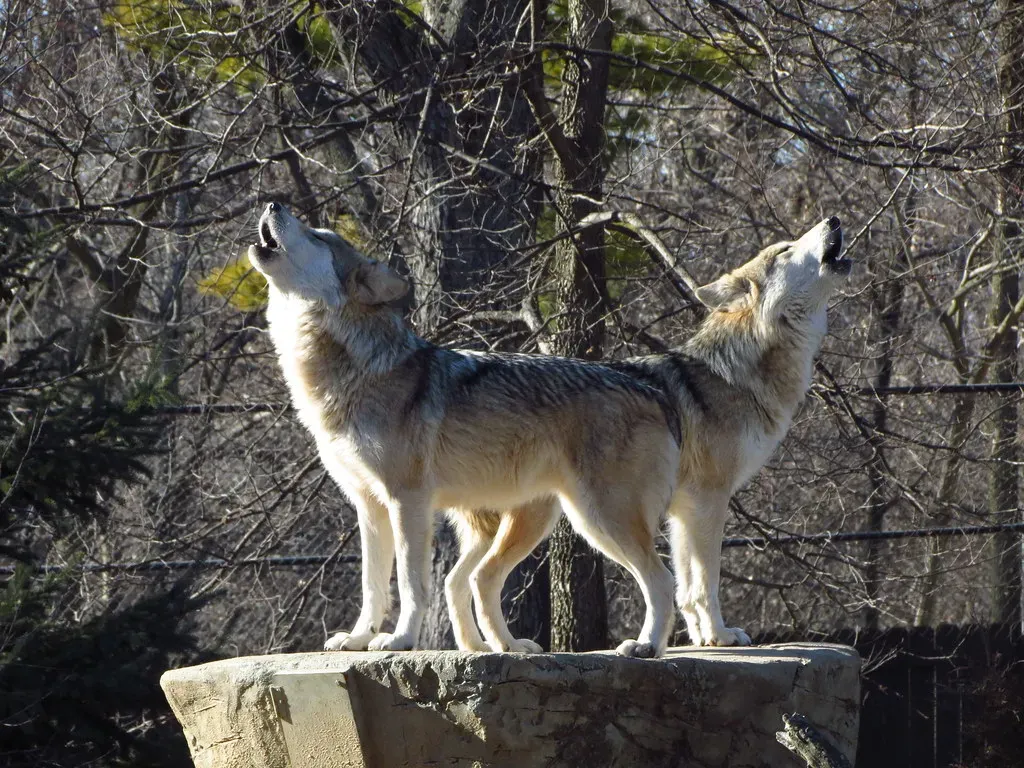
Wolves usually howl around twilight and in the middle of the night, and their vocalizations are most intense during the months of July through October, when the presence of pups increases the pack’s howling. This is likely to make other predators aware that the pups are protected by adults. Pup season changes the acoustic character of a pack entirely, ramping up both the frequency and urgency of howling.
The time of day can also provide clues, though not always concrete answers. Howls at dawn or dusk are more likely related to territory marking, while lone howls at night could indicate separation. Research has also demonstrated that the frequency of howling depends on area, pack size, and the density of people living nearby, being less frequent where more people live, perhaps in response to perceived risks. Wolves, it turns out, adjust their communication strategies based on human presence.
#12: Researchers Are Still Decoding What Howls Fully Mean
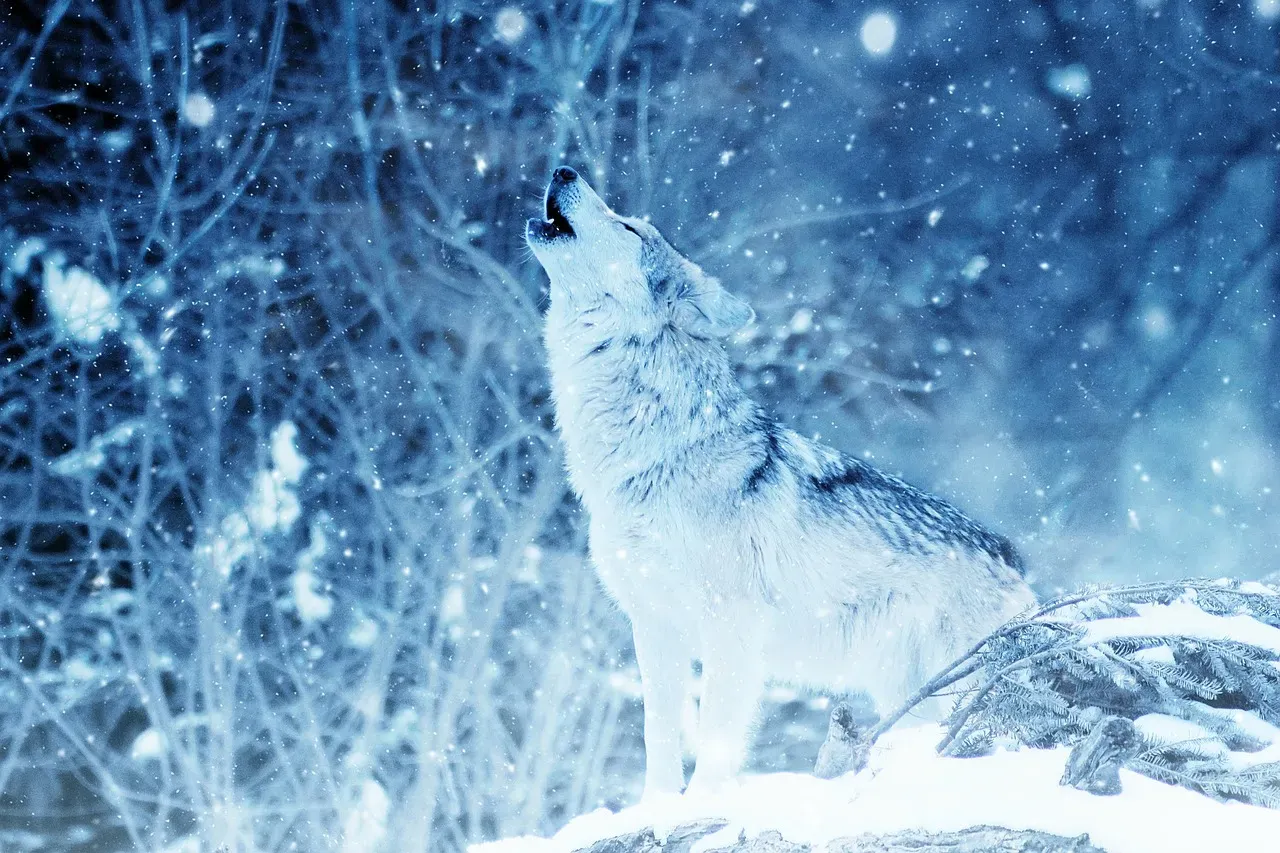
While humans can identify different types of howls and understand their general purpose, a complete understanding of the nuances of wolf communication is still a subject of ongoing research. The twenty-one howl types give scientists a framework, but the full semantic content of each variation remains genuinely open. This is an area where the science is still catching up to the animal.
With research advances, scientists are one step closer to being able to identify exactly which subspecies of wolf may be howling, something that could significantly benefit scientists monitoring local wolf populations. Scientists could identify wolves in the area and track their activity using acoustics alone. Conservation uses for these findings may also involve refining the use of playbacks to recreate more accurate howling behaviors that imitate territorial markings, thereby encouraging wolf packs to steer clear of farms and livestock. What began as a question about animal noise is becoming a practical tool for wildlife management and conservation.
What Wolf Howls Tell Us About Ourselves
Here’s an honest opinion: we’ve consistently underestimated wolves. For centuries, their howls were cast as something ominous or primitive, a soundtrack for fear. The science tells a completely different story. These animals have built a sophisticated communication system, shaped by millions of years of social living, and we’re only beginning to understand its depth.
The howl is territorial, emotional, logistical, and social all at once. It’s a sound that encodes identity, intent, and relationship. The fact that we’re now using machine learning to decode it feels appropriate. Perhaps the more surprising revelation isn’t what wolves are saying to each other, but how long it took us to start listening properly.
There’s real value in that kind of humility. The wilderness has always been more articulate than we assumed. Wolf howls are just one long, clear proof of it.