
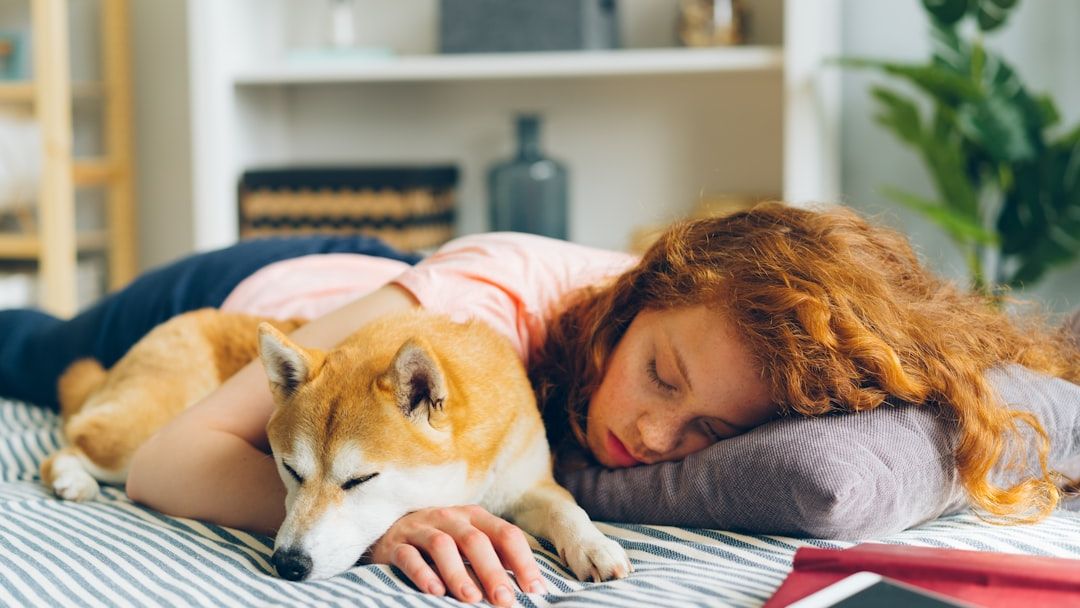
There’s something quietly remarkable about that moment right before the lights go out. Your dog circles their spot, settles down with a soft thud, and then, just as sleep seems inevitable, turns those big eyes toward you. They hold your gaze without urgency, without asking for anything obvious. They just look.
Most people chalk it up to a cute quirk or write it off as a dog being a dog. The truth is considerably more layered. That steady, nightly stare carries real biological meaning, emotional weight, and thousands of years of evolutionary history packed into one unblinking glance. Understanding it changes the way you see your relationship with your dog entirely.
#1: It’s a Love Hormone Loop You’re Both Trapped In
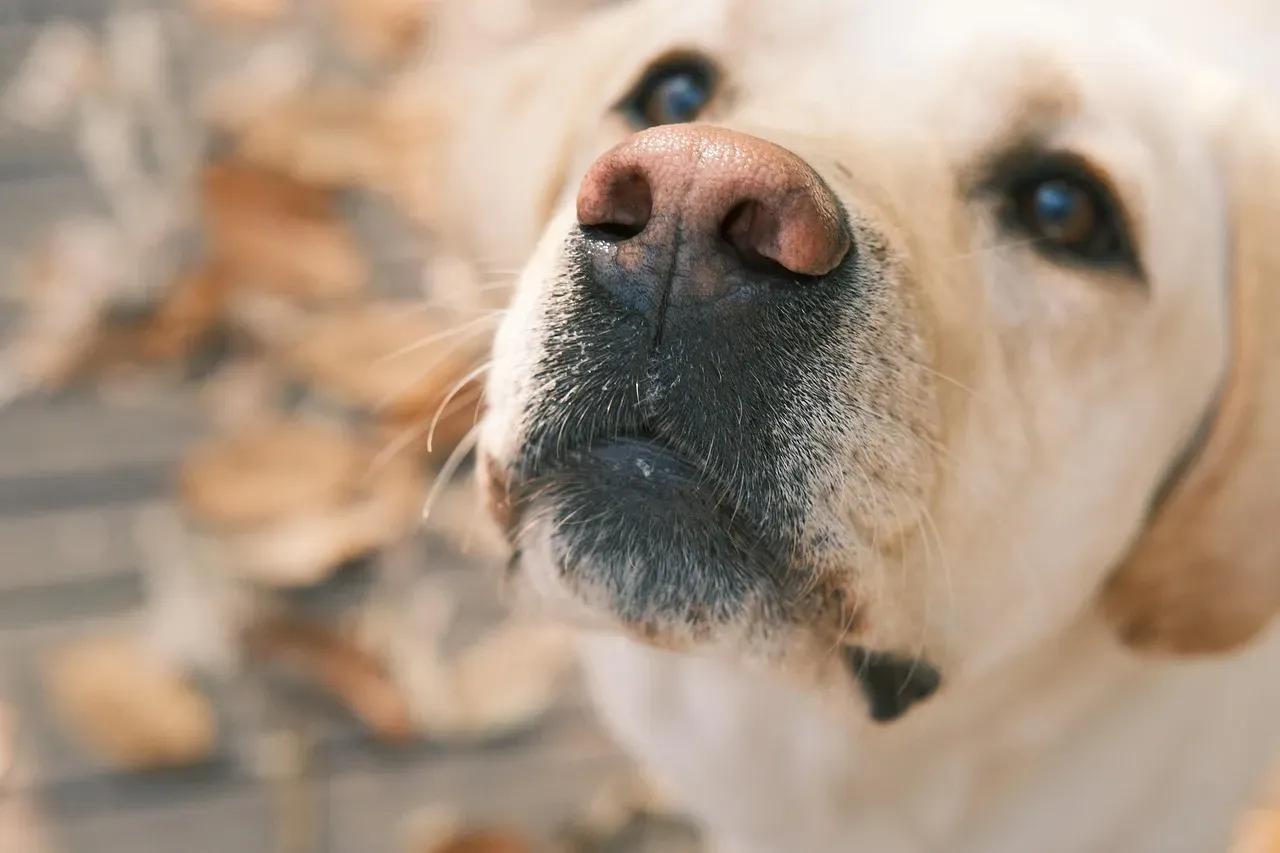
Research led by animal behaviorist Takefumi Kikusui at Azabu University in Japan examined the impact of the gaze between dogs and their owners and found that mutual eye contact carries far more meaning than previously understood. When owners and their dogs gazed into one another’s eyes during a shared period, levels of oxytocin increased in both the humans and the dogs.
Eye contact triggers the release of oxytocin, which then encourages caring behavior, and that behavior in turn causes more oxytocin to be released. It’s a feedback loop, and your dog has essentially found the key to it. Human-like modes of communication, including mutual gaze, in dogs may have been acquired during domestication with humans.
Oxytocin bonding occurs in other mammals, but humans were thought to be unique in using eye contact as part of this cycle. When researchers tested hand-reared wolves, they found no such effect, and wolves spent little time gazing into their owners’ eyes. That distinction is everything. Your dog isn’t just staring at you because it’s a dog. It’s staring at you because, over thousands of years of living alongside humans, it evolved a specific ability to bond with you through something as simple as a look.
#2: You Are Their Safe Place, Especially at Night
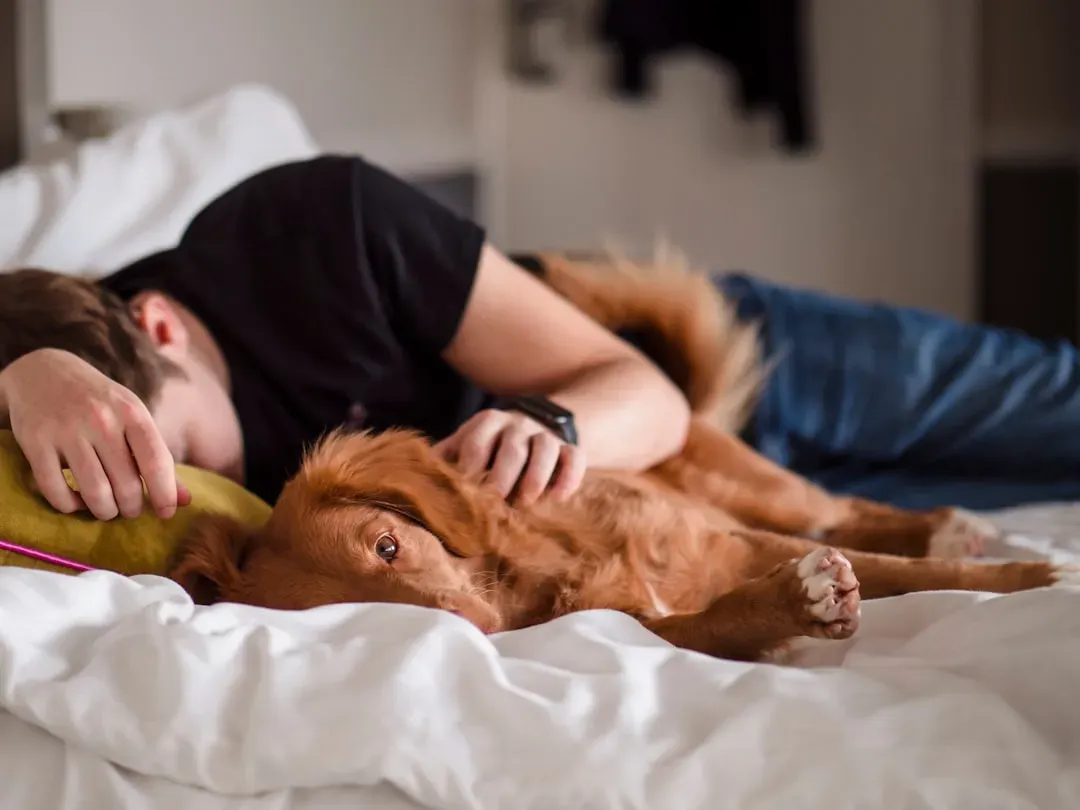
One of the main reasons dogs stare at their owners while falling asleep is because they feel safe and secure in their presence. Sleep is genuinely a vulnerable state for any animal. They’re at their most vulnerable when they’re asleep, and by choosing to look at you, they’re communicating that they trust you to protect them.
A 2022 study published in the journal Animals found that dogs often seek close proximity to their owners during rest because it increases feelings of security and social bonding. This behavior comes from pack instincts that encourage dogs to rest close to trusted companions. Dogs look for security during sleep because rest makes them vulnerable.
Your presence signals safety, and your scent is deeply calming. That pre-sleep stare is, in many ways, your dog doing a final check. They’re confirming you’re still there. They’re confirming the night is safe. Once they’ve seen your face and taken in your presence, they can finally let themselves drift off.
#3: Ancient Pack Instincts Are Still Running the Show
The inclination of dogs to sleep near their human companions is deeply rooted in their evolutionary history and pack mentality. Before domestication, wolves and other canids lived in close-knit groups, relying on each other for warmth, protection, and social bonding. That history didn’t disappear when dogs moved indoors.
In the wild, dogs are pack animals that rely on each other for protection. While domesticated dogs no longer face the same threats as their ancestors, the instinct to stay close for security remains. Your domestic dog still carries these instincts, viewing you and your family as their modern-day pack. That nightly gaze is part of that same ancient ritual, a check-in with the pack before vulnerability sets in.
Many dogs are naturally protective of their owners, and sleeping next to you is their way of keeping watch. If your dog rests in a position that allows them to quickly jump into action, they’re acting on their protective instincts. Even in the safety of your home, your pup’s mind is wired to guard you from potential threats. The stare before sleep, then, isn’t passive. It’s a sentinel’s last look before the shift begins.
#4: It’s Also About Emotional Bonding and Affection
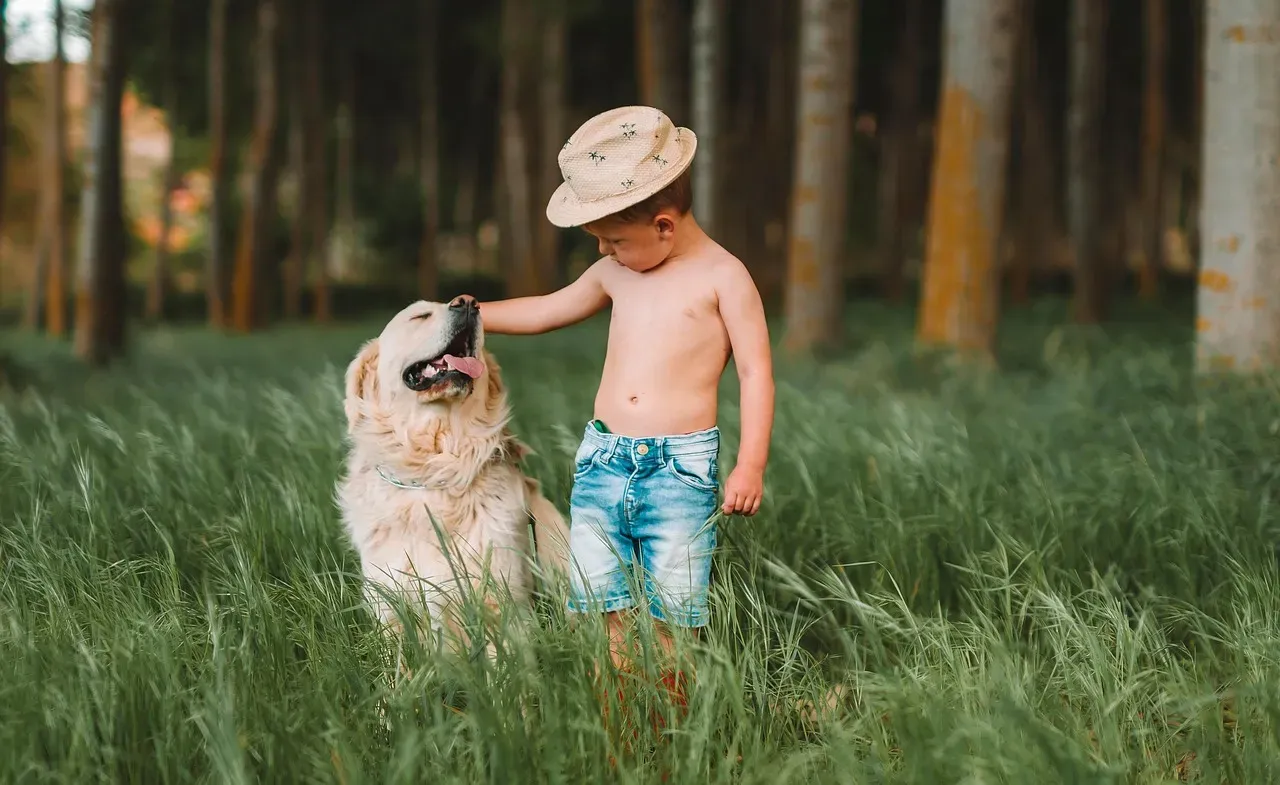
Another reason dogs stare at their owners while falling asleep is to show their love and affection. Dogs form strong emotional bonds with their owners, and staring at you while drifting off to sleep may be their way of expressing their fondness for you. It’s easy to underestimate how emotionally complex a dog’s inner life actually is.
These results suggest that humans may feel affection for their companion dogs similar to that felt toward human family members and that dog-associated visual stimuli, such as eye-gaze contact, from their dogs activate oxytocin systems. Put more simply: when your dog looks at you, your brain lights up in a way that mirrors how it responds to people you love. The bond is genuinely mutual.
Staring before sleep is a form of bonding and shows that your dog feels secure and attached to you. It can also be a way of seeking comfort. There’s something quietly profound about that. In their last waking moments, your dog chooses to look at you. Not at the window, not at the door, not at their food bowl. At you.
#5: When the Stare Means Something Else Entirely
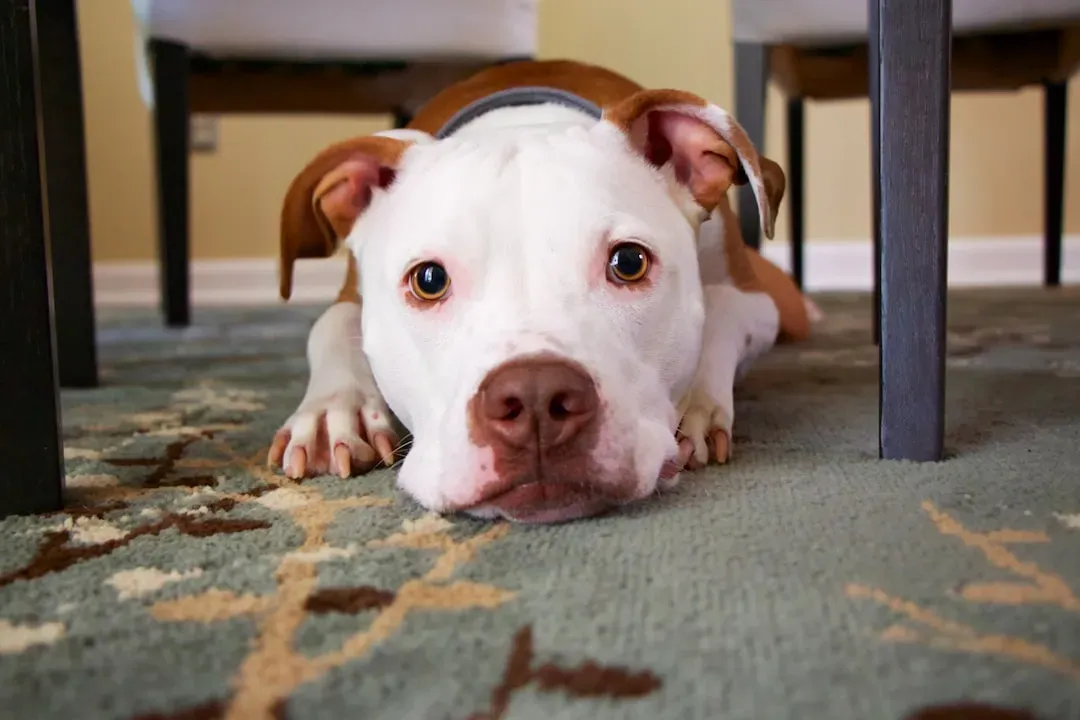
Not every nightly stare is a tender moment. Context matters. A dog’s stare can indicate many things: deep love through oxytocin release, protective instincts, a desire for attention, anxiety, physical pain, or even cognitive dysfunction in older dogs. Reading your dog’s body language alongside the stare is the only reliable way to understand which one you’re dealing with.
While it’s usually benign, persistently unusual staring might warrant observation for other signs of distress, such as restlessness, whining, or changes in behavior and appetite. If accompanied by other unusual signs, consult a veterinarian to rule out any potential health issues. In older dogs, this behavior can sometimes be caused by cognitive dysfunction, vision problems, hearing problems, or physical pain such as arthritis.
Some pet owners mistakenly interpret their dog’s intense stare as a sign of aggression or dominance. However, in most cases, staring at their owner while falling asleep is a display of trust and affection. A relaxed body, soft eyes, and a dog that seems otherwise calm are all good indicators that what you’re witnessing is connection, not concern. Still, trust your instincts as an owner. If something feels off, it’s always worth a closer look.
A Final Thought
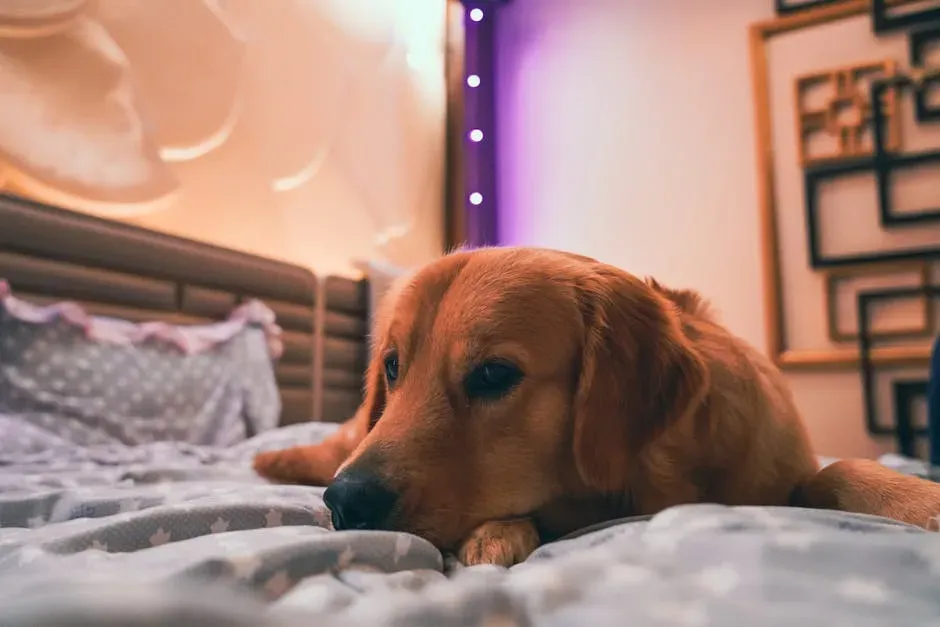
Here’s what I genuinely believe, and the science supports it: that nightly stare is one of the most honest things your dog does all day. No agenda, no performance, no social script. Just your dog, in their most unguarded moment, choosing to look at the one creature in the world that makes them feel safe enough to sleep.
We spend a lot of time wondering whether animals truly love us or simply tolerate us for the food. The oxytocin research, the pack instinct evidence, and the pure consistency of this small nightly ritual all point in the same direction. Your dog isn’t just staring. They’re saying goodnight in the only language they have.
The next time it happens, don’t look away too quickly. Hold that gaze for a moment. You might be surprised by what you feel.


