
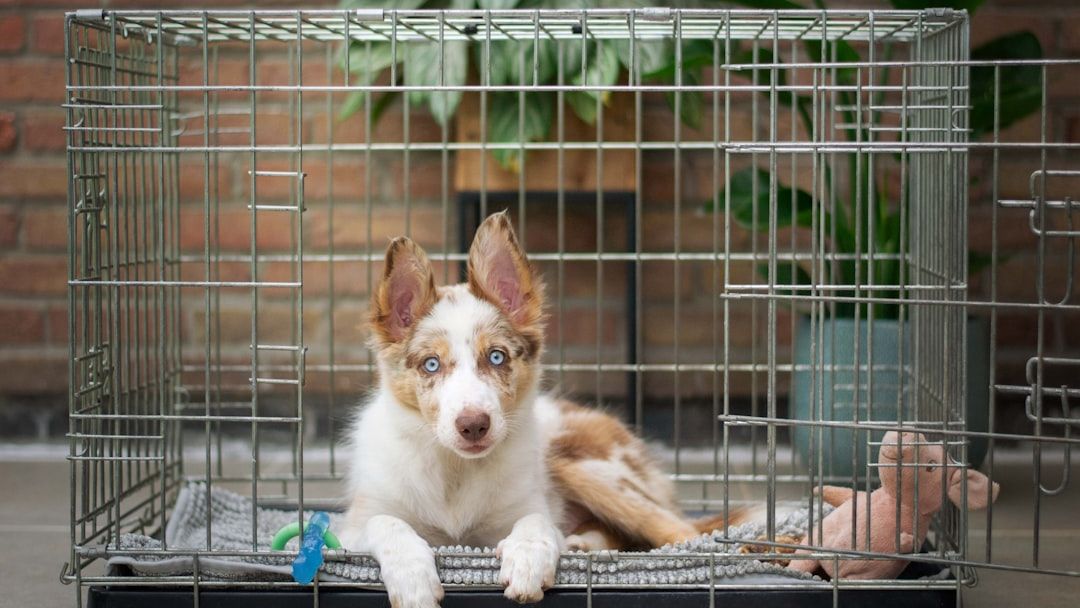
Crate Training Your Dog, Three Essential Tips – Image for illustrative purposes only (Image credits: Unsplash)
Crate training succeeds when owners treat the space as a secure den rather than a temporary holding area. Puppies respond best to steady patterns that reduce uncertainty and build trust over repeated sessions. The method relies on positive associations and careful timing to encourage relaxation instead of resistance.
Anchor Training in Predictable Daily Patterns
A consistent schedule forms the foundation of successful crate use. Dogs learn faster when feeding, play, and rest times follow the same order each day. This repetition helps the puppy anticipate what comes next and lowers overall stress during transitions into the crate.
Owners who vary the timing often notice more vocal protests or attempts to escape. Steady intervals between crate sessions allow the dog to settle without constant reminders. Over several days the pattern becomes automatic, turning the crate into an expected part of the routine rather than an interruption.
Make the Crate a Comfortable Retreat
Adding familiar bedding, safe toys, and occasional meals inside the crate creates a welcoming environment. These items signal that the space offers comfort and reward instead of isolation. Puppies begin to view the enclosure as their own quiet zone when it contains items they already enjoy.
Soft blankets and durable chew toys provide both physical comfort and mental engagement. Placing meals inside encourages voluntary entry without pressure. The combination turns the crate into a positive location that the dog seeks out during rest periods.
Reinforce Calm Behavior at Every Exit
Opening the door only when the puppy remains quiet teaches that relaxation leads to freedom. Any excitement or noise delays the release and keeps the focus on composure. This timing prevents the crate from becoming associated with frantic activity.
Short waits before opening the door build patience and self-control. The practice carries over to other situations where the dog must wait calmly. Consistent application of this rule strengthens the overall training outcome across multiple sessions.
Consistency in both entry and exit timing helps the puppy understand expectations without confusion.
Long-Term Benefits of the Approach
Dogs trained this way often display fewer signs of separation distress later in life. The early emphasis on calm and routine supports better adjustment during travel or veterinary visits. Owners report smoother house-training progress when the crate serves as a reliable resting place.
The method requires patience in the first weeks but yields lasting results. Regular short sessions prevent overwhelm while still advancing the training. Continued use of these principles maintains the positive association well into adulthood.


