
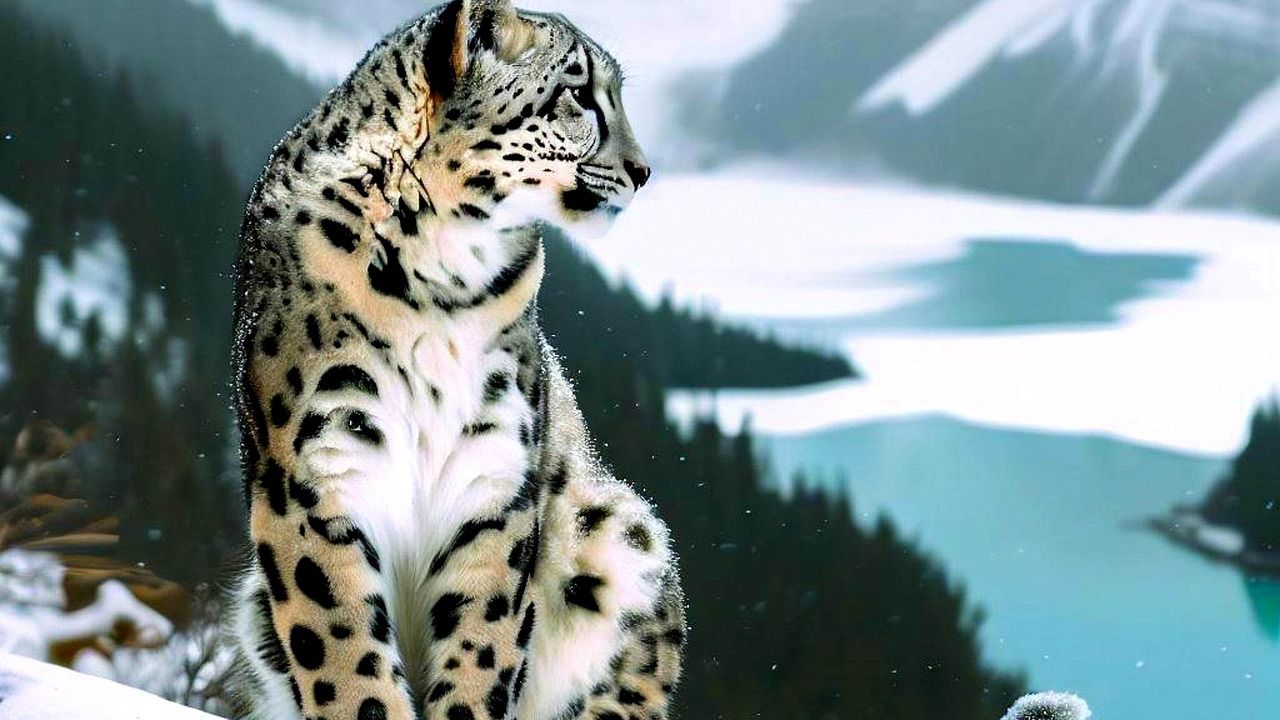
There’s a cat out there that almost nobody ever sees. It roams ridgelines at breathtaking altitudes, disappears into stone and shadow, and has earned a nickname that borders on legend: the ghost of the mountains. For centuries, the snow leopard existed mostly as a rumor to the outside world, glimpsed so rarely that even scientists struggled to confirm the basics of its biology.
What makes this animal so compelling isn’t just its beauty, though that’s extraordinary too. It’s the way every single thing about the snow leopard, from its coat to its voice to its enormous paws, seems perfectly calibrated for a life lived at the edge of what any living thing should be able to endure. Here are ten facts that start to explain why.
#1. They Live in One of the Most Extreme Environments on Earth
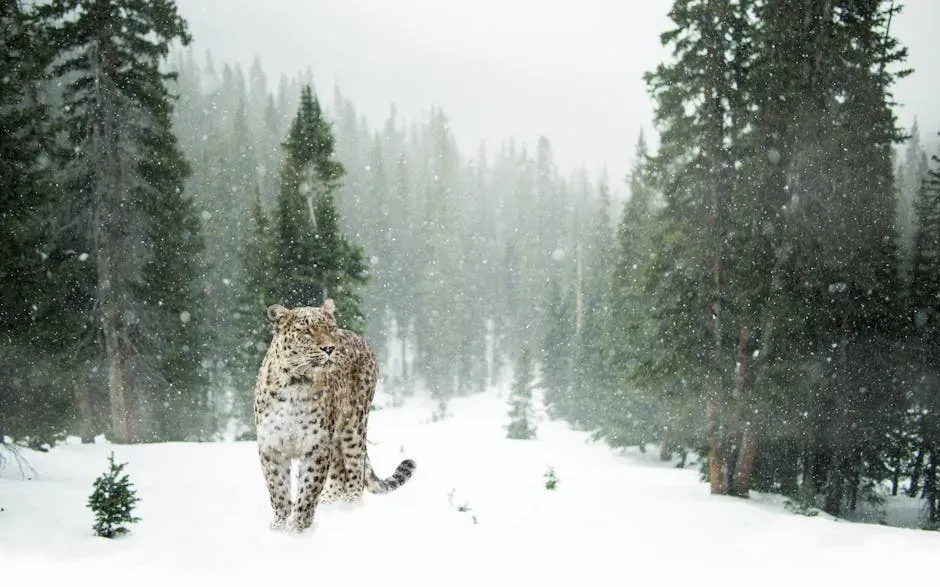
Snow leopards live in northern and central Asia’s high mountains, including the Himalayan region. That description sounds straightforward until you consider what those mountains actually demand of anything trying to survive there. Snow leopards normally occur from roughly 3,000 to 4,500 meters in elevation, where the air is thin, temperatures can plunge dramatically, and prey is genuinely scarce.
Preferring steep and highly rugged habitats with low vegetation, snow leopards live at elevations ranging from below 1,000 to above 5,000 meters, often migrating to lower elevations during winter to avoid deep snow. This seasonal vertical migration requires a level of physical endurance that few large predators on the planet can match. Snow leopards have evolved to live in some of the harshest conditions on Earth, scaling great steep slopes with ease and blending into the landscape.
#2. Their Bodies Are Engineered for the Mountains
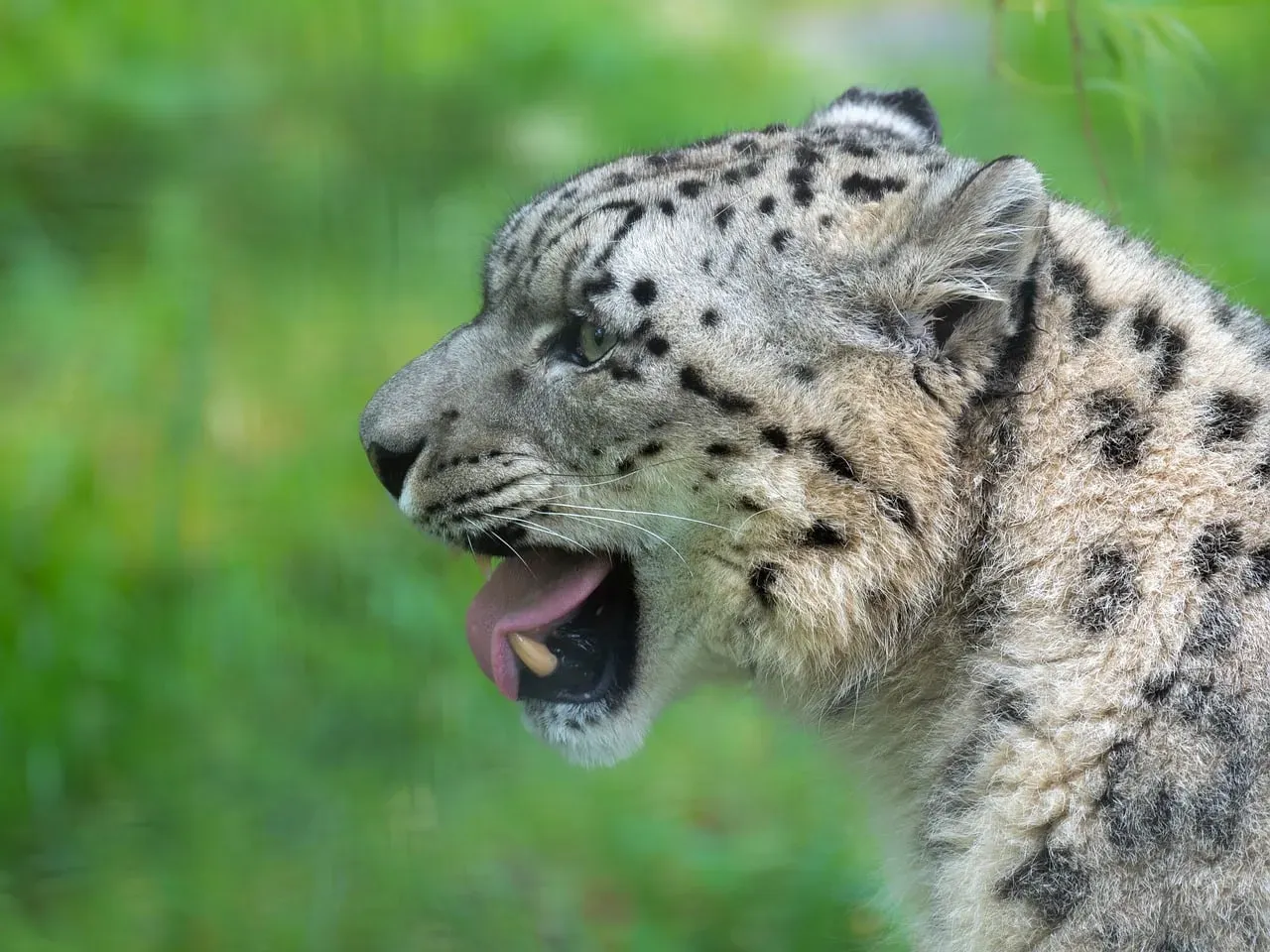
Snow leopards have thick grey and yellow-tinged fur, with solid spots on their head, neck, and lower limbs, and rosettes over the rest of the body. That coat isn’t just visually striking. It functions as full-body insulation and camouflage simultaneously. Their large nasal cavities help warm the cold air they breathe, and their thick fur covers every part of their body, including their undersides and paws.
Their small rounded ears help minimize heat loss, their broad paws distribute body weight for walking on snow, and the fur on their undersides increases grip on steep and unstable surfaces while also minimizing heat loss. Their short forelimbs and long hind limbs make them very agile, and they can jump as much as 50 feet in length. That’s roughly the length of a school bus, launched from a standing position on a rocky cliff face.
#3. Their Tails Are Almost as Long as Their Bodies
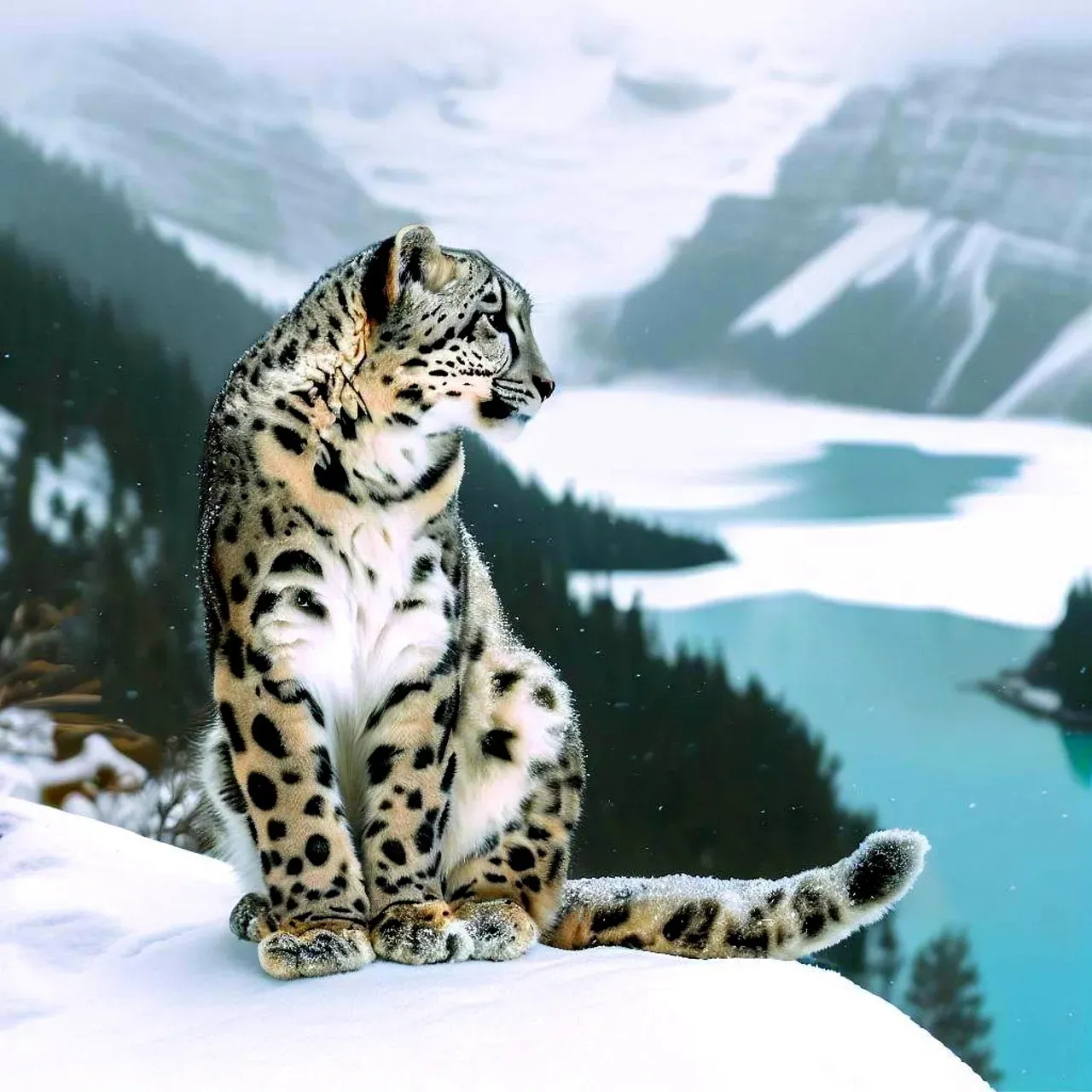
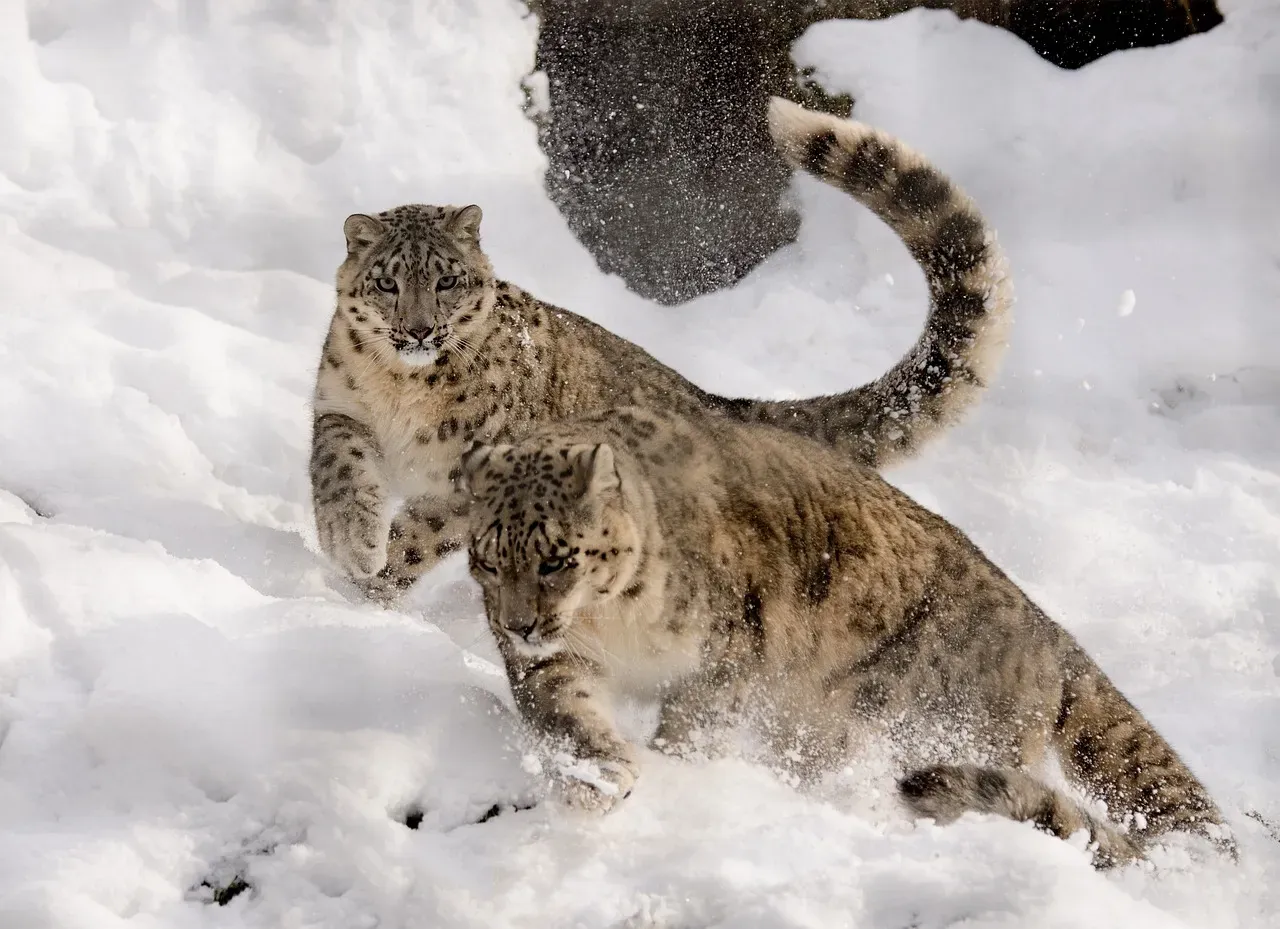
Snow leopards have very long, thick tails that they use for balancing on rocks and wrapping around their bodies for protection from the cold. The tail can reach nearly a meter in length, which is remarkable for an animal whose body itself measures between roughly 90 and 115 centimeters. This isn’t decorative anatomy. It’s a multi-purpose survival tool.
They are also the only big cat known to hold their own tail in their mouth, a behavior thought to be related to thermoregulation, as the thick furry tail can be wrapped around the face and body to conserve heat. Snow leopards also use their tails to stay balanced during leaps, which ensures they maintain stability mid-air. A tail that doubles as a scarf, a balance pole, and a comfort object is genuinely one of nature’s more elegant design solutions.
#4. They Cannot Roar
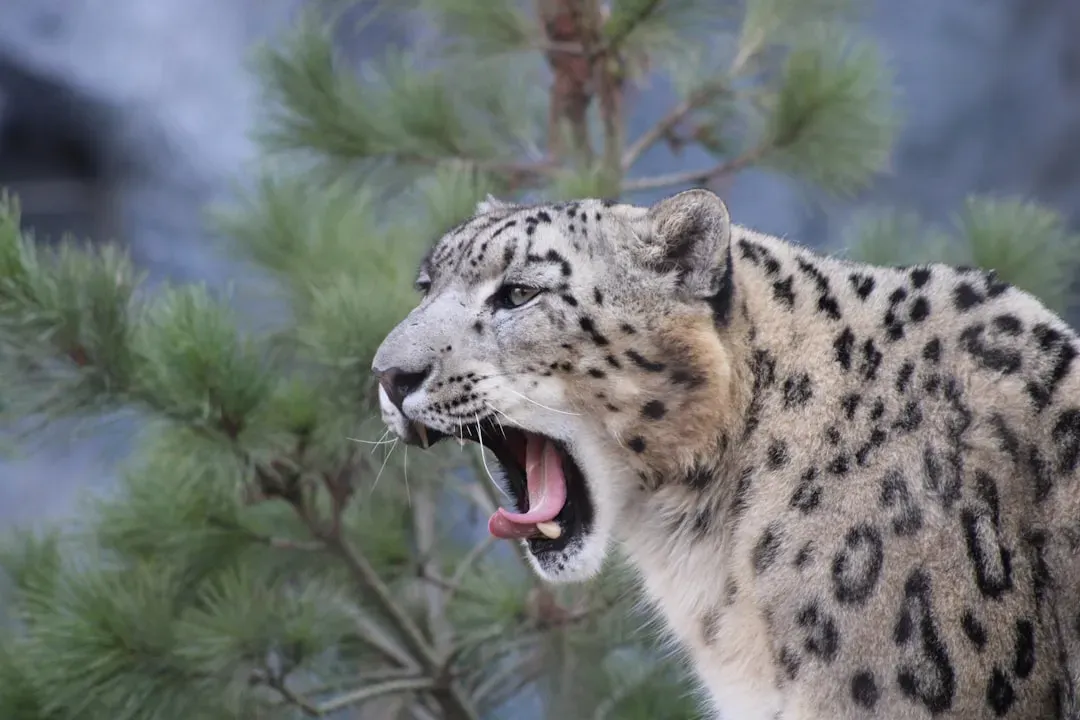
Unlike all other members of the genus Panthera, including lions, tigers, leopards, and jaguars, the snow leopard cannot roar. Its laryngeal anatomy differs from the true roaring cats, and instead of a roar, it produces a range of vocalizations including a soft prusten or chuff, a non-threatening exhalation through the nose and mouth used as a greeting between individuals, as well as yowls, growls, hisses, and meows.
The inability to roar might seem like a disadvantage, but it could be an evolutionary adaptation for snow leopards. Their mountainous habitat, characterized by sparse vegetation and long sightlines, favors stealth and camouflage. In the thin air of the Himalayas and the steep cliffs of the Altai Mountains, loud roars would be counterproductive. Roaring carries over long distances, which may help lions establish territory on open plains, but for a snow leopard, such noise could reveal its location to prey, rivals, or even poachers. Silence, it turns out, is its own kind of power.
#5. They Are Truly Solitary, and Remarkably So
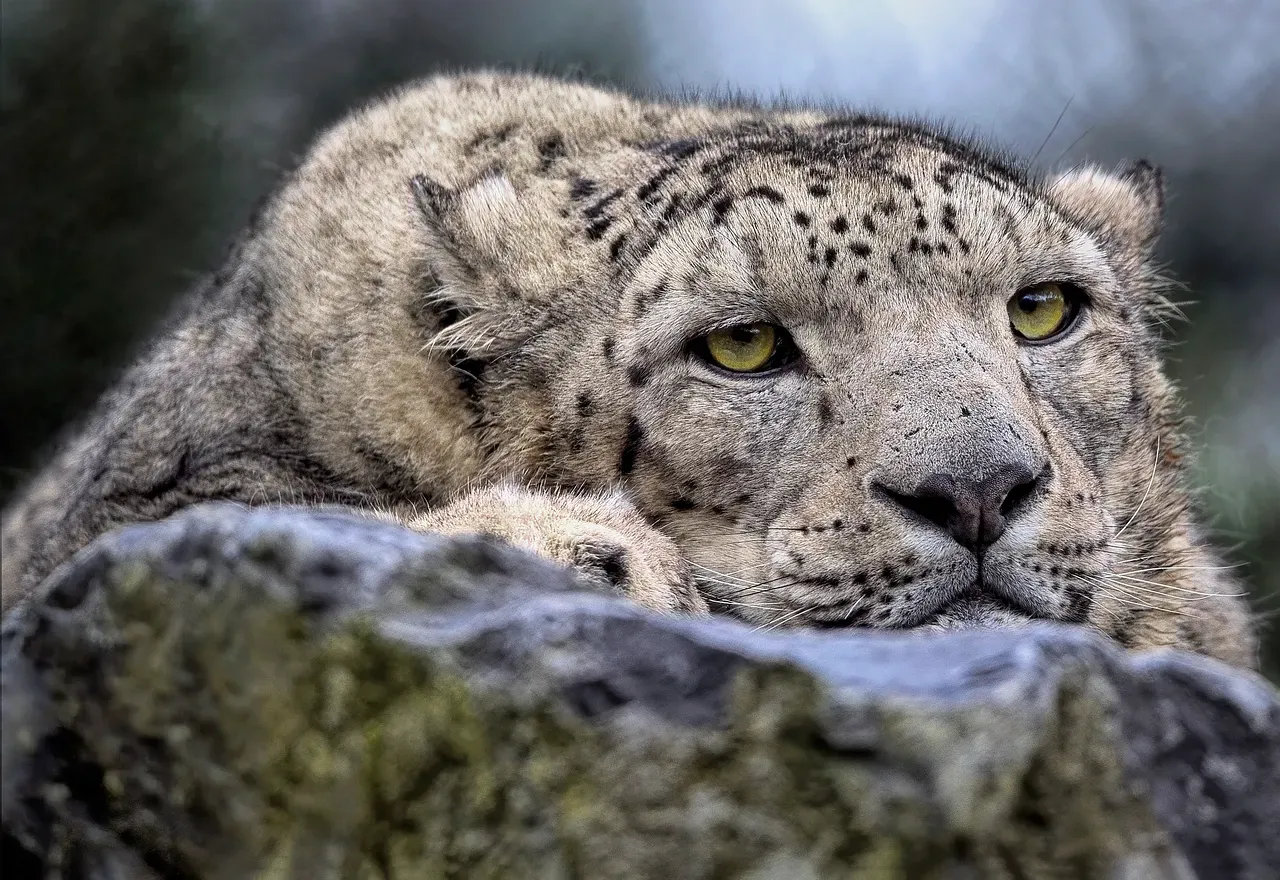
Snow leopards are solitary creatures. Since it is so rare to see two snow leopards together, there is actually no term for a group of snow leopards. That absence of collective vocabulary reflects a biological reality: these cats almost never gather, except briefly during mating or when a mother is raising cubs. Male snow leopards usually occupy exclusive home ranges to avoid competing with other males, each claiming up to 100 square kilometers. Within these ranges, they live a nomadic lifestyle, roaming around to hunt and leaving markings for other cats.
In areas where prey is abundant, cats inhabit home ranges as small as 30 to 65 square kilometers. In areas where there is less prey, snow leopards need more land for hunting and their home ranges may be over 1,000 square kilometers. Through GPS tracking, researchers have found that snow leopards use significantly larger home ranges than previously believed, which means existing protected areas are too small to support viable populations. That single finding has reshaped how conservationists think about protecting the species.
#6. They Are Apex Hunters Despite Their Modest Size
Snow leopards are capable of killing prey up to three times their own weight, and they eat blue sheep, Argali wild sheep, ibex, marmots, pikas, deer, and other small mammals. For context, the Argali is one of the world’s largest wild sheep, and a snow leopard will take one down alone, in steep terrain, without any assistance. Their hunting strategy relies primarily on stealth, camouflage, and ambush. Their silent approach is crucial for successfully capturing their prey in their challenging environment.
Snow leopards’ ability to switch between wild and domestic prey, including blue sheep and horses, further exemplifies their capacity to adapt to changing environmental conditions. This dietary plasticity may play a crucial role in maintaining population stability despite the challenges posed by climate change. It’s a flexible strategy, though one that unfortunately brings them into direct conflict with the herding communities who live in their range.
#7. They Are a Keystone Species for Entire Mountain Ecosystems
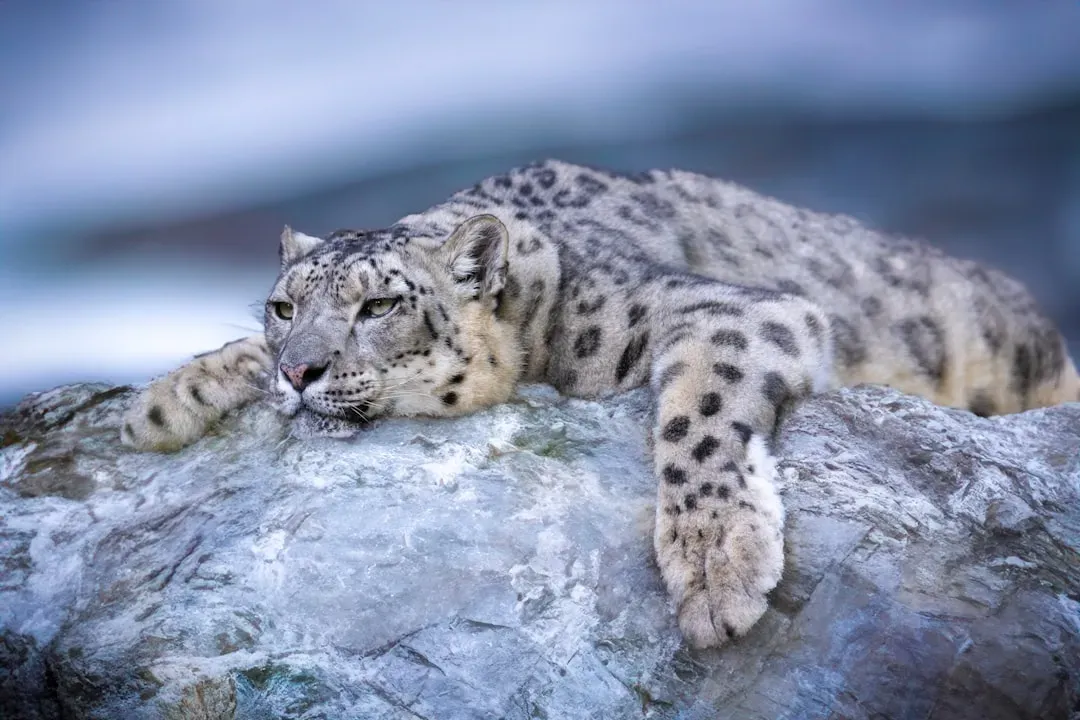
Within their range, snow leopards are considered a keystone species, meaning they play an important role in maintaining biological integrity in mountain ecosystems. Being a top predator with a wide range, the fate of the snow leopard depends on the populations of its prey species, wild sheep, goats, and other herbivores, making it an indicator of healthy mountain ecosystems.
This endangered cat is considered an umbrella species in its fragile mountain ecosystem. When we protect snow leopards and their habitat, we safeguard countless other species and preserve vital freshwater sources that sustain millions of people who depend upon them downstream. Some 330 million people live within 10 kilometers of rivers originating in snow leopard habitat. The survival of this single species is, quite literally, bound to the water security of hundreds of millions of people.
#8. Their Population Numbers Are Deeply Uncertain
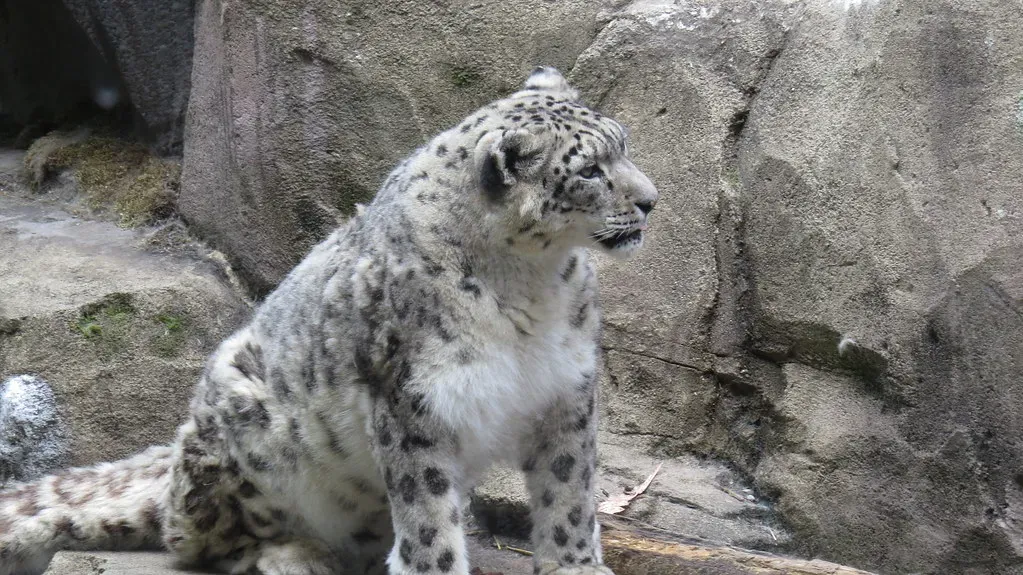
There are an estimated 4,080 to 6,590 snow leopards in the wild, but it is difficult for scientists to know for sure. They are listed as Vulnerable by the International Union for Conservation of Nature. The uncertainty in those numbers isn’t a failure of science so much as a reflection of just how hard this animal is to find and count. The population is thought to be slowly decreasing, and it’s difficult to get an accurate reading on their numbers since they are spread over such a large area, live alone, are highly camouflaged, and live in unexplored areas.
India completed its first nationwide Snow Leopard Population Assessment, carried out between 2019 and 2023, with findings released in January 2024. The total estimated population of snow leopards in the country stands at 718 individuals, with the highest numbers recorded in Ladakh at 477, followed by Uttarakhand with 124. More than 70 percent of snow leopard habitat remains unexplored. What we don’t know about this animal may still outnumber what we do.
#9. Climate Change Poses an Existential Threat to Their Habitat
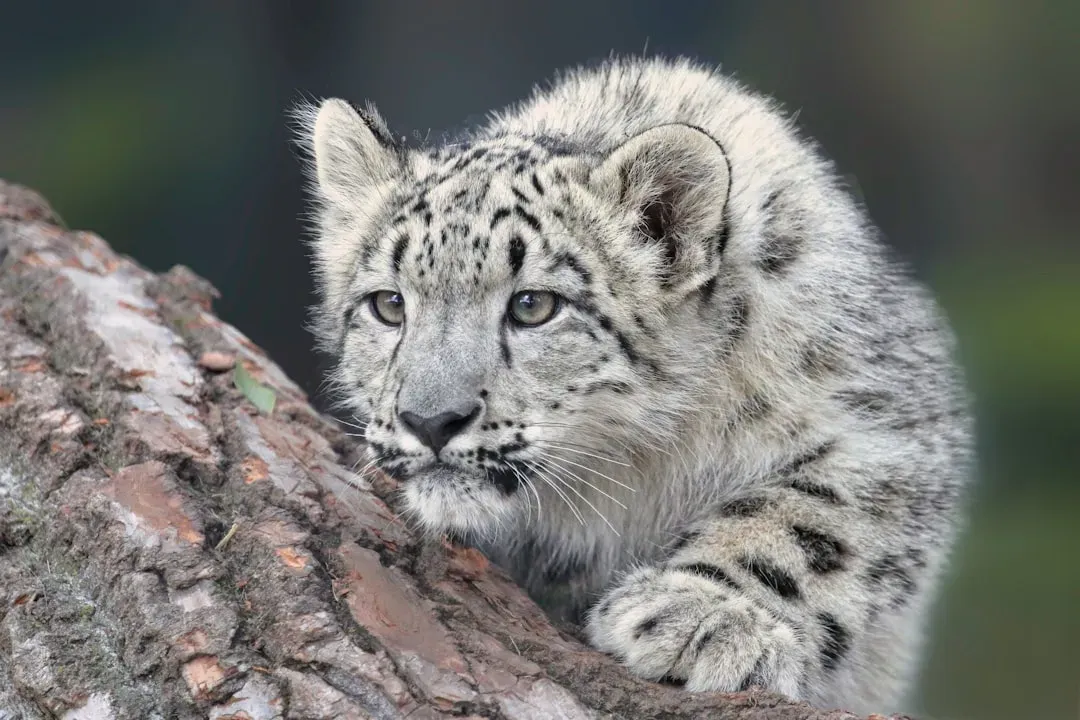
Climate change poses perhaps the greatest long-term threat to snow leopards. Impacts from climate change could result in a loss of up to 30 percent of the snow leopard habitat in the Himalayas alone. Unlike habitat destruction caused by direct human settlement, climate disruption reaches these animals even in places where no human has ever built a road or a fence. Snow leopards are incredibly susceptible to habitat changes caused by climate change, and as one researcher noted, climate change affects everyone and everything, even in such remote areas.
Recent research found that many snow leopards share the same DNA, which makes sense, as these cats have had a small, stable population over a long period of time. That low genetic diversity, combined with shrinking and fragmenting habitat, creates a compounding vulnerability. Data from long-term studies indicate that the biggest threat to genetic exchange between snow leopard populations is posed by border fences and other infrastructure that can fragment populations. Political borders, it turns out, can be just as deadly as poaching.
#10. They Hold Deep Spiritual Significance Across Cultures
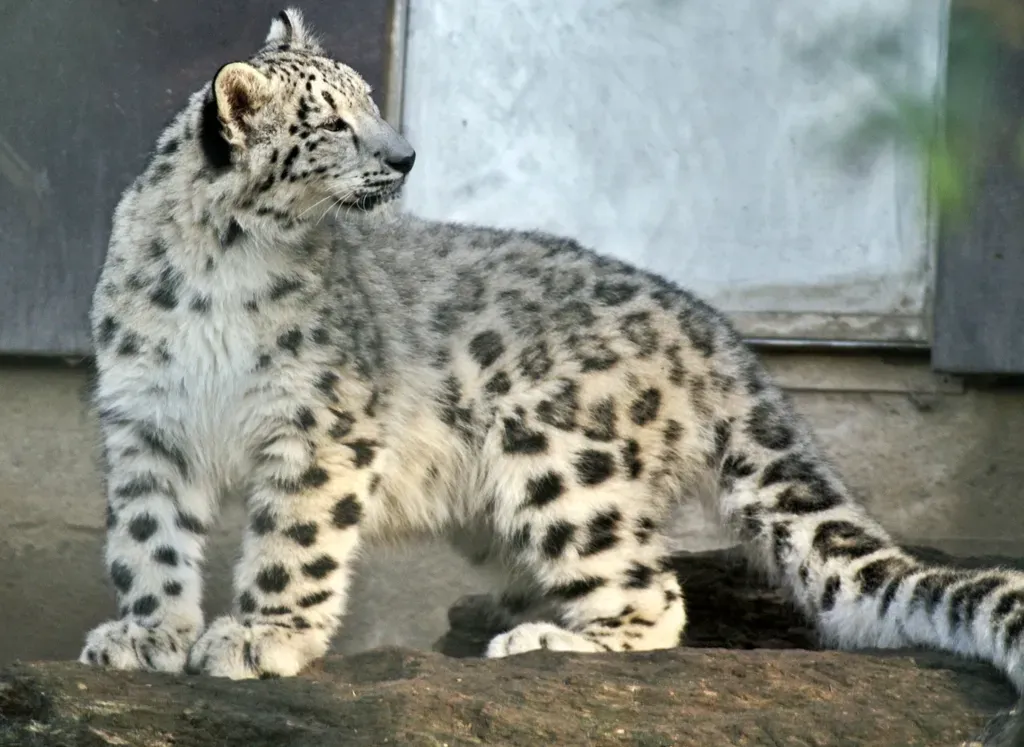
The snow leopard is intricately woven into the cultural and mythological fabric of the regions it inhabits. In Tibetan and Mongolian traditions, the creature is regarded as sacred and mystical. In Tibetan Buddhism, the snow leopard acts as a spiritual guardian, a symbol of protection and spiritual guidance, while indigenous cultures of the Himalayas view it as a bridge between the earthly realm and the heavens.
The Kyrgyz people of Central Asia place high spiritual value on the snow leopard, designating specific locations as sacred snow leopard sites. Many indigenous communities in Central Asia have a reverence for snow leopards, and today they continue to be symbols of purity and good fortune. This deeply rooted cultural reverence has become one of conservation’s most powerful tools. Recognition that communities are the key to snow leopards’ survival is at the heart of a network called Land of Snow Leopard, which focuses on reviving indigenous people’s cultural connections to snow leopards and giving them a stronger voice in conservation decisions.
Why the Ghost of the Mountains Still Matters
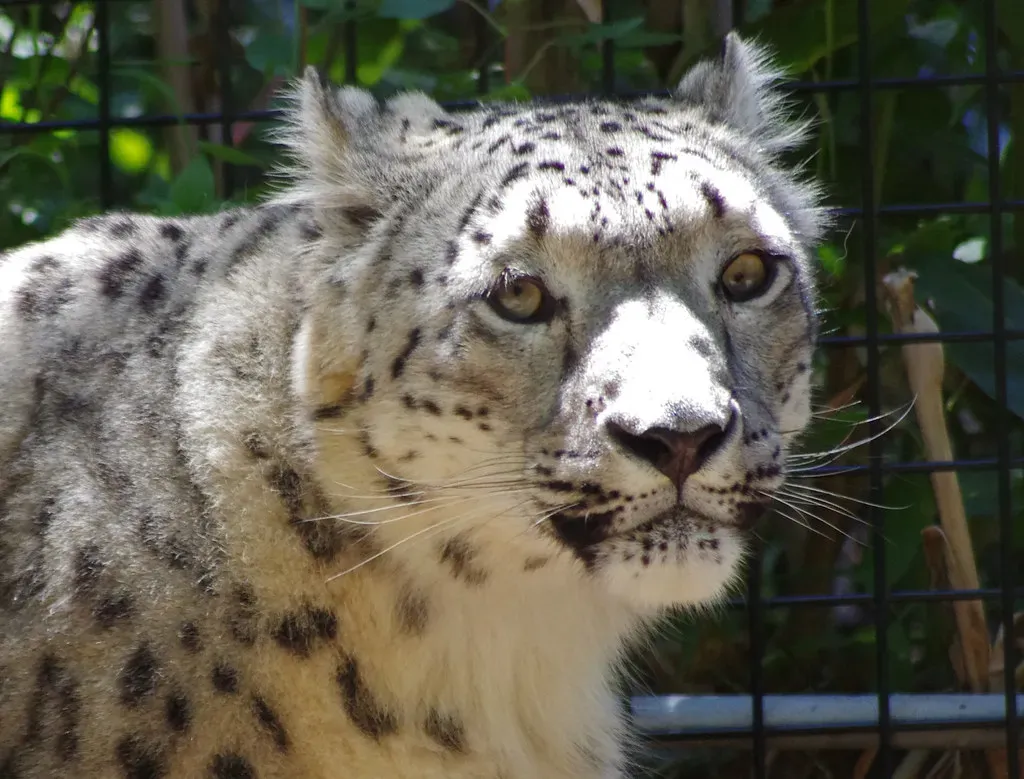
There’s something quietly humbling about an animal that has survived for millennia in conditions that would defeat almost anything else, only to find itself threatened not by its environment but by ours. The snow leopard didn’t struggle against altitude, cold, or scarcity to be undone by a warming atmosphere and a shrinking prey base. That contradiction deserves attention.
The facts above aren’t just interesting wildlife trivia. They form a portrait of a species so deeply embedded in the ecological and cultural fabric of Central Asia that its disappearance would send ripples far beyond the mountain ranges it calls home. From the freshwater systems it guards to the spiritual traditions it anchors, the snow leopard carries a weight far greater than its frame suggests.
Honestly, any animal that can leap the length of a school bus, hunt prey three times its size, wrap its own tail around its face to stay warm, and remain essentially invisible to the human eye for centuries has earned our respect and our protection. The ghost of the mountains is still out there. The question is whether we’ll keep the mountains worth haunting.


