

Dogs have been living alongside humans for a remarkably long time. Humans and dogs have been close companions for perhaps 30,000 years, according to anthropological and DNA evidence. That’s an enormous stretch of shared history, and it has quietly shaped dogs into something genuinely extraordinary: companions who can read our inner lives with an accuracy that often outpaces our closest human relationships. The science behind this is more detailed and more fascinating than most people realize.
#1 They Can Literally Smell Your Sadness and Stress

Most people know dogs have a powerful sense of smell, but the full scope of what that means for emotional detection is striking. When you’re stressed or emotionally overwhelmed, your body launches a cascade of hormonal changes. Your heart rate rises, your breathing speeds up, and hormones like cortisol flood your bloodstream. These internal shifts change the volatile organic compounds you release through your breath and sweat, and dogs can detect the difference.
A 2022 study published in PLOS ONE tested this directly. Researchers collected breath and sweat samples from people before and immediately after a stressful task, then presented both samples to trained dogs. The dogs reliably distinguished the stress samples from the calm baseline samples. This isn’t a party trick. It means your dog may be registering the chemical signature of your distress before a single tear has fallen or a single word has been spoken.
#2 They Read Your Face Better Than You Might Expect

Dogs can recognize six basic emotions – anger, fear, happiness, sadness, surprise, and disgust – and process these in similar ways as humans, with changes to heart rate and gaze. That’s not a small list. It covers the full emotional range that most of us cycle through during difficult periods, and your dog is tracking all of it through your expressions alone.
Research from institutions like the University of Lincoln and the University of Vienna found that dogs can distinguish between happy and angry human facial expressions even when those faces belong to strangers. When the face belongs to their own person, that recognition sharpens considerably. Dogs show stronger responses when viewing their owner’s face compared to strangers, suggesting that emotional attachment deepens recognition accuracy.
#3 Your Voice Tells Them Everything
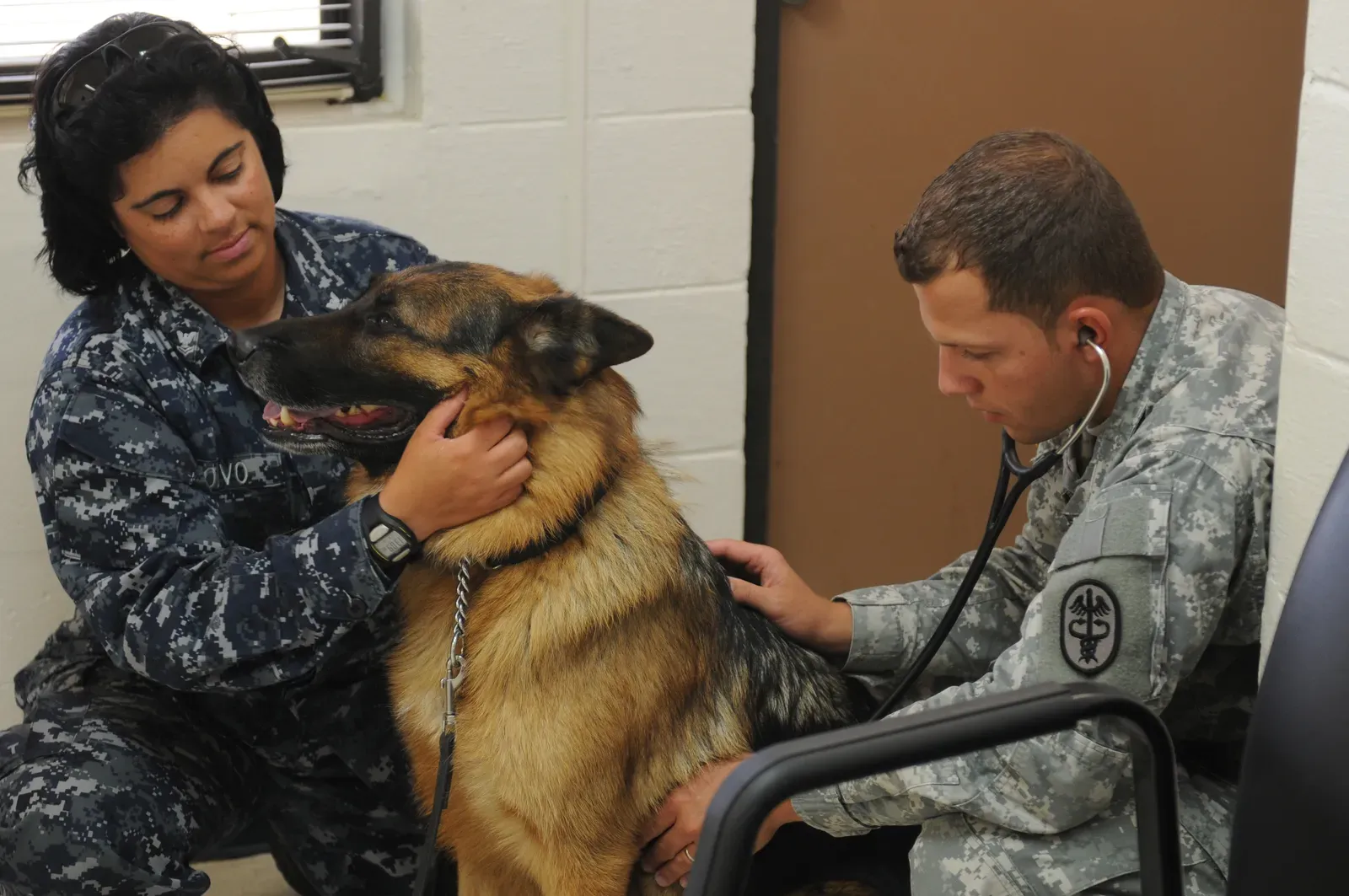
Dogs’ brains have dedicated areas that are sensitive to voice, similar to those in humans. In a brain imaging study, researchers found that dogs possess voice-processing regions in their temporal cortex that light up in response to vocal sounds. They’re not just hearing words. They’re processing the emotional texture underneath them. A flat, hollow tone when you say “I’m fine” registers very differently from genuine contentment.
Dogs respond not just to any sound, but to the emotional tone of your voice. Brain scans reveal that emotionally charged sounds – a laugh, a cry, an angry shout – activate dogs’ auditory cortex and the amygdala, a part of the brain involved in processing emotions. When using only their hearing, researchers found that dogs can distinguish the positive sound of laughing from the negative sound of crying, and that negative sounds upset and arouse dogs more than positive ones. Sadness in your voice is processed as a signal, not background noise.
#4 They Notice Changes in Your Body Language Instantly
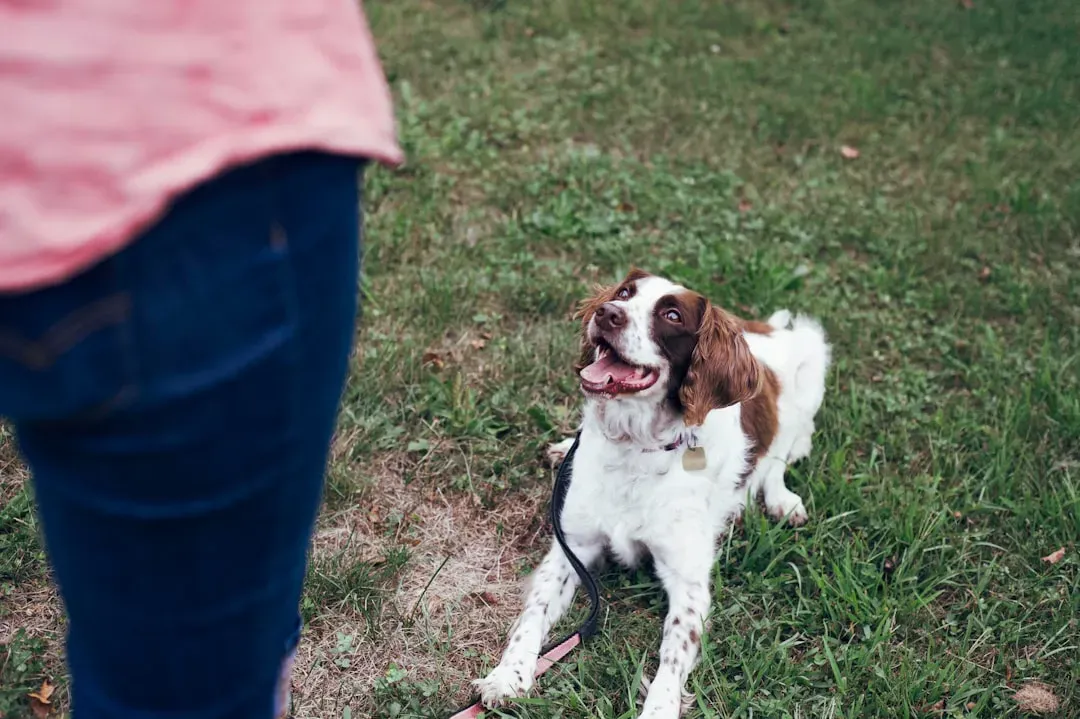
Dogs are masters of nonverbal communication. In fact, they may rely on body language more than words. Crossed arms, a caved-in posture, the way you move through a room more slowly than usual – these are all pieces of information your dog is actively collecting. They’ve been watching you move through the world every single day, and they know what your normal looks like.
If you’re feeling upset and notice that your pup is acting differently, it’s because they can likely sense the shift in your mood. Canine companions are constantly observing us and responding to our emotions, so whether you’re happy, sad, or anxious, any change in your emotional state may be reflected in your dog’s behavior. The shift doesn’t have to be dramatic. A slumped shoulder, a slower walk to the kitchen, a longer pause before answering your phone – your dog registers all of it.
#5 They Experience Emotional Contagion With You

Dogs don’t just observe your emotions; they can “catch” them too. Researchers call this emotional contagion, a basic form of empathy where one individual mirrors another’s emotional state. A 2019 study found that some dog-human pairs had synchronised cardiac patterns during stressful times, with their heartbeats mirroring each other. Think about that for a moment. Your dog’s heart literally begins to beat in rhythm with yours when you’re struggling.
Some scientists believe that dogs, like toddlers, are susceptible to emotional contagion. This means dogs can respond to the emotions of humans without fully understanding what the person is feeling. In a similar way, your emotional state may be contagious to your dog. If you are sad, they are affected by it and come close to nuzzle you. Your dog is comforting you while seeking comfort themselves. It’s a quiet, mutual thing – two beings absorbing the weight of the same moment.
#6 They Are Drawn Toward You When You Cry
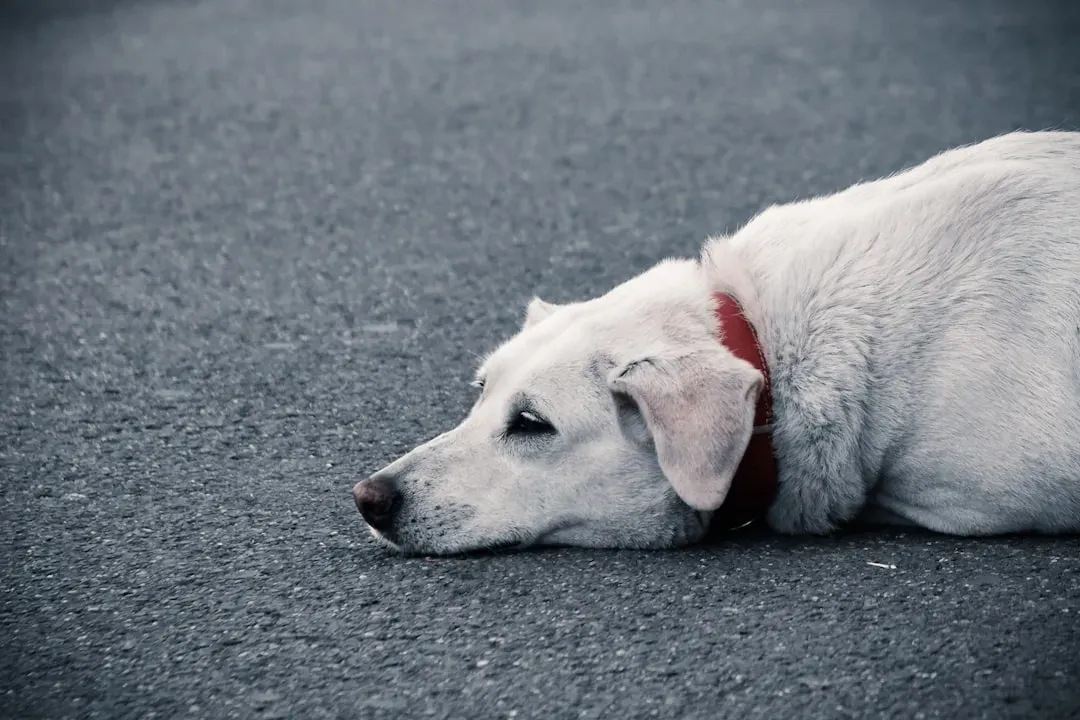
A well-known experiment showed that dogs were more likely to approach a crying person than someone humming or speaking normally – even if the crying individual was a stranger. When the crying person is someone they love, the pull is even stronger. Owners often describe their dog appearing seemingly out of nowhere the moment tears start, which is less mystical than it sounds once you understand the sensory machinery involved.
Research found that dog responses to human crying elicited an increase in cortisol levels in both dogs and humans, together with submissive and alerting behavior in dogs. That physical shift in the dog’s own body is significant. It means they’re not simply observing your distress from a distance. They’re being pulled into it chemically, which is part of what drives them to move toward you rather than away. Crying triggers something in them that looks a lot like concern.
#7 Eye Contact Creates a Chemical Bond That Deepens Their Awareness

A study published in Science found that eye contact between dogs and their owners facilitates a bonding process that increases oxytocin levels in both the owners and the dogs. Specifically, prolonged eye contact between dogs and their owners increases oxytocin in the owners, which leads the owners to engage in behaviors that increase oxytocin in dogs. This loop runs in both directions, which means the more connected you and your dog feel, the more attuned your dog becomes to your emotional state.
Oxytocin has stress-reducing effects, promoting feelings of relaxation and calmness. Increased oxytocin levels can help alleviate symptoms of anxiety and stress, providing a soothing balm for both humans and their canine companions. When your dog holds your gaze during a hard moment, it’s not passive observation. It’s an active neurochemical exchange, one that evolved specifically over thousands of years of living together. That steady look from your dog is doing more than it seems.
#8 Their Brains Are Wired to Process Your Emotions as Their Own

When we look into the science behind a dog’s response to our emotional state, we discover that humans and animals share similar neurological structures. Mirror neurons in a dog’s brain fire both when they perform an action and when they observe a human performing the same action. This neurological system is linked to social behavior. In practical terms, this means a dog watching you cry isn’t experiencing something entirely separate from what you’re feeling.
When researchers used brain imaging on dogs, they discovered something fascinating: dogs process emotional tone in a similar brain region that humans use. One study found that seeing a familiar human face activates a dog’s reward centres and emotional centres – meaning your dog’s brain is processing your expressions, perhaps not in words but in feelings. The architecture for emotional understanding was built into them through domestication, not taught through training.
#9 They Pick Up on Emotional Shifts Before You’ve Consciously Registered Them Yourself
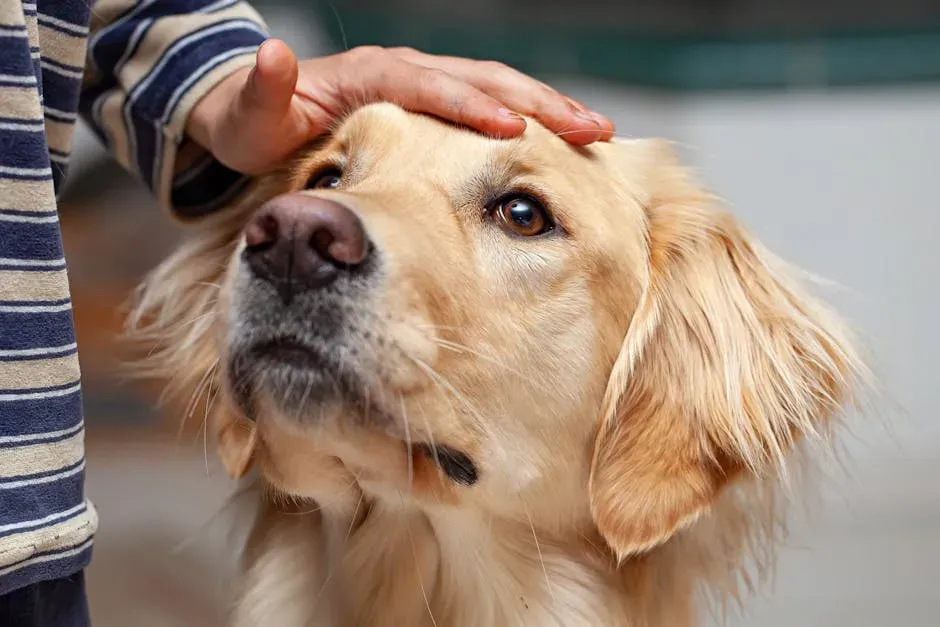
Dogs can detect hormonal shifts through sweat and breath. That’s one reason your dog may react before you consciously recognize your own stress. Most humans become aware of sadness when it reaches a threshold – when something clicks and the feeling becomes undeniable. Dogs appear to catch the signal earlier, during the slow physiological build that precedes conscious awareness. They know before you know.
This is why your dog may offer comfort before we even realize we’re showing it. When humans experience stress or fear, the body releases hormones such as cortisol and adrenaline. These hormonal changes alter your scent, your breathing pattern, and your microexpressions – all long before you’ve decided how you feel or what to do about it. Your dog is essentially reading a draft of your emotional state while you’re still editing it.
#10 Their Response to Your Sadness Is Shaped by Years of Knowing You Specifically

Research shows that dogs are highly skilled at reading emotional cues. Over thousands of years of domestication, dogs evolved alongside humans, and this close relationship helped them develop social intelligence that allows them to interpret human emotional cues. But beyond the species-wide capacity, there’s something more personal at work. The longer a dog has lived with you, the more precisely calibrated their reading of you becomes.
Separate research has found that pet dogs’ long-term cortisol levels mirror their owners’, a pattern tied to psychological rather than physical stress. Dogs mirror human emotional states, and chronic stress in owners can contribute to anxiety-related behaviors in pets. A dog who has shared years of your life hasn’t just learned your habits. They’ve absorbed your emotional rhythms, your baseline, and your variations. They’re not reacting to sadness in general. They’re reacting to your sadness, specifically, because they’ve spent their entire lives paying close attention.
The Quiet Intelligence of a Dog’s Loyalty
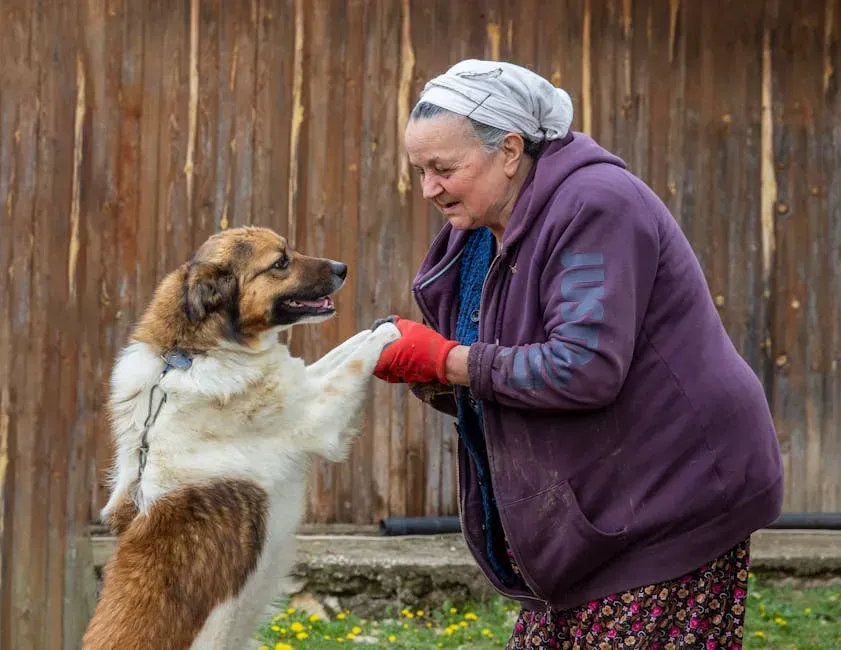
What makes all of this genuinely moving isn’t just the science. It’s the implication. Your dog hasn’t chosen to understand you because it benefits them in any obvious, transactional way. They do it because they were shaped, over thousands of generations, to be present with humans in a deep and attentive way. They’re not distracted by their own problems when you’re sad. They don’t reach for the right words and come up short. They just show up.
There’s an honesty in that which is hard to replicate. The people who love us most can still miss the signs, read us wrong, or be too caught up in their own lives to notice. Your dog, without language or agenda, often registers the shift first. That isn’t magic, as the research makes clear. It’s something arguably more impressive: a genuine biological attunement to you as a person, built quietly over a lifetime of paying attention.
Perhaps the most grounded takeaway here is also the most human one. We’ve spent thousands of years wondering whether our dogs truly understand us. The answer, it turns out, has always been yes – they just understand us in a language we’re only now learning to read back.


