
#1. They Become Restless at Unusual Hours

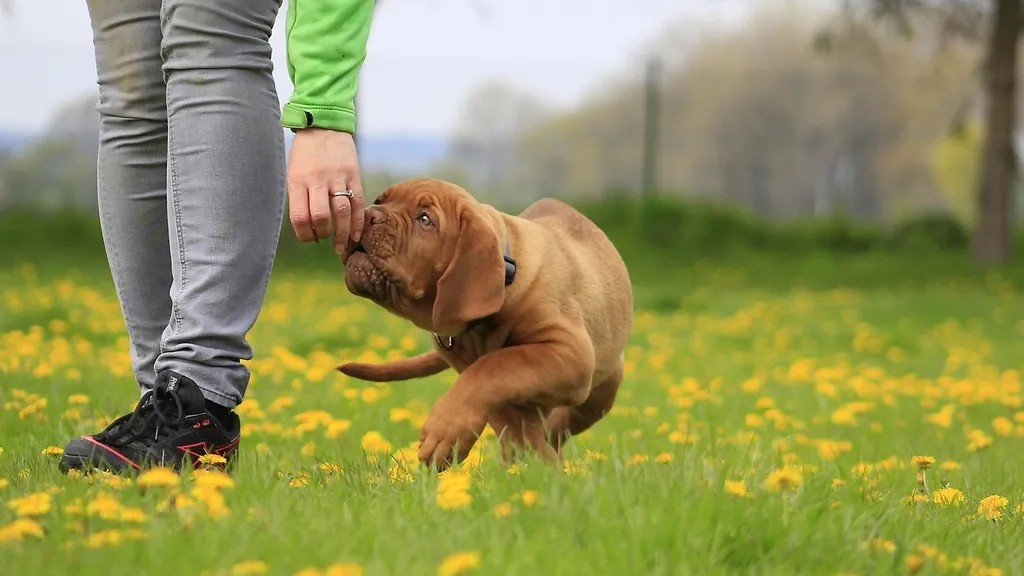
During a seasonal schedule shift, dogs may feel slightly out of sync because their routine no longer matches what their body expects, which can influence their sleep cycle, hunger patterns, and morning or evening alertness. This mismatch between internal biology and external cues is often the first and most noticeable sign that something has changed for your dog.
As mornings get darker or evenings lighter, sleep cycles may shift, leading to restlessness, clinginess, or irritability. You might notice your dog pacing through the house at a time they’d normally be settled, or staring at you with an expectant energy you can’t quite place. It’s not bad behavior. Their internal clock is simply recalibrating in real time.
#2. They Start Relying More Heavily on Their Nose
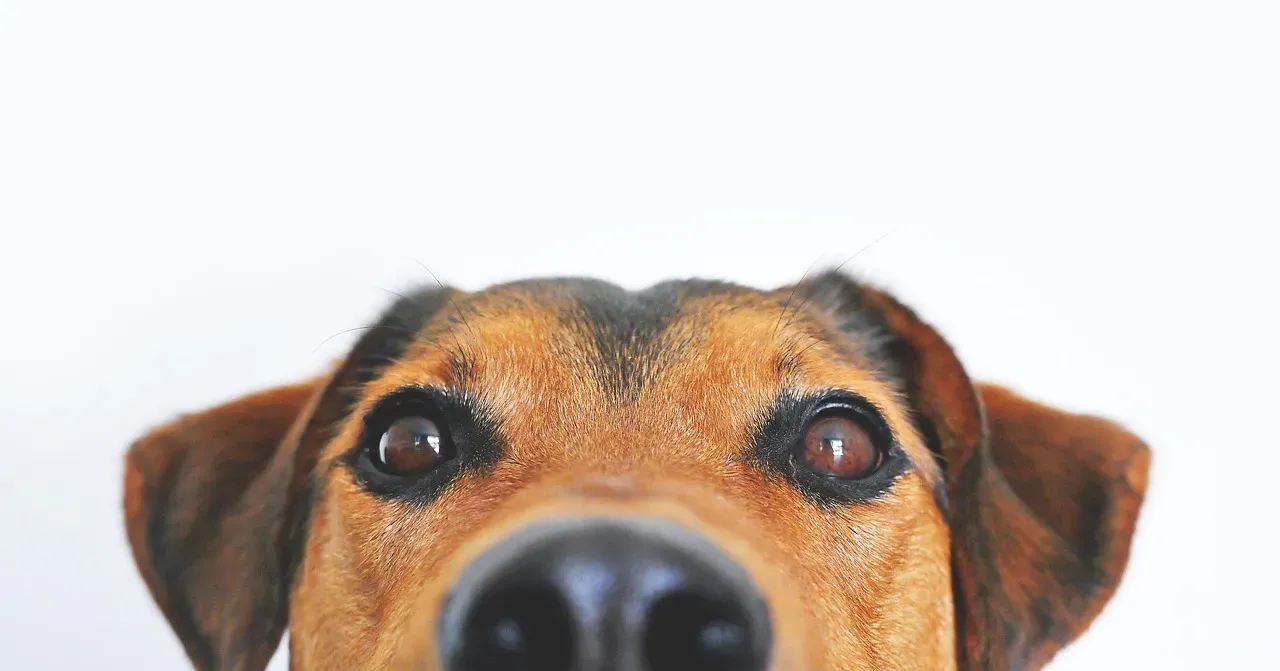
In addition to sight and hearing, dogs can use their sense of smell to sense time. Research has shown that dogs can smell changes in the environment and associate that with how long a pet parent has been gone. If you leave and return home at roughly the same times each day, your dog will learn that when the smell in your home is weakest, you’ll be home soon.
In Alexandra Horowitz’s book “Being A Dog,” she discusses a dog’s ability to smell the passage of time by the intensity of the scent. When you are home, your scent is strongest. After you leave and over the course of your day, your scent begins to weaken. At a certain point you arrive home, and your dog can use the level of your scent to predict your return. When seasonal changes alter the way indoor and outdoor air moves and smells, dogs lean even harder into this olfactory timekeeping.
#3. They Show Changes in Appetite
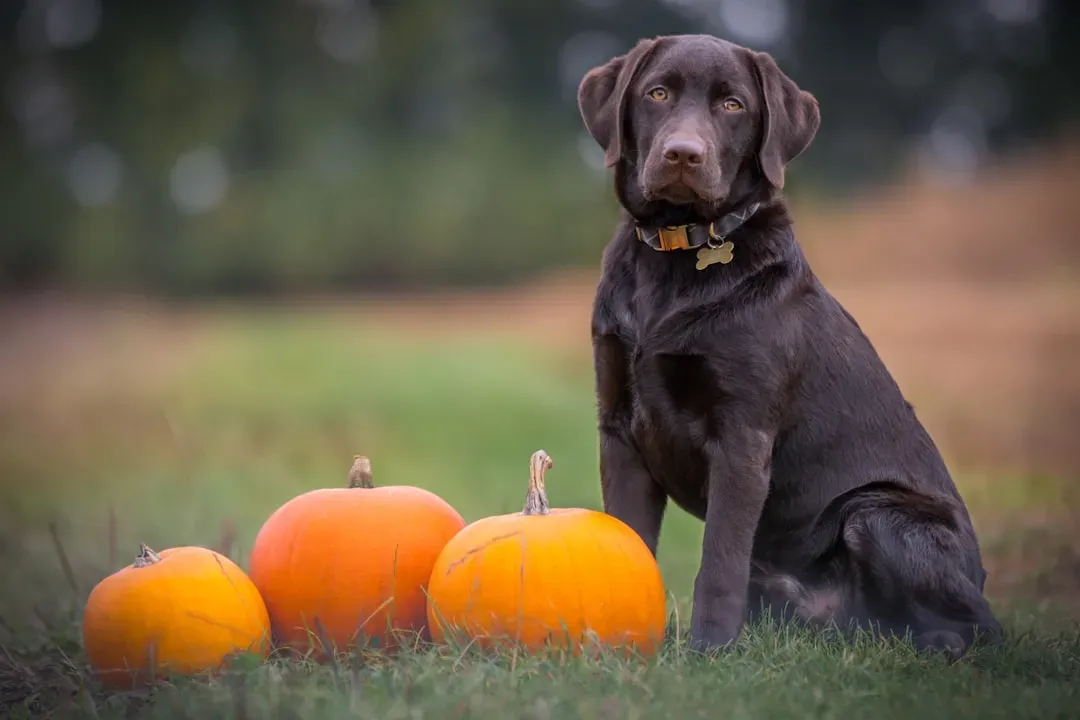
The shorter days and cooler temperatures of autumn can affect your pet’s appetite. Some dogs might begin to eat less as the days grow shorter and they sleep more, but others experience increased appetite. This inconsistency from dog to dog can make the pattern confusing for owners, but it’s entirely rooted in biology rather than pickiness.
Some dogs and cats might begin to eat less as the days grow shorter and they sleep more, but others experience increased appetite. This is possibly a callback to their days before domestication when wild animals would try to pack on calories to stay warm and have enough energy for the winter months. Even the most pampered house dog carries ancestral programming that kicks in as the light changes.
#4. They Sleep More, or Sleep Differently

Melatonin and serotonin, two critical hormones, are influenced by light exposure. Less sunlight means more melatonin, which promotes sleepiness, and less serotonin, which supports mood stability. This hormonal shift is a major factor in seasonal behavior changes dogs display as days grow shorter.
Longer nights and less daylight can lead to increased sleep or irregular sleep patterns. Dogs may nap more during the day or become restless at night. Researchers have found that dogs have an increase of melatonin during winter, which impacts sleep. So when your dog suddenly wants an extra hour on the couch, there’s real hormonal science behind that behavior.
#5. They Detect Barometric Pressure Drops Before You Do
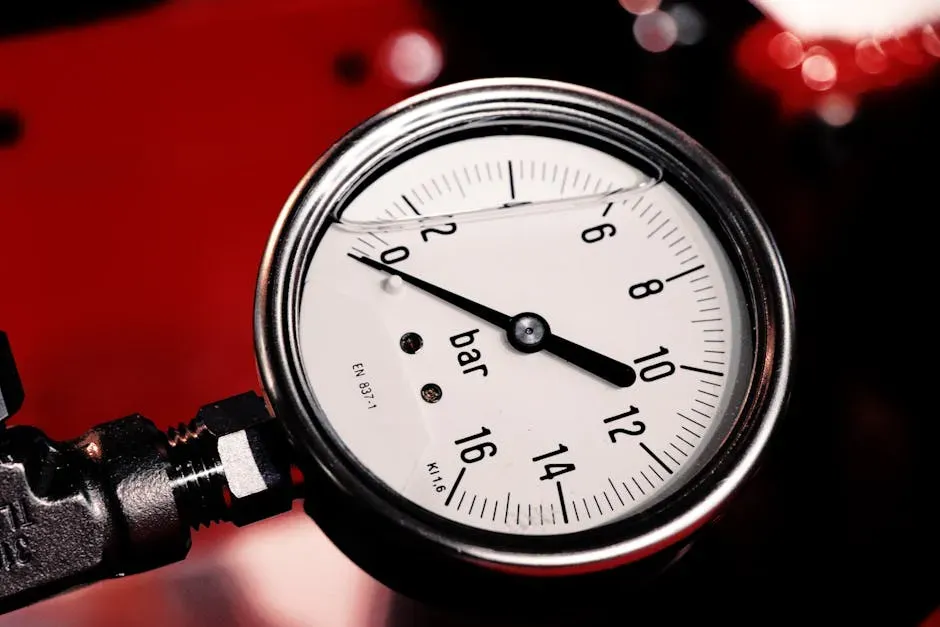
Dogs can detect drops in barometric pressure, a common precursor to storms, and this sensitivity allows them to perceive atmospheric changes that often go unnoticed by humans. Changes in barometric pressure can cause dogs to experience discomfort, anxiety, and behavioral changes, because they have a heightened sense of smell and are more attuned to their surroundings than humans. A drop or rise in barometric pressure affects the body’s equilibrium, leading to physical and emotional changes.
The correlation between barometric pressure changes and canine behavior could be multifactorial, encompassing a combination of auditory sensitivity to infrasound, physiological discomfort, and perhaps other sensory inputs not yet fully understood. Dogs may also be able to detect electrostatic changes that accompany pressure changes and approaching storms, adding another layer to their environmental awareness. In practical terms, your dog can sense a weather shift hours before the first cloud appears on your radar app.
#6. They Begin Shedding Their Coat Earlier Than Expected

As the days warm, dogs and cats will begin to shed their thick winter coats in favor of a lighter, fluffier summer coat that will help keep them cool. This is the time you will notice increased shedding from most pets. This shedding isn’t triggered purely by temperature. It’s driven by light, meaning indoor dogs on climate control still shed seasonally because their eyes register the changing daylight.
A dog’s coat works like a built-in heating and cooling system. During winter, dogs grow a thicker winter coat to stay warm in cold weather. When warmer months arrive, this heavy coat becomes too much and makes it harder for your dog to stay cool. Many animals shed seasonally as they prepare for warmer or cooler weather. The timing of this process is one of nature’s more reliable seasonal signals.
#7. They Become Clingier Than Usual
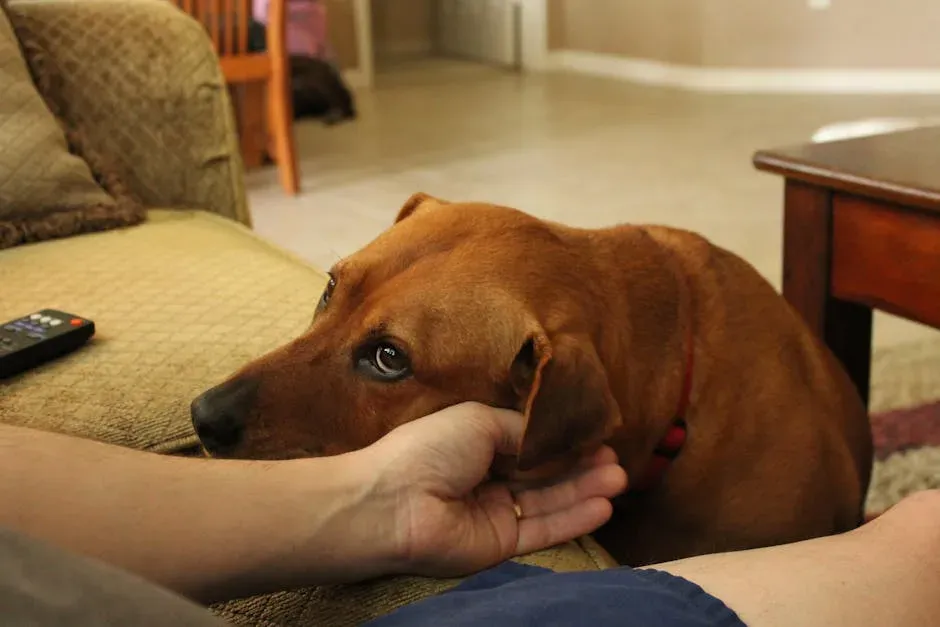
Dogs may become more withdrawn or, conversely, more clingy as routines change. These dog mood changes can affect relationships with family members and other pets. The clinginess often catches owners off guard, especially in dogs who are usually independent and calm.
Some dogs become anxious and jumpy during periods of atmospheric or environmental change. Some dogs even get fearful, clingy, and scared. Changes in family schedules, daylight saving time, and holiday routines can disrupt a dog’s sense of security, and routine disruptions are a common cause of behavior issues during seasonal transitions. For sensitive dogs, that disruption is felt deeply, and they seek reassurance by staying physically close.
#8. They Pace or Exhibit Restless Energy Indoors
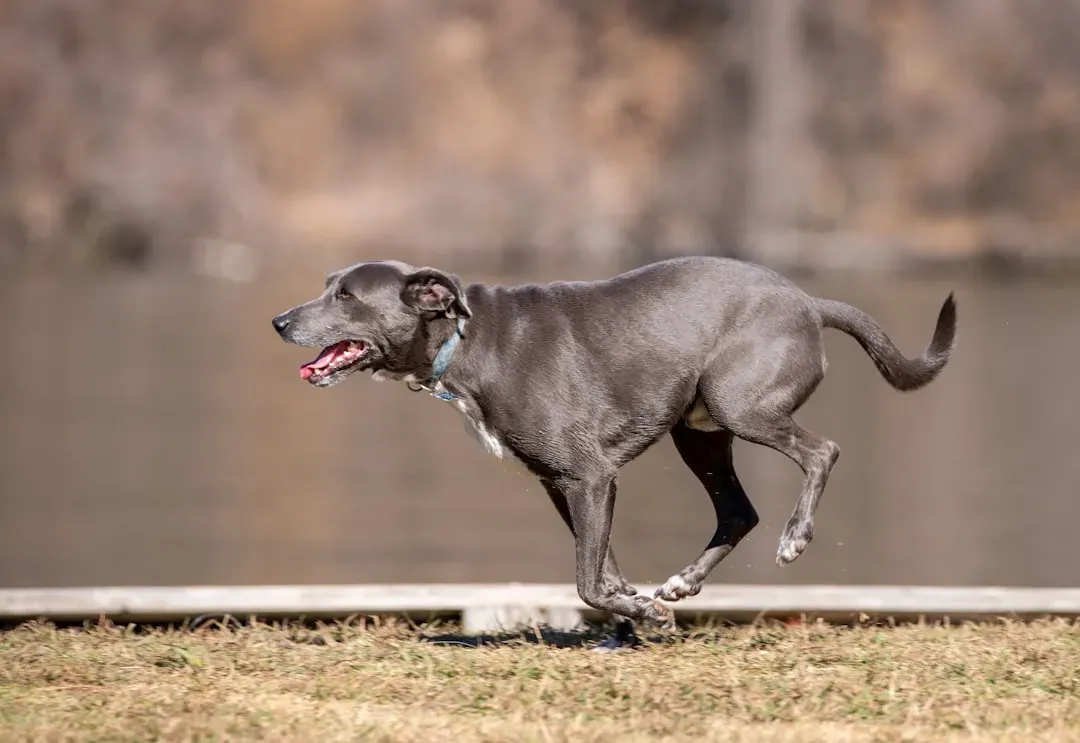
Dogs that are sensitive to changes in barometric pressure may exhibit symptoms such as pacing, whining, panting excessively, or seeking shelter. These behaviors indicate that they may be experiencing discomfort due to changes in air pressure. The pacing isn’t purposeless. It’s a physical expression of an internal unease they can’t quite resolve.
Many dogs seem to have more energy in spring. They may pace more, ask to go outside more often, or have a harder time settling down in the evening. Colder weather may reduce activity in some pets while others become more energetic in cooler temperatures, and reduced outdoor time can also result in pent-up energy or boredom-related behaviors. Either way, the pacing is a clear signal that something in their environment has shifted.
#9. They Become More Reactive to Sounds
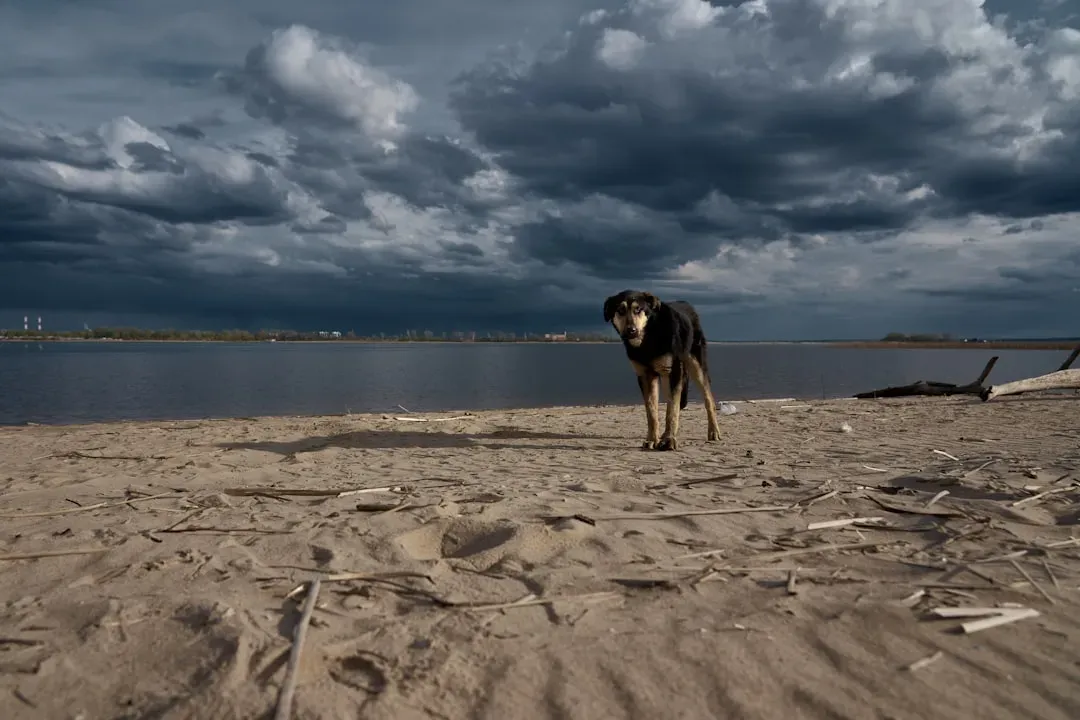
With their superior hearing, dogs can detect the low-frequency rumblings of distant thunder long before humans can. This early detection may prompt behaviors such as restlessness or seeking shelter. The same auditory sensitivity that serves them during storms also makes them react to the quieter sounds of changing seasons, like wind patterns, rain on distant rooftops, and the creaking of structures responding to temperature swings.
According to a study conducted by Penn State University researchers, some dogs experience a rapid increase of cortisol, the stress hormone, during thunderstorms. When researchers tested the saliva of thunder-phobic dogs, they found their production of cortisol to be significantly higher than that of dogs who aren’t afraid of thunder. The same researchers found that between roughly one in seven and nearly one in three dogs are extremely scared of thunder. That fear response often starts well before the storm actually arrives.
#10. They Show Spring “Fever” Behavior
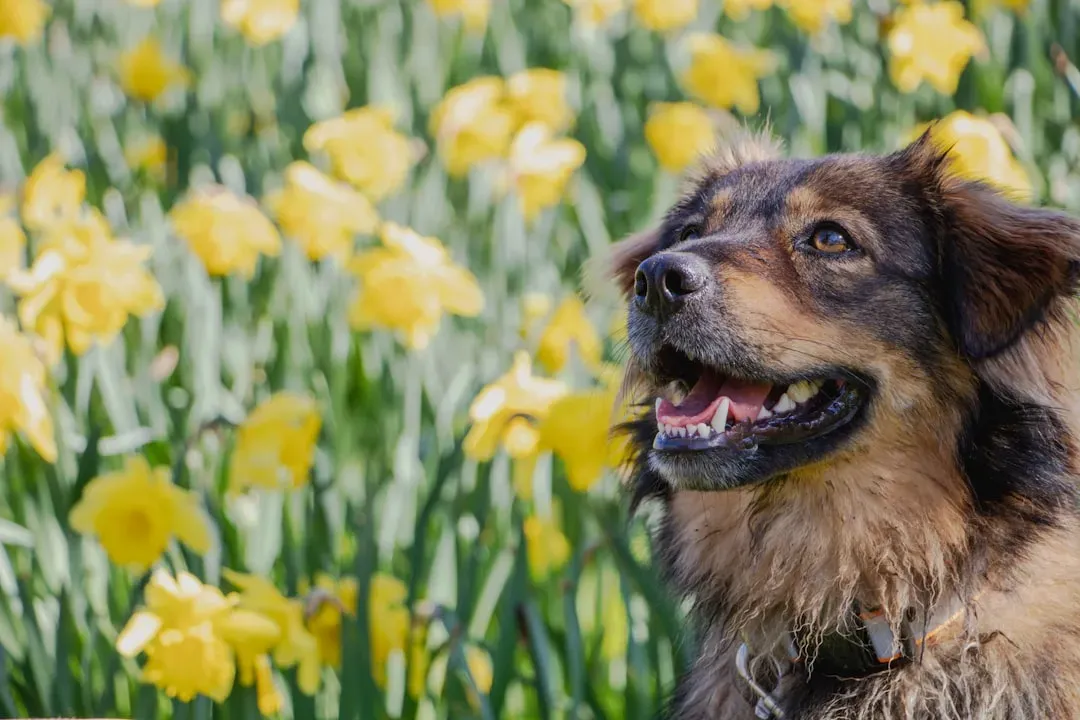
Both cats and dogs become more active as the weather warms. They might even experience a kind of spring fever where they are energized and can be a bit agitated as they are bombarded with many new scents in the environment. This surge in energy is real and observable, a kind of whole-body reset after months of reduced stimulation.
If your dog suddenly forgets their leash manners, you’re not alone. Spring brings new smells, other animals, and more activity, which can make even well-trained dogs more reactive or distracted. Spring brings a combination of environmental and routine changes that affect your dog more than you might expect, and as the days get longer, your dog’s internal clock starts to shift. For many breeds, this is the most dramatic behavioral swing of the year.
#11. They Become Withdrawn or Less Playful
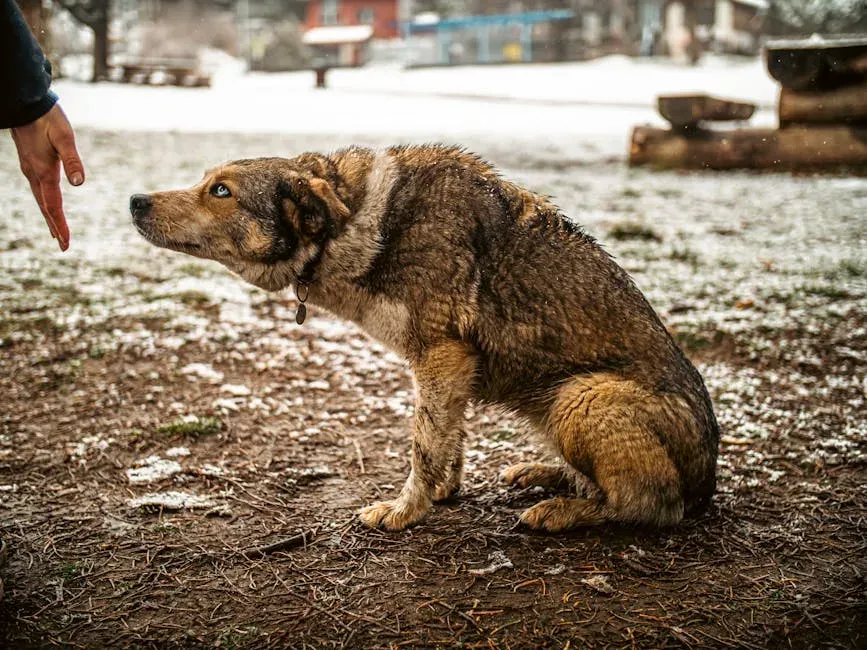
Increased lethargy, withdrawal, a decrease in playful activities, changes in mood, becoming less interactive, or exhibiting signs of anxiety could all be signs of seasonal adjustment in dogs. Dogs may become more lethargic, less playful, or even withdrawn during shorter days or colder months. These shifts are gradual enough that many owners don’t notice them until the pattern is well established.
You might notice your pet seeking less attention or appearing withdrawn, hiding away, or avoiding interaction with family members. Since dogs and humans share much of the same brain chemistry, it is possible they could be affected by reduced sunlight in ways that parallel what some humans experience seasonally. The withdrawal is real, even if the exact mechanisms aren’t fully mapped yet.
#12. They Seek Warmth or Change Where They Sleep
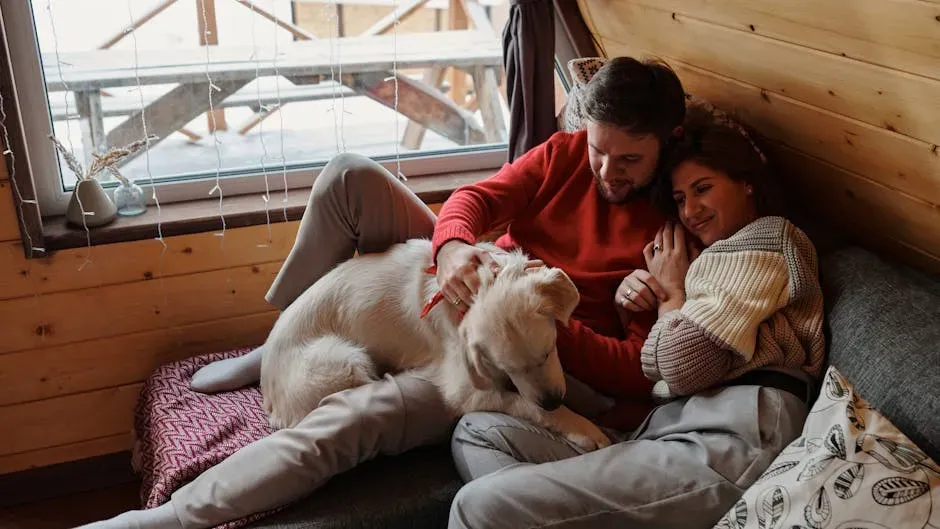
Reduced daylight and colder temperatures can make pets less active. Dogs may be reluctant to go for walks or play outdoors, leading to lower energy levels. Some pets may sleep more or seek extra warmth indoors. You’ll often notice this as a dog repositioning their sleeping spot to somewhere sunnier, cozier, or warmer than their usual bed.
Your pup may be more cuddly when it’s cold and snappy or irritable when you try to snuggle on hot days. The search for warmth is both physical comfort-seeking and a biological response to the hormonal signals the body sends as ambient light and temperature shift. It’s instinct dressed up as laziness.
#13. They Begin Whining or Vocalizing More
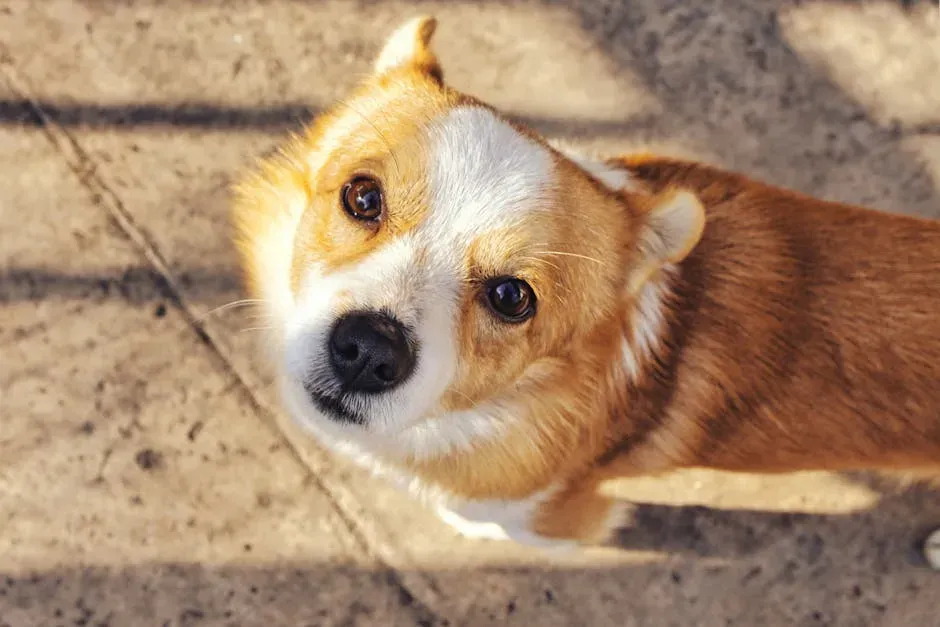
Seasonal transitions can trigger anxiety, especially in sensitive dogs. Signs include pacing, whining, destructive behavior, or increased startle responses. The whining, in particular, often puzzles owners because nothing obvious appears to be wrong. There’s no injury, no missing toy, no visible threat. The source of the distress is environmental in a way that humans simply can’t perceive.
Some pets may become anxious, barking or vocalizing more frequently, or appearing restless and unable to settle. Some dogs glide through the transition quickly, while others, including seniors, very routine-driven pets, or sensitive breeds, may need more time for their internal rhythm to recalibrate. Increased vocalization is often one of the more sustained signs that a dog’s internal world has been disrupted.
#14. They Lose Interest in Their Usual Routines

Dogs supposedly suffering from seasonal adjustment tend to sleep for longer and lose interest in activities they usually enjoyed. Changes in routine or environment are also significant triggers. Dogs thrive on predictability, and alterations in their daily schedule or living environment can induce stress and anxiety. It’s a subtle but meaningful shift: the dog who used to sprint to the door at leash time now needs a little coaxing.
Historically, dogs adapted to seasonal changes by conserving energy and altering activity patterns. While modern dogs may not need to prepare for winter scarcity, their bodies still respond to environmental cues, resulting in behavioral shifts. The disinterest in familiar routines isn’t stubbornness. It’s an ancient biological program quietly running in the background.
#15. Their Sense of Smell Becomes Even More Attuned to Environmental Cues
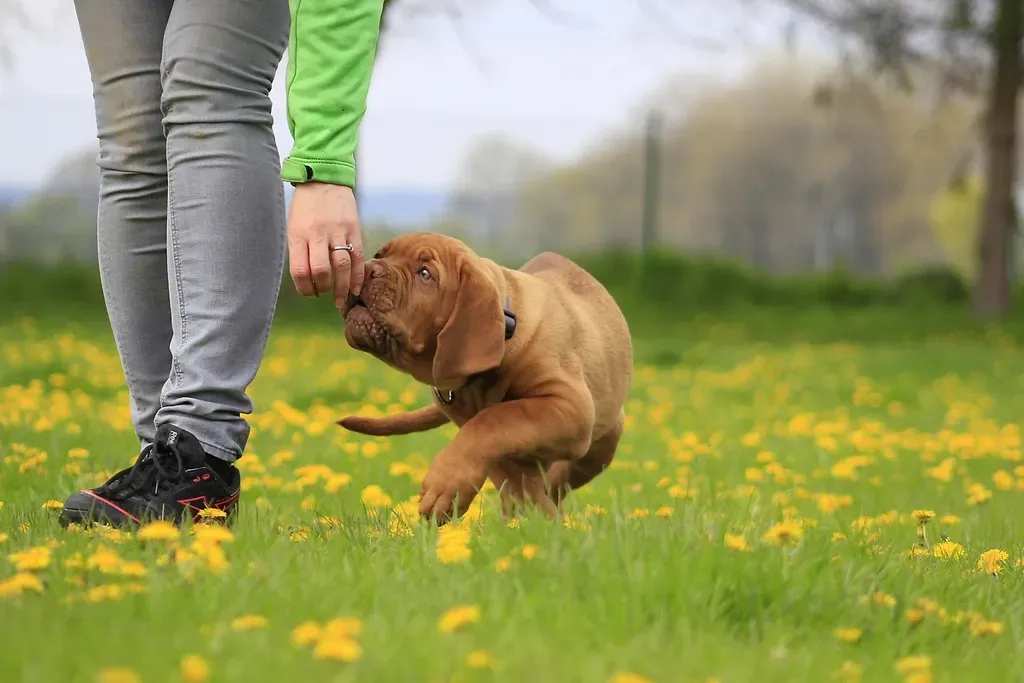
A dog’s sense of smell is highly developed, enabling them to detect the scent of rain and ozone produced by lightning, and these olfactory cues can signal an approaching storm. Even without smartwatches or alarms, dogs are incredible observers and adapters. They use the tools available to them, including scent, sound, light, routine, and memory, to anticipate what’s next.
Dogs have excellent senses and an associative memory that help them keep track of the most important times of day. Some studies suggest that dogs may be able to smell time. Over the course of a day, the strength of familiar scents changes. As seasons shift, the entire landscape of smell changes with them, and your dog is processing all of it, building a picture of time and change that we can barely imagine.
What It All Means for You and Your Dog
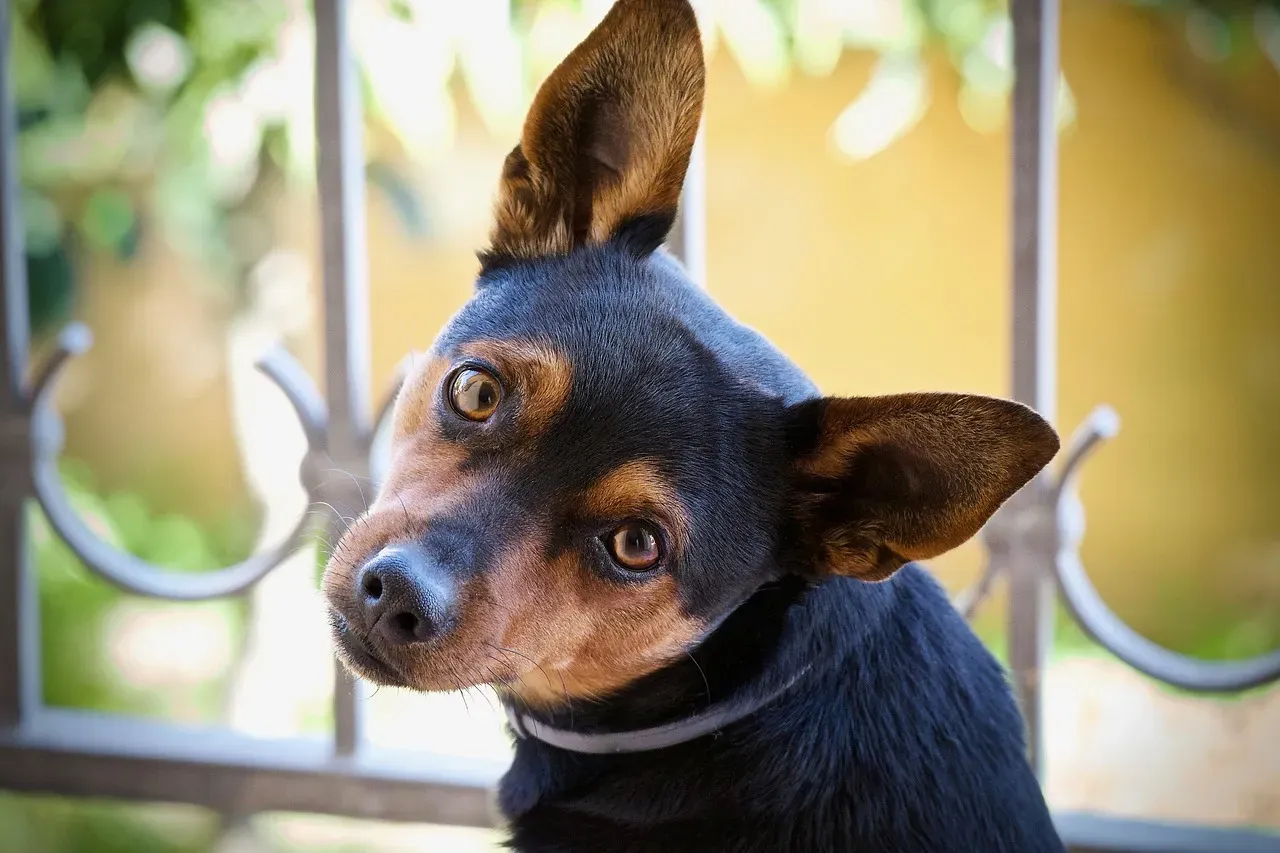
Dogs aren’t psychic, and they’re not performing for attention when these behaviors surface. They’re responding to a genuine and complex sensory landscape that shifts long before any human would notice. The patterns described here are grounded in real biology: circadian rhythms, hormonal changes, barometric sensitivity, and olfactory timekeeping systems that evolution has been refining for thousands of years.
The most useful thing any dog owner can do is pay attention. Not every change in behavior signals something wrong. Not all behavioral shifts are cause for concern. The key is distinguishing normal seasonal behavior changes from more serious issues. Mild changes in energy, appetite, or sleep are normal. However, when changes are sharp, prolonged, or deeply out of character, a conversation with your vet is always worth having.
There’s something quietly remarkable about sharing your home with a creature that reads the world so differently than you do. Your dog isn’t waiting for the weather app to update or checking the date on the calendar. They’re already there, ahead of you, tuned in to a frequency you’ll never quite hear. That’s not a limitation on your part. It’s just one of the many reasons dogs remain, after all this time, genuinely extraordinary companions.


