
#1. Your Unique Scent
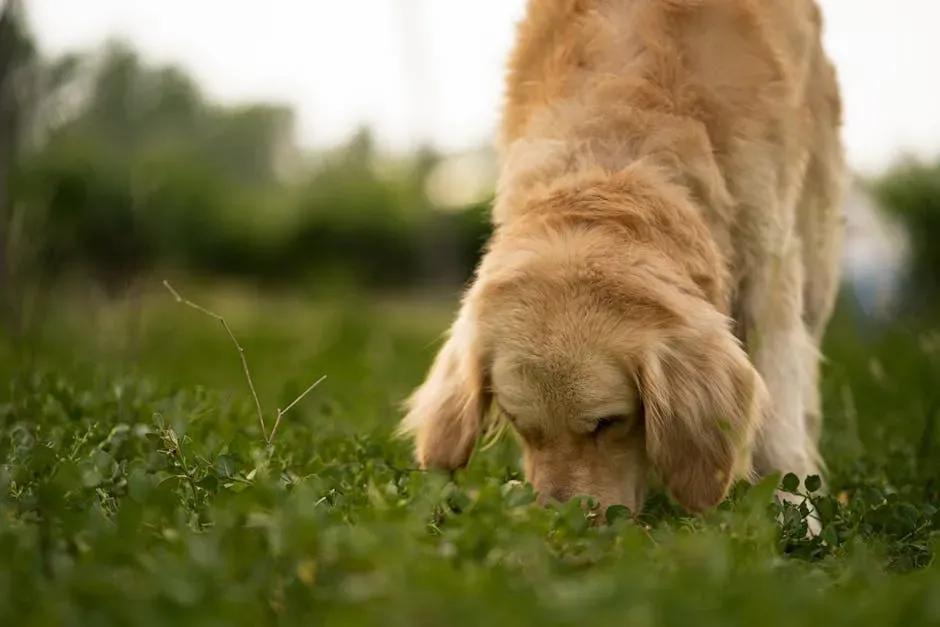
Of all the ways a dog remembers a person, scent is the most powerful and the most enduring. Dogs can recognize and remember the unique scent of their owners even after years of separation. This isn’t casual recognition. A dog’s nose is home to hundreds of millions of scent receptors, and the part of the brain dedicated to analyzing smell is proportionally enormous compared to ours.
A dog’s memory is woven from scents, sounds, visuals, and deep-seated emotions, with the brain binding scent, emotion, and repeated positive interactions into powerful long-term memory connections. For a senior dog, even when eyesight dims or hearing fades, scent remains. It’s the one thread that rarely gets cut, no matter how many years pass.
#2. The Sound of Your Voice
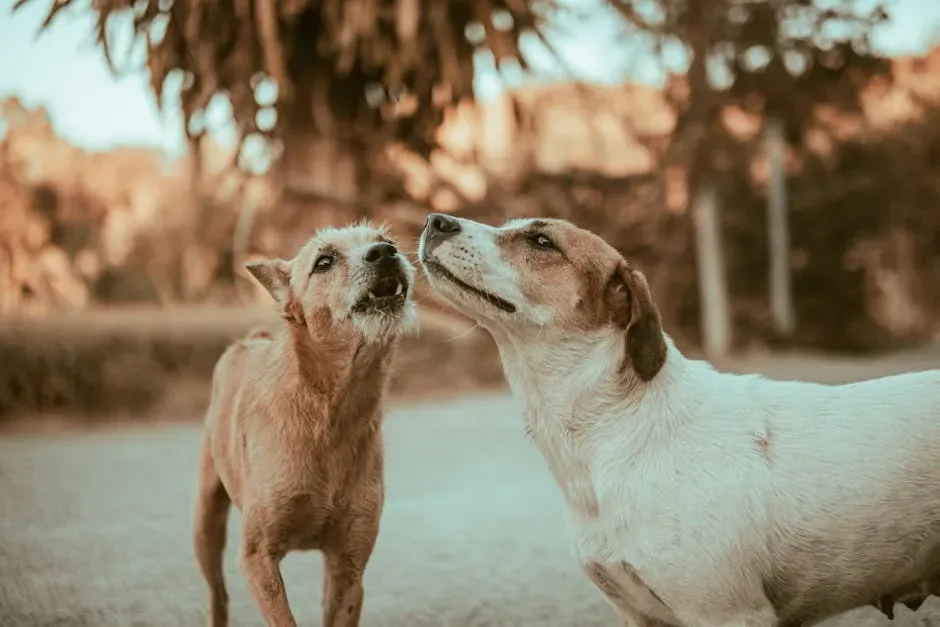
Many dogs associate specific voices with people they know well, and hearing a familiar voice can trigger a mental image and emotional response. That’s why calling out your name in a room can still make an old dog stir, even before they’ve fully registered your presence in any other way. The voice carries something beyond sound. It carries context, safety, and familiarity.
Dogs can remember former owners for years, especially if they had a strong bond, and both scent and voice are powerful memory triggers. Senior dogs who experience some decline in other sensory channels often retain their response to the voice of the person they trust most. It’s one of the last things to fade.
#3. Your Emotional Tone

At the core of a dog’s lasting memory is emotion. Dogs are experts at remembering how someone made them feel. This goes well beyond whether you were kind or harsh. They remember the emotional texture of your presence: whether you were nervous or calm, distracted or fully there. That information gets filed away and shapes every future interaction.
Positive interactions such as gentle touches, treats, and playtime strengthen the emotional bond and reinforce memory, and the amygdala, the part of the brain that processes emotion and memory, plays a crucial role. When a dog has a consistent, loving caretaker, the memory is tied to feelings of comfort and happiness. Your emotional signature, in other words, is one of the most indelible things you leave behind.
#4. Your Daily Routines Together
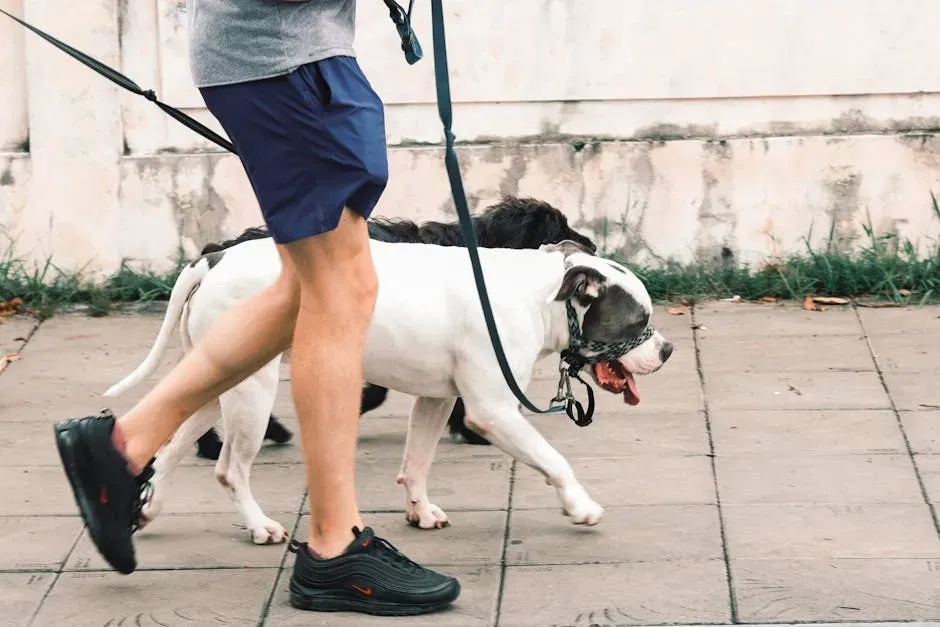
The idea that dogs live only in the present isn’t accurate. They anticipate routines like mealtimes, recall familiar faces and places, and attach powerful emotions to these memories, both good and bad. For a senior dog who has spent years in your company, those routines form a kind of internal calendar. They know when walks happen, when food comes, and when you’re usually home.
Dogs are masters of association. They may not remember an exact date you last visited the park, but the sight of your walking shoes triggers excitement because they associate it with a walk. Routines aren’t just comfort for older dogs. They’re how those dogs hold onto the shape of a life they built with you.
#5. The Feeling of Being Safe With You
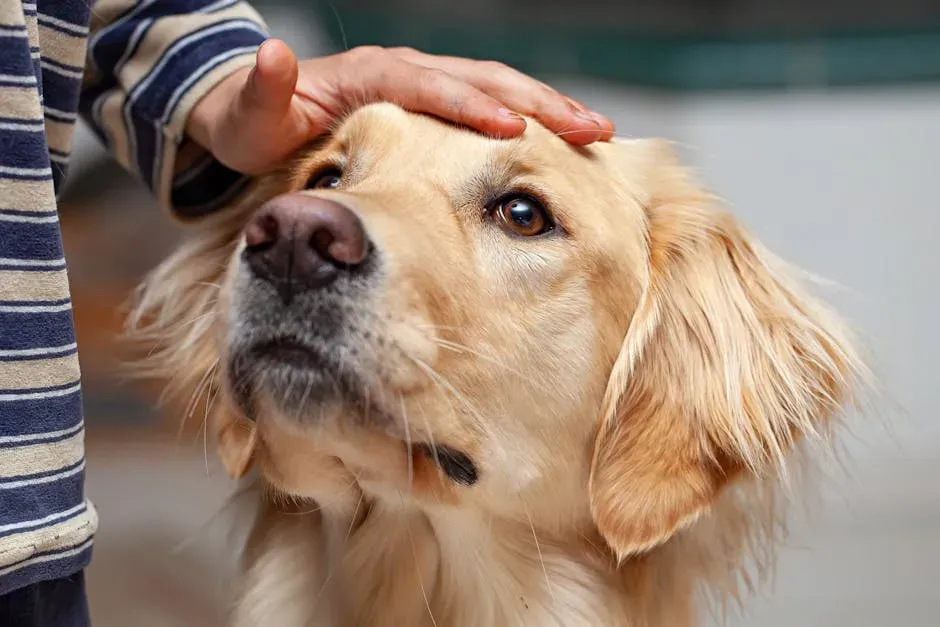
Dogs can remember people for years, especially when strong emotional bonds or repeated positive interactions are involved. Their associative memory links your scent, voice, and appearance to feelings of safety and trust, allowing them to recognize and respond to you even after long absences. That feeling of safety isn’t abstract. It’s stored as a physical and emotional reference point that a dog returns to again and again.
Trust isn’t automatic; it’s built through repetition. When you consistently pet your dog calmly and respectfully, they associate your touch with safety. For a senior dog, that accumulated trust becomes especially important. As the world grows more confusing with age, the human they trust most becomes an anchor point.
#6. Your Face
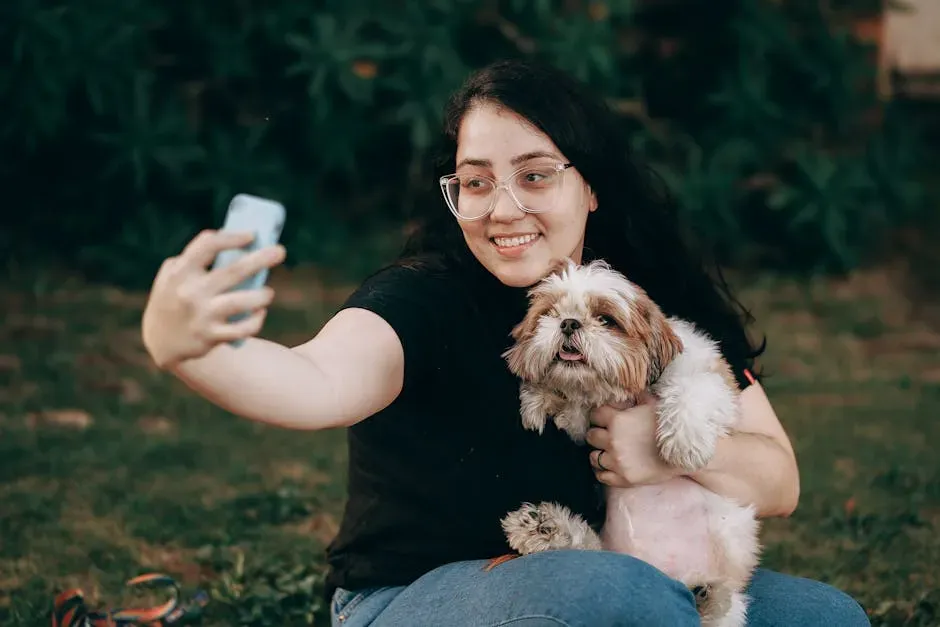
Dogs also use visual cues to remember people. Research shows that dogs can pick out familiar faces in photographs and focus on identifying features like eyes, and some studies suggest that certain brain regions in dogs are dedicated to processing and remembering human faces. So when your older dog stares at you with that steady, knowing look, there’s genuine recognition happening beneath the surface.
Dogs recognize familiar faces and are able to identify their owners in photographs or in-person through consistent facial features. Vision does weaken over time in many aging dogs, but the neural patterns for a beloved face appear to be deeply established. Even partial visual cues can be enough to unlock the full memory.
#7. Moments of Comfort and Physical Closeness
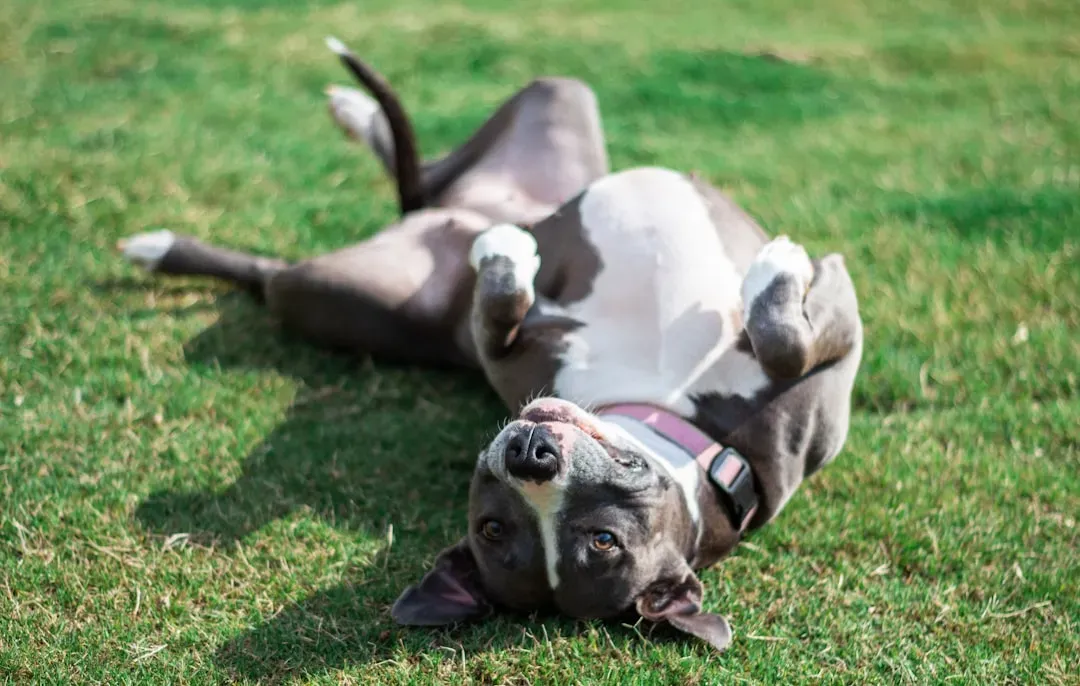
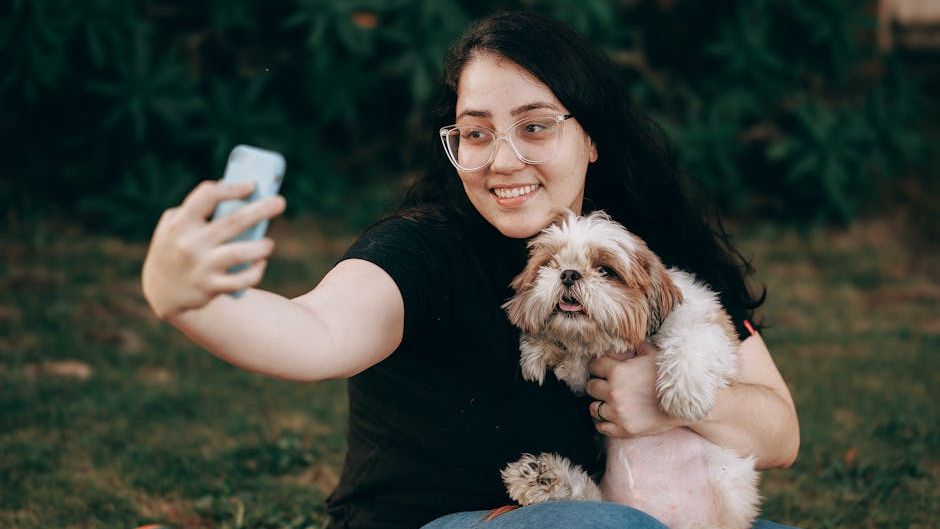
Emotional experiences, both positive and negative, play a huge part in what dogs remember. Regular affection, playtime, and care build strong bonds that reinforce memory associations. Those evenings on the couch, the slow belly rubs, the quiet moments of sitting close together without anything needing to happen. All of it registers and leaves a mark.
When you pet a dog, your body responds almost instantly, with your brain beginning to release oxytocin, often called the love hormone, and this same hormone is released between parents and babies. The exchange is mutual and chemical, not just emotional. Senior dogs carry the accumulated memory of all those moments of closeness, and they continue to seek them out precisely because of that history.
#8. The Places You Explored Together
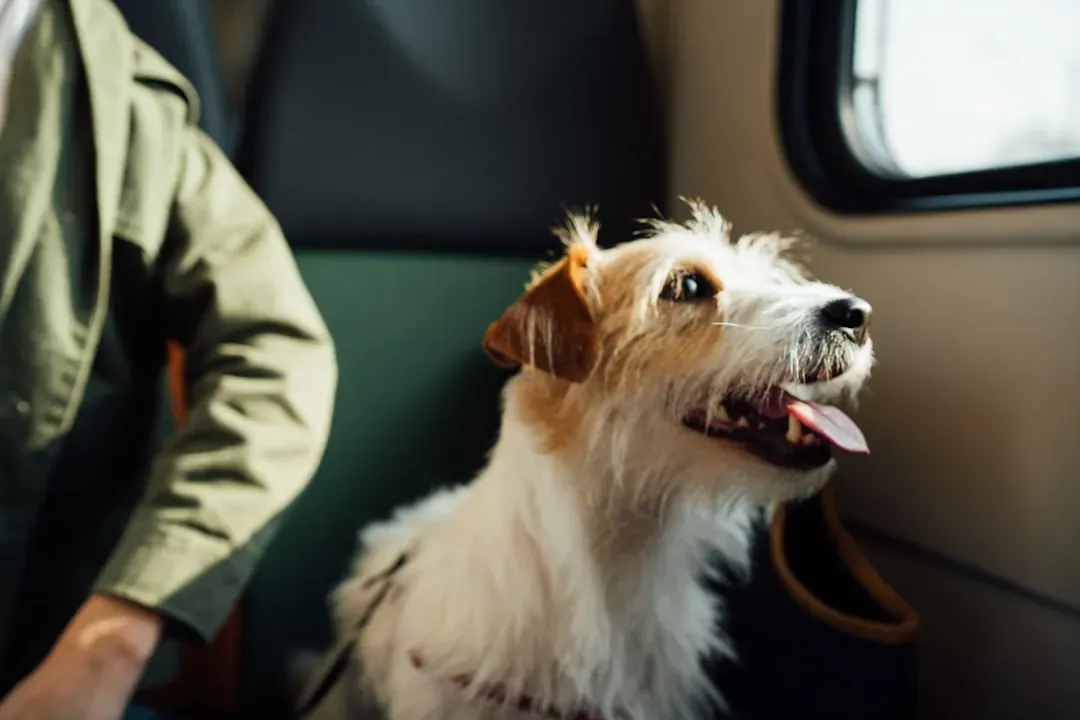
Spatial memory helps dogs remember the layout of their living space, including where furniture, toys, or their bedding is located. When a household moves or furniture is rearranged, dogs may need time to adjust, and this memory also assists dogs in recognizing friendly visitors or environments where they have had enjoyable outings. That favorite trail, the park bench, the neighbor’s yard they always wanted to investigate. These places hold layered meaning.
Dogs are gifted navigators. They map their world using landmarks, smell trails, and sequences, out the door, left at the corner, past the tall hedge, across the small park. This is why your dog might take you directly to the favorite bench even if you start from a new block. For a senior dog, familiar places are more than geography. They’re chapters of a shared story.
#9. Your Name (and the Names of People You Love)

Many dogs learn the labels we give to important individuals in the home: names like “Mom,” “Dad,” or the names of household members. Some dogs attach those words to specific footsteps or behaviors. This isn’t vocabulary in the human sense, but it shows that names can become reliable cues for attention and action. The words themselves become a kind of emotional shorthand over years of use.
Dogs remember dozens of words we teach them. Words like “walk,” “ride,” “park,” or even family members’ names are like second nature to your dog. Senior dogs who’ve lived alongside a family for a decade or more have often built up a rich vocabulary of sound associations. Saying a familiar name can light them up even on a slow, tired day.
#10. Times You Were Sad or Unwell
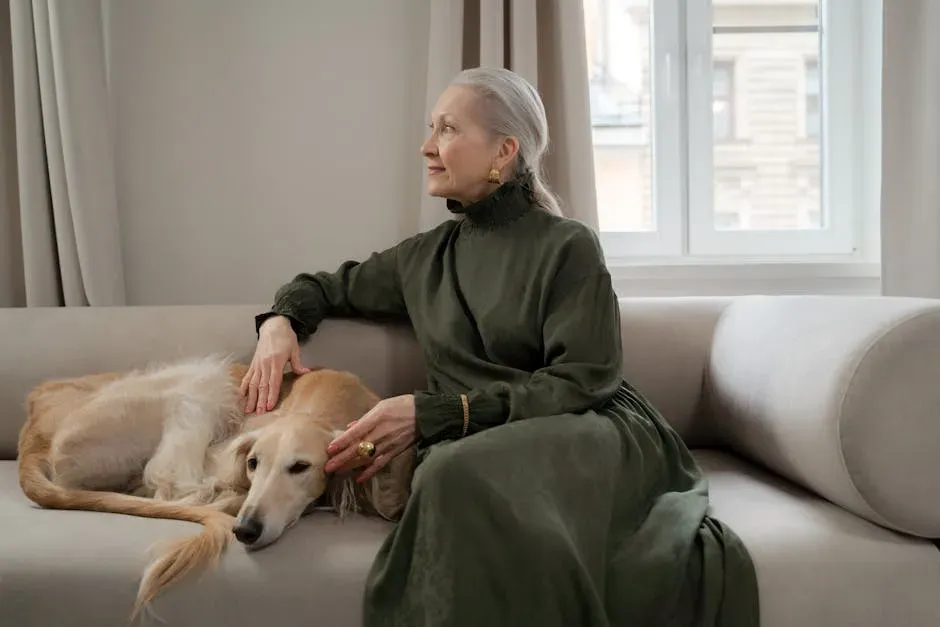
The dog-human bond has evolved over thousands of years. Dogs were the first domesticated animals, and over time they developed a unique ability to read human facial expressions, tone of voice, and body language. That skill doesn’t disappear with age. Senior dogs who’ve spent years reading one particular person become remarkably precise at detecting emotional shifts, sometimes before the person themselves has named the feeling.
Dogs often form strong emotional bonds with humans and show signs of empathy and stress detection. Those quiet moments when your dog pressed close during a hard week, or rested a chin on your knee without being asked, were not random. They were responses to real emotional information, and those patterns of care and connection become part of the dog’s long-term emotional memory.
#11. Your Specific Touch
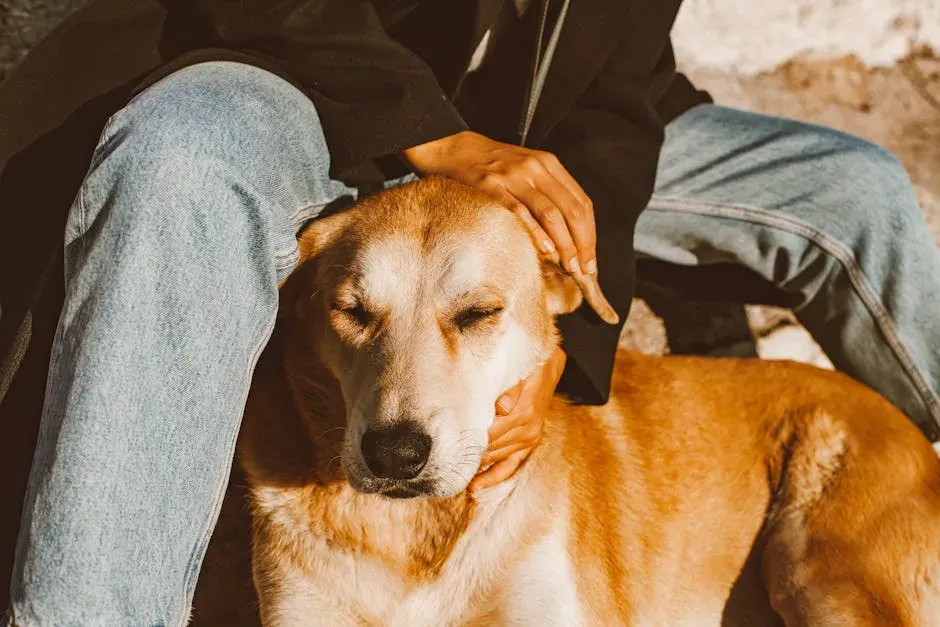
The way you pet your dog, where you scratch, how much pressure you use, even the rhythm of it, all of that is deeply familiar to a senior dog. Events charged with strong emotions, whether positive or negative, are more likely to be remembered by dogs. Years of the same hands offering the same kind of contact creates a tactile memory that goes beyond simple conditioning.
Fast, rough, or unexpected touching can increase anxiety, especially in senior dogs or rescue pets. The inverse is equally true. Your calm, consistent touch has been filed away as a source of comfort. A senior dog who’s known your hands for a decade recognizes them in a way that’s almost impossible to replicate with someone new. That specificity is part of what makes the bond so real.
#12. The Grief of Losing You

Dogs don’t just remember, they grieve lost companions too. Whether it’s another animal or a human family member, dogs often show signs of mourning when someone important is gone. This demonstrates just how deeply memories are tied to emotion for them. The grief a senior dog carries for someone who has passed or moved away is genuine. It shows up in appetite changes, in quiet withdrawal, in searching behaviors that can last for weeks.
Yes, dogs can grieve the loss of their owners or animal companions. For a senior dog who has spent the majority of their life with one person, that absence is felt acutely. The memory of that person doesn’t disappear. If anything, it seems to persist through familiar triggers: a smell, a sound, a coat left by the door. Grief, it turns out, is just love with nowhere to go.
#13. Lessons You Taught Them
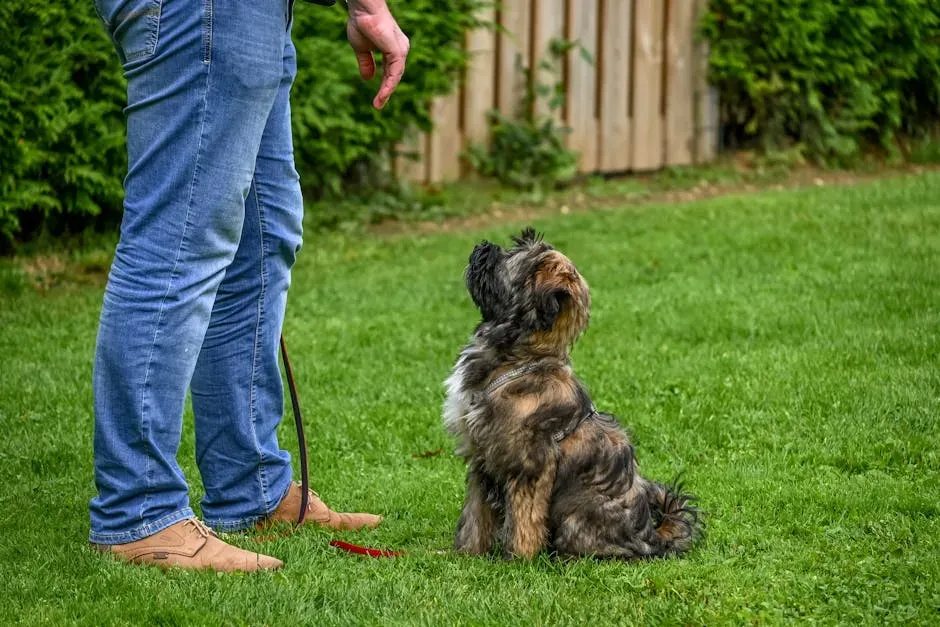
Long-term memory enables dogs to remember their training, recognize their owners, and recall enjoyable experiences like playing with a favorite toy. Dogs with strong long-term memory can retain training lessons for years, making consistent reinforcement less necessary. That “sit” command you patiently practiced a thousand times? It’s still there, woven into their muscle memory and their understanding of who you are to them.
Research into dog memory has grown over the past decade. A 2016 study published in Current Biology found that dogs can recall specific actions their owners performed, even if they weren’t told to remember them at the time. This mirrors aspects of human episodic memory. The skills you taught your dog aren’t just behaviors. They’re shared history, imprinted through repetition and trust, and they endure well into old age.
#14. How Much They Mattered to You
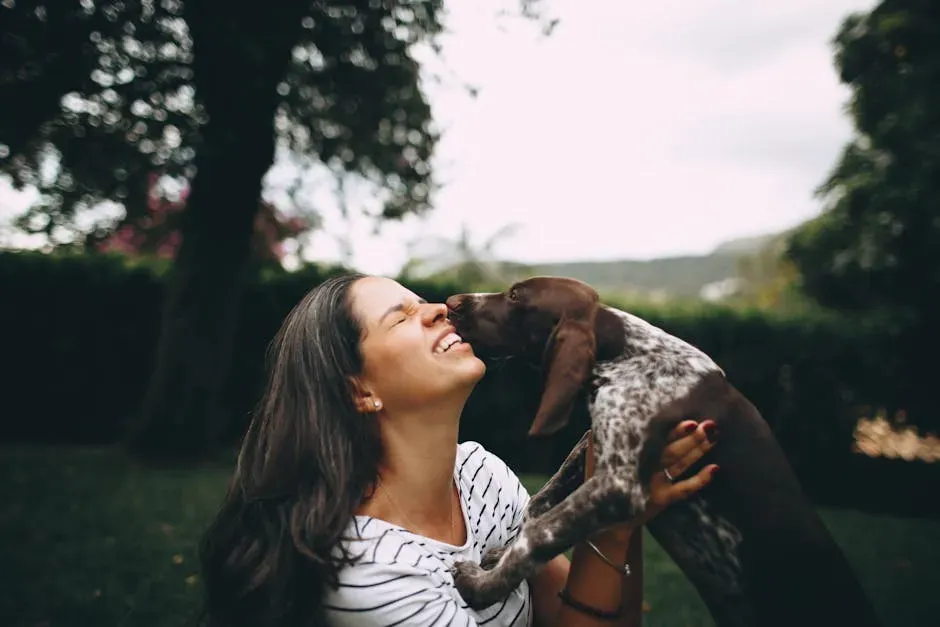
Dogs remember their owners through a powerful combination of scent, emotional memory, routine, and bonding. These memories are long-lasting and deeply rooted in trust and affection. Over years of daily life together, a dog builds an incredibly detailed internal picture of what it means to be loved by a specific person. That picture doesn’t fade easily. It’s reinforced every single day.
Dogs that experienced daily, positive interaction with their owner will likely maintain memories longer than those with sporadic or minimal contact. Frequency matters, but so does quality. The mornings you made time for a proper greeting, the evenings you stayed close even when tired, those weren’t small moments to your dog. They were the whole story, quietly archived in the place where love and memory meet.
#15. You, Even Through Cognitive Decline
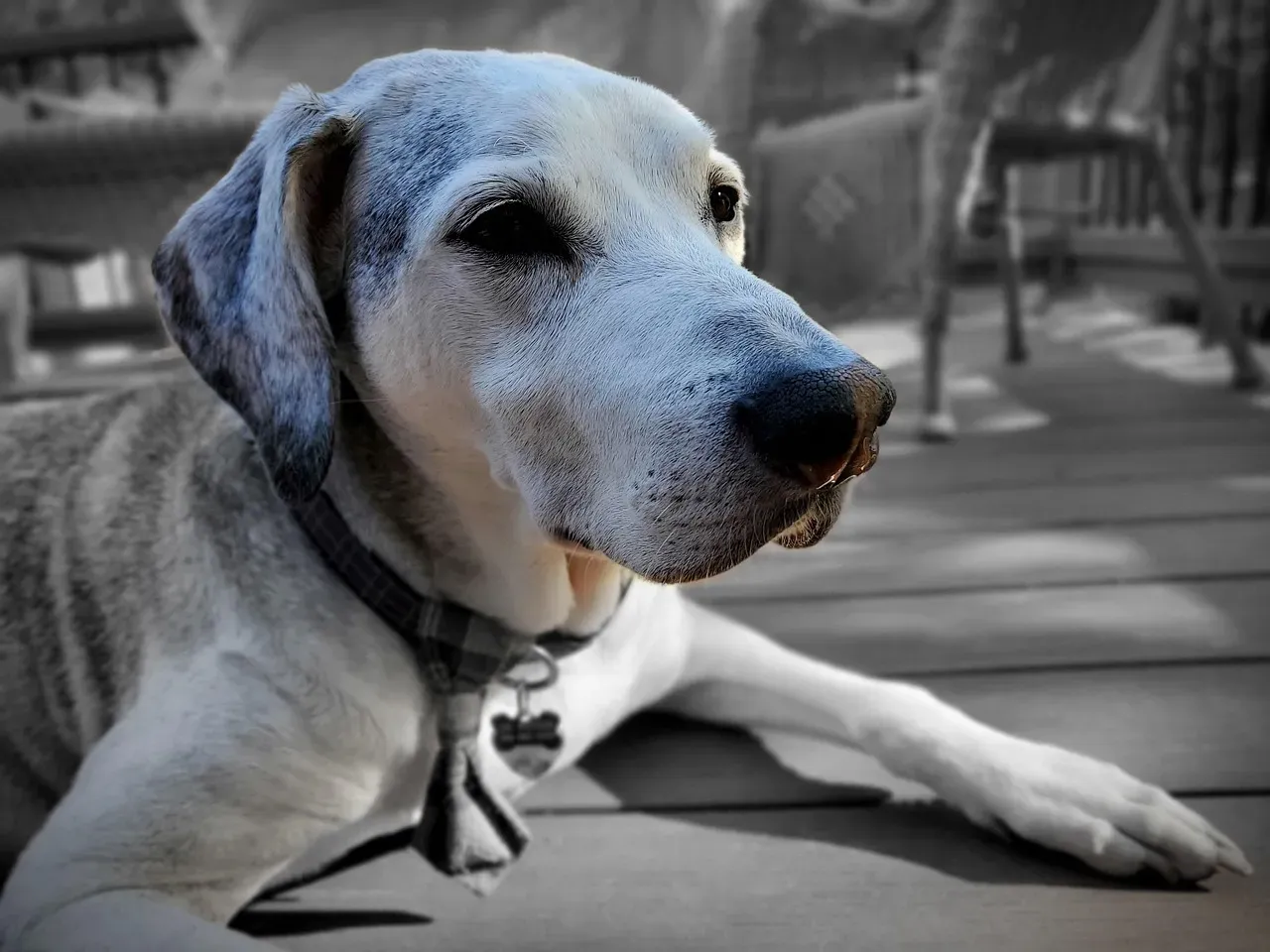
Senior dogs may experience cognitive decline, but emotional memory often remains intact. This is perhaps the most hopeful thing science has found. Even as a dog navigates the disorientation of aging, the emotional anchors hold longer than almost anything else. Older dogs can develop canine cognitive dysfunction, linked to age-related changes in the brain, and dogs living with this condition may seem confused in familiar places or forget routines they once knew well.
Yet the emotional core often survives the longest. Time apart doesn’t automatically erase a close bond. Because the memory includes scent and emotion, recognition can persist for long gaps, especially when life together was full of consistent, positive interactions. That’s why reunions can be so powerful. A senior dog may forget where the food bowl moved to, or lose track of a once-familiar route. Still, the feeling of you, the warmth and safety that you represent, has a way of staying when so much else has slipped. That says everything about the kind of love a dog actually holds.
A Final Thought Worth Sitting With
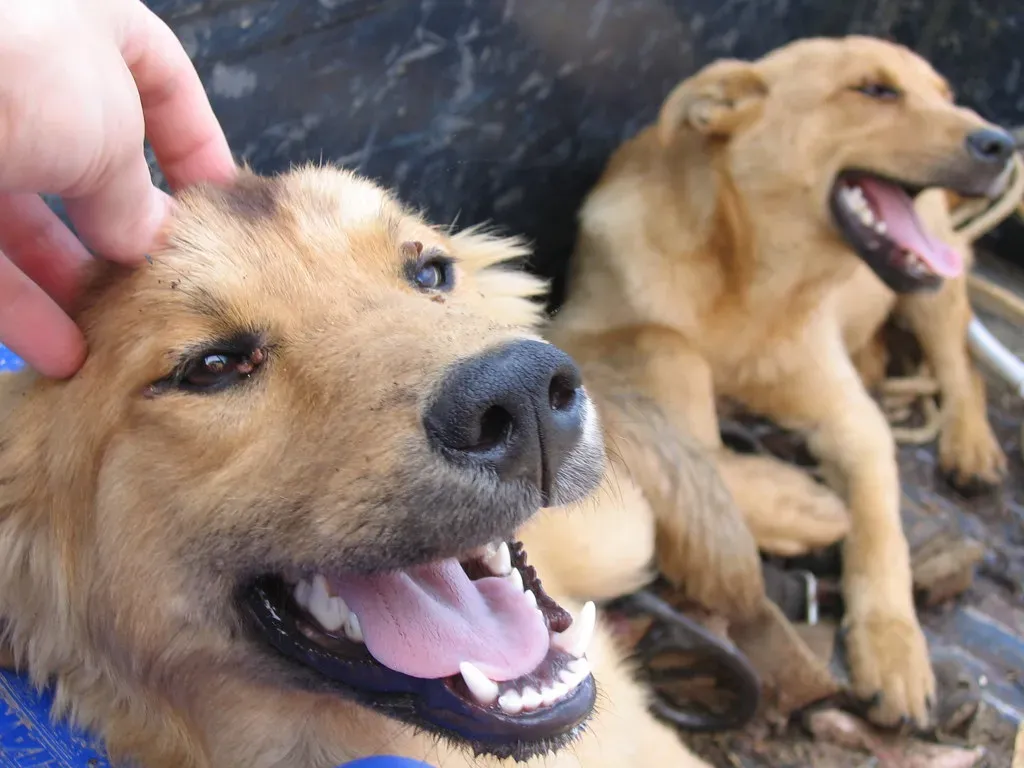
We tend to worry about whether our dogs will remember us. The truer question might be whether we’re giving them the kind of memories worth keeping. Strong emotions, good or bad, make memories more durable. Every consistent walk, every unhurried evening, every moment of genuine presence adds another layer to a dog’s memory of you.
Senior dogs don’t ask for grand gestures. They’ve already catalogued years of small ones. The gray muzzle, the slower pace, the longer naps: none of that diminishes what they carry inside. If anything, an older dog is living proof that love, when it’s given steadily and honestly, has a way of outlasting almost everything else. That’s not sentiment. That’s just how memory works when it has something real to hold onto.


