
#1. Shadowing Your Every Move
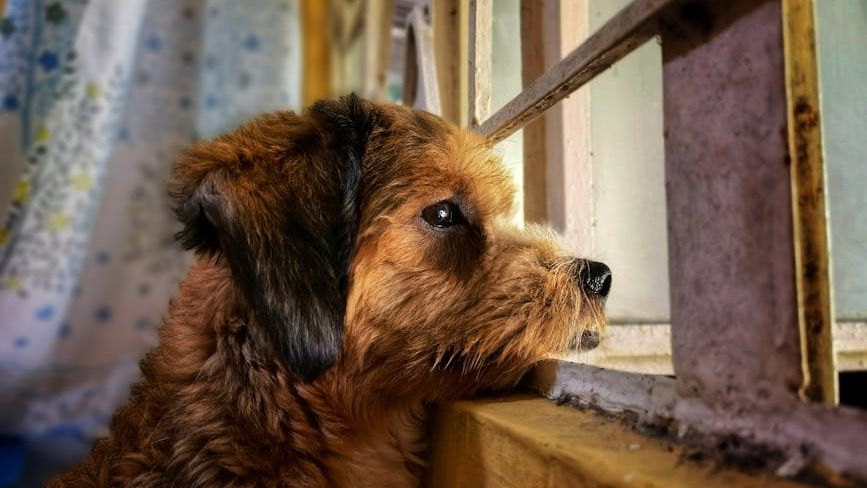
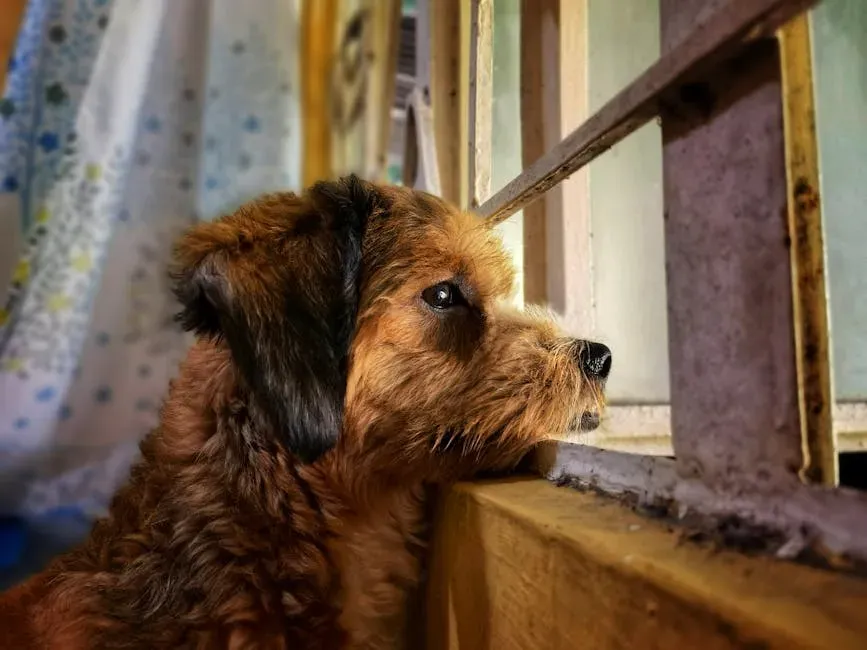
Dogs afraid of losing their favorite person often follow their owners around the house, refusing to be left alone. This clingy behavior is their way of seeking reassurance and trying to prevent separation. It’s not just affection. It’s a monitoring strategy. The dog is keeping close tabs, tracking every movement, and making sure their person doesn’t slip away unnoticed.
Dogs with separation anxiety show distress behaviors such as vocalization, destruction, or house soiling when separated from their owners. Most of them try to remain close, follow their person from room to room, and rarely spend time outdoors alone. If your dog waits outside the bathroom door or positions themselves between you and the exit, that’s not coincidence. That’s a dog on high alert.
#2. Reacting to Your “Leaving” Routine
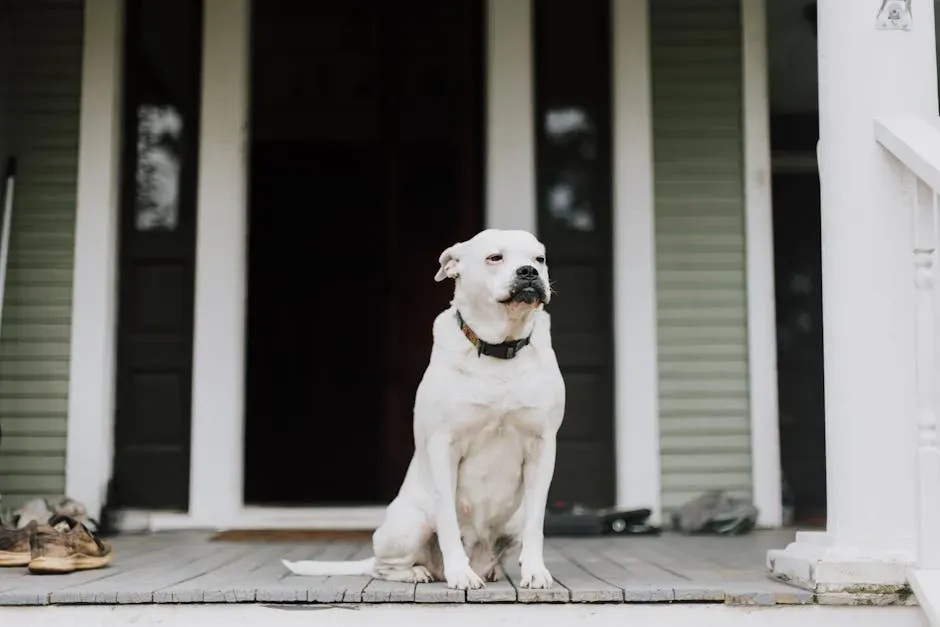
Dogs can anticipate when you plan to leave by observing your behavior. A dog might recognize that you always grab your keys or put on your coat, and these signals can trigger their anxiety. It’s genuinely impressive how precisely they read these patterns, and how quickly that observation turns into dread. The keys jingle, and the panic begins before the door even opens.
Some dogs begin to feel anxious while their guardians get ready to leave. A dog might start to pace, pant, and whine when they notice their guardian applying makeup, putting on shoes and a coat, and then picking up a bag or car keys. What looks like odd behavior is actually a dog connecting the dots faster than you might expect, bracing themselves for what they believe is coming.
#3. Excessive, Frantic Barking and Howling
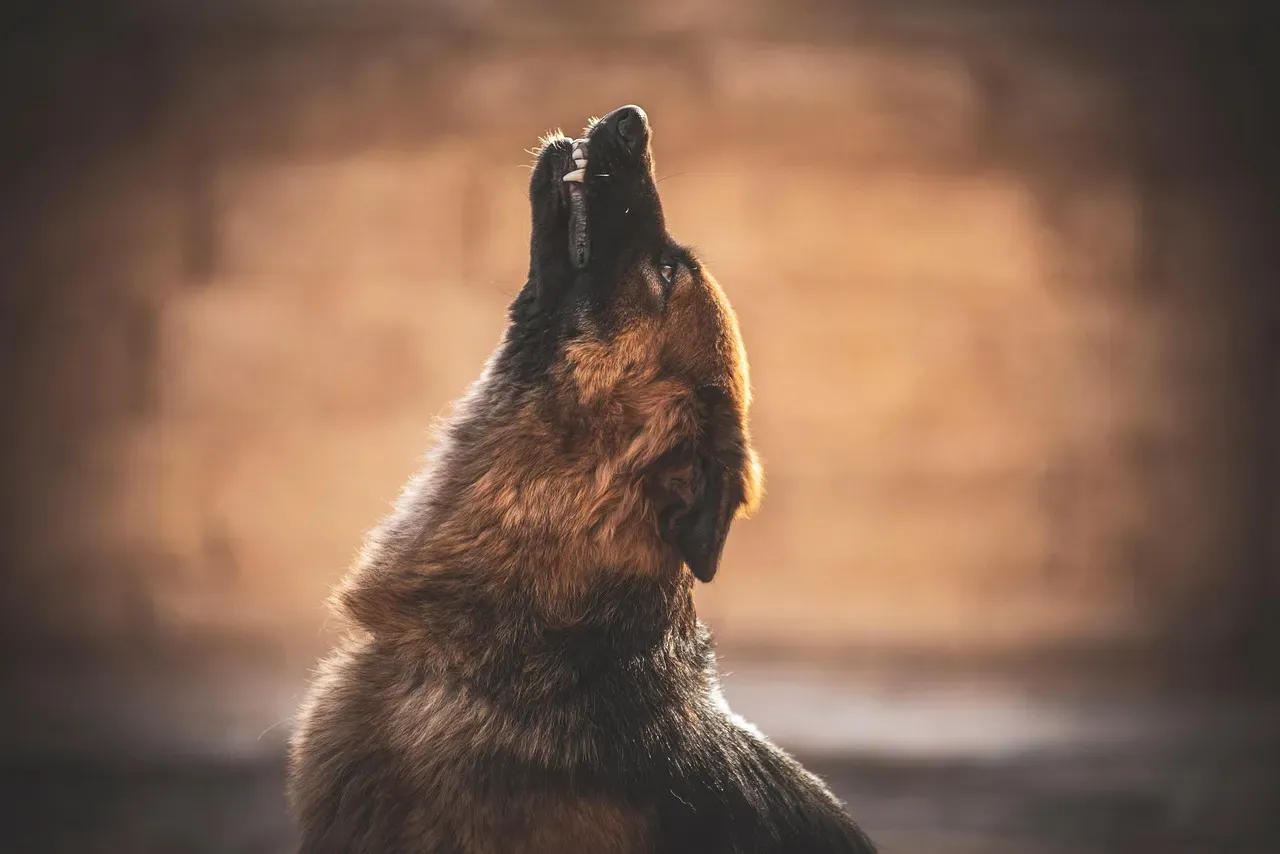
One of the most common complaints of pet parents is that their dogs are disruptive or destructive when left alone. Their dogs might urinate, defecate, bark, howl, chew, dig, or try to escape. Although these problems often indicate a need for better house manners, they can also be symptoms of distress. The barking, in particular, has a different quality when it comes from fear. It’s more relentless, more desperate.
Attachment nervousness in dogs is characterized by excessive clinginess, separation distress, and fear of abandonment. It can manifest as incessant barking, destructive chewing, soiling the house, or even self-injury. Dogs with attachment nervousness often struggle with being left alone, even for short periods, and exhibit signs of stress such as pacing, panting, barking, and restlessness. Neighbors hear the howling. What they’re hearing is a dog calling out for the one person who makes the world feel safe.
#4. Destructive Chewing and Scratching
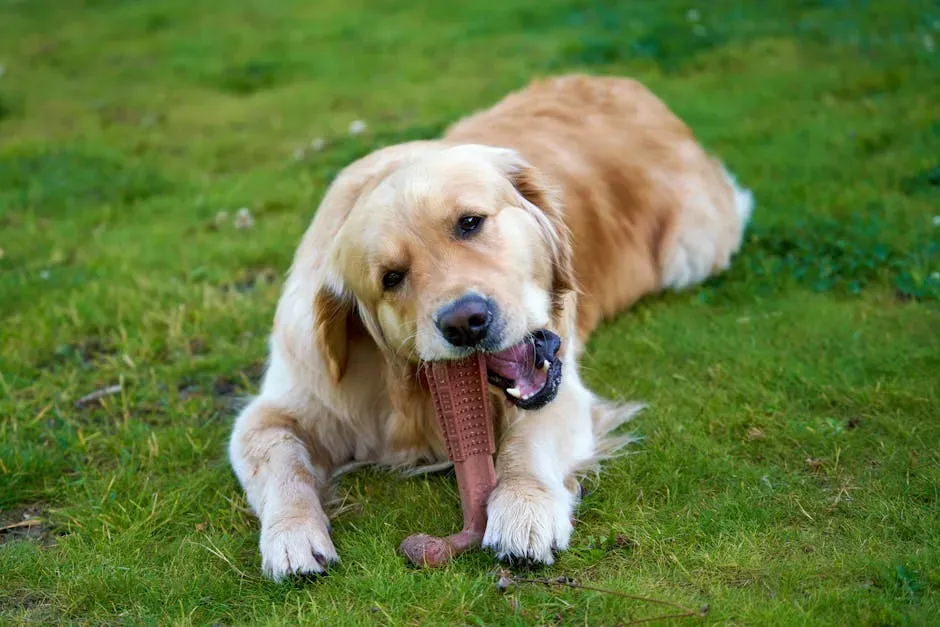
In cases of separation anxiety, destructiveness is usually directly related to the desire to escape. Chewing and scratching the walls may signal that a dog is desperate to get out – a telltale sign of separation anxiety. It’s a frantic, driven kind of chewing, nothing like the casual gnawing of a bored dog on a Tuesday afternoon. The target is often doors, window sills, or any barrier standing between them and you.
Dogs can try to soothe themselves by chewing. Aside from their favorite toys, furniture, doors, or shoes may also become chewing targets as dogs release stress from separation anxiety. There’s a self-soothing element here worth acknowledging. The destruction isn’t spite. It’s stress finding an outlet, and the only one available at that moment is your living room furniture.
#5. Refusing to Eat When You’re Gone
Stress can reduce interest in food, especially when the dog is alone and in an unfamiliar environment. Some dogs may refuse meals until their owner returns, showing how separation anxiety can suppress normal appetite. Think about that for a moment. A creature whose daily joy typically revolves around mealtimes will skip eating entirely when they’re too distressed to function normally. That’s not minor anxiety. That’s real emotional pain.
During departures or separations, dogs may be restless, shake, shiver, salivate, or refuse to eat. Many but not all of these dogs crave a great deal of physical contact and attention from their owners. If your dog ignores their food bowl while you’re away but cleans it instantly when you return, pay attention. That timing is telling you something important.
#6. Pacing and Restless Movement
Some dogs walk or pace in fixed patterns when they feel anxious about being left alone. This restless behavior can occur before or during the separation itself. Watch closely and you may notice the same path worn into the carpet, a repetitive loop between the front door and the window. It’s a physical expression of mental preoccupation that the dog has no other way to release.
Even before you leave the house, dogs with separation anxiety may pace, whine, and show physical signs of stress. The pacing usually intensifies right as departure cues appear and can continue for a long time after you’ve gone. Some dogs that exhibit signs of distress are more frustrated than anxious, and some are simply restless, with a minimal emotional component to their behavior. Either way, restlessness is worth taking seriously as a signal that something is off.
#7. Excessive Drooling and Panting

Excessive drooling and panting can be signs of separation anxiety in dogs or stress in general, especially if the dog is showing these symptoms without exercising or being exposed to hot temperatures. Most dog owners associate drooling with dinnertime and panting with a long walk. When neither of those conditions apply and both are happening at once, the body is communicating a state of high stress.
If a dog shows signs of distress such as heavy panting, excessive salivation, frantic escape attempts, or persistent howling or barking, these are indicators that the dog is not coping well. These physical stress responses are involuntary. Your dog isn’t choosing to drool on the couch. Their nervous system is in a state of alarm, and the body is responding accordingly. It can be unsettling to witness, and rightfully so.
#8. Accidents Inside the House
Even housetrained dogs might urinate or defecate indoors due to separation anxiety. This happens because stress can activate the dog’s “fight or flight” response, releasing hormones like cortisol and adrenaline that can override normal bladder and bowel control. It’s a physiological reaction, not a behavioral choice. Blaming the dog for this one completely misses the point of what’s actually happening in their body.
When a dog’s problems are accompanied by other distress behaviors, such as drooling and showing anxiety when their pet parents prepare to leave the house, they aren’t evidence that the dog isn’t house trained. Instead, they are indications that the dog has separation anxiety. If your dog has a solid bathroom routine and only has indoor accidents when you’re away, the connection to fear is almost certainly the explanation.
#9. Over-the-Top Greetings When You Return
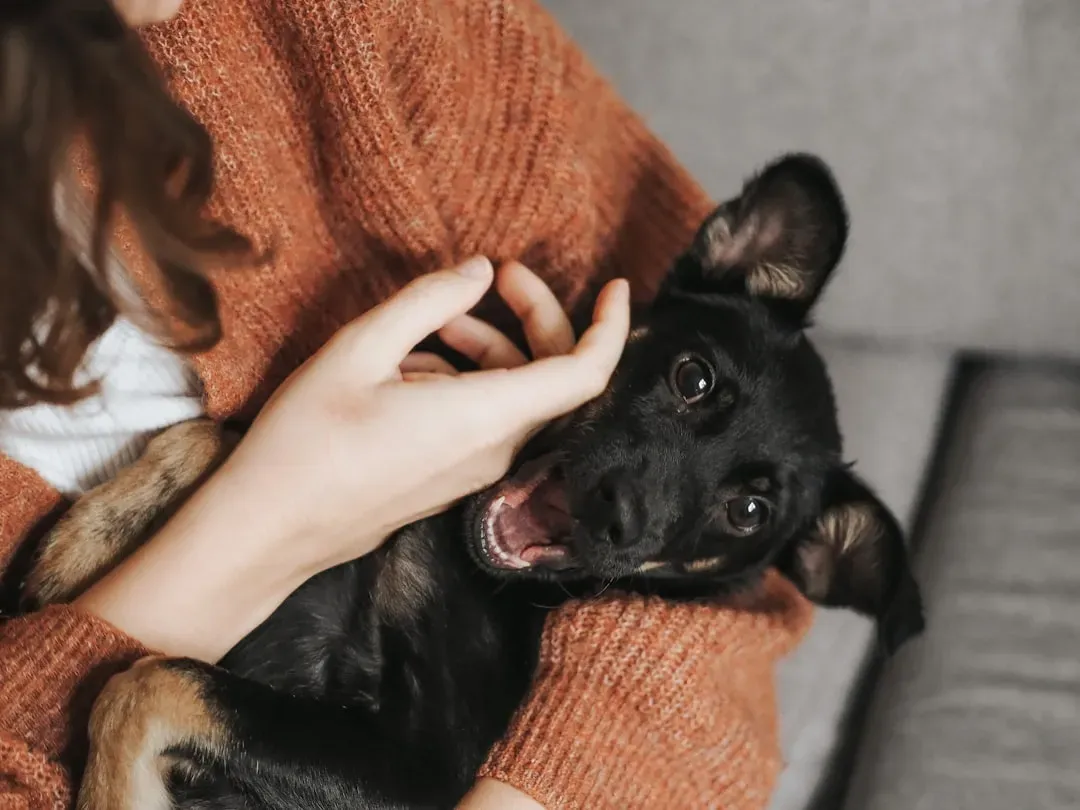
Overly enthusiastic greetings from your dog every time you return can be a sign of underlying separation anxiety. These greetings may include jumping, whining, or frantic tail wagging that goes beyond normal excitement. Some dogs may also accidentally urinate due to overwhelming excitement or relief that their person is back. A happy greeting is one thing. Uncontrollable, full-body relief is something else entirely, and it’s worth recognizing the difference.
The condition typically occurs when a pet parent leaves, and it often includes excessive excitement, clingy behavior, and restlessness upon the pet parent’s return. That wild, spinning, barely-contained reaction at the door isn’t just love. It’s relief. It’s a dog who genuinely wasn’t sure you were coming back, finally seeing proof that you did. The intensity of the greeting often mirrors the intensity of the fear that preceded it.
#10. Trembling or Shaking Without an Obvious Cause
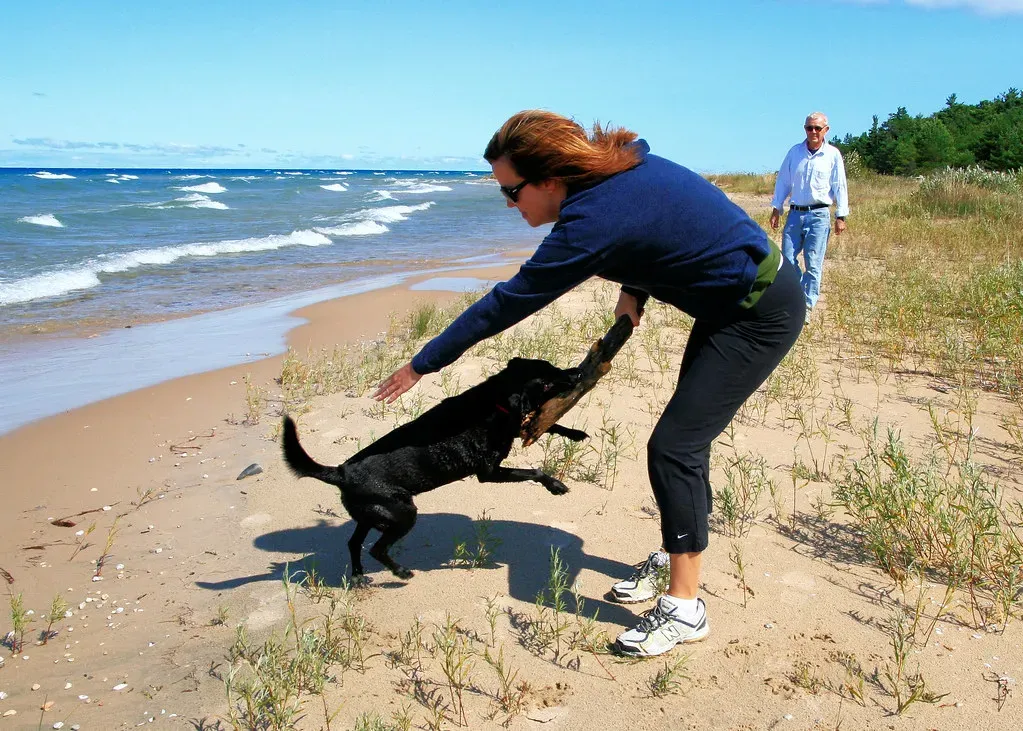
Anxious behaviors like pacing, whining, or trembling while you’re gone or as you prepare to leave are behaviors a dog may exhibit as signs of separation anxiety. Trembling is especially easy to misread. It looks like cold. It looks like sickness. In a dog who only trembles around departure rituals or after you’ve been gone, it’s almost always rooted in emotional distress rather than anything physical.
Dogs with separation anxiety experience a high level of emotional distress, which often results in dramatic behavioral symptoms. Whether in a puppy or an adult dog, separation anxiety is when your dog exhibits extreme stress from the time you leave them alone until you return. The symptoms can vary, but they will act as if they are terrified to be in the house on their own. Shaking is the body’s most honest report on what’s happening internally, and it’s hard to ignore once you know what you’re looking at.
#11. Hyper-Attachment to One Specific Person
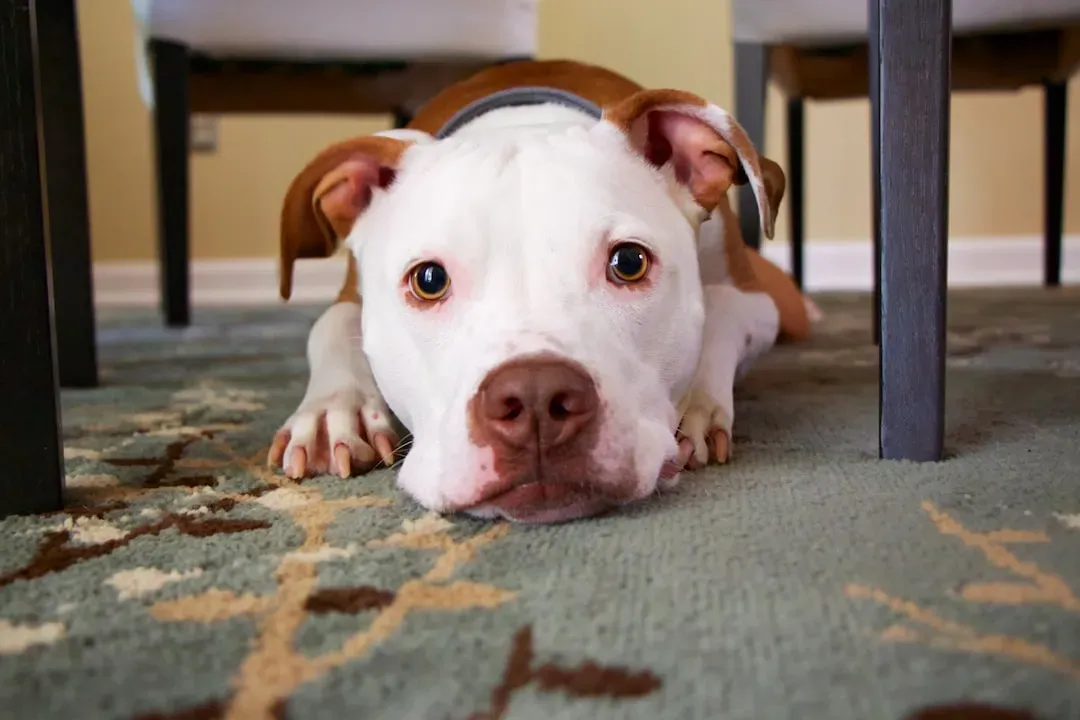
The most common type of separation anxiety in dogs involves a dog that has formed a hyper-attachment to a single individual. If that person isn’t present, the dog goes into panic mode. This is distinct from general loneliness. Other people can be home, other pets can be present, and none of it matters. The one person the dog has bonded to deeply is the only presence that registers as safe.
A diagnosis of hyper-attachment disorder means the pet is overly attached to someone and cannot cope without them – in fact, they can even go into a panic mode. Some dogs that exhibit separation-related distress are calm if there is another person or even another pet with them, while others become distressed when a specific, significant person is absent, and do not appear comfortable even when they have another person or pet nearby. That level of focused attachment tells you exactly how deep the bond runs, and how terrifying its absence feels to them.
#12. Attempts to Escape the Home
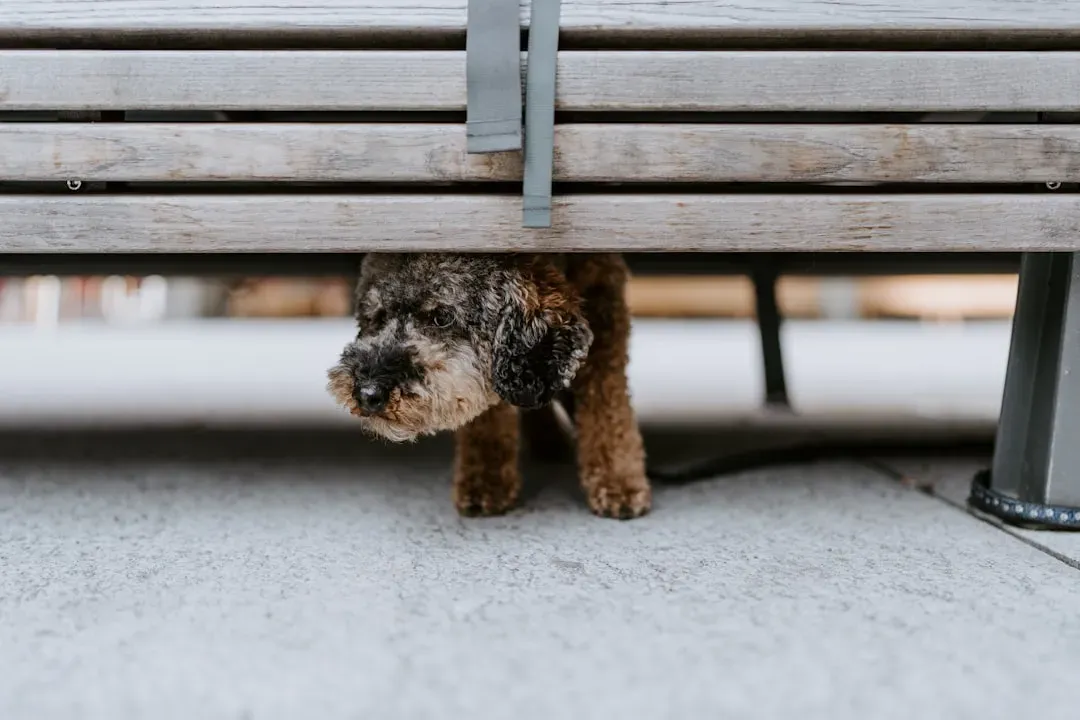
Escape attempts by dogs with separation anxiety are often extreme and can result in self-injury and household destruction, especially around exit points like windows and doors. A dog clawing through drywall or throwing themselves at a window isn’t being dramatic. They’re trying, with every bit of energy they have, to close the distance between themselves and the person they cannot bear to lose.
The condition affects not only the dog but also the pet parent, and can put a strain on the human-animal bond. Separation anxiety can cause severe stress and emotional trauma for the dog, and often results in environmental and household damage and costly repairs for their pet parents. The escape attempts are almost always the most alarming stage, and rightly so. They signal that a dog’s fear has reached a point where self-preservation instinct is fully activated. At this stage, getting professional help from a vet or animal behaviorist isn’t optional. It’s urgent and necessary.
What This All Really Means
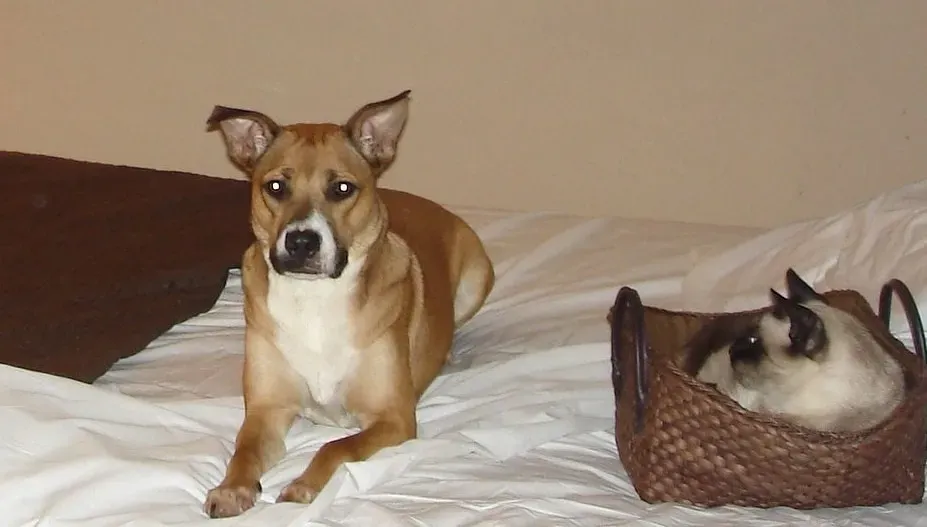
Dogs don’t have the language to tell you they’re scared of losing you. They have behavior instead. Each item on this list is a form of communication, sometimes inconvenient, sometimes heartbreaking, but always meaningful. The dog chewing through your door frame isn’t badly behaved. The dog trembling at the sound of your keys isn’t dramatic. They’re telling you, in the only way they know how, that you are everything to them.
It is important to never punish dogs for behaviors associated with separation anxiety. Separation anxiety is not the result of a lack of training, and negative reinforcement is largely ineffective. Affected dogs have no control over their behavior, so they do not understand the consequences of their actions. Patience, professional guidance, and gradual behavior modification are the tools that actually help.
The relationship between a dog and their favorite person is, in many ways, the purest kind of bond there is. Unconditional, watchful, and rooted entirely in presence. When a dog fears losing that, they’re not overreacting. They’re responding honestly to what feels, to them, like the most important thing in the world. Recognizing these signs is the first step toward giving them the reassurance they’re desperate to feel. And honestly, that kind of devotion deserves nothing less in return.


