
#1: Your Dog Can’t Stop Barking or Whining

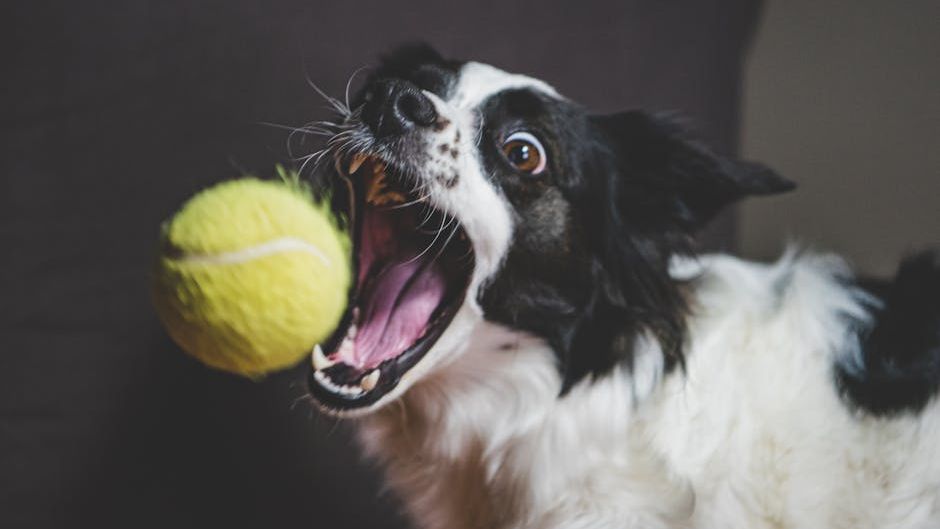
Excessive vocalization is often the first thing dog owners notice, and the first thing they try to stop with commands or corrections. Overstimulated dogs often struggle to focus and may display behaviors that seem excessive or out of character. When a dog is overwhelmed, they may vocalize their stress through excessive barking or whining, especially in new or busy environments. It’s not defiance. It’s the canine equivalent of shouting “I can’t take this anymore.”
The key distinction is context. Energetic dogs recover quickly after play. Overstimulated dogs struggle to calm down, may bark excessively, and often appear unsettled even after resting periods. If your dog is still going after the excitement has clearly passed, that’s a strong signal their nervous system hasn’t found its way back down yet.
#2: They Have Trouble Settling or Relaxing
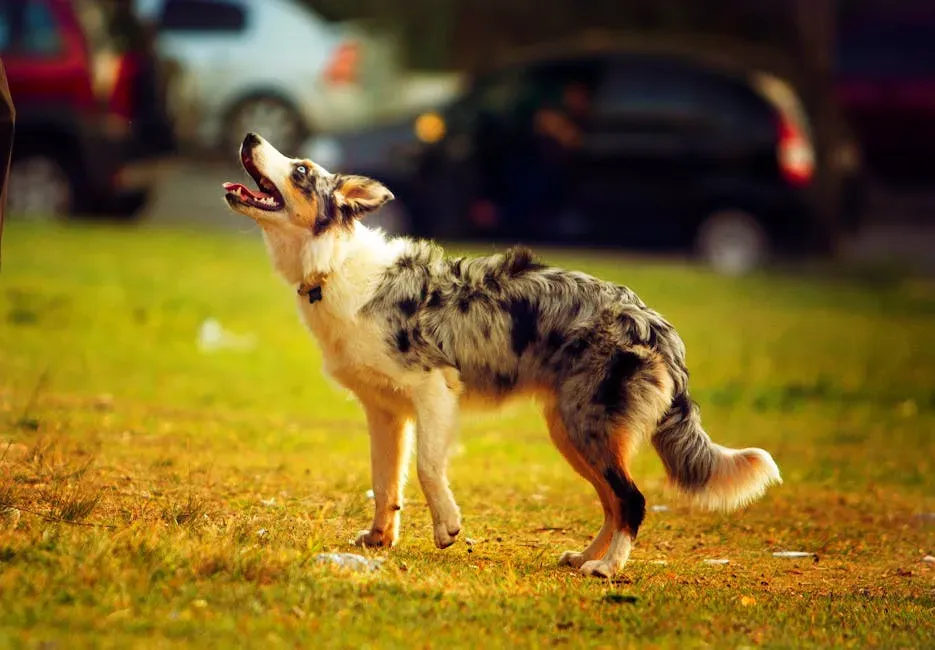
Overstimulation does not always look like chaos. Sometimes it looks like a dog that is constantly “on,” showing difficulty settling or relaxing, pacing or restlessness, excessive barking or whining, and jumpiness or startling easily. It’s the dog who circles the room, lies down, gets up, circles again. You’ve done everything right that evening, and they just won’t decompress.
Overstimulation occurs when a dog is exposed to excessive noise, activity, social interaction, or novelty without enough time to recover. This overload keeps the nervous system in a heightened state, reducing impulse control and emotional regulation. Think of it like a computer running too many programs at once. Nothing crashes outright, but nothing runs smoothly either, and the whole system struggles to power down.
#3: Dilated Pupils and a Wide, Hard Stare

Physical signs include eyes appearing wide or “hard,” dilated pupils, inability to settle even when physically stopped, and sometimes drooling or stress shedding. These physical cues are easy to miss if you don’t know what you’re looking for, but once you see them, you can’t unsee them. The eyes tell a lot about where a dog’s nervous system actually is.
Hyper focused, scanning the horizon, pupil dilation, chattering teeth, rapid panting, or mouth clenched shut when focused in, up on their toes, scorpion tail and cobra neck, staring with zero blink rate are all signs that a dog has crossed from engaged to overloaded. That locked, unblinking gaze isn’t intensity or focus. It’s a dog whose brain is running on pure adrenaline.
#4: Zoomies That Feel Less Like Joy and More Like Chaos
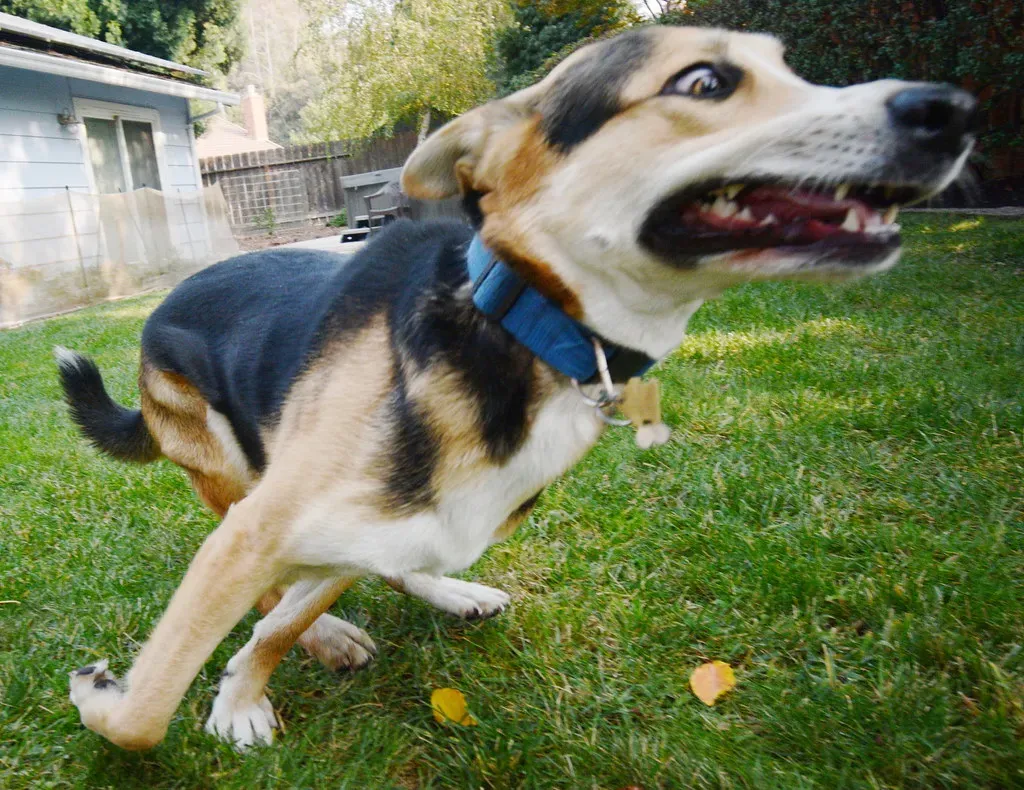
Most people love watching their dog get the zoomies. It looks hilarious and carefree. While zoomies can sometimes mean your puppy is just utterly happy, when combined with increased nipping or persistent barking they are often a very strong indicator of a puppy in desperate need of a sleep or one who is severely overstimulated. The difference is in the energy behind it.
Puppies, much like toddlers, don’t always know how to self-regulate when they’re past their prime. Instead of calmly settling down, they might amp up their energy, making it seem like they need more play when in reality, they desperately need a nap. This kind of intense, unfocused energy is a common sign for you to give your puppy a break. This applies to adult dogs too. Frantic, aimless sprinting with no natural conclusion is your dog’s nervous system misfiring, not celebrating.
#5: Sudden Nipping or Mouthing That Comes Out of Nowhere
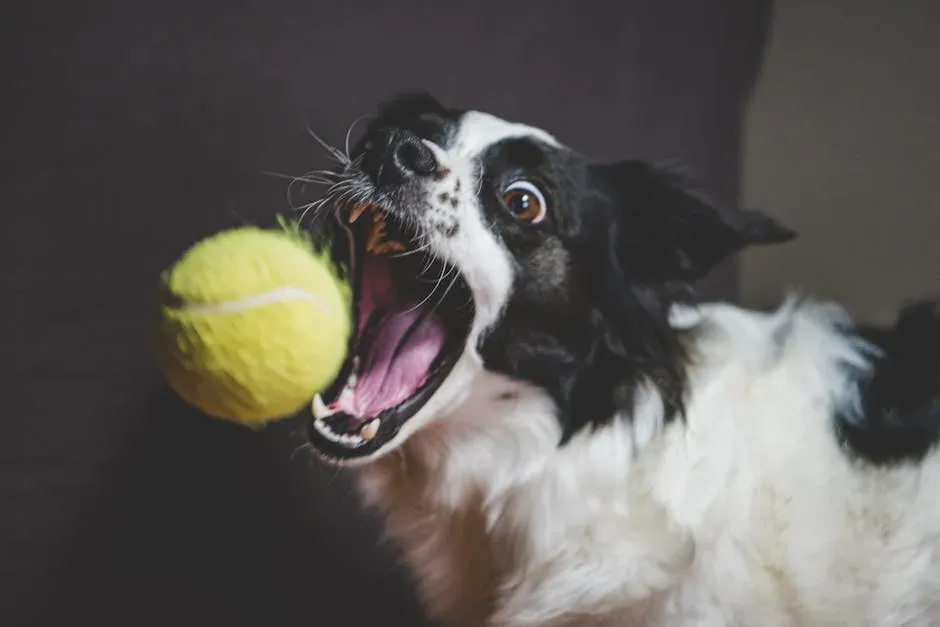
If your dog gets bitey, you have pushed them past their threshold. It was too arousing, went on too long, or made them uncomfortable. This is one of the most misunderstood signs of overstimulation, especially with puppies. Parents scold their kids for provoking the dog, owners blame themselves for poor training, when really the dog was simply at their limit.
Play styles like tug, fetch, or chase can quickly tip a dog into overdrive because they trigger big dopamine spikes. Once those dopamine levels peak and arousal crosses the threshold, impulse control goes out the window. Stress often shows up as overstimulated play, intense greetings, high arousal mouthing, grabbing, humping, and inability to recover when they get worked up. Recognizing the spiral before it starts is far more effective than reacting after the fact.
#6: They Stop Responding to Commands They Know Well
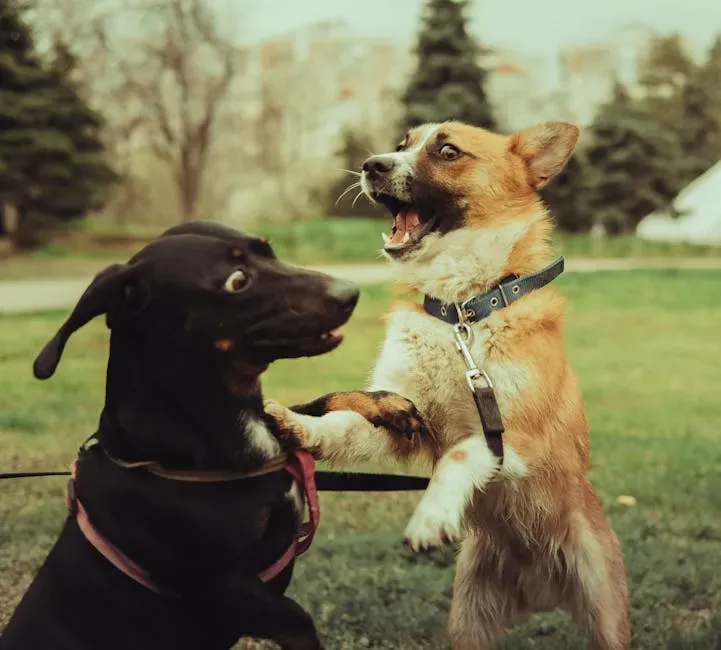
Research from the Journal of Veterinary Behavior shows that once arousal crosses this threshold, dogs lose the ability to process training cues or make rational choices about their behavior. So when your dog ignores a command they’ve executed perfectly a hundred times before, it’s not stubbornness. Their brain simply cannot process the information in that moment.
Overstimulation makes it hard for dogs to follow commands or focus on tasks, even ones they know well. Response to cues disappears completely. Your dog shows no recognition of familiar commands, doesn’t orient to your voice, and may appear “deaf” to environmental cues including warning signals from other dogs. If you’re repeating yourself five times and getting nothing, that’s a cue worth paying attention to.
#7: Excessive Panting or Drooling Not Linked to Heat or Exercise
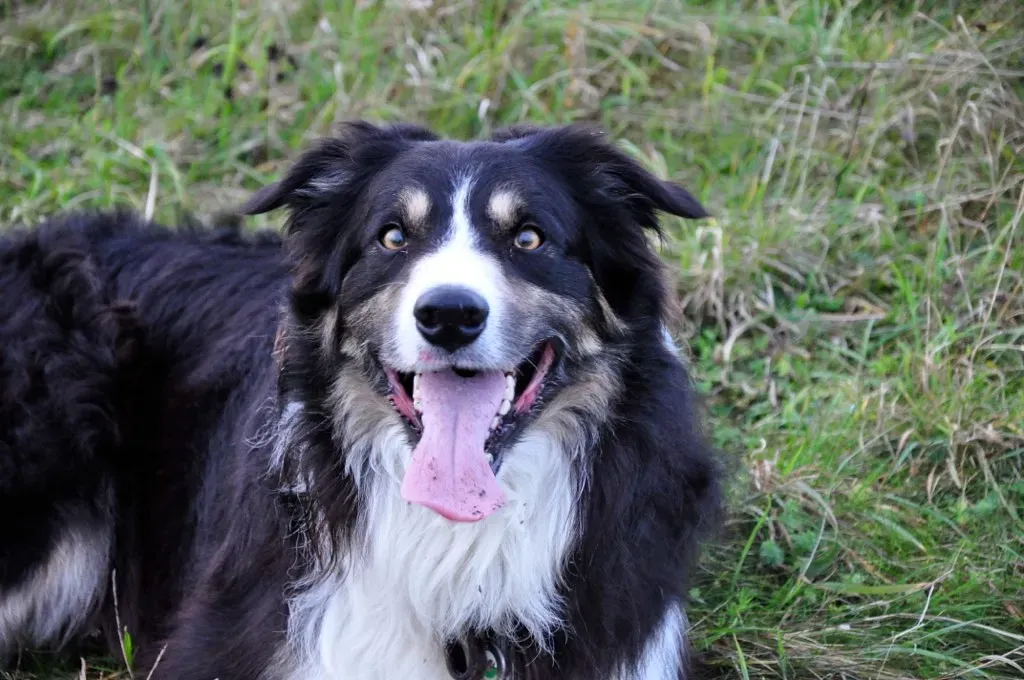
While physical activity can cause panting, excessive panting or drooling in a calm situation might indicate stress or overstimulation. It’s easy to overlook panting because it’s such a normal dog thing to do. Context is everything. A dog panting heavily after a walk makes complete sense. A dog panting on the couch after a birthday party makes a different kind of sense entirely.
When your dog’s nervous system gets bombarded with too much sensory information, their stress hormones like cortisol can increase. This increase can then trigger excitement, hyperactivity, or anxious behaviors. During overstimulation, a dog’s nerve endings become highly reactive to touch, sound, and smell. The physical body responds to mental overload in very real and measurable ways, and heavy panting is one of the clearest outward signals that something internal is running too hot.
#8: Displacement Behaviors Like Compulsive Sniffing or Sudden Ignoring

Another sign of overstimulation is when a dog suddenly starts offering displacement behaviors like sniffing the ground, looking away, or pausing mid-play. These are canine coping mechanisms that show things are becoming “too much.” These displacement behaviors like looking away, sniffing the ground, etc. can signal that a dog is overwhelmed. It can look dismissive or distracted, but it’s actually your dog doing their best to self-regulate.
When a puppy’s brain is full, they often revert to displacement behaviors. You might be in the middle of a training session when suddenly your puppy ignores you and starts frantically sniffing the ground or maybe even humping your leg or a stuffed toy. This isn’t usually sexual; it’s a physiological response to a brain that can no longer process instructions. Whether it’s a puppy or a grown dog, these moments deserve a pause, not a correction.
#9: Hypervigilance and Startling at Minor Sounds or Movement

A dog that tends to experience overstimulation may respond strongly to sounds that other dogs might ignore, such as fireworks, thunderstorms, or even household appliances. When your dog is already operating near their sensory ceiling, even small, ordinary things can feel enormous. The mail slot. A car door. The refrigerator hum. Everything becomes a potential trigger.
Some dogs seem to go from 0 to 100 in 0.5 seconds flat. But it’s more likely that they are riding at 95 for much of their day, so the tiniest change in the environment sends them into a frenzy. This is the part that’s so easy to misread. The small thing that “set them off” wasn’t actually the problem. It was just the last straw on top of hours of accumulated sensory load.
#10: Withdrawal, Hiding, or Sudden Clinginess After Peak Excitement

Each dog and breed is different. Some dogs get worked up and act out, versus others who shut down and stop interacting. This is probably the most overlooked sign on this list, because it doesn’t look distressing at all. The dog who crawls under the bed after a houseful of guests seems fine. They’re “just tired.” Sometimes, though, what looks like sleepiness is closer to shutdown.
Emotionally, overstimulated dogs may feel confused or stressed, as they are unable to process the high level of sensory input effectively. This chronic state of heightened arousal can also affect appetite and general comfort. Whether your dog runs for the hills or glues themselves to your leg after an overstimulating day, both responses are worth noting. These behaviors are signals that the dog needs a break, not correction.
What You Can Actually Do About It

Overstimulation is not bad behavior. It is a stress response caused by too much input and not enough recovery. When owners recognize the signs early and provide structure, dogs learn how to settle and self regulate. That shift in perspective, from frustration to understanding, is genuinely where most of the work happens.
Dogs need predictable routines, quiet rest periods, and calm interactions to regulate their nervous systems. Consistent daily structure, calm walks instead of constant excitement, quiet time away from noise and activity, and safe spaces where the dog can retreat undisturbed all help dogs feel more balanced. It’s less about doing more and more about building in meaningful pauses throughout the day.
If overstimulation is left unaddressed, it can have long-term effects on a dog’s overall well-being. Chronic overstimulation can lead to increased anxiety, heightened aggression, and a decreased ability to cope with daily stressors. Therefore, it is vital to take proactive steps to address and manage overstimulation in your dog. If the signs are severe or persistent despite management efforts, a conversation with a veterinary behaviorist is always a reasonable next step.
Conclusion

There’s a quiet irony in how hard we try to enrich our dogs’ lives, only to sometimes tip them into overload. The walks, the playdates, the training sessions, the enrichment toys. All of it comes from love. Sometimes the most loving thing we can offer is not more excitement, but more balance.
Learning to read these ten signs isn’t about doing less for your dog. It’s about doing smarter. When you understand that a dog who can’t settle, who flinches at small sounds, or who suddenly tunes you out is communicating something real about their internal state, you become a better advocate for them. Overstimulation is not bad behavior. It is a stress response caused by too much input and not enough recovery. When owners recognize the signs early and provide structure, dogs learn how to settle and self regulate.
The dogs who seem impossible to calm down aren’t broken. They’re just waiting for someone to notice they’ve had enough, and to give them permission to finally exhale.


