
#1: Create a Dedicated, Comfortable Sleep Space
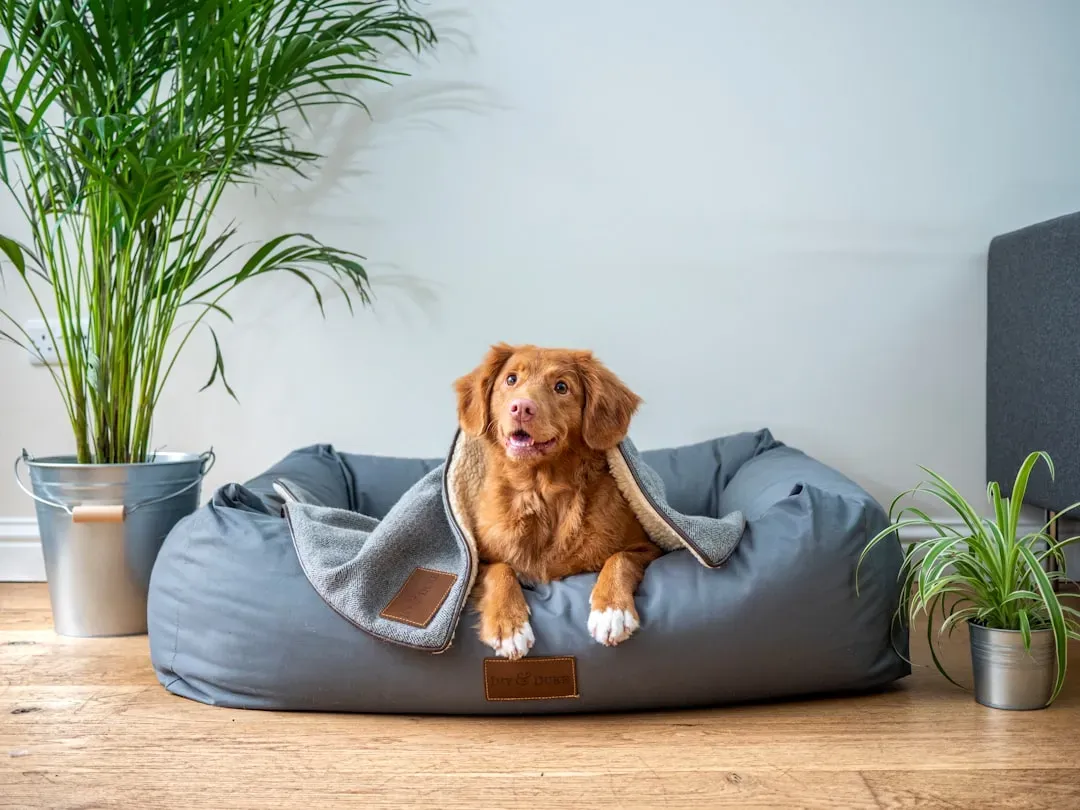
One of the easiest ways to help your dog sleep better is by creating a cozy, stress-free space, because just like humans, dogs sleep best when they feel safe and comfortable. That might sound obvious, but so many pet owners overlook the specifics: the temperature of the room, the type of bedding, and even where the bed is positioned all matter more than you’d expect.
Every pup has a preferred sleeping style, so selecting the right bed makes a big difference. Orthopedic or memory foam beds are ideal for older dogs or large breeds that need extra joint support, as these materials cushion pressure points and help prevent stiffness in the morning. It’s also worth positioning the bed away from electronic devices, appliances, TVs, and modems, since the frequencies and light they emit can interfere with your pet’s sleep cycle.
#2: Stick to a Consistent Daily Routine
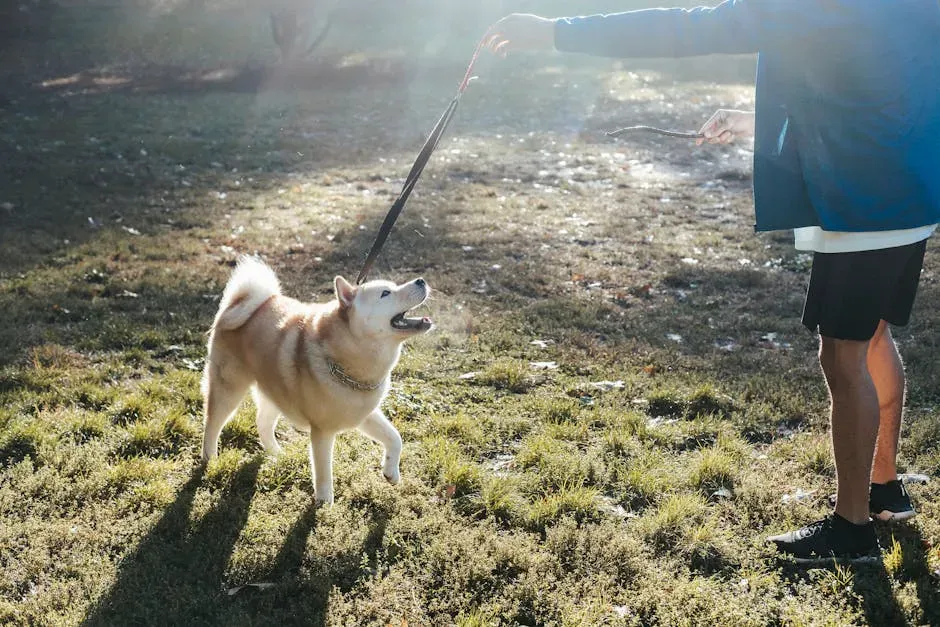
It’s essential to establish a routine for your dog so they feel comfortable and secure, because dogs are creatures of habit and thrive on predictability and structure. A dog that knows what to expect each evening will naturally begin winding down as their body learns the rhythm of the household.
Try to set a predictable evening schedule including walks, dinner, calm playtime, and then winding down, because predictability helps signal to your dog that it’s time to rest. Sudden shifts in their daily schedule, whether it’s feeding times or exercise routines, can throw off their sleep cycle, and even small changes like daylight savings or a new walking schedule can throw them for a loop.
#3: Make Sure They Get Enough Exercise During the Day
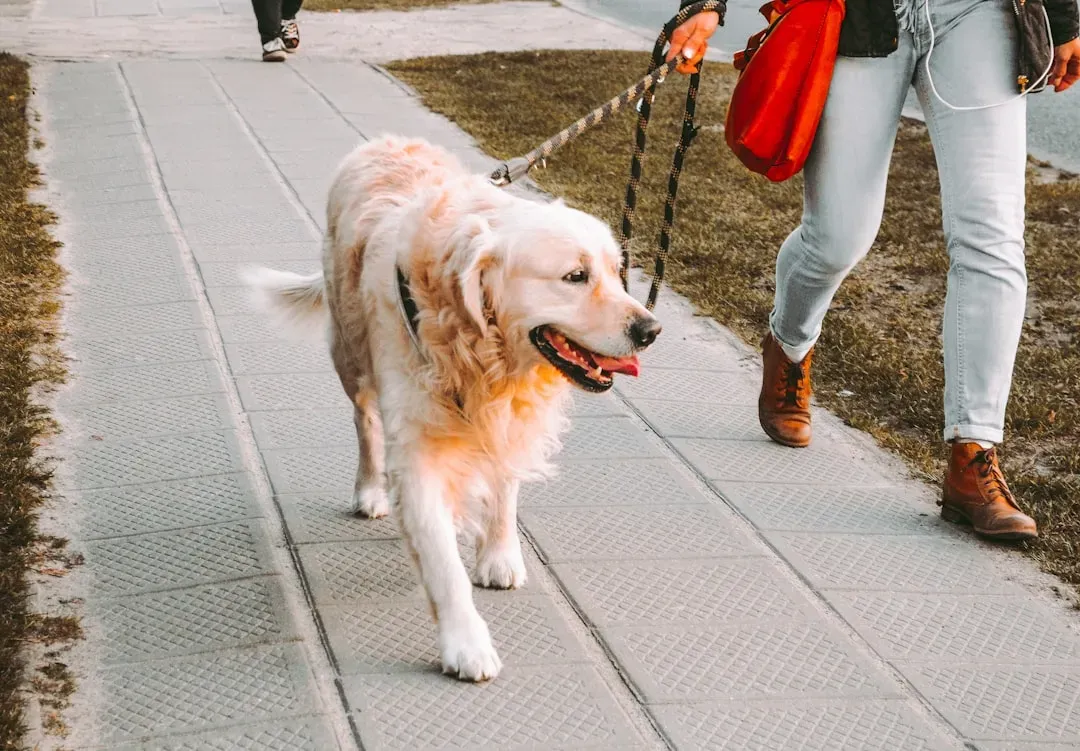
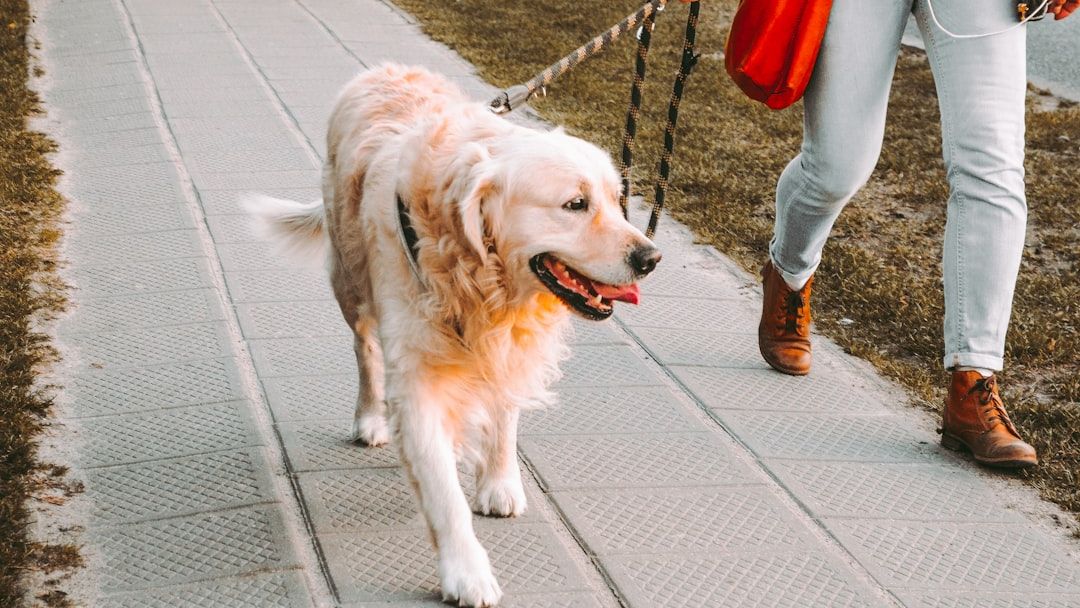
One of the most effective ways to improve your pup’s sleep is through regular exercise. Daily walks, playtime, and breed-specific activities help release energy and reduce restlessness, and the right kind of exercise doesn’t just tire your pup physically – it also relaxes their mind, helping them settle more easily when it’s time for bed.
Playtime and exercise are essential for a dog’s mental and physical health. In addition to burning off excess energy, regular exercise releases endorphins, which reduce anxiety and stress in dogs. A bored dog may have excess energy that surfaces at night, so daytime enrichment leads to better nighttime rest. The timing matters too: vigorous activity earlier in the evening is ideal, while anything too stimulating right before bed may have the opposite effect.
#4: Dim the Lights and Lower Household Noise at Bedtime
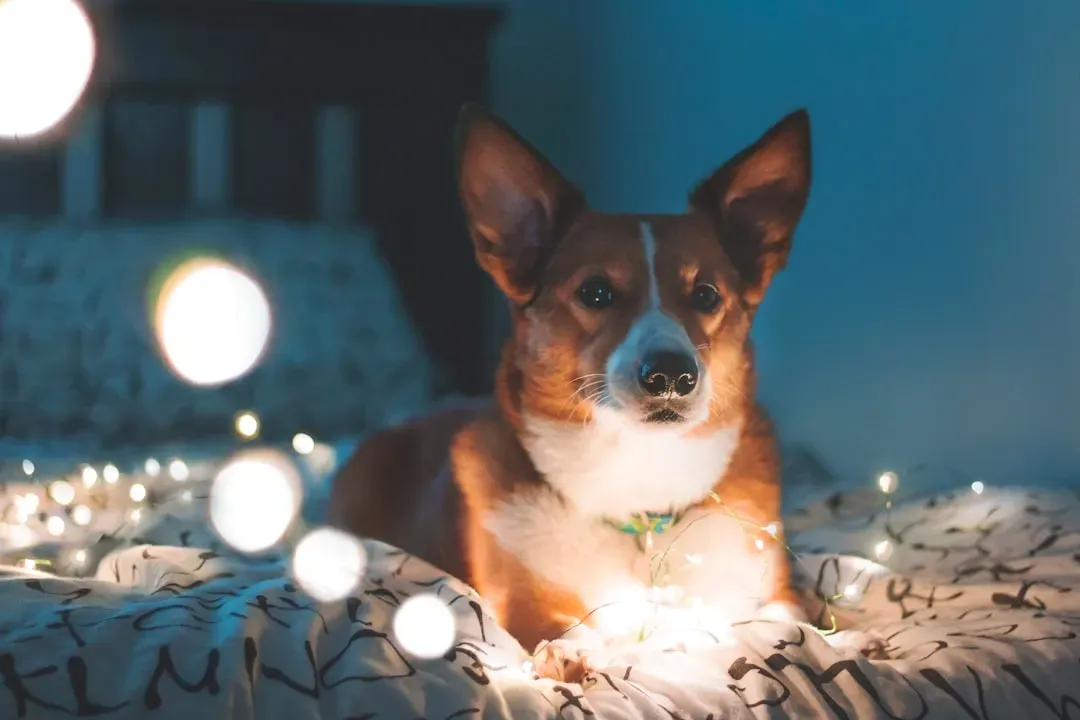
Beginning to dim lights and lower household noise as you wind down for the night mirrors the conditions dogs respond to best. A study published in Scientific Reports found that sleep structure in dogs is modified not only by biological characteristics such as age and activity level, but also by environmental conditions including light and human activity.
A peaceful environment helps pups settle faster and sleep more soundly. Choosing a room away from household noise and distractions is especially important if your dog startles easily, so avoid areas near the kitchen, laundry room, or frequently used hallways. Close the blinds or curtains, turn off all the lights, and if you like to go to sleep with the television on and your dog is in the same room, set your TV to turn off after a certain time period. If there’s still a bit of light outside when you turn in for the night, consider getting blackout curtains.
#5: Use Calming Sounds or White Noise

Sound can play a powerful role in helping to calm your dog and help them sleep better. Just like us, dogs respond well to gentle, relaxing background noise, and studies show calming music can reduce stress in dogs and promote better sleep. This is particularly useful for dogs that react to outdoor sounds or live in noisy neighborhoods.
Soft, soothing music or white noise can create a calming atmosphere for dogs. These gentle sounds can mask environmental noises that might disturb sleep, helping dogs relax and drift into a deeper sleep state. If your pooch mostly gets anxious at night, some background noise might help. You could try a white noise machine or playing soothing music or an audiobook at a low volume, as this helps drown out potentially scary sounds like foxes snuffling in the garden.
#6: Try a Pre-Bedtime Massage
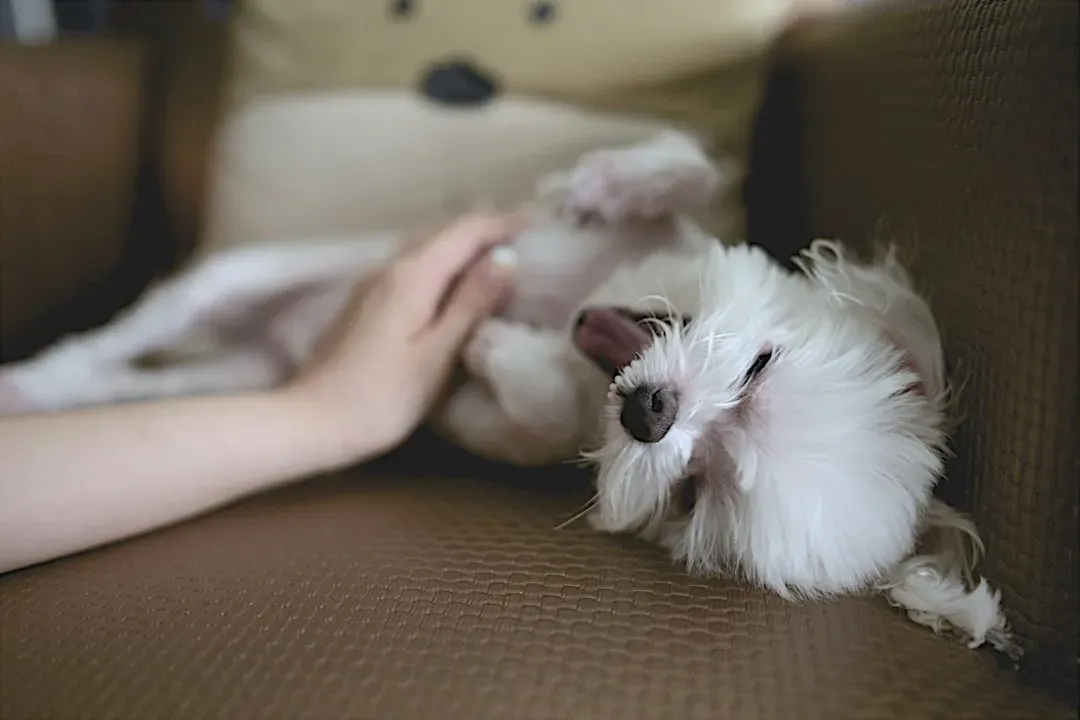
Canine massage helps reduce stress and anxiety in dogs by encouraging the release of endorphins that improve mood and create a sense of calmness. Even long, slow strokes along your dog’s back and neck can bring about a calming effect and deepen the bond between you. It’s one of those things that benefits both of you, honestly.
Techniques like gentle massage or TTouch (Tellington Touch) can help relax dogs, reducing tension and promoting better sleep. Massaging your dog’s muscles in a gentle, rhythmic manner can also help ease stress. Focus on areas like the ears, neck, and back using soft, soothing motions. This method is particularly beneficial for dogs who are receptive to touch and can serve as a proactive approach to managing stress before it escalates.
#7: Explore Calming Scents and Aromatherapy

Aromatherapy is a gentle, natural way to help calm your dog and encourage sleep, and certain dog-safe essential oils can reduce stress and encourage relaxation at bedtime. Essential oils such as lavender, valerian, Roman chamomile, marjoram, and clary sage can create a calming effect when used in the same room as your dog, and one popular way is to put a few drops of lavender on your dog’s bedding.
Lavender is a natural relaxant with calming effects on both humans and pets. A few drops of diluted lavender essential oil on a dog’s bedding or in a diffuser can create a soothing environment. However, it’s important to ensure that your dog does not ingest the oil directly, as essential oils can be toxic when consumed. Always check with your vet before introducing any new scents to your dog’s space, especially if your dog has respiratory issues.
#8: Consider Calming Supplements and Herbal Remedies

Chamomile and valerian root are well-known for their calming properties in humans and work similarly for dogs. Chamomile helps relax muscles and reduce stress. Certain herbs possess calming properties that may be beneficial for inducing sleep in dogs. Chamomile, known for its soothing effects, can be brewed into a tea, added to a dog’s water, or incorporated into their diet. Valerian root and passionflower are also recognized for their relaxation benefits and can be found in supplement form for pets.
L-Theanine and L-Tryptophan are natural mood boosters, helping your pup stay relaxed by increasing serotonin and dopamine. Vitamin B6 helps keep their nervous system in balance, and magnesium has a naturally calming effect that can ease tension. For some dogs, especially those experiencing anxiety or general restlessness, calming supplements can be a helpful addition to their nighttime routine, and these products often contain natural ingredients known for their sedative properties. As always, talk to your vet before adding anything new to your dog’s diet.
#9: Use a Pressure Wrap or Anxiety Vest
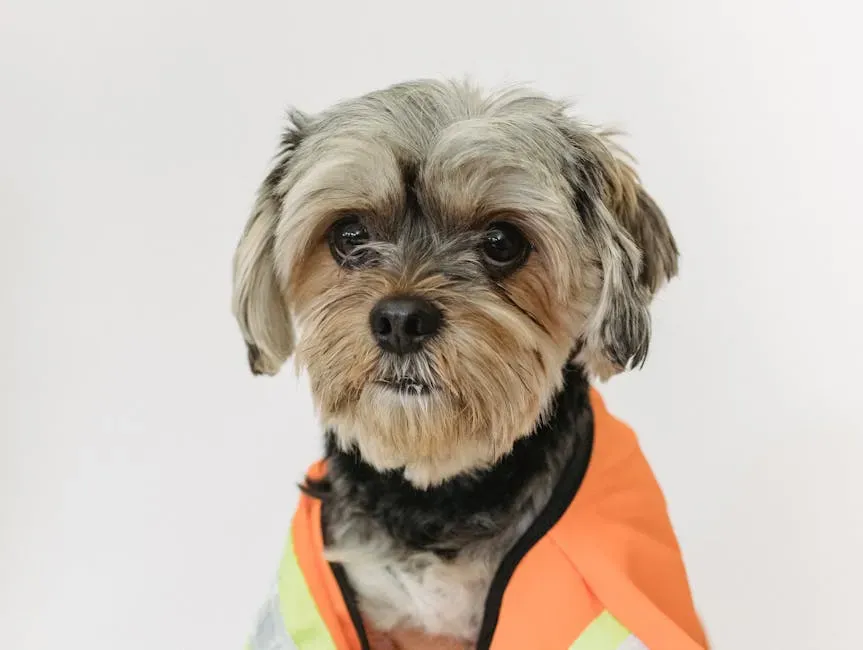
Thundershirts are garments that help dogs cope with many types of stressful situations, including thunderstorms, car rides, trips to the veterinarian, or fireworks. A Thundershirt works by gently applying pressure to your dog’s body, which can make them feel hugged and soothe any anxieties. As a result of this pressure, the dog stays calm in situations that would normally distress them, similar to the way humans use a weighted blanket.
Some dog owners use tight-fitting, slightly weighted Thundershirts to reduce their pets’ anxiety during stressful situations. The shirt acts as a pressure wrap that mimics a hug, intending to make the dog feel more secure. The garment was designed with thunderstorms in mind, but its use isn’t limited to them. The thundershirts don’t work for all anxious dogs, so their effectiveness may have more to do with your dog’s personality. It’s worth trying on a trial basis to see how your individual dog responds.
#10: Rule Out Underlying Health Issues With Your Vet
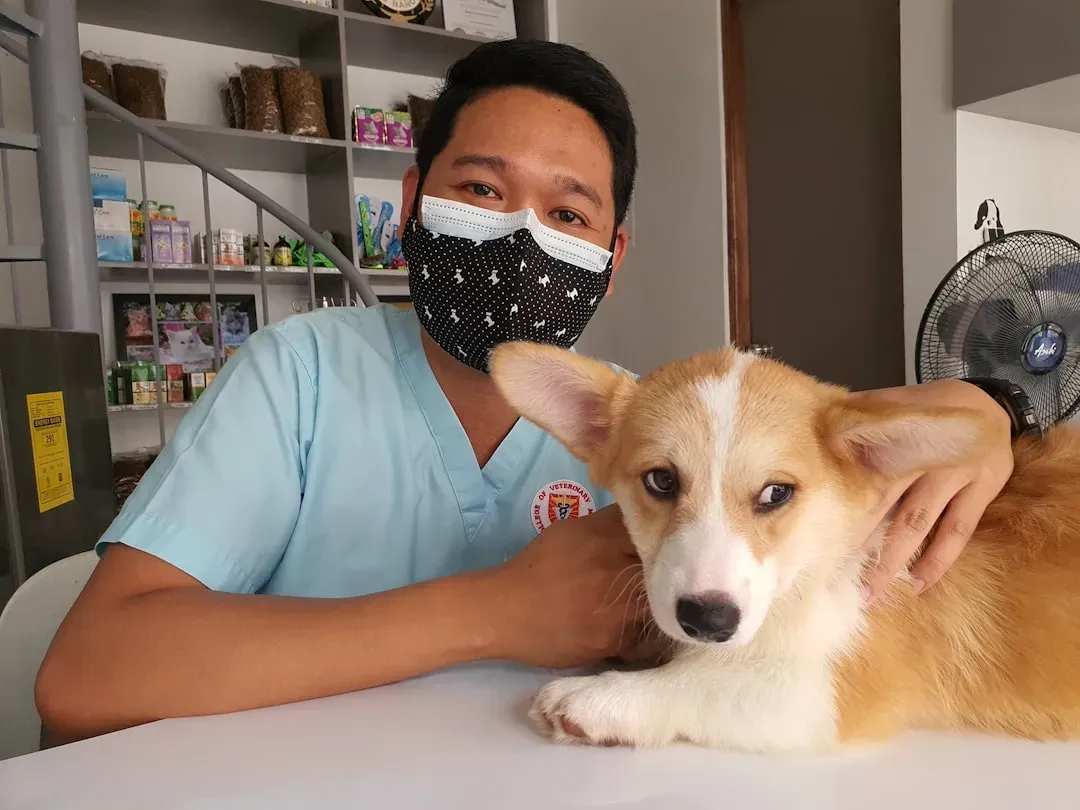
If your dog is having trouble sleeping through the night, it’s important to check in with your veterinarian to rule out any contributing medical issues, such as arthritis leading to pain and restlessness, allergies causing itchy skin, diabetes or kidney disease resulting in increased thirst and urination, or cognitive decline. These are real, treatable conditions that show up most visibly at night.
If your dog is anxious at night and showing signs of discomfort, pain, or ongoing restlessness, a veterinary exam is crucial. Hidden conditions such as arthritis, allergies, digestive issues, or urinary tract infections can worsen at night and affect sleep. Veterinary diagnostic care helps pinpoint the cause and guide treatment. Senior dogs often struggle with cognitive changes, discomfort, and disorientation, which can lead to increased anxiety and sleep disruption at night. A vet visit is never wasted when your dog’s comfort is at stake.
Final Thoughts
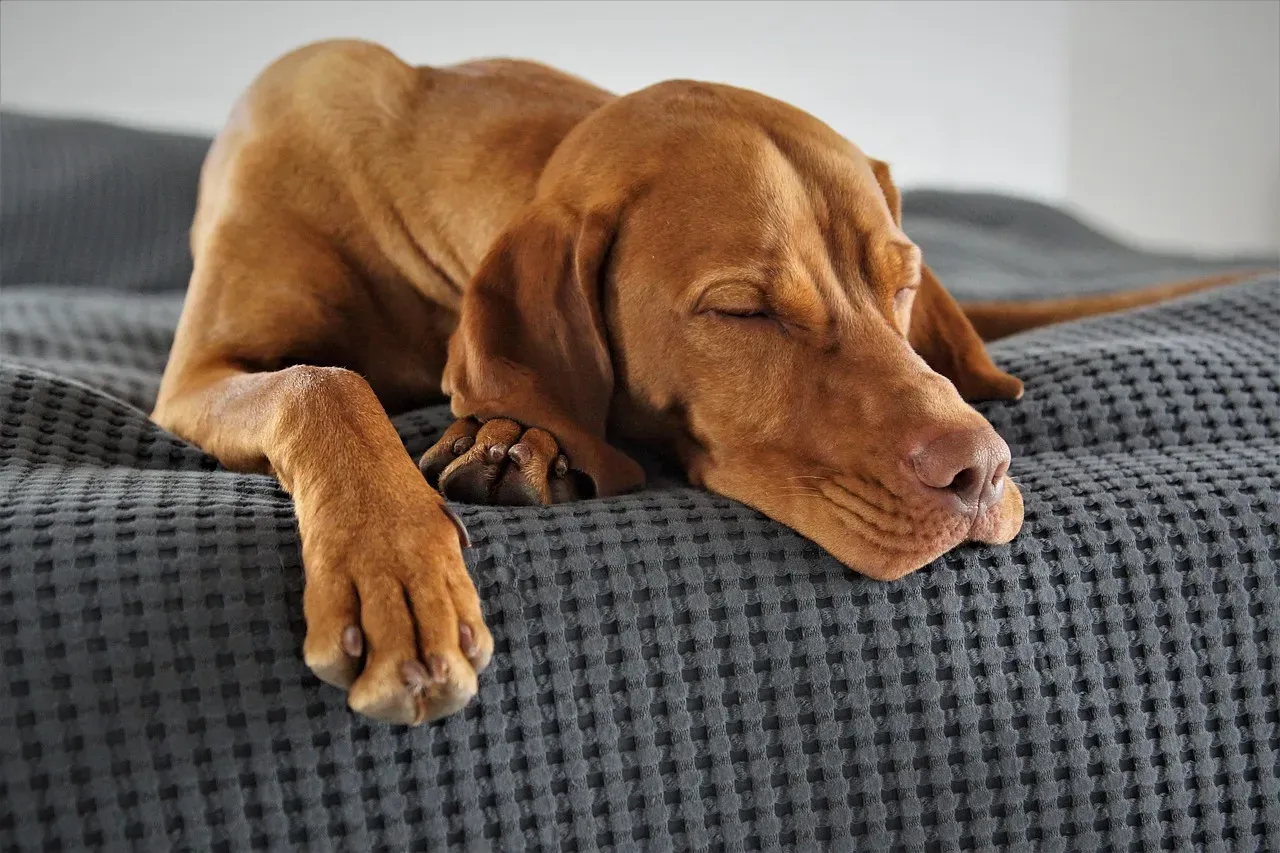
The connection between sleep and your dog’s overall wellbeing is real, and it’s something many pet owners underestimate until the problem becomes impossible to ignore. Well-rested dogs are more focused during training, more relaxed throughout the day, and less likely to act out from stress or fatigue. That alone makes this worth prioritizing.
Not every tip here will suit every dog. Some pups respond beautifully to a good massage and soft music; others need more rigorous exercise, a better bed, or a vet check before anything else changes. The most useful thing you can do is observe your dog closely, note what disrupts their nights, and be patient with the process.
In the end, helping your dog sleep better is really just another form of paying attention. It’s the quiet, unglamorous kind of care that makes the biggest difference, and your dog, even if they can’t say so, feels every bit of it.


