
#1: The Border Collie – Too Brilliant for Its Own Good
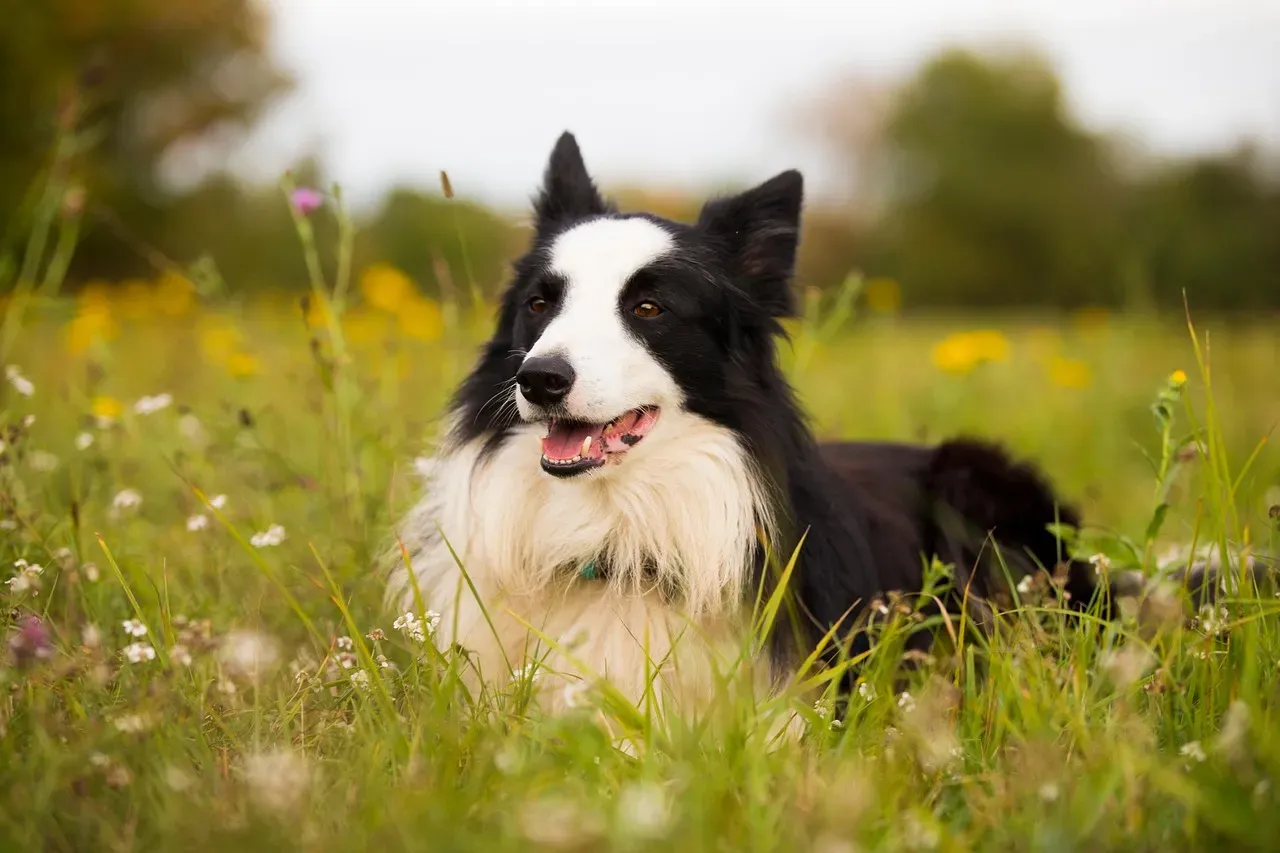
On paper, the Border Collie sounds impressive. It’s widely regarded as the most intelligent dog breed in the world, loyal, athletic, and strikingly beautiful. The problem is that all that brainpower demands an almost relentless outlet. Border Collies are considered the most intelligent dog breed in the world, and hence, you need to be extra careful when you own this breed. These workaholic dogs are always on the go and need constant mental and physical stimulation, or they could become destructive. Seniors and the elderly usually don’t have this much energy to keep up with this breed.
Border Collies are very energetic and require daily exercise, and to burn off their high energy levels, a minimum of two hours of exercise daily is recommended. That’s a serious commitment for anyone, let alone someone managing joint pain, a slower pace, or simply the desire for a quieter retirement. Collies also have a tendency to herd, which can lead to nipping at heels and chasing, behaviors that could potentially be hazardous for seniors with balance issues.
#2: The Siberian Husky – Beautiful, Restless, and Relentless
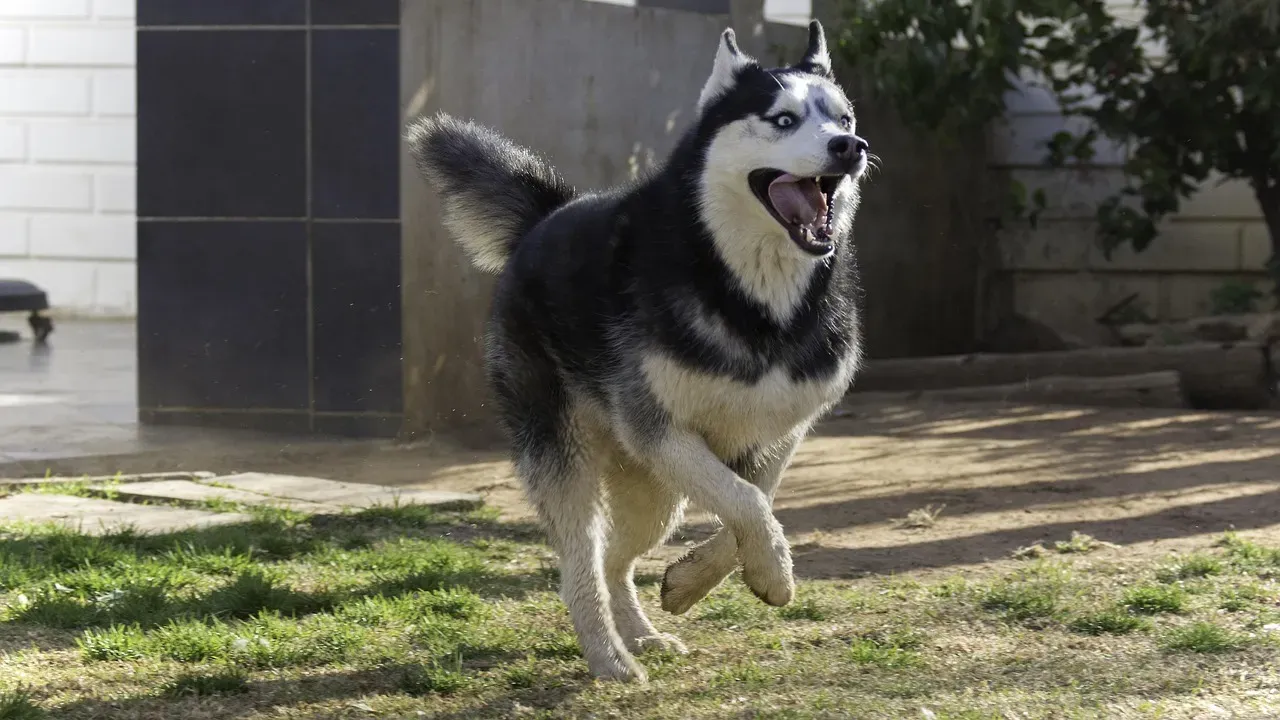
There’s no denying the Husky’s dramatic good looks. That thick coat, those icy eyes – they turn heads everywhere. But living with one is a different story entirely. Huskies require mental and physical stimulation every day, and if they don’t get it, bad things happen. First, Huskies require extremely secure fencing since they can dig and jump out of almost anything. They need to be mannerly on a leash but are difficult to train. Huskies have a huge wanderlust potential – they can and will get away from their owners to go explore.
For a senior who might have limited mobility or slower reflexes, the physical and logistical demands of owning a Husky are genuinely serious concerns, not just minor inconveniences. On top of that, they have a thick double coat that requires regular grooming, which may be difficult for seniors with mobility issues. A Husky needs a home with an active lifestyle that can genuinely match their energy – and that’s a rare fit past 50.
#3: The Australian Shepherd – A Rancher Stuck in Your Living Room
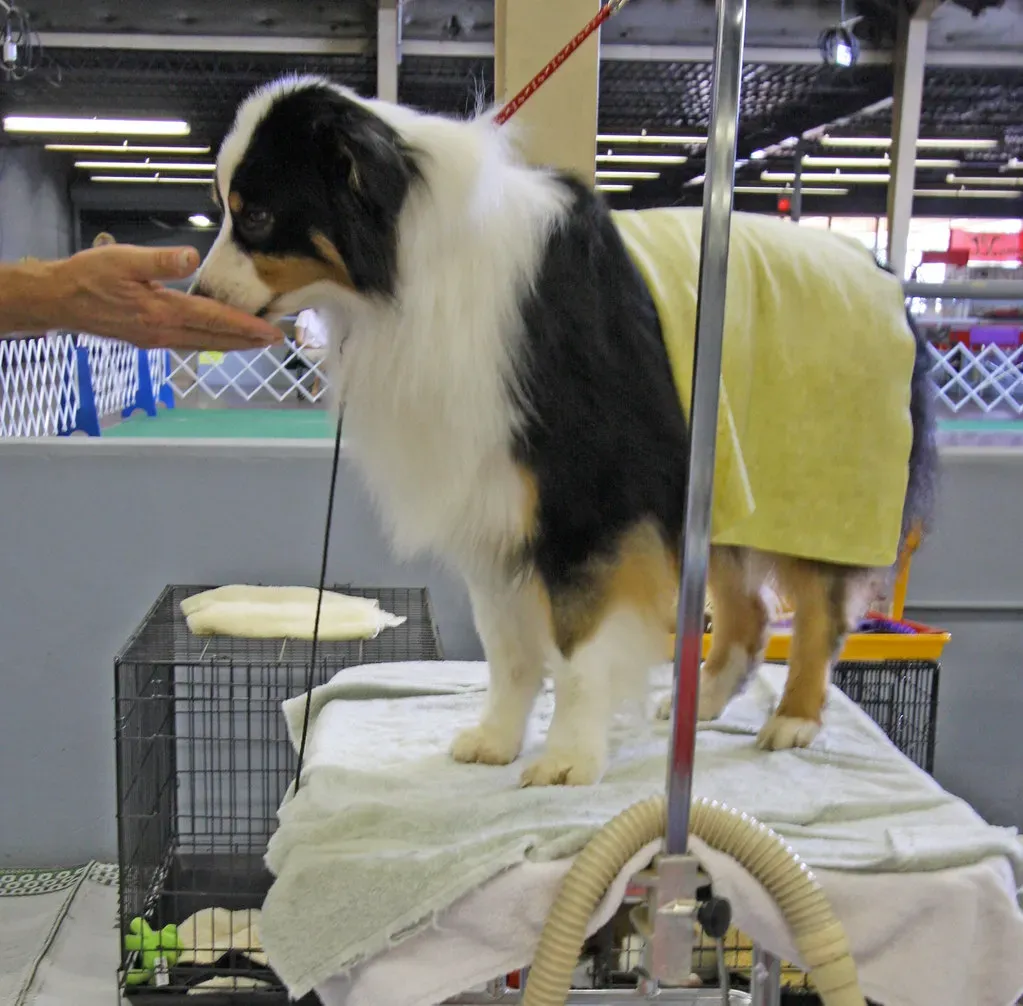
The Australian Shepherd was bred for wide-open ranch land and all-day herding. That heritage doesn’t disappear just because you live in a suburban house or an apartment. These dogs are pretty high maintenance – they require daily grooming and tons of exercise. Aussies have long double coats that shed considerably, so you would need to prepare for lots of clean-up. They also need at least an hour of strenuous physical activity a day, which can be hard to commit to.
Australian Shepherds often develop destructive behaviors when their energy needs are not met. Their grooming requirements, including repeated brushing and occasional professional grooming, can be time-consuming for older owners. There’s also a safety factor worth noting: without proper training and attention, an Australian Shepherd can become nervous and destructive, and providing these dogs with something to do throughout the day is essential to keep them busy and channel their energy.
#4: The Rottweiler – Loyal Heart, Overwhelming Body
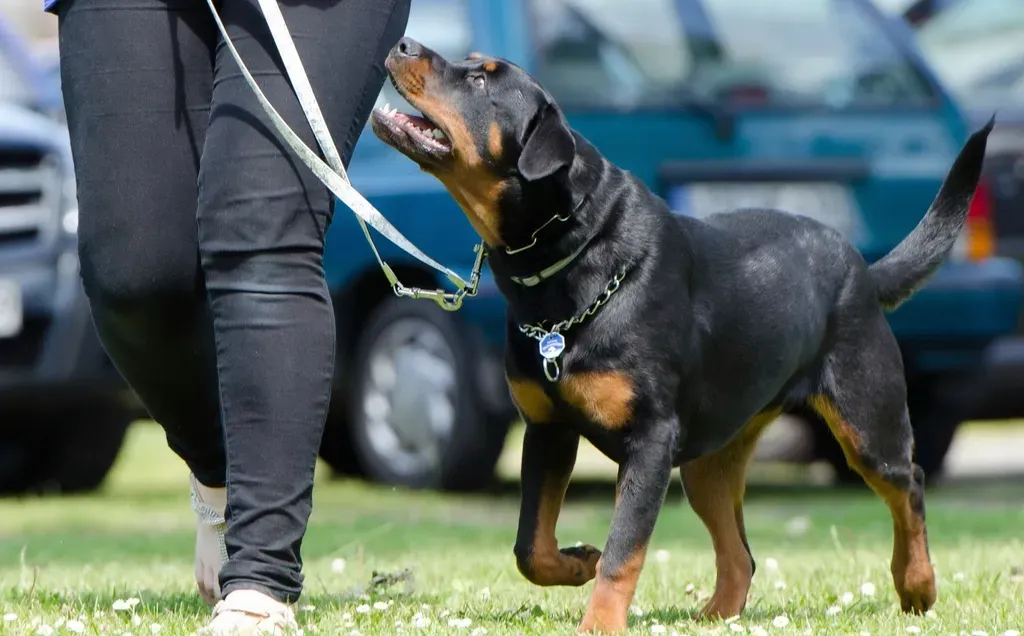
Rottweilers are deeply devoted dogs that form powerful bonds with their families, and nobody is disputing that. The challenge for older adults is purely physical and practical. For elderly homeowners, the Rottweiler’s vigilant nature can become a challenge, as it requires consistent training and strong leadership to prevent overprotectiveness or reactive behaviors, and their sheer strength can be difficult for seniors to manage during daily walks or unexpected lunges. These are powerful animals, and their physical capabilities don’t diminish just because their owner is calm and gentle.
Without enough exercise, Rottweilers can become restless, destructive, or domineering, demanding firm and consistent guidance that may be strenuous for older individuals. Training a Rottweiler is not optional – it is essential. If they sense any weakness, they may try to take control, which can become unsafe given their size. A Rottweiler is a commitment that demands consistent physical confidence and energy, something many people over 50 simply shouldn’t have to navigate in their leisure years.
#5: The German Shepherd – A Working Dog at Heart
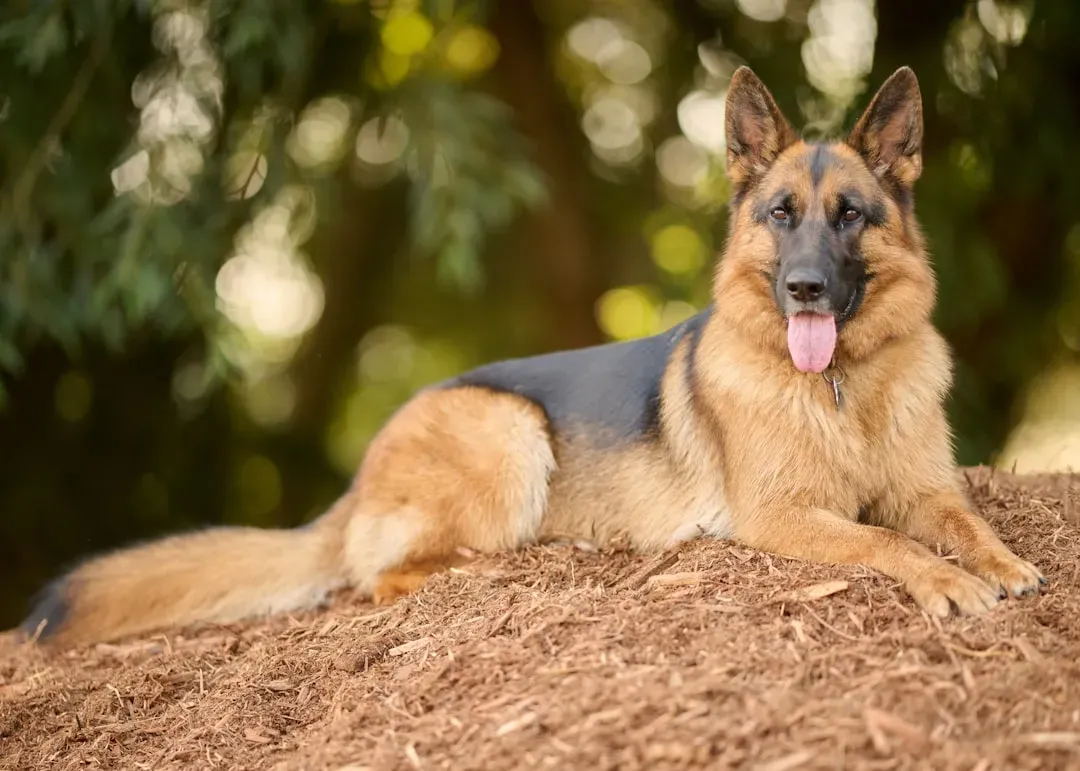
German Shepherds are courageous, fiercely intelligent, and among the most capable dogs ever bred. They’re phenomenal in police work, search-and-rescue, and as family protectors. As a companion for someone seeking relaxed retirement years, though, they’re a mismatched fit. German Shepherds are extremely high energy and need appropriate outlets. If you can’t keep up with vigorous exercise, Shepherds can wear you out quickly. German Shepherds can develop nervous or destructive behaviors if they don’t get enough exercise or stimulation.
One of the main reasons German Shepherds are one of the worst dogs for seniors is due to their shedding. The coat maintenance alone is a considerable ongoing task. Add to that their size, their need for firm leadership, and the emotional intensity they bring to every interaction, and you have a breed that demands a lot from its owner every single day, not just occasionally.
#6: The Jack Russell Terrier – Small Dog, Maximum Chaos
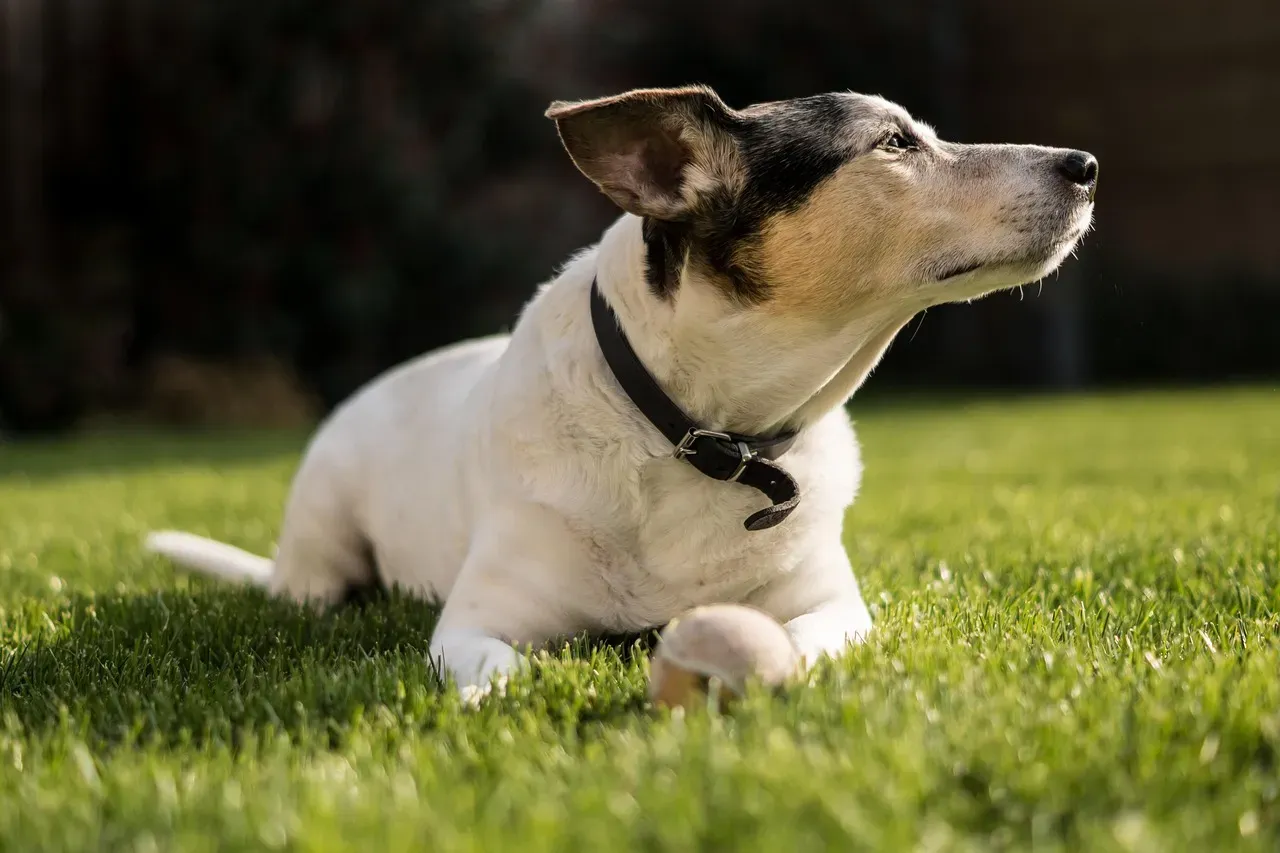
The Jack Russell Terrier is one of those dogs that seems perfectly sized for a quieter life – until you actually own one. Jack Russell Terriers are very hyper, which is not ideal for seniors, especially those with limited mobility or simply trying to relax in retirement. The last thing you need is your pup driving you up a wall during much-needed downtime in your golden years.
Despite their small stature, Jack Russell Terriers are remarkably energetic and independent. They require ample playtime and can exhibit a stubborn streak, making them quite a handful. Their high energy means they need frequent, vigorous exercise, which might not be feasible for someone who struggles with mobility or cannot commit to daily intense play sessions. Their hunting instincts also make them tricky around other small pets, adding another layer of management to an already demanding breed.
#7: The Doberman Pinscher – Power That Requires a Firm Hand
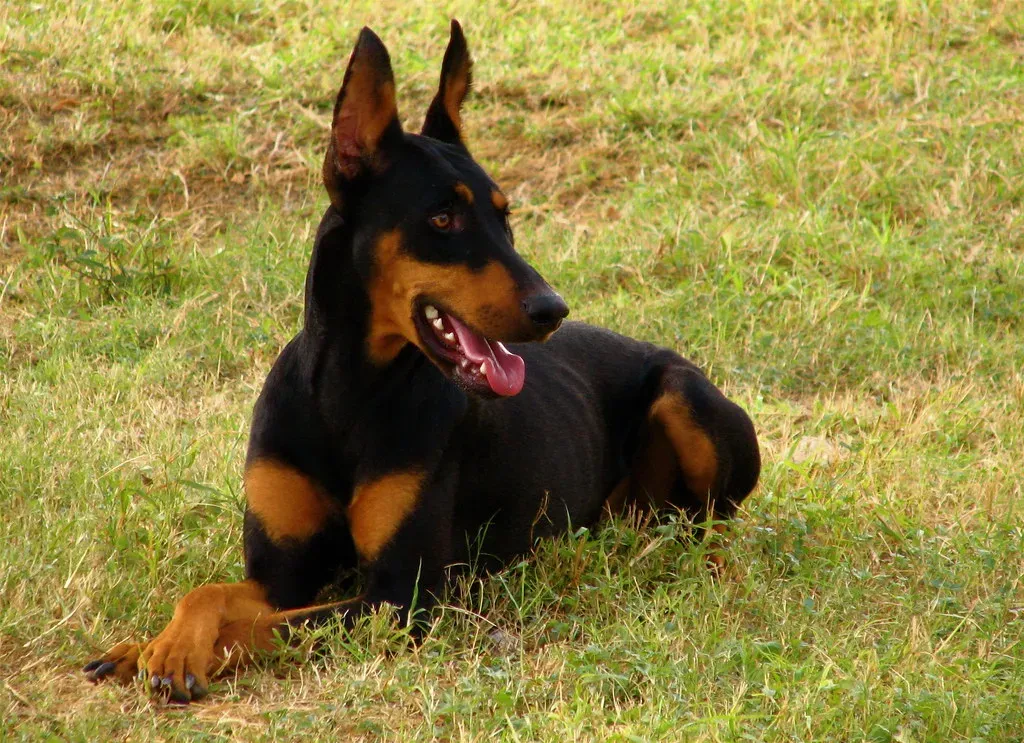
Dobermans are sleek, smart, and fiercely loyal to their families. In the right environment, with the right training, they can be exceptional companions. The key phrase there is “the right training,” because without it, this breed presents real challenges. They have a side to them that can be pushy and destructive, which is why these are one of the worst dogs for seniors. Seniors may not have the ability or space to properly train this dog, which is key to being able to manage them.
Due to their large size and high energy levels, two hours of daily exercise is required. It takes a lot for this breed to get tired so they need a rigorous exercise routine for all their pent-up energy. Even grooming holds surprises: unique to Dobermans, ear cleaning is required in their grooming routine every few days. Cumulatively, the physical demands, the training requirements, and the strength of the animal tip the balance firmly away from a good senior match.
#8: The Dalmatian – Tireless Energy With a Stubborn Side
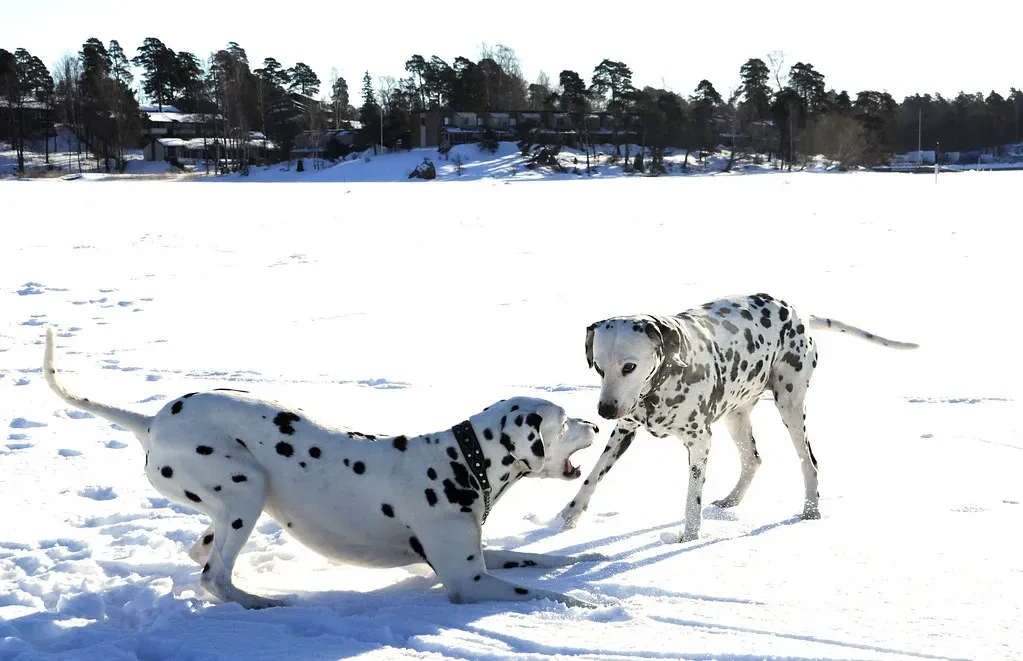
Dalmatians are striking-looking dogs with genuine warmth for their families. They’re also one of the highest-energy breeds on the planet, which is exactly why they end up on this list. Dalmatians need lots of outdoor exercises, and they can be destructive and difficult to train. They are also very high-maintenance, and they shed all throughout the year.
The combination of year-round shedding, difficult trainability, and a near-inexhaustible need for physical activity is a heavy ask at any age. Dalmatians are definitely a sight to behold with their spotty ears and charming nature, but these carriage dogs of the past have high energy levels and need plenty of exercise daily. For someone over 50 hoping for a steady, manageable companion, a Dalmatian is more likely to add stress than reduce it.
—#9: The Cavalier King Charles Spaniel – The Gold Standard for Seniors

If there’s one breed that appears at the top of nearly every credible list of senior-friendly dogs, it’s the Cavalier King Charles Spaniel. The Cavalier King Charles Spaniel leads virtually every U.S. veterinary and senior care organization’s recommended list because it combines gentle temperament, indoor adaptability, and low daily care requirements in a single 12 to 18 pound package.
The Cavalier King Charles Spaniel is widely regarded as one of the best companion dogs for seniors due to its gentle, emotionally sensitive, and non-aggressive nature. This small breed naturally adapts to its owner’s lifestyle. Whether a senior is active or prefers a calm, home-centered routine, Cavaliers tend to match that pace rather than disrupt it. One of their greatest strengths is their predictability. Cavaliers rarely show extreme behaviors, making them a stable and dependable choice for seniors seeking a calm companion.
#10: The Shih Tzu – Devoted, Gentle, and Content Anywhere
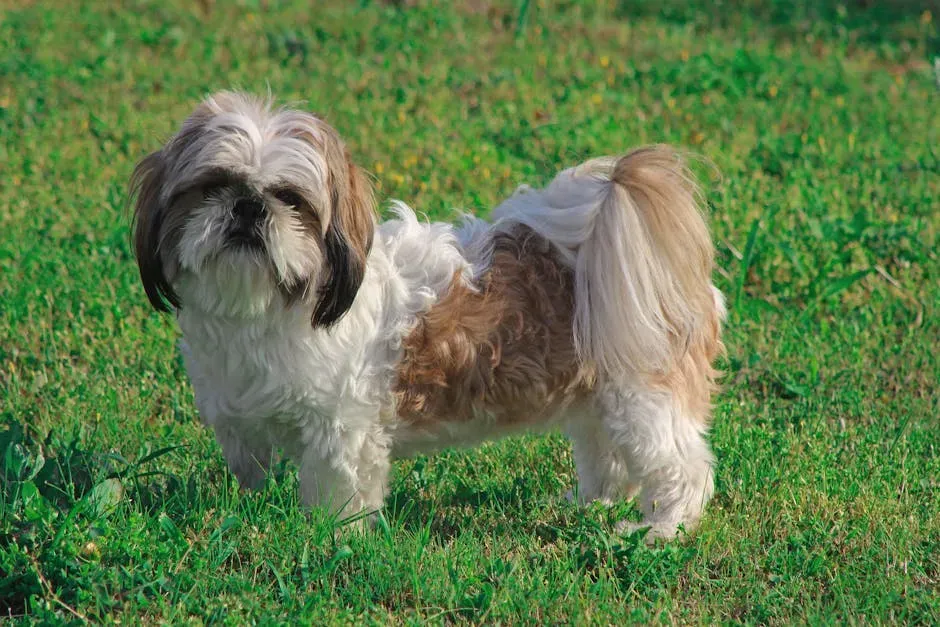
The Shih Tzu was literally bred for companionship, originating as a palace dog in ancient China, and that purpose hasn’t changed much. Shih Tzus are one of the best dog breeds for older people, as they bring lots of affection and a gentle nature to the table. Their small size and average weight of 10 to 18 pounds makes them easy to handle, and a perfect size for living in a flat or small home.
The Shih Tzu is another great dog for older adults. These dogs are friendly, calm, and adapt well to indoor living. They also have a moderate energy level, meaning they enjoy walks but don’t require extensive physical activity. Their long coat does require regular grooming, but many owners opt for a shorter trim, which cuts the maintenance down significantly. For someone wanting consistent, warm companionship without the drama, a Shih Tzu is a genuinely excellent choice.
#11: The French Bulldog – Low-Key, Loving, and Apartment-Ready
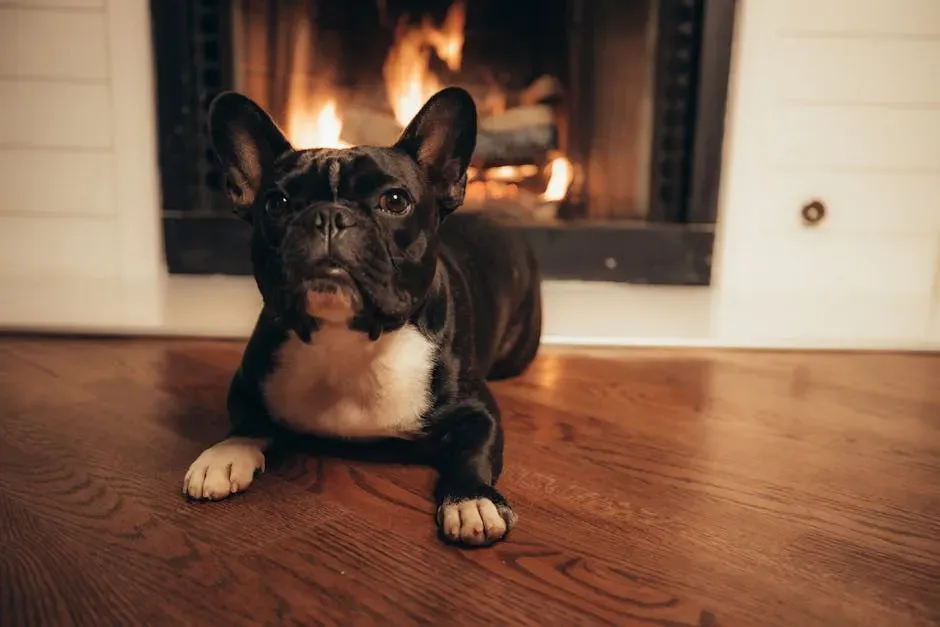
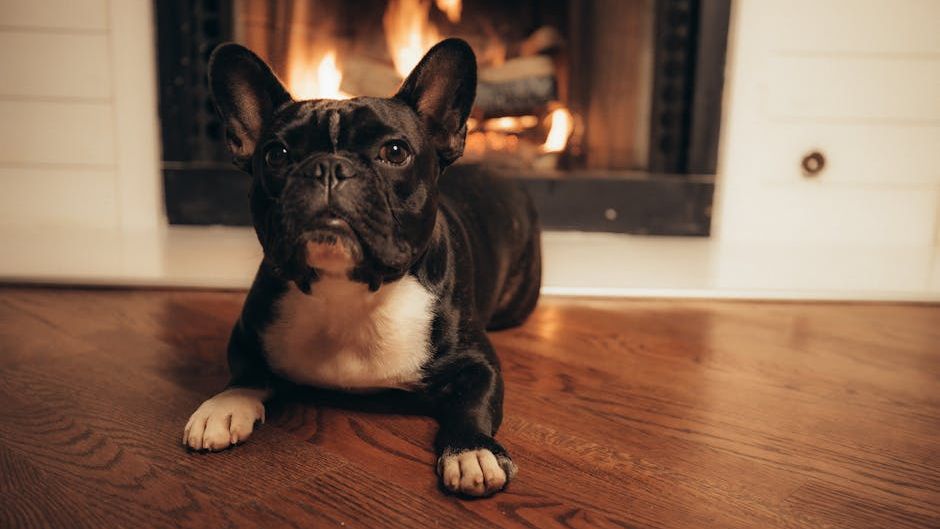
French Bulldogs have surged in popularity in recent years, and for good reason. They’re cheerful, compact, and require far less exercise than most breeds. For older adults seeking a low-energy, low-maintenance dog, the French Bulldog is a perfect fit. These dogs are loyal and friendly, with a calm temperament that suits apartment living or smaller homes. French Bulldogs do not require extensive exercise, and additionally, they have minimal grooming needs, making them an easy breed to care for.
They’re great watchdogs because of their alertness, but they don’t tend to bark a lot and don’t require a lot of outdoor exercise. The French Bulldog leads apartment suitability rankings because it is the quietest of the recommended small breeds, rarely barking and maintaining an even disposition. One note worth flagging: Frenchies can be prone to certain respiratory health issues, so choosing a reputable source and keeping up with vet visits matters here.
#12: The Bichon Frise – Cheerful, Hypoallergenic, and Easy to Love
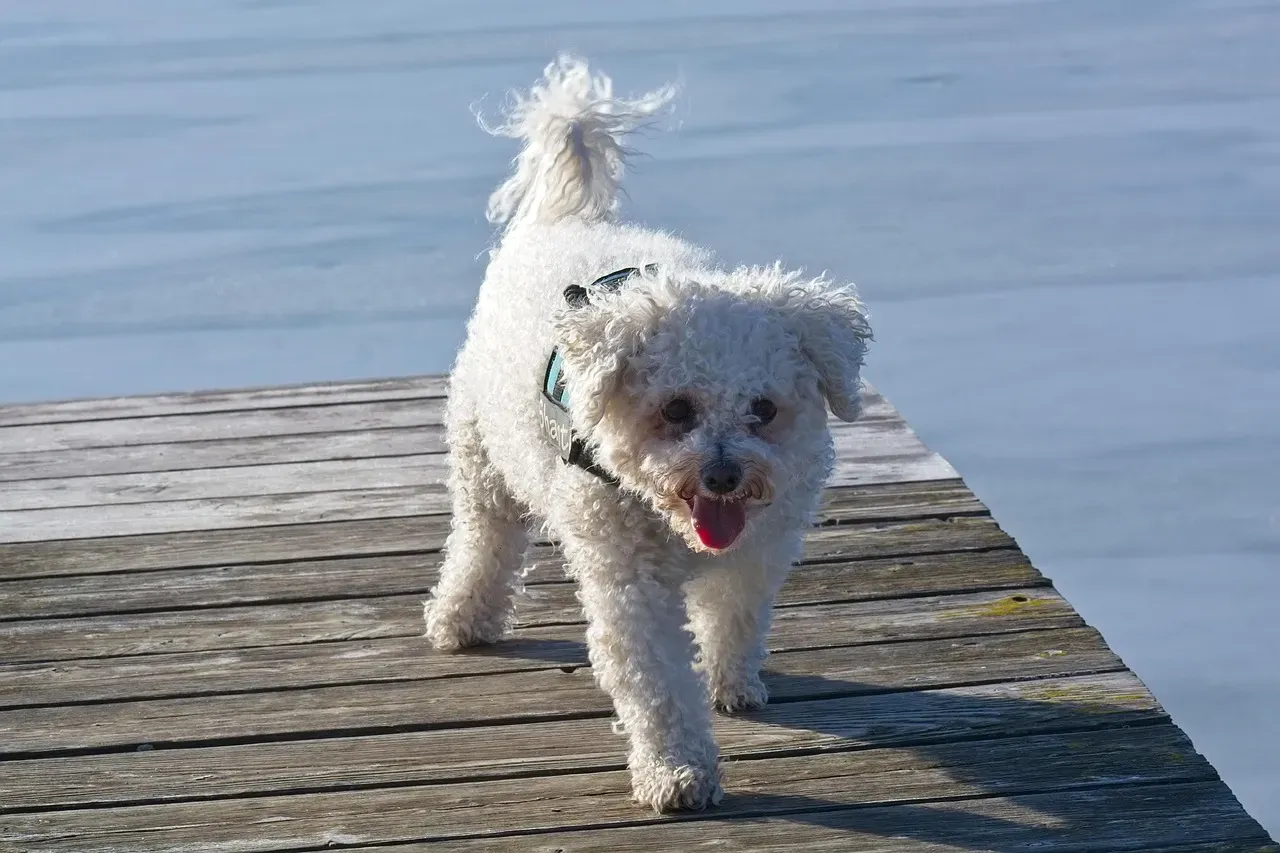
The Bichon Frise brings a rare combination of practical advantages and genuine warmth. The Bichon Frise combines a friendly, playful personality with practical benefits for senior owners. These small, fluffy companions typically weigh 12 to 18 pounds and are known for being one of the most cheerful breeds. Bichon Frises shed minimally, which keeps homes cleaner and reduces allergen concerns.
The Bichon Frise is a friendly, playful breed that thrives on companionship. These dogs are small and easy to manage, making them a good choice for older individuals. While they enjoy playtime and light activity, they can adjust to the energy level of their owners. In addition, the Bichon Frise is hypoallergenic, which makes them an excellent choice for seniors with allergies. That’s a detail that matters more than people often realize – especially for anyone who’s spent years avoiding dogs precisely because of that concern.
#13: The Maltese – Small, Serene, and Built for Companionship
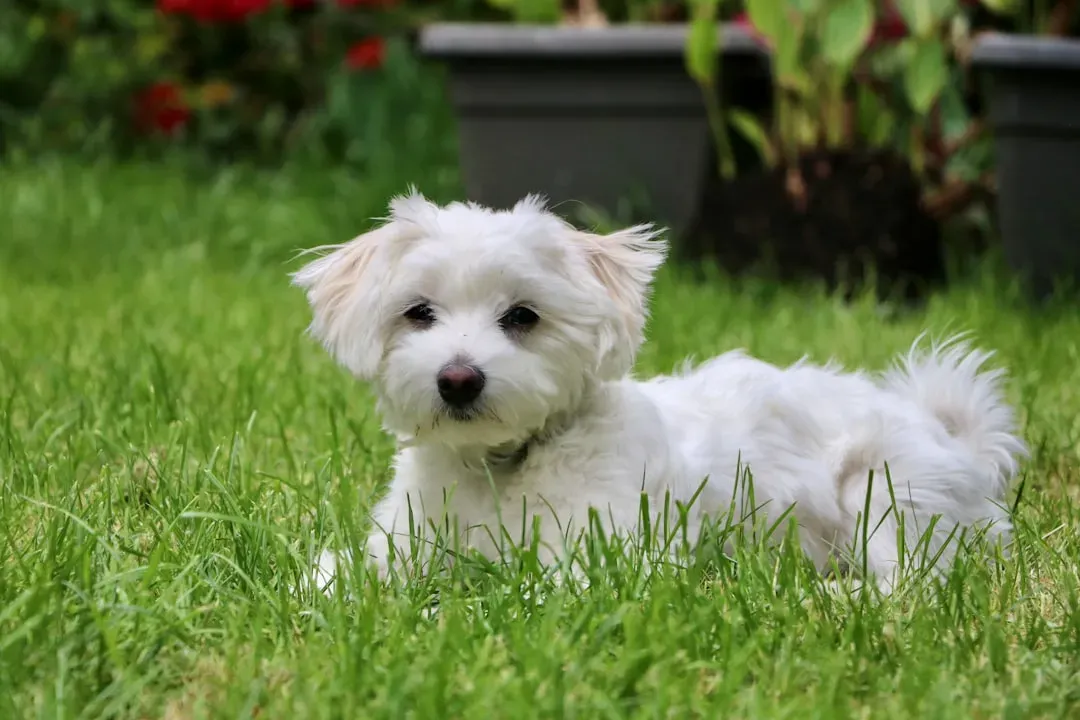
There’s something quietly perfect about the Maltese as a senior companion. The Maltese is a small, lightweight dog that offers gentle companionship without placing physical strain on its owner. Because of its tiny size, it is easy to carry, transport, and manage – an important advantage for seniors who may have mobility limitations.
The Maltese also adapts easily to small living spaces and does not require access to large outdoor areas, making it an ideal companion for apartment or compact home living. Having Maltese dogs in your golden years will bring calmness and long-lasting companionship, as they normally live around 12 to 15 years. That lifespan is worth considering too – adopting a breed that will genuinely be with you for years to come gives the relationship real continuity and depth.
#14: The Greyhound – The Surprising Couch Dog
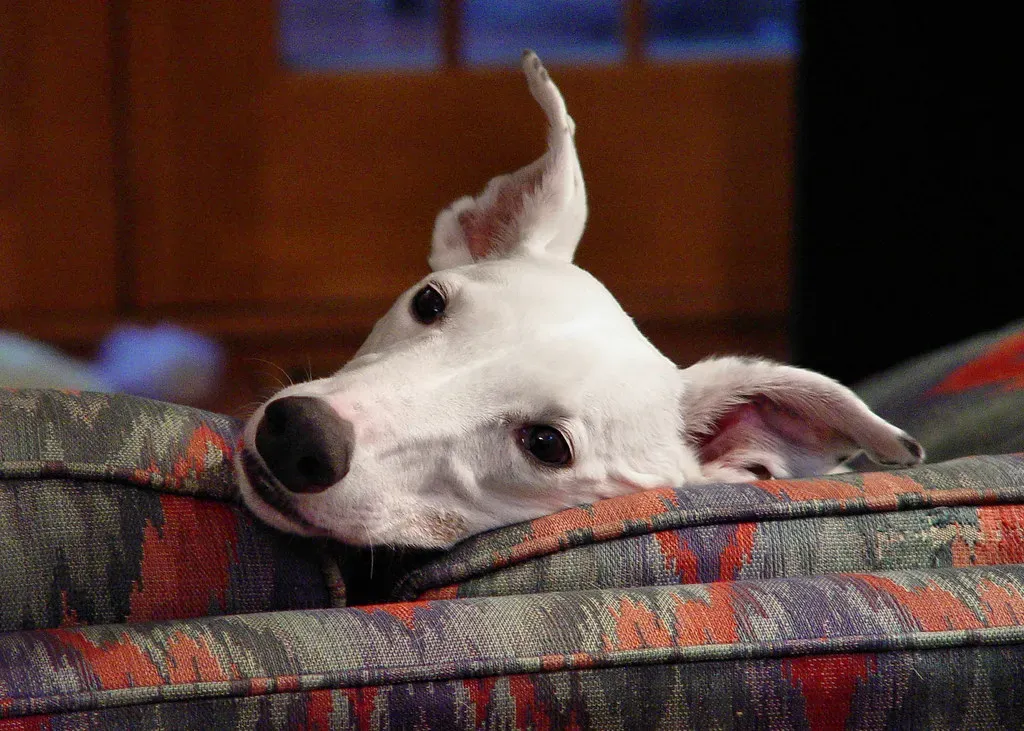
Most people’s first reaction to Greyhounds is skepticism. They’re racing dogs, aren’t they? Won’t they need endless running? The reality is almost the opposite. Although Greyhounds are famous for racing, they are actually among the calmest and least active adult dogs at home. They are often described as loving companions and are commonly called “couch dogs” because they enjoy long periods of rest after short bursts of activity.
Despite their athletic history, Greyhounds are loyal and calm companions that typically only need one or two short walks per day. This makes them a great choice for seniors who want a larger dog without high energy demands. They have short coats and are naturally clean dogs, making grooming simple and low-maintenance. For someone who’s always wanted a larger dog but worried about the demands that usually come with one, the Greyhound is genuinely worth a serious look.
The Right Dog Changes Everything
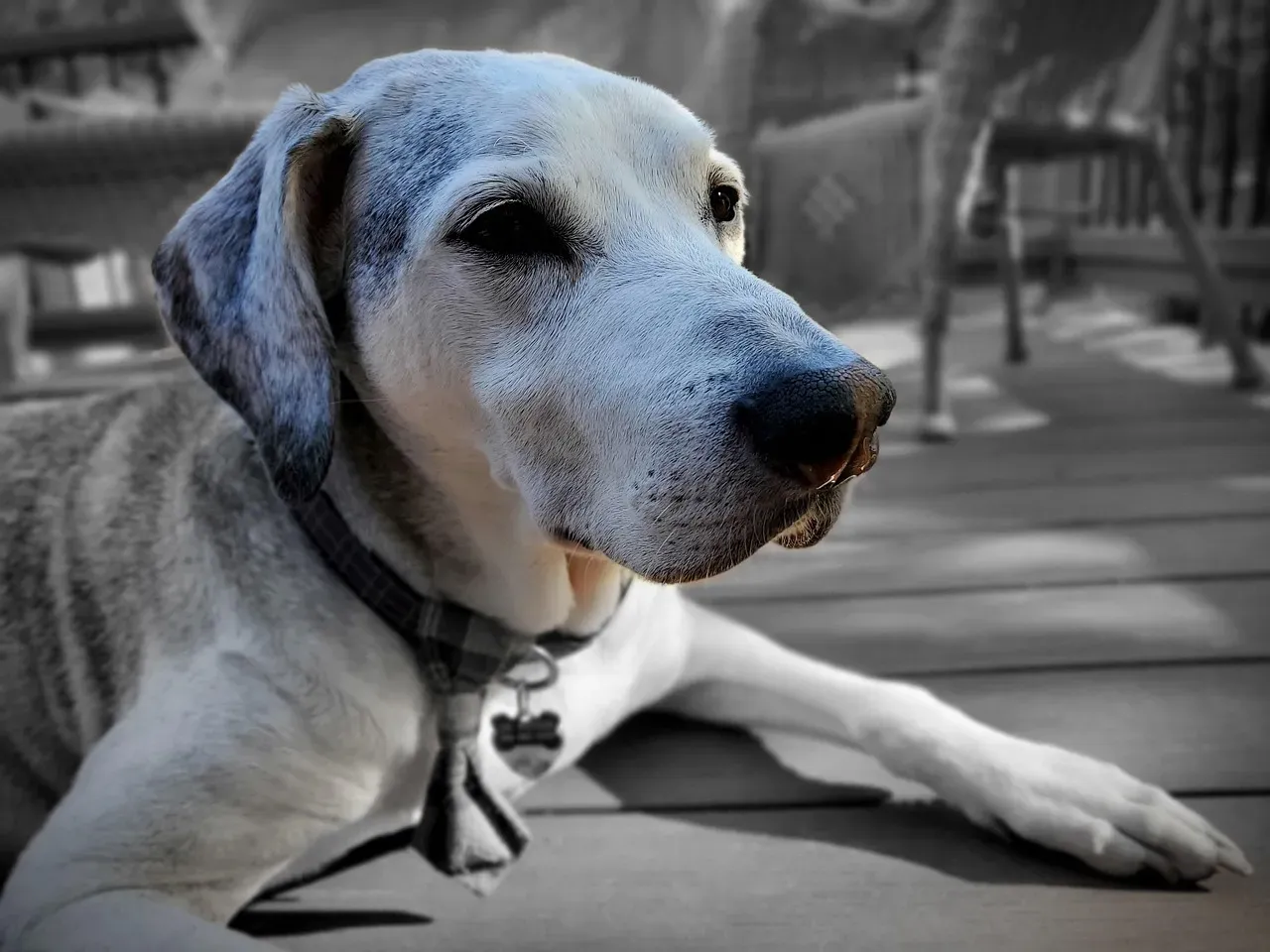
This isn’t a list designed to discourage anyone from getting a dog. It’s meant to do the opposite – to make it far more likely that the decision sticks, stays joyful, and doesn’t turn into an exhausting mismatch that leaves both owner and animal worse off. The bottom line is that the dog you adopt should be adaptable to your current lifestyle and physical capabilities. That’s not a compromise; that’s wisdom.
Adopting a senior dog may be a great move for older adults, since puppies may be a lot of work. Senior dogs, many of which are surrendered to shelters and rescues for the wrong reasons, are typically already house-trained, spayed or neutered, and have many of the vaccines that are necessary to get as a puppy. A calmer, already-trained adult dog from a shelter may well be the best match of all – less stress, more connection, and often a bond that forms surprisingly fast.
Ultimately, the breeds to avoid aren’t bad dogs. They’re just dogs built for a different life stage, a different energy level, a different kind of owner. The six breeds to consider, on the other hand, were practically made for the kind of steady, affectionate companionship that becomes even more meaningful as the years go on. Pick the right one, and you’ll wonder why it took you this long to bring one home.


