

#1: They Position Themselves Strategically Between You and the Door
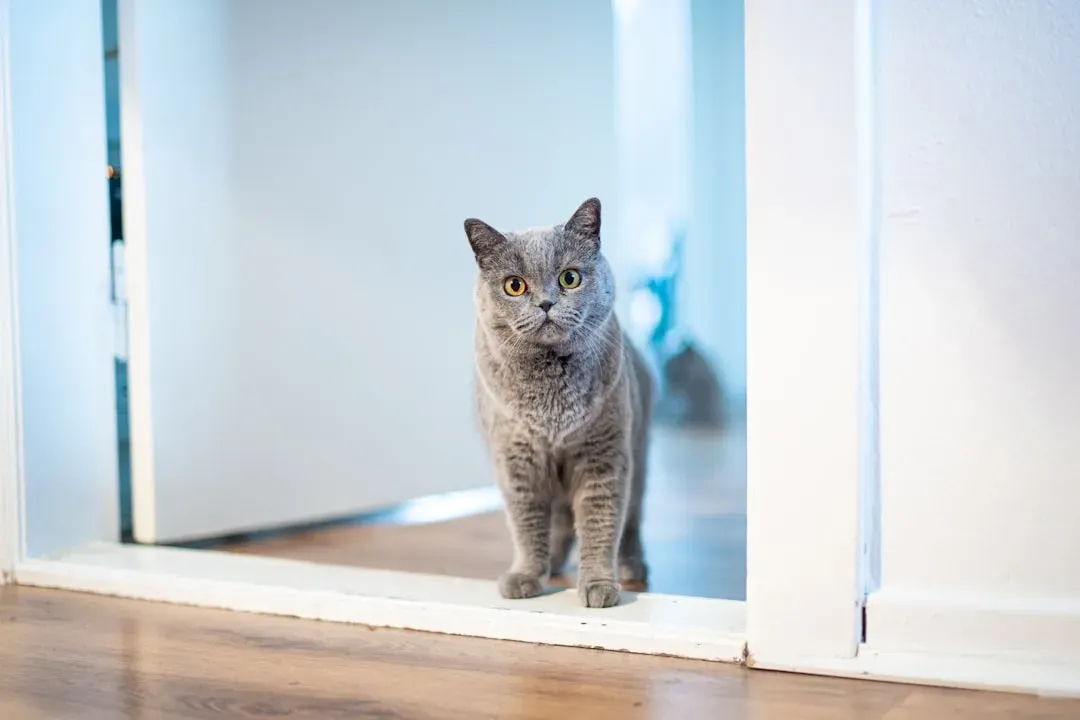
If your cat consistently settles near the entrance to your bedroom or at the foot of the bed rather than curling up beside you for warmth, that placement isn’t random. While cats may not actively patrol like guard dogs, they demonstrate protective behaviors in more subtle ways, and many cats choose sleeping positions that allow them to monitor their surroundings while staying close to their owners.
Cats are well aware that they, and their humans, are vulnerable when sleeping. Staying close by is one way for them to protect themselves at night. The area that they choose to sleep in can offer them a good view of the room so that they can be alerted at the first sign of trouble. Think of it less like a sleeping cat and more like a very small, very focused sentry who happens to look adorable.
Cats may position themselves between you and what they sense as a threat, such as new guests, loud noises, or even other pets. When that positioning happens consistently at night, it’s one of the clearest physical signs that your cat is doing something deliberate.
#2: They Stay Hyper-Alert to Sounds You Can’t Even Hear
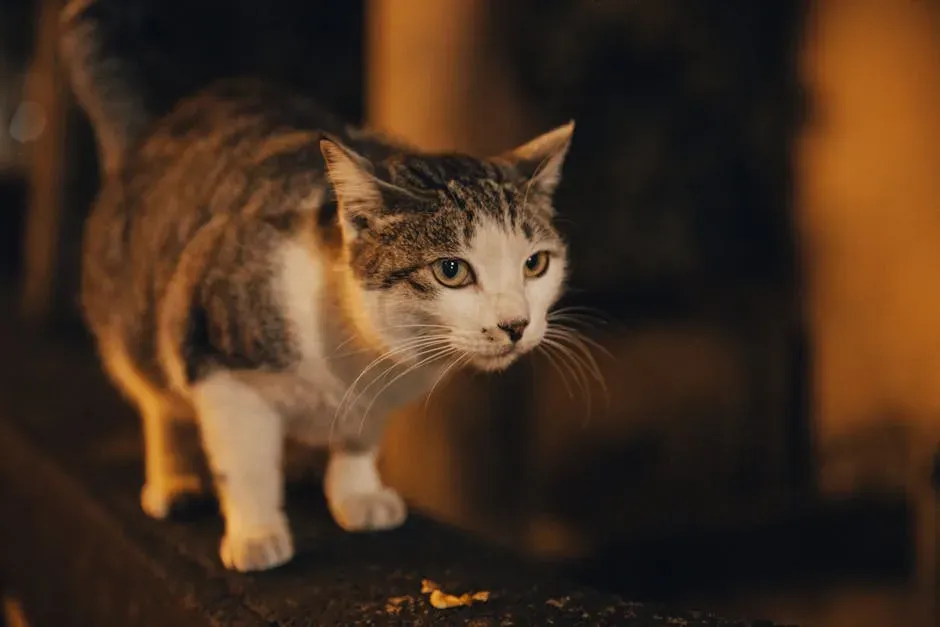
One of the more remarkable things about cats is that their sensory capabilities run well beyond what humans can perceive. Cats have extraordinarily sharp senses, with hearing being their forte. They can detect faint noises much earlier than we can. While they might not confront an intruder like a dog, their heightened awareness can serve as an early warning system.
Cats have very keen hearing. Even when you’re sound asleep, they remain alert. They will listen to sounds around them in the middle of the night, ready to respond to any possible noises. If they hear any suspicious sounds outside, they may jump up and go to the door or window to see if everything is safe.
Their superior night vision and acute hearing enable them to detect disturbances long before humans notice them. So the next time your cat suddenly snaps its head toward the window at midnight with those wide, locked-on eyes, something outside likely moved or made a sound you simply couldn’t register.
#3: They Periodically Check That You’re Still Breathing

This one surprises most people. Cats are natural observers. After you fall asleep, they might sneak up on you to check your breathing and sleep state. They may gently touch your face or hand with their nose to feel if you are breathing steadily. This behavior is their way of showing concern and protection for you. They want to make sure you are safe and sleeping soundly.
There are real-world cases that underscore how meaningful this instinct can be. In 2018, a woman named Sam Felstead was saved by her cat Billy in the early morning. Sam woke up covered in sweat, unable to move, and feeling a shooting pain down her right side. Billy, normally a quiet and solitary cat, was meowing loudly on Sam’s chest, refusing to leave her side.
Sam was diagnosed with a mild heart attack and a blocked artery. Sam believes that Billy saved her life. A cat behavior expert noted that Billy may have picked up on Sam’s physiological changes, and his meowing showed anxiety in response to the situation. That’s not coincidence. That’s an animal reading distress signals with senses we don’t fully understand yet.
#4: They Vocalize or Wake You When Something Is Wrong
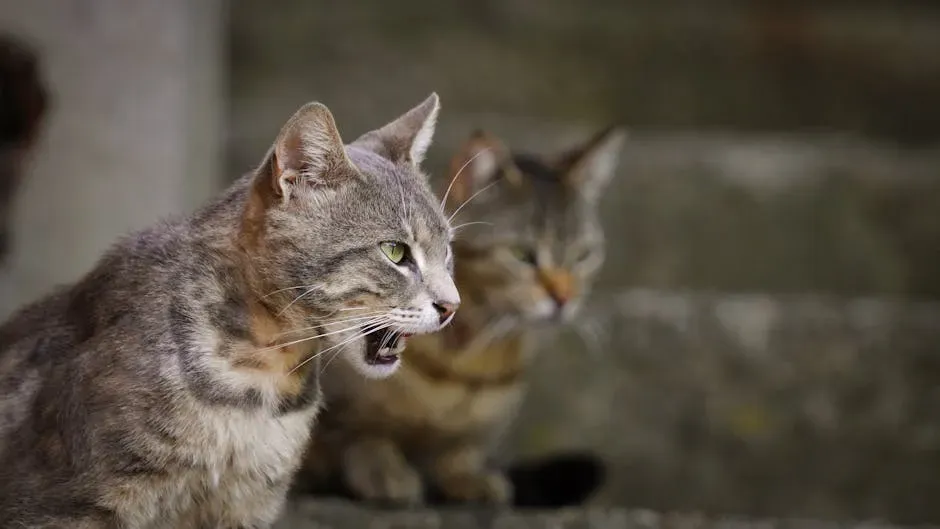
Cats can warn their owners of dangers while sleeping. Their acute senses allow them to detect environmental threats, intruders, or emergencies before humans notice them. Many documented cases show cats alerting their owners to fires, medical emergencies, and other dangerous situations. This isn’t mythology. It’s documented behavior that has saved lives.
A Florida family cat emerged as an unexpected hero by alerting owners about the dangerous presence of carbon monoxide. The odorless and colorless nature of this gas makes it a silent killer. One night, as the lethal gas filled the family’s home, the cat, sensing the danger, acted urgently. Displaying atypical behavior, either through loud meows or persistent pawing, the feline managed to wake its owners. Feeling the early poisoning symptoms, the family promptly evacuated and called for medical help. Their cat’s keen senses and timely intervention prevented what could have been a tragic event.
Cats display protective behaviors through strategic positioning, alertness to unusual sounds or movements, and staying close to their owners. They may react to potential threats with vocalizations, defensive postures, or by attempting to wake their owners. An unusually loud, persistent, or frantic meow in the night is almost always your cat trying to communicate something, not just asking for attention.
#5: They Conduct Quiet Nighttime Patrols of Your Home

You’ve probably woken up to the soft padding of paws moving through your house in the dark, only to find your cat by the window or sitting at the top of the stairs, utterly composed. Cats’ ancestors were nocturnal animals. Although domestic cats no longer need to hunt at night, they still retain their nocturnal habits. After you fall asleep, your cat may “patrol” your home, checking each room for any unusual activity. They may walk lightly or jump onto the windowsill to check the situation outside, faithfully playing the role of “home guardian.”
Cats are naturally territorial creatures, and this instinct extends to protecting their human family members. Their evolutionary history as both predator and prey has equipped them with exceptional sensory capabilities that make them excellent nighttime sentinels. The patrol isn’t random restlessness. It’s territorial behavior aimed at keeping the shared environment secure.
Cats can sense even minor changes in their atmosphere, so having a pet cat isn’t all that different from having a guard dog. Just because they don’t bark when they see an intruder doesn’t mean they aren’t warning you. Their warnings are simply quieter, more nuanced, and easy to miss if you’re not paying attention.
What All of This Actually Means
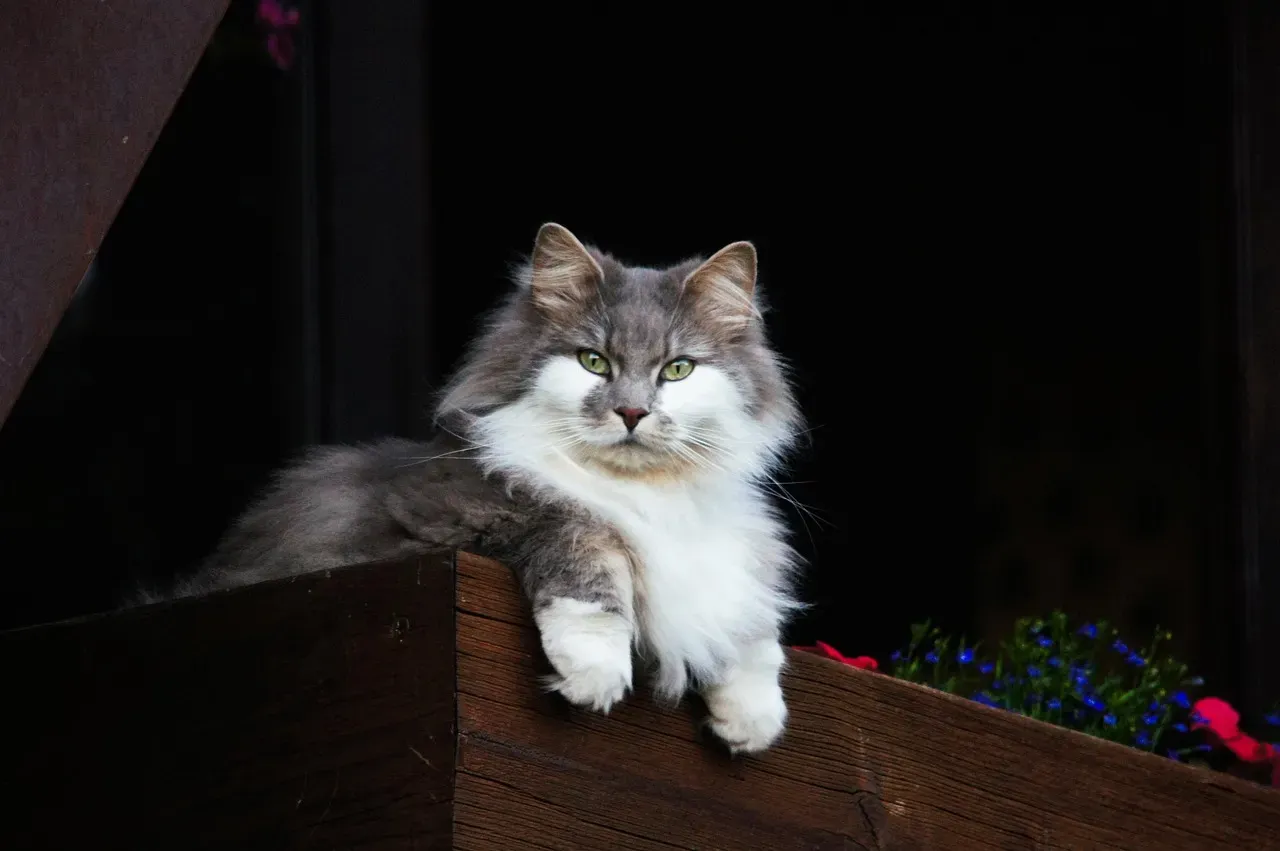
It’s worth being honest about the limits here. It’s important to remember that cats don’t think in the same way as humans do. If your cat is protecting you in some way, it’s more likely a matter of their survival than yours. They’re simply following instincts that remind them that you, as the food-giver, are needed to continue surviving. That’s the unsentimental version of events, and it deserves to be said plainly.
Still, the outcome is essentially the same whether the motivation is pure affection or practical self-preservation. While cats may not be conventional guardians like dogs, they do offer a unique form of protection through their natural instincts, acute senses, and emotional bonds with their owners. Understanding and appreciating these protective behaviors can help strengthen the special relationship between cats and their human companions.
One study found that when it comes to cat-human relationships, they’re almost on par with human-human relationships. Cats place value on their social groups, which can include the humans around them. With this combination, you’ll find that cats certainly can be protective. Whether that protection is instinctual, emotional, or somewhere in between, it’s real, and the documented cases of cats saving lives make a compelling argument that we’ve been underestimating these animals for a long time.
In the end, your cat sitting at the foot of the bed while you sleep isn’t just a quirk of feline nature. It’s a behavior shaped by thousands of years of instinct, sharpened senses, and – whatever the scientists ultimately decide about cat emotions – something that functions an awful lot like loyalty. You don’t have to romanticize it to appreciate it. The protection is there, even if it arrives on four quiet paws and never announces itself.


