
9 Dog Breeds That Refuse to Leave Your Side When You’re Crying
#1. Golden Retriever
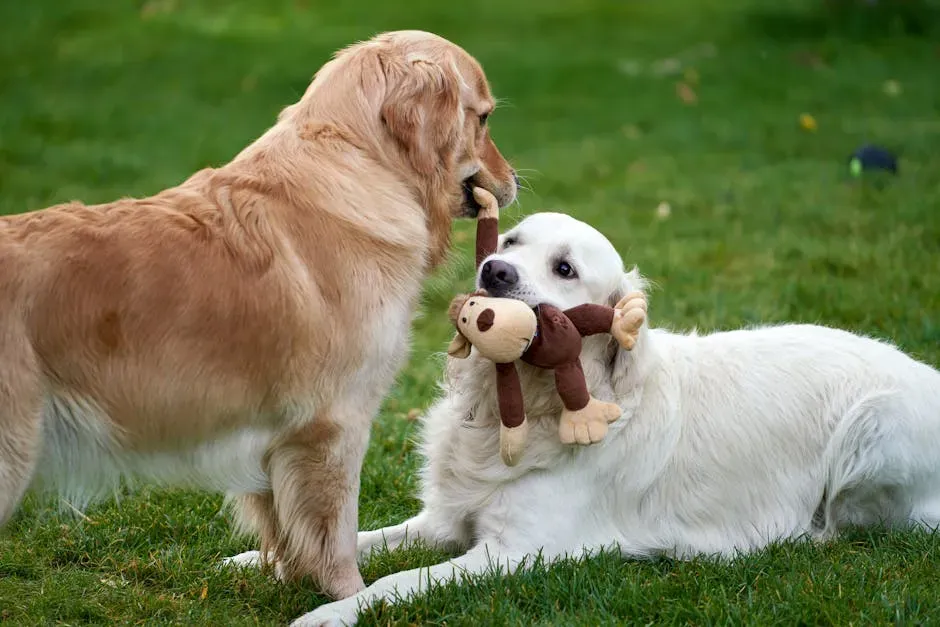
Golden Retrievers often fit well as emotional support animals because of their calm nature and desire to help. They have a level of emotional intelligence that allows them to sense moods and quietly act in comfort. In everyday life, a Golden might walk in and place its head gently on your lap, or quietly stay at your feet when you’re feeling down. There’s no drama in how they do it. They simply show up and stay.
Hospitals and therapy centers often use Golden Retrievers as therapy dogs because this breed accounts for thousands of certified “comfort-canine” teams, thanks to their emotional sensitivity. Known for their friendly and gentle nature, Golden Retrievers are highly sociable and compassionate dogs with a natural instinct to comfort and connect with people. If you’ve ever needed a dog that treats every hard moment like it deserves full, undivided attention, this is the breed.
#2. Labrador Retriever
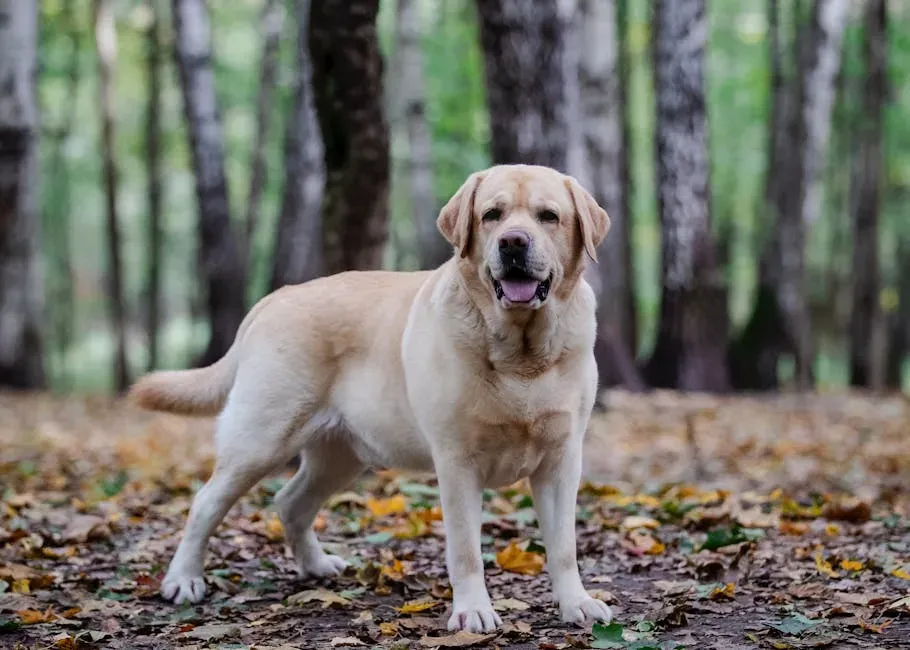
Labrador Retrievers are often called nature’s empath because they sense human moods and respond with tenderness. These dogs are friendly, outgoing, and deeply people-oriented, making them ideal companions in everyday life. Their emotional responsiveness feels less like a trained behavior and more like an instinct they were simply born with.
When someone is sad or stressed, many Labs will quietly stay nearby or nudge you, almost as if they know you need a friend. They become part of your daily rhythm, walking beside you, curling at your feet, or joining your couch time. Because they crave human companionship and form strong bonds, people often say Labs feel like a family member rather than just a pet. That distinction matters more than it might sound.
#3. Cavalier King Charles Spaniel

These small dogs are big on love and emotional awareness. Cavaliers were bred to be close companions, and their sweet, soulful eyes seem to scan your face for clues on how you’re feeling. They’re gentle, affectionate, and always ready to snuggle when you’re down or quietly lay by your side when words are too much. Their size makes them feel like a living comfort object, soft and warm and entirely focused on you.
These dogs were named after royalty and bred specifically to be companion dogs, so being an emotional support animal is in their genes. They’re superb at providing comfort and affection, and their soulful eyes and floppy ears can warm any heart. As a low-stress breed, Cavalier King Charles Spaniels are gentle, affectionate, and naturally suited to providing emotional support, and their calming presence and love for human company make them excellent companions for anyone looking for a soothing dog.
#4. Poodle
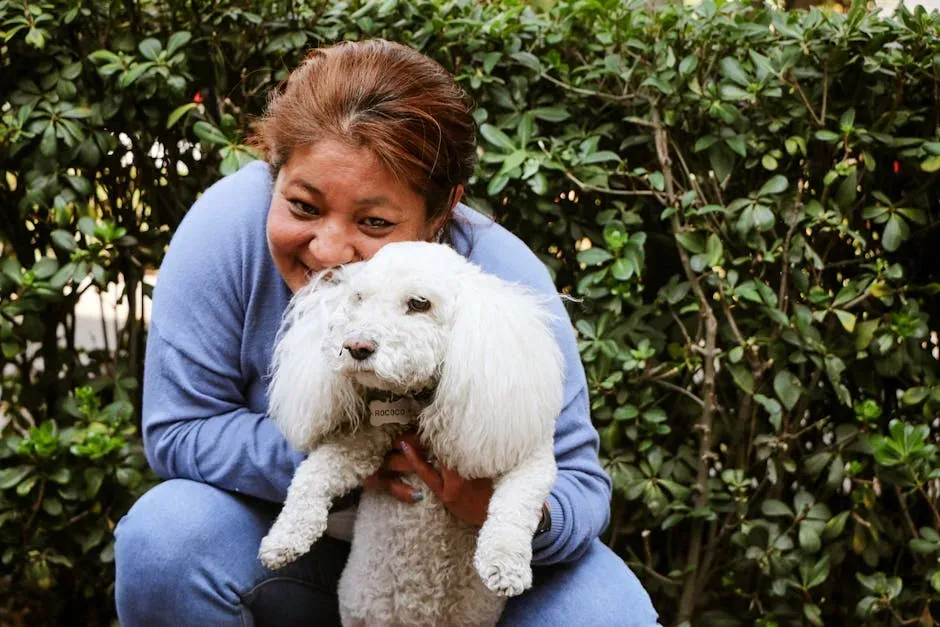
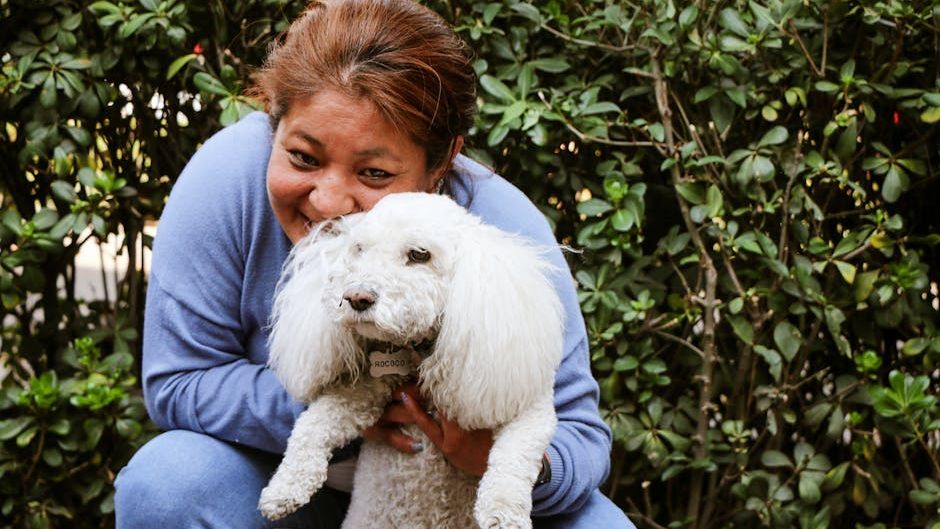
Poodles are known for their exceptional intelligence, which pairs with a deep emotional sensitivity. They pick up on body language, tone of voice, and small mood shifts, and then respond with comfort or enthusiasm. It’s a combination that makes them almost eerily perceptive. You don’t have to be weeping openly for a Poodle to know that something is off.
Whether it’s a quiet sigh or a restless night, a Poodle often responds with gentle affection, sometimes nudging you or leaning in close for a cuddle. Their sensitivity makes them excellent therapy dogs, frequently visiting hospitals and nursing homes to offer comfort to those in need. Poodles form strong bonds with their families, and their loyalty shines brightest during emotional highs and lows. They seem to have an internal barometer for tension and sadness, instinctively knowing when to provide comfort or distraction.
#5. Bernese Mountain Dog

Bernese Mountain Dogs possess several key traits that make them well-suited as emotional support animals. They are known for their calm and gentle demeanor, unwavering loyalty, and their innate ability to provide comfort and companionship to their owners. There is something grounding about their sheer size combined with how softly they carry themselves around the people they love.
They are a very sensitive breed. All you need to do is show them that you are disappointed, raise your voice, or change your tone, and they immediately respond. Because they are so sensitive, they are often the first ones at your side if you are upset or not feeling well. Their affectionate nature extends to their communication style, and they are known to express themselves with a gentle nudge or by resting their broad heads against you, making them adept at non-verbal affection. That quiet gesture can mean more than any spoken word.
#6. Vizsla

The Vizsla is affectionately known as the “velcro dog” because it sticks so closely to its people. This breed thrives on being included in the family circle, craving both activity and intimate companionship. Their emotional radar is keen, and they’ll notice when you’re upset or joyful and often position themselves to offer quiet comfort or join your fun without being asked. The instinct feels natural rather than trained.
In addition to being known for their athleticism and versatility, the Vizsla is a much-loved companion in many households thanks to their lovey-dovey, “stuck-on-you”-type personalities. They make wonderful companions for people in need of emotional support and who also need a bit of encouragement to get out and about. If you’re home a lot, a Vizsla will reward you with a bond that feels like a shared heartbeat. With their need for closeness, Vizslas excel in roles beyond just being a pet and become emotional anchors and true companions.
#7. Cavalier-Sized Heart: The Shih Tzu
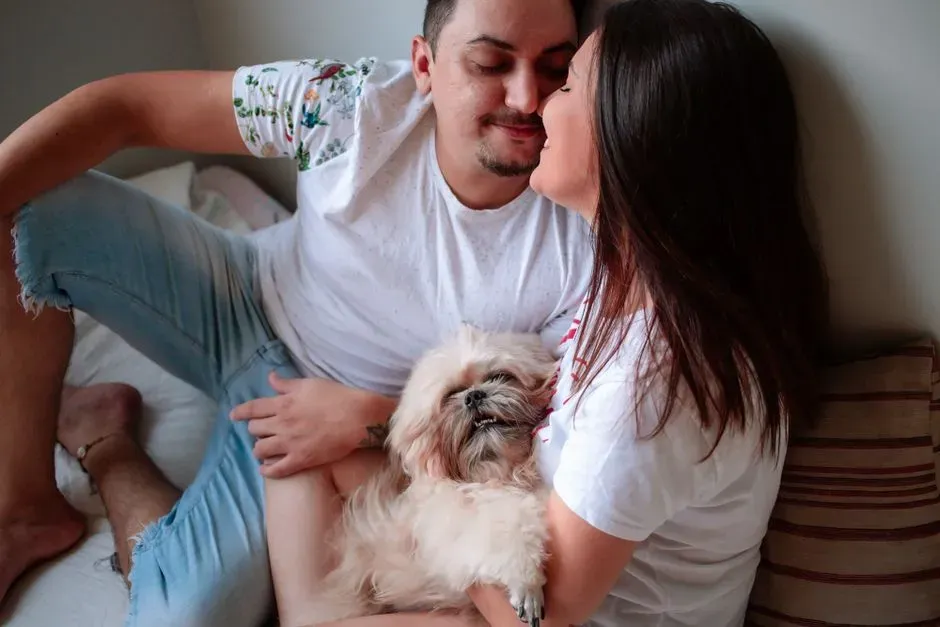
Shih Tzus are an ancient breed originally bred as companion dogs for Chinese royalty, and that history still shows in how deeply attached they become to their humans. They may be small in size, but they have an infinite amount of gentleness and affection. These dogs are always eager to be by your side. Spend an afternoon in tears and a Shih Tzu will be in your lap before you even realize they climbed up.
Their calm demeanor makes them especially comforting for people dealing with anxiety, sadness, or emotional overwhelm. Owing to their small size, they don’t need much space or exercise, which makes them great for people who stay indoors a lot or live in apartments. Shih Tzus love cuddling and will happily curl up beside you when you need emotional support most. It’s the kind of effortless closeness that never feels intrusive, only warm.
#8. Border Collie
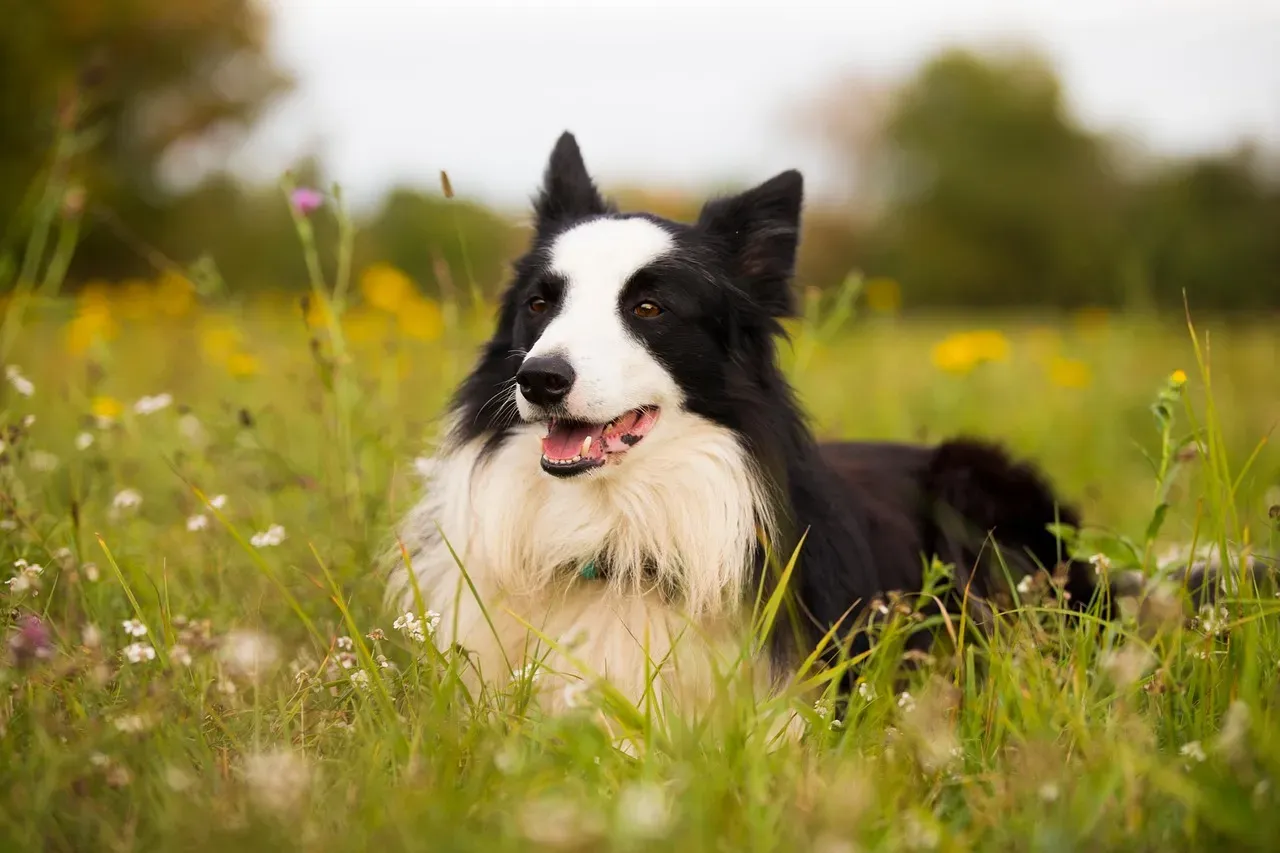
Border Collies are renowned for their intelligence and agility, but their sensitivity doesn’t end with herding sheep. These dogs are astonishingly in tune with human emotions, picking up on even the tiniest changes in your mood. Their keen observational skills mean they notice when you’re stressed, tired, or feeling blue, sometimes before you do. That level of awareness can feel startling the first time you experience it.
Border Collies often adjust their behavior to match your emotional state, whether that means bringing you a favorite toy to lift your spirits or sitting quietly by your side during a difficult moment. Their loyalty is unwavering, and they thrive on close relationships with their humans. Some owners say their Border Collie acts like a mind reader, always knowing when to offer comfort or space. The fact that they can tell the difference between those two things is, honestly, remarkable.
#9. Great Dane
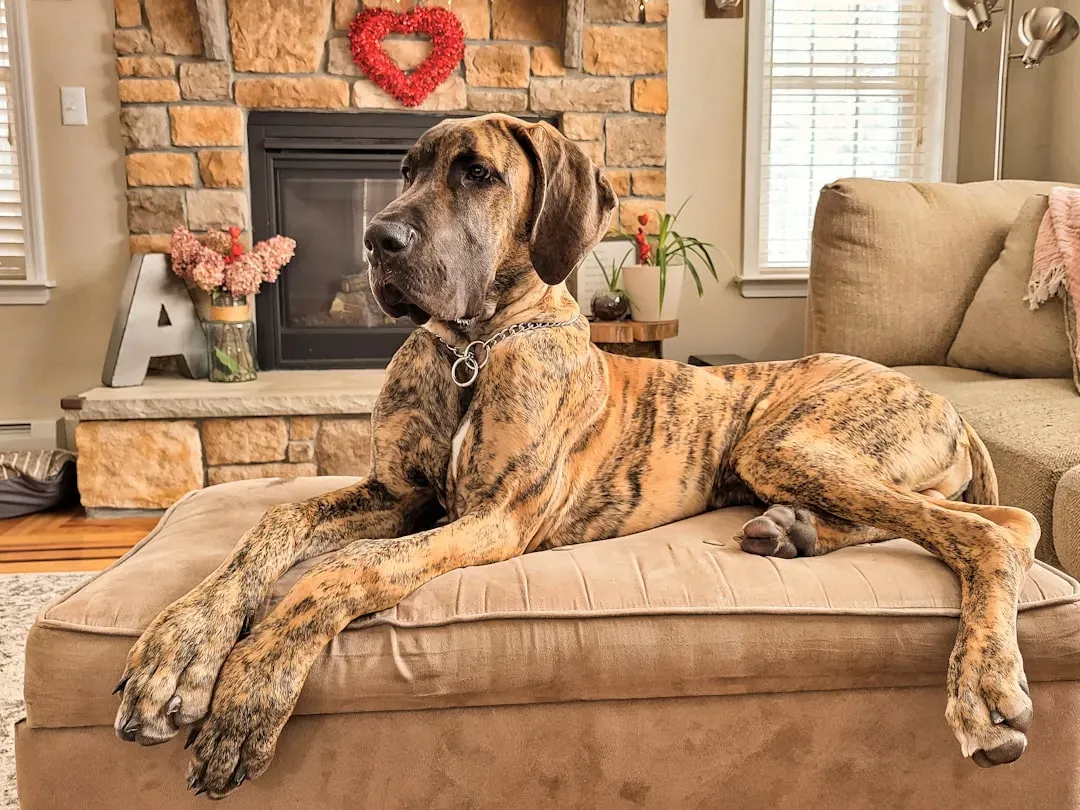
Many Great Danes are gentle, affectionate “leaners” who press their body against you like a weighted blanket. That body contact can feel grounding during emotional stress. Personality-wise, they’re often said to be calm, patient, and friendly, and their gentle disposition may be very soothing to someone going through tough times. The contrast between their towering frame and their tender nature is something Great Dane owners never stop marveling at.
The Great Dane is by no means unfriendly, but their loyalty, protection, and affection lie with you first. They tend to be aloof with people they don’t know, yet incredibly friendly with their human. Don’t be fooled by the Great Dane’s enormous physique and intimidating appearance: many won’t hesitate to hop up next to you, or even on you, for a big cuddle. When you need something solid to lean against, few things in the world compare to two hundred pounds of devoted dog who simply refuses to leave your side.
What This All Comes Down To
Every breed on this list shares one quality that matters more than size, coat, or energy level. Dogs were the first species to become domesticated and have lived with humans for thousands of years. During this long period, they have observed our every mood and emotion, and the ability to read human emotions has helped them develop as a species, which is why they now enjoy their unique status as man’s best friend. Choosing a breed with deeper emotional attunement simply amplifies something that was already there.
The truth is, a dog doesn’t fully understand the concept of a broken heart or a hard diagnosis or a loss that won’t heal quickly. What they understand is that you are hurting, and that the right thing to do is stay. That instinct, simple and unshakeable, is something no breed manual can fully capture. It has to be felt. And if you share your life with one of these nine breeds, chances are you already know exactly what that feels like.