
#1. It Goes All the Way Back to the Pack

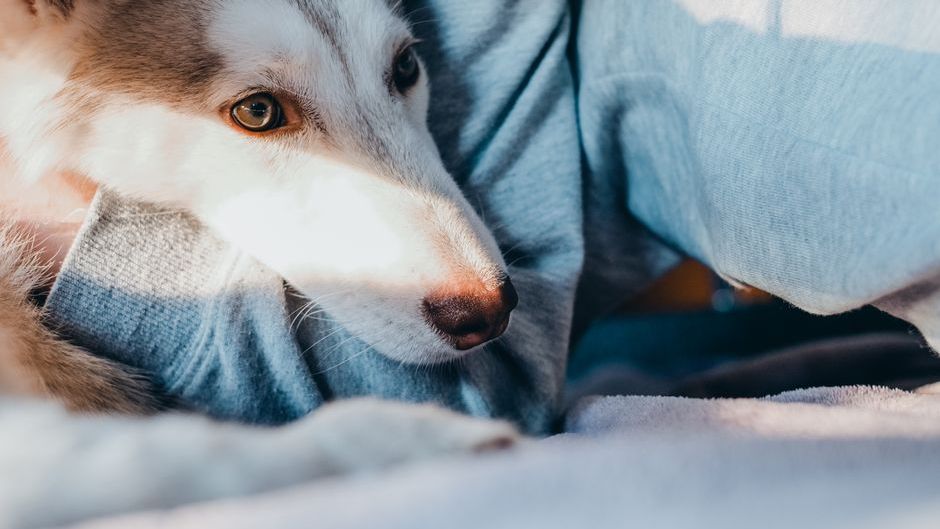
Dog pack instinct refers to the natural and instinctive behaviors exhibited by dogs derived from their ancestry as pack animals. Dogs are descendants of wolves, which are highly social animals that live in family groups known as packs. Even though domestic dogs have been living with humans for thousands of years, many of their behaviors are rooted in their pack instincts. That pull to stay close didn’t disappear when dogs moved into our homes. It just redirected toward us.
For domesticated dogs, their human family often becomes their “pack.” They look to you, the owner, for guidance, protection, and social interaction. Your pup sees their human as the pack leader, and sticking close by means safety, comfort, and connection. So when you close that door behind you, your dog might feel left out of the “pack activity” and rush to join you. It’s not dramatics. It’s deeply rooted biology expressing itself in modern form.
#2. Your Dog’s Nose Thinks the Bathroom Is Extraordinary
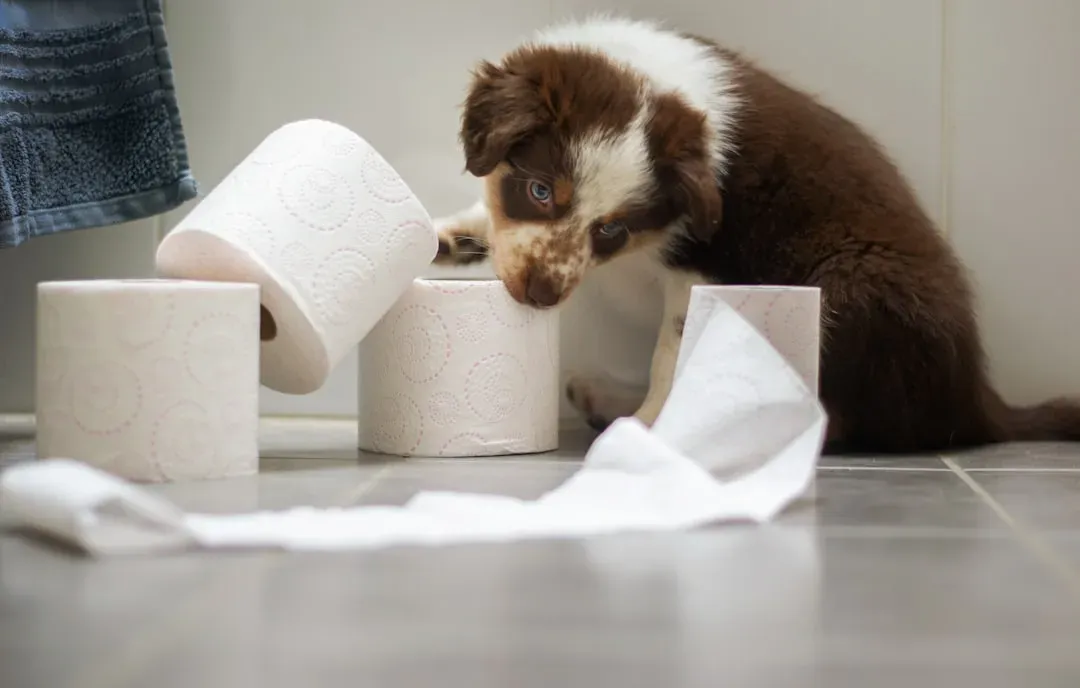
The dog sense of smell is the most powerful sense of this species, with the olfactory system of canines being much more complex and developed than that of humans. It is believed to be up to 10 million times as sensitive as a human’s in specialized breeds. Dogs have roughly forty times more smell-sensitive receptors than humans, ranging from about 125 million to nearly 300 million in some breeds. To a dog, a bathroom isn’t a sterile, functional room. It’s an encyclopedia of scent.
Dogs are curious creatures that experience the world through scent, sound, and observation. The bathroom is full of interesting smells, from your shampoo and soap to towels and the sound of running water. Their keen sense of smell draws them to the bathroom. From soaps and shampoos to the distinct smell of the toilet, the bathroom can be an olfactory adventure for your dog. Studies show that familiar scents activate a reward response in dogs, so they might enjoy going in the bathroom because the environment there carries a concentrated version of you. That concentration is genuinely compelling for them. Sniffing releases dopamine, the transmitter of pleasure and reward. Following you in there feels good to them on a neurological level.
#3. It’s a Sign of Just How Deeply They’re Bonded to You
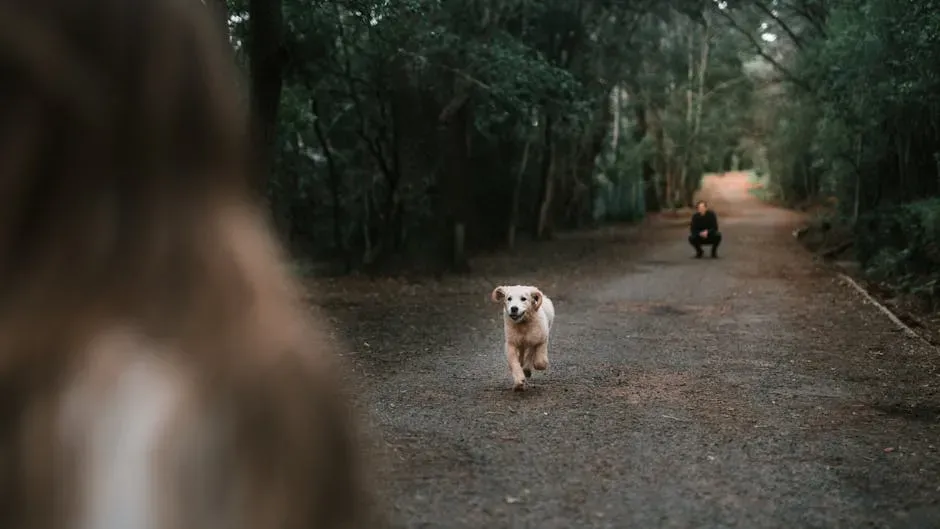
In general, dogs follow us because they are social animals and enjoy human company. As their owner, you are the one who meets most of their needs, including for affection, so following is a sign of this attachment. The bathroom visit isn’t a special event in this context. It’s simply another moment where your dog doesn’t want the connection to pause. Most dogs are naturally social creatures and feel secure when they’re with their favorite human. If your dog is particularly attached to you, they may follow you everywhere, including the bathroom. This kind of behavior is common in dogs with strong bonds to one person in the household, often the one who spends the most time with them.
Bathrooms, being small, enclosed spaces, can even feel like cozy dens to dogs. Your dog may associate being near you with safety, especially during moments of vulnerability. There’s something quietly remarkable about that. In a room you consider private, your dog sees a den-like space where the two of you are together and safe. This behavior often stems from loyalty, not just curiosity. If your dog shadows you everywhere, including the bathroom, it could be a sign of trust and attachment to their pet parent.
#4. Some Dogs Are Wired Differently – Meet the Velcro Dog
Canine companions that follow their humans everywhere are often referred to as “Velcro dogs” because of their desire to be attached to your side. It’s not uncommon for certain breeds to over-attach to their owners. This includes dogs in the Working Group or Herding Group that are bred to work side-by-side with humans. For these dogs, following you to the bathroom isn’t a personality quirk. It’s a genetic calling. Certain types of dog breeds are built to follow their owners close at hand. Oftentimes, these are working dogs such as border collies, Labrador retrievers, Doberman pinschers, and other herding breeds.
If your dog receives attention, treats, or affection when they follow you to the bathroom, they quickly learn that this behavior leads to positive outcomes. Over time, this can reinforce the habit, especially in velcro dogs, those pups who love to be glued to their owners due to strong bonds or specific breed traits. Having a velcro dog comes with its own special joys. Clingy dogs are usually incredibly loyal and affectionate, which makes them perfect companions for people who love constant company. Still, there’s a meaningful distinction between a velcro dog and one that’s truly distressed. A velcro dog wants to be with you around the clock when you’re around but typically manages well when you leave. On the other hand, if your dog is dealing with separation anxiety, they panic when you leave the house.
#5. When the Behavior Is a Signal You Shouldn’t Ignore
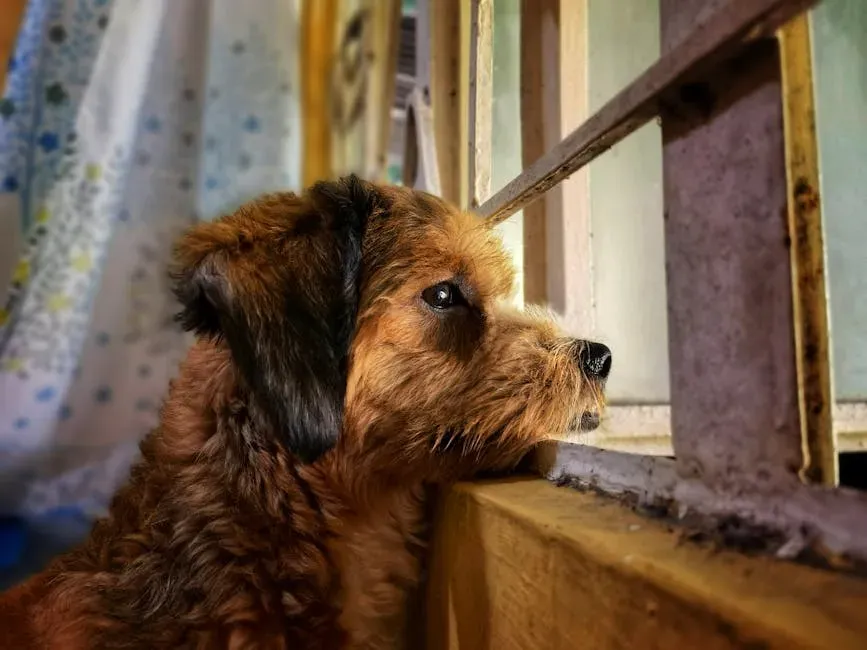
Another reason could be separation anxiety. When dogs feel anxious about being separated from their owner, they tend to stick to them more closely. This can manifest as following you into the bathroom or any other room. Dogs with separation anxiety might also show other signs, like whining or destructive behavior when left alone. The bathroom-following habit by itself is rarely a problem. The surrounding pattern of behavior is what matters. Velcro dogs that shadow you everywhere and can’t relax when you’re out of sight, even momentarily, like when you take out the trash or take a bathroom break, may be showing signs worth monitoring.
Separation anxiety is particularly common in dogs that are overly attached to their owners or have had traumatic experiences, such as being rehomed or left alone for extended periods. If you notice signs of severe anxiety, such as excessive barking, destructive behavior, or distress when separated, it may be time to seek expert advice from a professional dog trainer or veterinarian. Dogs thrive on predictability. Consistent walks, feeding times, and enrichment activities reduce anxiety and help your dog feel balanced and calm. The good news is that with patience and the right guidance, even the most anxious dogs can learn that a closed door is not the end of the world.
The Bigger Picture: Privacy Is a Human Invention
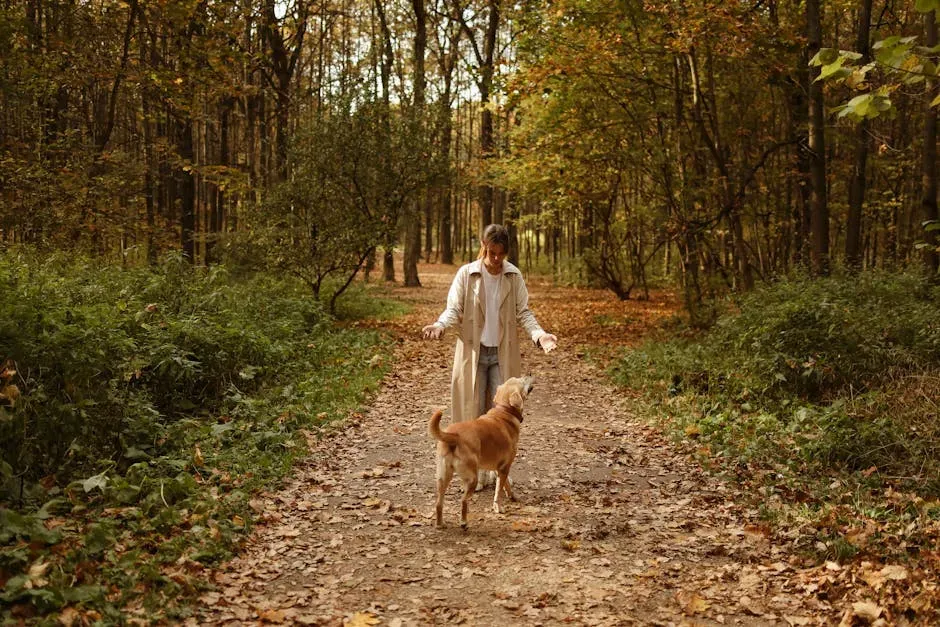
Here’s the honest opinion: we spend a lot of time mildly irritated by a behavior that is, at its core, one of the most uncomplicated expressions of loyalty in the animal kingdom. Your dog doesn’t follow you to the bathroom to be annoying or because they lack a sense of social grace. For many dog owners and pet parents, bathroom time is alone time. The concept of privacy just isn’t in a dog’s lexicon. They are not withholding it from you out of disrespect. They genuinely don’t perceive the boundary you’re drawing.
In most cases, when your dog follows you to the bathroom, it’s simply a sign of love, loyalty, and curiosity. It’s a perfectly normal behavior that many dog owners experience. Dogs follow their owners for many reasons, including instinct, curiosity, routine, or simply because they love you. What feels like an invasion of privacy to us is, from their perspective, the simplest act of devotion they know how to offer.
There’s something worth sitting with in that thought. We rush through our days, juggling a dozen priorities, and in the middle of all of it, there’s a creature whose entire purpose in that moment is just to not be separated from you for sixty seconds. We could probably stand to find that a little less irritating and a little more remarkable.


