
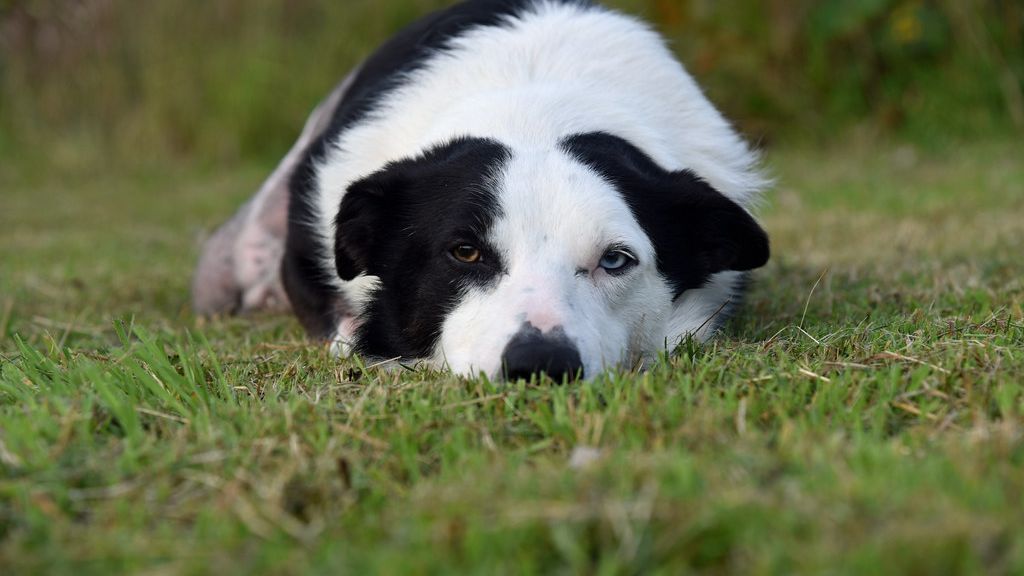
#1: Seeking Out Strange Hiding Spots
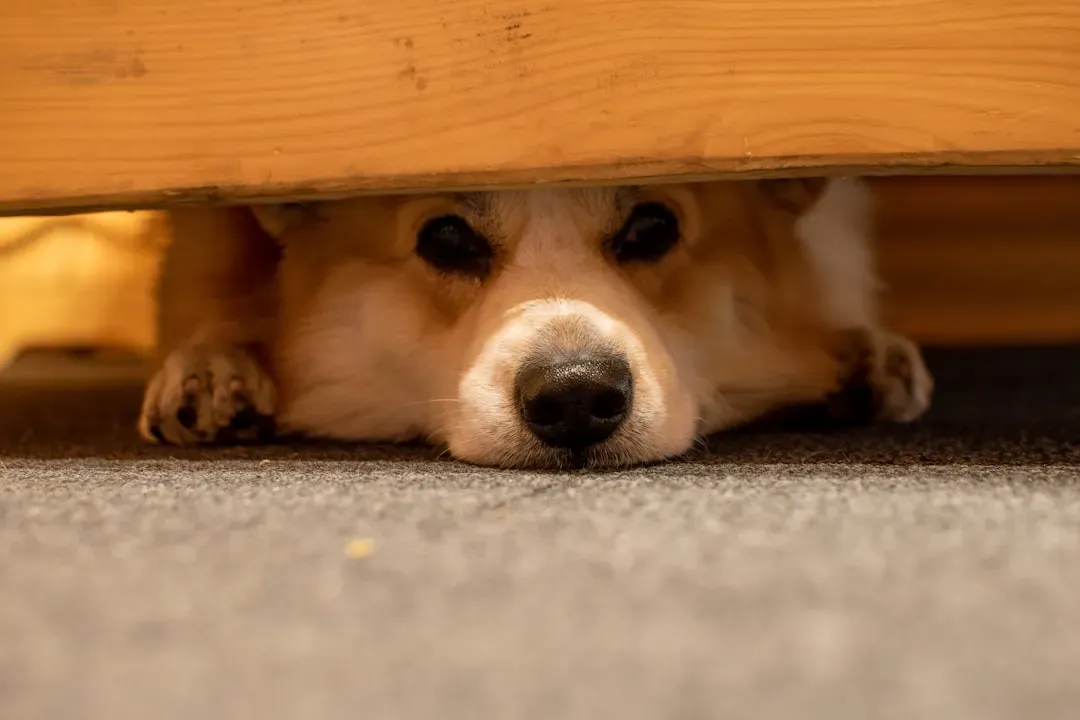
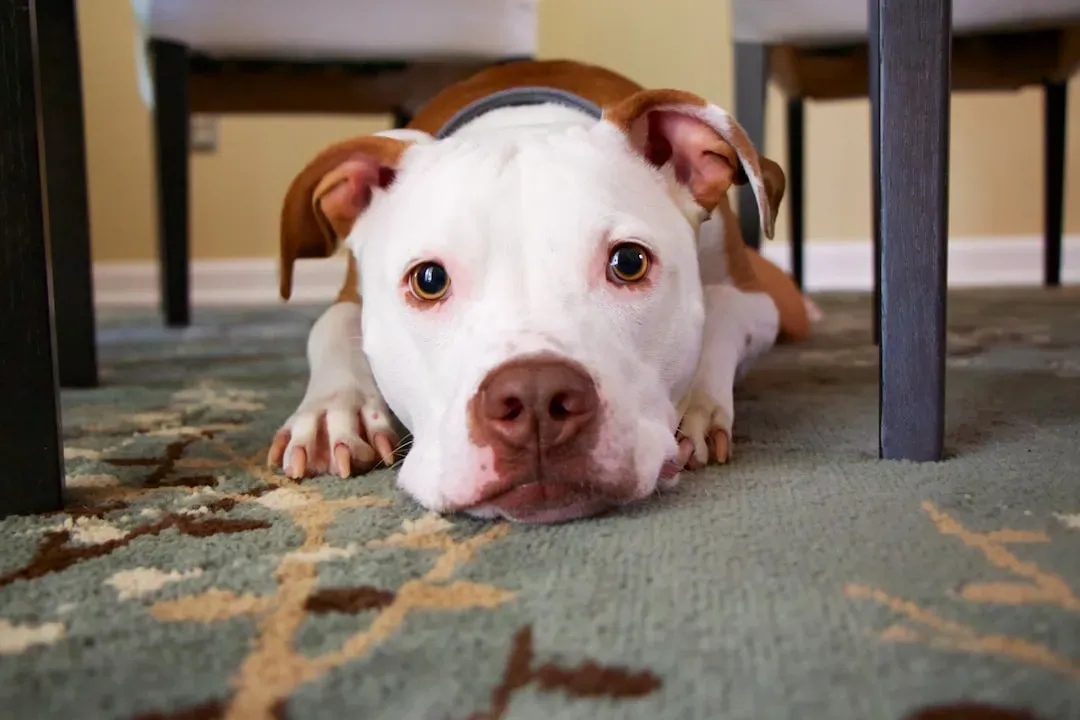
If your dog has started tucking themselves under the bed, behind the sofa, or retreating to the back of a closet, don’t dismiss it as quirky behavior. Hiding behavior is significant. If you observe your dog crawling under bushes or decks outside or hiding under or behind furniture inside, take note. Your dog instinctively knows an ill animal in the wild is at risk of being hunted by a predator, so pay attention to hiding behavior.
Dogs listen to their bodies, which is one reason they hide when dying. They know they are weakened and unable to protect themselves, which makes them incredibly vulnerable. By hiding, they are doing the only thing they can to stay safe and protect themselves. It’s important to understand this is pure instinct. If your dog hides at the end of his life, it’s not because he didn’t love you or consider you his best friend. Even if you would have given him every comfort at the end, he was just following an instinct as a dog to hide for protection.
#2: Sudden Loss of Interest in Food

Pets may lose interest in food or water as vital organ functions begin to shut down and end-of-life behaviors set in. Your dog may be reluctant to approach their food bowl, but continue to take treats, or they may stop eating altogether. This distinction matters. A dog that refuses meals but still accepts a favored treat is in a different place than one who has gone completely off food.
While mild appetite changes can occur with ageing due to reduced smell or taste, sustained refusal to eat is usually linked to pain, nausea, fatigue, or organ failure. The silence around this sign is what makes it dangerous. Your dog won’t tell you they feel nauseous. They’ll just walk away from the bowl, and you’ll assume they weren’t hungry. Watch the pattern over several days, not just one meal.
#3: Extreme and Unusual Lethargy
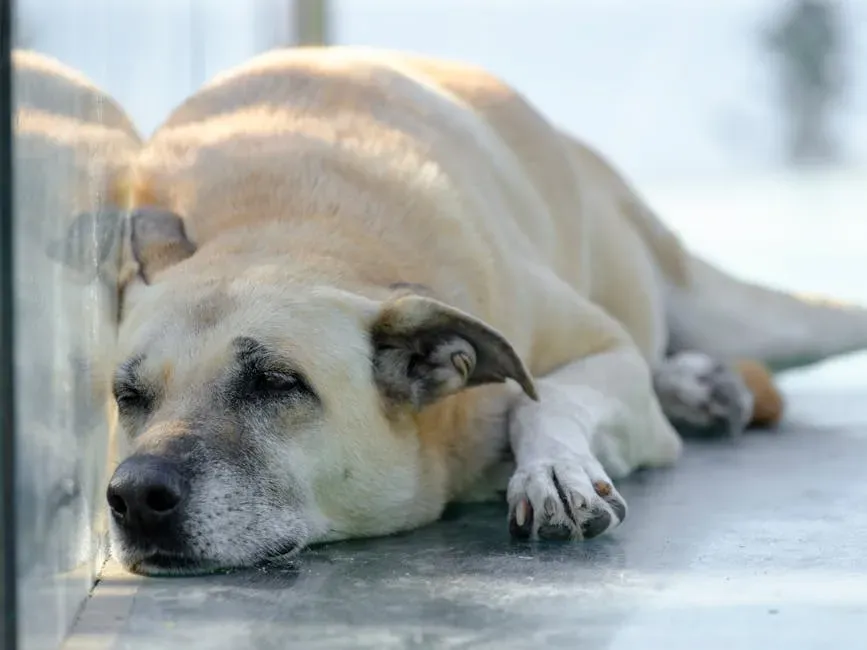
Lethargy is not necessarily a sign of impending death in dogs and is not pathognomonic of something necessarily dire, but it can be one of the initial signs of serious illness or the dying process and tends to gradually worsen over time. The keyword there is “gradually worsen.” A one-day slump is forgettable. A persistent, deepening fatigue that stretches over days is not.
A dog may no longer greet the owners at the door or may no longer be interested in going on walks or playing. They may get weaker and may start walking at a slower pace. As your dog nears the end of his life, he will sleep more and more and will tire more easily. He may also opt to stay home on his dog bed instead of going on walks and outings like he used to. When the dog who used to drag you down the street now can’t make it to the garden, that shift deserves a vet visit immediately.
#4: Quiet Withdrawal from the Family
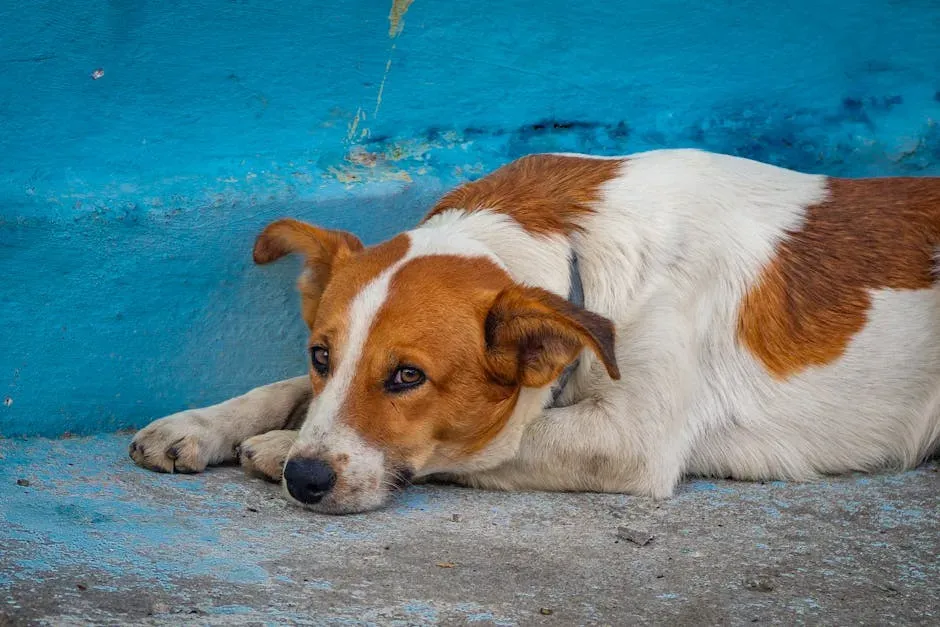
Dogs can begin to withdraw from people or other animals in the home. They may no longer value playtime or toys that used to keep their attention. Some get anxious in crowds or appear to be agitated when company comes. Reduced affection towards you or the group might be a sign of more serious illness.
Dying pets may behave differently around people, often becoming more distant or sometimes more clingy. Choosing to hide or isolate themselves may reflect fatigue and a desire for quiet, or an instinct to separate oneself from others when the end is near. This kind of withdrawal is particularly heartbreaking because it can feel like rejection. It isn’t. Your dog is simply following a script written long before they ever knew your name.
#5: Changes in Gum Color
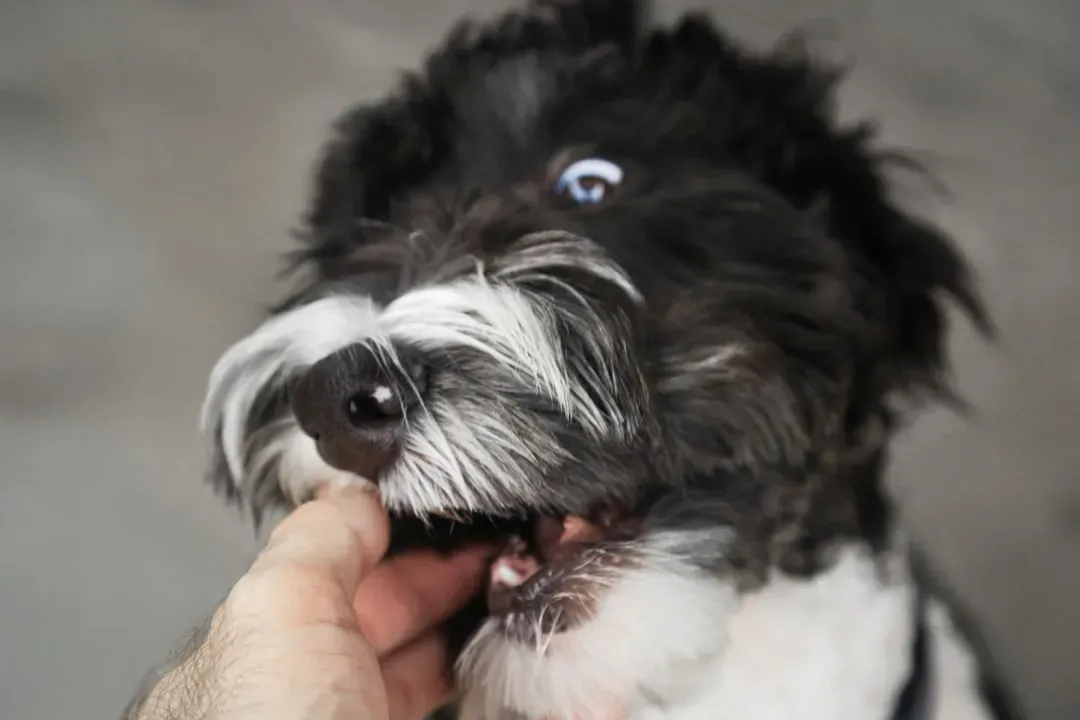
If your dog’s organs are not working as they should be, his gums may change color. He may also develop bad breath or experience other dental issues. If your dog’s gums are blue, for example, it may mean that appropriate amounts of oxygen are not being circulated in his bloodstream. This can be caused by either a problem with the lungs or heart and can be a sign of serious illnesses like congestive heart failure.
Pale mucous membranes are another serious indicator. A dog with a low red blood cell count may have pale pink-to-white gums instead of the normal dark pink. Immune mediated hemolytic anemia, blood loss from splenic masses, and a variety of other conditions can lead to pale gums. Checking your dog’s gums takes seconds. Healthy gums are bubble gum pink and moist. If they look white, grey, or blue, that is an emergency, not something to monitor overnight.
#6: Unexplained, Progressive Weight Loss

Weight loss is very common in senior dogs and will start well before the end of life. Part of this is a normal aspect of the aging process: as the dog gets older, his body becomes less efficient at digesting protein, which causes him to lose muscle mass. That’s the baseline. The issue is when weight loss accelerates beyond what normal aging explains.
In dogs with cancer, a significant reduction in body condition takes place. This loss of muscle and fat stores is known as cachexia. Cancer cachexia in dogs may take place even though a dog is eating fairly well. Essentially, cancer cells use up a lot of the dog’s calories. A dog that appears to be eating reasonably well but is still losing visible weight month over month deserves a thorough veterinary investigation. The body can be failing quietly, even at the dinner bowl.
#7: Restlessness and Inability to Settle
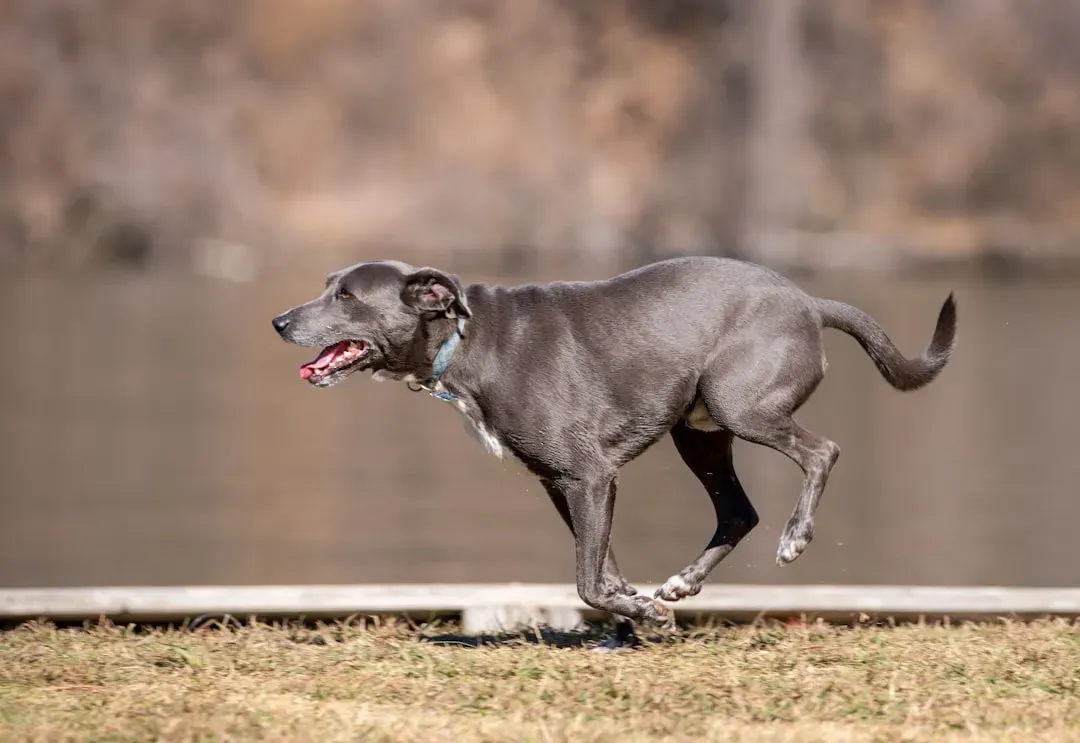
You may notice your dog pacing at night, or appearing restless and unable to settle. Dogs that seek refuge under beds or in corners suddenly might be experiencing distressing pain or fear. This restlessness is different from the playful energy of a younger dog. It has a nervous, directionless quality that is hard to describe but unmistakable to witness.
Some dogs will become restless, wandering the house and seeming unable to settle or get comfortable. Others will be abnormally still and may even be unresponsive. Your dog’s sleeping patterns may change. Both extremes are worth noting. Whether your dog can’t stop moving or has stopped moving altogether, either represents a significant departure from their normal pattern and both warrant a call to your vet.
#8: Disorientation and Mental Confusion
Some pets become mentally disoriented as they decline, which may reflect serious cognitive dysfunction or a health condition affecting the brain and inducing end-of-life behaviors. Affected pets may pace, stare, vocalize, develop anxiety, or seem lost in their once-familiar home. Watching a dog appear confused in a house they’ve lived in for a decade is quietly devastating, and it’s one of the signs that passes most easily as “just getting old.”
Stumbling, circling, or falling are all signs that point to a mental or brain-related condition. Signs like mental disorientation may reflect serious cognitive dysfunction or a health condition affecting the brain. Whether it stems from neurological decline, organ failure, or severe cognitive dysfunction, confusion in a previously sharp dog should be flagged immediately. The brain is often the last thing pet owners think to check.
#9: Avoiding Touch or Becoming Snappy

Avoidance behavior is a clear warning sign. If your otherwise friendly dog begins to avoid people, petting, and attention, it’s a clear sign something is wrong. Dogs that were once velcro-attached to their owners and now flinch or stiffen when touched are often communicating pain in the only language available to them.
When your dog is nearing the end of their life, he will likely not feel well in the least. Because of this, he may become very irritable. He might snap unexpectedly, react badly to things he used to tolerate, or growl unnecessarily. This is often a response to fear and/or pain. Try not to take the snapping personally. If your dog is in pain, he may be afraid that contact will cause him more pain. He may be afraid that you’ll push down in the wrong spot. Because of this, he may try to protect himself by becoming irritable and somewhat defensive.
#10: Loss of Bladder or Bowel Control

Dying pets may lose control of their bladder or bowels in the days before passing. Accidents can occur due to weakness, decreased mobility, nervous system problems, or organ failure, even after previously perfect housetraining. A dog who was reliably housetrained for years and suddenly begins having indoor accidents is not being disobedient. Their body is simply failing them.
Urine incontinence and fecal incontinence are both common dying symptoms. Dogs may be physically unable to rise from their beds to go outside, or they may have musculoskeletal and neurological deterioration that affects their urethral and anal sphincters. This is one of the more visible signs, but it often gets misread as a behavioral problem rather than a physical one. Incontinence is not behavioural regression. It is a physical limitation.
#11: Labored or Changed Breathing

Irregular, shallow, or labored breathing is a warning sign that a dog may be dying. Particularly in a pet’s final hours, a gasping breath pattern may occur. Because breathing difficulties can be painful and distressing, you should seek timely veterinary care or rapid euthanasia to reduce suffering if you notice this end-of-life behavior in your pet.
Breathing changes should always be taken seriously. Respiratory distress is one of the most uncomfortable experiences for dogs. What makes this sign so deceptive is how gradual the change can be. A dog that breathes just a little faster than usual, or pauses between breaths, is easy to overlook until it becomes severe. Any noticeable change in breathing warrants immediate veterinary advice. Don’t wait until you hear obvious gasping to act.
#12: A Quiet Disinterest in Life Itself

When a dog approaches the end of his lifespan, he can begin to lose interest in the world around him. This is especially true of dogs who suffer from a long-term, chronic illness. Toys he once loved will gather dust, and he might not jump up to greet you at the door anymore. This is perhaps the most heartbreaking of all the signs because it marks the fading of personality, not just health.
As a dog’s health declines, it may no longer show interest in its favorite activities. When a dog no longer experiences comfort, curiosity, or enjoyment, quality of life is often significantly compromised. The dog who once pressed their nose against the car window on every trip, who did a full-body wiggle at the sound of their leash, and who patrolled the yard with purpose, may simply lie still and stare. That stillness is a message. It deserves to be heard.
What to Do If You Recognize These Signs
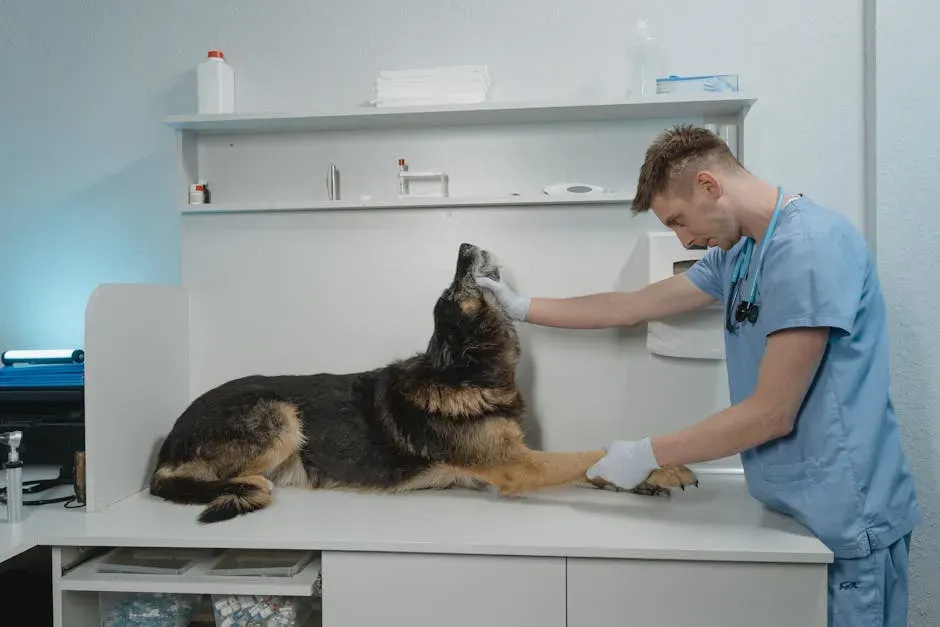
These signs can also be vague indicators of other non-terminal health issues, so it’s important to have your dog examined by their regular vet if you notice a change or decline in their health or daily routine at home. Changes may develop as early as three months prior to death. These changes can be physical or behavioral. Not every one of these behaviors points to the end. Some point to treatable conditions. That’s exactly the reason to act quickly rather than wait and hope.
Guardians are most often the first people to notice early signs of illness or distress. You know your dog best, and you are your dog’s best advocate. You know their subtle behaviors, routines, and body language. Trust your gut as a pet owner, especially if other signs of dying are present or your pet has a diagnosis that makes dying more likely. Your instincts, combined with a vet’s assessment, remain the most powerful tools you have.
A Final Thought
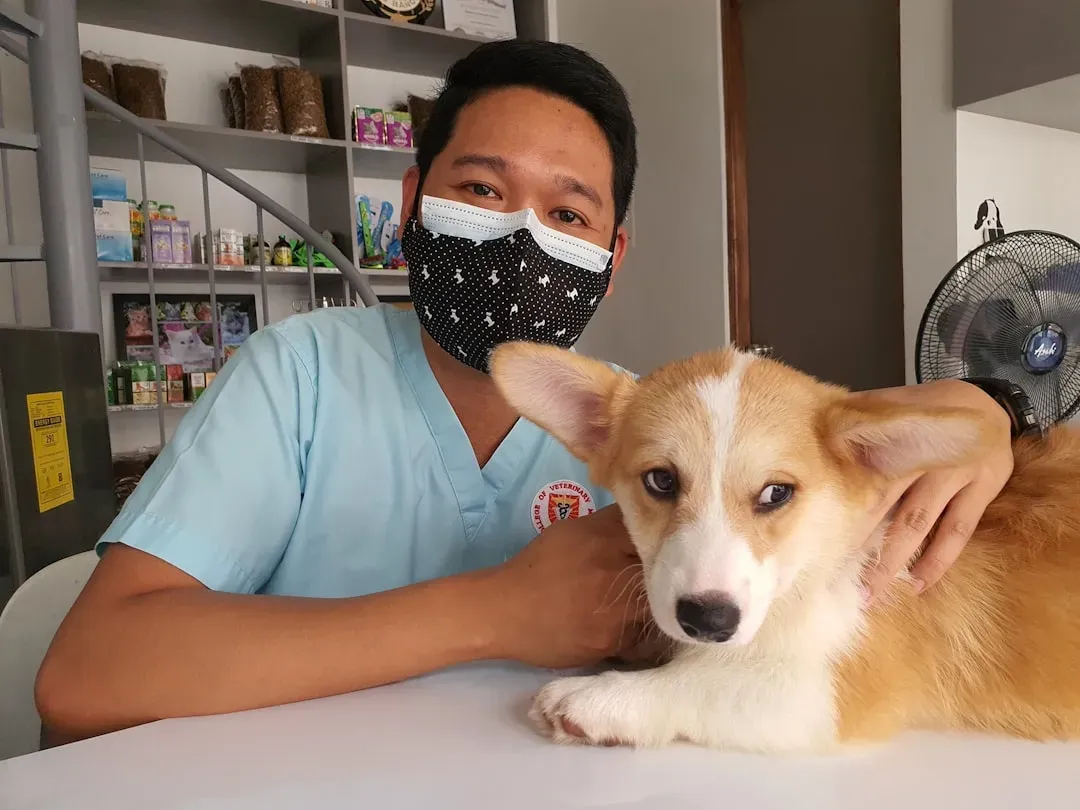
There is a painful irony in the fact that the animals most devoted to us are also the ones most hardwired to hide their suffering from us. Every pet has a different threshold for pain and discomfort, and all disease processes have different progressions. Don’t beat yourself up if you realize after the fact that your dog has been suffering and you didn’t know it sooner. This happens all the time, because dogs hide their illness.
If you’re reading this because something already feels off with your dog, trust that feeling. Sometimes, specific end-of-life behaviors are hard to pinpoint. Many pet parents seem to sense when something is off with a pet’s overall energy or expressions. You don’t need to be certain to make the call to your vet. You just need to pay attention.
The greatest gift you can give a dog who is quietly struggling is the simple act of noticing. They’ve spent their entire lives reading you. The least we can do is return the favor.


