
#1. Border Collie

The Border Collie is frequently described as the most intelligent dog in the world, and that reputation is entirely deserved. They’re alert, extraordinarily trainable, and visually stunning. The problem is that all of that brainpower comes wrapped in an almost boundless physical drive.
Border Collies are highly intelligent and energetic dogs that thrive when given a job or task to do. They have a strong herding instinct and are known for their agility and trainability. However, their high energy levels and intense focus require regular mental and physical exercise. Without adequate stimulation, Border Collies may become bored and display destructive behaviors.
They need a minimum of two hours of exercise daily to keep them satisfied. That’s not a casual walk around the block, either. Seniors may struggle to provide the long walks, agility drills, and mental games that these dogs demand. Without proper outlets, these breeds can grow anxious, destructive, or restless. Their herding instincts often cause nipping, chasing, and barking, behaviors tough for older adults to control.
#2. Australian Shepherd

Australian Shepherds are brilliant and beautiful, often showing up in striking merle coats with piercing blue eyes. It’s no mystery why people are drawn to them. They are known as the herding dogs often used by cowboys on ranches, and they are mid-sized working dogs who are very active and not a good match for an owner with a sedentary lifestyle.
These dogs are pretty high maintenance. They require daily grooming and tons of exercise. Aussies have long double coats that shed considerably, so you’d need to prepare for lots of clean-up. They also need at least an hour of strenuous physical activity a day, which can be hard to commit to.
Originally bred to work, these dogs possess an intrinsic drive to herd and stay active. For aging adults, especially those with limited mobility or those preferring a more serene lifestyle, the Australian Shepherd’s need for constant stimulation can be overwhelming. Their energy doesn’t wind down naturally with age the way some breeds do. You’d essentially be signing up for a multi-year athletic commitment.
#3. Siberian Husky

The Siberian Husky has a magnetic quality to it. Those pale eyes and wolf-like features make them one of the most photographed breeds on the planet. But there’s a significant gap between admiring a Husky and actually living with one, especially past the age of 50.
Siberian Huskies are known for their beauty and friendly demeanor, however, their high energy levels and need for extensive exercise can make them a challenging choice for seniors. They require a lot of physical and mental stimulation to stay happy and healthy. They also have a thick double coat that requires regular grooming, which may be difficult for seniors with mobility issues.
It’s difficult to contain the exuberant energy of these dogs, so senior dog owners may feel overwhelmed by this breed. The Siberian Husky requires a fair amount of playtime and can become unhappy without adequate exercise and activity. They tend to be somewhat more stubborn than other dog breeds when it comes to training. Stubborn and high-energy is a combination that tests even younger, experienced handlers on the best of days.
#4. Jack Russell Terrier

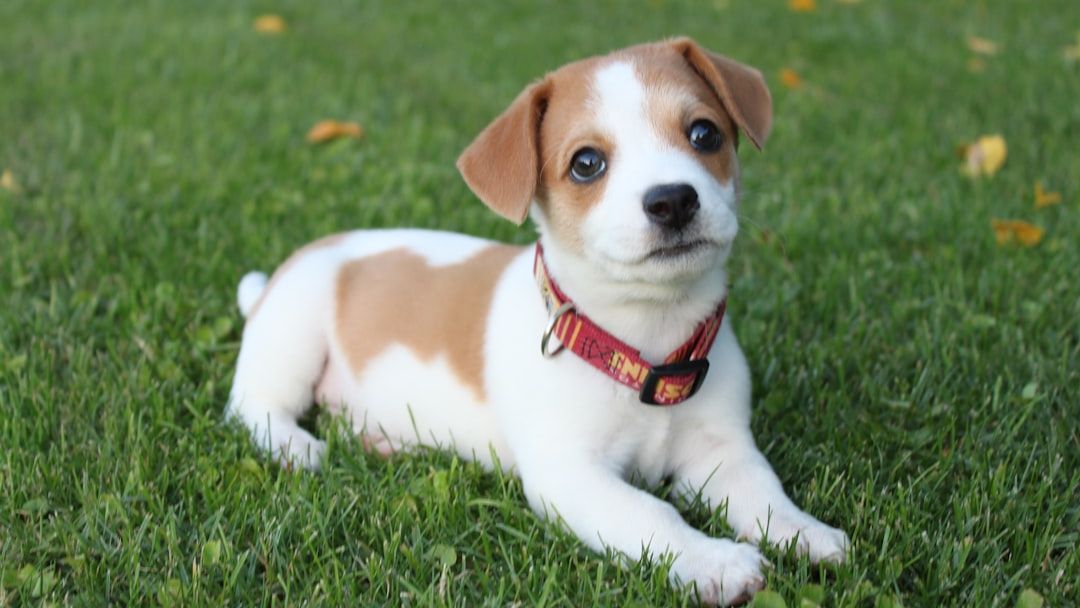
Here’s where the “cute trap” is at its absolute worst. The Jack Russell Terrier is small, charming, and full of personality. People assume that a small dog must be an easy dog. That assumption has led to a lot of very surprised owners.
Despite their small size, Jack Russell Terriers have a reputation for being stubborn and aggressive. They are highly energetic dogs that require plenty of exercise and mental stimulation. Seniors who may not have the physical stamina or space to accommodate their exercise needs may find it difficult to meet the requirements of a Jack Russell Terrier. Additionally, their feisty and independent nature may not be suitable for seniors looking for a more laid-back companion.
Despite their small stature, Jack Russell Terriers are remarkably energetic and independent. They require ample playtime and can exhibit a stubborn streak, making them quite a handful. Their high energy means they need frequent, vigorous exercise, which might not be feasible for someone who struggles with mobility or cannot commit to daily intense play sessions. Essentially, you’d be managing a small, fast, single-minded athlete who genuinely doesn’t care about your comfort level.
#5. Rottweiler
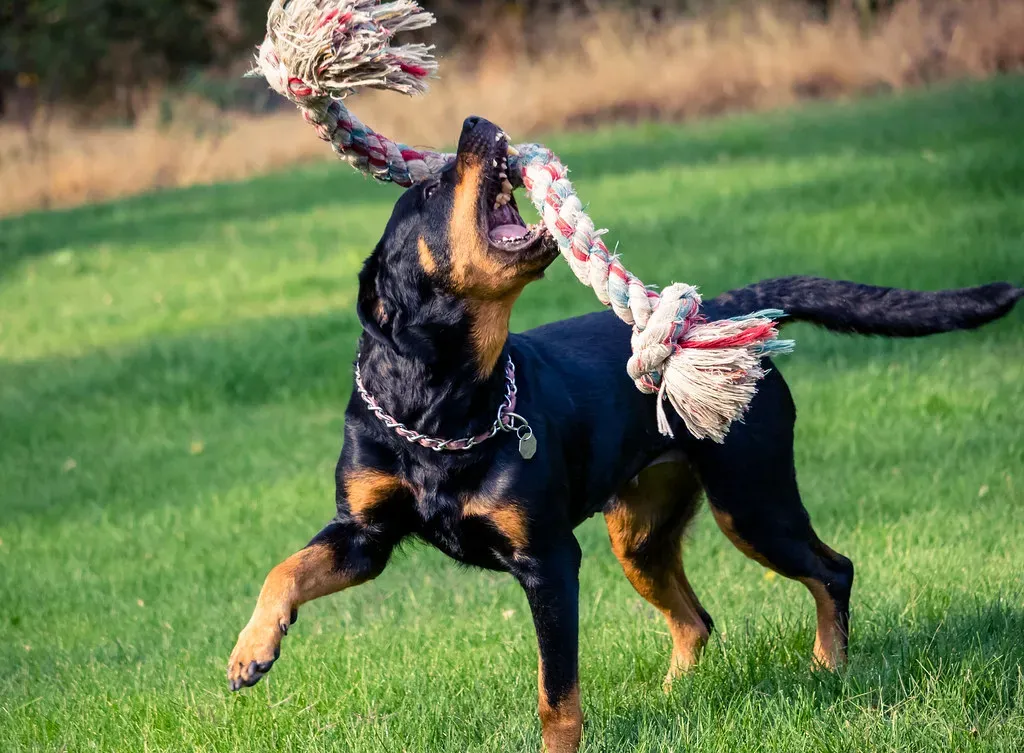
Rottweilers are deeply loyal and can be extraordinarily loving toward their families. People who’ve owned them often speak glowingly about the bond. That loyalty, however, is paired with a level of size, strength, and protective instinct that demands an experienced, physically capable handler.
Rottweilers are a powerful breed, and while they can be loyal and protective, their size and strength can be overwhelming for seniors. Rottweilers require strong leadership and consistent training to ensure they are well behaved. Without proper training, they can become too protective, which could lead to aggressive behaviors. These factors, combined with their physical strength and size, make them a less suitable choice for seniors.
Rottweilers are robust and muscular, needing an experienced handler to manage their strength. Their energetic nature and considerable size can be daunting for older adults. While loyal and protective, they require consistent training and regular exercise, which might be more than some older individuals are prepared to provide. A lapse in training consistency doesn’t just mean a messy house. With a dog this powerful, it can mean a genuine safety risk.
#6. German Shepherd

German Shepherds are among the most admired working dogs in the world, seen in police forces, search-and-rescue units, and military roles across the globe. That heritage tells you something important: this is a dog built for demanding, high-intensity work, not for leisurely afternoons on the porch.
While loyal and protective, German Shepherds are large and can be intense. They require a lot of exercise, mental stimulation, and training. Their size and strength might make them difficult for some seniors to handle comfortably. A bored or under-stimulated German Shepherd is also a destructive one, and that frustration can escalate quickly in a home that can’t keep up with their needs.
German Shepherds are alert, high-energy, protective dogs that require extensive training and hours of daily exercise, rough play, and mental stimulation. This active breed requires exercising for a minimum of two hours daily. These dogs are athletic in nature and want to keep active beyond one daily walk. As a herding dog, they need tasks to keep them busy. That’s a full-time commitment in itself.
#7. Dalmatian
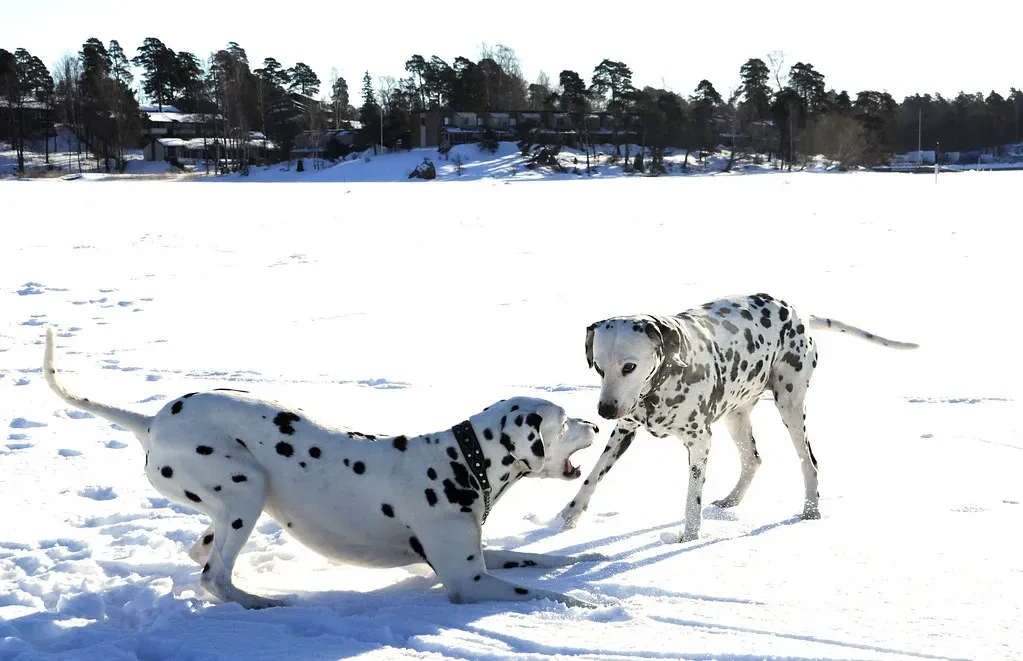
Thanks to a certain animated film, Dalmatians have held a warm place in popular culture for decades. They’re striking, athletic, and unmistakable. The reality of daily Dalmatian ownership, however, tends to diverge pretty sharply from the movie version.
Commonly known as “firehouse dogs,” Dalmatians are strong, muscular, and dignified. Their loyalty and affection make them good dogs for families, but they might seem aloof when around strangers. Dalmatians need lots of outdoor exercise, and they can be destructive and difficult to train. They are also very high-maintenance, and they shed all throughout the year. While these dogs are good companions for some people, such as runners or those who have large, open, outdoor spaces at home, many seniors may find them unsuitable.
Their high energy levels demand hours of daily exercise, which can be exhausting for older adults. They are prone to specific health problems such as urinary stones, deafness, and skin sensitivities that require careful management. The combination of their athleticism, potential for sudden bursts of energy, and specialized care needs makes them unsuitable for seniors who may not have the strength or resources to manage these issues safely.
#8. Chow Chow

Few dogs look more like a living stuffed animal than the Chow Chow. That thick, lion-like mane and the distinctive blue-black tongue make them genuinely captivating. Many people are drawn to them precisely because of how regal and unique they look. The temperament behind that appearance, though, is far from cuddly.
Chow Chows are known for their aloof demeanor and can be challenging to train. Their independent nature means they require a firm and consistent handler. Additionally, they can be territorial and protective, which may be difficult for seniors to manage effectively. Their loyalty runs deep but tends to be narrow, and they rarely warm quickly to strangers or unfamiliar situations.
Chow Chows are distinctive dogs known for their lion-like mane and strong, muscular build. They are independent and proud, often forming deep bonds with their family while being aloof toward strangers. Aggressive or territorial breeds can pose challenges for seniors. While any dog can show aggression or possessiveness, certain breeds are more prone to such behavior due to their historical roles. Breeds such as the Akita, Chow Chow, and Pit Bull Terrier can be protective and standoffish with strangers if not properly socialized from a young age. Managing that temperament requires experience, patience, and consistent authority, qualities that are genuinely harder to sustain when your own energy reserves are stretched.
The Bottom Line: Choose the Dog That Fits Your Life, Not Just Your Heart

None of this is about what you’re capable of as a person. It’s about what’s fair to both you and the dog. Not only is owning the wrong dog breed bad for the human, but it’s also bad for the dog. When senior citizens buy or are gifted inappropriate dog breeds, both suffer the consequences. Dogs in these situations often are under-stimulated, under-exercised, and therefore suffer from behavioral issues that can make them even less appropriate for their retired owner.
The good news is that the right match is absolutely out there. The age of the dog is another important factor. Older dogs tend to be calmer and more settled, often requiring less intensive training, making them ideal for seniors. Adopting a senior dog changes things; regardless of breed, an older pet might be perfectly mellow. Many wonderful cross-breed dogs could also offer the perfect balance of temperament and manageability for seniors.
The most honest advice anyone can give is this: don’t let cuteness override compatibility. A dog that matches your pace, your space, and your energy won’t just be easier to manage. It’ll be a genuinely better companion for both of you. The right dog doesn’t demand that you keep up with it. It simply keeps you company, and that’s the whole point.


