

#1. Labrador Retriever

The Labrador Retriever is, by almost every measure, the gold standard for cardiac alert and medical service work. Trainers and dog training schools consistently rank the Labrador Retriever among the best cardiac alert dog breeds. They have big bodies and excellent noses, and what truly sets them apart is that they’re friendly, easy-going, intelligent, and patient. Many dog trainers favor them because they are easy to train and remarkably attentive to the needs of their owners.
Labrador Retrievers were originally bred as hunting dogs, which means they’ve always been wired to follow directions and detect changes in their environment. That instinct translates directly into the work of a medical service dog. Cardiac alert Labradors are trained to detect changes in a person’s blood pressure and heart rate, using their keen sense of smell to pick up on chemical markers in sweat that may indicate an impending cardiac episode.
#2. Golden Retriever

Golden Retrievers are very smart, highly motivated to work, and easy to train. Many owners are genuinely amazed by how quickly these dogs pick up new skills. Their warm, sociable nature means they stay closely bonded to their handlers, which is precisely what makes them such effective monitors of subtle physical changes. They don’t just live with their people. They study them.
Golden Retrievers are a popular choice for service dog roles, partly because they possess a gentle demeanor that puts anxious people at ease, and are also large enough to assist people who need physical steadiness. One of the most significant benefits of cardiac service dogs like the Golden Retriever is their ability to detect early signs of a cardiac event. By alerting their handler to changes in heart rate or blood pressure, these dogs can help prevent severe complications and ensure timely medical intervention.
#3. German Shepherd

German Shepherds are always alert and focused on their jobs, which are near-perfect traits for a medical service dog. They often function as police dogs because of their strong sense of smell, which makes them equally excellent in medical service roles. Their natural drive to work and protect gives them a focused intensity that most breeds simply can’t match, and when that intensity is directed toward monitoring a person’s health, the results can be extraordinary.
German Shepherds possess many of the qualities necessary for a great service dog. They’re intelligent, well-behaved, and easy to train, with sufficient size and strength to support mobility-impaired people. Using specifically trained techniques to recognize changes in smell, body language, heartbeat, and breathing, they are able to detect changes in the body that occur during early stages of medical issues, and by recognizing these early warning signs, service dogs can alert their handlers before problems worsen.
#4. Standard Poodle

The Poodle often gets dismissed as a glamorous show dog, and that’s a costly underestimation. The breed is favored for its high intelligence, excellent sense of smell, and eagerness to please. Dog trainers recommend it to anyone looking for a loving companion with a strong body. Standard Poodles are active animals with strong builds that can even carry medium-sized pouches with medicine if required.
Poodles aren’t just attractive dogs. They’re intelligent, eager to please, and have a sharp sense of smell that is often used for tracking purposes. They’re also hypoallergenic, making them ideal for people who are allergic to dog fur and dander. That last detail matters more than it might seem. For cardiac patients who already manage complex health needs, a hypoallergenic companion removes one more complication from daily life. Most people planning to use a Poodle for service work should select a Standard Poodle, as they’re bigger and stronger than toy or miniature varieties.
#5. Great Dane

It might seem counterintuitive to picture a Great Dane as a delicate medical sensor, but this giant breed has a few compelling traits that earn it a genuine place on this list. Great Danes are among the popular breeds recognized for medical service training, alongside Labradors, Poodles, German Shepherds, and Golden Retrievers, largely because they combine calm temperament with strong baseline senses. Their sheer size also means they’re capable of physically supporting a handler who suddenly feels faint or unsteady.
Cardiac Response Dogs, a category in which Great Danes are especially well-suited, are trained to help a person cope with the physical effects of a cardiac episode. They can brace a fall, stay with their handler to provide reassurance, call a family member for help, and bring medication on command. Cardiac Response Dogs are generally large with a strong build, specifically so they can brace the fall of their handler. When a cardiac event strikes without warning, having a calm, massive presence nearby to cushion the impact can genuinely save a life.
#6. Beagle

The Beagle is small, cheerful, and criminally underestimated when it comes to scent work. The typical dog has the ability to smell at least ten thousand times better than a human, and research suggests this is the primary sense dogs use to detect the onset of a medical crisis in their owners. Beagles, with their long ears and deeply engineered noses, sit near the top of the canine scent hierarchy. They were bred for one purpose: to track by smell, and that biological gift transfers directly into the world of medical detection.
Humans regularly emanate volatile organic compounds, or VOCs, through breath and bodily fluids. These VOCs change when someone is sick because cell metabolism changes, which means a sensitive dog will actually notice that a person smells different when something is medically wrong. When it comes to cardiac or any type of alert service animals, they are generally more effective in their work if their breed is long-nosed. The Beagle’s anatomy practically makes the case for itself. That said, prospective owners should know that the Beagle makes a great service dog, especially in larger households, though the breed does possess an independent streak and some individuals may resist training more than other breeds.
#7. Doberman Pinscher
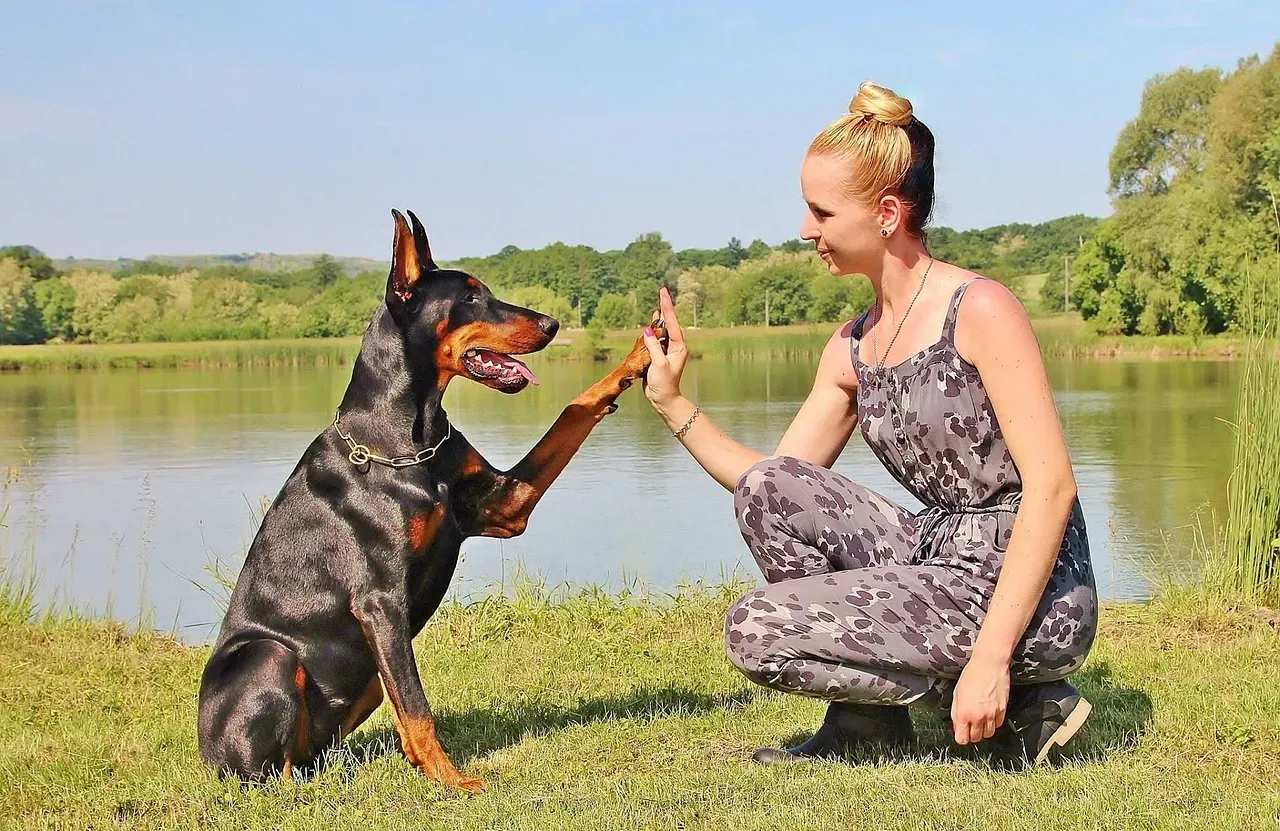
The Doberman is an unexpected entrant, but its credentials are serious. Dobermans are highly intelligent, loyal, and protective, which makes them an excellent choice for service dog roles including medical alert. Their strong sense of awareness allows them to detect changes in their owner’s physical condition, and their strength means they can assist with physical tasks while staying alert and focused. Their loyalty and natural protective instincts ensure they stay committed to their owner’s well-being.
With around 300 million receptors in their nose, dogs have an extremely strong sense of smell and can be trained to detect even the smallest changes in a person’s scent. Different chemical changes in the body linked to certain medical issues will produce specific scents, and service dogs can smell the differences in hormone or metabolic changes through sweat and breath. The Doberman’s focused, single-minded attention to its handler makes it particularly adept at noticing those shifts. It’s the kind of dog that doesn’t just love you – it watches you, constantly, with a precision that most other breeds never quite achieve.
What the Science Actually Says

It’s worth being honest here. The idea of a dog predicting a heart attack is compelling, but the science is still catching up to the anecdotes. Cardiac alert dogs may help by detecting changes in blood pressure and heart rate. However, the evidence is emerging but not yet definitive, according to medical experts. Currently, the condition with the strongest evidence for an alert dog is postural tachycardia syndrome, or POTS.
These specially trained service dogs may sense subtle physiological shifts, sometimes even before a patient notices symptoms. Cardiac alert dogs are trained to recognize changes in the body and may alert owners through actions like pawing or barking, with researchers believing dogs may be sensing volatile organic compounds released through sweat or breath. Some people with heart disease are prone to dangerous blackouts, and dogs can keep their human partners from injuring themselves in a fall. In the case of a heart attack, getting help as soon as possible can make the difference between life and death.
Unfortunately, most insurance plans do not cover the expense of a medical alert dog, and costs for a fully trained dog can range from ten thousand to thirty thousand dollars. However, patients may find cost assistance through nonprofits or fundraising programs. Training typically takes eighteen to twenty-four months, depending on the complexity of the tasks and the dog’s individual progress. These are not casual companions. They’re working animals, and the commitment required to support one is real.
Conclusion
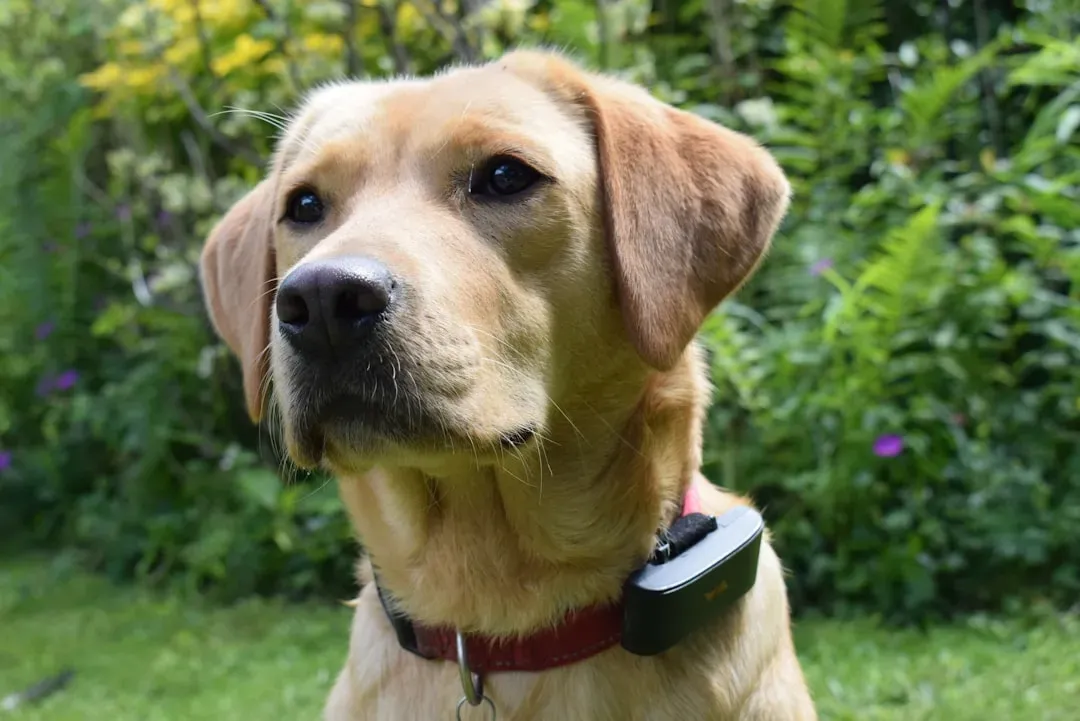
There’s something quietly humbling about the idea that your dog might notice your heart struggling before you do. These seven breeds aren’t magic – they’re the product of millions of years of co-evolution with humans, refined noses, and in many cases, months or years of intensive professional training. The science is still building, the anecdotal evidence is genuinely striking, and the real-world stories of dogs who have alerted their owners to impending cardiac crises are hard to dismiss.
If you or someone you love lives with a heart condition, the conversation about a cardiac alert dog is one worth having with a licensed physician. It won’t replace your cardiologist, your medication, or your monitoring equipment. But it might just be the only member of your household who notices something is wrong before anyone else does – and acts on it.
In the end, the most advanced cardiac sensor in many homes has four legs, a cold nose, and an unwavering desire to keep you safe. That’s not a small thing.


