
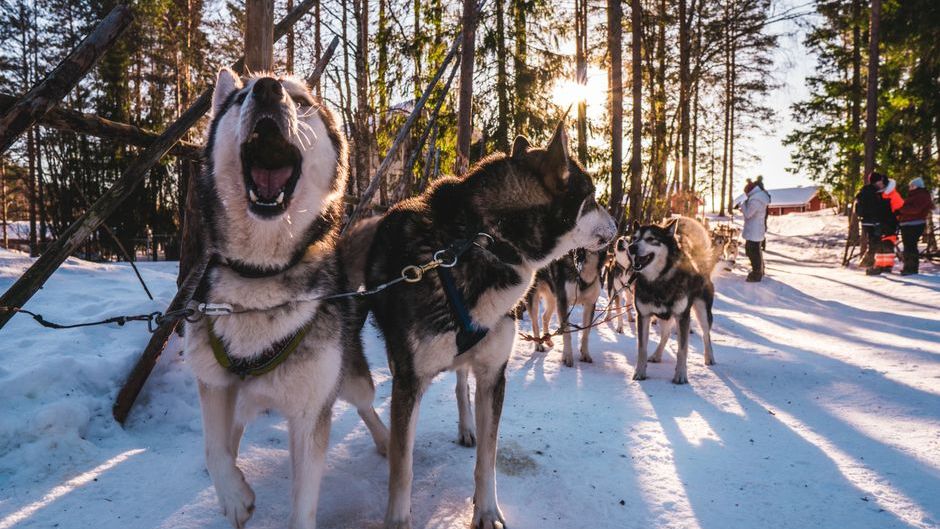
It’s one of the most startling things about the breed, and it raises a genuinely interesting question. Why do Huskies communicate this way? The short answer involves thousands of years of evolution, Arctic survival, and a vocal architecture built for something far bigger than a suburban living room. The longer answer is worth understanding, especially if you share your home with one of these extraordinary, loud, deeply expressive animals.
#1: The Wolf in the Room: Ancient Genetics Still Running the Show
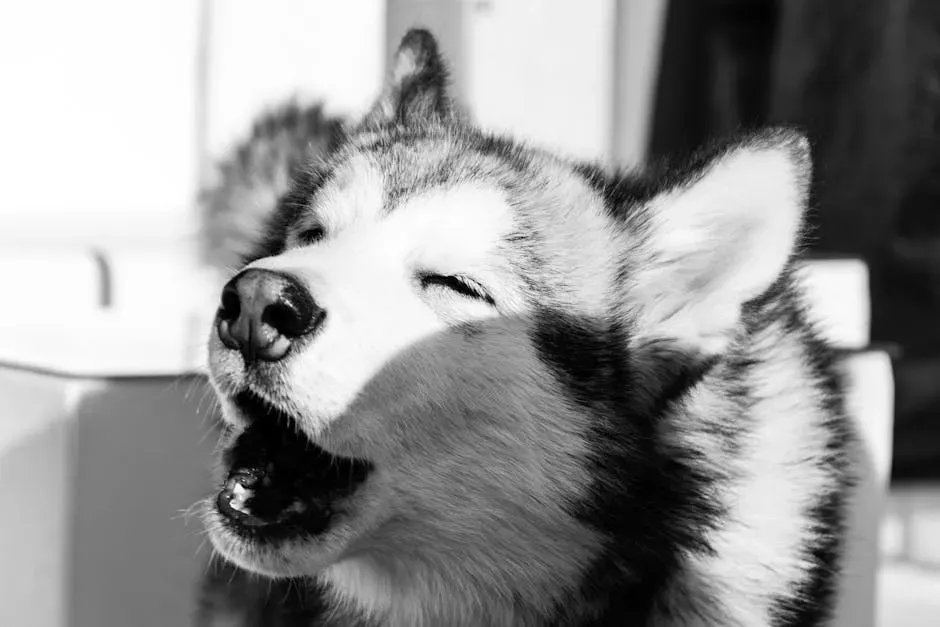
Huskies are one of the oldest dog breeds in the world, and they are genetically closer to wolves than most domestic dogs. That closeness isn’t just skin deep. It shapes how they move, how they think, and most noticeably, how they communicate with everything around them.
While Huskies aren’t wolves, dogs share about 98.8 percent of their DNA with them, and many pack instincts are deeply ingrained, which helps explain the range of sounds that come out of these dogs. That instinctual communication system, refined over millennia, simply didn’t switch off when Huskies moved from the tundra into our homes.
Unlike many other breeds, these dogs retain strong instinctual communication patterns used by wolves to coordinate pack activities, mark territory, and maintain social connections. A standard bark, quick and sharp, was never the primary tool in that toolkit. Long-distance, sustained vocalizations were. That’s the sound you’re hearing when your Husky screams across the kitchen at you.
#2: Built for Distance: Why a Bark Was Never Enough
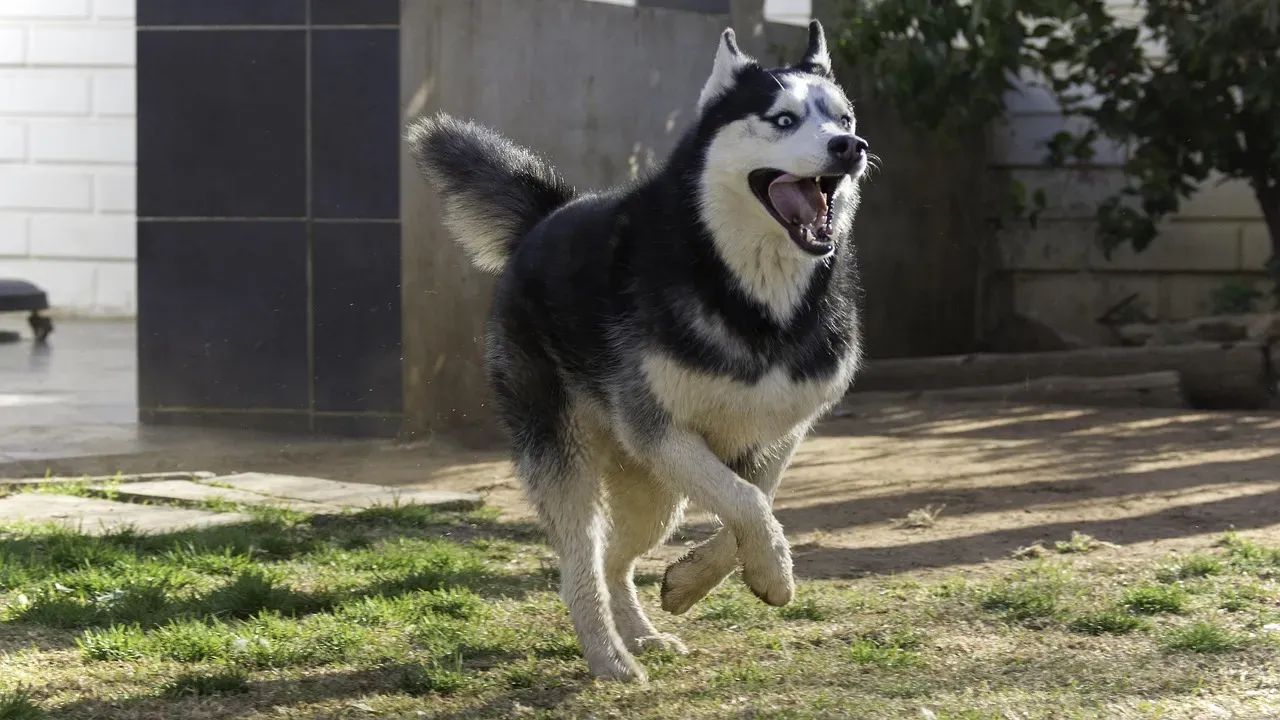
Wolves communicate primarily through howling because it carries over much greater distances than barking. A howl can travel up to 10 miles in open terrain, while a bark fades out after just a few hundred yards. For a breed that was developed to work in vast, open Arctic landscapes, howling was simply more practical. The screaming sound Huskies produce is a close relative of that same long-range signal.
This vocal tendency is deeply rooted in their history. Bred as sled dogs in harsh, cold climates, they needed to communicate effectively over long distances and in challenging conditions. A simple bark might not carry as far or convey the nuanced information needed. Their ancestors developed a more complex repertoire of sounds to signal everything from pack status to warnings and even expressions of contentment.
Once people began to breed Siberian Huskies as working dogs, these wild traits lingered to support them in their work. They needed to communicate with their handlers and pack to coordinate and alert for dangers. Their varied sound range enables them to achieve this goal clearly and efficiently, from communicating dangers to socializing in packs. When a Husky screams at you for being two minutes late with dinner, that’s the same wiring firing in a very different context.
#3: The Scream Decoded: What Each Sound Actually Means
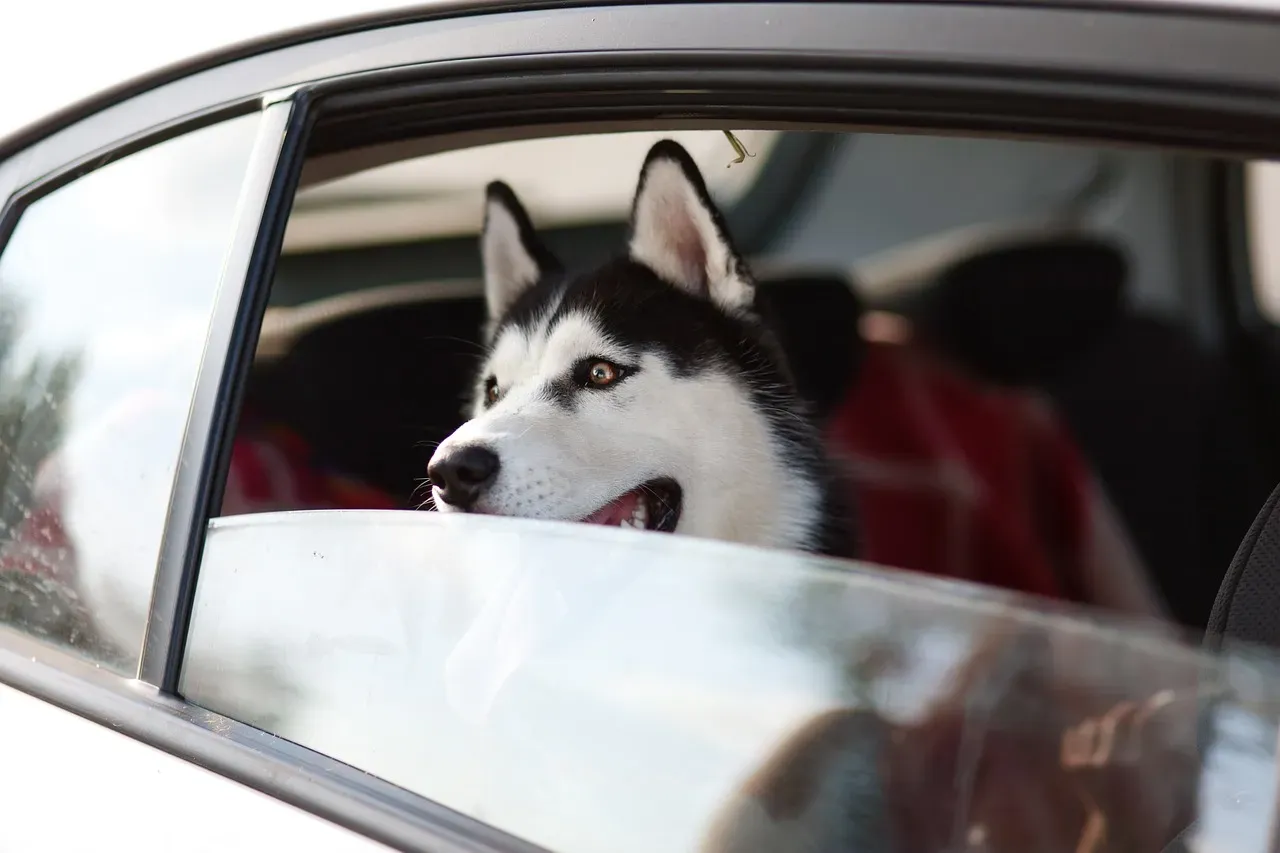
Unlike dogs that mainly bark to alert or express excitement, Huskies use a large vocal repertoire to communicate different emotions and needs. Howling is often used to call the pack or communicate loneliness when left alone. Talking is a mix of sounds mimicking human speech, used to express emotions and engage with people. Whining typically indicates anxiety, discomfort, or a desire for attention. Screaming is a distinctive and dramatic outburst signaling frustration or excitement. Barking, by contrast, is less common in Huskies and may occur during play or when alerting to something.
Screaming typically happens when you ask a Husky to do something they don’t want to do. This creates confrontational tension, and screaming is their way of letting you know exactly how they feel. It’s opinionated, direct, and completely unapologetic. It’s also, in its own chaotic way, honest.
Positive stress can come up in the form of excitement. When sled dogs know they’re going to work, this is when they are at their loudest. They howl and scream with excitement and anticipation. So the scream isn’t always distress. Sometimes it’s pure, uncontainable joy, which is arguably even more disorienting to witness at six in the morning.
#4: The Pack Brain: Social Wiring and Separation Anxiety

Huskies are known to develop strong attachments to their families and they can become anxious when left alone, partly because they are pack animals by nature. This isn’t a quirk or a training failure. It’s a deeply embedded social drive that behaviorists consistently identify as one of the core reasons Huskies escalate to screaming when left without company.
A distressed Husky screams, howls, or whines a lot while displaying destructive behavior or constantly pacing. Some Huskies get so anxious and stressed they cause physical damage to their crates, homes, and themselves. That level of distress is worth taking seriously, and it isn’t about bad behavior. It’s about a social species experiencing genuine psychological discomfort.
Huskies are incredibly people-oriented and form close bonds with their owners. Separation from their human family may lead to vocal expressions of distress. Howling becomes a call for reunification, a trait once essential for scattered pack members to find one another. The haunting quality of the Husky scream suddenly makes a lot more sense through that lens. It’s not noise for the sake of noise. It’s a call going out to the rest of the group.
#5: High-Pitched Triggers: Sirens, Music, and the World That Sets Them Off
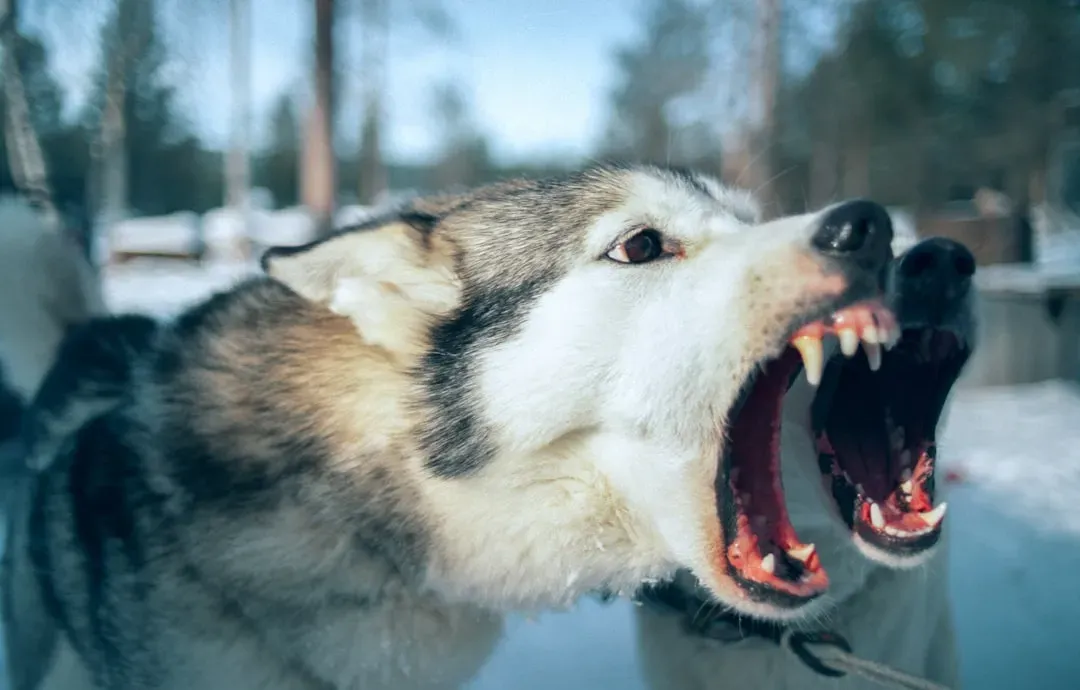
Huskies howl at sirens because the high-pitched sound resembles a howl to them, triggering their natural instinct to respond. This is a pack communication behavior inherited from their wolf ancestors and is completely normal. From the Husky’s perspective, something out there just called, and courtesy demands a reply.
When they hear high-pitched noises, such as a crying baby, a siren, or even a pesky squirrel, these can be cues of a call for help or a trigger for prey drive responses. The brain isn’t distinguishing between a fire engine and a distant wolf call. The frequency pattern is close enough to activate the same response, every single time.
Huskies have a keen sense of hearing and may react strongly to music or other sounds in their environment. Some Huskies may even sing along to music or howl in response to certain tones, showcasing their unique vocal abilities. If your Husky has ever wailed along to a violin piece or howled at the television, this is why. Their auditory world is far more textured than ours, and they feel compelled to participate in it.
#6: When the Screaming Is a Warning Sign
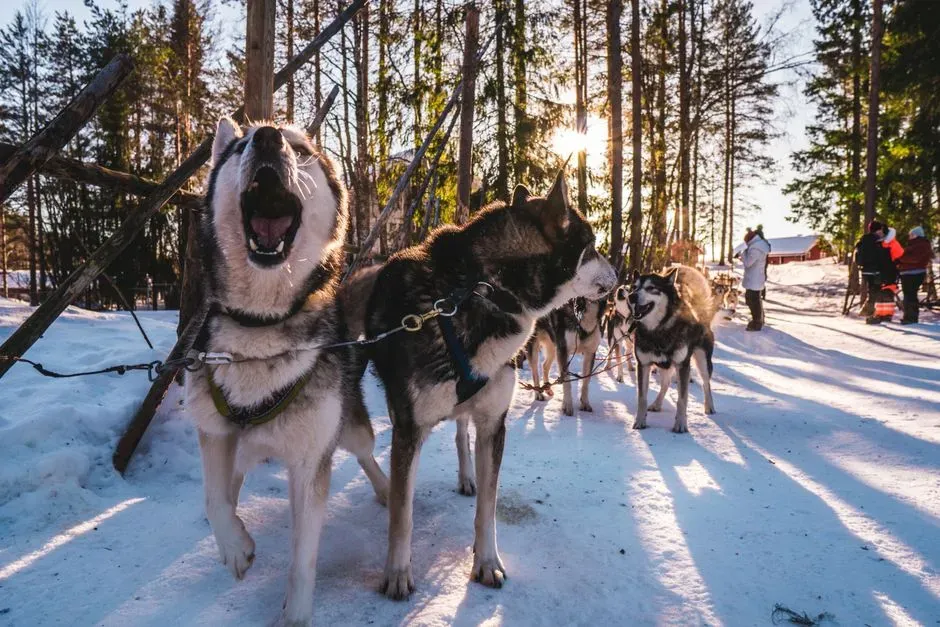
When a Husky is ill or injured, the dog will make a distinctive sound to signal pain. Conversely, if a typically vocal Husky has gone quiet, you should head to the veterinarian. Silence in a breed this communicative can be a louder alarm than any scream.
Excessive howling can signal underlying health issues like hip dysplasia, eye problems, or dental disease, so veterinary evaluation should come before assuming the behavior is purely communicative or attention-seeking. Context matters enormously. A sudden change in vocal patterns, particularly in an older Husky, deserves a proper check-up rather than a training adjustment.
For many of these pups, positive reinforcement conditioning with a certified trainer or behavior expert can help them cope with anxiety, but a veterinarian might also recommend calming supplements or even an anti-anxiety prescription medication such as fluoxetine. Managing the scream, when it genuinely needs managing, is a collaborative effort between owner, trainer, and vet. It’s rarely as simple as teaching a “quiet” command to a dog whose entire evolutionary history says the opposite.
Conclusion: Learning to Hear What They’re Actually Saying
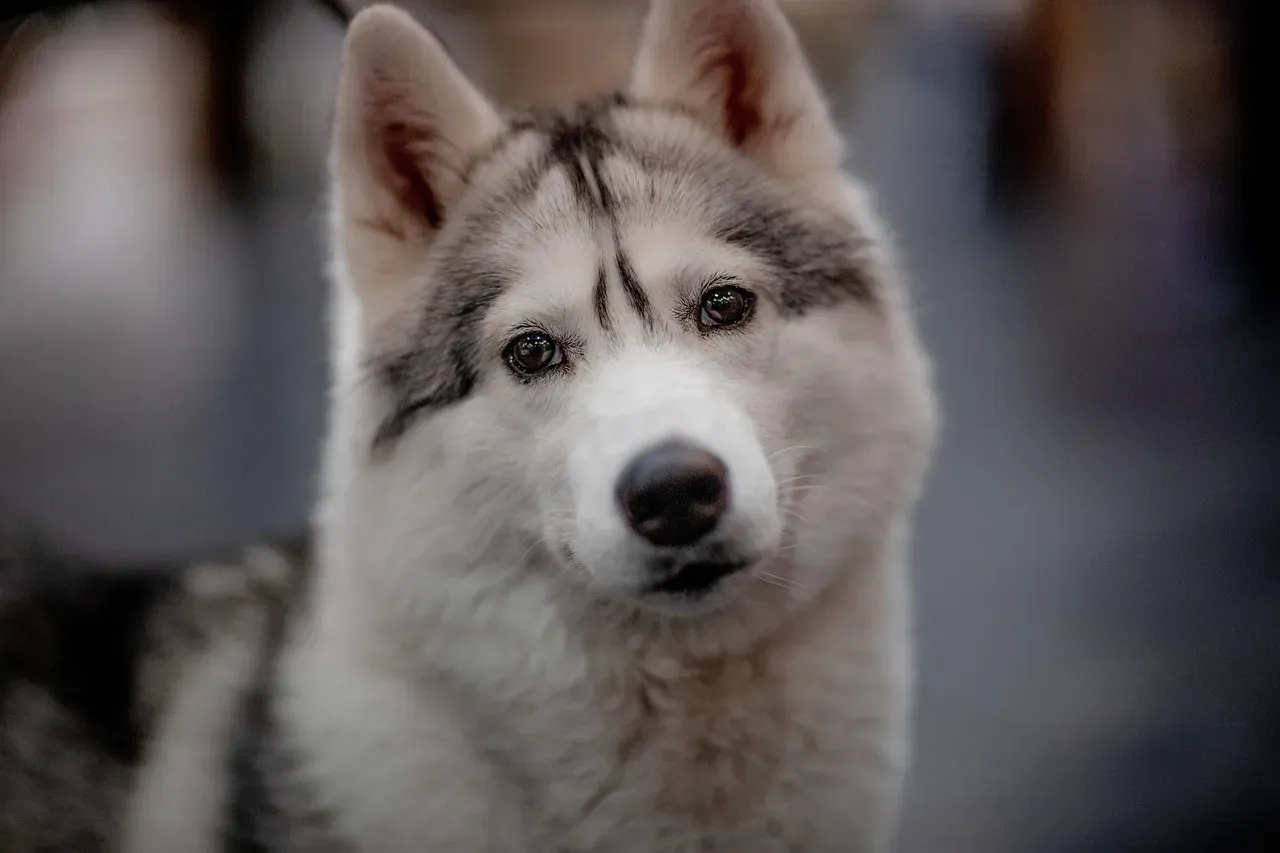
Huskies scream because they are, at their core, communicators. Not the polite, occasional kind. The full-volume, emotionally invested, this-is-important kind. Their vocalization isn’t a flaw in the breed. It’s the most visible proof of how intact their ancestral wiring remains after thousands of years of domestication.
Veterinary behaviorists are consistent on this point: understanding the sound means understanding the dog. You can train a Husky to reduce howling using positive reinforcement and a quiet command, but you cannot completely eliminate the behavior since it is deeply ingrained in their genetics. Accepting that is actually the beginning of a better relationship with the animal.
The Husky scream is, in the end, an act of trust. They’re not screaming at you out of indifference. They’re screaming because you’re their pack, and the pack deserves to know exactly how they feel. Being a Husky owner means embracing their unique form of communication. Far from being a nuisance, their talking is a vital part of who they are. Once you genuinely accept that, the haunting sound starts to sound a lot less like chaos and a lot more like conversation.


