
The Stubborn Dog Breed That Is Secretly the Most Devoted of All
Everyone assumes the sweetest, most obedient dogs are the most loyal ones. Golden Retrievers wag at the door, Labs flop into your lap on command, and every training video makes devotion look like something you earn with treats and repetition.
But talk to people who actually live with the dogs the internet labels “impossible” and “stubborn,” and you’ll hear something stranger. The dog that ignores your commands in the yard is often the same dog that won’t leave your side for a week when you’re sick. One breed sits at the center of this quiet contradiction more than any other, and thirteen close cousins share the same secret.
#1 – The Chow Chow: Stubborn on the Surface, Unshakably Devoted Beneath
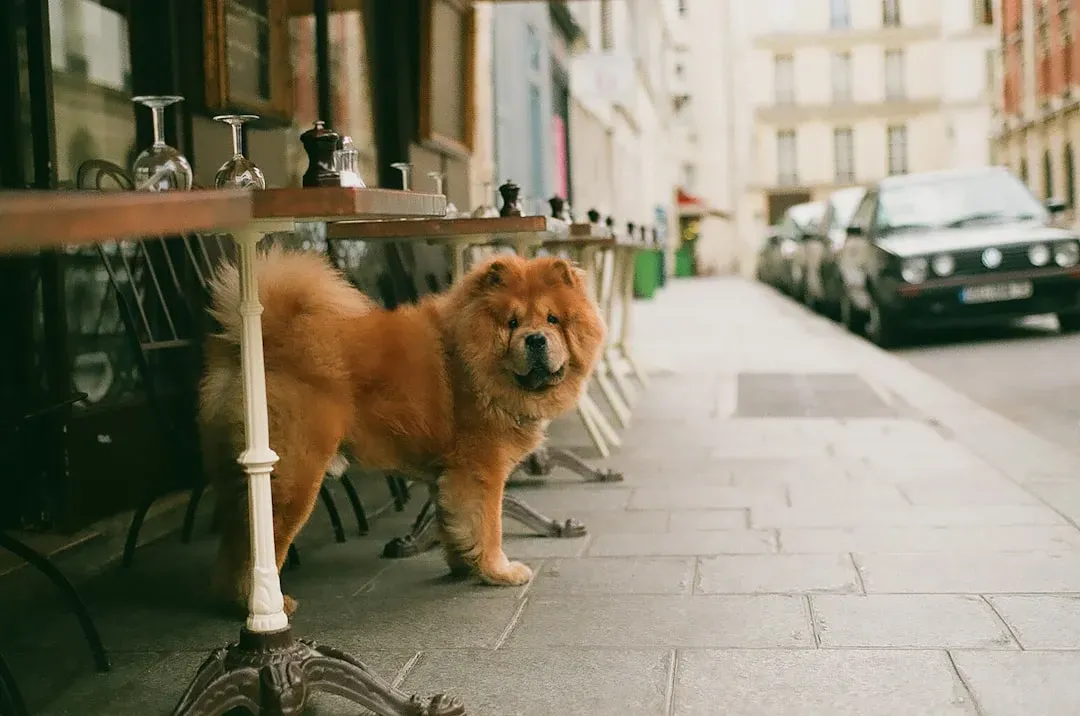
Most trainers warn first-time owners away from Chow Chows, and the reputation isn’t undeserved. These dogs routinely ignore commands they’ve personally decided are pointless, and they choose exactly when affection is warranted, not a second sooner. That same stubborn independence, though, is what makes their loyalty so concentrated. Chows typically lock onto one primary person and shadow them for life, offering quiet, watchful protection instead of tail-wagging theatrics.
Owners describe Chows that refuse to leave a sick family member’s bedside for days at a time, silently standing guard without being asked. Early socialization softens some edges, but the core personality never really bends. That’s not a flaw here – it’s a filter. Casual owners walk away frustrated, and the ones who stick around and earn the dog’s respect end up with something rarer than obedience: a bond the Chow chose on its own terms.
Fast Facts
- Origin: Northern China, one of the world’s oldest dog breeds
- Height: 17-20 inches; Weight: 45-70 lbs
- Lifespan: roughly 9-12 years
- Signature trait: a blue-black tongue, a feature shared with only one other breed
- AKC Group: Non-Sporting
#2 – The Akita: The One-Person Wonder With an Iron Will
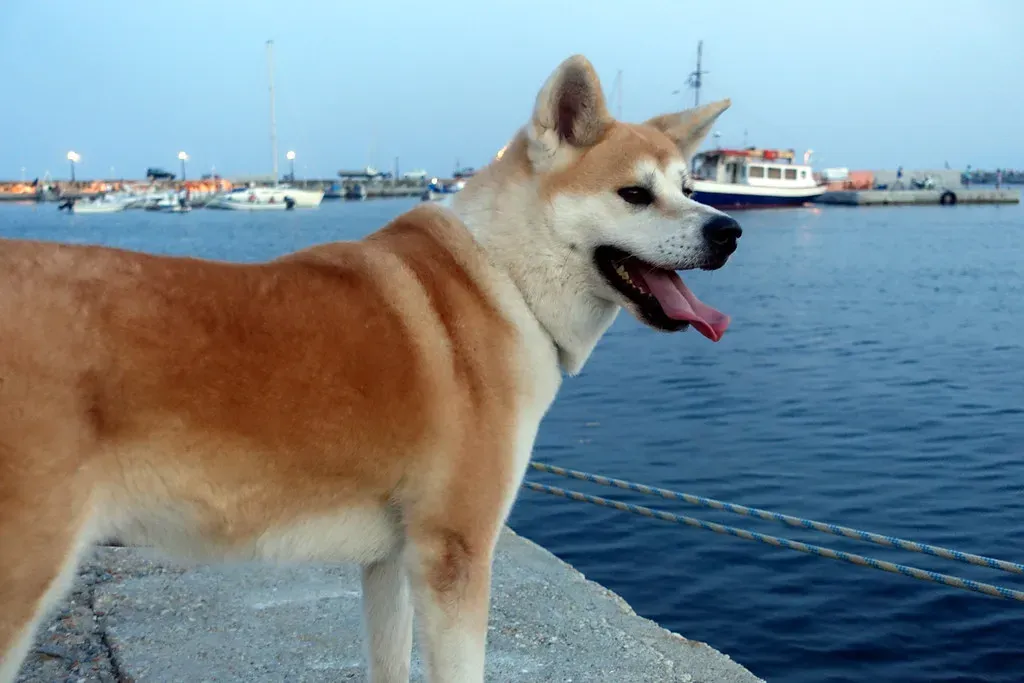
Akitas inherited the same selective hearing during training sessions, and there’s a reason for it. They were bred as hunters and guardians who had to size up a situation before acting, so blind obedience was never really in their DNA. Once an Akita commits, though, that devotion borders on legend – this is the breed behind stories of dogs waiting years at the same spot for an owner who never came home.
Their coolness toward strangers hides a fierce, private loyalty that few other breeds match. Experienced handlers say Akitas respond to consistency, not bribery; push too hard with corrections and the dog simply shuts down. Respect the boundaries instead, and it becomes a silent, watchful presence at your door. Many call it the ultimate test of patience, one that pays out in trust you can’t buy with treats.
#3 – The Shiba Inu: Cat-Like Independence Hiding Fierce Attachment
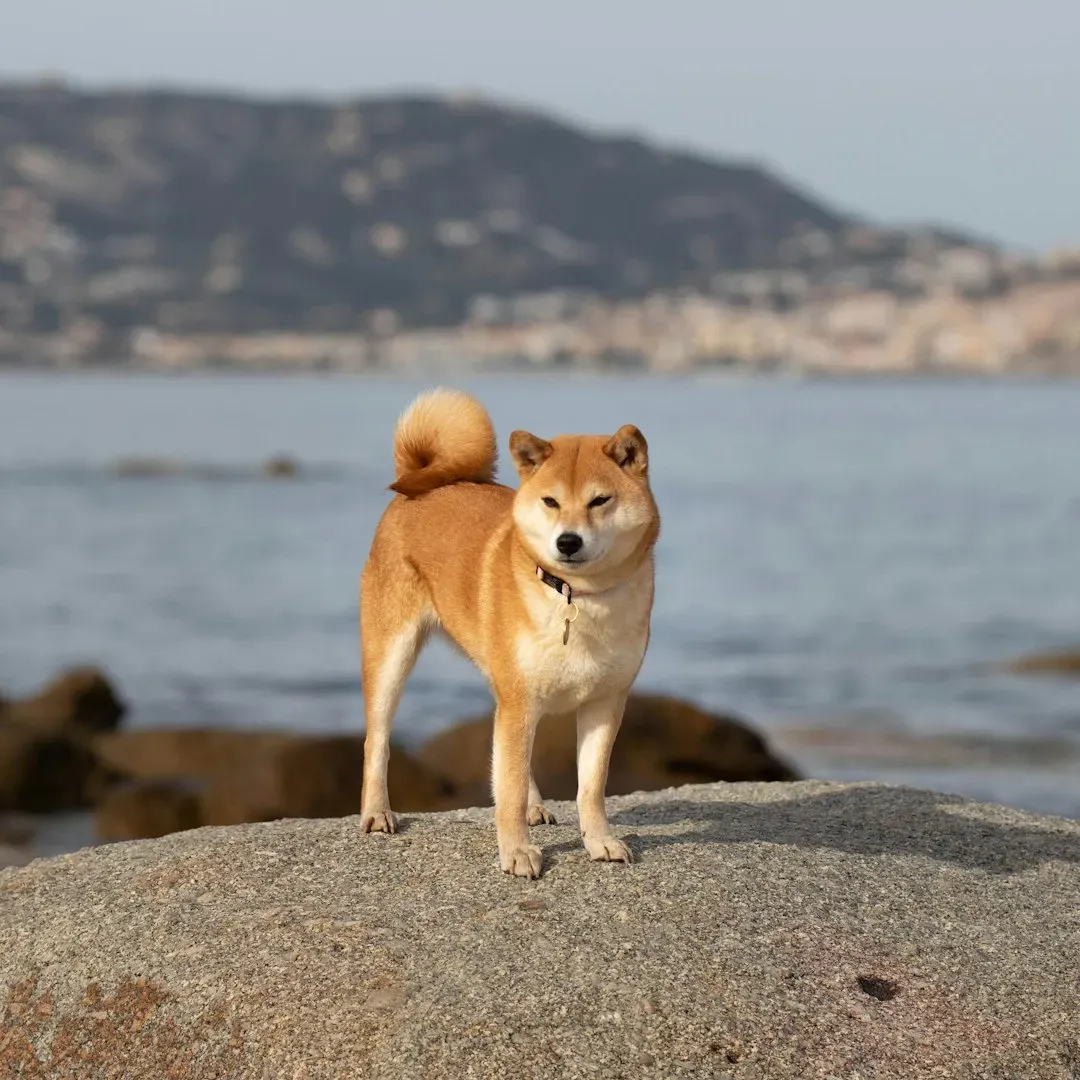
Shibas top nearly every “most stubborn breed” list, and they’ve earned the spot honestly. They negotiate every single command and frequently win through sheer, silent persistence. That “cat-like” attitude drives new owners crazy, but dedicated ones eventually discover a dog that claims its people exclusively and completely.
A bonded Shiba will trail you from room to room and guard your space with an intensity that catches visitors off guard. Force-based training backfires almost every time, so the dogs who thrive use positive methods that respect the Shiba’s dignity instead of steamrolling it. The payoff is a companion that stays devoted without ever becoming needy. Many Shiba households report the same thing: the dog tolerates practically no one else, then melts completely for its chosen human.
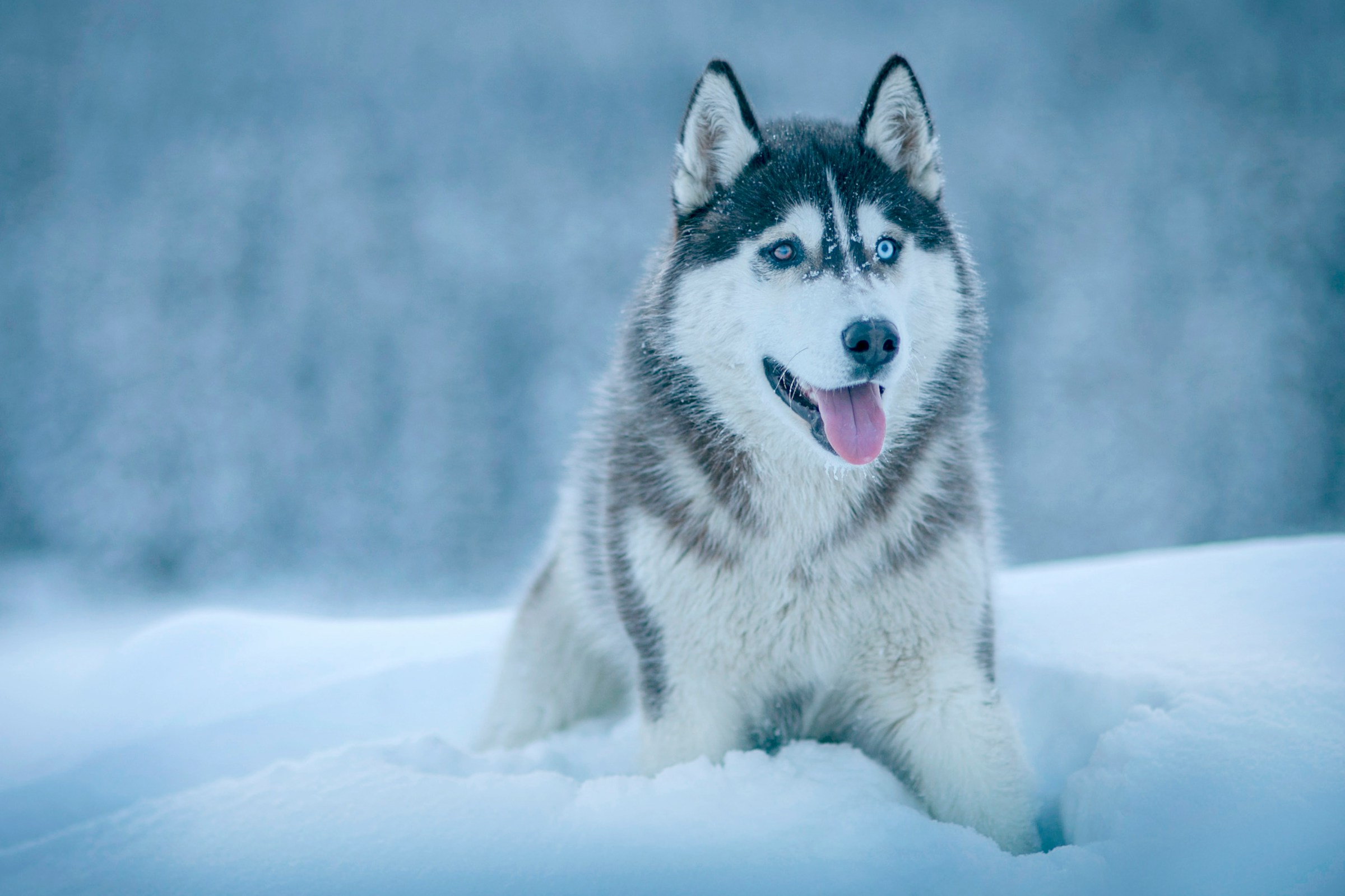
#4 – The Siberian Husky: Pack-Oriented Yet Selectively Loyal
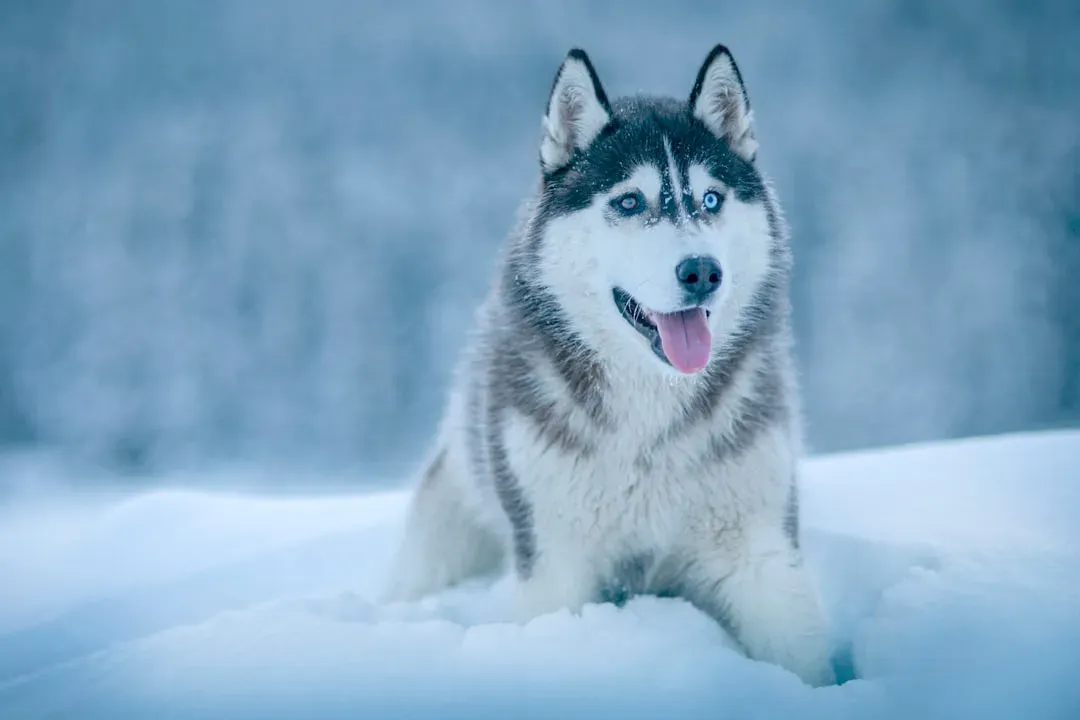
Huskies test every boundary you set, thanks to relentless energy and a genuine talent for escaping. They were bred to work in teams pulling sleds, which means solo obedience to one human voice can feel optional to them. Inside a family, though, that pack instinct redirects – Huskies form tight bonds and often quietly appoint one person as their special charge.
The playful, goofy exterior hides a deep loyalty that only shows once real trust is built. Owners who succeed with this breed lean on exercise and mental stimulation rather than strict drilling, because a tired Husky is a Husky that actually listens. The “difficult breed” reputation masks how devoted they become to fair, consistent leaders who treat them like partners instead of subordinates.
#5 – The English Bulldog: A Lazy Exterior Over a Steadfast Heart
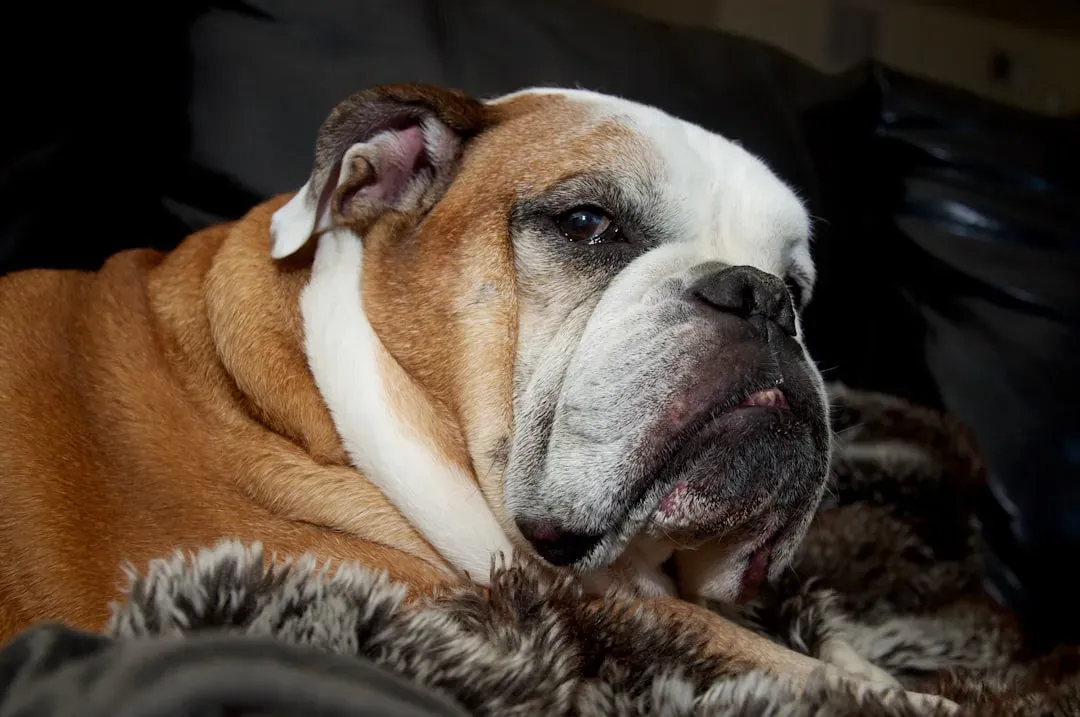
Bulldogs look like professional couch potatoes, but the stubbornness shows up in training resistance and very selective listening. They decide when a walk is over and when cuddle time begins, not you. Underneath all those wrinkles, though, is a breed that bonds hard with its people and shows protectiveness without any of the fanfare.
Many owners describe their Bulldog turning into a full velcro dog after an initial adjustment period passes. They crave routine and want their chosen humans close, above almost everything else. It’s a quieter kind of devotion than you’ll see from herding breeds, but in practice, it’s no less real.
#6 – The Chinese Shar-Pei: Wrinkled, Wary, and Fiercely Family-Focused
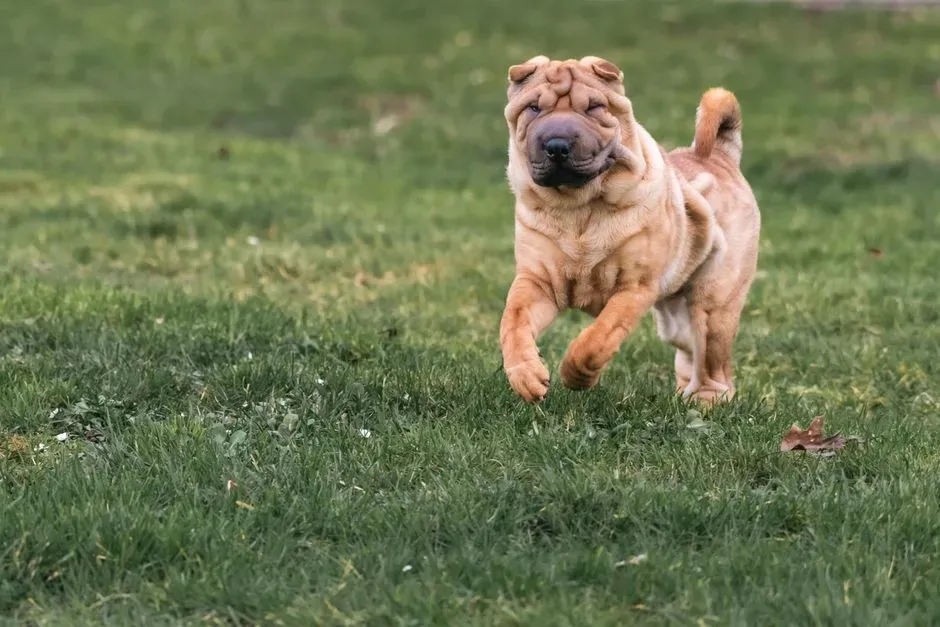
Shar-Peis carry the same independent streak as Chows and often stay guarded around outsiders for good reason. Their history as property guardians means they size up every new person before deciding whether to warm up. Once attached, they show loyalty through steady presence rather than exuberant displays, staying close to their people through good stretches and hard ones alike.
Training takes patience because Shar-Peis dislike pointless repetition, and early socialization matters more than usual to keep their guarding instinct from tipping into over-protectiveness. The payoff is a dog that claims its family fiercely and rarely, if ever, strays in its affection.
#7 – The Dachshund: Small Body, Massive Determination
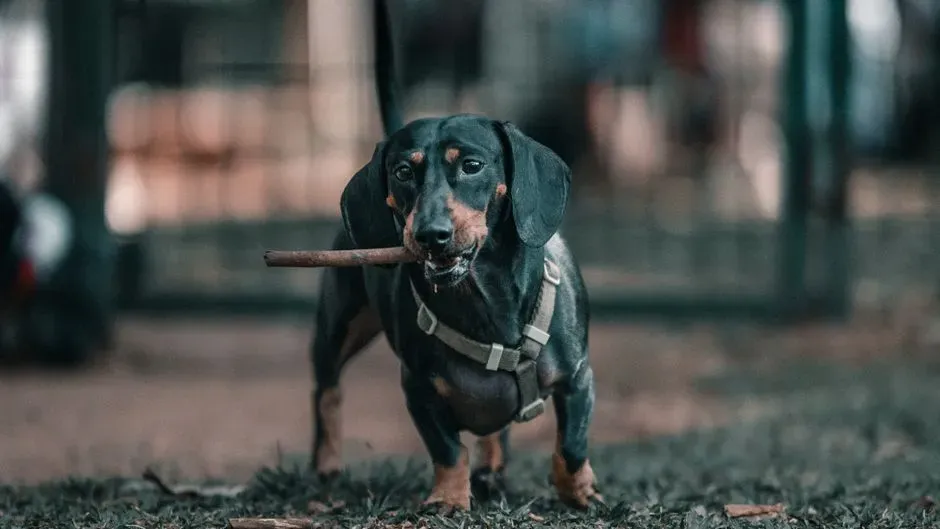
Dachshunds were bred to hunt badgers underground alone, so their stubbornness actually serves a purpose. They tune out distractions the second they lock onto a goal, which makes everyday obedience training genuinely frustrating. Owners who stick with it discover these little dogs form surprisingly intense attachments and will defend their people with courage that has nothing to do with their size.
Short, consistent training sessions keep boredom from derailing progress. Much of the breed’s “difficult” reputation traces back to mismatched expectations rather than any real flaw in the dog. A well-matched Dachshund stays devoted for the long haul.
Why It Stands Out
- Bred in Germany specifically to hunt badgers underground, alone
- Comes in two sizes (standard and miniature) and three coat types (smooth, wirehaired, longhaired)
- A long spine and short legs mean stairs and jumping should be limited to protect the back
- Despite the tiny frame, the confidence and bark are full-sized
#8 – The Beagle: Scent-Driven and Selectively Obedient
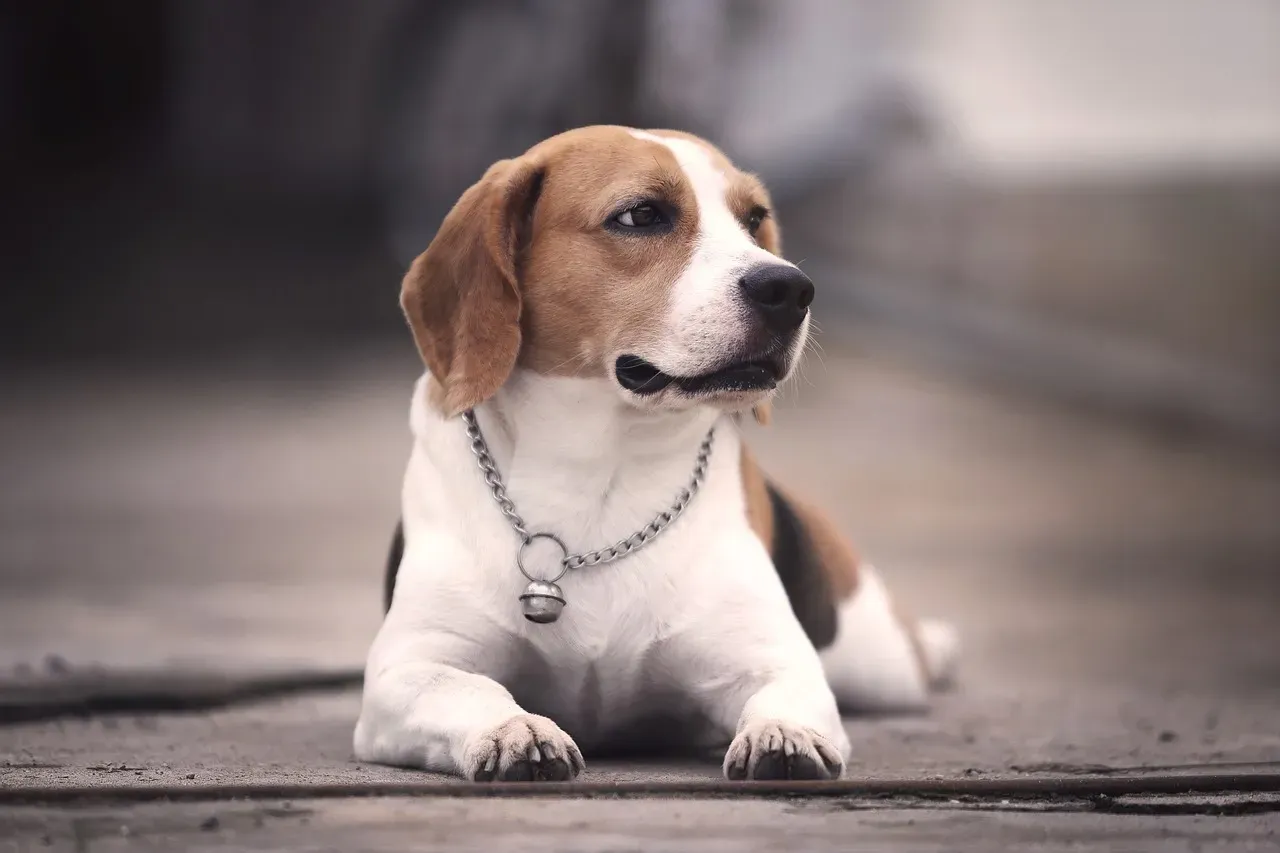
Beagles follow their nose first and their owner second, every single time. That hunting heritage makes reliable recall one of the toughest challenges in the breed. Inside the home, though, they turn into affectionate companions with clear favorites among the family, quietly picking who they want closest.
Food motivation helps bridge the training gap when a Beagle’s nose takes over. Many owners say their dog seems aloof outdoors chasing a scent trail, then becomes a total shadow the moment it’s back inside. The loyalty is real – it just has to compete with a nose that never really turns off.
#9 – The Jack Russell Terrier: The High-Energy Negotiator
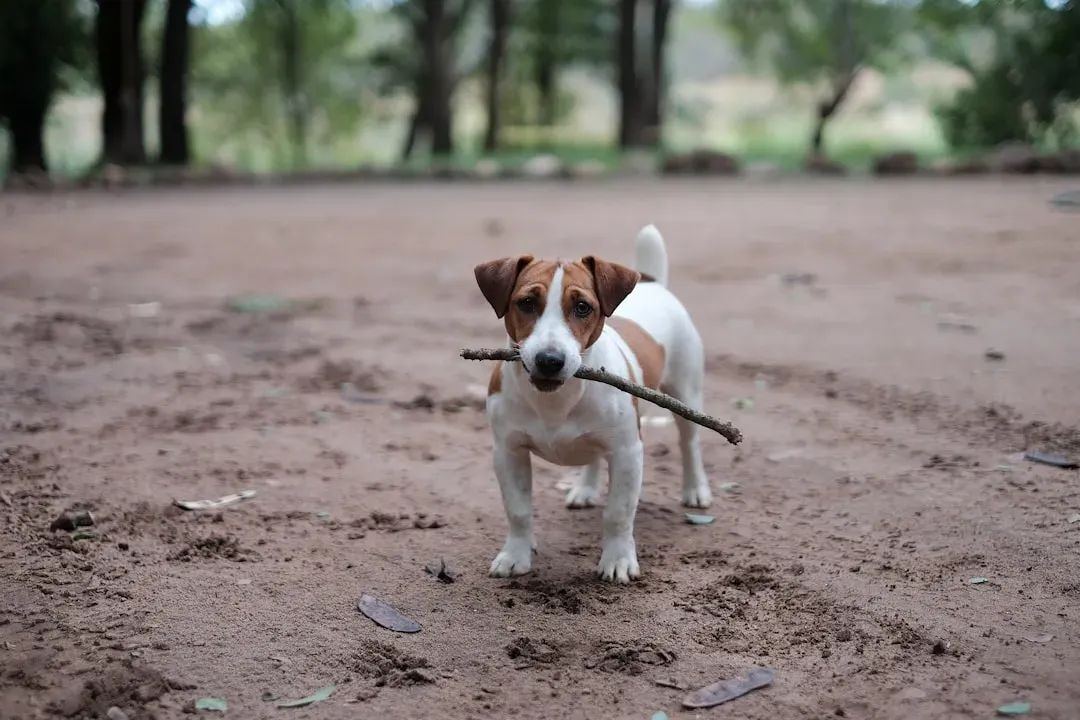
Jack Russells bring full terrier tenacity to every single interaction. They often outsmart their owners during training, learning exactly what they can get away with faster than most breeds. Once bonded, though, that same relentless energy channels into protecting and entertaining their chosen people with laser focus.
Mental stimulation isn’t optional here – without a job, that energy turns destructive fast. Owners who give their Jack Russell something to do see the devoted side emerge much sooner. This is a breed that rewards anyone who can match its intensity with genuine lifelong loyalty.
Worth Knowing
- Developed in England by Reverend John Russell for fox hunting
- Typically needs 60 or more minutes of vigorous exercise daily to stay balanced
- Famous for explosive vertical jumps that can clear several feet from a standstill
- Recognized in the show ring as the Parson Russell Terrier
#10 – The Chihuahua: Tiny Frame, Enormous Loyalty
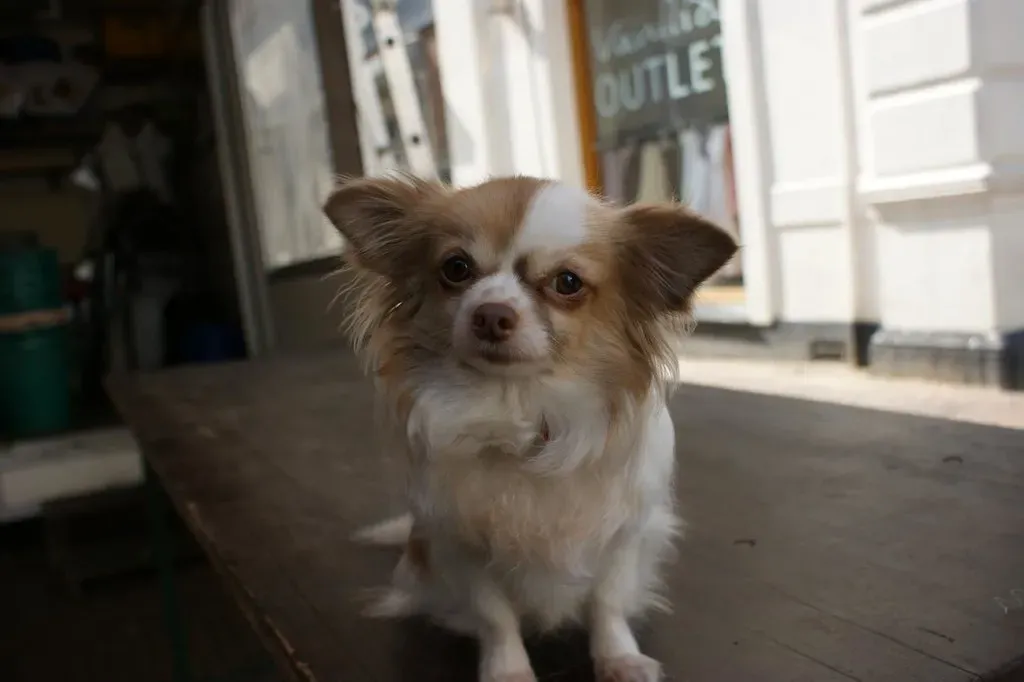
Chihuahuas pack serious attitude into a tiny body and resist training they consider unnecessary. Their devotion frequently tips into possessiveness, with dogs openly claiming one person above everyone else in the house. That intensity can create real challenges, but it also produces some of the most attached small-dog relationships out there.
Socialization and confidence-building help balance out the neediness before it becomes a problem. Many owners find their Chihuahua becomes a permanent, constant companion the moment trust fully forms. The stubbornness weeds out casual interest almost immediately.
#11 – The Lhasa Apso: Watchdog Spirit in a Lapdog Body
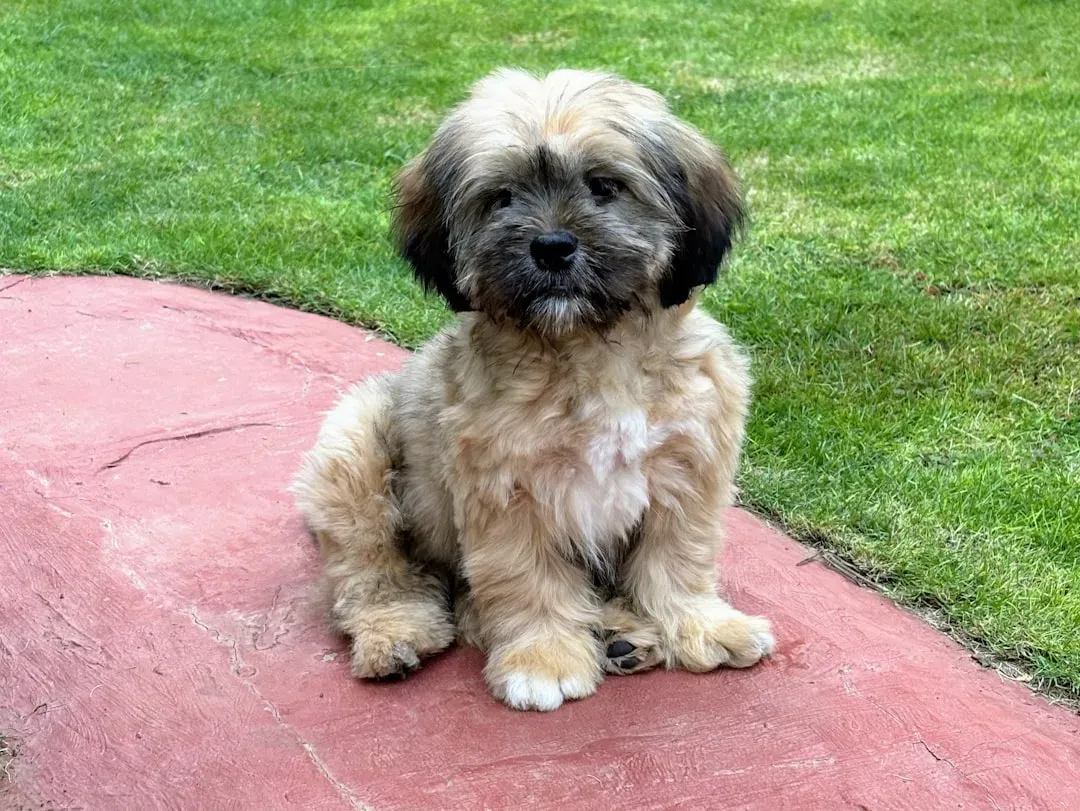
Lhasas were bred as monastery sentinels, and they still carry that alert, opinionated energy today. They decide who’s allowed into their space, and honestly, they often end up training their owners instead of the other way around. Loyal Lhasas show affection strictly on their own terms while staying deeply bonded to the household.
Patience with their independent streak pays off over time. These dogs rarely forget a slight, but they also rarely forget a kindness. That long memory builds into a quiet devotion that lasts for years.
#12 – The Afghan Hound: Elegant but Headstrong
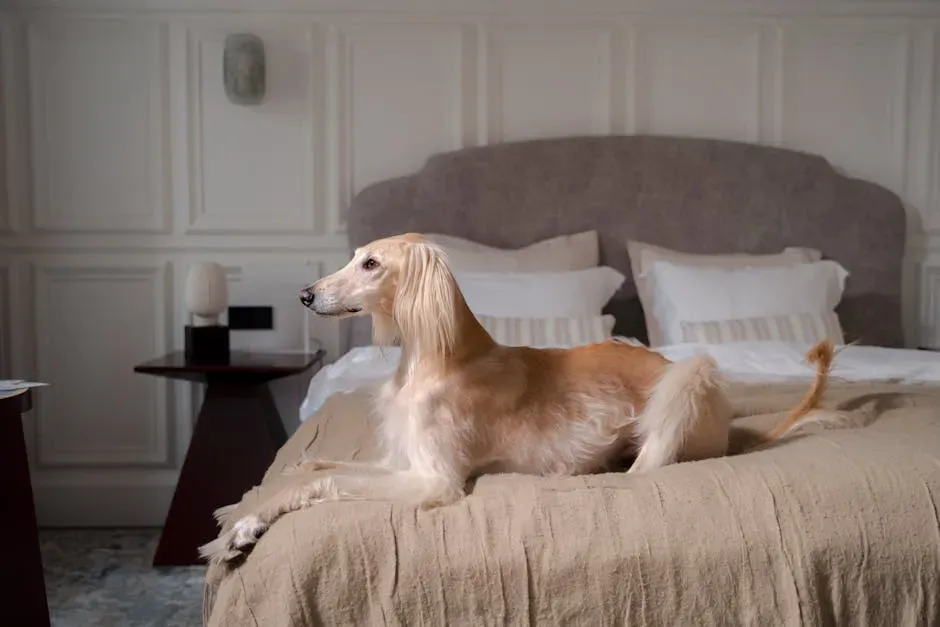
Afghans carry an almost aristocratic independence that makes obedience feel optional in their eyes. Their sighthound instincts prioritize the chase over any command being shouted from across the yard. Once bonded, though, they show a quiet, understated loyalty and clearly prefer their chosen people over strangers.
Gentle, consistent leadership works far better than force ever will with this breed. Many owners describe Afghans as dogs that test every limit you set, then reward that patience with a steady, dignified presence for life.
#13 – The Basenji: The Barkless Wonder With Strong Opinions
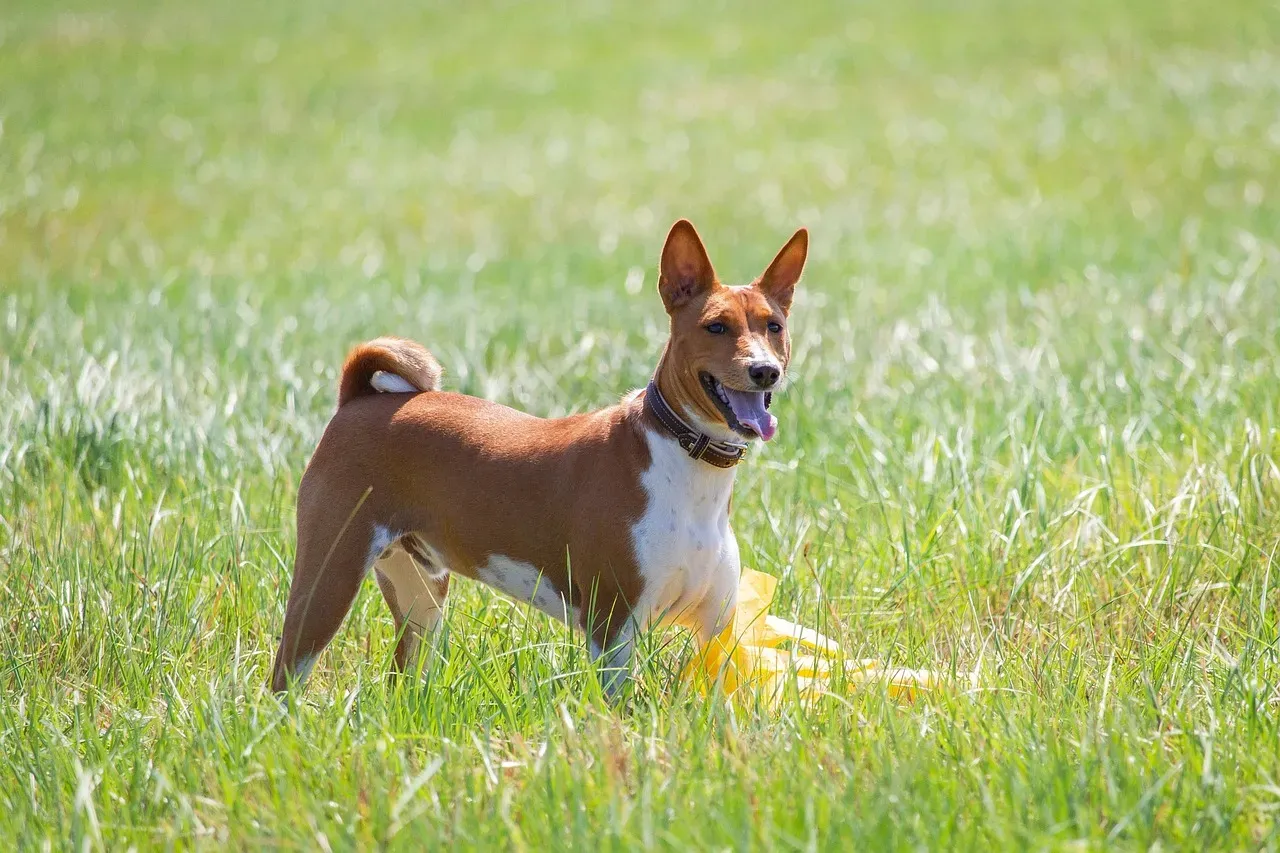
Basenjis communicate through yodels, chortles, and body language instead of barking. Their sharp intelligence combined with real stubbornness makes them experts at dodging any task they’ve decided isn’t worth their time. Bonded Basenjis become clean, affectionate companions who claim their family with an almost cat-like precision.
Early training and constant enrichment keep their minds engaged and out of trouble. Owners who adapt to the breed’s unusual style discover a dog that stays devoted without ever demanding constant attention in return.
At a Glance
- Origin: Central Africa; among the oldest dog breeds, with depictions in ancient African art
- Nicknamed the “Barkless Dog” for its unique yodel-like sound instead of a bark
- Lifespan: typically 13-14 years, long for a breed its size
- Grooms itself meticulously, earning constant comparisons to cats
#14 – The Pekingese: Royal Stubbornness With Deep Attachment
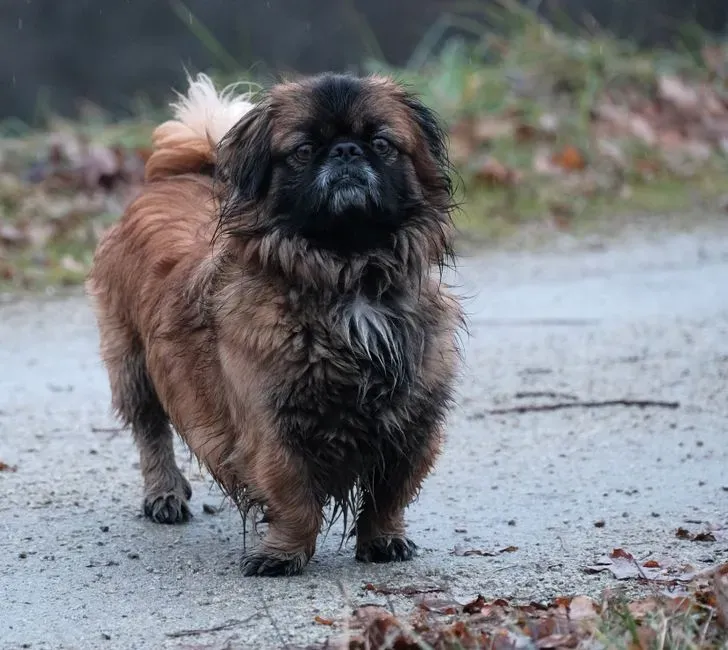
Pekingese still carry the imperial attitude of their Chinese palace origins, and it shows. They often flatly refuse commands that clash with their sense of dignity, no matter how simple the request. Loyal owners report these small dogs forming intense bonds and displaying protective instincts that seem far too big for their size.
Short, positive training sessions respect their independent streak instead of fighting it. The breed’s reputation for difficulty hides just how devoted Pekingese become to the handlers who treat them with patience and respect instead of frustration.
The Bottom Line
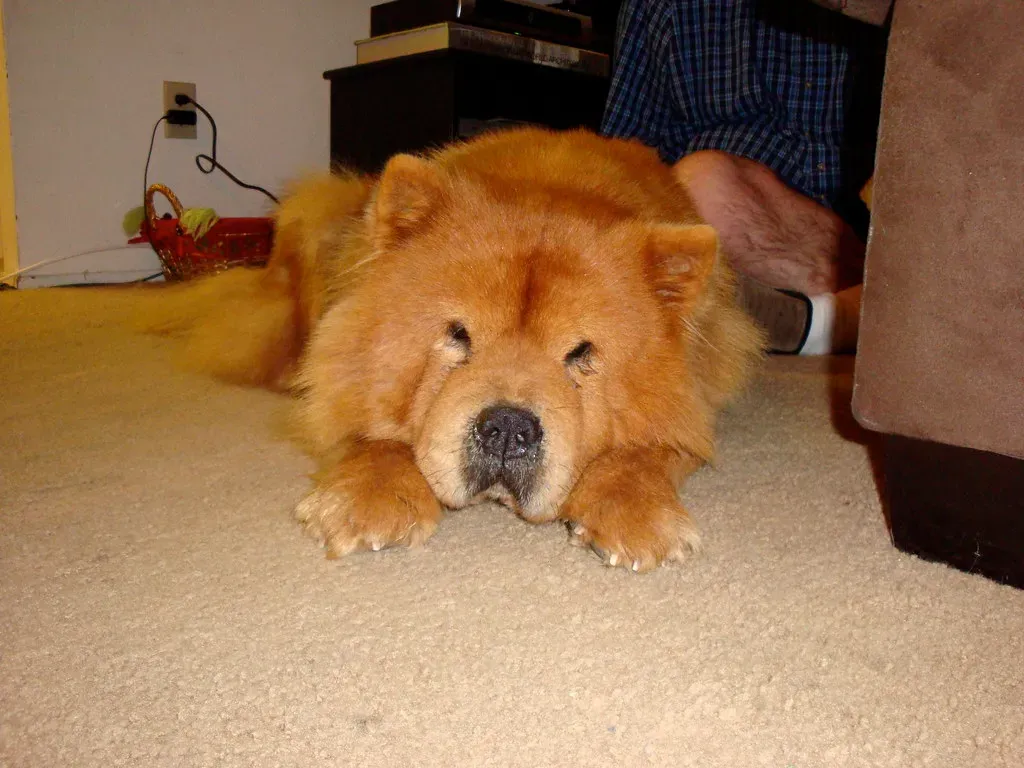
The Chow Chow earns the top spot because it looks the most difficult on paper yet delivers the deepest, most selective devotion once trust is actually earned. The thirteen breeds beside it prove this isn’t a fluke – independence and loyalty aren’t opposites in the dog world, they’re often the same trait wearing different faces.
Most people chase the flashy, tail-wagging affection they see in commercials and completely miss the quieter, harder-won loyalty these dogs offer instead. I’ll take a dog that makes me earn it every time over one that loves everybody equally by default. Which stubborn breed have you owned or considered, and did the loyalty end up surprising you? Drop your story in the comments.