
#1: The Tight Curl – When Protection Becomes a Habit
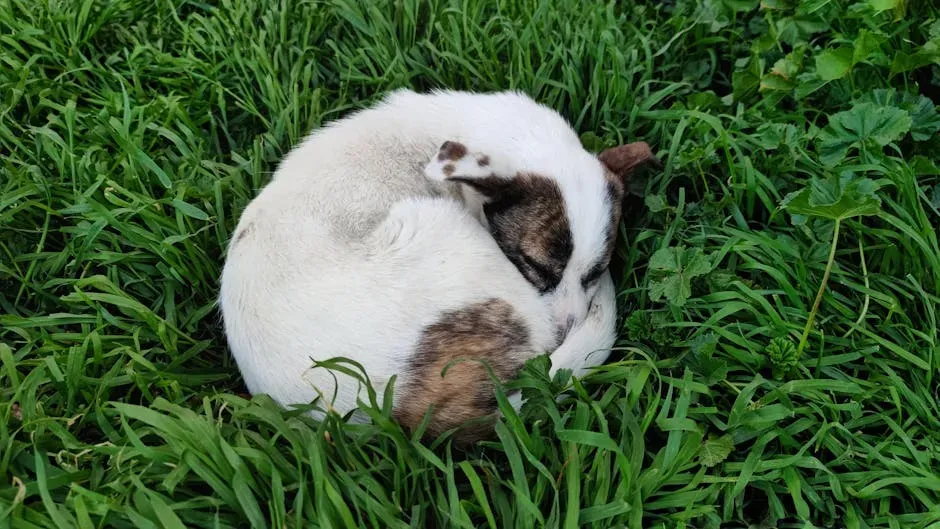
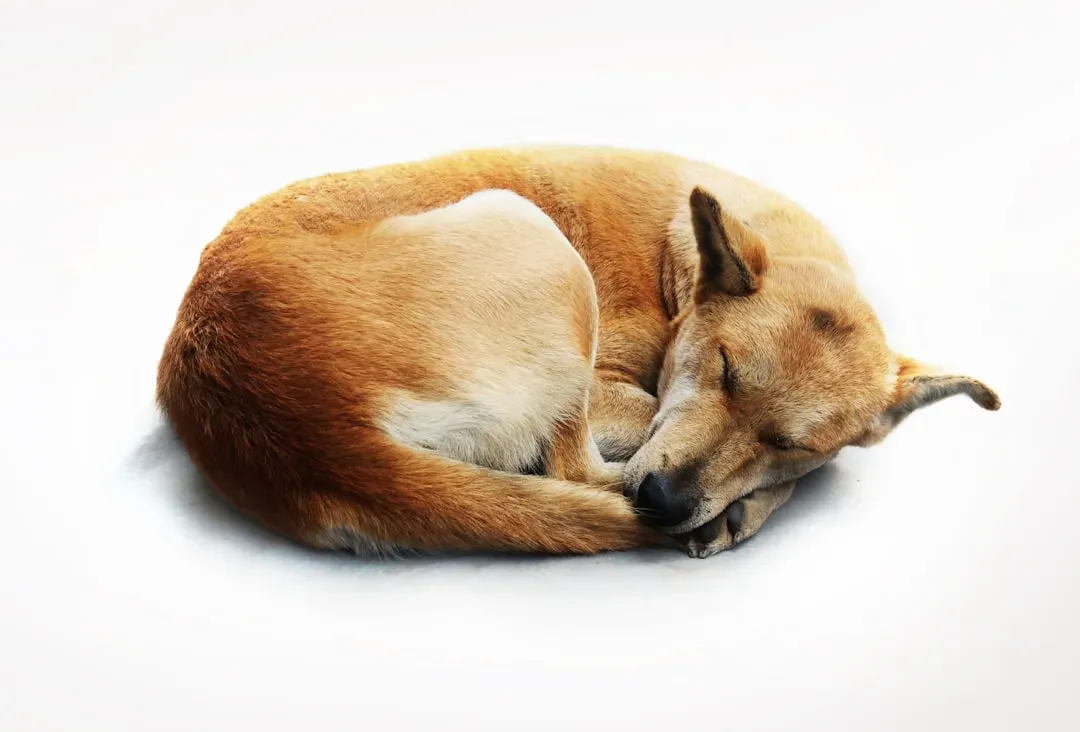
Of all sleeping positions, the tightly curled ball is perhaps the most revealing when it comes to dogs with a troubled past. Dogs curl up in a ball when they want to be safe from harm or feel insecure or anxious about their surroundings, and this position makes it easier for them to protect themselves from predators and other dangers in their environment. For a rescue dog, that instinct can be deeply ingrained.
Certified Applied Animal Behaviorist Dr. Mary Burch believes this position “could be related to a dog that is anxious,” noting that shelter dogs are often seen curled in a ball when they sleep, as though they want to protect themselves. When a dog tucks nose to tail night after night, it’s not just about warmth. It’s a survival reflex carried over from a time when comfort wasn’t guaranteed.
Dogs who curl up frequently often signal they’re in a cautious or self-soothing mode, a behavior seen commonly in newly adopted dogs adjusting to unfamiliar surroundings, anxious dogs managing stress, and dogs recovering from illness or medical procedures. If your dog sleeps this way consistently, even in a warm, safe home, their past may still be speaking louder than their present.
#2: Hiding to Sleep – The Shelter Mentality That Lingers
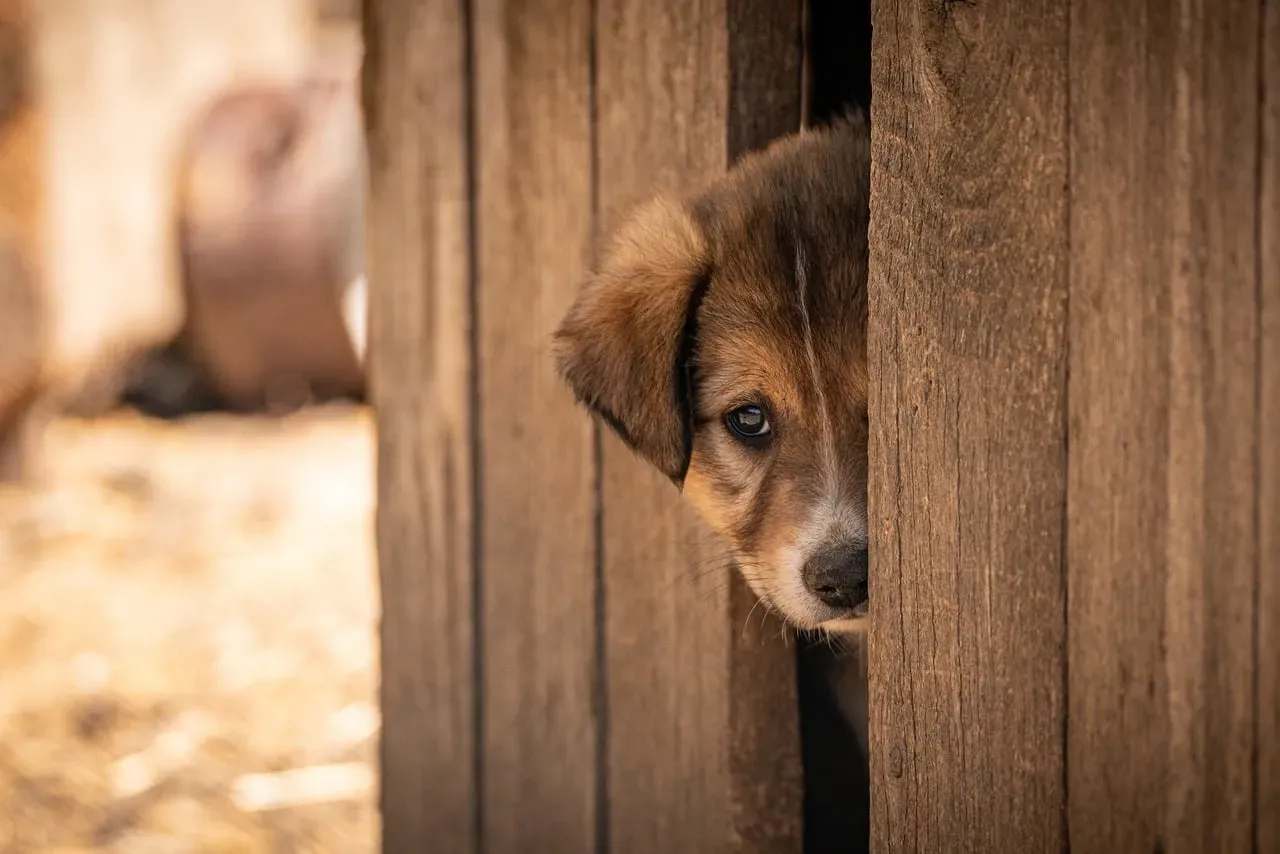
Some dogs don’t just curl up. They disappear. Choosing to sleep under beds, behind furniture, in corners, or beneath blankets is a behavior that speaks volumes about a dog’s sense of security. A dog from a neglectful or unsafe background may curl up on the hardwood floor instead of the rug or his own bed because he’s used to sleeping on concrete, and may choose to sleep under a table or bed to limit his exposure and feel secure.
This sleep position may have been adapted from the evolution of dogs in the wild and their tendency to burrow in tight dens, and dogs that sleep this way are often seeking more affection in general, finding comfort and peace of mind when tucked under things like clothes, blankets, or pillows. For a dog whose early life involved unpredictable threats, enclosed spaces feel genuinely safer than open ones.
Shelter dogs will often burrow under blankets even after they are placed in a safe, loving home. It’s one of the most touching reminders that healing takes time, and that a dog’s body remembers long after their mind has begun to adjust. Don’t rush them out of the corner. Let them come to the open on their own terms.
#3: The Restless Sleeper – Hypervigilance That Won’t Switch Off

A dog that can’t seem to settle, shifting positions, circling, getting up and lying down again, might look like they simply can’t get comfortable. The reality is often more complex. Restless sleep is never normal behavior during rest periods and almost always indicates one of four things: pain, overheating, anxiety, or an uncomfortable sleeping surface. In traumatized dogs, anxiety is frequently the culprit.
Severe anxiety and hypervigilance can cause difficulty sleeping in dogs. Dogs that feel as though they need to be on guard will be hesitant to let their guard down, and a vigilant dog will have trouble relaxing and finding a comfortable sleeping position. This is the nervous system still running on high alert, even when there’s nothing left to fear.
Sleep is not something that comes easy to these dogs. Constantly on alert, they’re always sleeping with one eye open to make sure of what’s happening next. If this sounds like your dog, know that it’s not stubbornness or a behavioral flaw. It’s a trauma response. Routine, patience, and a consistent environment are the most effective tools you have.
#4: Refusing to Sleep on Their Back – The Trust That Was Never Built
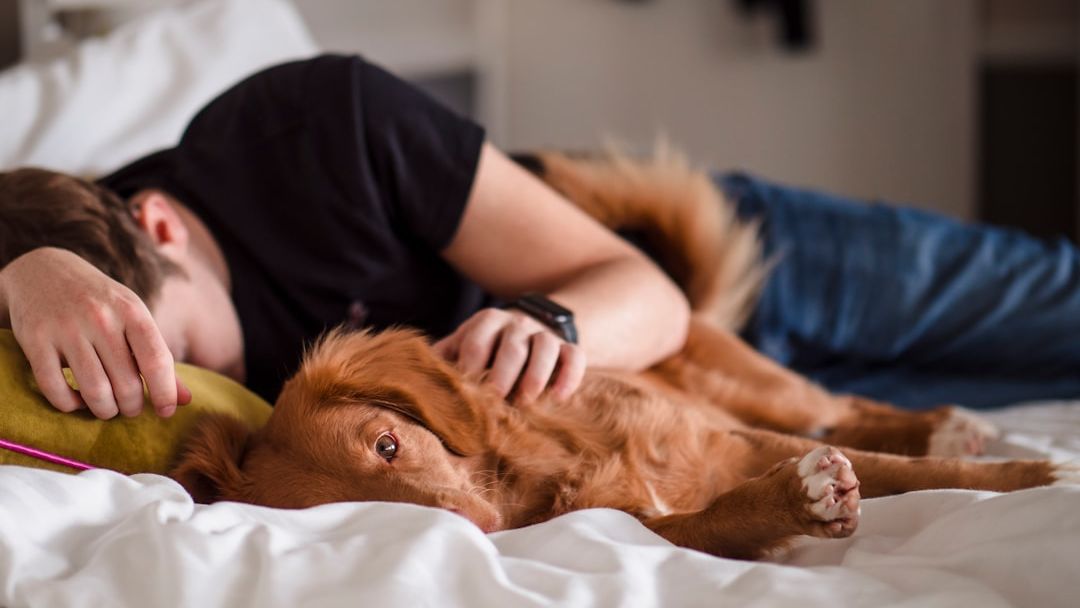
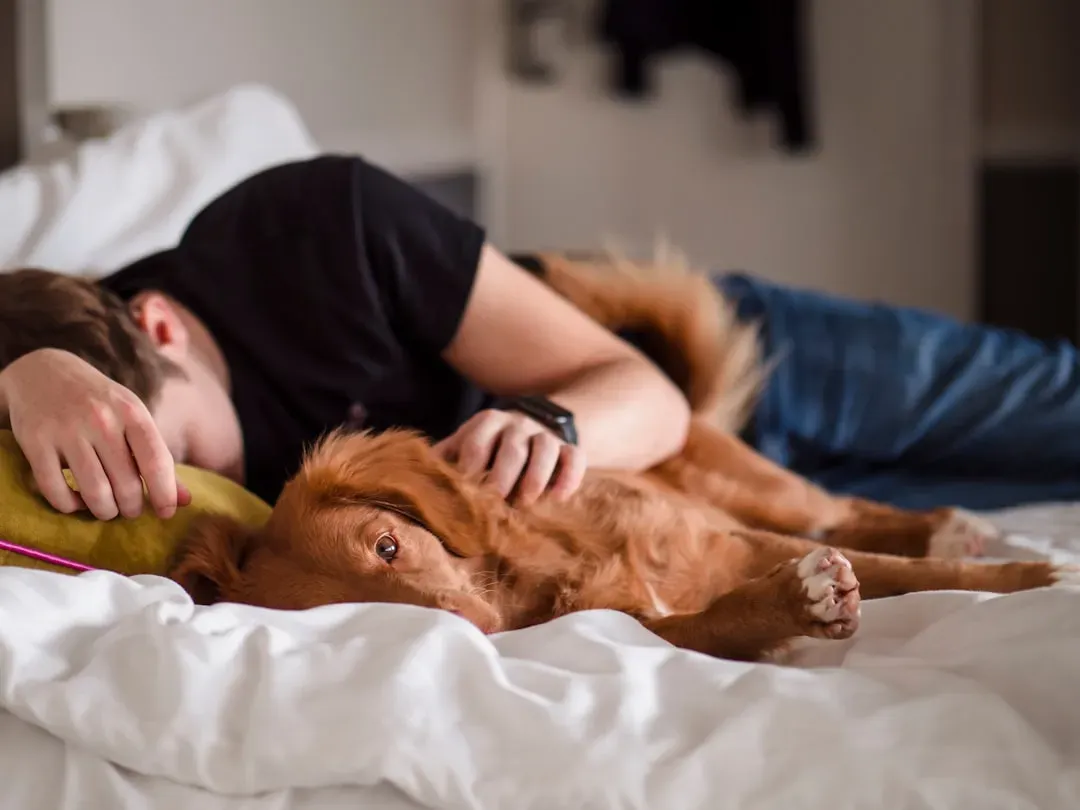
A dog sleeping fully on their back, belly exposed and paws in the air, is one of the clearest signals of emotional security that a dog can give. In this position, a dog is quite exposed. Their soft underside is their weakest point physically, and it is a bodily part that virtually all dogs prefer to protect and hide. Dogs who have experienced abuse or chronic fear may never adopt this position at all.
The belly-up sleeping position indicates that a dog is extremely relaxed and feels safe and unthreatened in its environment. Animals who have a sense that they might be attacked simply don’t expose their bellies. So when you see a dog that always sleeps curled or on their stomach but never flips over, that avoidance is meaningful. It tells you that full, unconditional relaxation hasn’t arrived yet.
The beautiful flip side of this is that the first time a traumatized dog rolls onto their back and sleeps with their belly up in your home, it’s a milestone. It means something shifted inside them. Outdoor dogs or anxious dogs tend to sleep lightly, while indoor dogs who feel secure fall into deeper, restorative sleep. That belly-up moment is your dog saying, quietly and wordlessly, that they finally feel safe.
#5: Nightmares and Distress During Sleep – When the Past Replays

Perhaps the most emotionally difficult thing to witness is a dog visibly distressed in their sleep. Whimpering, trembling, paddling paws, and sudden fearful waking are behaviors that researchers and veterinarians take seriously. Rescue dogs often carry the heavy burden of traumatic experiences from their pasts, and these traumas, which may include abuse, neglect, or abandonment, significantly impact their emotional well-being.
Dogs can dream, and they’re capable of having nightmares. Some dogs will have full-on night terrors. While it’s normal for dogs to occasionally have bad dreams, dogs with post-traumatic stress may have frequent nightmares, which can contribute to their reluctance to sleep. If your dog wakes up startled and disoriented on a regular basis, that pattern matters and is worth discussing with a veterinarian or animal behaviorist.
Whimpering or vocalizing during sleep, especially sounds resembling distress, may indicate a nightmare. Rapid twitching or paddling of the paws suggests active dreaming and potential distress. A pained or fearful expression, including tensed facial muscles, can signify a troubling dream. Sudden waking with signs of fear or anxiety might be a response to a distressing dream. Learning to recognize these signs is one of the most compassionate things an owner can do.
#6: Clinging to You While Sleeping – Attachment Born From Fear

When a dog insists on sleeping pressed against you, wedged between your legs, or draped across your feet, it can feel like pure sweetness. Often it is. Sometimes, though, it points to something deeper. Dogs who have experienced trauma or feel particularly vulnerable often prefer this sleeping arrangement because it provides maximum security with minimal exposure to potential threats, and many dogs simultaneously view this position as allowing them to maintain a protective role, monitoring potential threats to their sleeping human.
Separation anxiety represents one of the most significant psychological factors driving dogs to sleep between their human companion’s legs. Dogs experiencing separation anxiety often exhibit heightened attachment behaviors, including excessive closeness during times when their human is present. This isn’t just about affection. For a dog whose world was once unstable, your body is the most reliable safe place they know.
The development of separation anxiety can stem from early abandonment experiences, sudden changes in daily routines, traumatic events during human absences, or genetic predispositions toward anxiety disorders. The instinct to stay physically close to a trusted person is one of the most primal responses a dog has to unresolved fear. Rather than correcting this behavior harshly, gradual confidence-building tends to produce far better results over time.
What You Can Do: Helping a Traumatized Dog Feel Safe Enough to Rest
Understanding these sleeping signals is the first step. Acting on them thoughtfully is the second. Dogs often reveal their full emotional and behavioral range only after they begin to feel safe, and signs of reactivity or anxiety that appear weeks after adoption were often always there, simply hidden under the weight of stress and uncertainty. Progress isn’t always linear, and setbacks are normal.
Creating a safe space where your dog can retreat if they feel overwhelmed is essential, and taking the dog’s own preferences into consideration when establishing that space matters. It could be a kennel, a dog bed, or wherever else your dog seems most comfortable when scared. Respecting their chosen corners, their hiding spots, their preferred body positions, communicates something they desperately need to hear: that here, they’re allowed to rest.
Once a rescue dog finds a spot to curl up, they finally have a real chance to fall into a deep sleep. This is a chance they may have been deprived of for weeks, sometimes months, and possibly years. Pair that safe environment with routine, calm energy, and professional support when needed. The goal isn’t to force a dog into “normal” sleep behavior. It’s to make the world feel predictable enough that normal becomes possible on its own.
Conclusion
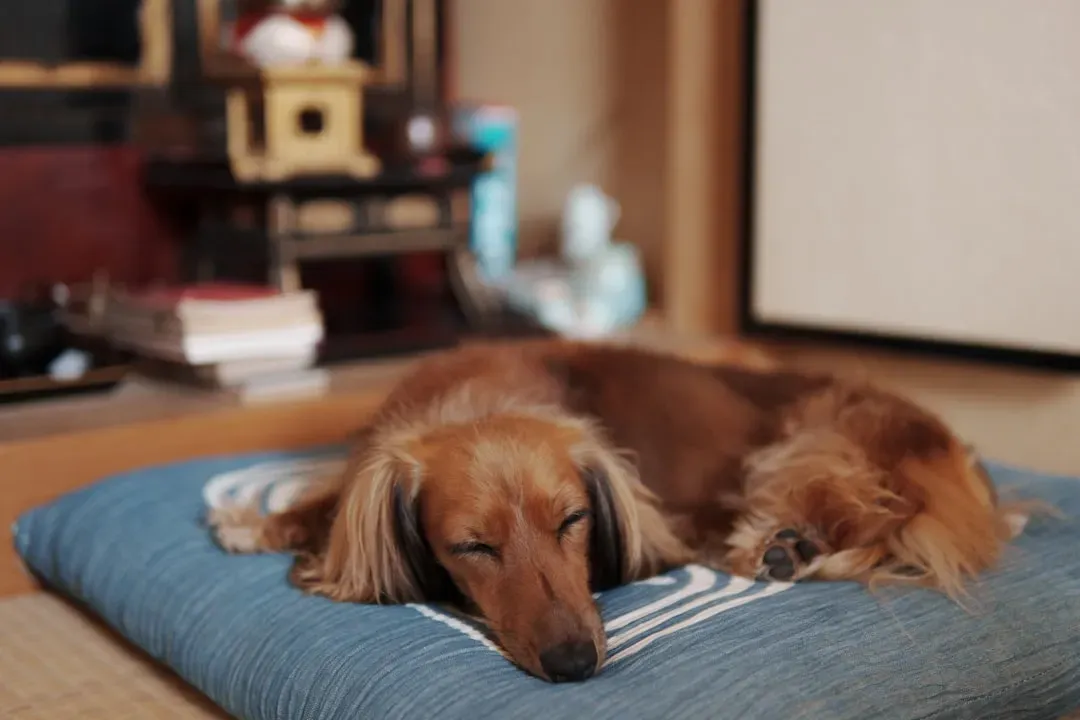
There’s a certain quiet responsibility in loving a dog with a difficult past. They can’t describe what happened to them. They can’t explain why they flinch, or why they sleep pressed into the wall, or why they haven’t once rolled onto their back in three months. They can only show you, in the language their bodies know best.
Sleeping positions are one of the most honest forms of canine communication we have access to. Dog sleeping positions often reflect comfort, trust, and emotional state. Certain poses help regulate temperature or protect vital organs. Changes in sleeping habits may also signal stress, discomfort, or health issues. When you learn to read them not just as cute quirks but as genuine emotional signals, you become a far better advocate for your dog’s healing.
The tight curl, the hidden corner, the restless turning, the clinging presence at your feet. None of it is random. It’s a record. Your job isn’t to fix the history. Your job is to be patient enough, consistent enough, and present enough that the history slowly loses its grip. That’s when the real rest begins, for both of you.


