
#1: Cavalier King Charles Spaniel

Cavalier King Charles Spaniels are cherished as affectionate companions, known for their gentle demeanor and friendly nature. As family-oriented dogs, they thrive on human interaction and can develop strong emotional ties with their owners. However, this intensive attachment can sometimes lead to separation anxiety when left alone. The word “velcro” gets thrown around loosely in the dog world, but for Cavaliers it’s practically a clinical descriptor.
It is thought that Cavaliers are much needier than many other breeds, and it is not at all uncommon for them to suffer from separation anxiety. Cavaliers are commonly labelled as ‘velcro dogs’ due to their need to be as close as possible to their owners. Rehoming one of these dogs doesn’t just uproot their routine – it dismantles the emotional scaffolding their entire world is built on. They grieve deeply, visibly, and for far longer than most people expect.
#2: German Shepherd

Known for their intelligence and protective instincts, German Shepherds are deeply attached to their owners. They love having a job to do and being close to their family, which can make them anxious or restless when alone for too long. People often see the confident, commanding exterior and assume these dogs are emotionally self-sufficient. They’re not.
Though celebrated for roles in police, military, and search-and-rescue work, German Shepherds have an unexpected emotional side. Despite their commanding presence, they’re deeply sensitive to their owners and may become overly attached. Developed originally for herding and guarding sheep, German Shepherds often form a very strong bond with a single owner. They are naturally loyal, strongly attached to, and fiercely protective of their one person. Separate them from that person, and you’re not just changing their address – you’re erasing their sense of purpose.
#3: Vizsla

The Vizsla is a Hungarian hunting dog also known for being an excellent family pet. They are very affectionate and loving dogs that enjoy being around people. However, they can also be prone to separation anxiety if they do not have enough human interaction during the day. The Vizsla doesn’t just prefer company – it’s essentially engineered for it.
Vizslas are known as “velcro dogs.” They tend to seek out constant companionship due to their history as falcon dogs and having close working relationships with their handlers. They need movement and mental challenge, but they also need your skin. If you’re home a lot, or happy to include your dog in errands and hikes, a Vizsla will reward you with a bond that feels like a shared heartbeat. If you’re gone long hours, this isn’t your breed. Rehoming a Vizsla is, in many ways, like pulling a fish from water and expecting it to simply adapt.
#4: Labrador Retriever

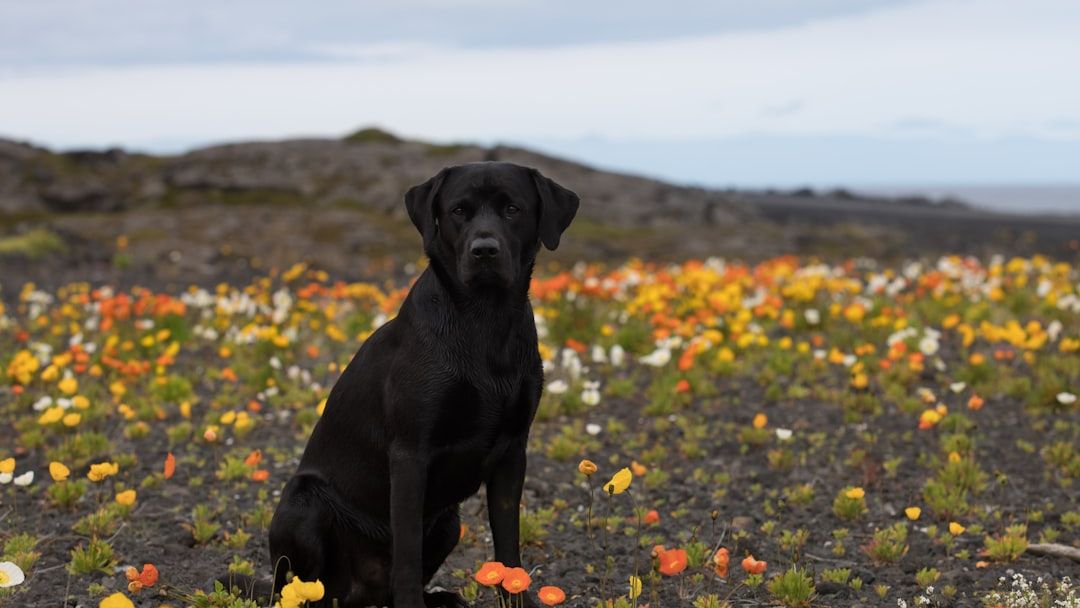
One of the things that makes Labs so special is their incredible capacity to form deep emotional bonds with their owners. These dogs are well-known for their loyalty and dedication. They’re in tune with human emotions and are always ready to provide comfort after a tough day. That emotional attunement, so endearing in daily life, becomes a liability when the relationship is severed.
Labradors are family dogs and working dogs. Their personality traits include loyalty, smartness, intelligence, and friendliness. Labradors love to be around children and other house pets, so to avoid development of dog anxiety and depression in them, you can buy a pair of labs to engage them. They require mental and physical stimulation, and to enjoy their love and companionship forever, you have to fulfill their energy needs. A rehomed Lab isn’t being dramatic when it mopes for weeks. It’s mourning something real.
#5: Border Collie

The Border Collie consistently ranks as the most intelligent dog, but this means they are more likely than other breeds to become bored when they have no stimulation. Leaving them alone can lead to separation anxiety and destructive behavior as they look for ways to amuse themselves. The issue with Border Collies runs even deeper than boredom, though.
What people forget is that Border Collies aren’t just smart – they’re relationship-driven. They want to solve problems with you, not for you. Border Collies are energetic and intelligent and thrive in active environments where they are mentally and physically engaged. If they’re alone, they don’t have enough stimulation and a productive outlet for their energy, so they can become destructive and anxious. For a breed that maps their entire identity around their person, rehoming isn’t just a disruption – it’s an identity crisis.
#6: Bichon Frise

Bichon Frises are affectionate and sensitive dogs that love constant companionship. Though they are small, their big personalities rely heavily on social interaction, making them vulnerable to separation-related issues. It’s genuinely easy to underestimate the emotional depth packed inside that powder-puff exterior.
Bichon Frises are prone to stress and depression if kept away from their family for long periods of time, and many will vocally protest their owner’s departure. Their fluffy appearance belies their emotional intensity and need for constant companionship. Their anxiety, when overlooked, can quickly change into depression. For a dog bred exclusively for human closeness, rehoming strips away the single thing they were designed for.
#7: Dachshund

Dachshunds are known for their loyalty and affection, which they often attach to one person in the household. In fact, many Dachshunds follow their favorite person around from room to room and want to do everything together. While they thrive on close companionship with their family members, they can be a bit aloof with strangers. That singular attachment is the key detail here – they don’t love everyone. They love you.
Recognizable by their elongated body and short legs, these delightful little dogs form strong attachments with their human families. Their loyalty is unmatched, and they’re known for clinging to their humans like a shadow. Don’t be surprised if your Dachshund insists on accompanying you everywhere inside the house. Move that devoted shadow to a new home with new people, and the disorientation can manifest as persistent anxiety, refusal to eat, and weeks of inconsolable crying. They don’t understand explanations, only absence.
#8: Australian Shepherd

Herding breeds tend to have a propensity toward separation anxiety, and the Australian Shepherd is no exception. This type of breed is a working and sport dog. They tend to exhibit high energy, and they are very intelligent. More than that, though, Aussies build emotional routines around their person with almost obsessive precision.
Aussies are like Border Collies with a sense of humor and a bit more bounce. They’re people-focused, expressive, and happiest when they’re included. An Aussie will learn your routine and then try to run it for you. Praise lands deeply; harshness does, too. A dog this finely tuned to one person’s emotional frequency doesn’t simply reprogram for a new family. The transition, without careful support, can result in genuine behavioral and emotional collapse.
#9: Akita

The Akita stands as perhaps the most emblematic example of one-person devotion in the canine world. Originally bred in Japan for guarding nobility and hunting large game, Akitas form profound bonds with their chosen person while remaining aloof with others. Professional trainers note that Akitas select their primary human early and maintain that preference throughout their lives.
The story of Hachiko, the Akita who waited every day for his owner at a train station, even years after his owner’s passing, still moves people to tears today. That story isn’t an anomaly – it’s an illustration of how this breed is fundamentally wired. An Akita may live with a whole family, but in many homes, one person becomes the center of that dog’s attention. That bond often shows up in quiet watchfulness, steady presence, and a strong sense of protectiveness. Rehome an Akita, and you’re not just placing a dog. You’re asking it to abandon the one relationship it considers non-negotiable.
#10: Beagle

Due to being bred as a pack dog who is superbly loyal to his human friends, the Beagle doesn’t always cope well with long periods of isolation and can feel stressed and respond with anxiety. Beagles are friendly, sociable dogs with a strong pack instinct, which means they prefer to be with their human family members or other dogs. The pack instinct is the critical factor – Beagles don’t just want company, they need it on a biological level.
Beagles are hunting dogs with a strong pack instinct and they’re simply not built for being alone. This specific breed is both active when young, very driven by scent, and prone to loneliness. This can cause destructive behaviors when they’re home alone. Known for their friendly, curious nature, Beagles tend to create a unique emotional bond with their owners. When that bond is broken through rehoming, the Beagle doesn’t simply find a new pack. It grieves the old one, often loudly and visibly, for far longer than most new owners are prepared for.
The Takeaway: Some Dogs Love Too Hard to Start Over Easily

Here’s what I genuinely believe, and the evidence supports it: rehoming a deeply bonded dog isn’t simply an inconvenience for the animal – for certain breeds, it’s a trauma. Dogs adopted from shelters or foster homes can carry emotional baggage from their past experiences, making them more prone to separation anxiety, especially if they’ve faced abandonment before. That pain compounds each time it happens.
Some dog breeds are naturally inclined to form strong bonds with their people and stay highly attentive to what is happening around them. Because of that, they may prefer to stay close and follow daily routines, which can make alone time more challenging even in a loving, familiar home. For the breeds on this list, that attentiveness is not a quirk – it’s the core of who they are.
If you’re considering any of these breeds, the decision deserves serious reflection. These are not casual companions. They’re all-in partners who will build their entire emotional life around yours. That’s one of the most beautiful things a dog can offer – but it comes with a responsibility that shouldn’t be taken lightly. Before you bring one home, ask yourself honestly whether you can match the commitment they’re already prepared to give you. Because for them, you’ll never just be an owner. You’ll be everything.


