
#1. The Strategist and the Architect (INTJ and INTP): The German Shepherd

If you’re an INTJ or INTP, you appreciate structure, strategy, and competence above almost everything else. There’s a reason German Shepherds are such popular guard dogs – they’re the total package: incredibly smart, loyal, and confident. For the analytically minded, this breed is a natural pairing because it operates from logic and learned behavior, not impulse.
Strategists and Architects are highly intelligent, well-organized, and innovative – they see problems as opportunities and don’t rest until they’ve found solutions. German Shepherds are also highly intelligent and take to training very well, making them the ideal dog if you’re looking for a companion that can keep up with you intellectually. Add in their protective instincts and you have a breed that rewards careful, consistent ownership.
The German Shepherd is known for its fearless nature and steady response to potential danger. Its sharp instincts allow it to quickly evaluate situations and act with confidence when necessary. Deeply loyal to its family, this breed forms strong emotional bonds that reinforce its protective behavior and remains watchful and dependable, always ready to defend its home. For personality types who invest deeply in what they commit to, that loyalty is returned in full.
#2. The Commander and the Debater (ENTJ and ENTP): The Doberman Pinscher

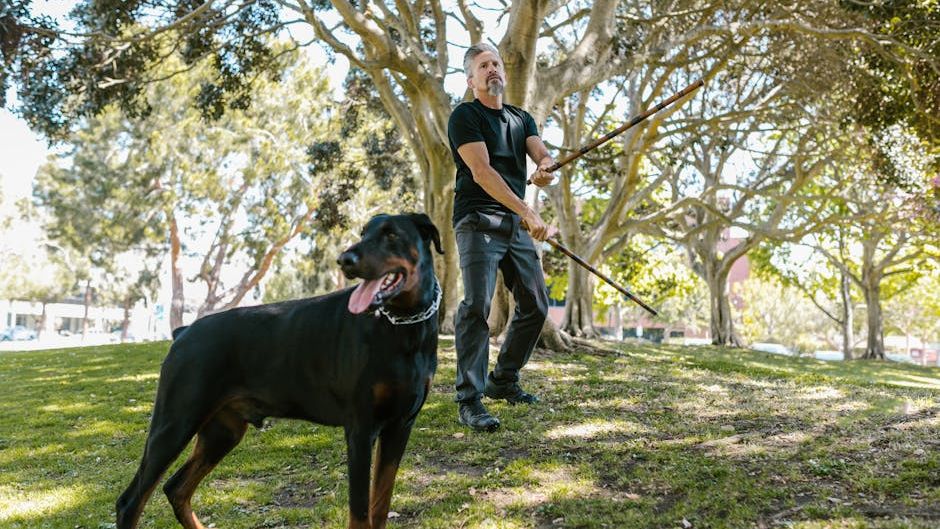
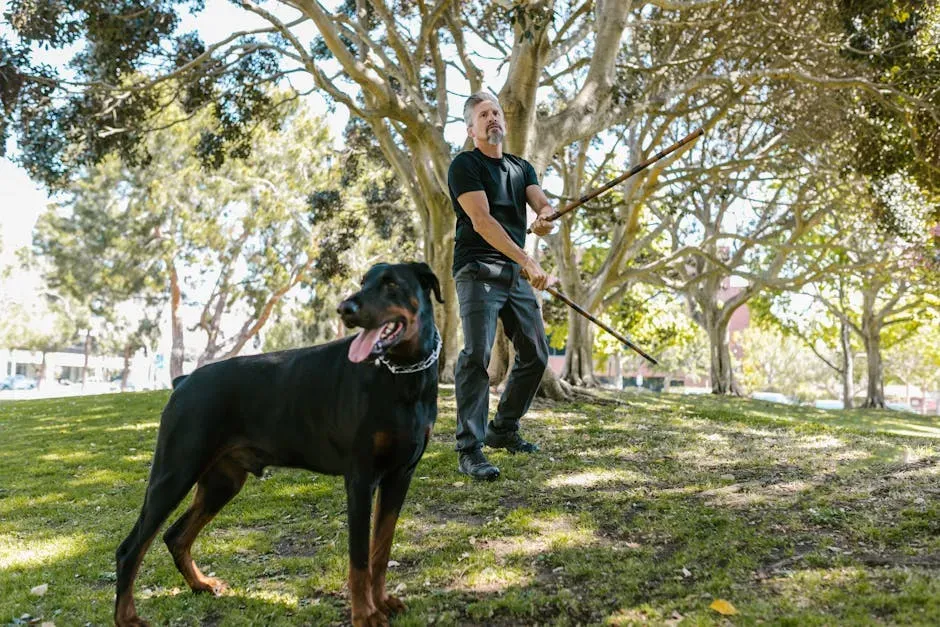
Commanders and Debaters move fast, think faster, and need a dog that isn’t going to bore them or fall behind. The Doberman Pinscher is a sleek and powerful working breed known for its alert stance, muscular build, and sharp intelligence, originally developed for protection, combining elegance with strength and purpose. That combination of style and substance appeals deeply to types who see every interaction as a chance to operate at a high level.
Bred specifically for personal security, the Doberman possesses a natural ability to assess situations quickly and react with precision. Its sharp awareness allows it to distinguish between familiar individuals and potential threats with remarkable accuracy. This breed’s speed and agility enhance its effectiveness as a guardian, making it both a physical and psychological deterrent – its confident posture alone often discourages unwanted attention.
Dobermans are deeply devoted to their families and thrive on human interaction. They are intelligent, energetic, and affectionate, making them a fantastic choice for active households. With proper training and attention, Dobermans can be both fearless protectors and gentle family pets. For the ENTJ and ENTP who wants a dog that matches their pace and presence, the Doberman rarely disappoints.
#3. The Defender and the Consul (ISFJ and ESFJ): The Bullmastiff

ISFJs and ESFJs are the quiet backbone of any family unit. They protect, they nurture, and they want peace maintained without unnecessary drama. The Bullmastiff, famously known as the “Gamekeeper’s Night Dog,” is a massive yet affectionate guardian breed developed from Bulldogs and Mastiffs in England. With its muscular frame, calm personality, and fearless nature, this dog balances protective instincts with deep devotion to its family.
Bullmastiffs are very large, and they are born with a very intimidating appearance. Despite their large and imposing build, they are extremely calm and prefer staying indoors without requiring excessive activity. This guard dog breed is very protective, but at the same time, not overly aggressive. That restraint is exactly what a Defender or Consul respects. They don’t want chaos, just competent, quiet protection.
Bullmastiffs are natural guard dogs with a strong sense of danger and a natural instinct to protect their homes from intruders. Although imposing in appearance, they are gentle and loving around family members, especially when properly socialized from an early age. That gentle-giant quality makes them an excellent emotional and physical fit for those who lead with warmth rather than force.
#4. The Logistician and the Executive (ISTJ and ESTJ): The Rottweiler
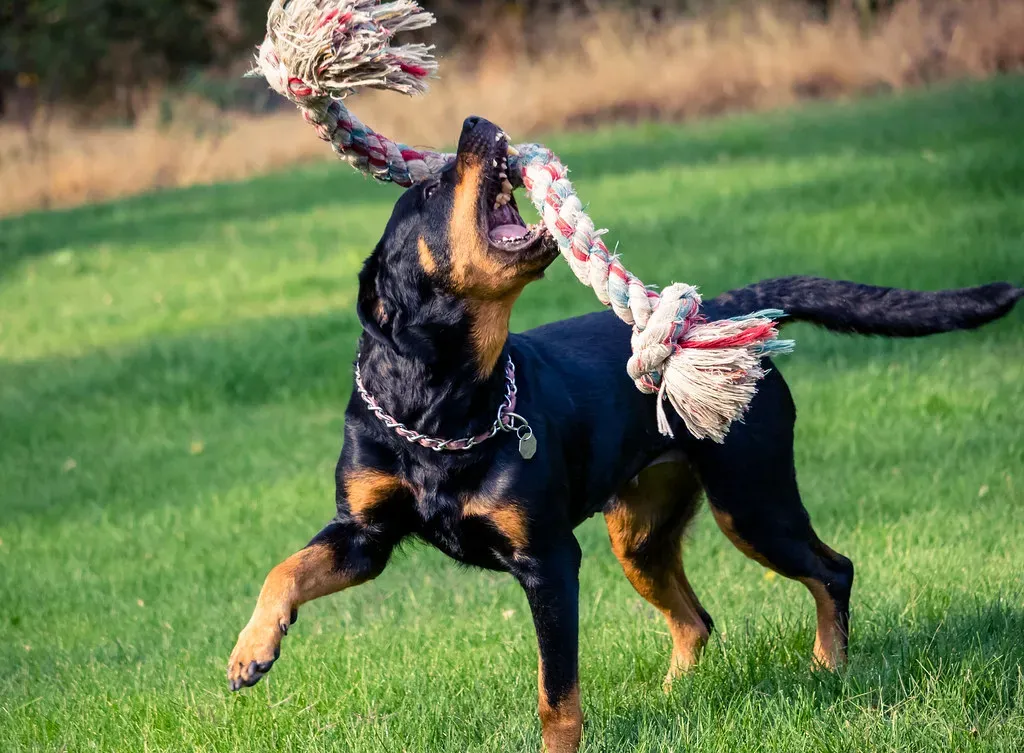
ISTJs and ESTJs run tight ships. They value consistency, structure, and reliability – and they will absolutely do the work required to raise a dog well. The Rottweiler, often called the Rottie, is a powerful working breed admired for its confidence, intelligence, and deep devotion to family. Originating in Germany and descending from Roman herding dogs, this muscular guardian is respected for its calm temperament and natural protective instincts.
Rottweilers are incredibly loyal companions who form strong bonds with their owners. They are often misperceived as aggressive dogs, but that is not true – they are playful and affectionate towards their loved ones, while also being formidable protectors of home and family. Their intimidating presence alone is enough to scare away potential intruders. The ISTJs and ESTJs who take this breed on will find a deeply dependable partner that reflects their own values back at them.
Rottweilers spend a lot of time observing their surroundings and are very much in tune with them – they are very alert and act wisely in potentially hazardous situations. That measured, observational temperament is something the Logistician and Executive can genuinely appreciate. It’s the opposite of impulsive, and that matters.
#5. The Advocate and the Mediator (INFJ and INFP): The Akita
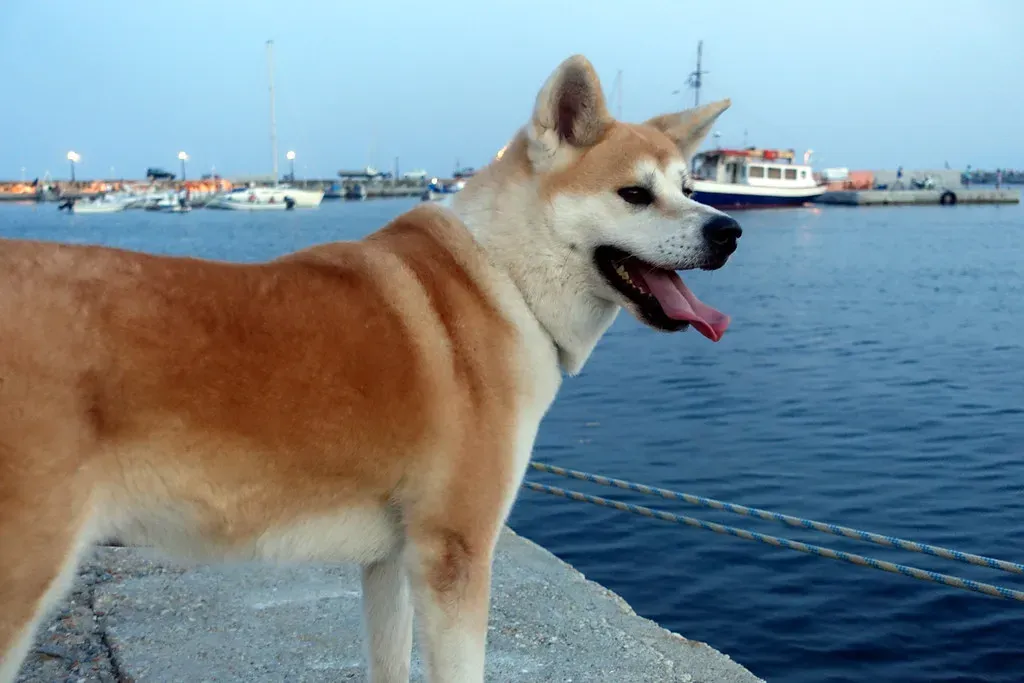
INFJs and INFPs are deeply perceptive, quietly intense, and selective about who they let close. They don’t want a loud, reactive dog. They want a dog that understands them with minimal explanation. According to Britannica, the Akita is a calm, courageous, and highly loyal breed that forms strong bonds with its family, but can be independent, protective, and reserved with strangers. For intuitive types, that combination feels remarkably familiar.
Akitas are revered in Japanese culture as symbols of loyalty and protection. They are naturally wary of strangers but form unbreakable bonds with their families. Quiet, dignified, and affectionate at home, their protective instincts make them excellent watchdogs, while their calm and loyal nature ensures they fit beautifully into family life. With consistent socialization, they can be both gentle companions and strong protectors.
Akitas are quick thinkers who respond best to calm, consistent guidance. Their independent nature means they require firm yet positive training to channel their protective instincts appropriately. With patience and proper socialization, these strong and alert dogs become dependable guardians who safeguard their home while showing unwavering loyalty toward their family’s well-being. That’s a dog built for someone with emotional depth and patience to spare.
#6. The Entrepreneur and the Campaigner (ESTP and ENFP): The Belgian Malinois

ESTPs and ENFPs are the high-energy personalities who get bored fast, crave action, and thrive in environments that demand full engagement. A sedentary dog would be a poor match. The Belgian Malinois combines intense drive with controlled behavior, making it a reliable guardian. Its protective instincts are strong yet it remains composed when properly trained. Highly intelligent and responsive, this breed excels in tasks that require precision and quick thinking, and its ability to stay focused under pressure makes it a trusted choice for advanced protection roles.
Belgian Malinois are highly intelligent, hardworking, and energetic dogs. They are commonly used in military and police work due to their agility and sharp instincts. At home, these dogs are affectionate, loyal, and eager to please their families. They need regular exercise and mental stimulation, making them ideal for active households. ESTPs and ENFPs thrive in exactly this kind of engaged, participatory ownership model.
Belgian Malinois are incredibly intelligent and driven, often described as “workaholics” in the dog world. While some breeds are less intense and more adaptable to a relaxed family environment, the Belgian Malinois is built for speed and agility, making it ideal for dynamic tasks. The honest truth is this breed will test you constantly, and for an ESTP or ENFP, that’s not a warning – that’s the appeal.
Why Personality Match Matters More Than You Think
Choosing a guard dog based on size or reputation alone is a bit like choosing a business partner based on their handshake. While certain behavioral tendencies like protectiveness or alertness can be more common in specific breeds, research shows that genetics account for only a portion of a dog’s overall temperament. Early socialization, environment, and training play a much larger role in shaping how a dog behaves in a family setting. Your personality directly shapes all three of those things.
The best guard dog isn’t just the biggest or loudest. They’re smart, loyal, and able to tell the difference between a friend and a potential threat. And with the right training and socialization, many of these dogs also make great family pets who are gentle with kids and friendly with other animals. That transformation depends almost entirely on the human leading them.
When choosing a protective breed for a family setting, look for a balance of instinct, intelligence, and social temperament. The ideal guard dog should be naturally alert and territorial without being aggressive, and calm and tolerant even around loud or unpredictable little ones. Your Myers-Briggs type isn’t a guarantee, but it is a remarkably honest mirror for what kind of handler you’re likely to be.
Final Thought

The idea that a personality quiz could steer you toward the dog that will guard your family most effectively sounds almost too tidy to be true. In practice, it’s less about zodiac-style destiny and more about self-awareness. The best guard dog breed for a particular person or family will depend on their individual needs and preferences – some may prefer a large and powerful breed, while others may prefer a smaller and more agile one, and some may want a breed that is wonderful with children.
What your Myers-Briggs type really does is force you to be honest about what you can consistently deliver as an owner: patience, structure, activity, warmth, or calm authority. While all the protection breeds are excellent guardians, each dog has unique needs. Training, socialization, and proper care are essential to ensuring they thrive as both guardians and family pets. Choosing the right breed means finding the perfect balance between security and companionship for your household.
In the end, the most protective dog you can bring home isn’t necessarily the most intimidating one. It’s the one raised by someone who understood themselves well enough to choose wisely. Personality type won’t tell you everything, but it’s a far better starting point than guessing.


