
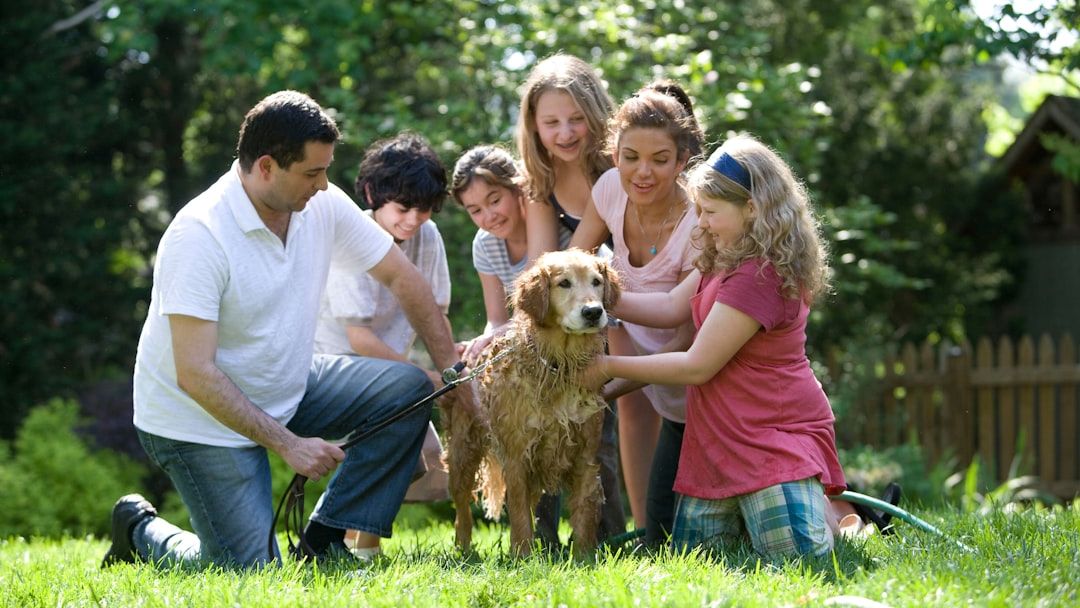
Many households experience daily friction when dogs receive conflicting signals from different family members. A pet that ignores one person but obeys another often stems from inconsistent cues rather than willful behavior. Coordinated training across the entire household reduces that confusion and builds reliable responses over time.
Standardizing Commands Through a Shared Cue Sheet
A cue sheet lists every command in exact wording along with the expected response and any hand signals. All adults and children review the sheet before interacting with the dog so everyone uses the same phrases. This single reference prevents the common problem of one person saying “sit” while another says “sit down.”
Families who maintain the sheet report faster learning because the dog no longer has to guess which version of a command applies. Updates to the sheet occur only after group discussion, keeping everyone aligned as the dog progresses.
Rotating the Handler of the Day Role
Assigning one person as the primary handler each day spreads responsibility and prevents any single family member from becoming the sole authority. The designated handler manages walks, meals, and practice sessions that day while others observe or assist only when asked. This rotation helps the dog generalize commands across different voices and energy levels.
Children often take turns on weekends or after school, which teaches them consistency while giving adults a break. The system works best when the schedule is posted visibly so no one forgets their day.
Advancing Skills With Distraction Ladder Training
Distraction ladder training starts with simple environments and gradually adds more challenging stimuli. The dog first practices in a quiet room, then moves to areas with mild background noise, and later works near other people or pets. Each level requires reliable performance before the next step is introduced.
Progress happens at the dog’s pace rather than a fixed timeline, which keeps sessions positive. Families note that this method produces calmer behavior even during unexpected interruptions at home or on walks.
Putting the Pieces Into Daily Practice
Begin with a short family meeting to create the cue sheet and set the first handler rotation. Schedule brief practice sessions that fit naturally into existing routines rather than adding long training blocks. Review results at the end of each week and adjust the distraction level or cue wording as needed.
- Post the cue sheet in a central location such as the kitchen.
- Keep sessions under five minutes when starting out.
- Celebrate small improvements with the same calm tone used for corrections.
- Revisit the rotation schedule monthly to maintain fairness.
Over time these habits become second nature and the dog responds more readily to any family member.
The result is a calmer home where training feels like a shared project rather than a chore assigned to one person. Dogs thrive on clear expectations, and families gain the satisfaction of seeing consistent progress without ongoing arguments over who is right.


