
Boat owners who bring dogs or cats along often discover that unprepared pets can turn a relaxing cruise into a tense ordeal. Gradual exposure to the vessel, combined with the right safety equipment, makes a noticeable difference in how animals handle time on the water. Whether heading out for a short weekend anchor or a longer passage, these steps help keep both pets and people more at ease.
Building Comfort Through Gradual Introductions
Many pets react with uncertainty the first time they step onto a moving deck. Starting with short, stationary sessions on the boat allows dogs and cats to explore at their own pace without the added motion of waves or engines. Owners who repeat these visits over several days or weeks report steadier behavior once the vessel gets underway.
Positive reinforcement during each session reinforces calm responses. Treats, familiar toys, and quiet praise encourage pets to associate the boat with good experiences rather than stress. Rushing the process tends to heighten anxiety, so patience remains key throughout the acclimation period.
Choosing and Using Life Jackets
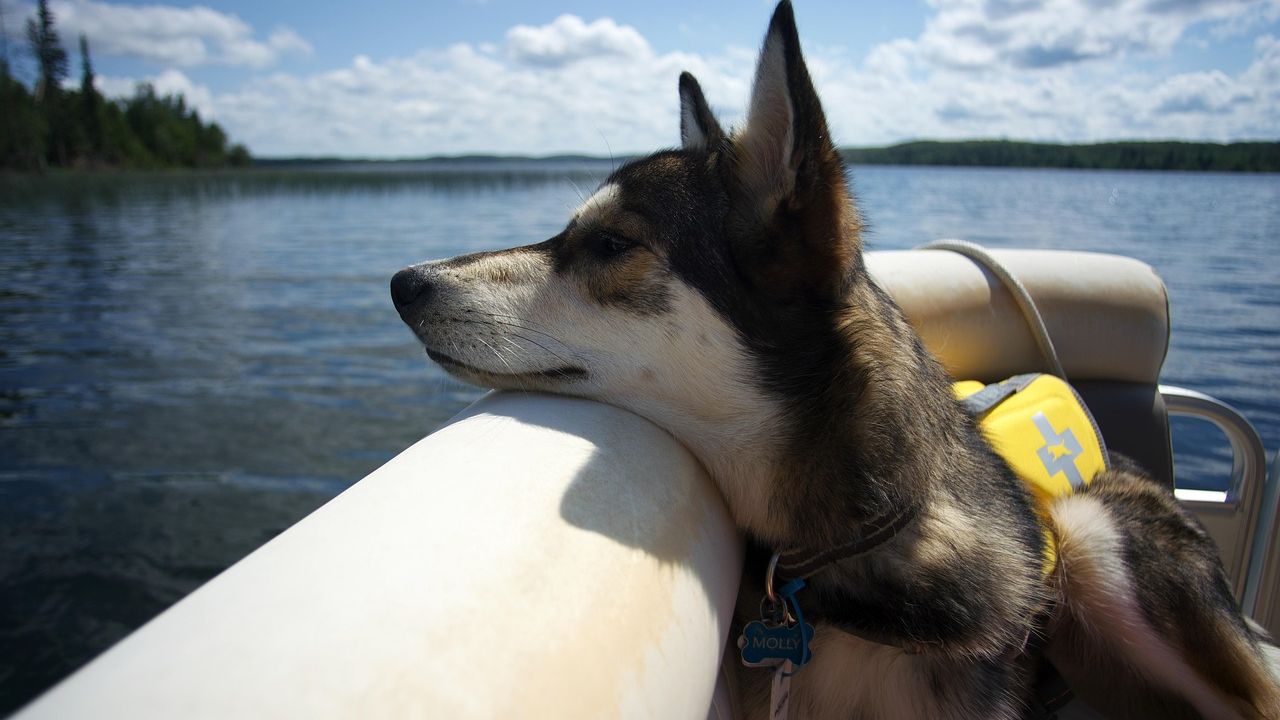
A properly fitted life jacket provides essential flotation if a pet falls overboard. Models designed specifically for dogs or cats include handles that make retrieval easier in rough conditions. Testing the jacket on land first helps confirm it does not restrict movement or cause discomfort.
Even strong swimmers benefit from this added layer of protection during longer outings. Harnesses that attach to the jacket allow owners to keep pets secured near the cockpit or cabin when conditions change quickly. Regular checks ensure the fit stays secure as the animal moves around the boat.
Planning for Emergencies
Unexpected events on the water require advance preparation. A waterproof first-aid kit stocked with pet-specific supplies, along with copies of vaccination records, helps owners respond quickly if needed. Identifying nearby veterinary clinics or emergency services at each planned stop adds another layer of readiness.
Practicing retrieval drills with the life jacket on familiarizes both pet and owner with the process before an actual incident occurs. Keeping a spare leash and carrier accessible allows for fast evacuation if conditions deteriorate. These measures reduce panic and support calmer decision-making during unexpected situations.
Owners who invest time in these preparations often notice their pets become more confident companions on future trips.


