
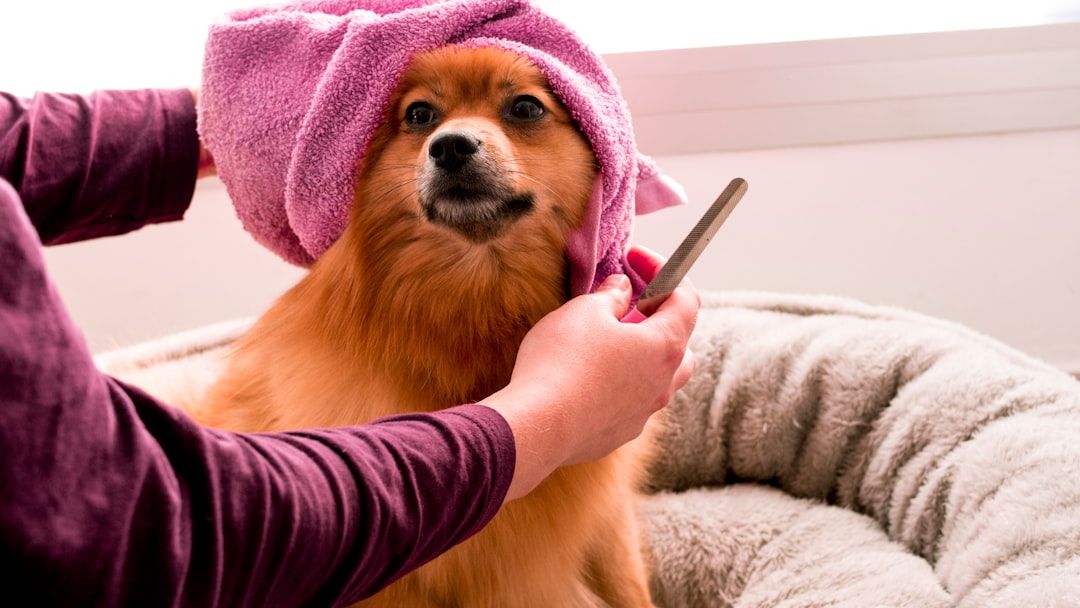
Pet owners face ongoing decisions about care expenses as the year progresses. Regular grooming appointments offer one practical way to manage those outlays while supporting animal well-being. The approach centers on consistent timing rather than reactive fixes when issues arise.
Why Timing Matters for Owners
Pet care budgets require forward planning in any calendar year. Owners who establish fixed grooming intervals avoid the higher expenses that come with neglected coats. This pattern holds steady across different breeds and household sizes.
The consequence appears in both immediate and extended spending. Matting that develops without routine attention often demands professional intervention at greater cost. Owners who maintain schedules report steadier monthly figures instead of sudden spikes.
Health and Expense Connections
Coat condition directly influences long-term veterinary needs. Clean, untangled fur reduces the chance of skin problems that require additional treatment. The link between grooming frequency and overall maintenance costs remains consistent in standard pet care guidance.
Stakeholders include individual households managing multiple animals and professionals who provide the services. Both groups benefit when appointments follow predictable patterns rather than emergency calls. The result supports steadier cash flow for families and reliable demand for groomers.
Building a 2026 Plan
Start by reviewing the dog’s coat type and activity level. Short-haired breeds may need less frequent visits than those with longer or double coats. Owners then set reminders at intervals that match those needs.
Track actual spending over the first quarter to refine the schedule. Adjustments can follow observed growth rates or seasonal changes. This measured approach keeps totals within planned limits without sudden shortfalls.
Consistency also simplifies coordination with other care routines such as vaccinations or dental checks. Integrated calendars reduce the risk of overlapping high-cost periods.
Measured Outcomes for Households
Owners who adopt regular intervals typically see fewer urgent interventions over time. The savings accumulate through avoided complications rather than dramatic one-time cuts. This pattern supports broader household budgeting goals throughout the year.
The same discipline applies whether the household includes one dog or several. Scale remains secondary to the habit of scheduled care. Forward planning in this area delivers steady results without requiring major lifestyle shifts.


