
#1. Vizsla

The Vizsla is one of the most affectionate and people-focused dogs in existence, and that’s precisely what makes being alone so hard for them. Cheerful and energetic Vizslas love spending time with loved ones and are often called “Velcro dogs” because of how closely attached they are to the people they love, which is why separation anxiety is a common problem for them.
The Vizsla is a high-energy breed that was developed for hunting, bred to have the stamina to last through an entire day of hunting as well as a strong connection with their human handlers. That history runs deep. Separation anxiety often develops in high-energy breeds that aren’t provided with enough exercise and enrichment, breeds that rely strongly on their bond with humans for a sense of safety, and dogs that have never experienced being left alone. In severe cases, dogs have been known to chew through doors and walls and break windows and glass doors in an attempt to find relief from their stress.
#2. Cavalier King Charles Spaniel

Few breeds carry the weight of their breeding history quite as visibly as the Cavalier King Charles Spaniel. Cavalier King Charles Spaniels have historically been bred to be companion dogs, meaning breeders have selectively chosen the most social and affectionate dogs to continue the lineage, and when that selective breeding loses its balance, it results in needy and fragile dogs that suffer from being alone.
The Cavalier King Charles breed has a reputation for suffering from extreme separation anxiety. They will provide your family with unconditional love and loyalty, and they are lap dogs who do not like to be left on their own. Watch for behaviors like nonstop barking or whining, destructive tendencies including chewing furniture, restlessness, pacing, or even attempts to escape. Veterinarians consistently flag this breed as one that genuinely struggles when its social needs go unmet, and those struggles show up fast.
#3. Border Collie
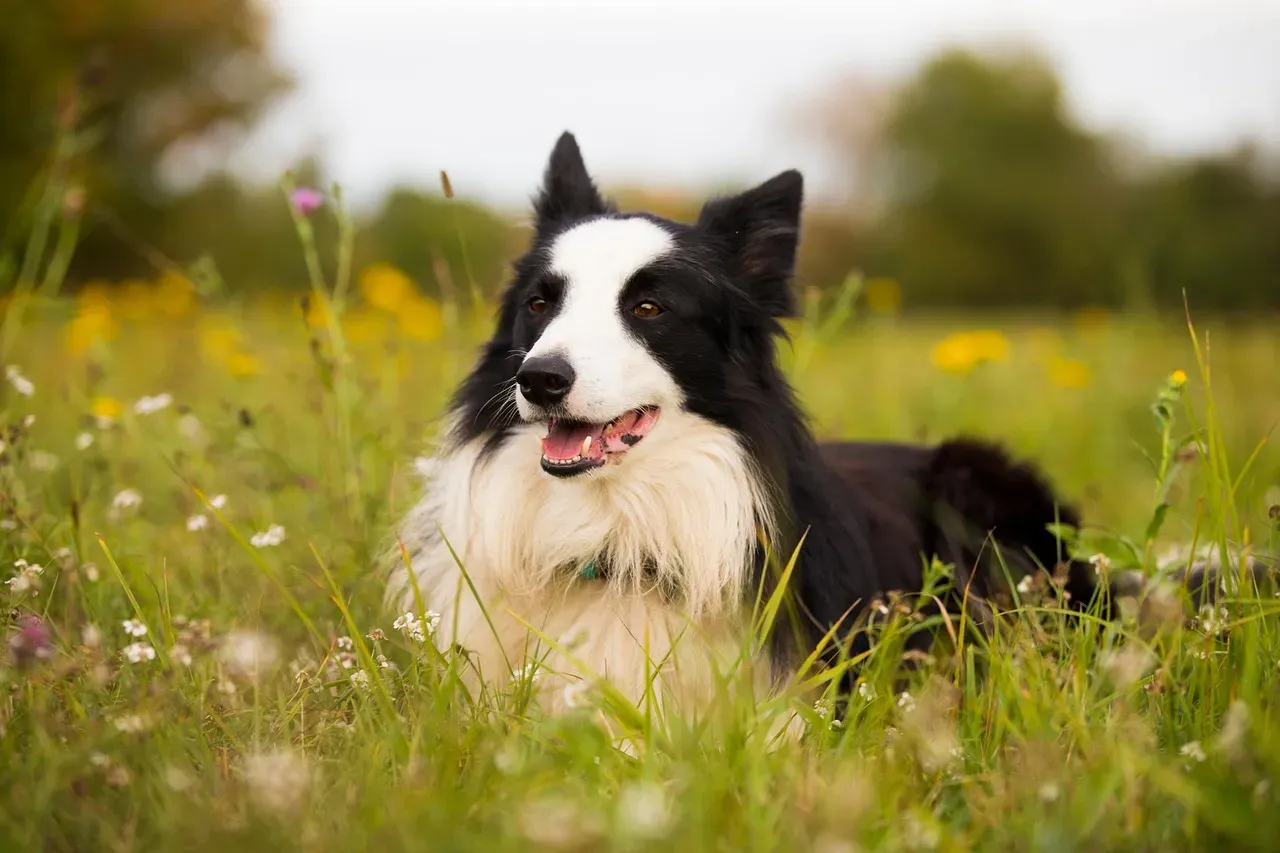
Intelligence, in dogs, is not always the asset it sounds like. The Border Collie sits at the very top of most canine intelligence rankings, and that enormous mental capacity is exactly what causes problems when there’s nothing productive to do. The Border Collie consistently ranks as the most intelligent dog, but this means they are more likely than other breeds to become bored when they have no stimulation, so leaving them alone can lead to separation anxiety and destructive behavior as they look for ways to amuse themselves.
Border Collies are known for their strong attachment to their families, and if left alone for long periods, they may become anxious, leading to destructive behaviours like chewing or excessive barking. This, paired with their abundant energy, means pet parents must dedicate time to exercise and mentally stimulate their dog, otherwise they may turn to more destructive forms of entertainment, like chewing furniture or digging in the yard. Vets recommend early desensitization training and a reliable daily routine as non-negotiables for this breed.
#4. Australian Shepherd
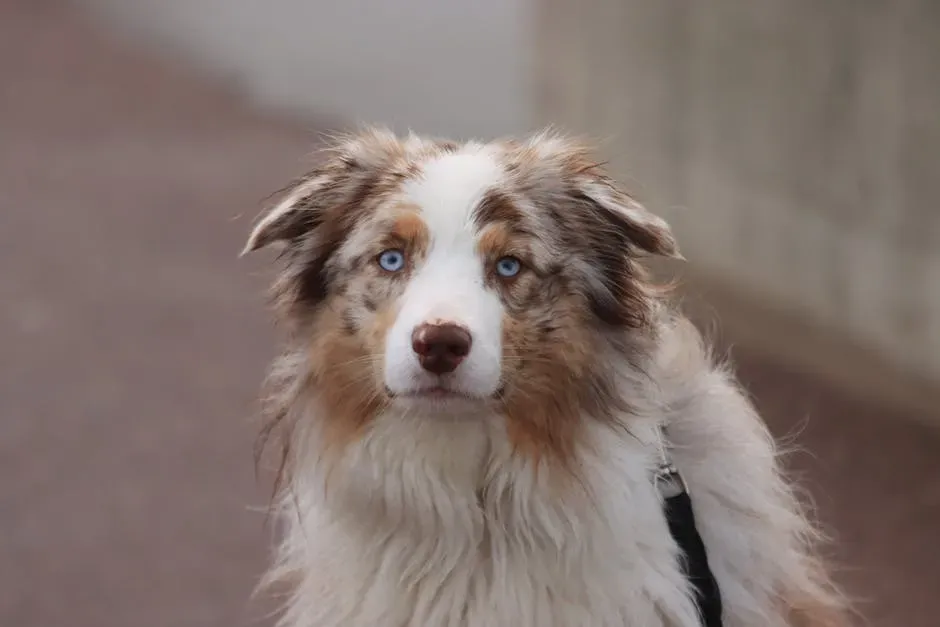
The Australian Shepherd carries a reputation for being athletic, brilliant, and endlessly energetic. That’s all true. What’s equally true, and often underestimated, is just how much they depend on human presence and mental engagement to stay emotionally stable. The Australian Shepherd is an extremely intelligent dog that loves nothing more than working, is easily trained, energetic and athletic, and leaving them alone can cause an undue amount of stress, with severe cases where they can actually become self-destructive if left alone for too long.
Australian Shepherds are very loyal and attentive to their family, so it’s not uncommon for them to become a shadow and follow their pet parents around as much as possible, and in some cases this attachment can develop into separation anxiety, making it important to work with a trainer or veterinary behaviorist if your dog becomes overly upset in your absence. You should never leave an Aussie alone for more than four hours at a time. That’s not a suggestion; it’s genuinely a welfare consideration for this breed.
#5. Toy Poodle
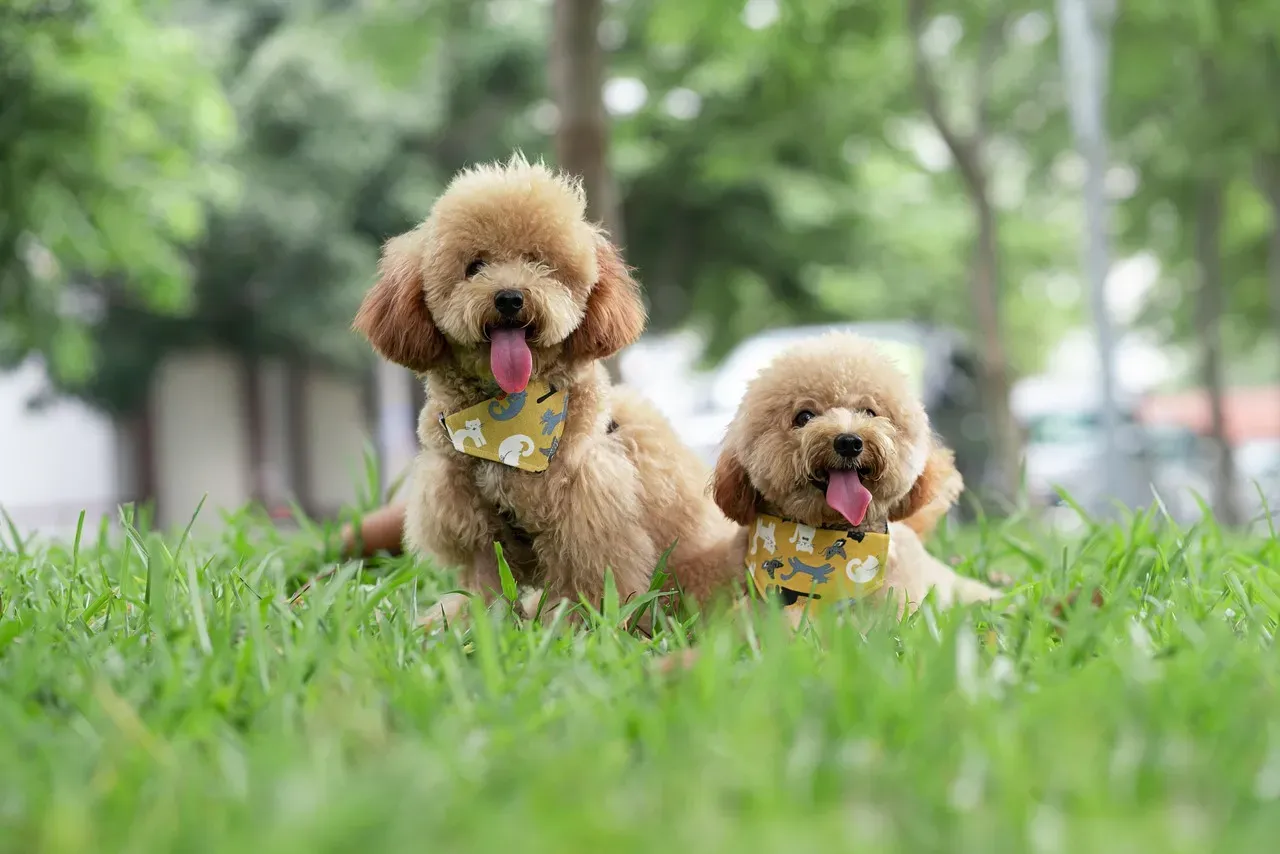
People often assume that small dogs are easier to leave at home. The Toy Poodle disproves that quickly. Toy Poodles may develop separation anxiety when left alone for long periods, and if they’re bored, they’re likely to bark, jump, and be destructive. They are also very sensitive to new environments and changes in their routine.
Studies show that smaller companion breeds are generally more prone to anxiety and having issues being left alone or separated from their favorite person. The Toy Poodle is a prime example, combining high intelligence with a deeply social temperament that doesn’t tolerate isolation well at all. Toy Poodles are also very sensitive to new environments and changes in their routine, which may contribute to stress-related gastrointestinal upset, and because they’re highly intelligent dogs, keeping them entertained with interactive toys and puzzles is a great way to help them manage stress.
#6. Bichon Frise
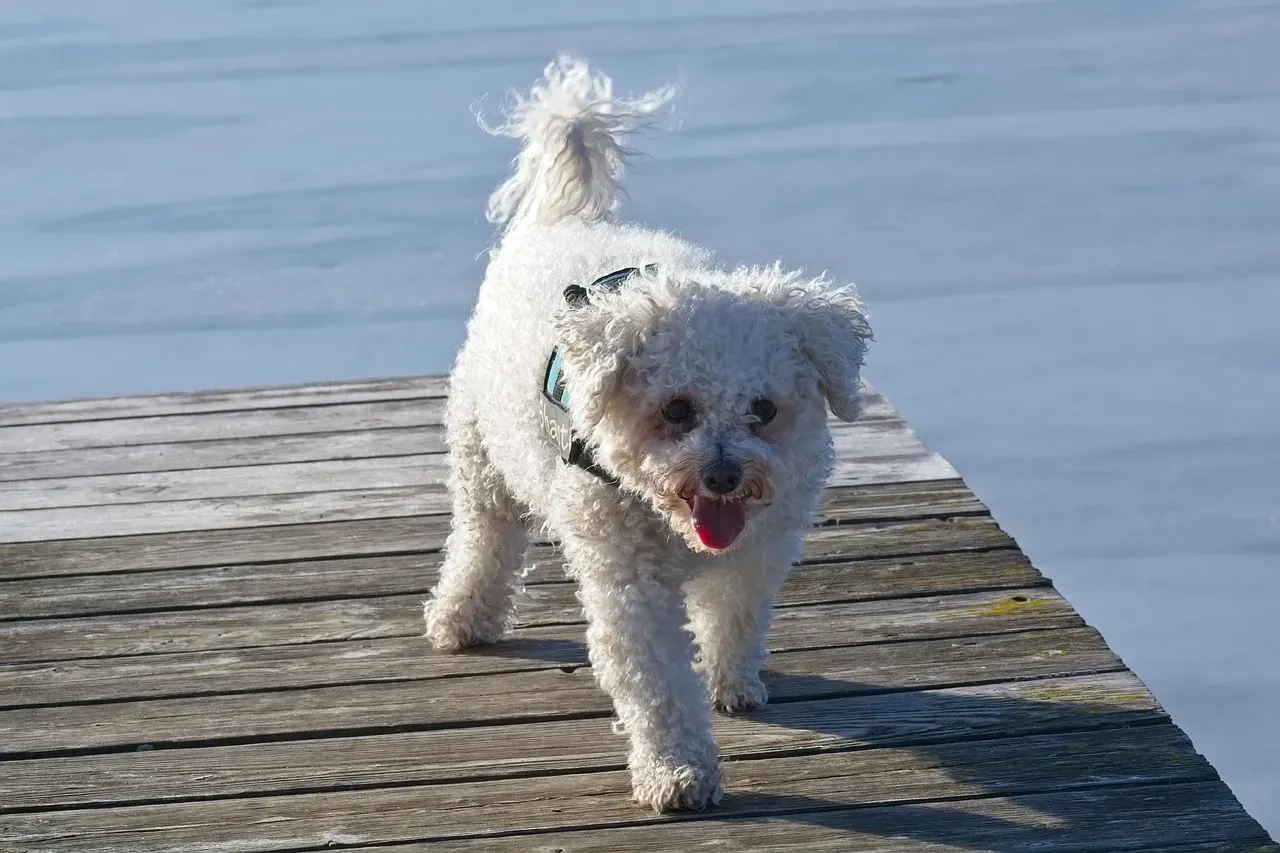
You wouldn’t necessarily look at a fluffy, cheerful Bichon Frise and imagine a dog quietly unraveling while you’re at work. Yet that’s exactly what can happen. The Bichon Frise is known to have separation anxiety, as they are companions and lapdogs who do not like to be away from their families. They are the type of dog that will follow you around all day, often outgoing, friendly, and loving.
The Bichon Frise has been bred to be the perfect lap dog, which means that it can feel anxious and abandoned if it doesn’t have a lap to curl up on at all times, and separation anxiety can be a very real problem with this adorably fluffy breed. The Bichon Frise thrives when they are with humans, as intended in their breeding, and can quickly become bored and suffer separation anxiety if left to fend for themselves for too long. The very traits that make them so endearing at home become vulnerabilities the moment you close the front door.
#7. Cocker Spaniel

The Cocker Spaniel is a deeply devoted family dog, and that devotion doesn’t switch off when you leave the house. This devoted family pet is known to be prone to separation anxiety if left alone, and because they are naturally such a friendly, rewarding dog in response to people’s attention, Cocker Spaniels seem to feel aggrieved when they don’t get enough of it.
This breed likes to spend a lot of quality time with their families and may become anxious or stressed when their humans leave them alone in the house, as Cocker Spaniels tend to be loyal and loving, and their overall temperament makes them prone to separation anxiety. A panicked spaniel might tear and chew shoes, scratch doors, and damage furniture, so leaving dog toys in their company when you’re out can help them cope. If the anxiety worsens despite your best efforts, a vet conversation is always the right next step.
What Owners Can Actually Do
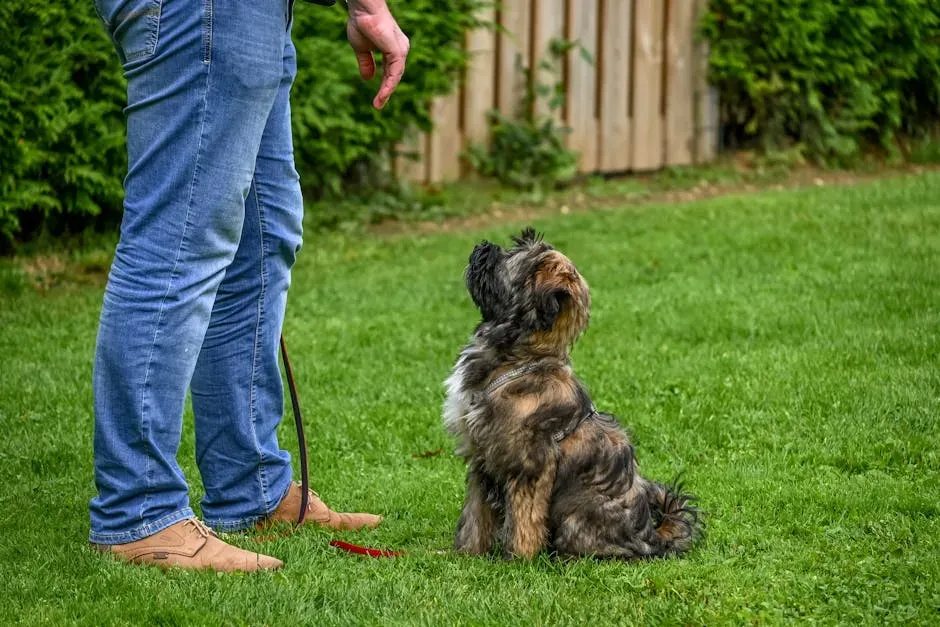
Owning one of these breeds isn’t a sentence to a life of guilt and damaged furniture. Training techniques like desensitization, gradually getting the dog used to being alone, and counter-conditioning, associating the owner’s departure with something positive, can help alleviate anxiety, though these methods require patience and consistency.
Owning a dog comes with the responsibility of being able to spend plenty of time with them each day, and no dog should be left home alone for more than six to eight hours. Giving them an extra-long walk before you leave, providing interactive toys, leaving treats around for them to find, or installing a doggie door to an enclosed backyard can all help. In cases where anxiety is severe or persistent, always consult your veterinarian, who may recommend working with a board-certified veterinary behaviorist, and in some cases, treatment or medication may be part of a broader management plan.
The Honest Takeaway
Every breed on this list is deeply rewarding to live with. They form profound bonds, they’re emotionally intelligent, and they’ll give you everything they have. That’s not incidental to their anxiety problem – it’s the same coin, just the other side.
Choosing one of these breeds when you work long hours or travel regularly isn’t inherently wrong, but it does require a real plan: doggy daycare, a trusted dog walker, a neighbor who helps out, or flexible working arrangements. Half-measures tend to fall apart quickly with these dogs.
The best dog ownership decisions are made before you bring a dog home, not after you’ve watched one suffer through your absence day after day. These seven breeds don’t ask for much. They just ask, consistently and urgently, for you.


