
12 Subtle Ways Your Dog Warns You When Someone in Your Home Can’t Be Trusted
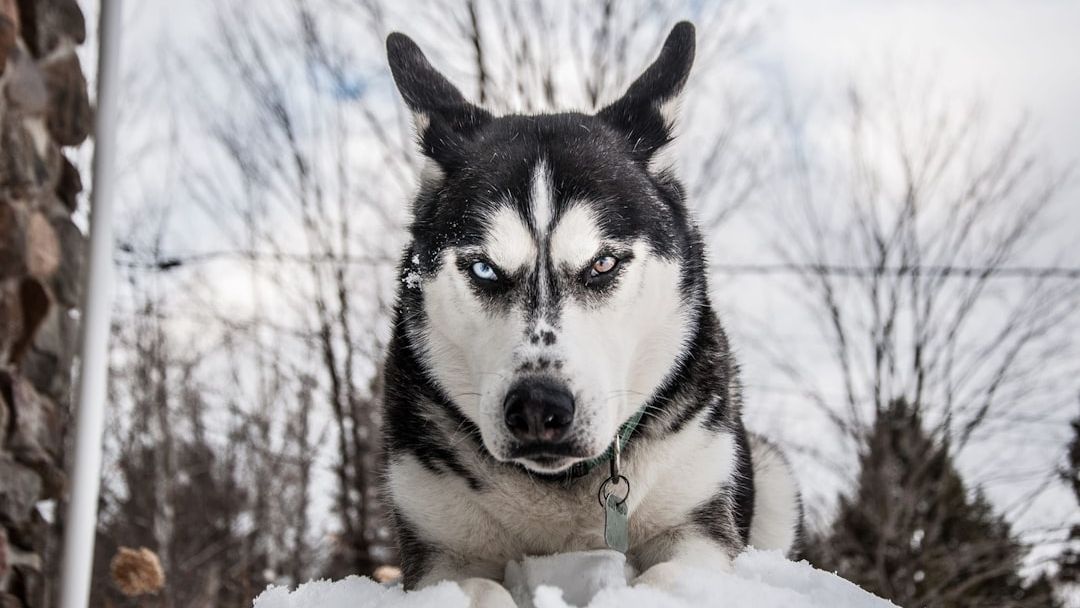
#1: The Low, Rumbling Growl Directed at One Person
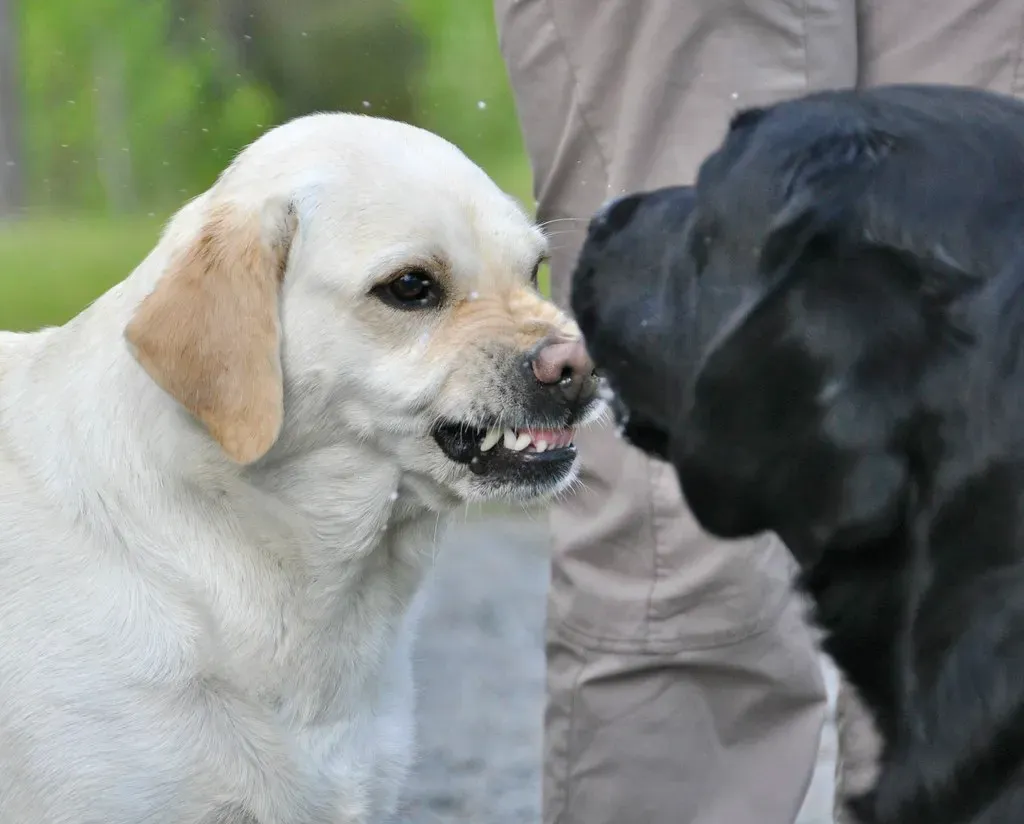
Most people know the growl as a warning, but context is everything. A dog that growls specifically at one person in an otherwise comfortable setting is communicating something very deliberate. It’s not generalized anxiety or boredom. It’s a targeted, intentional signal directed at an individual who has triggered something in your dog’s internal alarm system.
A low, rumbling growl is a behavior dogs exhibit when they sense something is not quite right. It’s a warning sign, a vocal expression of discontent. Importantly, when we punish growling, we often remove this important cue, and the next time, the dog may skip the warning and go straight to snapping. So instead of silencing the growl, pay attention to who specifically provokes it.
#2: Raised Hackles Without Any Obvious Trigger
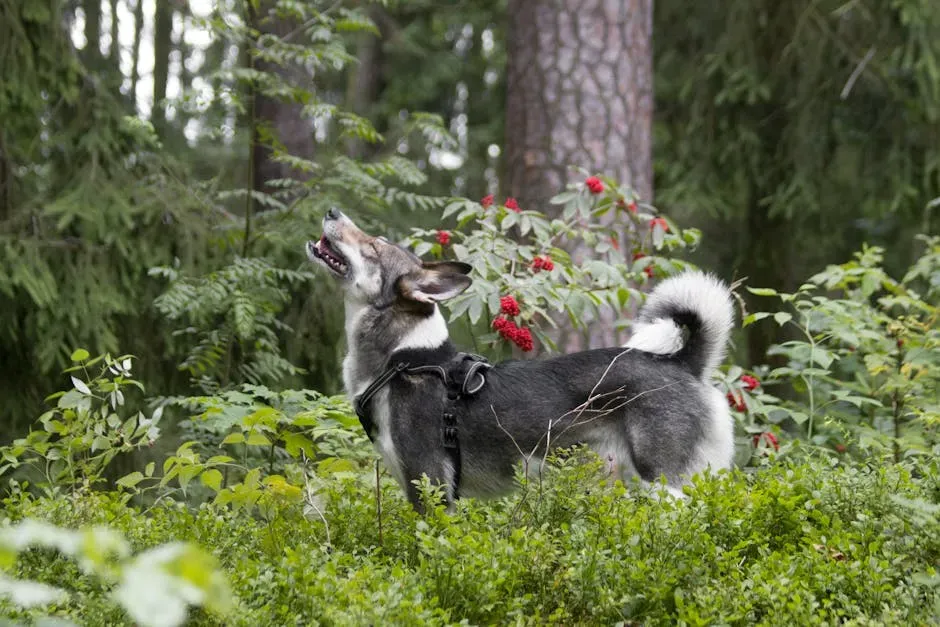
The hackles, that line of fur along your dog’s spine and neck, rise involuntarily. It’s not a performance. It’s a physiological response, similar in some ways to goosebumps in humans, and it happens when your dog’s nervous system is registering something it perceives as a genuine threat. When it happens around a specific person without any loud noise or sudden movement, that’s worth noting.
Common signs that a dog senses untrustworthiness include raised hackles alongside growling, barking, defensive positioning, and avoiding the person. If your dog’s hackles rise consistently around one particular individual, especially someone who is being deliberately calm and “nice,” that calm surface may not be reaching the deeper signals your dog is picking up on.
#3: Refusing Treats from a Specific Person
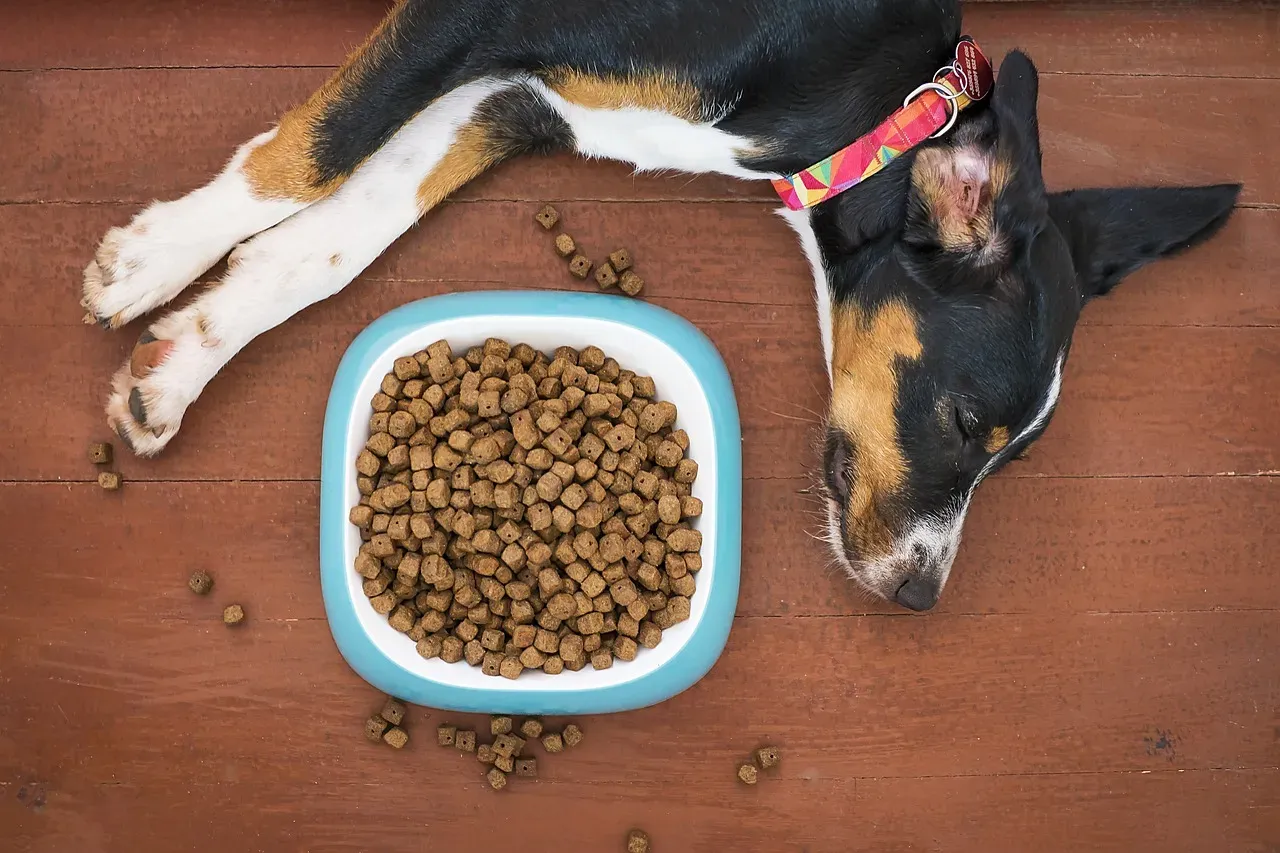
This is one of the more striking signals, because food motivation in dogs is exceptionally powerful. When a dog refuses treats from someone, it’s not a casual preference. It’s a significant override of instinct. Your dog is essentially saying this person cannot be trusted even when they’re offering something good.
Research from Kyoto University demonstrated that dogs can identify and remember untrustworthy behavior. In their study, dogs consistently refused to follow guidance from people who had previously deceived them, showing their ability to make complex social judgments. In a world where treats are typically irresistible, this action stands out, highlighting the dog’s ability to prioritize their safety over momentary pleasures.
#4: Planting Themselves Between You and the Person
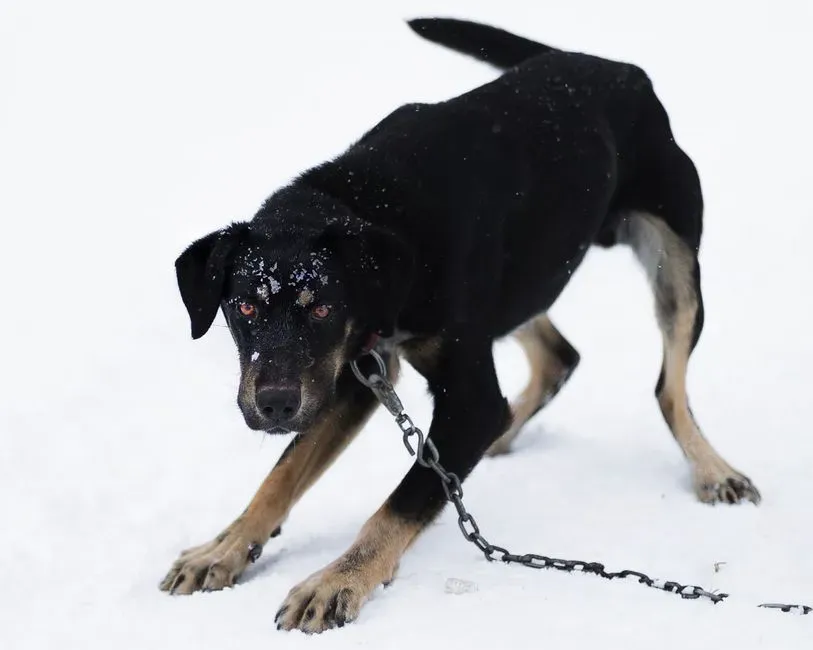
You’ve probably seen this move and maybe found it endearing without fully registering what it means. Your dog quietly positions itself directly between you and another person in the room. It doesn’t bark, doesn’t growl. It just… gets in the way. This is a deliberate protective act, a physical declaration that your dog has assessed this person and decided you need a buffer.
Many dog owners recount stories where their pets avoided or reacted negatively toward individuals who later revealed hostile intentions. Some dogs reportedly refused to engage with certain people, barked when approached, or even blocked their owners’ paths as if to shield them. The positioning behavior is quiet, but it speaks volumes about where your dog has placed this person on the trust spectrum.
#5: Unusual Stiffness or Freezing in Their Presence
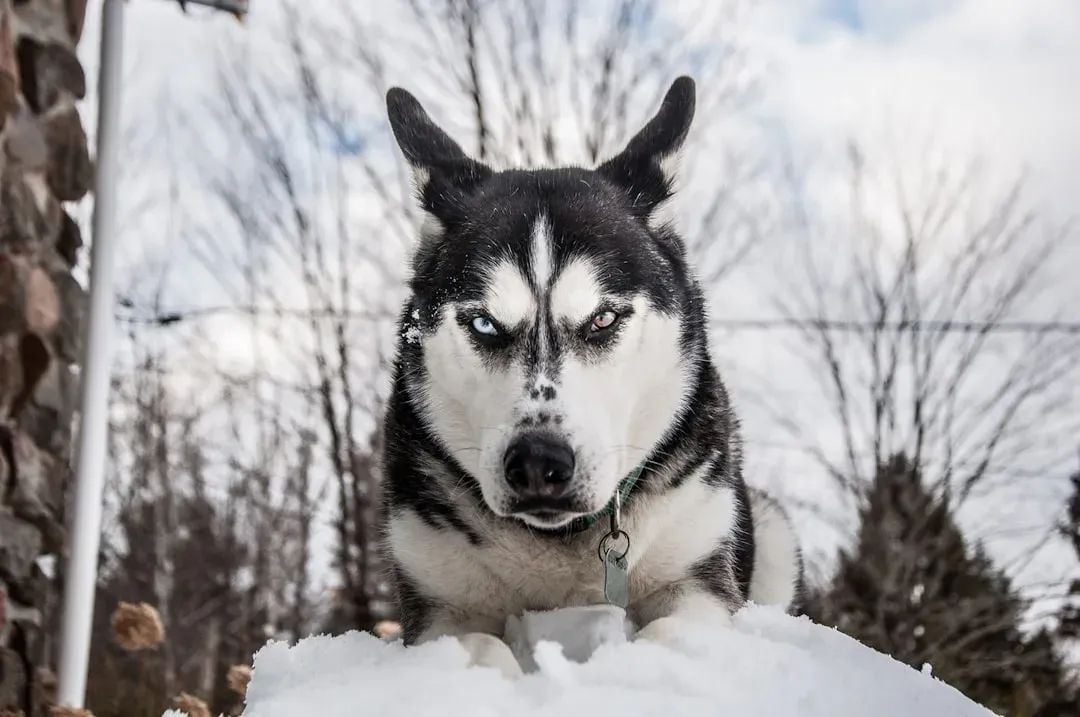
A dog that suddenly goes still, completely freezing in place, has shifted into a heightened state of alert. You’ll notice the body is rigid, the tail may be level or slowly raised, and the eyes are fixed. This isn’t laziness or calm. It’s the opposite of calm. The dog is processing a potential threat and deciding on its next move.
A dog who suddenly goes still and freezes in place has gone into alert or defensive mode. This is often the last warning sign before a more serious reaction like snapping or growling. A sudden shift in a dog’s behavior, including alertness and avoidance, is often a response to an environmental change we do not yet recognize. When that freeze is aimed at a person who is standing calmly in your living room, trust the dog’s read.
#6: Pacing or Restlessness When That Person Is Around
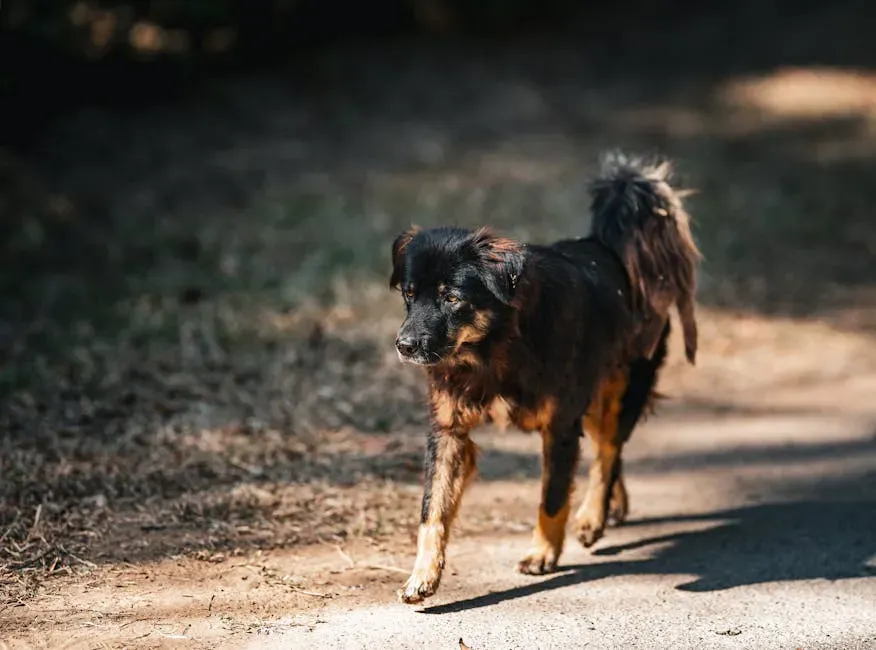
Some dogs don’t freeze. They do the opposite. They start pacing, moving from room to room, unable to settle. When this coincides with the arrival of a specific person in your home, it’s your dog processing stress that has a clear source. The restlessness is a release valve for the internal tension they’re carrying.
Pacing is a telltale sign of anxiety in dogs, arising when they sense something unsettling. A negative person who is emotionally unpredictable has a unique chemosignal that dogs can detect. If those scents predict explosive or dangerous behavior, a dog learns to anticipate unsafe surroundings. The pacing you see may be your dog’s body reacting to chemical information it has already processed, even before anything has happened.
#7: Repeated Lip Licking or Excessive Yawning
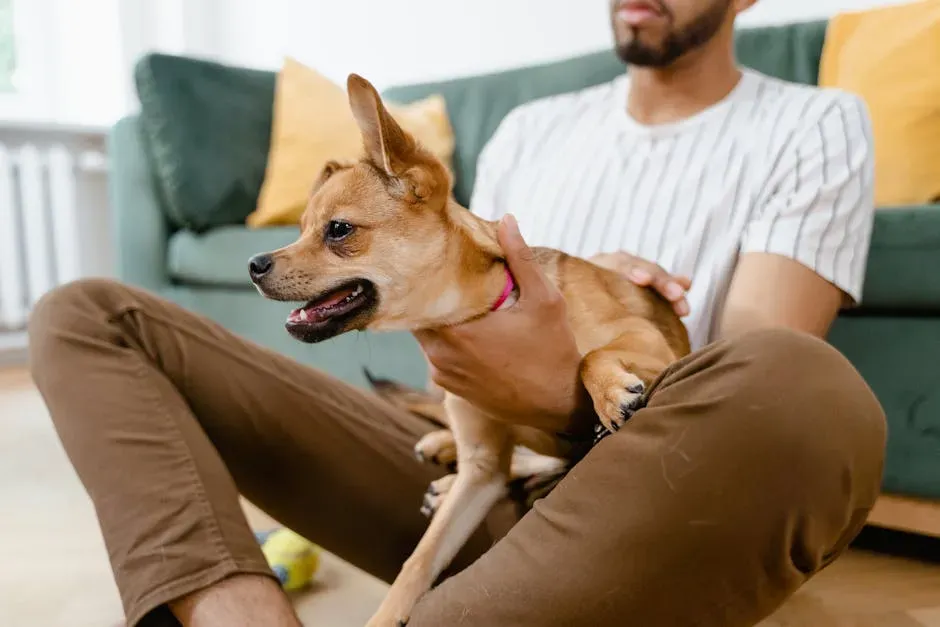
These are calming signals, a category of subtle body language dogs use to self-soothe and communicate discomfort. They’re easy to miss because they look so ordinary. But when your dog starts repeatedly licking its lips or yawning in the presence of a specific person, especially in an otherwise unstimulating environment, these are stress responses, not boredom.
Lip licking is often misread as “just a cute habit,” but in dogs, it’s typically a calming signal, a way to self-soothe or de-escalate tension. If your dog licks their lips while meeting new people, it’s a red flag that they’re feeling uncertain or uneasy. Frequent yawning in dogs doesn’t always indicate tiredness. It’s often a sign of stress or discomfort, especially when they sense someone is untrustworthy. This behavior serves as a physical manifestation of their unease, a way to release built-up tension.
#8: Avoiding Eye Contact or Turning Away Entirely
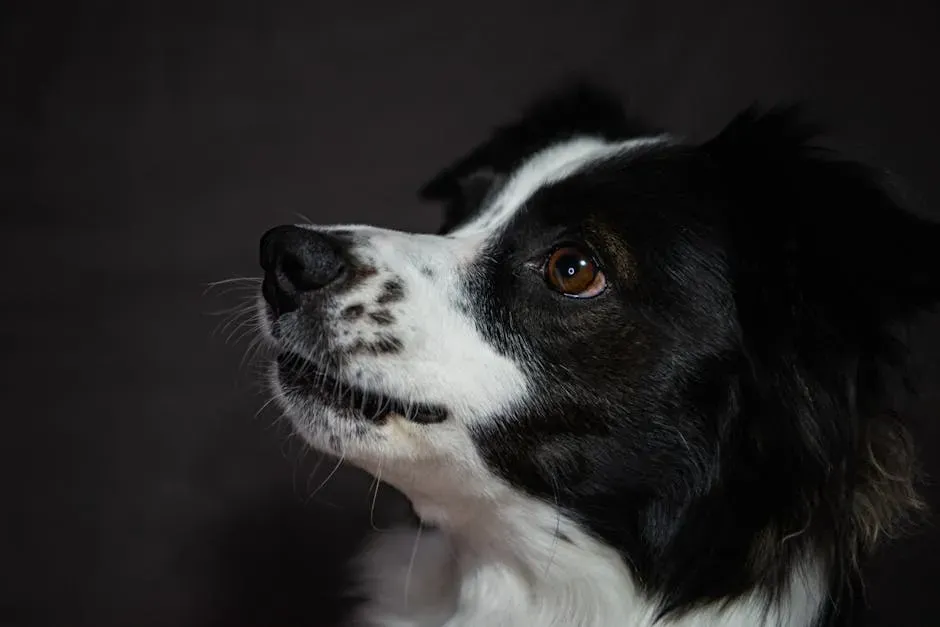
Dogs are naturally social animals that engage with people through eye contact and body orientation. When a dog consistently avoids looking at a specific person, turning its head away or physically moving its body in the other direction, it’s communicating something quite deliberate. It’s not shyness in the conventional sense. It’s a quiet, considered withdrawal from someone the dog has decided not to trust.
When a dog turns away, refusing to meet someone’s gaze, it speaks volumes. Avoidant behavior often suggests discomfort or distrust, a subtle yet powerful non-verbal cue. This behavior can manifest in settings where things seem calm, yet the dog’s instincts reveal another layer of understanding, hinting at their inner sense of caution and skepticism. Pay attention when this avoidance is selective, aimed at one person while your dog remains open and relaxed around everyone else.
#9: Tail Tucked Specifically Around That Individual
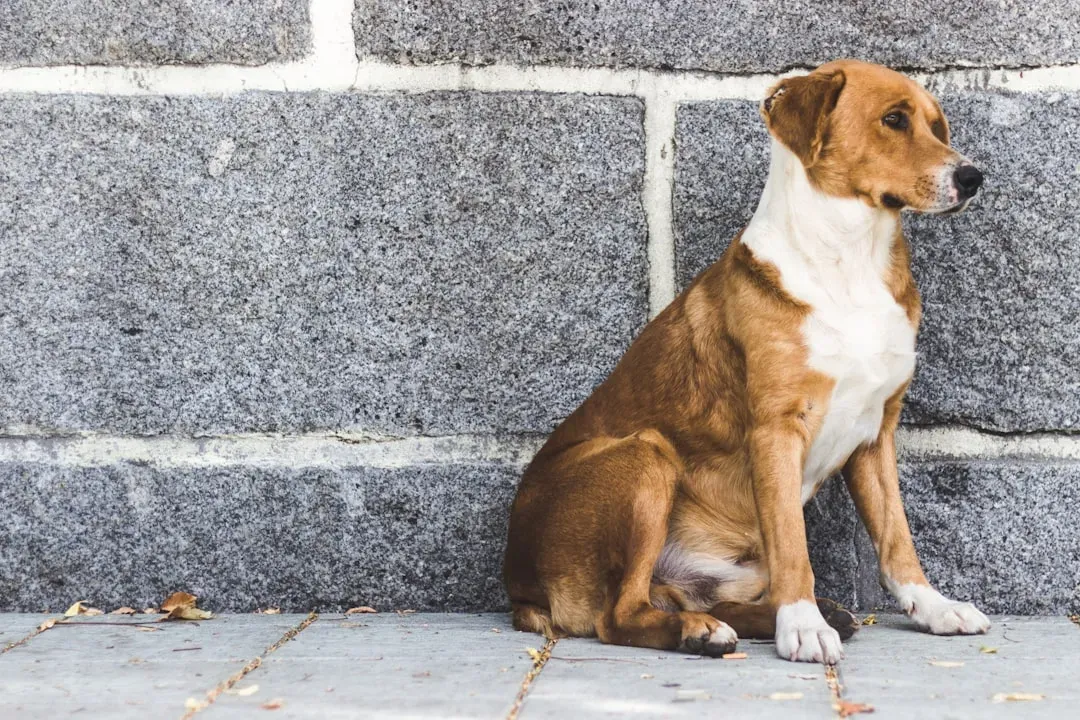
The tail is one of the most expressive tools in a dog’s body language repertoire. A high, wagging tail signals confidence and friendliness. A tucked tail tells an entirely different story. When a dog tucks its tail tightly between its legs in the presence of a specific person, it’s showing a fear response that has been triggered by something it has detected in that individual.
A dog’s tail, often a barometer of their emotions, reveals much when it tucks tightly between its legs. This posture suggests fear or anxiety, signaling that the dog senses something amiss. The tucked tail is a protective gesture, a way to shield themselves from perceived harm. In the presence of someone they deem untrustworthy, this behavior serves as a clear indicator of their instinctual response to doubt and suspicion.
#10: Reacting to That Person’s Vocal Tone More Than Their Words
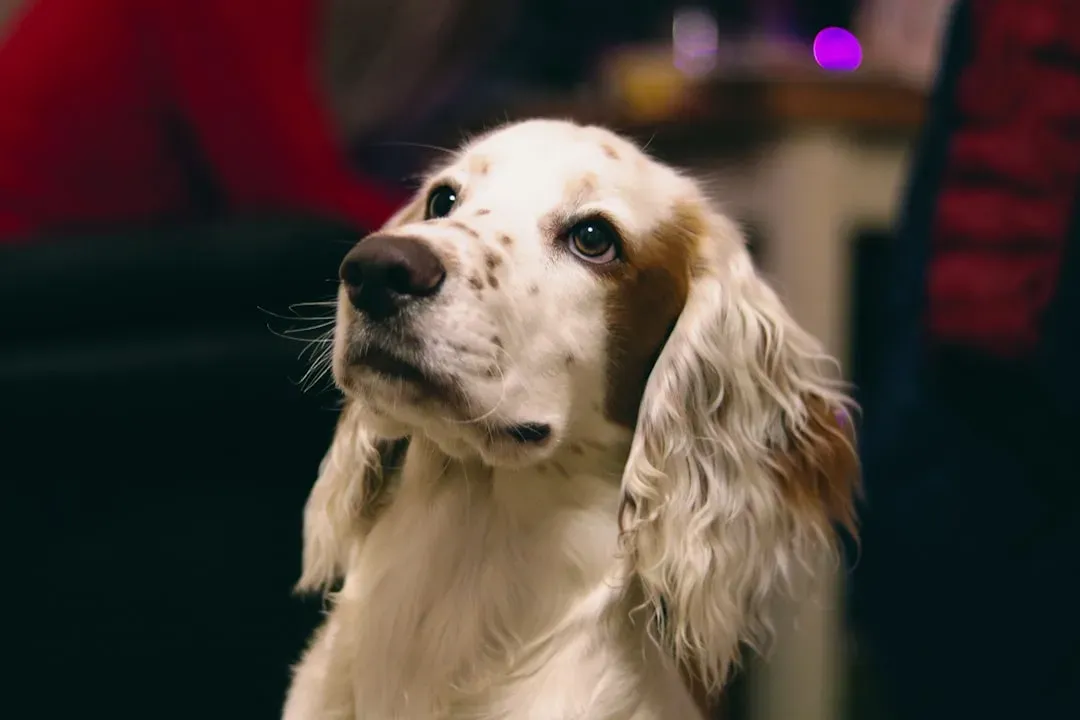
Dogs don’t understand language the way we do, but they are remarkably sensitive to vocal patterns, pitch, rhythm, and emotional undertones. When someone speaks in a measured, deliberately pleasant voice that doesn’t quite match their body chemistry or microexpressions, a dog picks up on that mismatch faster than any human in the room would.
Deceptive individuals frequently exhibit vocal stress patterns, including higher pitch, irregular cadence, or forced enthusiasm that conflicts with their actual emotional state. Dogs process these auditory inconsistencies as warning signals. The canine auditory system detects subtle variations in vocal pitch, rhythm, and intensity that escape human notice. In practical terms, your dog may become uneasy around someone whose voice sounds perfectly fine to you, because the dog is hearing layers you simply can’t detect.
#11: Sniffing Intensely and Then Withdrawing
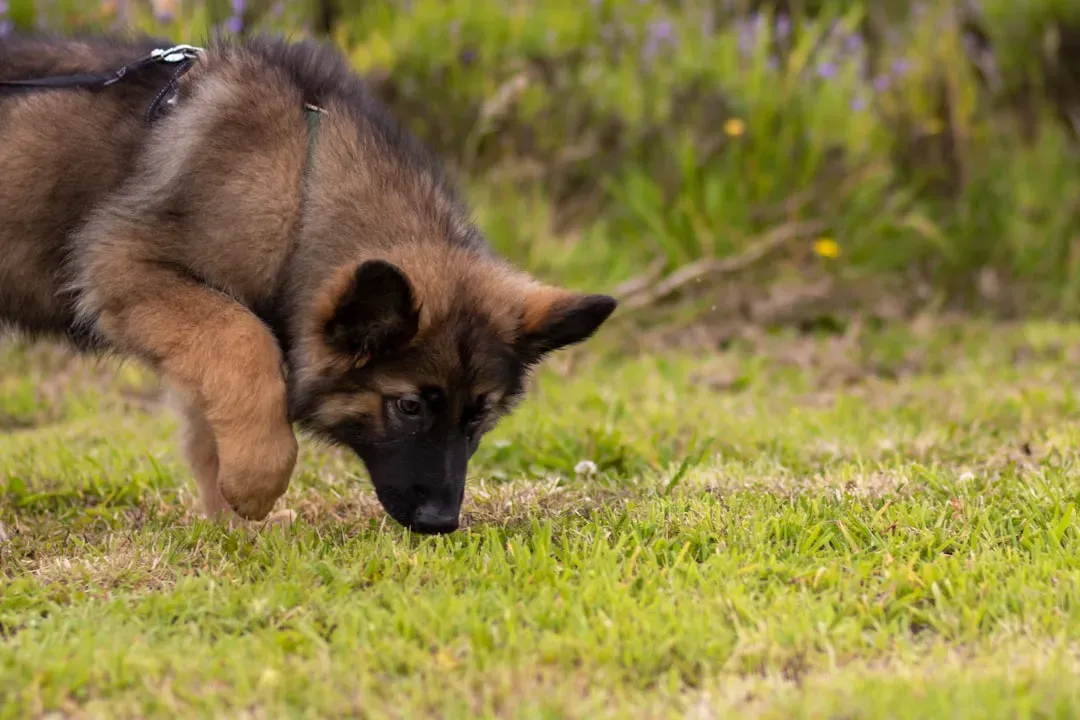
Dogs greet the world through their nose first. A dog that sniffs a visitor, pauses, then backs away or creates distance has gathered information from that initial olfactory scan. This isn’t simply about detecting an unfamiliar smell. It can be a response to chemical signals associated with emotional states, stress hormones, or biological cues that indicate something the dog finds alarming or untrustworthy.
Dogs can detect changes in human scent that correspond with emotional and physical states due to their advanced olfactory systems. Their vomeronasal organ helps them perceive pheromones and other subtle chemical markers. Dogs may detect changes in scent linked to stress hormones, which can influence behavior. Dogs are particularly sensitive to stress hormones like adrenaline and cortisol, meaning they may react to tension long before humans consciously notice it. A withdrawal after that initial sniff is a measured, informed response.
#12: Refusing to Follow That Person’s Commands or Cues
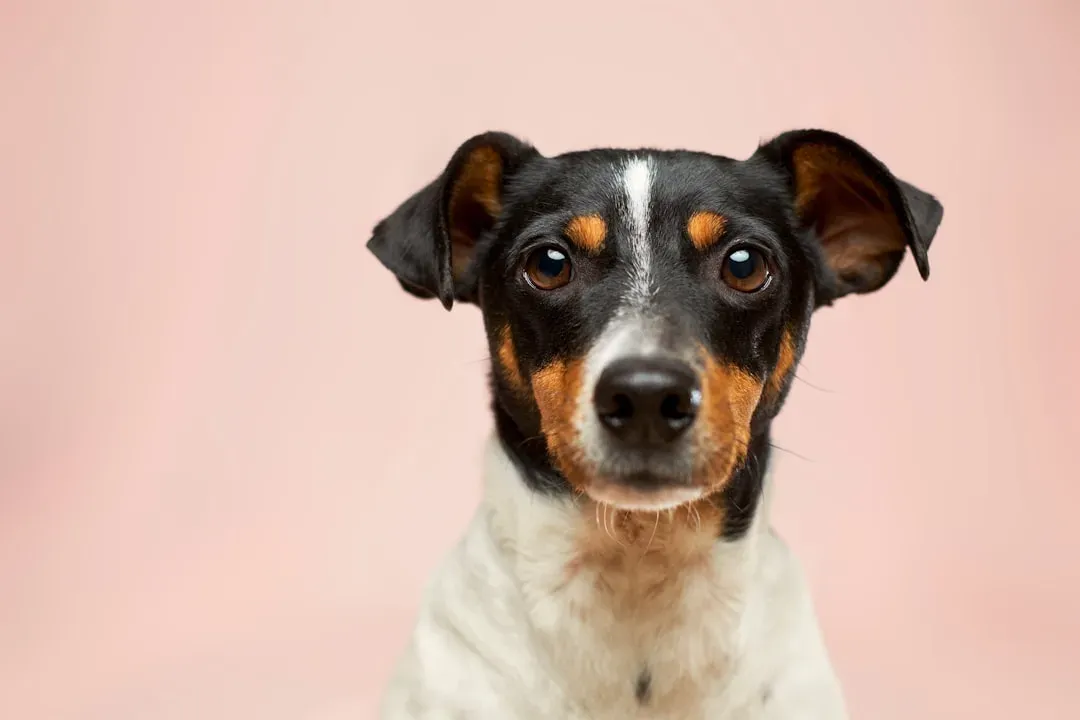
A well-trained dog that suddenly stops responding to instructions from a specific person, even when they’re giving familiar, simple commands, is communicating a social judgment. This goes beyond not knowing a person. It’s an active decision to disengage from someone whose reliability the dog has already assessed and found wanting. It’s perhaps one of the most overlooked warnings of all.
Scientists from Kyoto University found that dogs can determine if you’re trustworthy based on your actions, and may only follow commands from people that they believe in. The research shows that dogs can use their experience to assess whether a person can be considered reliable. When a dog that normally listens well simply shuts down for one specific individual, that dog has formed a considered opinion. It’s worth forming one of your own.
What to Do When Your Dog Sends These Signals
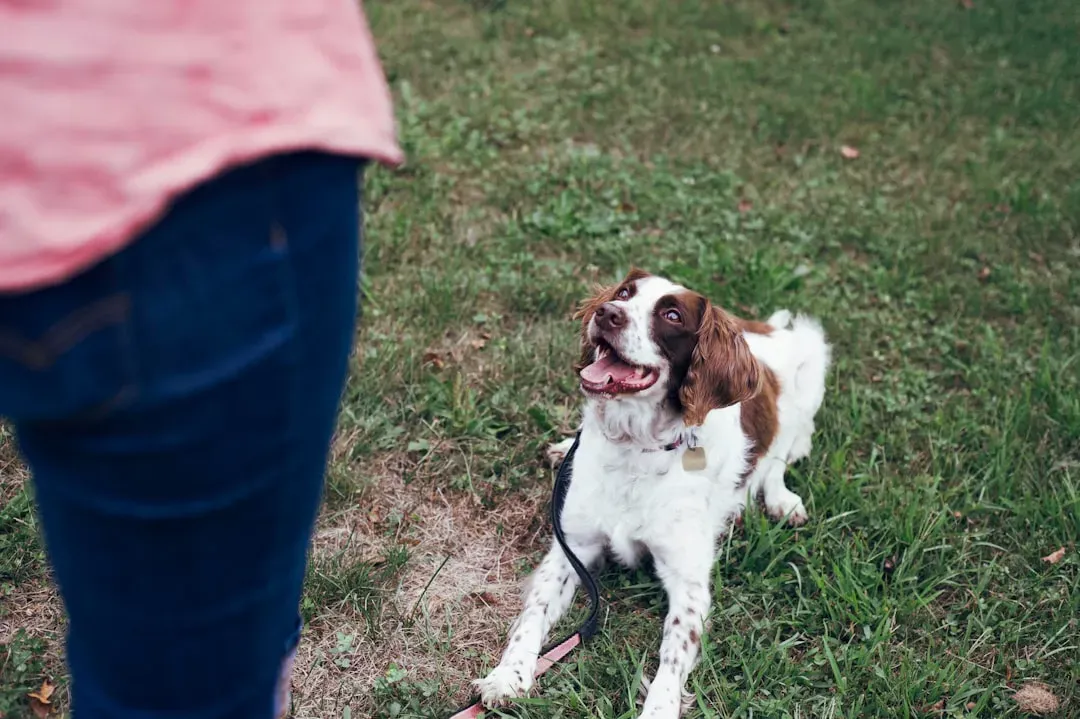
The honest opinion here is this: don’t dismiss your dog. That doesn’t mean you should make life decisions based solely on a growl or a tucked tail, but it does mean these signals deserve genuine attention rather than an embarrassed apology to your guest. Dogs are incredibly skilled at reading human behavior, emotions, body language, scent, and social cues. While dogs probably cannot detect whether someone is morally “good” or “bad,” they may notice signals humans often miss.
A normally friendly dog that displays consistent wariness toward a specific person despite repeated positive interactions warrants attention. Owners should consider whether the reaction represents general anxiety or specific concern about a particular individual’s trustworthiness. Context always matters, and a dog with past trauma may misread situations occasionally. Still, a pattern of these behaviors aimed at one person, especially someone who is regularly in your home, is worth taking seriously.
Dogs have been living alongside humans long enough to become genuinely good at reading us. They don’t have agendas. They don’t get jealous of a new relationship or dislike someone’s cologne for philosophical reasons. When your dog consistently, calmly, and persistently signals that something is off about a person in your space, they may simply be the most honest observer in the room. The question isn’t whether to listen. It’s whether you’re paying close enough attention to hear them.