
#1: The Emotional Imprints That Never Fully Fade

Dogs are susceptible to trauma-related behavioral changes just like us, and research has established that dogs can develop PTSD. This isn’t anthropomorphizing. It’s biology. The same neural architecture that processes fear in humans is present in dogs, and it doesn’t distinguish between past and present threats once it’s been activated hard enough.
Dog caregiver reporting on the spectrum of fearful and aggressive behaviors often describes “unpredictable” or “exaggerated” responses to a situation. A possible explanation for these behavioral responses considers that the dog is reacting to triggered memories for which the dog has a negative association. The dog isn’t acting out. It’s remembering, in the only way it knows how.
Rescue dogs come from various backgrounds, often having faced neglect, abuse, or abandonment. These experiences can leave deep emotional scars that manifest as anxiety, fear, aggression, or depression. What’s striking is how specific these responses can be. A dog rescued from a situation involving male aggression might be calm around women but shut down completely around men. The memory isn’t general. It’s pointed.
#2: Scent Memory, the Deepest Archive a Dog Has

A dog’s memory is far more sophisticated than many people realize, though it functions differently from human memory in key ways. Rather than recalling specific events in detail, dogs rely heavily on associative memory. They remember people, places, and other animals based on the emotions or experiences linked to them. For a rescue dog, this means that a familiar smell doesn’t just bring back a vague feeling. It can bring back an entire emotional state.
Studies show that dogs can gauge how long someone has been gone by the fading intensity of their scent, which can trigger emotional longing for the person or animal they have bonded with. Dogs can retain scent memories for years, as seen in cases where those reunited with their guardians after long separations often initially hesitate upon seeing them, but immediately respond with recognition and excitement once they catch their scent. That brief hesitation before the burst of recognition is essentially memory in real time.
Scent is the strongest sense dogs use to recognize and remember people, followed closely by voice and emotional tone. Strong emotional bonds create long-lasting memories, which is why dogs can recognize and respond to people they’ve imprinted after long separations. For rescue dogs, this cuts both ways. A scent that meant safety can trigger joy. A scent tied to harm can trigger panic, even years later, even in a house full of love.
#3: How the Brain Stores Fear and Re-Fires It

Studies show that dogs exposed to trauma experience changes in brain chemistry similar to humans with PTSD. The amygdala, the brain’s fear center, becomes hyperactive during flashbacks. Neurotransmitters like serotonin and dopamine get disrupted during these episodes. This imbalance causes heightened anxiety and fear responses beyond normal stress reactions. So when a rescue dog seems to overreact to something small, it’s genuinely experiencing a level of distress that far exceeds what the trigger would normally warrant.
We can observe signs of re-experiencing in the form of reactions to triggers. For instance, a dog that has been in a car accident might react with fear to visual and olfactory cues or sounds associated with cars. Trigger reactions are an important symptom of PTSD in dogs. Behaviorists use careful observation of these trigger patterns to piece together what a dog may have experienced, even when no history is available.
A traumatized animal has a higher likelihood of becoming re-traumatized if they re-encounter major stressors. So understanding a companion’s triggers is beneficial in helping prevent episodes. This is why newly adopted rescue owners are often advised to go slow. Even a well-intentioned hug at the wrong moment can re-activate fear circuitry that took months to quiet down.
#4: What Animal Behaviorists Mean by “Episodic-Like” Memory

Claudia Fugazza, PhD, an ethology researcher at ELTE, found evidence of episodic-like memory in dogs. She and her colleagues first trained dogs to repeat actions on command, then tested whether dogs could remember and repeat spontaneous actions they had performed earlier. When given the repeat command, even up to an hour after performing a spontaneous action, dogs recalled and reproduced those behaviors. This suggests that their memory involves recalling past experiences rather than simply linking commands to specific actions.
Dogs possess multiple memory systems including short-term memory lasting seconds to minutes, long-term memory that can persist for years, and specialized systems for procedural knowledge, spatial information, and social relationships. Research has demonstrated that dogs can remember specific events and show behavior consistent with what in humans would be called episodic memory, recalling not just that something happened but specific details of the experience. For rescue dogs, this means their past isn’t just a blur of general discomfort. There may be specific moments woven into how they navigate the world.
Research on episodic-like memory in animals further challenges the traditional view that complex memory systems are exclusive to humans. This is an evolving field and researchers are careful not to overstate what dogs consciously experience. Still, the behavioral evidence is hard to dismiss. Rescue dogs don’t react randomly. They react to something.
#5: How Trauma-Informed Care Helps Rewrite the Past
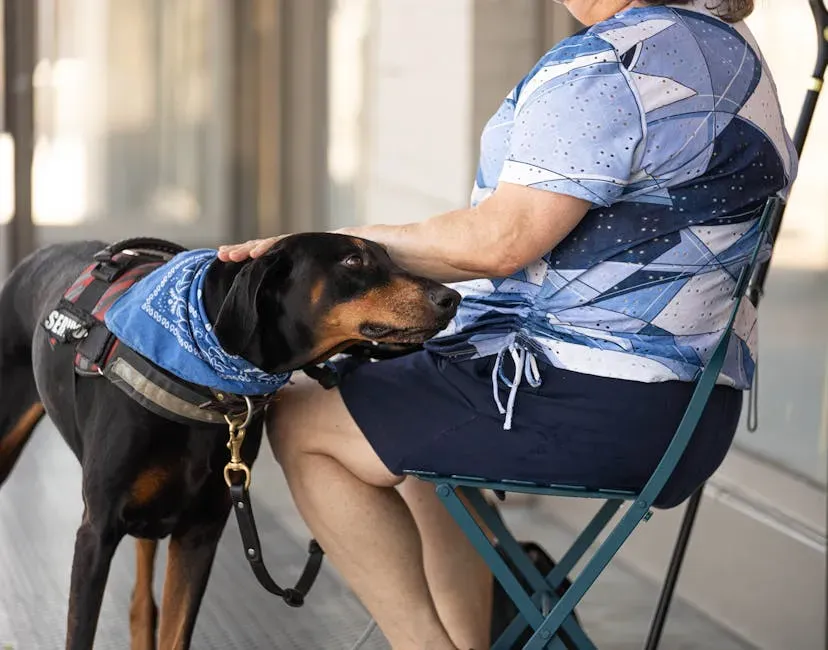
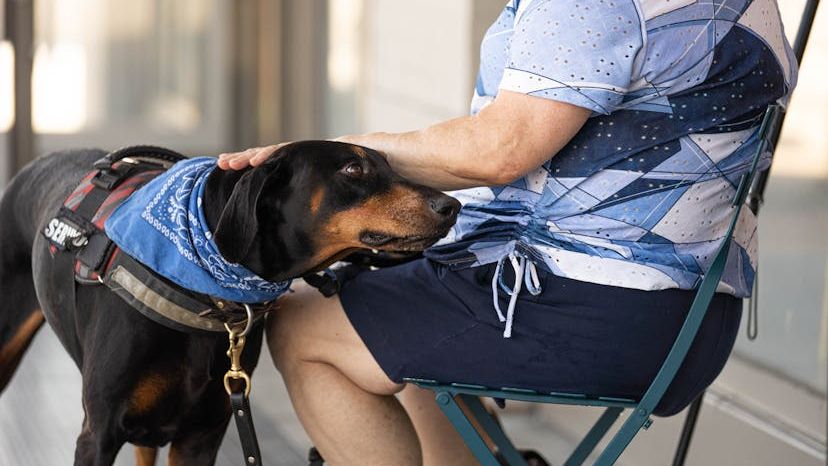
Trauma-informed care considers how important early experience is in determining lifelong responses to challenging situations, how individuals respond to stress, how they overcome it, and their ability to develop and sustain resilience. Originally developed in human psychology, this approach is now being adapted specifically for shelter and rescue dogs, with growing support from veterinary behaviorists.
Staff members who are trauma-informed recognize the impact of trauma on dog behavior and strive not to traumatize the animals further. Instead, they follow a “Fear Free” approach that slowly encourages dogs to relax and trust humans, never pushing dogs to do things that make them uncomfortable. This requires patience and lots of time, as animals stay as long as they’re making progress, however small. The pace is non-negotiable. Rushing it doesn’t just fail. It actively causes harm.
Although a dog who hasn’t undergone trauma may adjust to something in days, it can take an abused dog three to six months or more to adjust to a new environment, new people, and so on. Dogs, especially those from unstable backgrounds, thrive on routine. Consistent feeding, walking, and training schedules provide a sense of security and predictability, helping to reduce anxiety. That predictability is essentially teaching the dog, day by day, that the future doesn’t have to look like the past.
What We Owe the Dogs Who Remember

There’s something quietly profound about the way a rescue dog slowly learns to trust again. It doesn’t happen in one big moment. It happens in accumulated small ones. A consistent meal at the same time. A gentle voice that never turns sharp. A hand extended and then patiently withdrawn when it’s too much.
The research makes one thing clear: rescue dogs aren’t blank slates, and they were never meant to be. While dogs do not retain memories in the same way humans do, they can show long-term behavioral changes due to past trauma. These memories are often triggered by specific stimuli related to the abusive events. Knowing that changes everything about how you approach them.
In the end, what animal behaviorists are really telling us is that patience isn’t just kindness. It’s the actual mechanism of healing. The dog that flinches at a raised hand isn’t being dramatic. It’s being honest. And honestly, that deserves our deepest respect, not our frustration.


