

#1. They Start Sleeping Far More Than Usual

Dogs may sleep more frequently and for longer durations in their final days, reflecting their increasing fatigue and decreasing energy levels. This is one of the earliest and most easily dismissed signs, because sleep changes can seem harmless or even normal for an older dog. The difference in the final week, though, is stark. It’s not just napping more – it’s a deep, heavy withdrawal from the world.
About two weeks before passing, many dogs clearly slow down, sleeping more and showing less interest in walks, food, or play, and there may also be bad breath, tummy upset, or stiffness. If your dog is spending most of the day and night asleep and showing no real interest in waking up for the things they once loved, their body is conserving what little energy remains. Don’t dismiss it as “just being tired.” It’s worth a call to your vet.
#2. They Stop Eating or Show Little Interest in Food
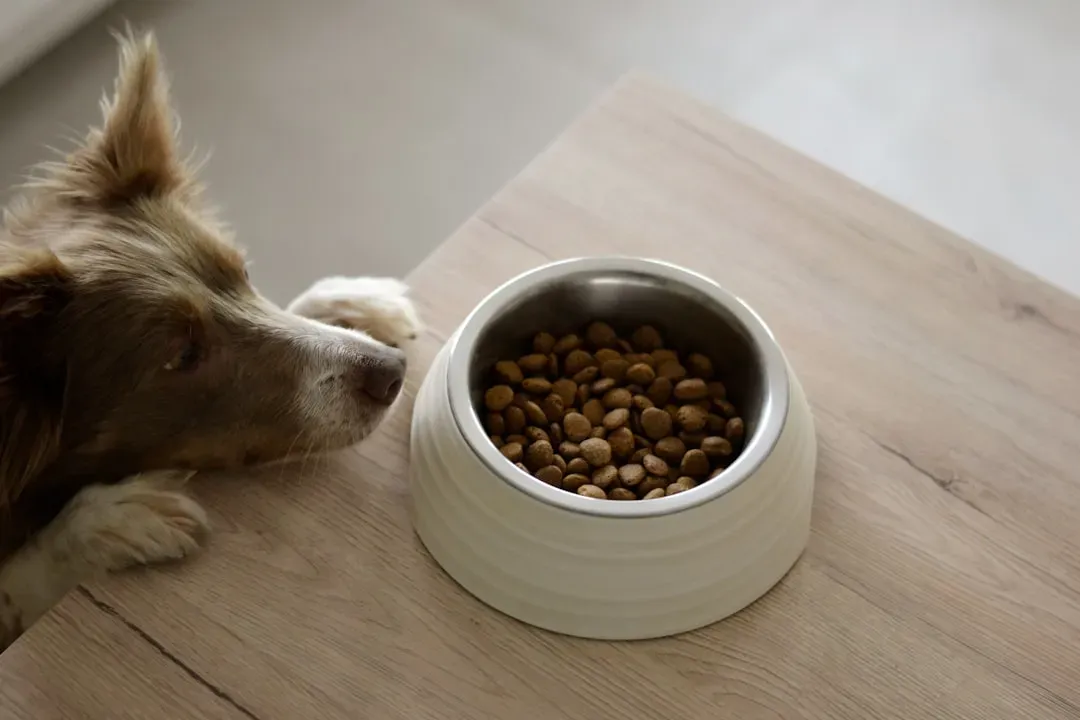
It is common for dogs to lose interest in food and water in their final days, particularly if they are experiencing nausea or pain. In some cases, a dog’s loss of appetite and decreased thirst may be accompanied by other gastrointestinal symptoms, like vomiting and diarrhea. This isn’t pickiness. When a dog who once came running at the sound of a treat bag just stares blankly at their bowl, something deeper is happening.
Refusing to eat even highly palatable foods or favorite treats indicates a general lack of enjoyment in things that once pleased them. This moment – when even a beloved snack gets ignored – is often one of the clearest signals that a dog’s body is beginning to shut down. Talk to your veterinarian about whether appetite stimulants make sense, or try tempting them with wholesome, flavorful foods, frozen treats, or wet food to help with hydration. The goal isn’t necessarily to restore appetite, but to keep them as comfortable as possible.
#3. They Seek Out Unusual or Isolated Spots to Rest

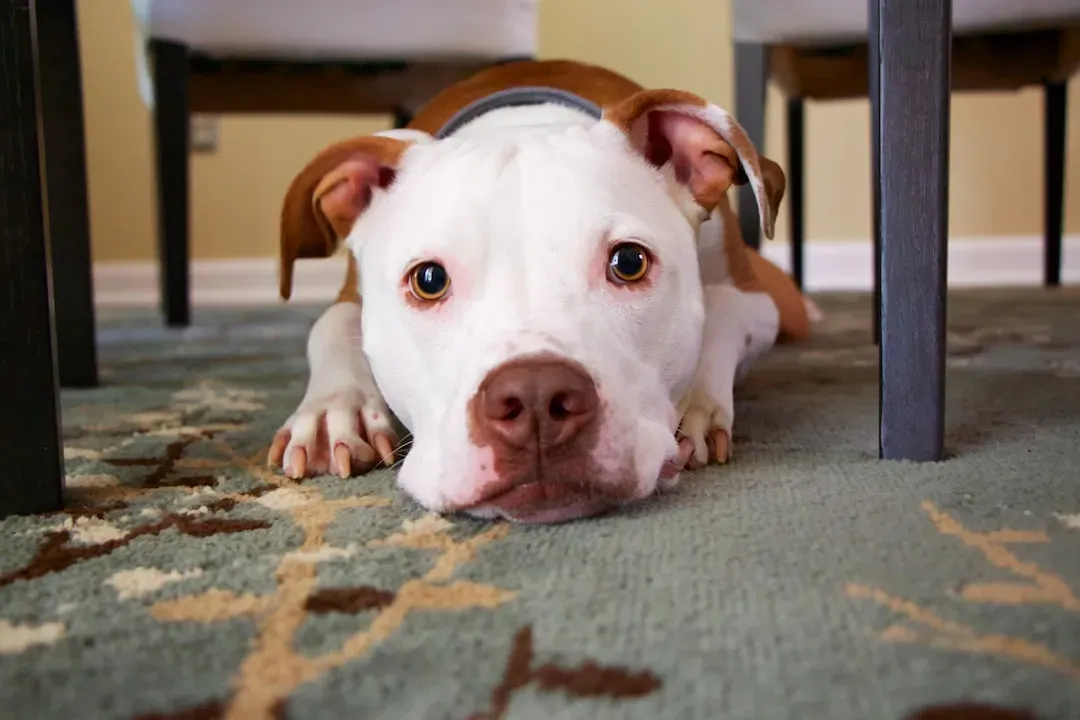
As their body temperature regulation changes or their urge to feel safer increases, dying dogs start seeking unusual places to rest. This could include under furniture, in closets, and in other secluded spots. Your dog may want to be away from the hustle and bustle of daily household activities. It can feel like rejection when your dog retreats to a corner of the house they’ve never shown interest in before, but it’s not personal.
Dying pets may behave differently around people, often becoming more distant or sometimes more clingy. Choosing to hide or isolate themselves may reflect fatigue and a desire for quiet, or an instinct to separate oneself from others when the end is near. If your pet displays this end-of-life behavior, avoid forcing interactions, but remain close by so they can feel your calming presence. Sitting quietly nearby, without pressure, can mean everything to them.
#4. They Become Unusually Clingy or Needy
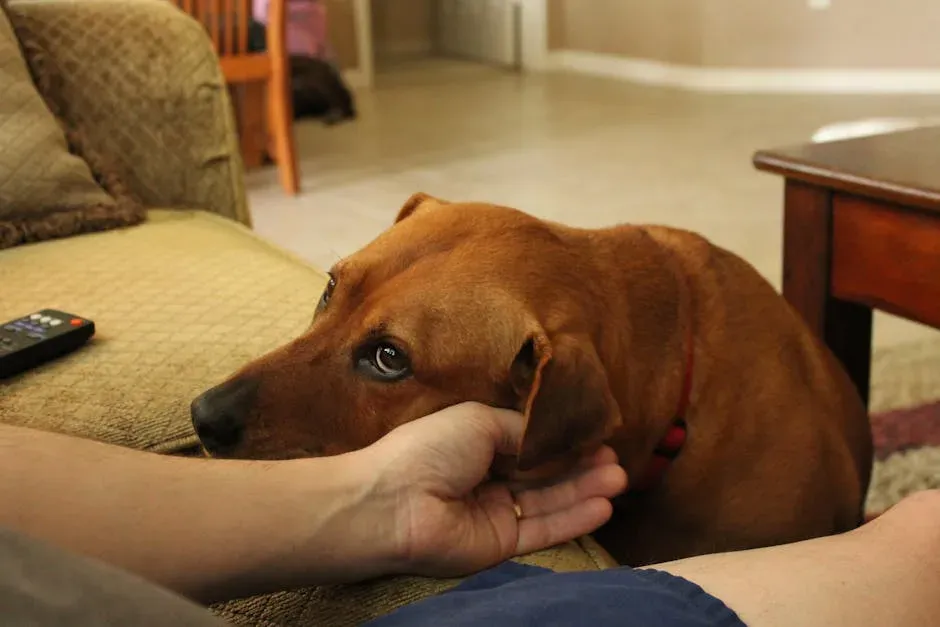
Some dogs may become excessively clingy, constantly seeking your attention, following you from room to room, and becoming anxious when left alone. This increased need for security and comfort is a natural response to their weakening state. It’s one of the most bittersweet signs to witness, because there’s something almost heartbreaking about a dog who just wants to be near you every waking moment.
Dogs who don’t feel well may become more clingy, anxious, or restless, while others may seek alone time in unusual places in the home or yard. Both clinginess and withdrawal are two sides of the same coin – your dog is searching for comfort in the way that makes the most sense to them. Spending as much time as possible with your dog will not only give them the emotional support and comfort they need, but it will also allow you to watch for signs of discomfort or anxiety. Let them lead. Follow their cues.
#5. Their Breathing Changes in a Noticeable Way

Irregular, shallow, or labored breathing is a warning sign that a dog may be dying. Particularly in a pet’s final hours, a gasping breath pattern known as agonal breaths may occur. In the final week rather than the final hours, the changes are often subtler – short, slightly faster breaths at rest, a gentle wheeze, or an occasional deep sigh that seems to take real effort.
Dogs may start panting even while at rest, develop a cough, or have increased difficulty drawing a normal breath. Dogs in heart failure may develop a cough due to changes in the size of their heart or fluid accumulation in the lungs, along with weakness caused by anemia and poor circulation of oxygenated blood. Any change in resting breathing should prompt a conversation with your vet. Because breathing difficulties can be painful and distressing, seeking timely veterinary care is important to reduce suffering.
#6. They Lose Interest in Play, Walks, and Things They Loved

A once playful dog may lose interest in toys, walks, and other activities they previously enjoyed. This lack of enthusiasm is a natural consequence of their declining physical and mental state. As dogs age, their bodies may become less able to handle exertion, leading to fatigue and a preference for rest over playtime. What makes this final-week version different is that it’s across the board – not just the long walks, but the short ones too. Not just the games, but the gentle moments.
A noticeable decline in interest in previously enjoyed activities and surroundings is a significant behavioral change that indicates a dog’s diminishing vitality. This can include showing no interest in toys or games they once enthusiastically enjoyed, and becoming less responsive to familiar sounds or even the presence of their loved ones. When a dog who once spun circles at the sight of their leash can barely lift their head, it’s a clear and quiet signal that the landscape of their world has fundamentally shifted.
#7. They Show Confusion or Disorientation
Canine Cognitive Dysfunction or “dog dementia” can become more pronounced in a dog’s final stages. This can manifest as disorientation, where they may seem lost in familiar surroundings or have trouble recognizing family members. One day they know exactly where the kitchen is. The next, they’re standing in the hallway staring at a wall. It can feel jarring to witness, especially if their confusion seems to come out of nowhere.
Disorientation and confusion are also common. You might find your dog staring at walls, getting stuck in corners, or forgetting where their water bowl is as canine cognitive dysfunction sets in. Some pets become mentally disoriented as they decline, which may reflect serious cognitive dysfunction or a health condition affecting the brain. Affected pets may pace, stare, vocalize, develop anxiety, or seem lost in their once-familiar home. Your calm, reassuring presence matters more in these moments than any words you could say.
#8. Their Body Temperature Feels Off
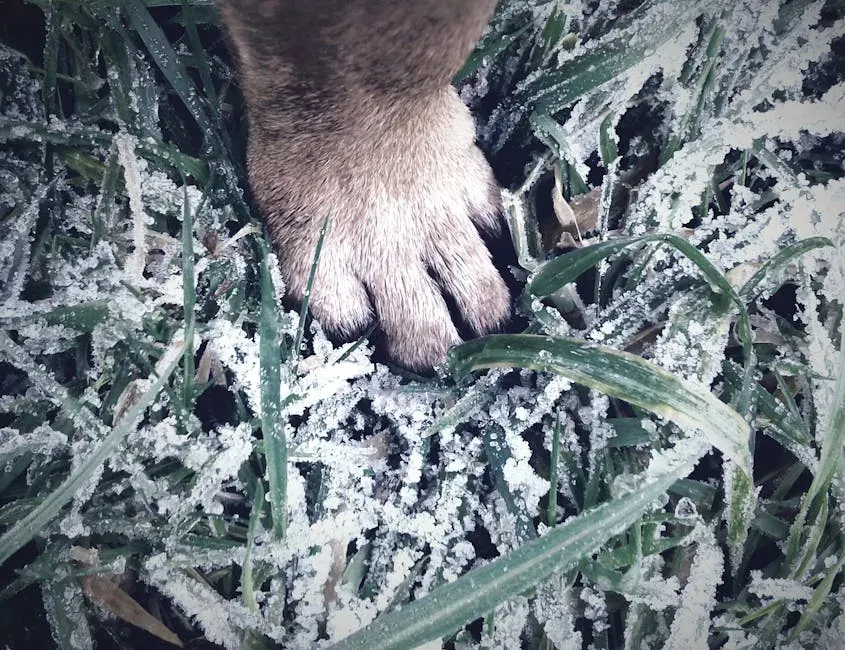
As circulation slows, a dog’s body temperature may drop, and their paws or ears may feel cold. Most owners don’t think to check their dog’s extremities, but cold paws or ears in a dog who’s always run warm can be a telling sign. It’s the body beginning to redirect its resources in a final, quiet way.
If your dog is sick, aging, or near the end of life, you may notice they get hotter or colder than they used to. These temperature changes are due to hormonal changes that can make it difficult for the body to regulate temperature. Try to keep your dog comfortable by avoiding extreme temperatures. If you live in the heat, keep your dog in the shade and provide cool water; if you live somewhere cold, provide a cozy bed by a warm spot or a pet-safe heating pad. Stable temperature and soft bedding can make a genuine difference in their comfort.
#9. They Begin Losing Bladder or Bowel Control

Dying pets may lose control of their bladder or bowels in the days before passing. Accidents can occur due to weakness, decreased mobility, nervous system problems, or organ failure, even after previously perfect housetraining. This sign is one that many owners find distressing, partly because it seems so contrary to the proud, capable dog they know. It’s important to remember that your dog isn’t doing this out of confusion or regression – their body simply can’t help it.
Over time, circulation and breathing change with cold paws, pale gums, and irregular breaths, and some dogs lose bladder or bowel control. Some pets who are unable to get up may have accidents they cannot move away from. Using absorbent pads and cleaning pets frequently can preserve comfort for dogs experiencing this end-of-life behavior. Keeping your dog clean and dry is one of the most practical and dignified forms of care you can provide at this stage.
#10. Their Vocalization Patterns Change

Some dogs may become unusually quiet, while others may exhibit increased vocalization, such as whining, howling, or barking, often without an apparent trigger. These vocalizations can be a sign of pain, anxiety, confusion, or a general sense of unease. A dog that was always vocal going suddenly quiet is just as meaningful as a quiet dog who starts whimpering in the night. Both deserve attention.
Dogs in the active dying phase may show extreme weakness, difficulty breathing, decreased responsiveness, and disorientation, and some bark or vocalize without an obvious cause. If your dog is crying, moaning, or whimpering frequently, it may be a sign that their pain is not well-managed. Pain management often plays a vital role in easing the signs your dog is dying. Your vet can offer options like anti-inflammatories, opioids, or palliative care strategies to address the pain directly and relieve the accompanying emotional distress.
#11. They Experience Rapid or Visible Weight Loss
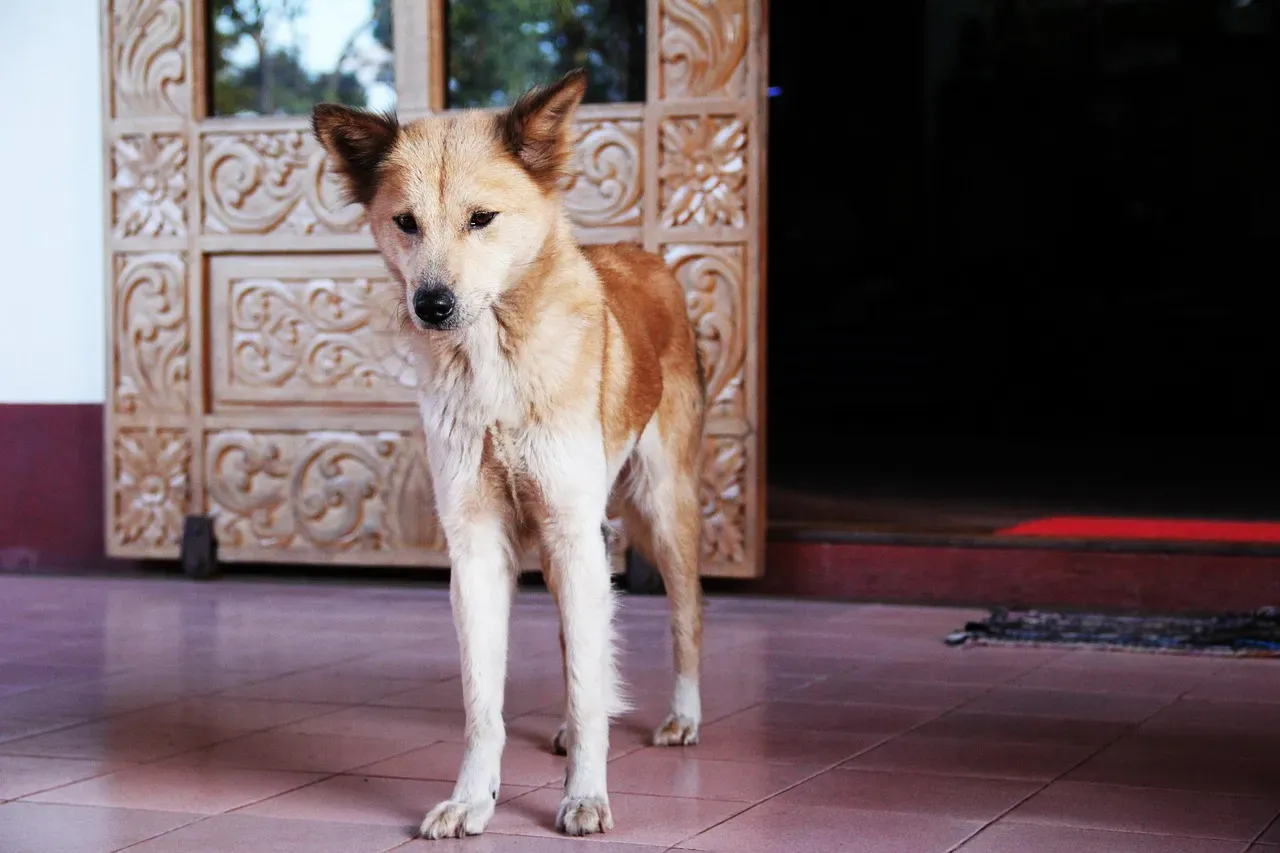
You may notice that your dog seems to be losing weight rapidly. While weight loss is common in older dogs, extreme or rapid weight loss can be a sign that a dog is nearing the end of life. Extreme weight loss can occur from not eating or changes in their metabolism due to certain conditions. In the final week, this can become visually striking. Ribs that weren’t visible before, a spine that becomes easy to feel, a face that looks drawn – these are signs of the body consuming its last reserves.
Slow, steady weight loss is common in pets with chronic illness, but sudden or worsening weight loss can be a sign a dog is dying. This phenomenon occurs because of metabolic changes and is particularly common in pets with cancer. Weight loss is very common in senior dogs and will start well before the end of life. Part of this is a normal aspect of the aging process, as the body becomes less efficient at digesting protein, which causes muscle mass to be lost. By the final week, that process accelerates considerably.
#12. They Respond Differently to Your Touch and Voice

Most vets and behaviourists believe hearing and touch are among the last senses to fade, though this can vary with the dog and disease. Even if eyes seem unfocused or cloudy, your dog may still hear your voice and feel your touch, so keep speaking softly and comforting them. This is perhaps the most important thing to understand in your dog’s final week. Even when they seem unresponsive, they likely still know you’re there.
As dogs approach the end of their lives, their senses may begin to decline, affecting how they perceive and interact with their environment. They may become less responsive to their name or loud noises, indicating a decline in auditory perception, and may bump into objects or have difficulty navigating familiar surroundings due to declining eyesight. Dogs can also sense their pet parents’ distress and may react accordingly, so try to remain as calm and reassuring as possible. Your gentle touch and steady voice may be the most meaningful gift you can give them now.
A Final Word: What Knowing These Signs Actually Means

None of this is easy reading. There’s a reason most of us don’t want to know the signs – because knowing them makes it real, and making it real means sitting with a grief you’d rather delay. But recognizing these behaviors isn’t about bracing for heartbreak. It’s about showing up fully for the animal that has shown up fully for you, every single day of their life.
Recognizing end-of-life behaviors lets you adapt your care to address your dog’s specific needs, whether that means creating quiet spaces or knowing when pain management should be discussed with your veterinarian. This understanding helps you make compassionate choices to prioritize your dog’s comfort and dignity during their final days. There is no perfect way to handle this. There is only presence, gentleness, and the willingness to put their comfort above your fear of losing them.
If you see several of these signs appearing together, sudden or persistent shifts such as drastic weight loss, a significant drop in energy, altered breathing, or clear signs of pain should prompt immediate consultation with a veterinarian. Your instincts as a dog owner are valid. Trust them. The best thing you can do for your dog in their final week isn’t to have all the answers – it’s simply to be there, quietly and completely, for every remaining moment you have together.


